
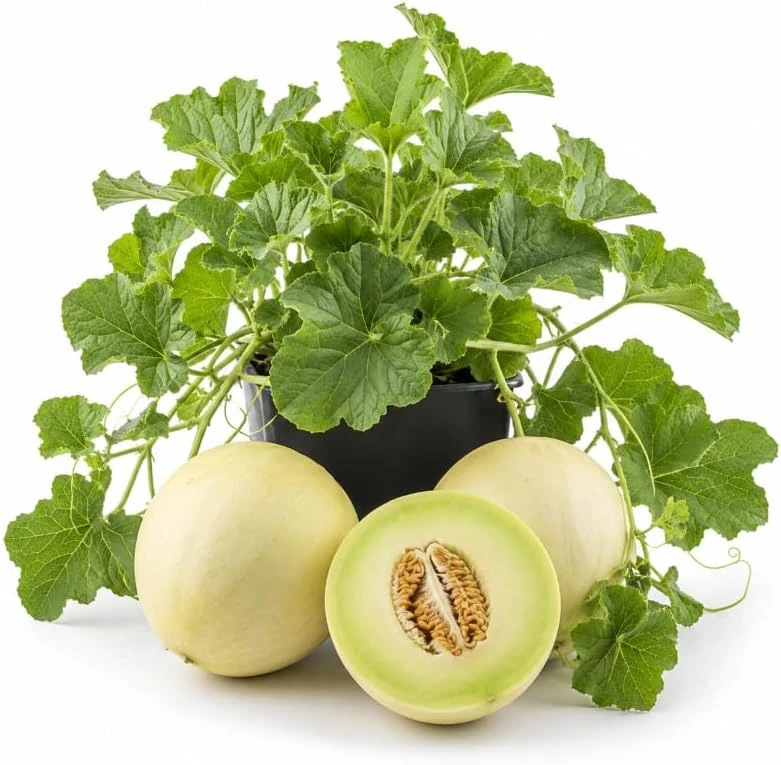
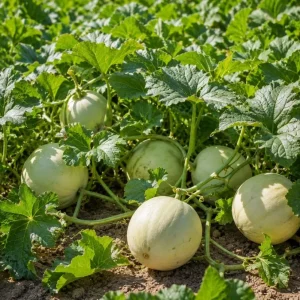
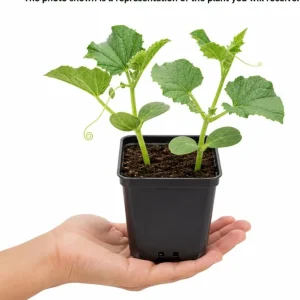
Honeydew Melon Vine Plants – 2 Live Starters, 3-5 Inches Tall, 4 Inch Pot, Outdoor
Original price was: $39.99.$19.99Current price is: $19.99.
Cultivate delicious honeydew melon vine plant with this set of two live starter plants. Each plant is 3-5 inches tall, ready for your home garden. Ideal for trellises and outdoor growing, these starters promise sweet, juicy fruit.
Estimated arrival
Oct 16
Oct 21 - Oct 23
Oct 26 - Oct 30

Reasonable Price
We offer reasonable price

Support 24/7
Contact us 24 hrs a day

100% Money Back
You've 30 days to Return

Payment Secure
100% secure payment
Overview
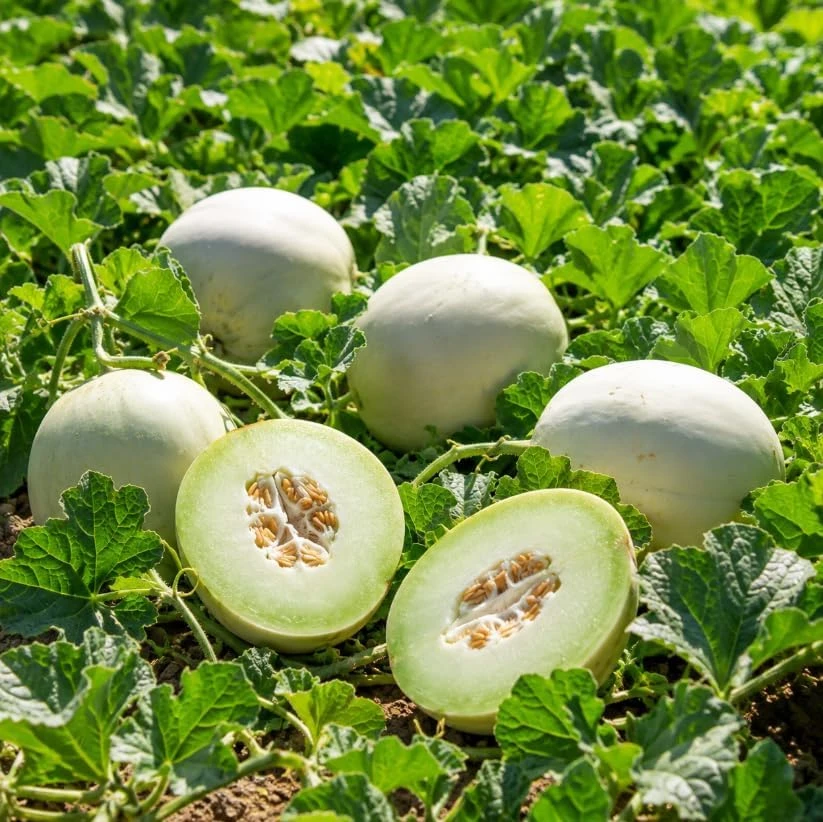
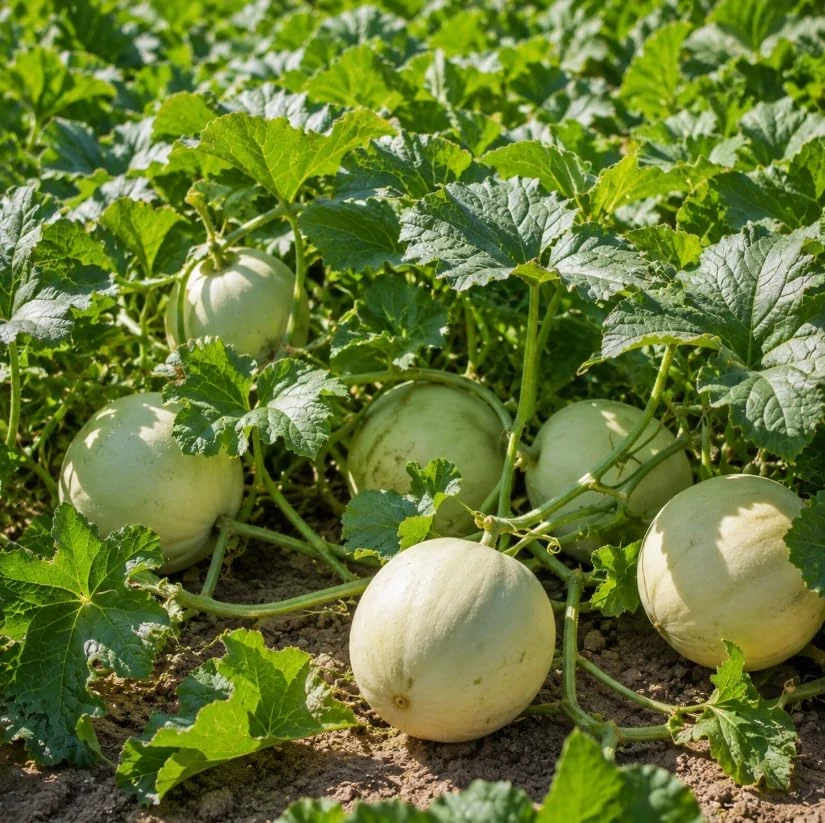
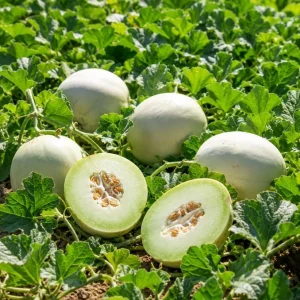
Embark on a delightful gardening journey with our honeydew melon vine plant starters. This offering includes two robust young plants, each measuring approximately 3-5 inches tall and ready to be transplanted into your garden. Perfect for enthusiasts eager to grow honeydew melon in their backyard, these live starters provide a significant head start compared to growing from seed. Honeydew melons, known botanically as Cucumis melo ‘Inodorus’ group, are cherished for their sweet, pale green flesh and refreshing taste. These vigorous vines are ideal for training on trellises, allowing for cleaner fruit production and efficient use of garden space. Imagine harvesting your own succulent, sweet honeydew fruit directly from your garden – a true taste of summer’s bounty.
These young plants are carefully nurtured to ensure they arrive healthy and ready to thrive in your outdoor environment. They are a fantastic choice for both novice and experienced gardeners looking to add a rewarding and delicious crop to their edible landscape. By starting with established plants, you reduce the waiting time and increase your chances of a successful harvest. Get ready to enjoy the satisfaction of growing your own produce with these promising honeydew melon starters.
Key Benefits
Growing your own honeydew melons offers a multitude of benefits, both for your garden and your palate. Our honeydew melon vine plant starters are designed to help you achieve a bountiful and delicious harvest.
- Fresh, Homegrown Flavor: Experience the unparalleled taste of freshly picked honeydew, far superior to store-bought varieties. Growing your own ensures peak ripeness and sweetness.
- Satisfying Harvest: Enjoy the rewarding process of watching your vines grow and produce beautiful, ripe melons, providing a sense of accomplishment.
- Healthy & Nutritious: Honeydew melons are packed with vitamins and minerals, offering a healthy and hydrating snack directly from your garden.
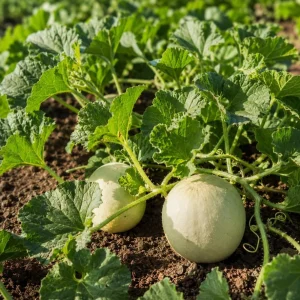
- Space-Saving Vertical Growth: These vines are excellent for trellising, allowing you to maximize garden space and keep fruit off the ground, reducing pest and disease issues.
- Support Pollinators: Growing melon plants in your garden helps to attract beneficial pollinators like bees, contributing to a healthier ecosystem.
- Educational Experience: A wonderful way to teach children about where food comes from and the joys of gardening, making it a great family activity to grow honeydew melon.
- Variety for Your Garden: Add a unique and delicious fruit to your vegetable patch, diversifying your home-grown produce and providing a delightful sweet honeydew fruit.
Plant Care & Growing Tips
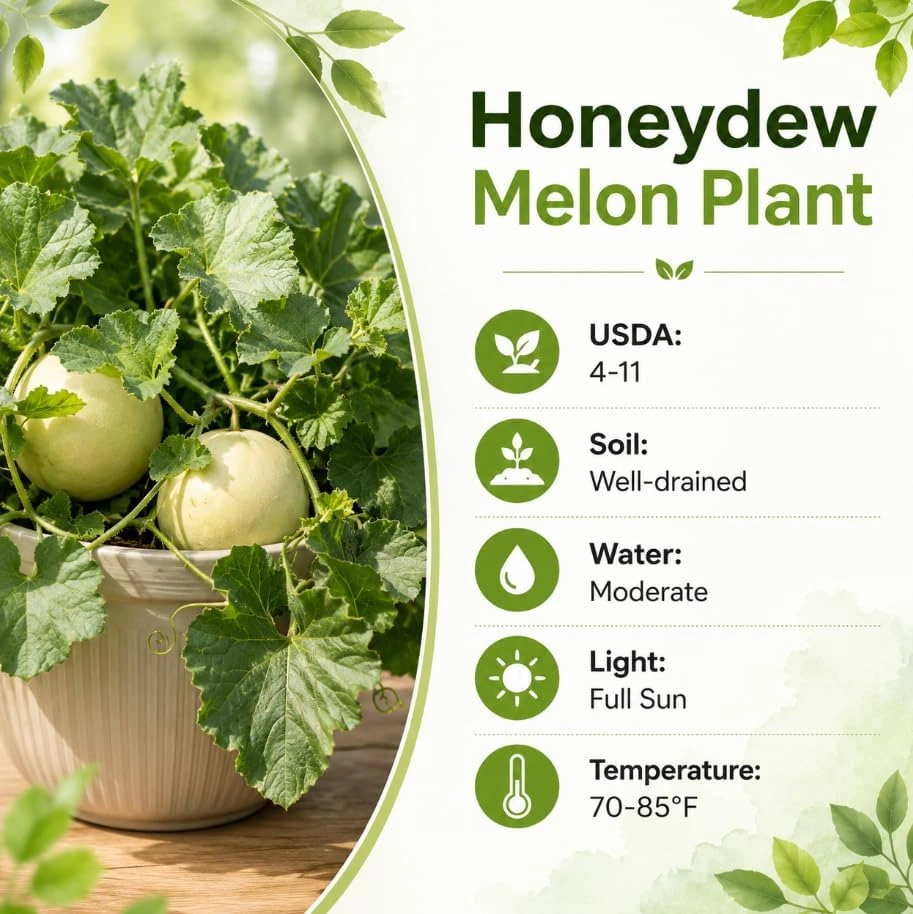
Caring for your honeydew melon vine plant is straightforward, leading to a rewarding harvest of sweet fruit. These plants thrive in conditions that mimic their warm, sunny origins. For optimal growth and fruit production, select a location in your garden that receives at least 6-8 hours of direct sunlight daily. Melons are heavy feeders, so ensure your soil is rich in organic matter and has good drainage. Amending your garden beds with compost or well-rotted manure before planting will provide essential nutrients for the growing season.
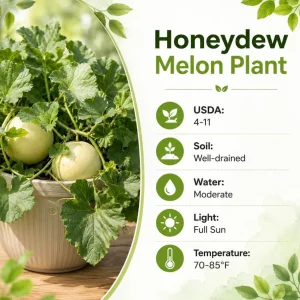
Watering is crucial, especially during flowering and fruit development. Keep the soil consistently moist but not waterlogged. Deep, infrequent watering is generally better than shallow, frequent watering, as it encourages deeper root growth. When watering, try to avoid wetting the foliage to minimize the risk of fungal diseases. Fertilize your outdoor melon plant regularly with a balanced fertilizer, switching to a high-potassium formula once fruits begin to set to encourage larger, sweeter melons. These plants are typically grown as annuals in USDA Zones 4-11, depending on local climate and planting time. Protect young plants from late frosts, and consider using row covers if temperatures drop unexpectedly.
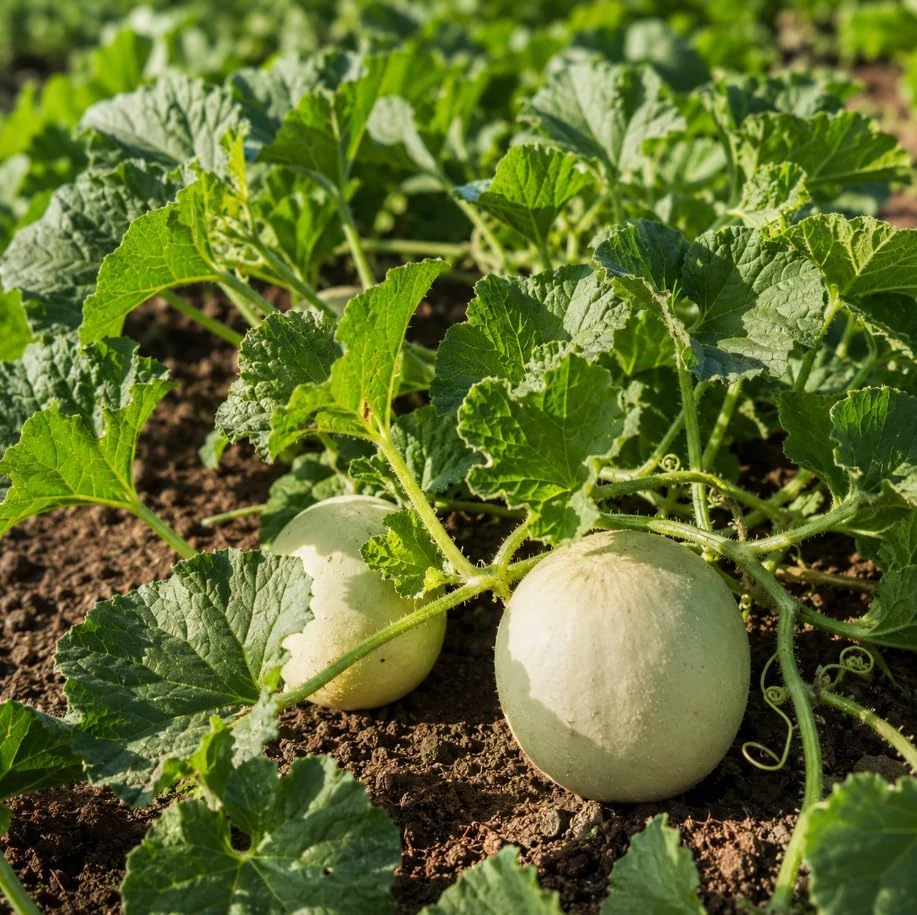
To support the vigorous growth of your honeydew melon starter plants, provide a strong trellis or support system early on. This not only saves space but also keeps the ripening fruit off the ground, reducing rot and pest damage. As fruits develop, you may need to provide additional support for heavier melons by creating slings from old pantyhose or fabric strips. Keep an eye out for common pests like aphids and cucumber beetles, and address them promptly with organic pest control methods if possible. Regular weeding around your melon plants will also reduce competition for nutrients and water, ensuring your plants put all their energy into producing delicious sweet honeydew fruit.
Size & Details
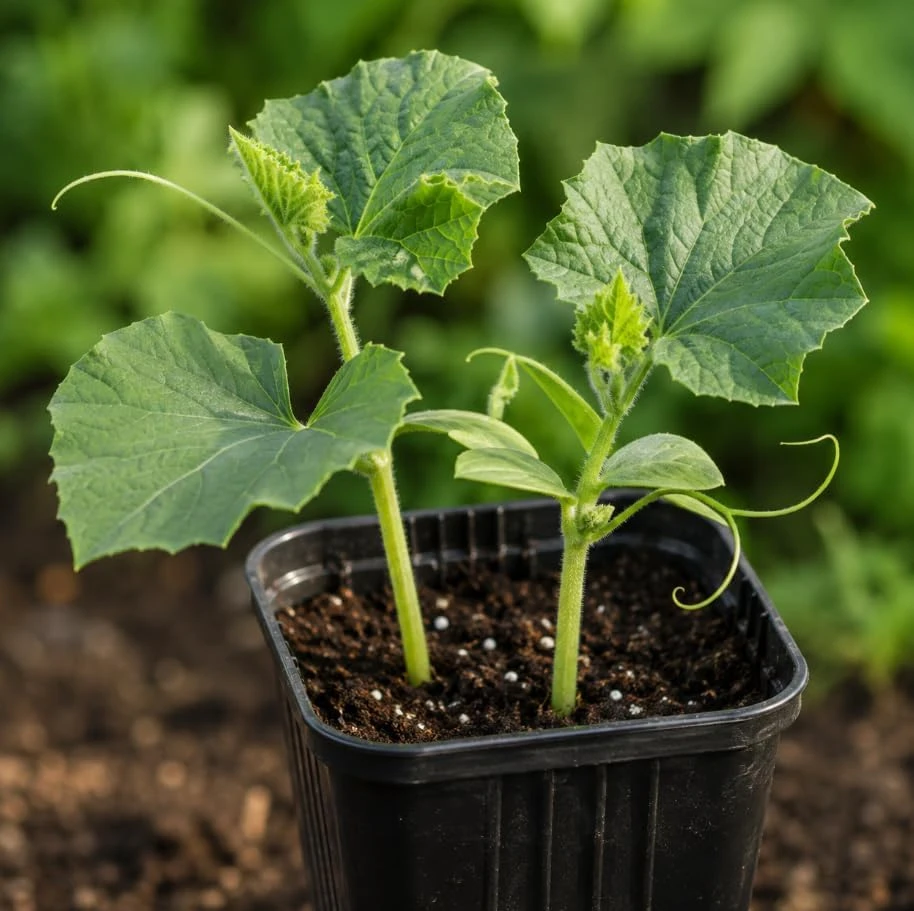
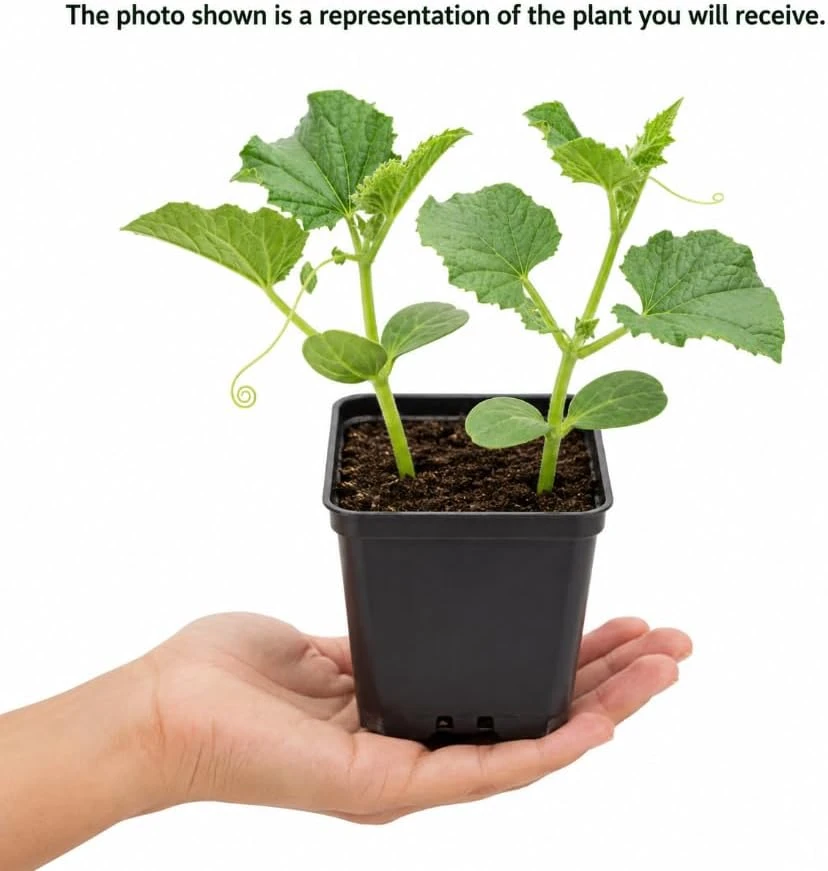
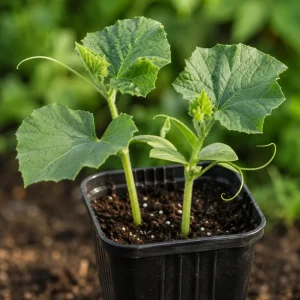
This product includes two live honeydew melon vine plant starters, each provided in a single 4-inch pot. At the time of shipment, the plants will stand approximately 3-5 inches tall, offering a healthy head start for your garden. These young plants are ready to be transplanted into your chosen outdoor growing location, whether it be a traditional vegetable garden, raised beds, or alongside a trellis. Honeydew melon vines are known for their rapid growth and can spread several feet, making them ideal for vertical gardening on trellises where fruits can hang freely. Expect these plants to mature and begin producing fruit within 80-100 days after transplanting, depending on growing conditions and climate.
Each honeydew melon starter is carefully packaged to ensure it arrives in optimal condition, ready for planting. The 4-inch pot provides sufficient root development for a smooth transition to your garden. These plants will develop into robust vines capable of producing multiple sweet honeydew fruit throughout the growing season. Their vigorous nature makes them a satisfying addition to any home garden aiming to grow honeydew melon.
Frequently Asked Questions
- Q: How big do these honeydew melon vine plant starters get? A: These starters are 3-5 inches tall when shipped. Once planted, the vines can grow quite long, often spreading several feet, especially when trellised. The fruits typically weigh between 4 to 8 pounds.
- Q: Is this an indoor or outdoor plant? A: These are primarily outdoor plants. Honeydew melons require significant direct sunlight and warm temperatures to thrive and produce fruit, making them unsuitable for most indoor environments.
- Q: How much sunlight does a honeydew melon vine plant need? A: To successfully grow honeydew melon, your plants need a minimum of 6-8 hours of direct sunlight per day. Full sun is essential for developing sweet, ripe fruit.
- Q: Is this honeydew melon starter easy to care for? A: Yes, honeydew melons are relatively easy to care for once established, provided they receive adequate sunlight, water, and rich soil. They are a great choice for gardeners with some experience or enthusiastic beginners.
- Q: What condition will the honeydew melon starter plants arrive in? A: Your honeydew melon starter plants will arrive in a 4-inch pot, approximately 3-5 inches tall, carefully packaged to ensure they are healthy and ready for planting.
- Q: When is the best time to plant these honeydew melon vine plants? A: The best time to plant is after all danger of frost has passed in your area, typically in late spring or early summer, when soil temperatures have warmed up.
- Q: Will this outdoor melon plant survive winter in my zone? A: Honeydew melons are typically grown as annuals and will not survive winter in most USDA zones. They are harvested before the first frost and replanted each year. They are suitable for growing in USDA Zones 4-11 during their active growing season.
- Q: How long until I can harvest sweet honeydew fruit? A: You can typically expect to harvest your first sweet honeydew fruit about 80-100 days after transplanting the starter plants, depending on your local climate and care.
- Q: Can I grow this honeydew melon vine plant in a raised bed? A: Absolutely! Raised beds are an excellent environment for growing honeydew melons, as they often provide better drainage and warmer soil temperatures, which melons love.
- Q: How often should I water my outdoor melon plant? A: Water regularly, ensuring the soil remains consistently moist but not soggy, especially during flowering and fruiting. Reduce watering as fruits approach maturity to concentrate sugars.
Be the first to review “Honeydew Melon Vine Plants – 2 Live Starters, 3-5 Inches Tall, 4 Inch Pot, Outdoor”
-
USDA Hardiness Zone
USDA Zones 4-11 (as an annual) -
Soil Type
Well-draining soil, rich in organic matter -
Sunlight Exposure
Full sun (6-8+ hours direct sunlight) -
Expected Planting Period
Late spring to early summer
People Also Viewd


Sold 134 products
Original price was: $3,536.00.$23.99Current price is: $23.99.

Sold 132 products
Original price was: $27.00.$24.00Current price is: $24.00.

Sold 132 products
Original price was: $89.99.$64.99Current price is: $64.99.

Sold 125 products
Original price was: $86.99.$66.99Current price is: $66.99.

Flower Bulbs
3 Cranesbill Wild Geranium Organic Maculatums Bare Roots | Wildflower for Outdoor Garden
Sold 116 products
Original price was: $21.99.$9.99Current price is: $9.99.

Sold 114 products
Original price was: $28.99.$17.99Current price is: $17.99.

Sold 110 products
Original price was: $63.99.$28.99Current price is: $28.99.
Sold 108 products
Original price was: $28.99.$17.99Current price is: $17.99.RELATED posts
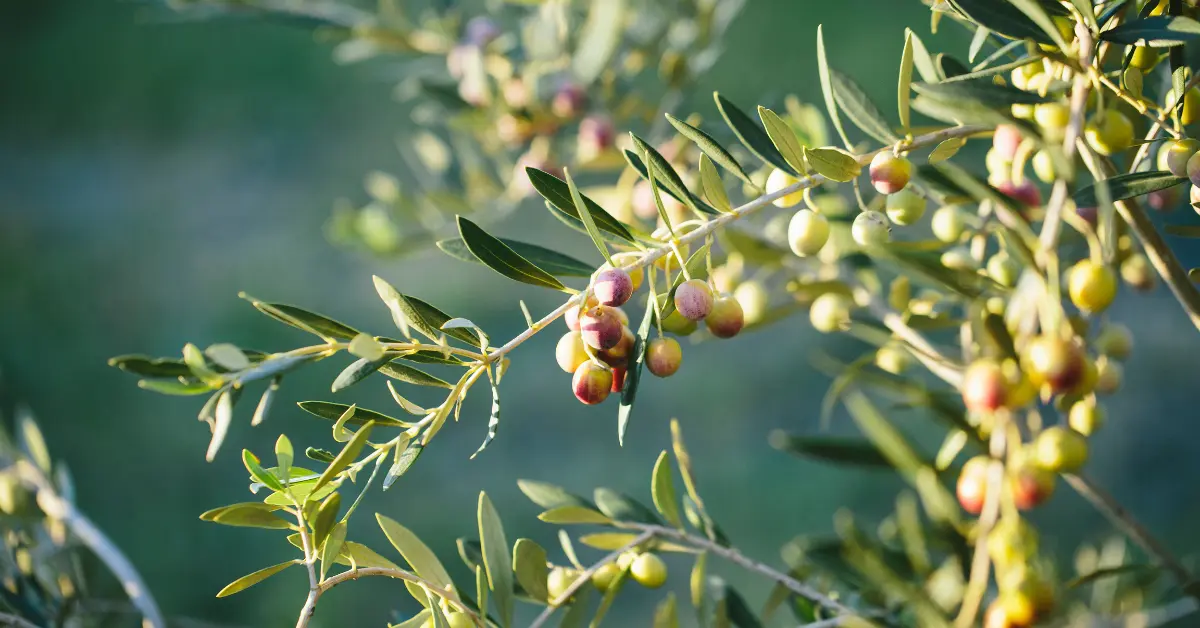
How to Grow Arbequina Olive Trees: The Ultimate Guide to Your Own Olive Grove
Arbequina Olive Tree (Olea europaea ‘Arbequina’) – the ultimate Mediterranean plant that brings a touch [...]
Oct
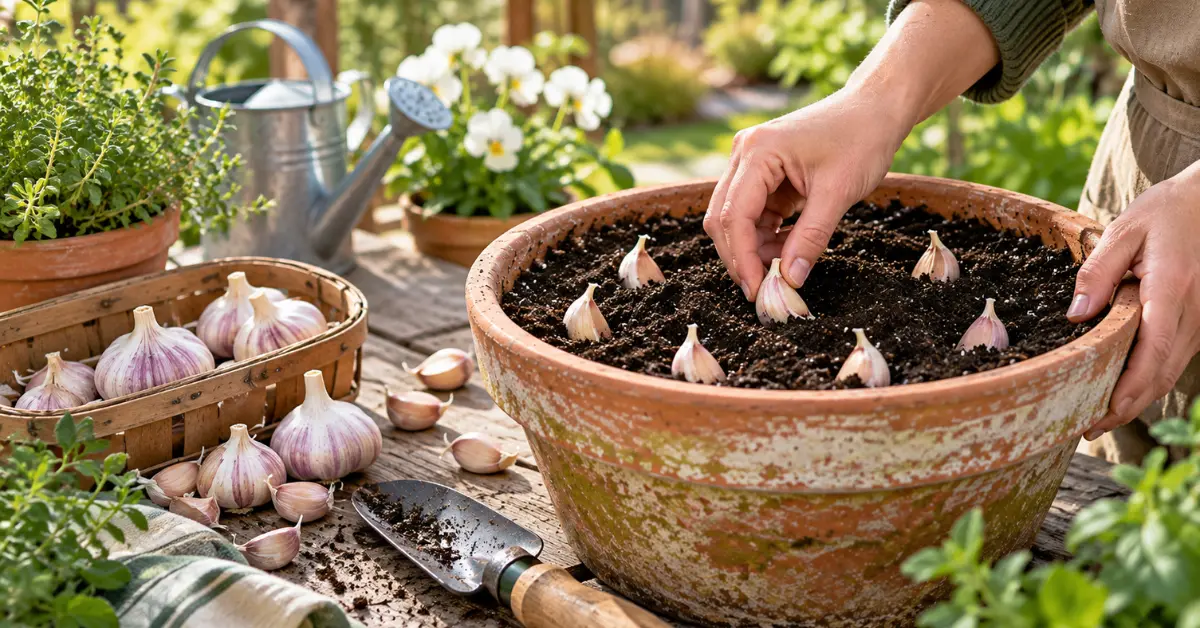
Growing Garlic in Containers This Fall: A Complete Guide for Beginners
If you’ve ever wanted to pop fresh, aromatic garlic cloves straight from your own patio [...]
Sep
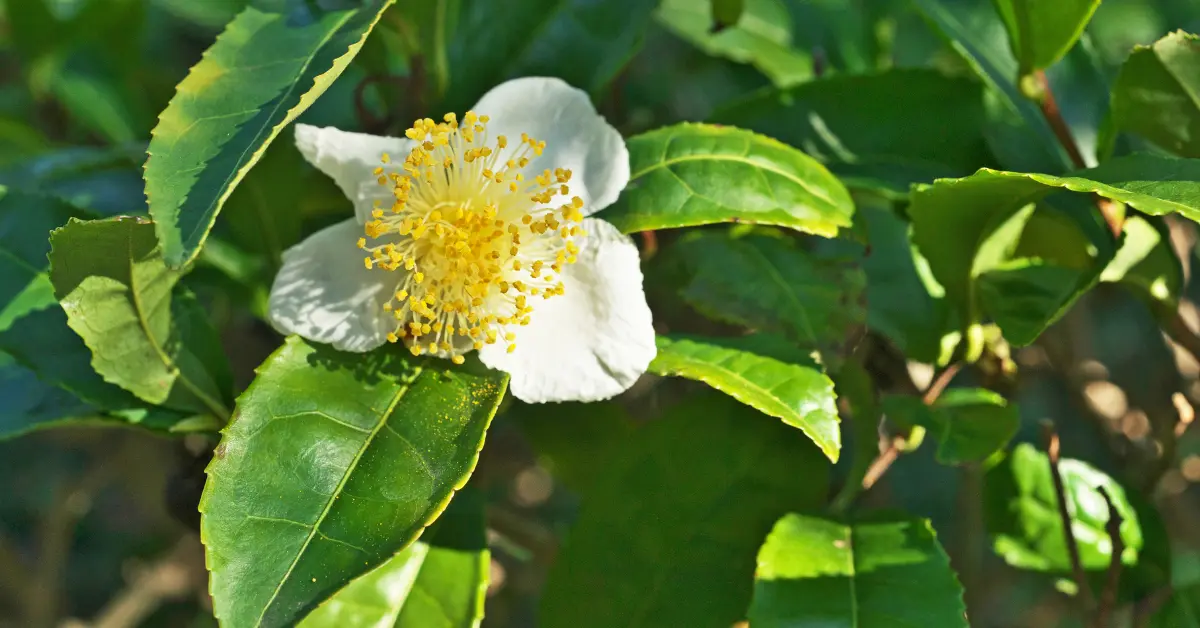
Growing Camellia Sinensis (Tea Plants) in Containers: A Complete Guide for Beginners
If you’ve ever wanted to sip a steaming, homegrown cup of fresh green, black, or [...]
Aug
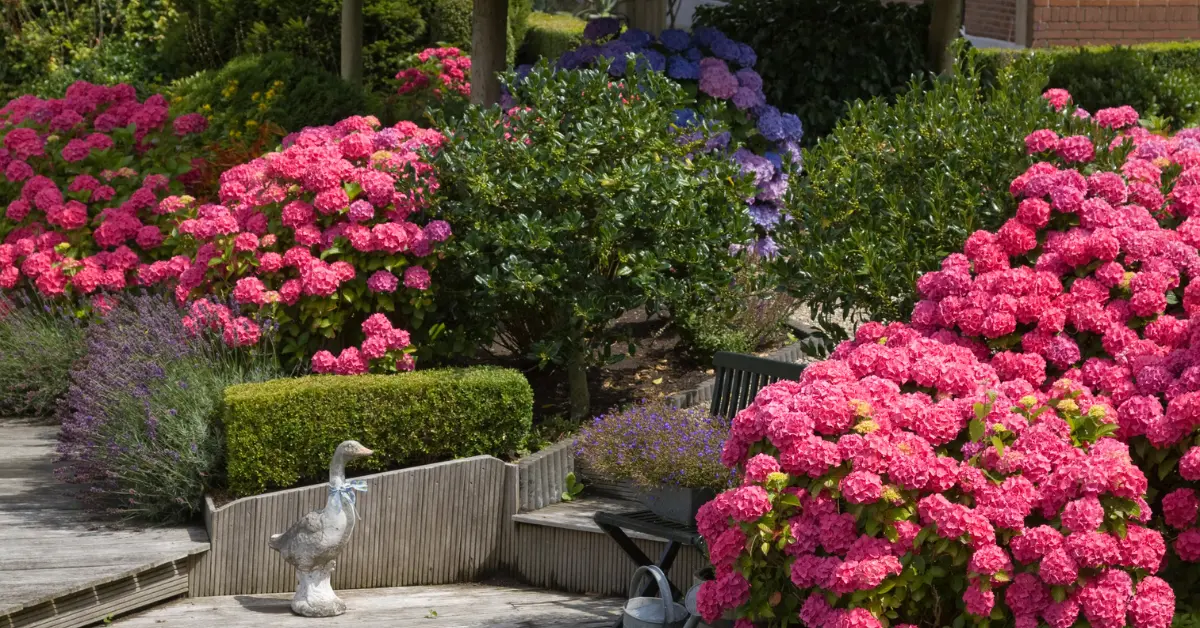
6 Best Shrubs to Plant in August You Must Try
Have you ever walked through a nursery late in the summer, admired the vibrant shrubs [...]
Aug
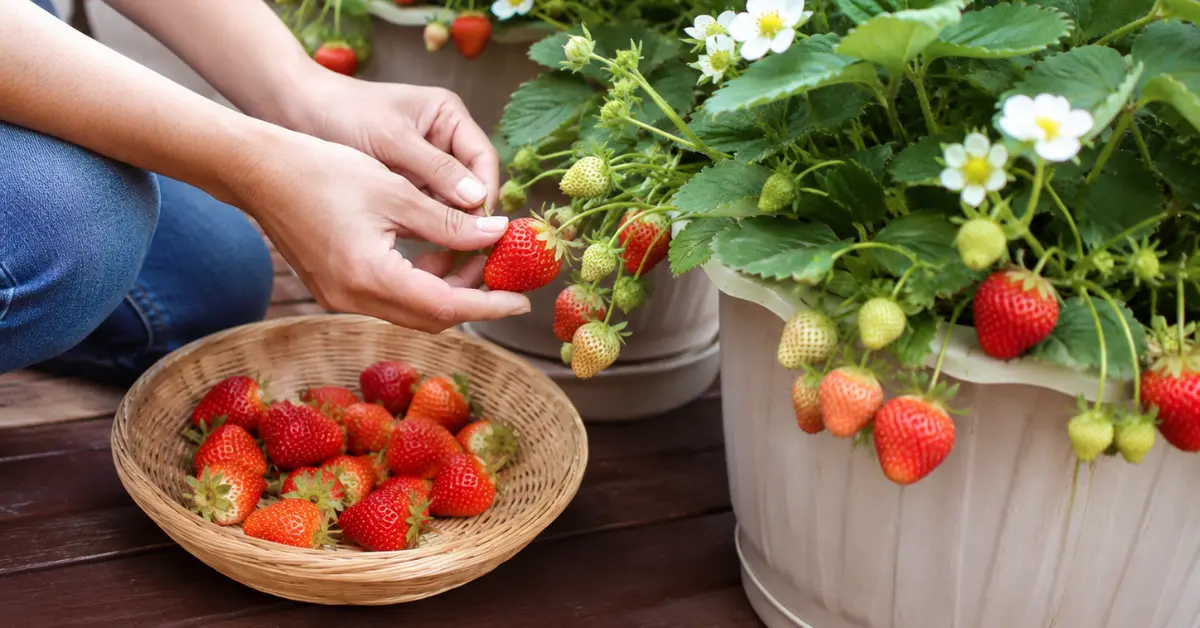
Growing Everbearing Strawberries in Containers: A Complete Guide for Beginners
Want to grow sweet, fresh strawberries but do not have a large garden? Everbearing strawberries [...]
Aug
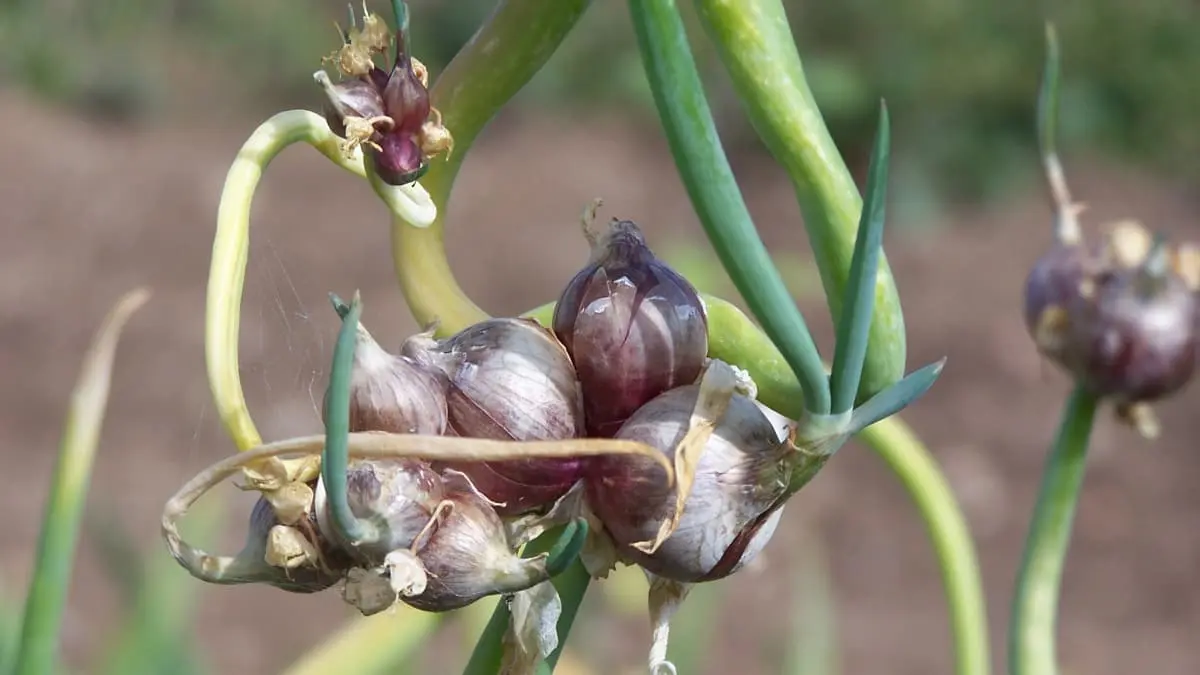
Growing Egyptian Walking Onions in Containers: A Complete Guide for Beginners
If you’re looking for a hardy, no-fuss perennial onion that keeps on giving year after [...]
Jul
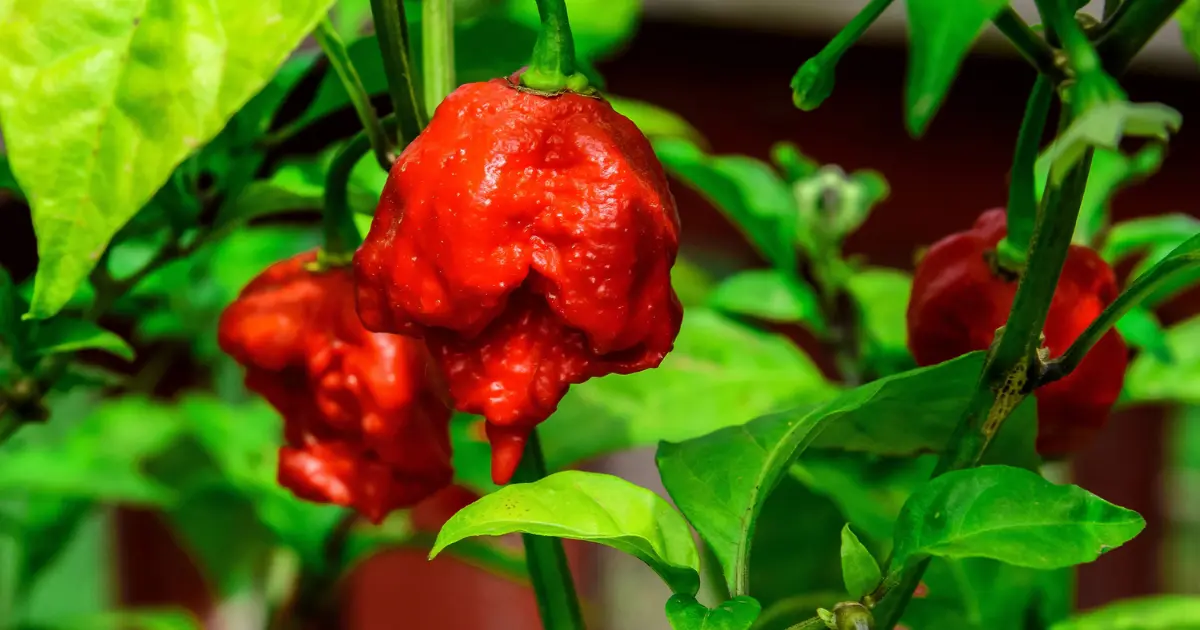
Growing Carolina Reaper Peppers in Pots: A Complete Guide for Beginners
If you’ve ever wanted to add some serious, record-breaking heat to your home cooking, you’ve [...]
May
Growing Curry Leaf Plant in Pots: A Complete Guide for Beginners
If you’re a fan of authentic South Asian cuisine, you already know that nothing compares [...]
May

Reviews
There are no reviews yet.