
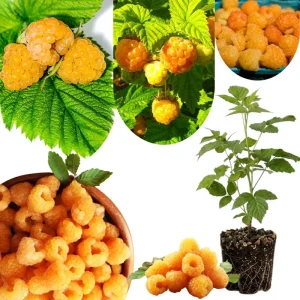
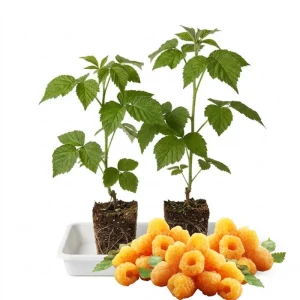
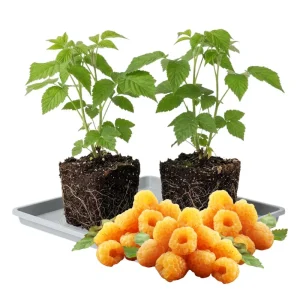
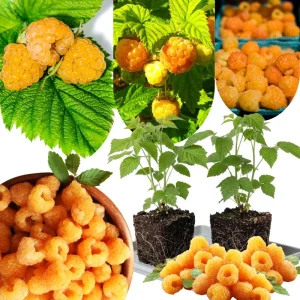
Yellow Anne Raspberry Plant – Live Bare Root Cane, 6-12 Inch Tall, Outdoor
Original price was: $60.99.$26.73Current price is: $26.73.
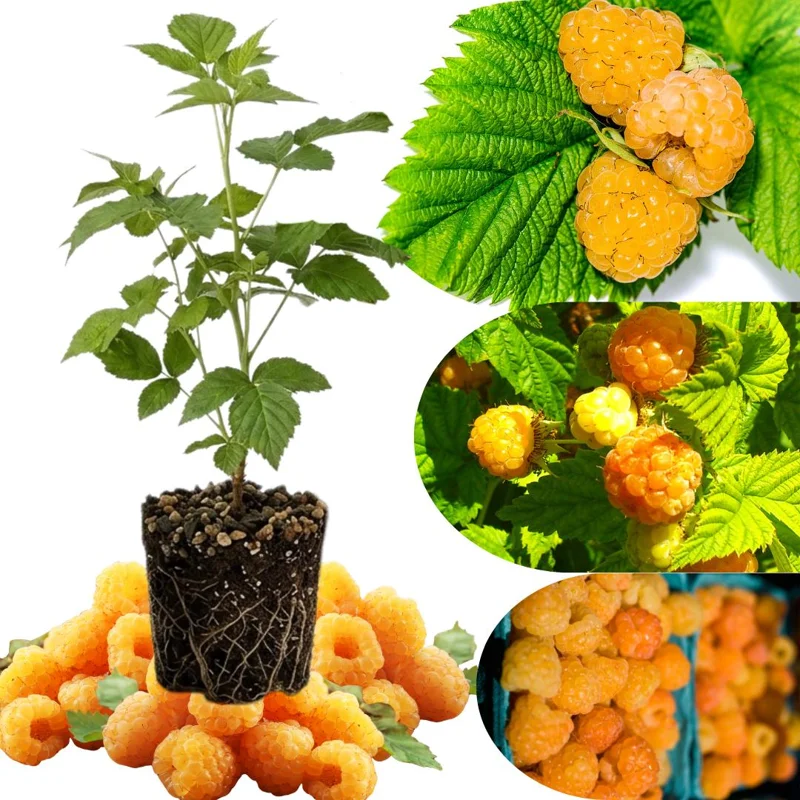
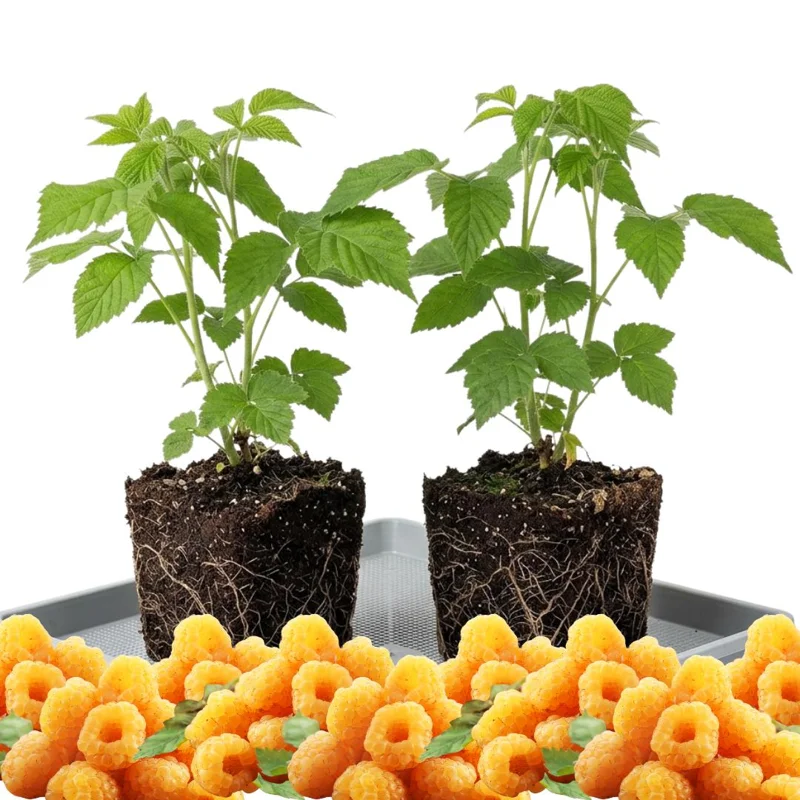
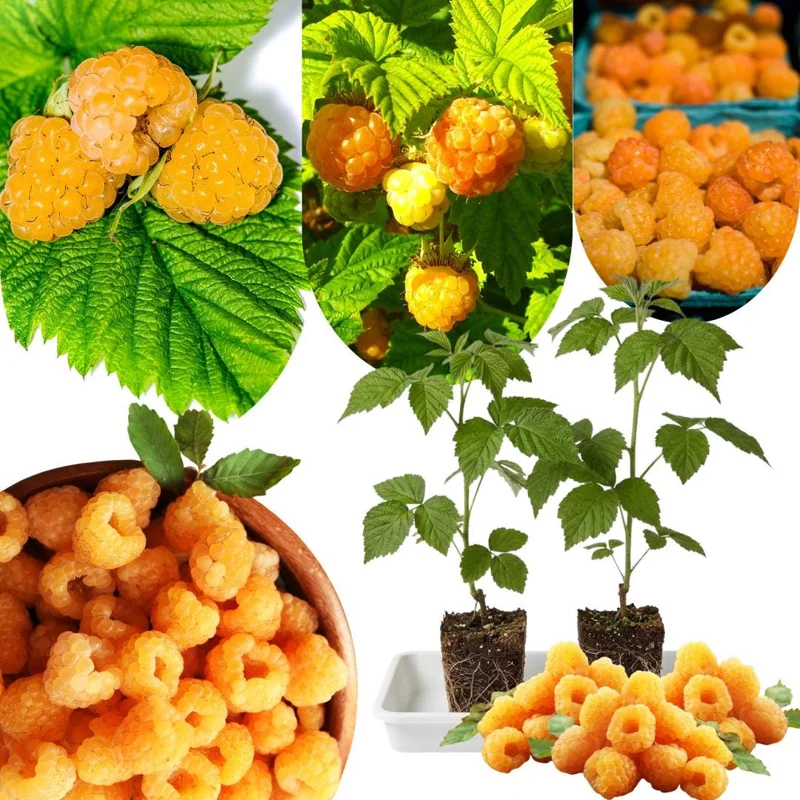
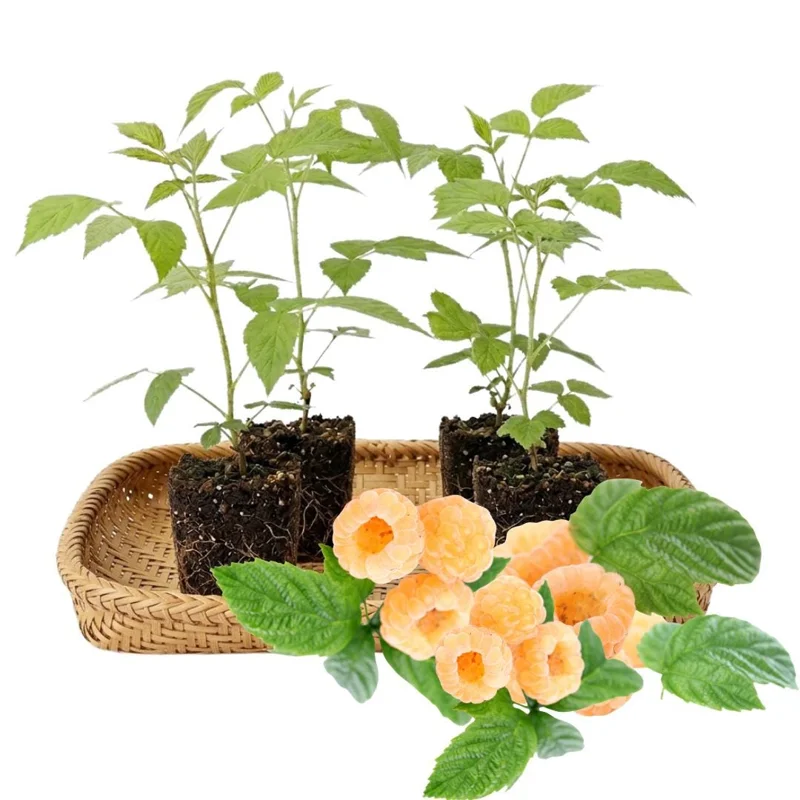
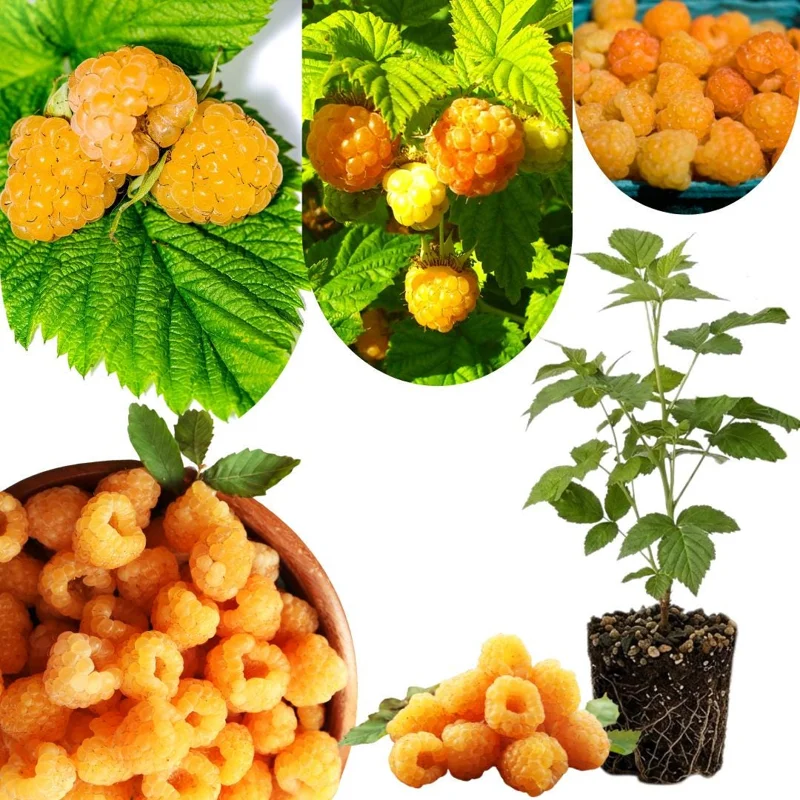
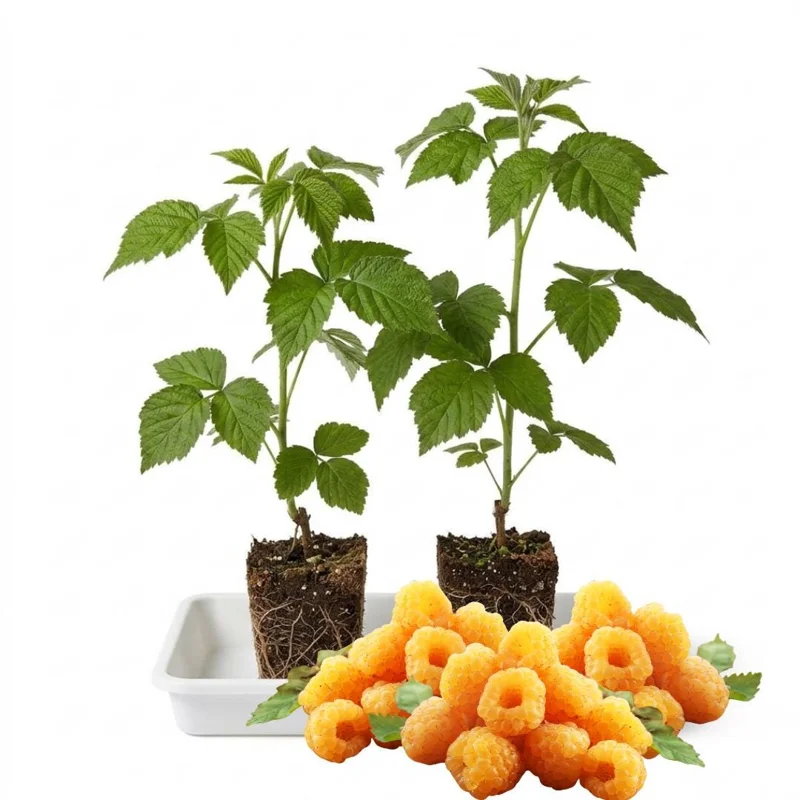
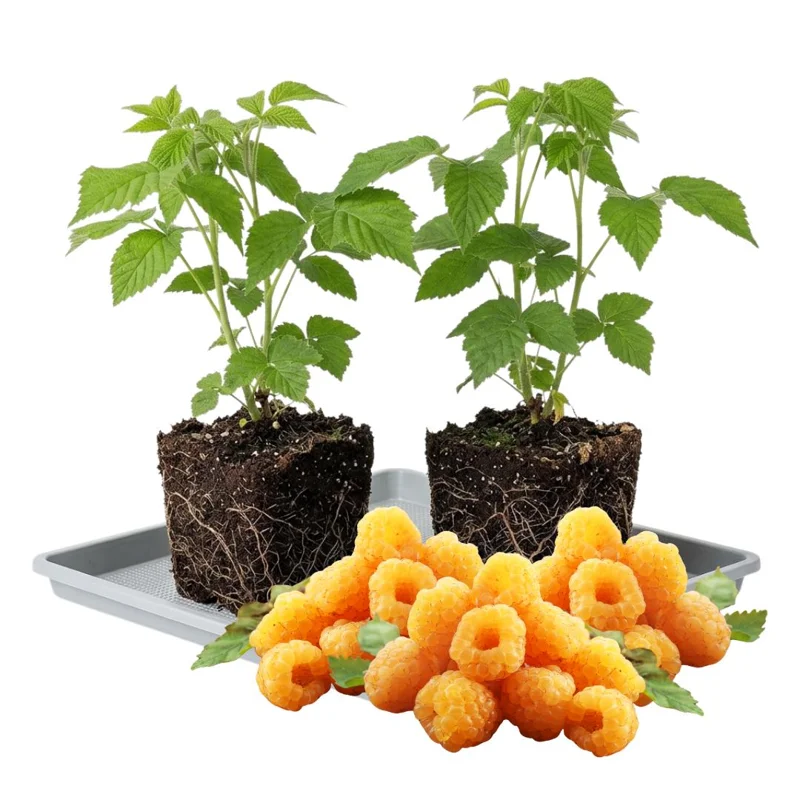
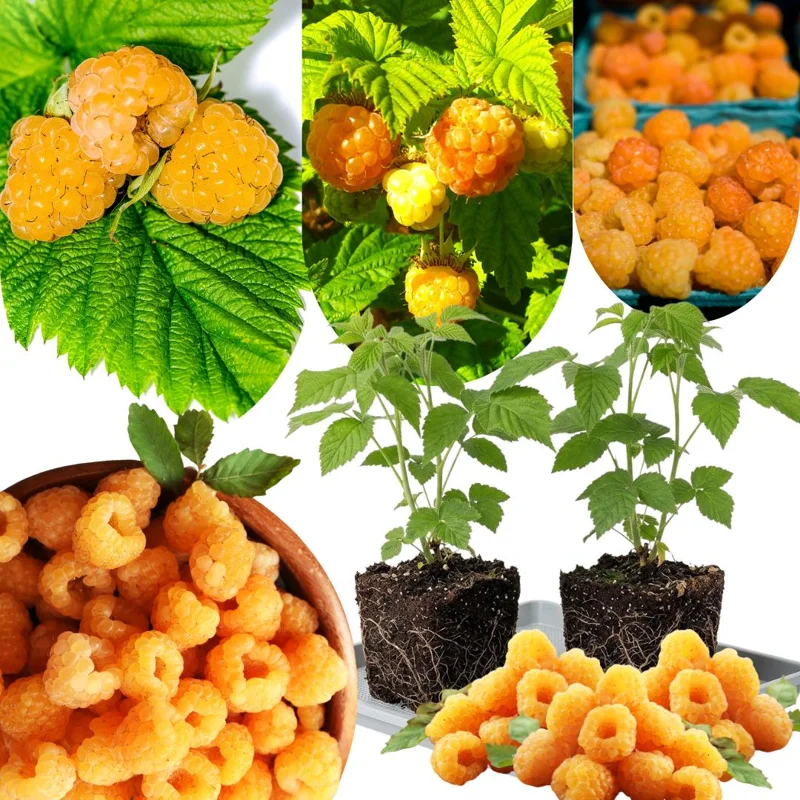
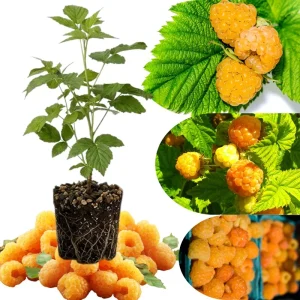
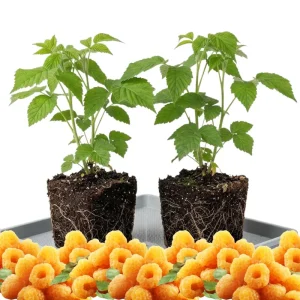
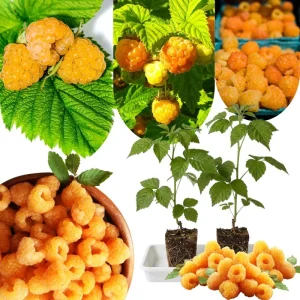
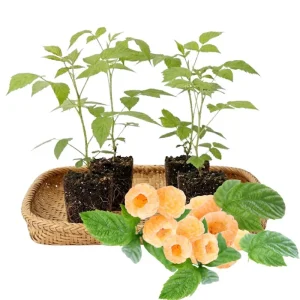
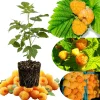
Cultivate your own sweet, golden berries with the yellow anne raspberry plant. This live bare root cane ships 6-12 inches tall, ready for outdoor garden planting to produce delicious, edible fruit year after year.
Estimated arrival
Sep 17
Sep 22 - Sep 24
Sep 27 - Oct 01

Reasonable Price
We offer reasonable price

Support 24/7
Contact us 24 hrs a day

100% Money Back
You've 30 days to Return

Payment Secure
100% secure payment
Overview
Introduce a delightful and productive addition to your garden with the yellow anne raspberry plant. This offering is for a live bare root cane, a robust and ready-to-plant specimen that promises bountiful harvests of unique yellow raspberries. Known for their exceptionally sweet flavor and beautiful golden hue, Yellow Anne raspberries are a favorite among home gardeners and culinary enthusiasts. Unlike their red counterparts, these berries offer a milder, less tart taste profile, making them perfect for fresh eating, desserts, jams, and preserves. Planting a yellow raspberry cane allows you to enjoy the satisfaction of growing your own gourmet fruit, adding both beauty and utility to your outdoor space.
The yellow anne raspberry plant is a perennial shrub, meaning it returns year after year, providing a consistent yield with proper care. It’s an excellent choice for anyone looking to expand their edible landscape or simply enjoy fresh, homegrown berries. The bare root format ensures the plant establishes quickly once planted, focusing its energy on root development for strong, healthy growth. Get ready to experience the joy of harvesting your own succulent yellow raspberries from this easy-to-grow and rewarding plant.
Key Benefits
Adding a yellow anne raspberry plant to your garden offers numerous advantages, from delicious harvests to enduring garden beauty. These plants are not only productive but also relatively low-maintenance once established, making them a fantastic choice for gardeners of all experience levels.
- Exceptional Flavor: Enjoy the uniquely sweet and mild taste of yellow raspberries, a gourmet alternative to traditional red varieties. These berries are perfect for eating fresh off the cane, or for use in a variety of culinary creations.
- Abundant Harvests: With proper care, a mature yellow anne raspberry plant will produce a generous crop of berries, providing a continuous supply throughout the season. You’ll have plenty for your family and perhaps even some to share.
- Perennial Growth: This plant is a perennial, meaning it will return each year, saving you the effort and cost of replanting annually. It establishes a strong root system that supports consistent growth and fruiting for many seasons.
- Beautiful Garden Addition: Beyond their fruit, raspberry canes add attractive foliage and structure to your garden. The lush green leaves and eventually the vibrant yellow berries create visual interest in any outdoor setting.
- Versatile Culinary Use: The delicious berries can be used in countless ways, from fresh snacks and fruit salads to pies, tarts, smoothies, and homemade preserves. Growing your own ensures you have organic, fresh fruit right at your fingertips.
- Hardy & Adaptable: The yellow anne raspberry plant performs well across a range of climates, particularly in USDA Zones 4-8, making it suitable for many regions. This resilience contributes to its ease of care and reliable performance.
- Supports Local Ecosystem: Growing fruit-bearing plants helps support local pollinators and contributes to a healthier garden ecosystem. You’ll be providing a food source for beneficial insects while enjoying your own harvest.
Plant Care & Growing Tips
Caring for your yellow anne raspberry plant is straightforward, ensuring a successful harvest of delicious berries. These plants thrive with adequate sunlight, well-draining soil, and consistent watering. For optimal growth, choose a location that receives at least 6-8 hours of direct sunlight per day. Full sun exposure is crucial for maximizing berry production and flavor. Avoid shaded areas, as this can lead to reduced yields and increased susceptibility to diseases.
When it comes to soil, raspberries prefer a slightly acidic to neutral pH (6.0-6.8) and a rich, well-draining loam. Amend heavy clay soils with organic matter like compost or aged manure to improve drainage and fertility. If your soil is sandy, incorporating organic material will help retain moisture and nutrients. Ensure good air circulation around your plants to prevent fungal issues. Water your bare root raspberry regularly, especially during dry periods and when the fruit is developing. The soil should remain consistently moist but not waterlogged. Deep watering encourages strong root growth. Yellow Anne raspberries are hardy in USDA Zones 4-8, tolerating a good range of temperatures. In colder zones, apply a layer of mulch around the base of the plant in late fall to protect the roots from freezing.
Fertilize your raspberry plants in early spring with a balanced slow-release fertilizer or an organic compost. Avoid excessive nitrogen, which can encourage leafy growth at the expense of fruit production. Pruning is essential for maintaining plant health and maximizing yields. Remove dead, damaged, or weak canes annually. For primocane-fruiting (fall-bearing) varieties like Yellow Anne, you can cut all canes back to the ground in late winter for a single, large fall crop. Alternatively, you can prune only the canes that fruited in fall, leaving the new canes to produce a summer crop the following year. Watch out for common pests like aphids and Japanese beetles, and address them with organic pest control methods if necessary. Consistent care will ensure your edible berry plant thrives and produces abundant, sweet fruit.
Size & Details
This offering includes a yellow anne raspberry plant as a live bare root cane. Upon arrival, the cane will typically measure between 6 and 12 inches tall, making it an ideal size for immediate planting and establishment in your garden. As a bare root plant, it ships dormant, without soil or a pot, which reduces transplant shock and allows the plant to focus its energy on developing a robust root system once planted. This method is highly effective for establishing strong, healthy raspberry bushes.
Once planted, your yellow raspberry cane will quickly begin to leaf out and grow. Yellow Anne raspberries are known for their vigorous growth habit and can reach mature heights of 4-6 feet with a similar spread, depending on growing conditions and pruning. They are typically primocane-fruiting, meaning they produce fruit on canes that grow in the current season, often yielding a fall harvest in their first year, and potentially a smaller summer crop the following year if canes are not cut back entirely. Expect to see significant growth and the first delicious berries within 1-2 growing seasons after planting, transforming your garden into a productive fruit-bearing paradise.
Frequently Asked Questions
- Q: How big does this yellow anne raspberry plant get? A: A mature yellow anne raspberry plant can typically reach heights of 4-6 feet and spread similarly, depending on growing conditions and how it is pruned. Consistent care encourages vigorous growth and a healthy bush.
- Q: Is this an indoor or outdoor plant? A: The yellow anne raspberry plant is an outdoor fruit plant. It requires full sun exposure and is best suited for planting directly in the ground in an outdoor garden setting to ensure optimal growth and fruit production.
- Q: How much sunlight does it need? A: This edible berry plant thrives in full sun, requiring at least 6-8 hours of direct sunlight per day. Adequate light is crucial for healthy growth and the development of sweet, abundant berries.
- Q: Is this plant easy to care for? A: Yes, the yellow anne raspberry plant is considered relatively easy to care for, especially for gardeners in compatible USDA zones. With proper planting, consistent watering, and annual pruning, it will provide years of delicious fruit.
- Q: What condition will the bare root raspberry arrive in? A: Your bare root raspberry cane will arrive dormant, without leaves or soil, and will be 6-12 inches tall. This is normal for bare root plants, which are designed to establish quickly once planted in your garden.
- Q: When is the best time to plant a bare root raspberry cane? A: The best time to plant a bare root raspberry cane is in early spring, as soon as the soil can be worked. This allows the plant ample time to establish its root system before the summer heat.
- Q: Will it survive winter in my zone? A: The yellow anne raspberry plant is hardy in USDA Zones 4-8. If you are within these zones, it should survive winter with appropriate care, such as mulching in colder regions to protect the roots.
- Q: Can I grow this plant in a large pot or container? A: While raspberries are generally best planted directly in the ground, you can grow a yellow anne raspberry plant in a very large container (at least 20-gallon capacity). Ensure excellent drainage and provide consistent moisture and nutrients.
- Q: How long until it produces fruit? A: As a primocane-fruiting variety, the yellow anne raspberry plant can produce a fall crop in its first year after planting. A more substantial harvest can typically be expected in its second year.
- Q: What makes Yellow Anne raspberries yellow? A: Yellow Anne raspberries are a specific cultivar that naturally produces yellow fruit due to a genetic mutation that prevents the production of red anthocyanin pigments. They are distinct from red raspberries.
Be the first to review “Yellow Anne Raspberry Plant – Live Bare Root Cane, 6-12 Inch Tall, Outdoor”
-
USDA Hardiness Zone
4–8 -
Soil Type
Well-draining loam -
Sunlight Exposure
Full sun -
Expected Planting Period
Early spring
People Also Viewd
Sold 134 products
Original price was: $3,536.00.$23.99Current price is: $23.99.
Sold 131 products
Original price was: $27.00.$24.00Current price is: $24.00.
Sold 131 products
Original price was: $89.99.$64.99Current price is: $64.99.

Sold 125 products
Original price was: $86.99.$66.99Current price is: $66.99.
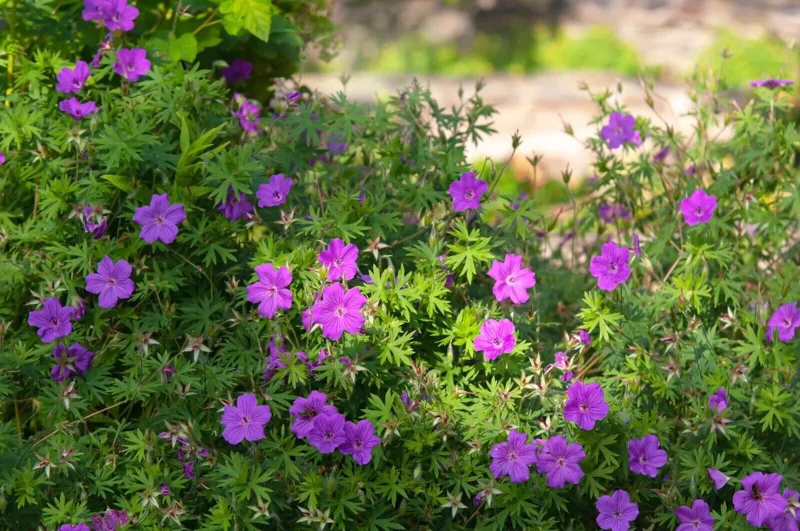
Flower Bulbs
3 Cranesbill Wild Geranium Organic Maculatums Bare Roots | Wildflower for Outdoor Garden
Sold 116 products
Original price was: $21.99.$9.99Current price is: $9.99.
Sold 114 products
Original price was: $28.99.$17.99Current price is: $17.99.
Sold 110 products
Original price was: $63.99.$28.99Current price is: $28.99.
Sold 108 products
Original price was: $28.99.$17.99Current price is: $17.99.RELATED posts
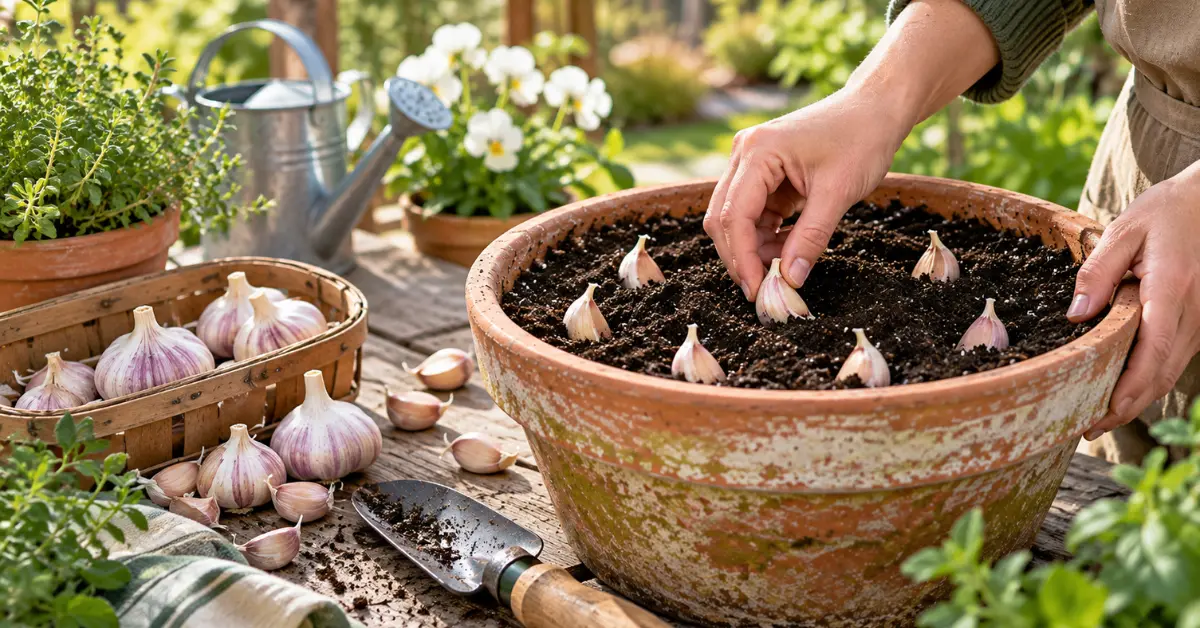
Growing Garlic in Containers This Fall: A Complete Guide for Beginners
If you’ve ever wanted to pop fresh, aromatic garlic cloves straight from your own patio [...]
Sep
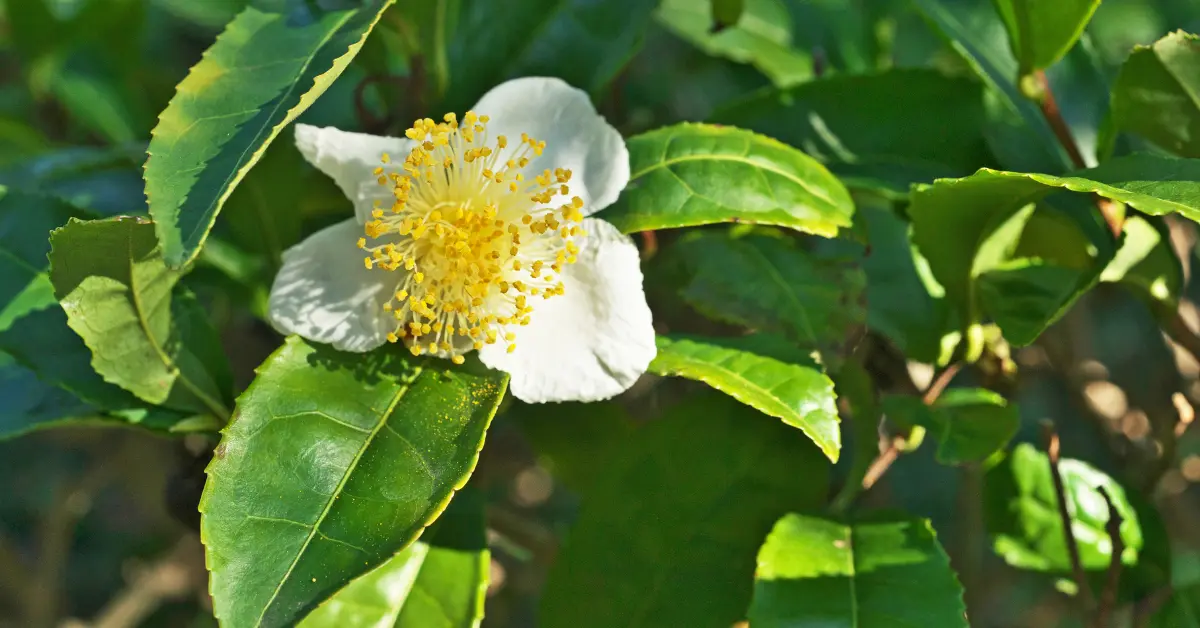
Growing Camellia Sinensis (Tea Plants) in Containers: A Complete Guide for Beginners
If you’ve ever wanted to sip a steaming, homegrown cup of fresh green, black, or [...]
Aug
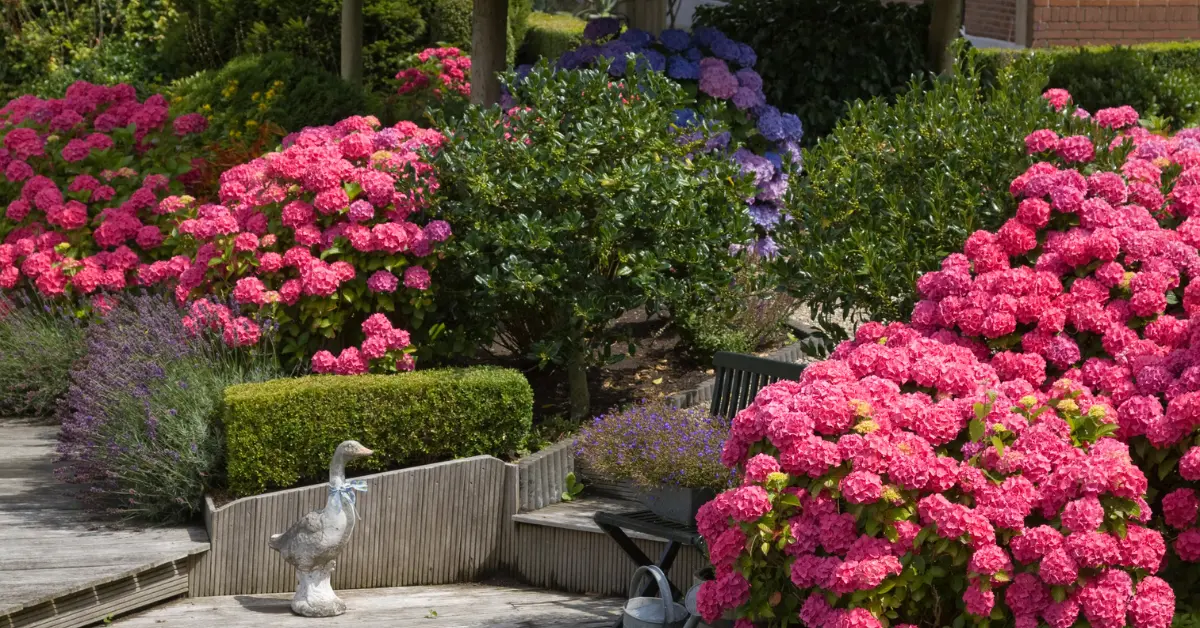
6 Best Shrubs to Plant in August You Must Try
Have you ever walked through a nursery late in the summer, admired the vibrant shrubs [...]
Aug
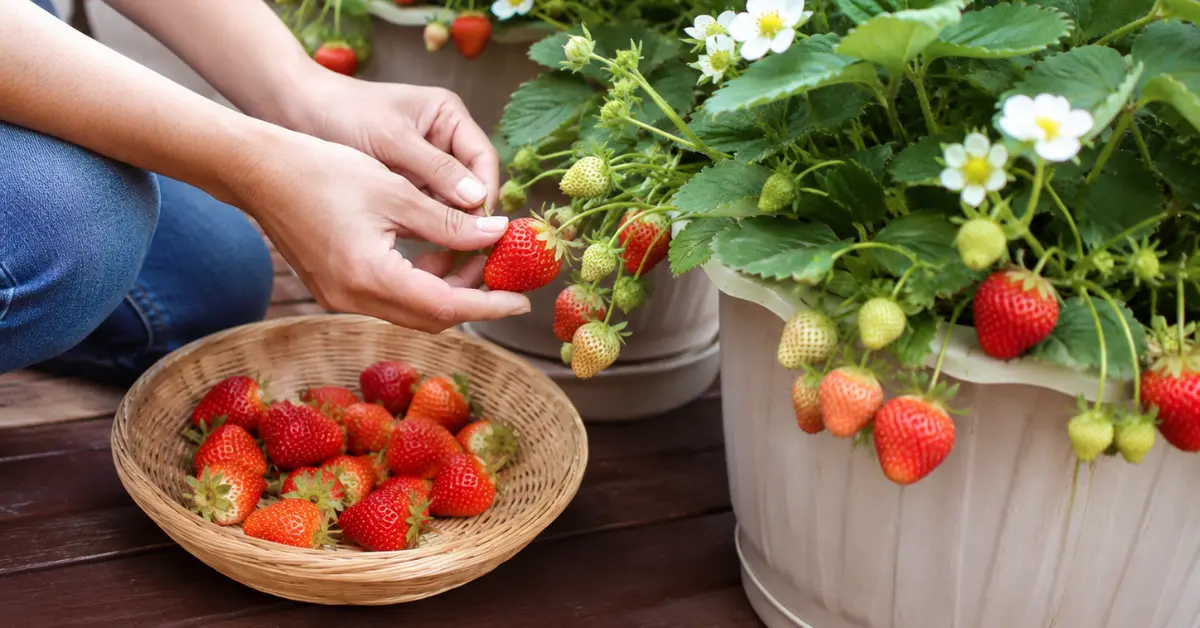
Growing Everbearing Strawberries in Containers: A Complete Guide for Beginners
Want to grow sweet, fresh strawberries but do not have a large garden? Everbearing strawberries [...]
Aug
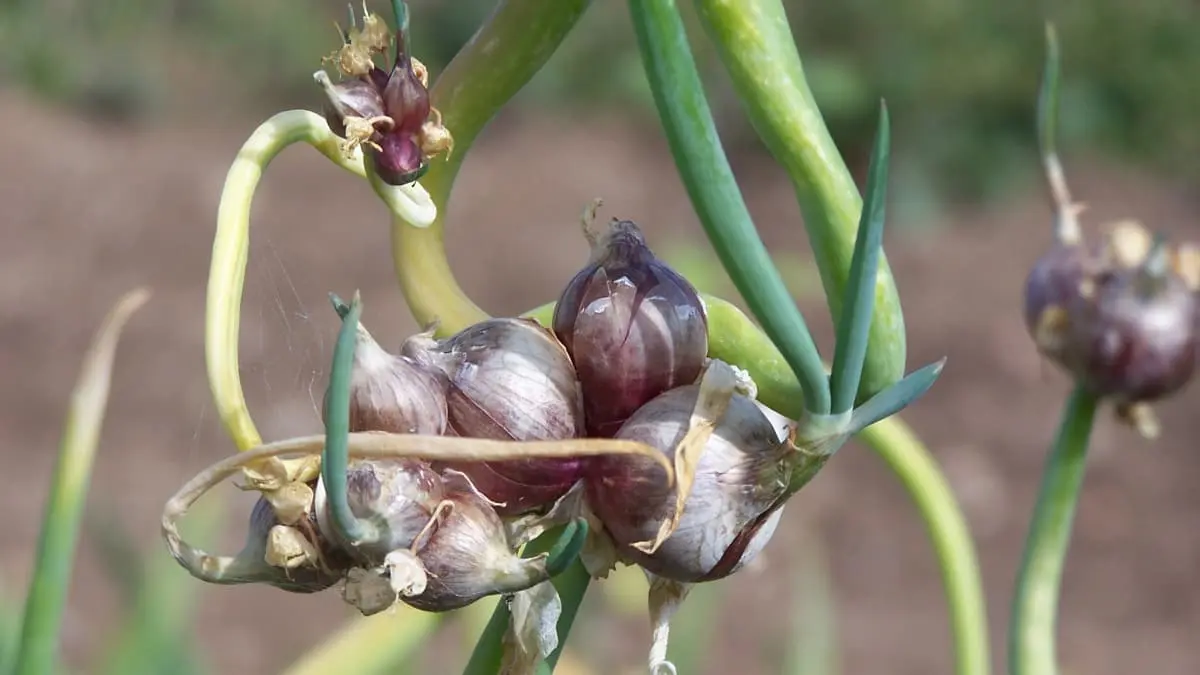
Growing Egyptian Walking Onions in Containers: A Complete Guide for Beginners
If you’re looking for a hardy, no-fuss perennial onion that keeps on giving year after [...]
Jul
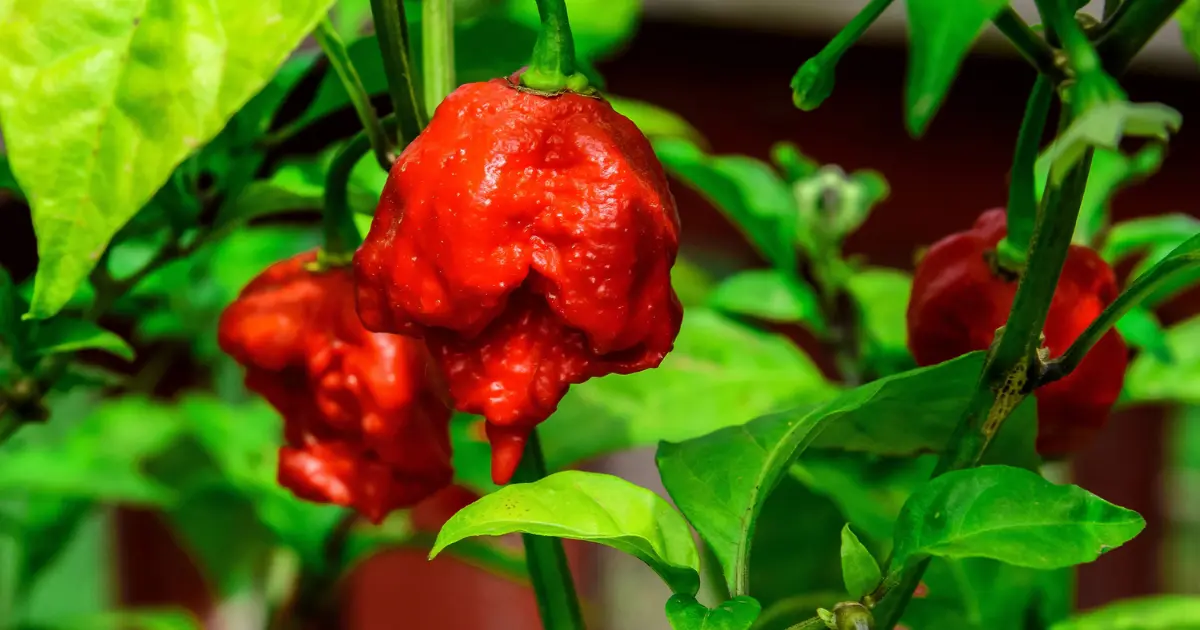
Growing Carolina Reaper Peppers in Pots: A Complete Guide for Beginners
If you’ve ever wanted to add some serious, record-breaking heat to your home cooking, you’ve [...]
May
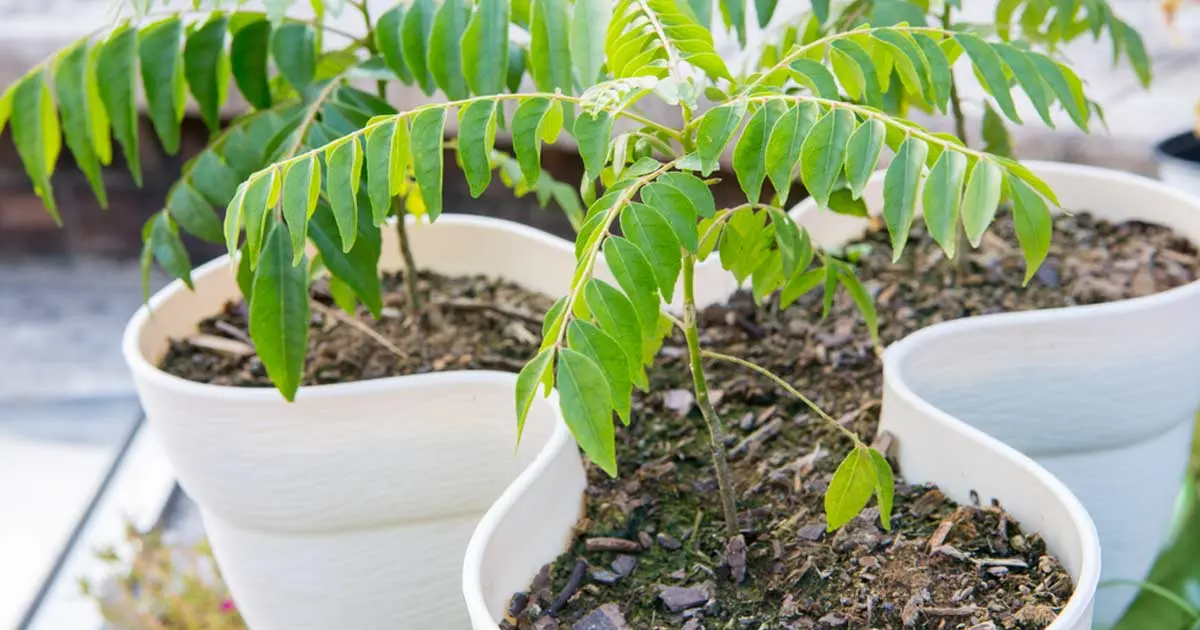
Growing Curry Leaf Plant in Pots: A Complete Guide for Beginners
If you’re a fan of authentic South Asian cuisine, you already know that nothing compares [...]
May
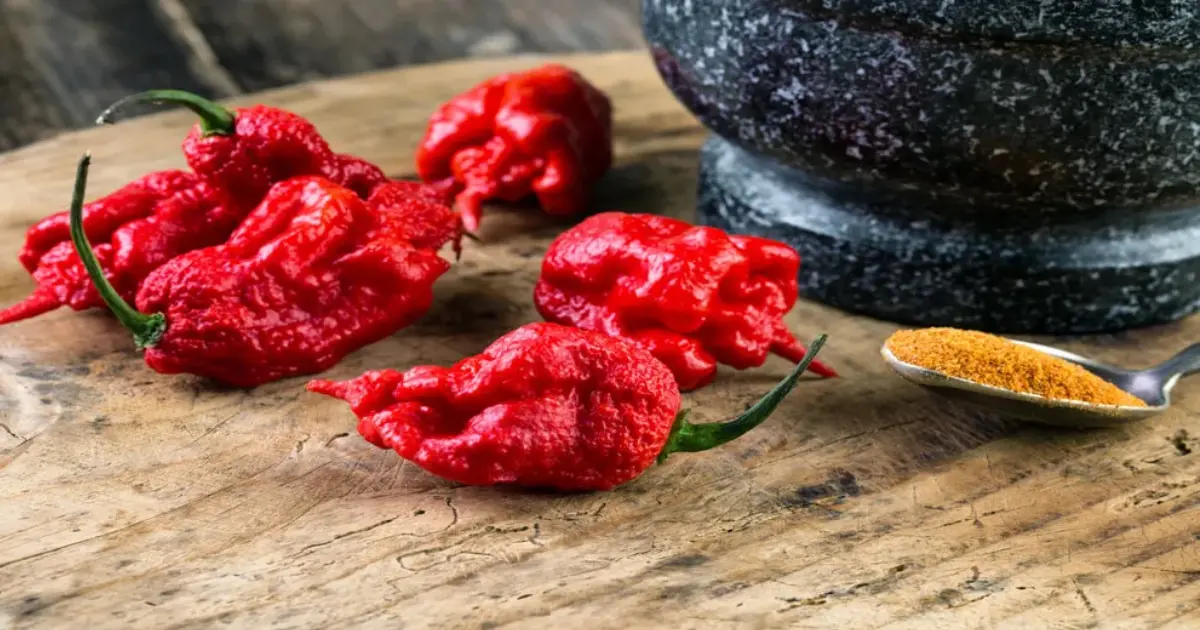
5 Tips for Growing Carolina Reaper Peppers to Get the Spiciest Harvest Ever
Holding the record for one of the world’s hottest peppers, the Reaper isn’t just a [...]
May
Reviews
There are no reviews yet.