
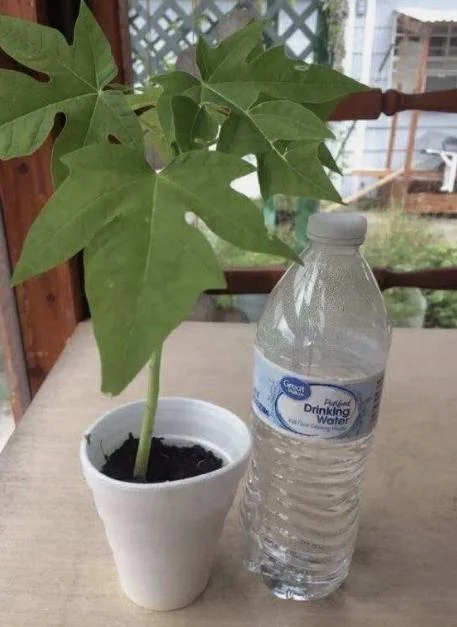
Papaya Live Starter Plant – 5-10″ Tall – Tropical Fruit Tree – Well Rooted
Original price was: $41.98.$19.99Current price is: $19.99.
Cultivate your own sweet tropical fruit with this papaya live plant. This 5-10 inch tall, well-rooted starter tree is perfect for home gardens, bringing an exotic touch and delicious harvest. Enjoy fresh, homegrown papaya with ease.
Estimated arrival
Oct 05
Oct 10 - Oct 12
Oct 15 - Oct 19

Reasonable Price
We offer reasonable price

Support 24/7
Contact us 24 hrs a day

100% Money Back
You've 30 days to Return

Payment Secure
100% secure payment
Overview
Embark on a rewarding gardening journey with this vibrant papaya live plant. Sourced as a healthy, well-rooted starter, this tropical fruit tree offers the exciting prospect of growing your own delicious papayas right at home. Known scientifically as Carica papaya, this fast-growing plant is celebrated for its sweet, succulent fruits and attractive foliage. Our starter plants are typically 5-10 inches tall and are carefully nurtured to ensure they establish quickly in their new environment. The joy of harvesting your own fresh, organic papaya, rich in vitamins and antioxidants, is truly unparalleled. This papaya live plant is an excellent choice for both experienced gardeners and those new to cultivating tropical fruits, promising a rewarding and flavorful experience.
Papaya plants are native to Central America and Southern Mexico but are now cultivated in tropical and subtropical regions worldwide. They are known for their rapid growth and ability to produce fruit within a year under optimal conditions. This makes them a popular choice for home gardeners looking for a quick return on their planting efforts. Our starter plants are robust and ready to be transplanted, setting you on the path to a bountiful harvest. With proper care, your papaya live plant will thrive and become a beautiful, productive addition to your garden.
Key Benefits
Adding a papaya live plant to your garden offers numerous advantages, from fresh produce to aesthetic appeal. This tropical gem is more than just a fruit producer; it’s a source of enjoyment and health benefits.
- Fresh, Organic Fruit: Enjoy the unparalleled taste of homegrown, chemical-free papayas. Harvesting your own fruit ensures maximum freshness and nutritional value, as well as the satisfaction of eating what you’ve grown.
- Rapid Growth: Papaya plants are known for their fast growth rate, often producing fruit within the first year of planting. This quick turnaround makes them a very rewarding plant for enthusiastic gardeners.
- Rich in Nutrients: Papayas are packed with vitamins C and A, folate, and potassium, as well as the digestive enzyme papain. Growing your own ensures a constant supply of these healthy fruits.
- Tropical Aesthetic: The large, deeply lobed leaves and upright growth habit of the papaya live plant add a lush, tropical feel to any garden or patio space, enhancing its visual appeal.
- Easy to Grow: Despite its exotic nature, the papaya plant is relatively easy to care for, making it suitable for gardeners of various skill levels. With basic attention to sunlight, water, and soil, it will flourish.
- Versatile Culinary Use: Papayas can be enjoyed fresh, in smoothies, salads, or used in various cooked dishes, offering a wide range of culinary possibilities directly from your garden.
- Support for Local Ecosystem: Growing fruit trees contributes to local biodiversity and can attract pollinators, fostering a healthier garden environment. This papaya live plant helps bring life to your outdoor space.
Plant Care & Growing Tips
Caring for your papaya live plant is straightforward, but understanding its specific needs will ensure a healthy, productive tree. Papayas thrive in warm, sunny conditions, mimicking their natural tropical habitat. They require a location with at least 6-8 hours of direct sunlight per day. If growing indoors or in a greenhouse, ensure it receives ample light, possibly supplementing with grow lights during shorter days. Protection from strong winds is also beneficial, as their stems can be somewhat brittle.
Watering is crucial for a young papaya tree care. Keep the soil consistently moist but never waterlogged. Overwatering can lead to root rot, which is detrimental to the plant. Allow the top inch of soil to dry slightly before watering again. Good drainage is paramount; plant in well-draining soil, ideally a sandy loam rich in organic matter. A slightly acidic to neutral pH (6.0-7.0) is ideal. Fertilize your papaya live plant regularly during the growing season with a balanced fertilizer, reducing frequency in cooler months. Young plants benefit from a fertilizer higher in nitrogen to encourage leafy growth, transitioning to a more balanced formula as they mature and prepare to fruit. Ensure you understand how to grow papaya at home effectively.
Papayas are sensitive to cold and frost. If you live in an area with cool winters (below USDA Zone 9), it’s best to grow them in containers so they can be moved indoors or protected during colder months. They prefer temperatures between 70-85°F (21-29°C). Watch out for common pests like spider mites and aphids; address them promptly with organic insecticidal soap. Proper air circulation also helps prevent fungal diseases. With consistent care, your tropical fruit plant will reward you with an abundance of sweet fruit.
Size & Details
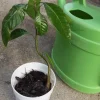
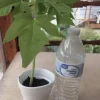
This offering is for a single papaya live plant, provided as a well-rooted starter. The plant typically stands between 5 to 10 inches tall from the base of the soil to the tip of its tallest leaf upon arrival. This size is ideal for transplanting, allowing the plant to quickly establish and adapt to its new growing environment. While exact sizes can vary slightly due to natural growth patterns, the plants are robust and healthy, ready for rapid development. Papaya plants are known for their fast growth, often reaching fruiting size within a year under optimal conditions. They typically grow into a single-stemmed tree, though some varieties can branch. The plant will be shipped securely in a nursery pot with soil, ensuring minimal stress during transit and a smooth transition to your garden or larger container.
Mature papaya trees can reach heights of 10-20 feet in ideal conditions, though container-grown plants tend to stay smaller. They are capable of producing fruit year-round in tropical climates, with a peak season typically in late summer and fall. Expect your carica papaya to begin flowering and fruiting within 6-12 months of planting, depending on growing conditions and care. The fruits themselves can vary in size, from small, pear-shaped varieties to larger, melon-sized papayas, offering a delicious and nutritious harvest.
Frequently Asked Questions
- Q: How big does this papaya live plant get? A: This starter plant arrives 5-10 inches tall. With proper care, a mature papaya plant can reach heights of 10-20 feet, though container-grown plants typically remain smaller and more manageable.
- Q: Is this an indoor or outdoor plant? A: The papaya live plant is a tropical species that thrives outdoors in USDA Zones 9 and warmer. In cooler climates, it can be grown in containers and brought indoors during winter, or cultivated in a greenhouse.
- Q: How much sunlight does it need? A: Papaya plants require abundant sunlight, ideally 6-8 hours of direct sun per day. For the best fruit production, choose the sunniest spot in your garden or a bright, south-facing window indoors.
- Q: Is this plant easy to care for? A: Yes, the papaya live plant is considered relatively easy to care for, especially in warm climates. Its main requirements are plenty of sunlight, consistent watering, well-draining soil, and protection from cold.
- Q: What condition will it arrive in? A: Your tropical fruit plant will arrive as a healthy, well-rooted starter plant, typically 5-10 inches tall, securely packaged in its nursery pot with soil to ensure its well-being during transit.
- Q: How long until it produces fruit? A: Under optimal growing conditions, your papaya live plant can begin to flower and produce fruit within 6-12 months of planting. The exact timing can depend on care, climate, and variety.
- Q: What is the best soil for papaya trees? A: Papaya plants prefer well-draining, fertile soil rich in organic matter. A sandy loam with a slightly acidic to neutral pH (6.0-7.0) is ideal for healthy growth and fruit production.
- Q: Can I use papaya in cooking? A: Absolutely! Papaya is a versatile fruit. It can be enjoyed fresh, added to smoothies, fruit salads, or used in various savory dishes and desserts. Understanding how to grow papaya at home gives you fresh ingredients.
- Q: Will it survive winter in my zone? A: Papaya plants are very sensitive to cold and frost. They will only survive outdoors year-round in USDA Zones 9 and above. In colder zones, they must be protected or brought indoors during winter.
- Q: Is this plant suitable for beginners? A: Yes, with attention to its basic needs for warmth, sun, and water, a carica papaya starter plant can be a rewarding choice for beginner gardeners looking to grow tropical fruit.
Be the first to review “Papaya Live Starter Plant – 5-10″ Tall – Tropical Fruit Tree – Well Rooted”
-
USDA Hardiness Zone
USDA Zones 9-11 (outdoors), or container grown indoors -
Soil Type
Well-draining, rich sandy loam -
Sunlight Exposure
Full sun (6-8+ hours direct sun) -
Expected Planting Period
Year-round in tropical climates; spring to early summer in other regions or year-round indoors
People Also Viewd


Sold 134 products
Original price was: $3,536.00.$23.99Current price is: $23.99.

Sold 132 products
Original price was: $89.99.$64.99Current price is: $64.99.

Sold 132 products
Original price was: $27.00.$24.00Current price is: $24.00.

Sold 125 products
Original price was: $86.99.$66.99Current price is: $66.99.

Flower Bulbs
3 Cranesbill Wild Geranium Organic Maculatums Bare Roots | Wildflower for Outdoor Garden
Sold 116 products
Original price was: $21.99.$9.99Current price is: $9.99.

Sold 114 products
Original price was: $28.99.$17.99Current price is: $17.99.

Sold 110 products
Original price was: $63.99.$28.99Current price is: $28.99.
Sold 108 products
Original price was: $28.99.$17.99Current price is: $17.99.RELATED posts
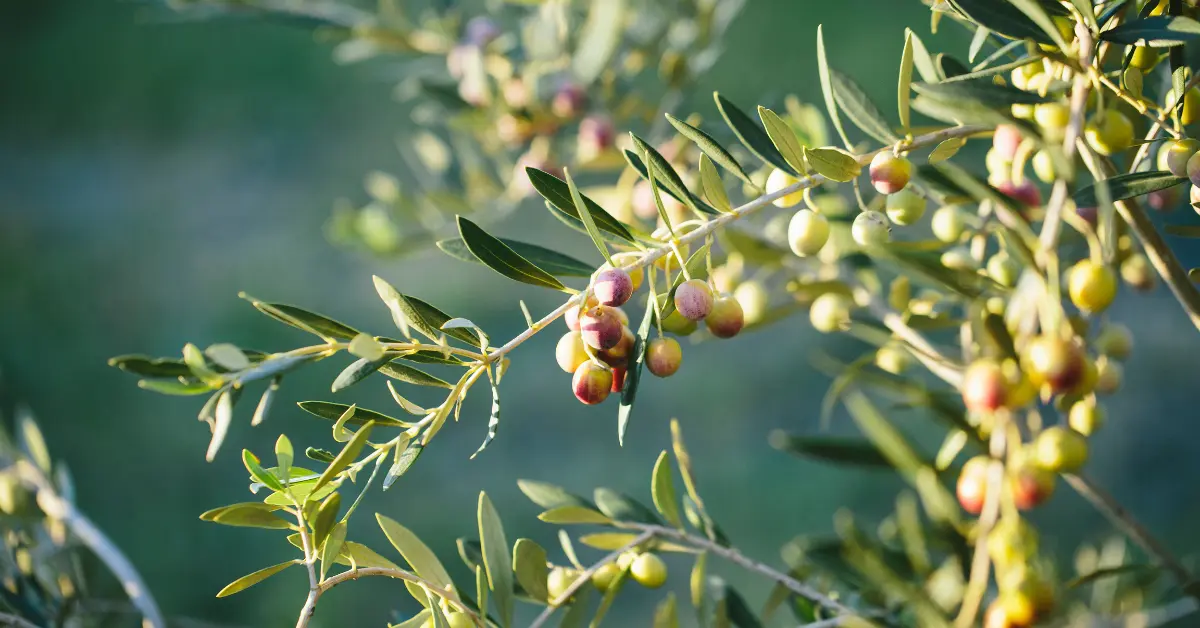
How to Grow Arbequina Olive Trees: The Ultimate Guide to Your Own Olive Grove
Arbequina Olive Tree (Olea europaea ‘Arbequina’) – the ultimate Mediterranean plant that brings a touch [...]
Oct
Growing Garlic in Containers This Fall: A Complete Guide for Beginners
If you’ve ever wanted to pop fresh, aromatic garlic cloves straight from your own patio [...]
Sep
Growing Camellia Sinensis (Tea Plants) in Containers: A Complete Guide for Beginners
If you’ve ever wanted to sip a steaming, homegrown cup of fresh green, black, or [...]
Aug
6 Best Shrubs to Plant in August You Must Try
Have you ever walked through a nursery late in the summer, admired the vibrant shrubs [...]
Aug
Growing Everbearing Strawberries in Containers: A Complete Guide for Beginners
Want to grow sweet, fresh strawberries but do not have a large garden? Everbearing strawberries [...]
Aug
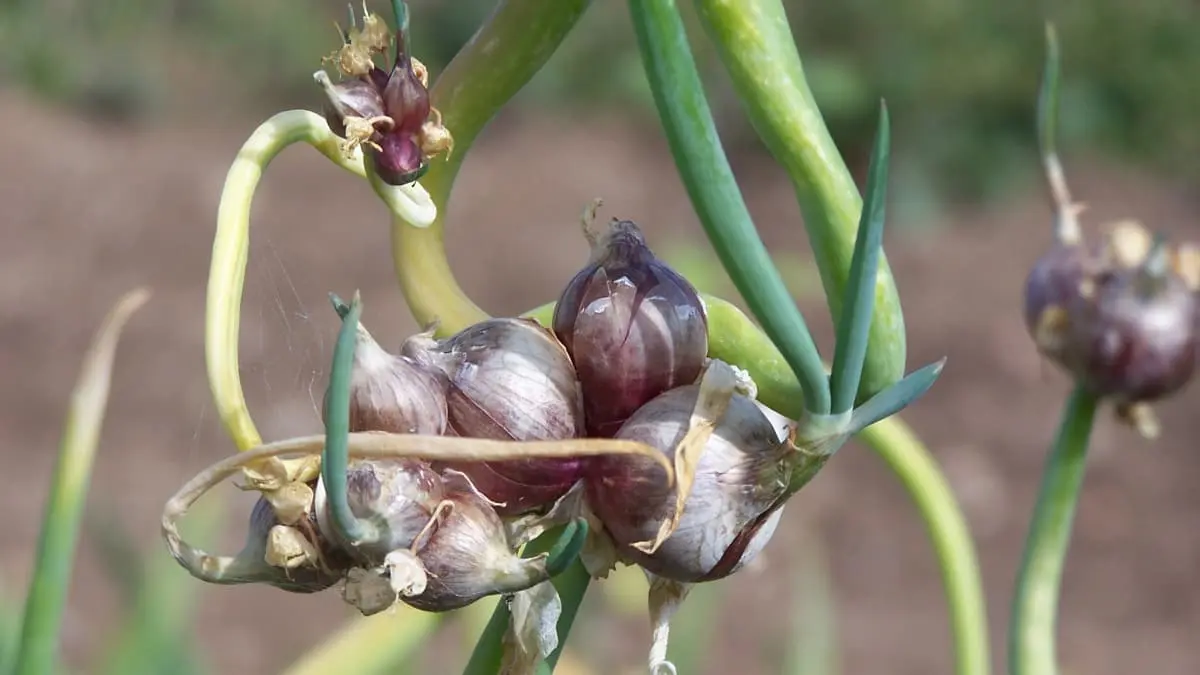
Growing Egyptian Walking Onions in Containers: A Complete Guide for Beginners
If you’re looking for a hardy, no-fuss perennial onion that keeps on giving year after [...]
Jul
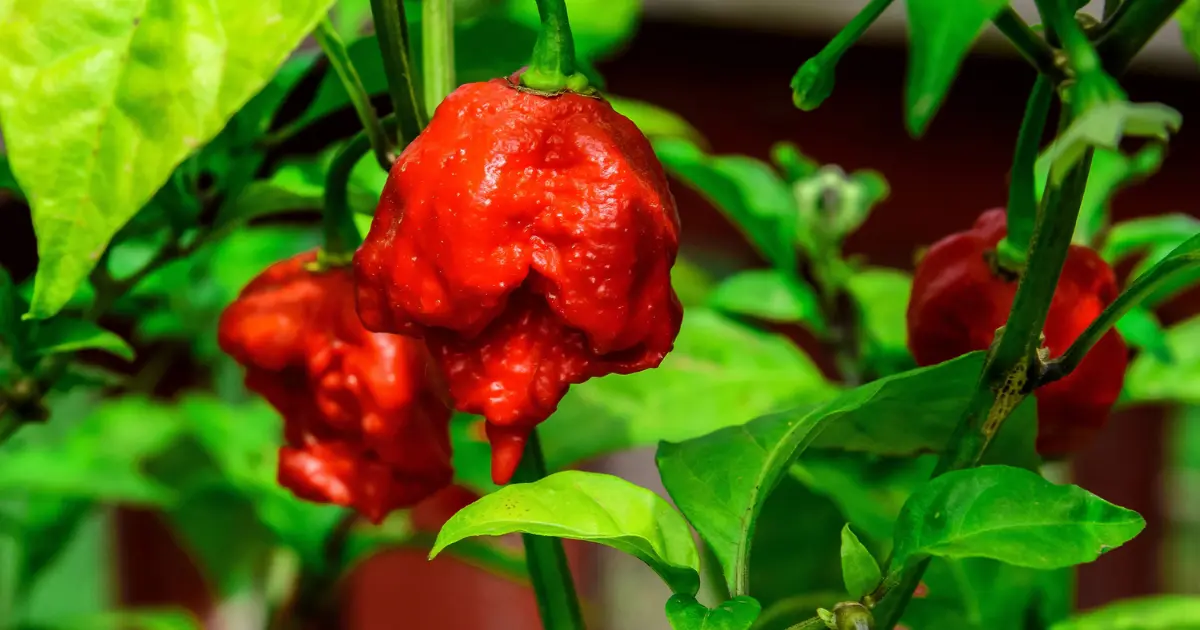
Growing Carolina Reaper Peppers in Pots: A Complete Guide for Beginners
If you’ve ever wanted to add some serious, record-breaking heat to your home cooking, you’ve [...]
May
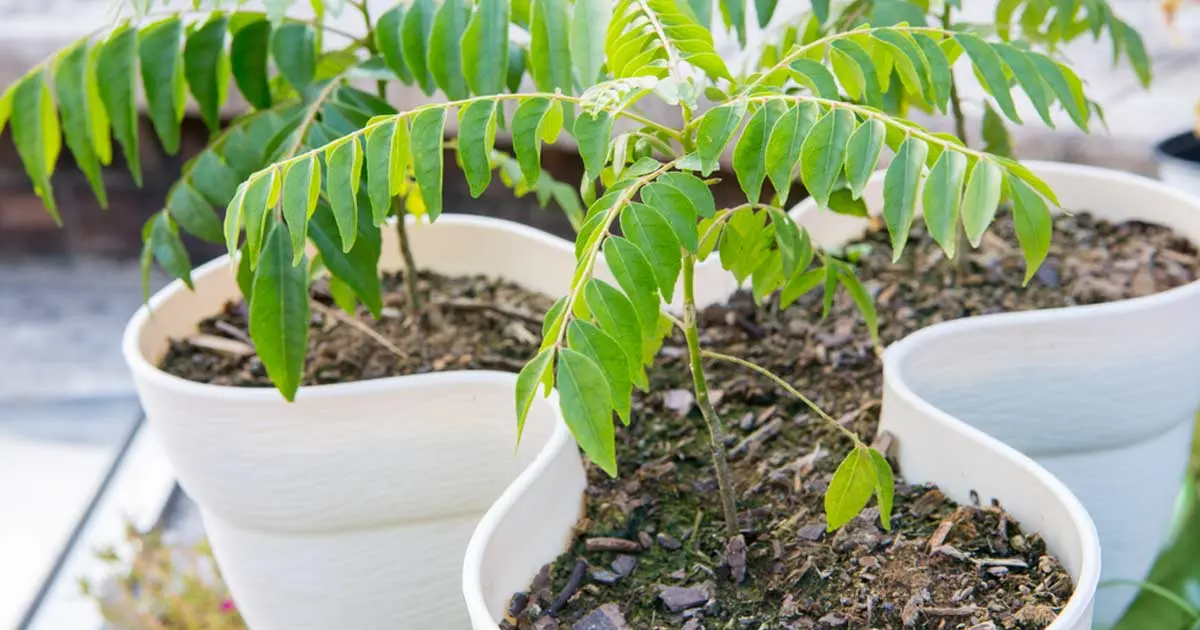
Growing Curry Leaf Plant in Pots: A Complete Guide for Beginners
If you’re a fan of authentic South Asian cuisine, you already know that nothing compares [...]
May
Reviews
There are no reviews yet.