
Set of 5 Pawpaw Bare Roots for Planting – Hardy Native Fruit Trees 10-15 Inch Tall, Dormant
Original price was: $41.99.$21.99Current price is: $21.99.
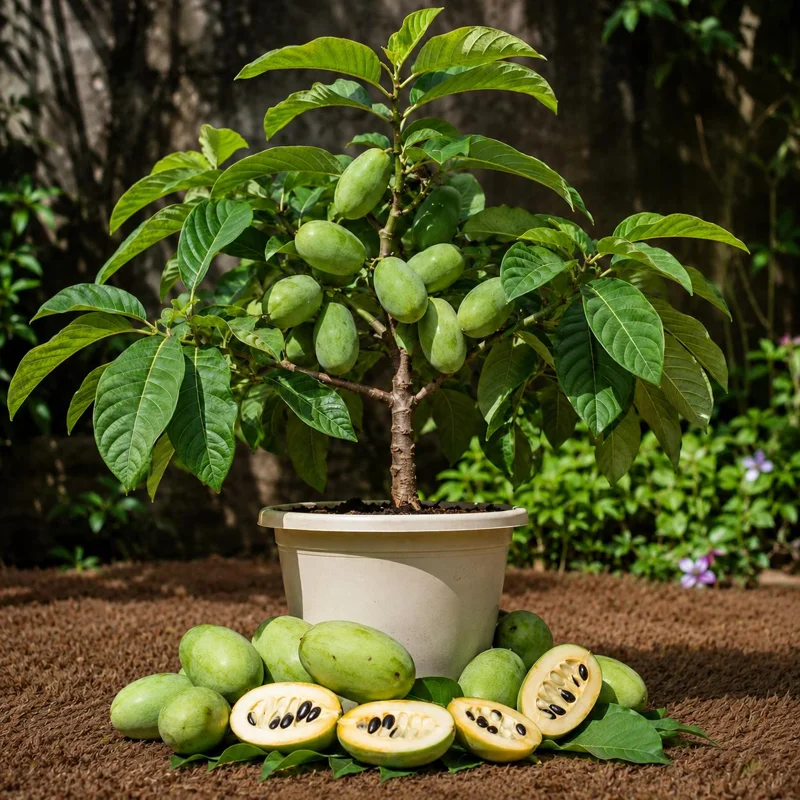
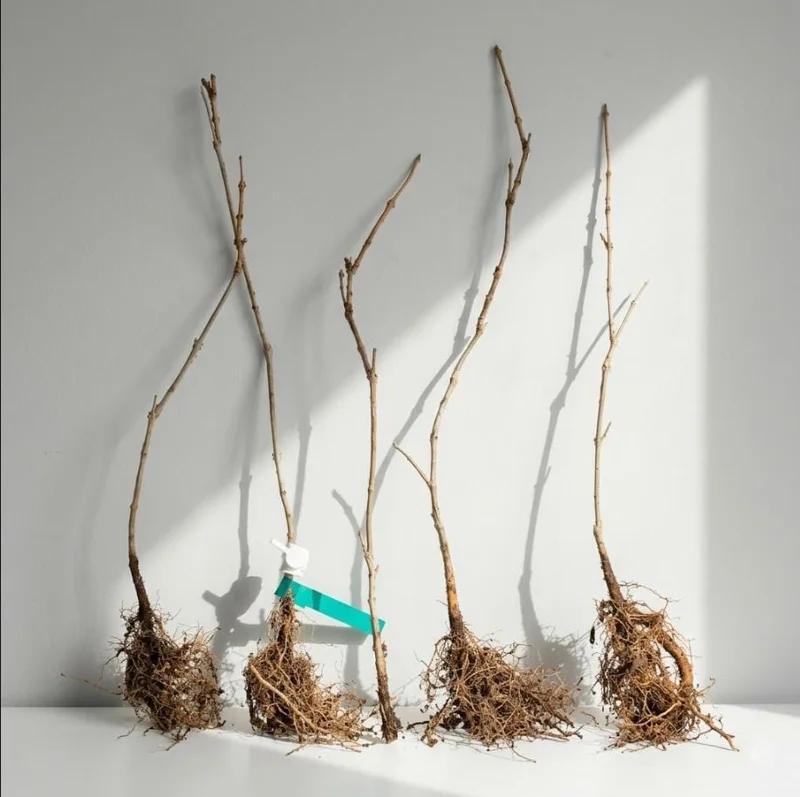
Cultivate your own unique fruit with this set of pawpaw bare roots. These 5 dormant, 10-15 inch tall pawpaw tree for sale specimens are perfect for establishing a hardy, native fruit orchard.
Out of stock
Estimated arrival
Oct 11
Oct 16 - Oct 18
Oct 21 - Oct 25

Reasonable Price
We offer reasonable price

Support 24/7
Contact us 24 hrs a day

100% Money Back
You've 30 days to Return

Payment Secure
100% secure payment
Overview
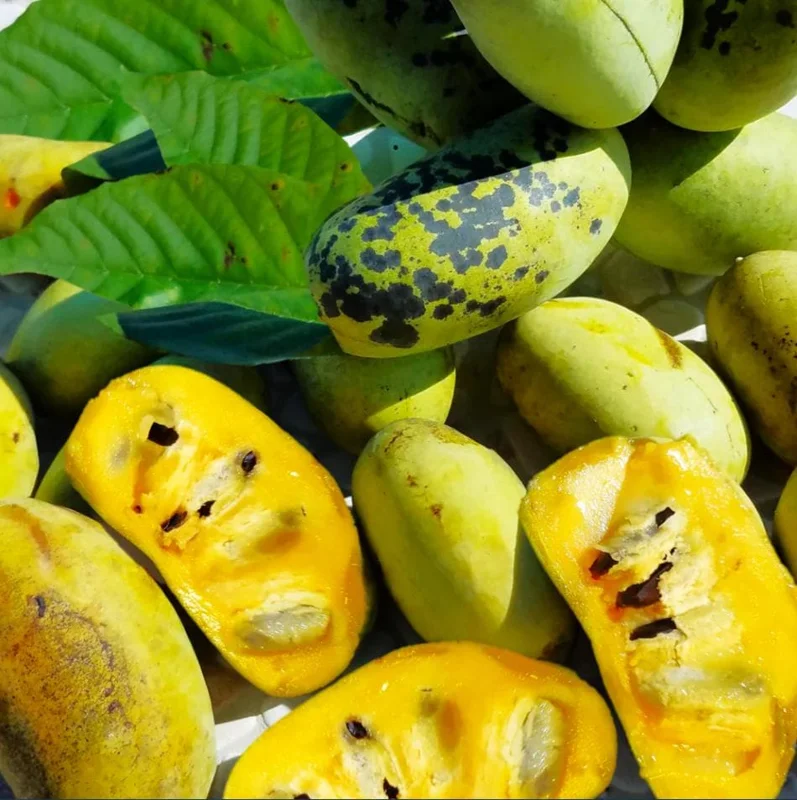
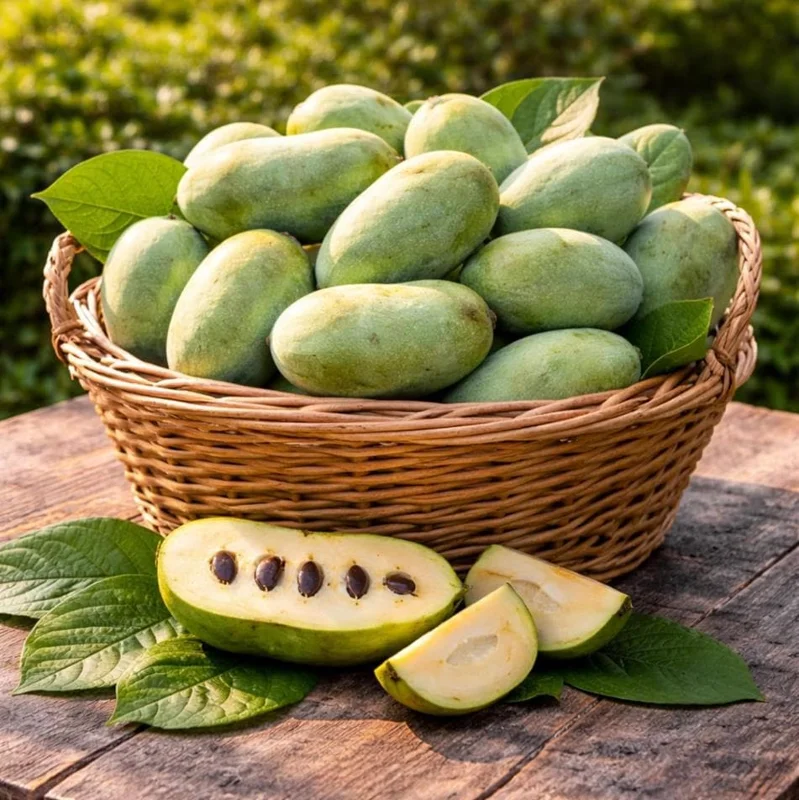
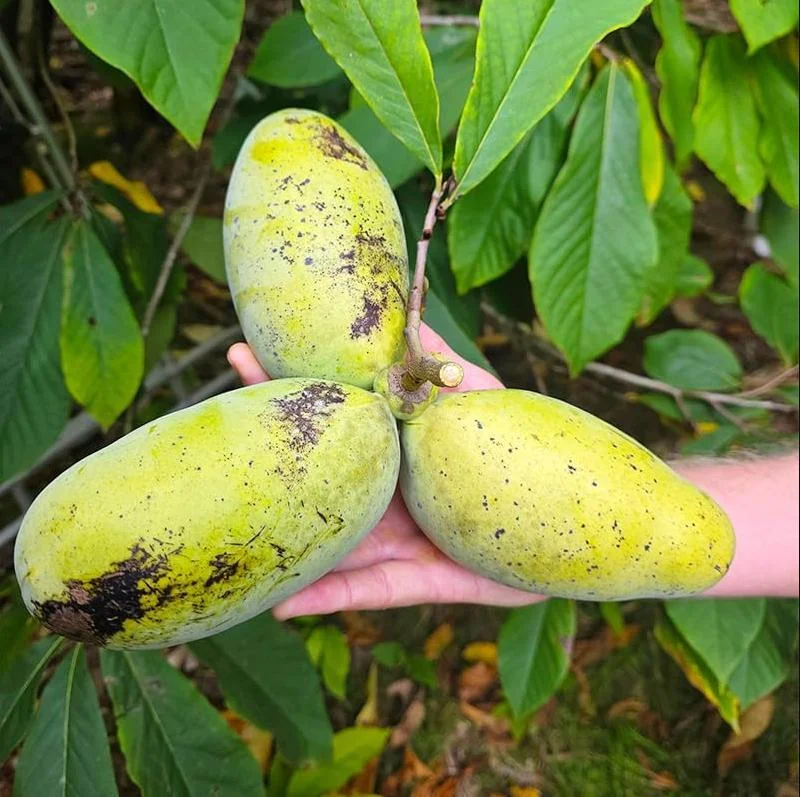
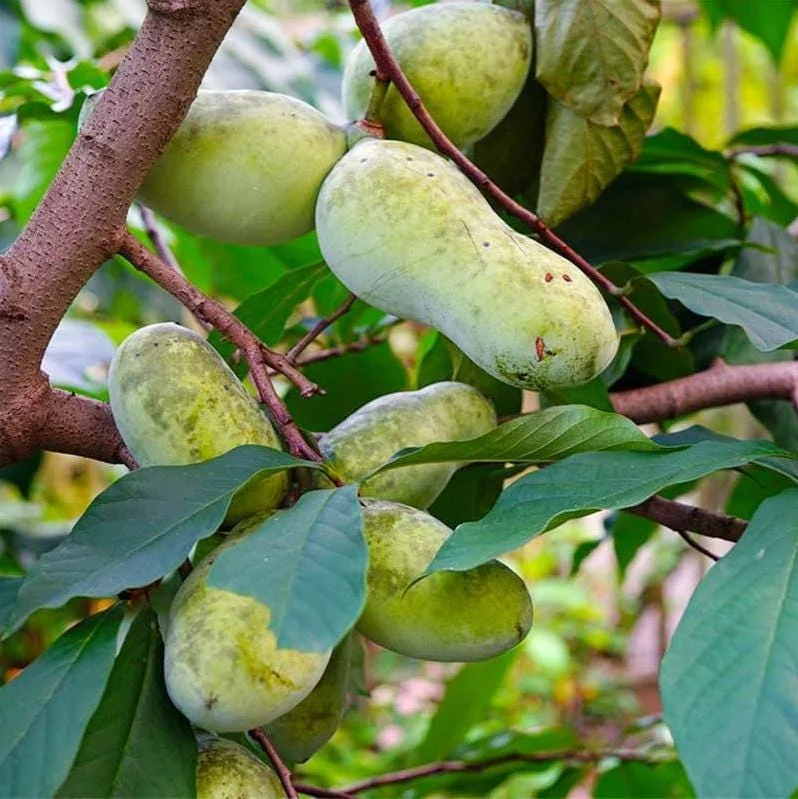
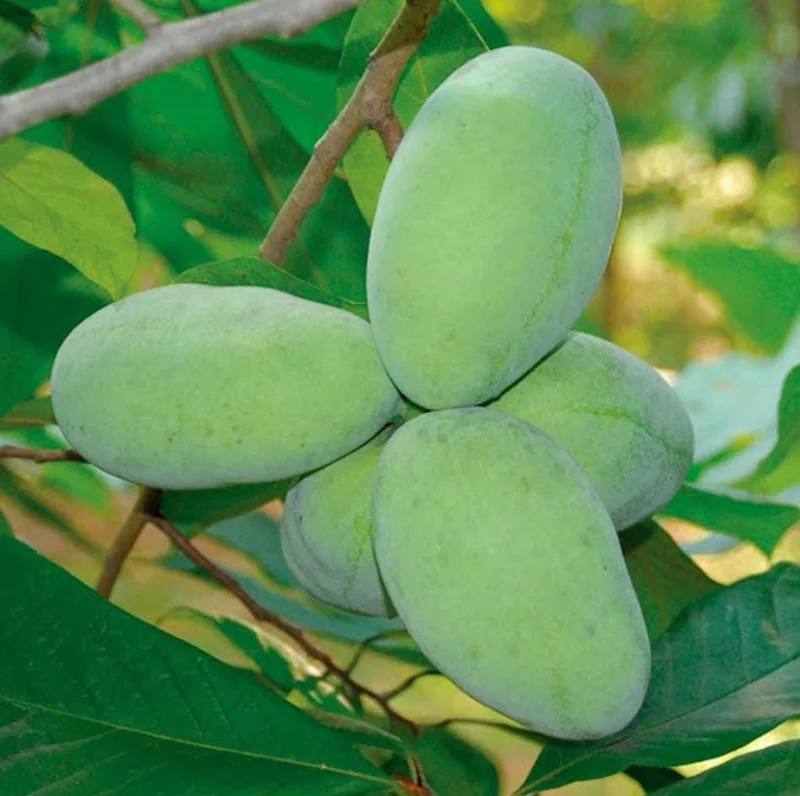
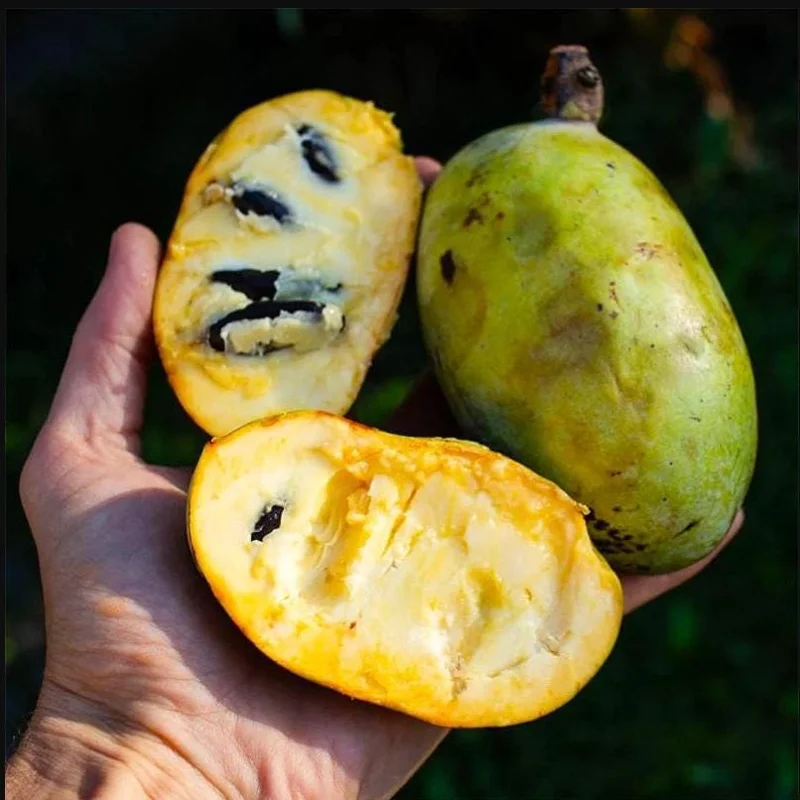
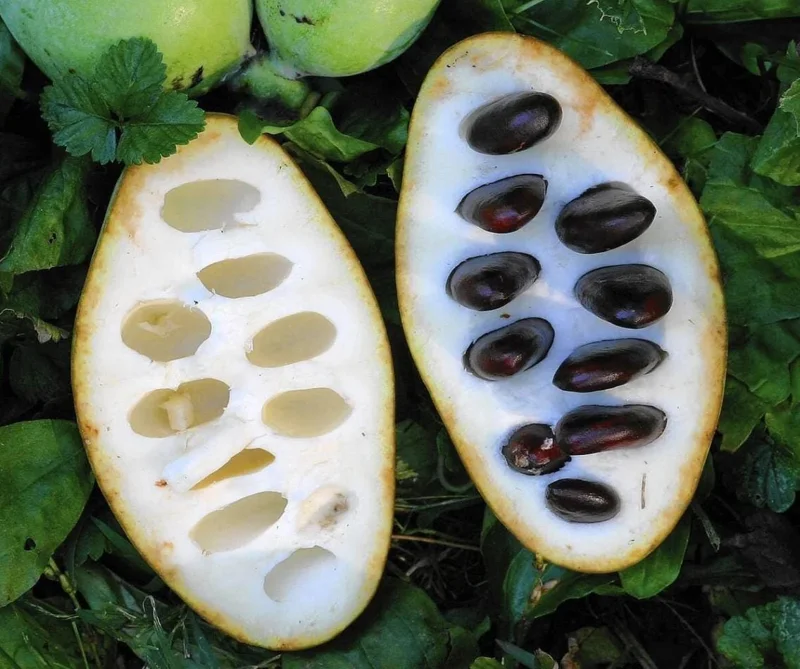
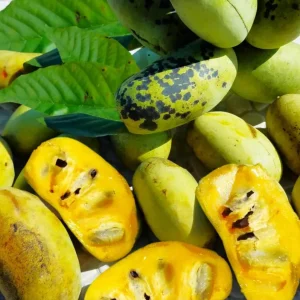
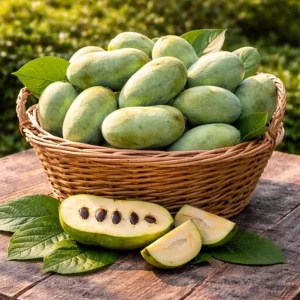
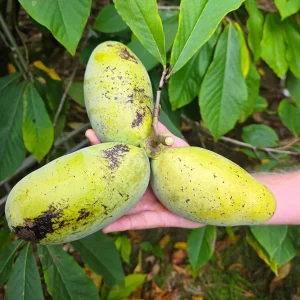
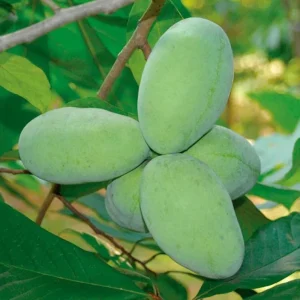
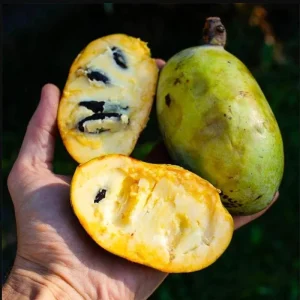
Embark on a unique gardening adventure by adding pawpaw bare roots to your landscape. This set of five dormant bare roots offers a fantastic opportunity to grow the intriguing and delicious pawpaw fruit, America’s largest native fruit. The pawpaw, scientifically known as Asimina triloba, is a deciduous fruit tree cherished for its tropical-like flavor, often described as a blend of banana, mango, and pineapple. These hardy native trees are an excellent choice for gardeners looking to cultivate an unusual, low-maintenance fruit with a rich history. Our pawpaw bare roots are carefully selected to ensure vigorous growth and successful establishment in your garden, transforming into productive fruit-bearing trees over time.
Each bare root in this set measures between 10 to 15 inches tall, arriving dormant and ready for planting. This method of planting allows the roots to establish quickly in their new environment, leading to robust and healthy trees. The pawpaw tree for sale is a wonderful addition for those interested in permaculture, native plant gardening, or simply enjoying the unique taste of homegrown pawpaws.
Key Benefits
Planting pawpaw bare roots offers numerous advantages, from ecological benefits to the sheer joy of harvesting your own exotic-tasting fruit. These trees are a rewarding investment for any garden.
- Unique Native Fruit: Enjoy the distinct, custardy flavor of pawpaws, a truly American fruit that’s becoming increasingly popular among gourmands and gardeners alike. Growing your own ensures access to fresh, ripe fruit.
- Hardy and Resilient: Pawpaw trees are known for their exceptional hardiness, tolerating a wide range of climates and conditions once established. They are a reliable choice for various regions, making them ideal hardy fruit plants.
- Low Maintenance: Once planted, pawpaw trees require relatively little ongoing care compared to many other fruit trees. They are naturally resistant to many pests and diseases, simplifying your gardening efforts.
- Ecological Value: As native trees, pawpaws support local ecosystems by providing food and habitat for native wildlife, including the zebra swallowtail butterfly, whose larvae feed exclusively on pawpaw leaves.
- Shade Tolerance for Young Plants: While mature trees prefer sun, young pawpaw plants thrive in partial shade, making them versatile for different garden settings and easier to establish. This also helps you to grow pawpaw tree successfully.
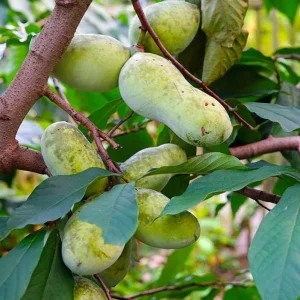
- Beautiful Landscape Addition: Beyond their fruit, pawpaw trees offer attractive foliage and a unique growth habit, adding a touch of natural beauty to your yard.
- Dormant for Easy Planting: Shipping as bare roots in a dormant state minimizes transplant shock and allows for easy handling and planting, setting them up for strong growth in the coming season.
Plant Care & Growing Tips
Successful cultivation of your pawpaw bare roots begins with proper planting and attentive care during their establishment phase. Pawpaws prefer a site with good drainage and fertile soil. While young plants benefit from partial shade, especially in hot climates, mature trees will produce more fruit in full sun (at least 6-8 hours daily). When planting, ensure the hole is wide enough to accommodate the roots without bending, and backfill with a mix of native soil and compost to provide a nutrient-rich environment. Water thoroughly after planting.
Keep the soil consistently moist, particularly during the first few years as the trees establish their root systems. Avoid waterlogging, as this can lead to root rot. Pawpaws thrive in rich, fertile, and slightly acidic soil (pH 5.5-7.0). Amending your soil with organic matter like compost can significantly improve its structure and fertility. These trees are cold hardy and suitable for temperate climates, typically thriving in USDA Zones 5-9. Fertilize sparingly in the first year with a balanced, slow-release fertilizer, and then annually in early spring as the trees mature. Protect young trees from deer and other browsing animals. Understanding how to grow pawpaw tree effectively ensures a bountiful harvest.
It’s important to note that pawpaws are often not self-pollinating and benefit from cross-pollination between genetically different trees to produce fruit. Planting a set of five pawpaw bare roots increases your chances of successful pollination and fruit set. Be patient, as it typically takes 3-5 years for pawpaw trees to begin bearing fruit after planting. With proper care, these native fruit trees will reward you with their delicious harvest for many years.
Size & Details
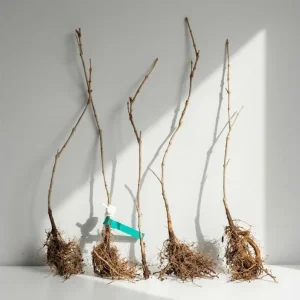
This offering includes a set of five pawpaw bare roots, each measuring approximately 10 to 15 inches tall. They arrive in a dormant state, without a pot or foliage, which is the optimal condition for transplanting and establishing a strong root system. These young starters are ideal for planting in late winter or early spring, allowing them to awaken with the natural growing season. The bare root format ensures that all the plant’s energy is focused on root development once planted, leading to vigorous growth.
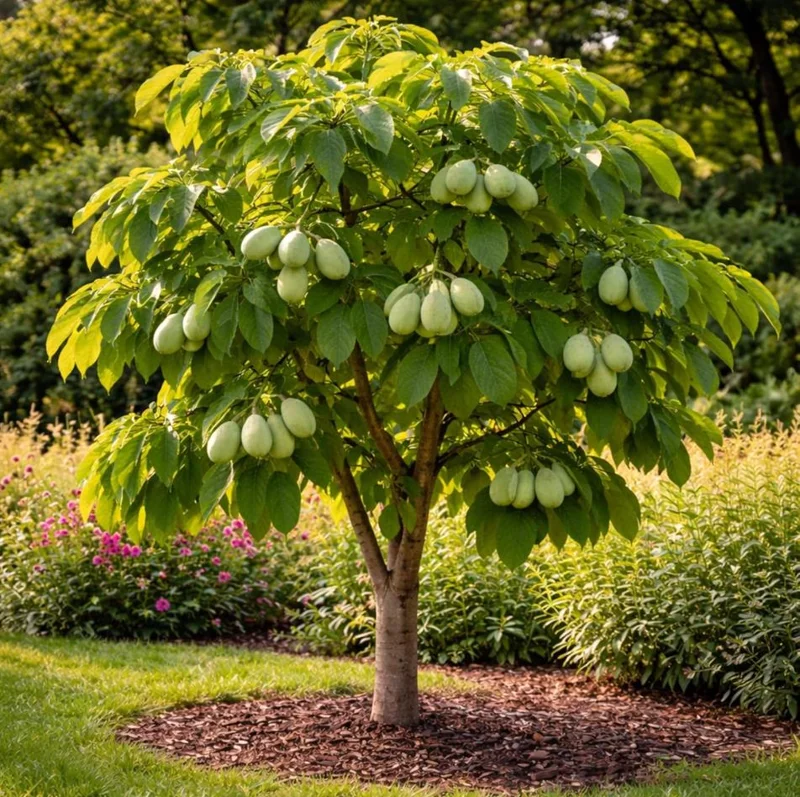
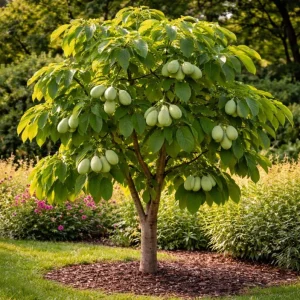
While these are young plants, they are robust specimens ready to embark on their journey to becoming mature, fruit-bearing trees. Expect moderate growth rates, with trees typically reaching heights of 15-20 feet at maturity, though they can be pruned to maintain a smaller size. Fruit production typically begins in 3-5 years, depending on growing conditions and care. These hardy fruit plants are an investment in future harvests and a unique addition to your garden.
Frequently Asked Questions
- Q: How big do these pawpaw bare roots get when mature? A: Your pawpaw bare roots will grow into trees typically reaching 15-20 feet tall and 10-15 feet wide at maturity. They can be pruned to manage their size and shape.
- Q: Is this an indoor or outdoor plant? A: Pawpaw trees are outdoor plants, best suited for planting directly in the ground. They are hardy native fruit trees that thrive in temperate climates.
- Q: How much sunlight do pawpaw trees need? A: Young pawpaw plants prefer partial shade, especially in the afternoon, to protect them from scorching. Mature trees will produce the most fruit when planted in full sun (6-8 hours daily).
- Q: Is this plant easy to care for? Is it good for beginners? A: Pawpaw trees are relatively easy to care for once established and are a good choice for beginners looking to grow pawpaw tree. They are quite hardy and disease-resistant.
- Q: What condition will the bare roots arrive in? A: Your pawpaw bare roots will arrive dormant, without leaves or soil, individually wrapped to keep the roots moist. This is normal and ideal for planting.
- Q: When is the best time to plant pawpaw bare roots? A: The best time to plant dormant bare roots is in late winter or early spring, after the last hard frost but before new growth begins.
- Q: Will it survive winter in my zone? A: Pawpaw trees are cold hardy and suitable for USDA Zones 5-9. They are deciduous and naturally go dormant in winter, making them resilient to cold temperatures within their hardiness range.
- Q: Can I get fruit from just one pawpaw tree? A: While some pawpaws can be self-pollinating to a degree, you will get much better fruit production by planting at least two genetically different pawpaw tree for sale specimens for cross-pollination, which this set of five helps facilitate.
- Q: What kind of soil is best for pawpaw trees? A: Pawpaw trees prefer rich, fertile, slightly acidic (pH 5.5-7.0), and well-draining soil. Amending with compost can greatly benefit their growth.
- Q: How long until these pawpaw bare roots start producing fruit? A: Typically, pawpaw trees grown from bare roots will begin to produce fruit in 3-5 years, depending on growing conditions and care. Patience will be rewarded with delicious harvests from these native fruit trees.
Be the first to review “Set of 5 Pawpaw Bare Roots for Planting – Hardy Native Fruit Trees 10-15 Inch Tall, Dormant”
-
USDA Hardiness Zone
USDA Zones 5-9 -
Soil Type
Rich, fertile, slightly acidic, well-draining soil -
Sunlight Exposure
Full sun to partial shade (young plants prefer afternoon shade) -
Expected Planting Period
Late winter to early spring
People Also Viewd


Sold 134 products
Original price was: $3,536.00.$23.99Current price is: $23.99.

Sold 132 products
Original price was: $27.00.$24.00Current price is: $24.00.

Sold 132 products
Original price was: $89.99.$64.99Current price is: $64.99.

Sold 125 products
Original price was: $86.99.$66.99Current price is: $66.99.

Flower Bulbs
3 Cranesbill Wild Geranium Organic Maculatums Bare Roots | Wildflower for Outdoor Garden
Sold 116 products
Original price was: $21.99.$9.99Current price is: $9.99.

Sold 114 products
Original price was: $28.99.$17.99Current price is: $17.99.

Sold 110 products
Original price was: $63.99.$28.99Current price is: $28.99.
Sold 108 products
Original price was: $28.99.$17.99Current price is: $17.99.RELATED posts
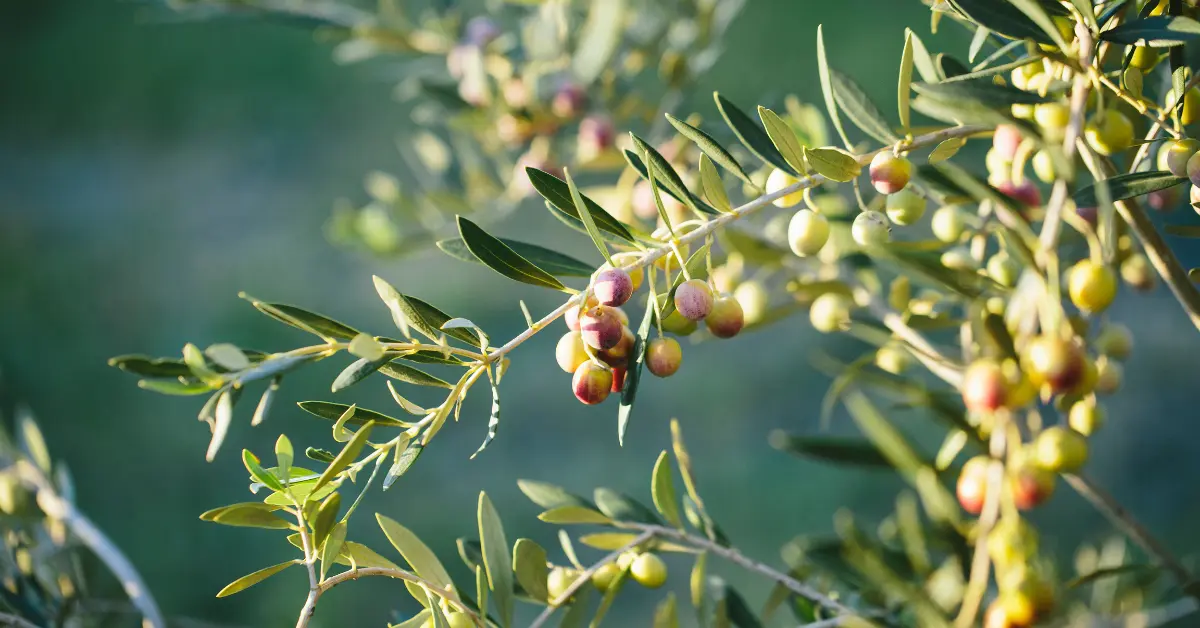
How to Grow Arbequina Olive Trees: The Ultimate Guide to Your Own Olive Grove
Arbequina Olive Tree (Olea europaea ‘Arbequina’) – the ultimate Mediterranean plant that brings a touch [...]
Oct
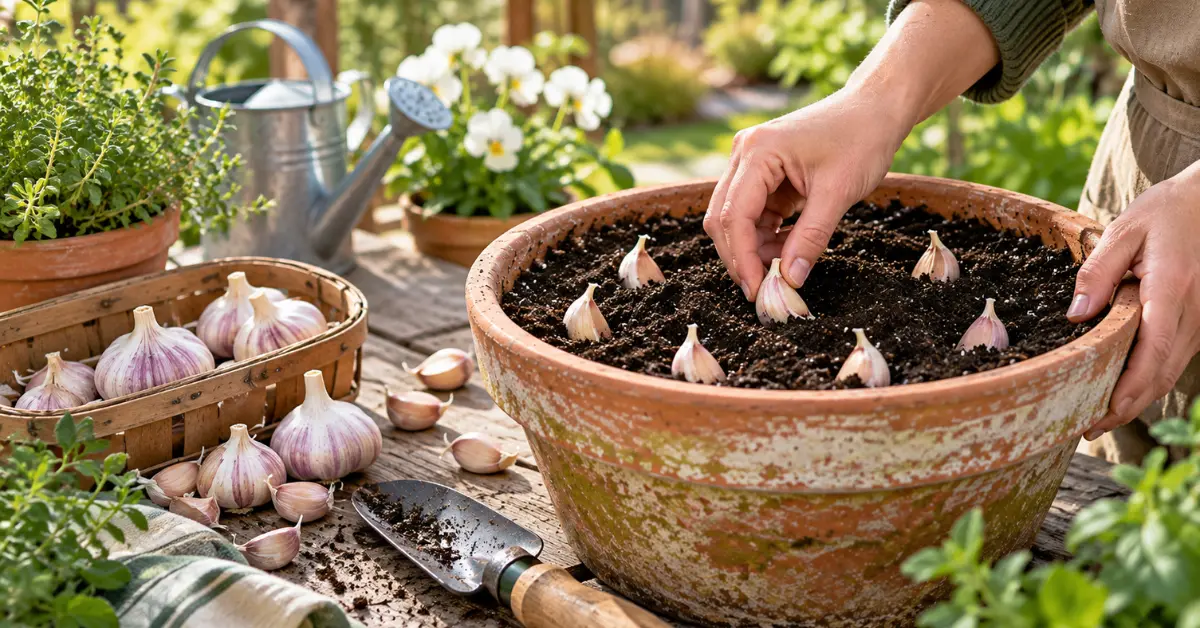
Growing Garlic in Containers This Fall: A Complete Guide for Beginners
If you’ve ever wanted to pop fresh, aromatic garlic cloves straight from your own patio [...]
Sep
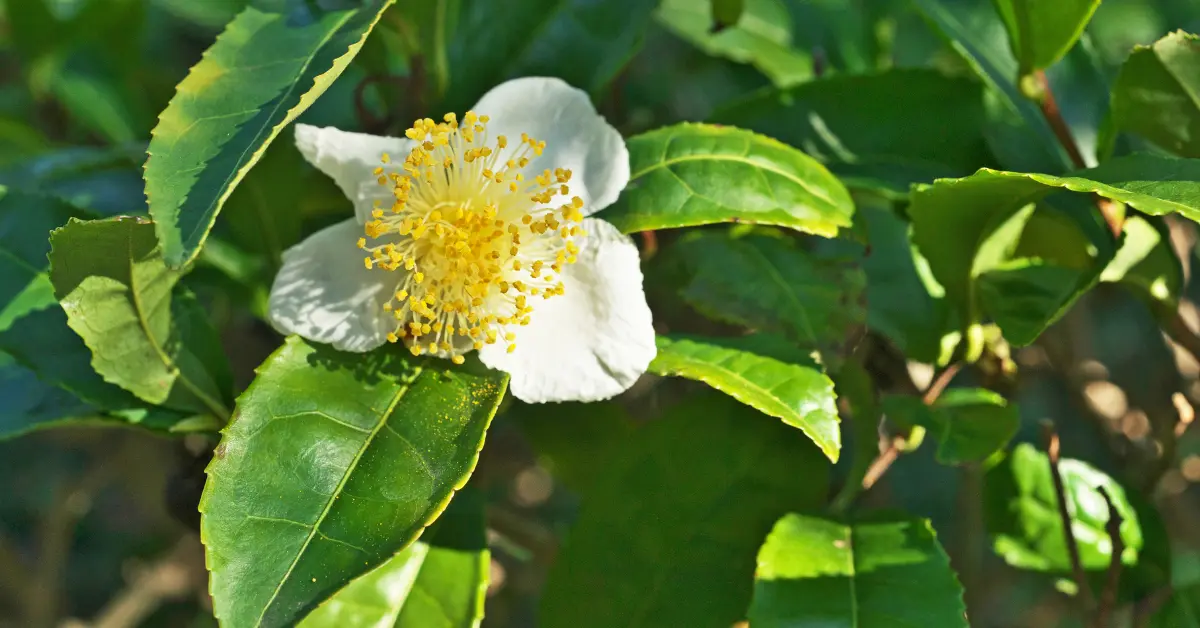
Growing Camellia Sinensis (Tea Plants) in Containers: A Complete Guide for Beginners
If you’ve ever wanted to sip a steaming, homegrown cup of fresh green, black, or [...]
Aug
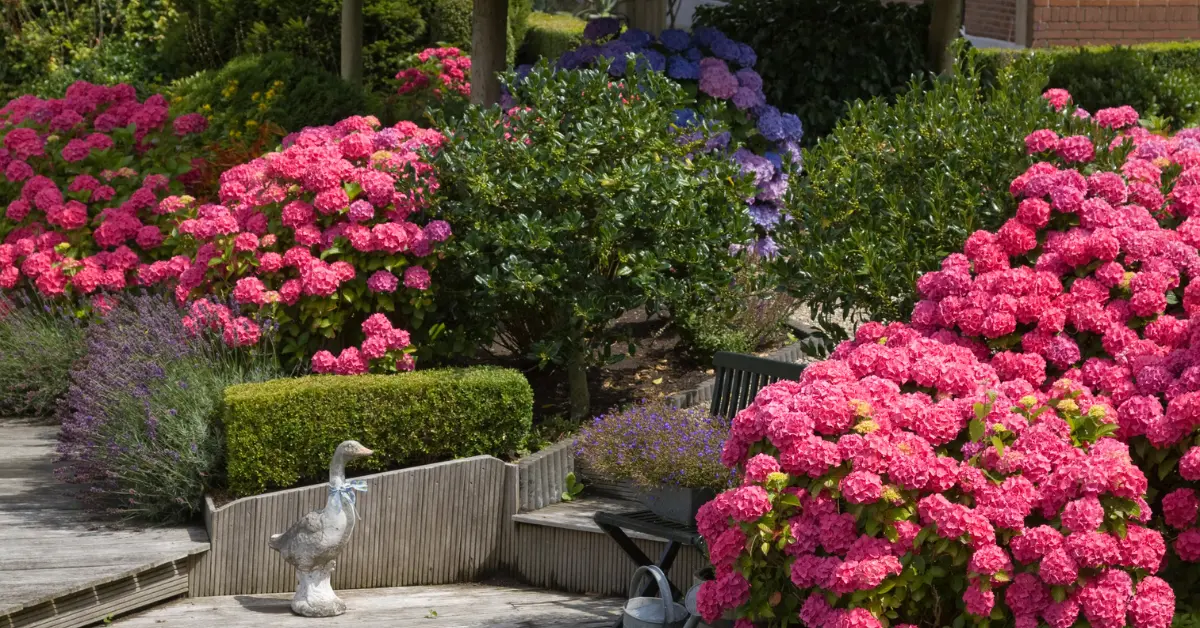
6 Best Shrubs to Plant in August You Must Try
Have you ever walked through a nursery late in the summer, admired the vibrant shrubs [...]
Aug
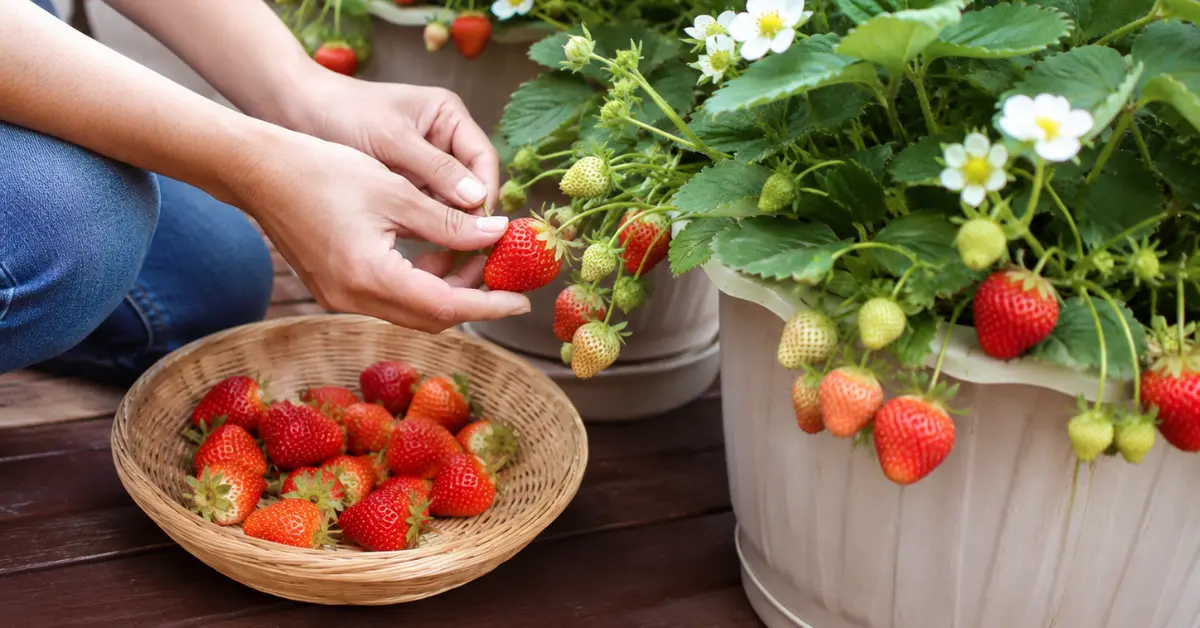
Growing Everbearing Strawberries in Containers: A Complete Guide for Beginners
Want to grow sweet, fresh strawberries but do not have a large garden? Everbearing strawberries [...]
Aug
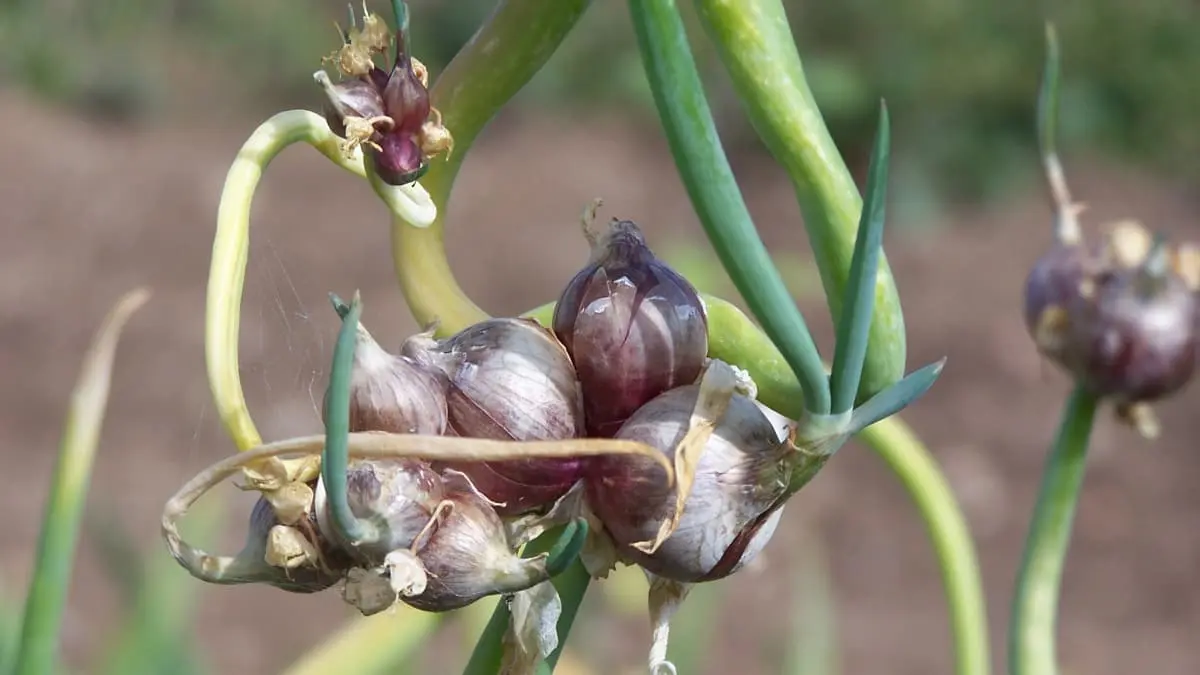
Growing Egyptian Walking Onions in Containers: A Complete Guide for Beginners
If you’re looking for a hardy, no-fuss perennial onion that keeps on giving year after [...]
Jul
Growing Carolina Reaper Peppers in Pots: A Complete Guide for Beginners
If you’ve ever wanted to add some serious, record-breaking heat to your home cooking, you’ve [...]
May
Growing Curry Leaf Plant in Pots: A Complete Guide for Beginners
If you’re a fan of authentic South Asian cuisine, you already know that nothing compares [...]
May

Reviews
There are no reviews yet.