
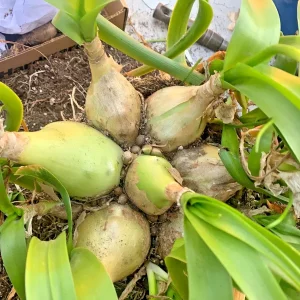
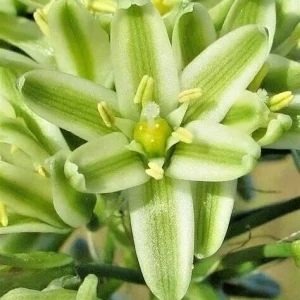
Albuca Bracteata Pregnant Onion Succulent – 4 Rooted Live Plants, 1-2″ Wide, Indoor
Original price was: $76.00.$30.99Current price is: $30.99.
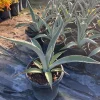
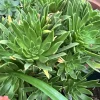
Bring a unique botanical specimen into your home with the Albuca Bracteata Pregnant Onion succulent. This listing includes 4 rooted live plants, each 1-2 inches wide, ready to thrive as a distinctive indoor houseplant. Known for its fascinating bulb development, it’s a low-maintenance addition to any collection.
Estimated arrival
Oct 05
Oct 10 - Oct 12
Oct 15 - Oct 19

Reasonable Price
We offer reasonable price

Support 24/7
Contact us 24 hrs a day

100% Money Back
You've 30 days to Return

Payment Secure
100% secure payment
Overview
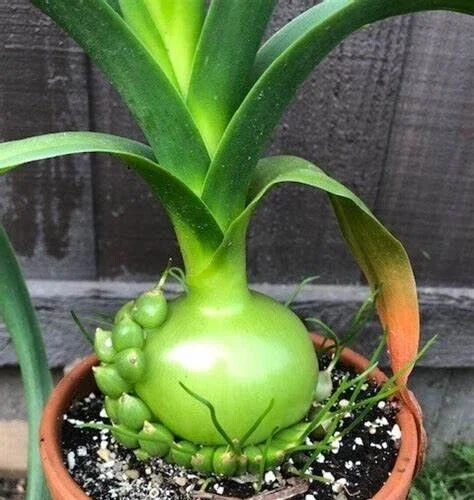
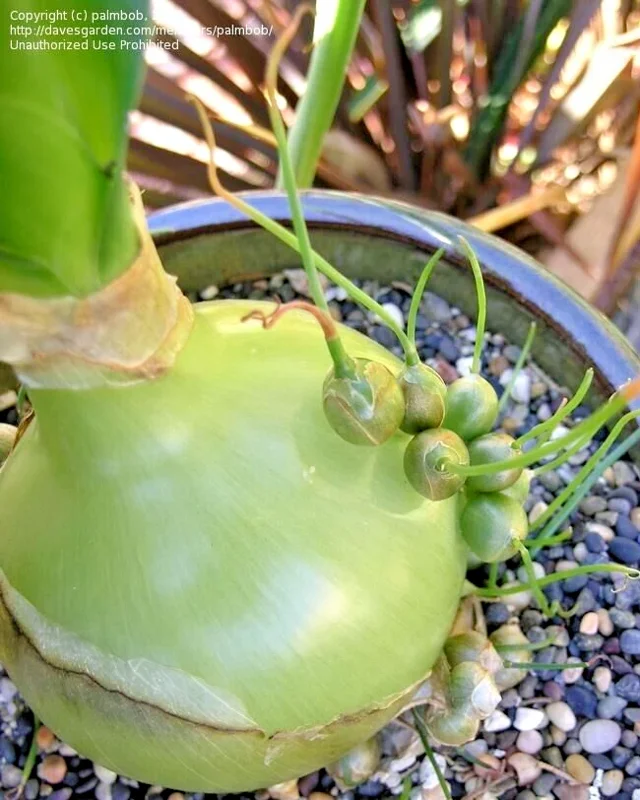
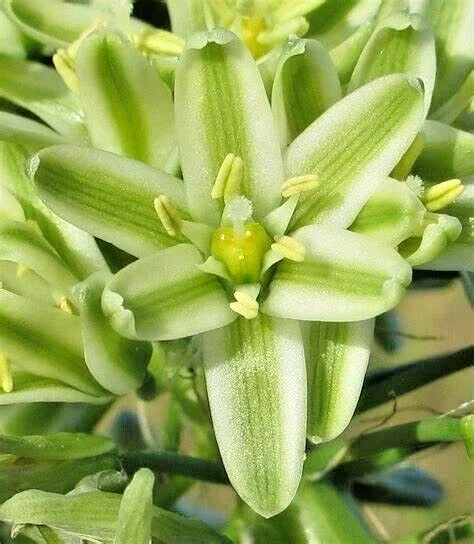
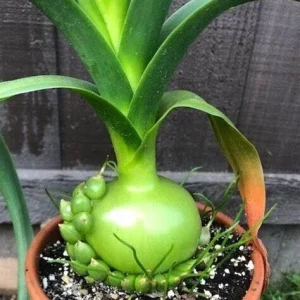
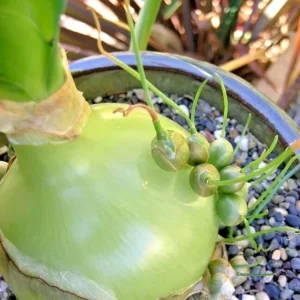
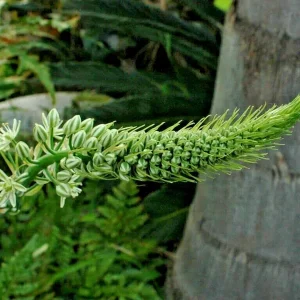
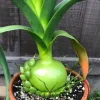
The Albuca Bracteata Pregnant Onion succulent is a truly captivating and easy-to-grow houseplant, cherished by succulent enthusiasts and beginners alike. This listing provides you with 4 healthy, rooted live plants, each measuring approximately 1-2 inches wide, making them ideal for immediate potting and display. Scientifically known as Albuca bracteata, but widely recognized by its charming common name “Pregnant Onion” due to the numerous bulblets that form on the mother bulb, resembling a pregnant belly. This unique growth habit makes it a fascinating conversation piece and an intriguing specimen for any plant collection. Originating from South Africa, this succulent is adapted to arid conditions, making it incredibly resilient and forgiving. It’s an excellent choice for those seeking an unusual yet low-maintenance indoor plant that offers continuous visual interest. The slender, arching green leaves add an elegant touch, while the developing bulblets provide a dynamic and ever-changing display. Embrace the quirky beauty of the Albuca Bracteata Pregnant Onion succulent and enjoy its effortless charm.
Key Benefits
The Albuca Bracteata Pregnant Onion succulent offers a range of benefits beyond its striking appearance, making it a valuable addition to your indoor garden. Its unique characteristics contribute to its appeal and ease of care:
-
Unique Ornamental Appeal: The most distinctive feature is its “pregnant” bulb, which produces numerous smaller bulblets. This creates a visually dynamic plant that continuously evolves, offering a fascinating display unlike typical succulents. It’s a true conversation starter.
-
Low Maintenance: Ideal for busy individuals or novice plant parents, this succulent requires minimal attention. Its drought-tolerant nature means it can withstand periods of neglect, thriving with infrequent watering and basic care.
-
Air Purification: Like many houseplants, the Albuca Bracteata Pregnant Onion succulent contributes to healthier indoor air quality by absorbing common household toxins and releasing oxygen, promoting a fresher living environment.
-
Medicinal & Traditional Uses: Historically, various parts of the Pregnant Onion plant, particularly its sap, have been used in traditional medicine for their purported healing properties, including addressing skin irritations and minor ailments. While not a substitute for modern medicine, its historical significance adds to its allure.
-
Easy Propagation: The prolific bulblets naturally detach and can be easily rooted to create new plants, making it simple to share with friends or expand your collection without extra effort. This ensures a continuous supply of these charming plants.
-
Adaptable to Indoor Environments: This succulent thrives indoors, adapting well to a variety of light conditions found in homes. It’s perfect for windowsills, desks, or shelves where its unique form can be appreciated.
Plant Care & Growing Tips
Caring for your Albuca Bracteata Pregnant Onion succulent is straightforward, making it a rewarding experience for gardeners of all levels. To ensure your 4 rooted plants flourish, understanding their basic needs is key. These succulents prefer bright, indirect light. A south or west-facing window is ideal, but ensure they are protected from intense, direct afternoon sun which can scorch their leaves. If grown outdoors in warmer climates, partial shade is recommended. Adequate light encourages compact growth and healthy bulb development for your pregnant onion plant care routine.
When it comes to watering, less is often more. Allow the soil to dry out completely between waterings. Overwatering is the most common cause of problems for succulents, leading to root rot. During the growing season (spring and summer), you might water every 2-4 weeks, reducing frequency significantly in fall and winter. The “soak and dry” method works best: water thoroughly until it drains from the bottom, then wait until the pot feels light and the soil is dry to the touch before watering again. For optimal growth, use a well-draining potting mix specifically formulated for succulents or cacti. A mix of potting soil, perlite, and coarse sand in equal parts provides excellent drainage.
The Albuca Bracteata Pregnant Onion succulent is quite resilient to temperature fluctuations but prefers average room temperatures between 65-80°F (18-27°C). It can tolerate cooler temperatures down to 40°F (4°C) but should be protected from frost. These plants are generally suitable for USDA zones 9–11 if grown outdoors, but thrive as indoor houseplants in all zones. Fertilize sparingly; a balanced, diluted liquid fertilizer can be applied once or twice during the active growing season. Watch out for common pests like mealybugs, though they are generally quite pest-resistant. Good air circulation helps prevent fungal issues. Proper pregnant onion plant care will ensure a long-lived and beautiful specimen.
Size & Details
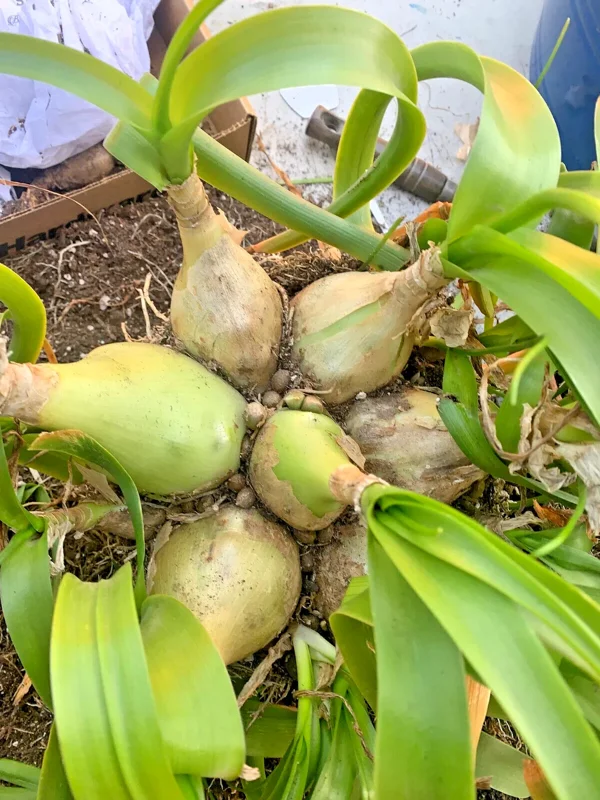
This offering includes 4 individually rooted live Albuca Bracteata Pregnant Onion succulent plants. Each plant measures approximately 1-2 inches in width, referring to the diameter of the bulb from which the foliage emerges. These are young, healthy specimens, carefully selected and rooted, ready for transplanting into their new homes. While they are currently compact, the Pregnant Onion plant is known for its moderate growth rate, gradually increasing in bulb size and producing more offsets over time. The mature size of the main bulb can reach up to 4-6 inches in diameter over several years under optimal conditions. The foliage can grow to an arching length of 12-24 inches. Your plants will arrive well-packaged, ensuring minimal stress during transit. They are shipped without pots to reduce shipping weight and allow you to choose your preferred container. Expect them to establish quickly in a suitable succulent potting mix.
Frequently Asked Questions
- Q: How big does this plant get? A: The Albuca Bracteata Pregnant Onion succulent bulbs in this offering are 1-2 inches wide. Mature bulbs can eventually reach 4-6 inches in diameter, with foliage arching up to 1-2 feet long over several years.
- Q: Is this an indoor or outdoor plant? A: While it can be grown outdoors in USDA zones 9–11, the Albuca Bracteata Pregnant Onion succulent is primarily cultivated as an indoor houseplant due to its sensitivity to frost and its unique ornamental appeal.
- Q: How much sunlight does it need? A: This succulent thrives in bright, indirect light. A sunny window with some protection from harsh afternoon sun is ideal. Too little light can lead to leggy growth, while too much direct sun can cause scorching.
- Q: Is this plant easy to care for? A: Yes, the Albuca Bracteata Pregnant Onion succulent is considered very easy to care for, making it an excellent choice for beginners. Its drought tolerance and minimal needs contribute to its low-maintenance reputation.
- Q: What condition will it arrive in? A: Your order includes 4 healthy, rooted Albuca Bracteata Pregnant Onion succulent plants, carefully packaged to ensure they arrive in excellent condition, ready for planting. They are shipped bare root to minimize stress.
- Q: Can I use Albuca Bracteata medicinal? A: While Albuca Bracteata medicinal uses have been reported in traditional folk medicine for various ailments, it’s crucial to consult a healthcare professional before using any plant for medicinal purposes. This information is for historical context only.
- Q: What’s the best soil for a pregnant onion plant? A: A well-draining succulent or cactus potting mix is essential. You can also create your own by mixing regular potting soil with perlite and coarse sand in equal parts to ensure proper drainage and prevent root rot.
- Q: How often should I water my pregnant onion plant? A: Water only when the soil is completely dry. This usually means every 2-4 weeks during the growing season and even less frequently in winter. Always err on the side of underwatering rather than overwatering.
- Q: How do I propagate more of these plants? A: The Albuca Bracteata Pregnant Onion succulent naturally produces small bulblets on the main bulb. These can be gently detached and planted in their own well-draining soil to grow new plants.
- Q: Is the pregnant onion plant toxic to pets? A: While specific toxicity information can vary, it’s generally best to keep all bulbs and succulent plants out of reach of pets and children. If ingested, it may cause mild gastrointestinal upset.
Be the first to review “Albuca Bracteata Pregnant Onion Succulent – 4 Rooted Live Plants, 1-2″ Wide, Indoor”
-
USDA Hardiness Zone
USDA zones 9–11 (or indoors everywhere) -
Soil Type
Well-draining succulent/cactus mix -
Sunlight Exposure
Bright indirect light -
Expected Planting Period
Year-round indoors
People Also Viewd


Sold 134 products
Original price was: $3,536.00.$23.99Current price is: $23.99.

Sold 132 products
Original price was: $27.00.$24.00Current price is: $24.00.

Sold 132 products
Original price was: $89.99.$64.99Current price is: $64.99.

Sold 125 products
Original price was: $86.99.$66.99Current price is: $66.99.

Flower Bulbs
3 Cranesbill Wild Geranium Organic Maculatums Bare Roots | Wildflower for Outdoor Garden
Sold 116 products
Original price was: $21.99.$9.99Current price is: $9.99.

Sold 114 products
Original price was: $28.99.$17.99Current price is: $17.99.

Sold 110 products
Original price was: $63.99.$28.99Current price is: $28.99.
Sold 108 products
Original price was: $28.99.$17.99Current price is: $17.99.RELATED posts
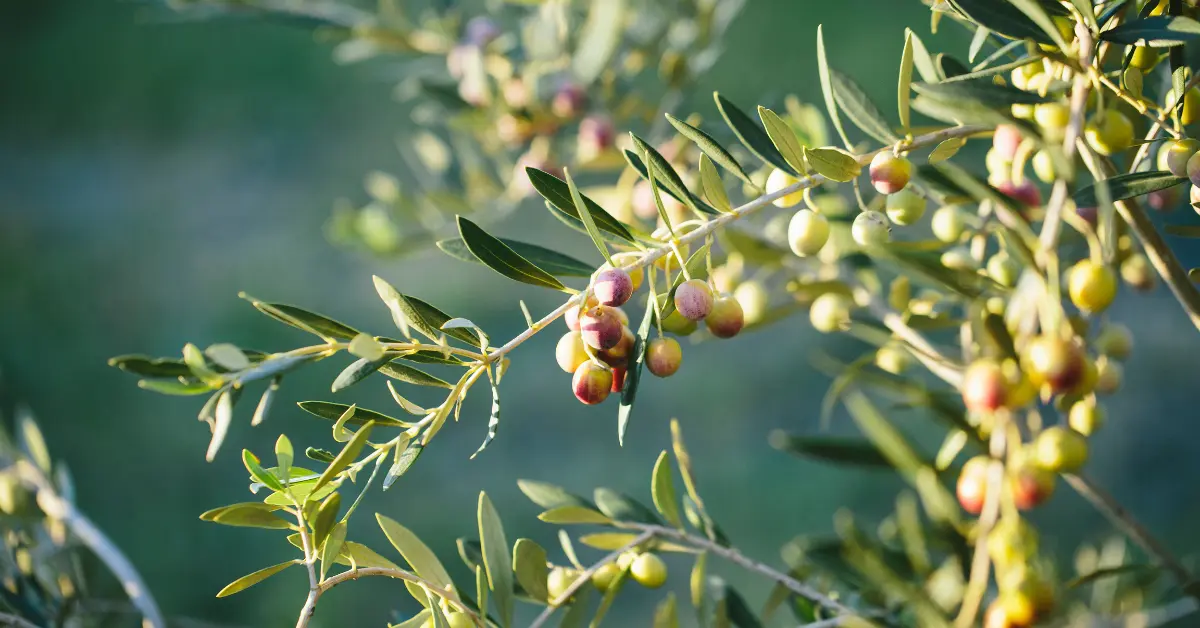
How to Grow Arbequina Olive Trees: The Ultimate Guide to Your Own Olive Grove
Arbequina Olive Tree (Olea europaea ‘Arbequina’) – the ultimate Mediterranean plant that brings a touch [...]
Oct
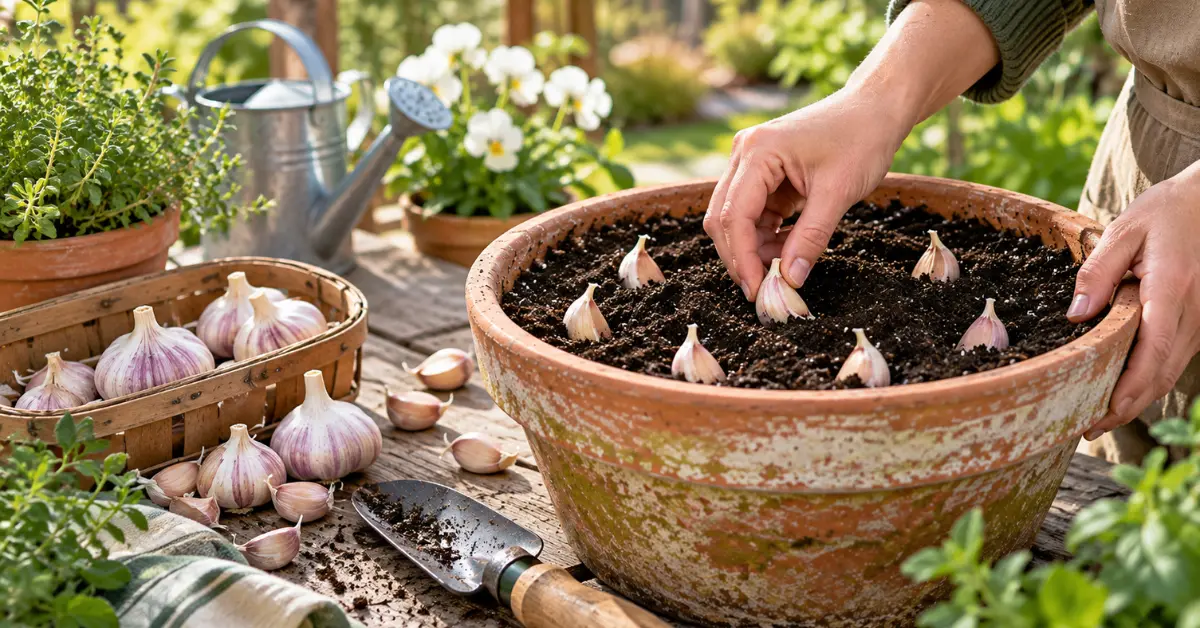
Growing Garlic in Containers This Fall: A Complete Guide for Beginners
If you’ve ever wanted to pop fresh, aromatic garlic cloves straight from your own patio [...]
Sep
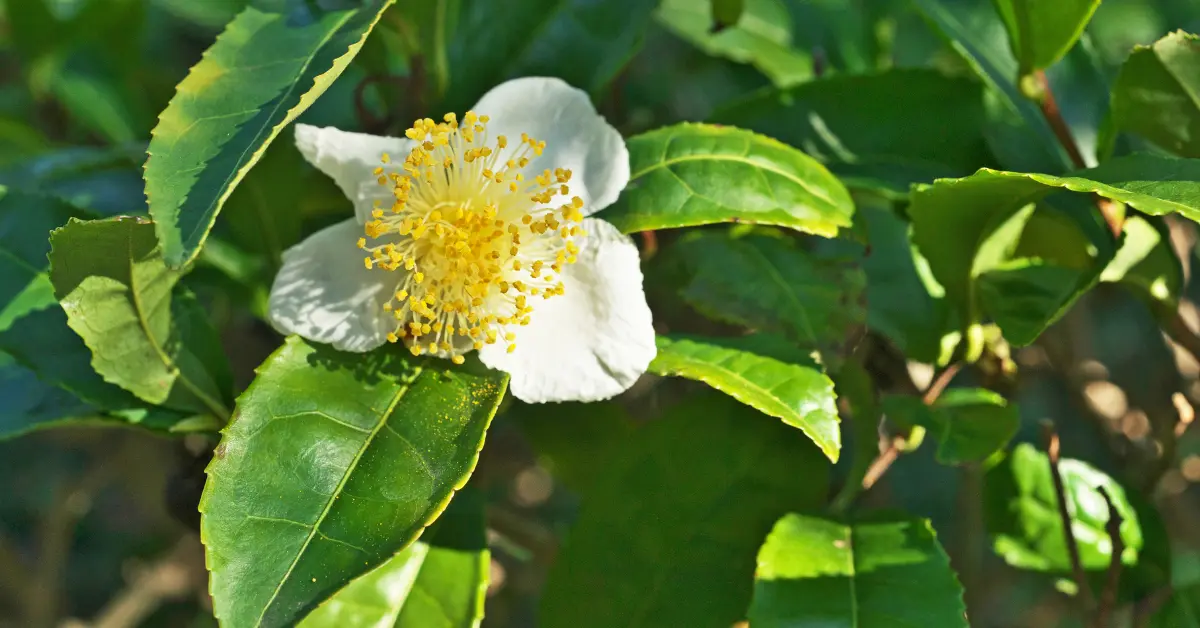
Growing Camellia Sinensis (Tea Plants) in Containers: A Complete Guide for Beginners
If you’ve ever wanted to sip a steaming, homegrown cup of fresh green, black, or [...]
Aug
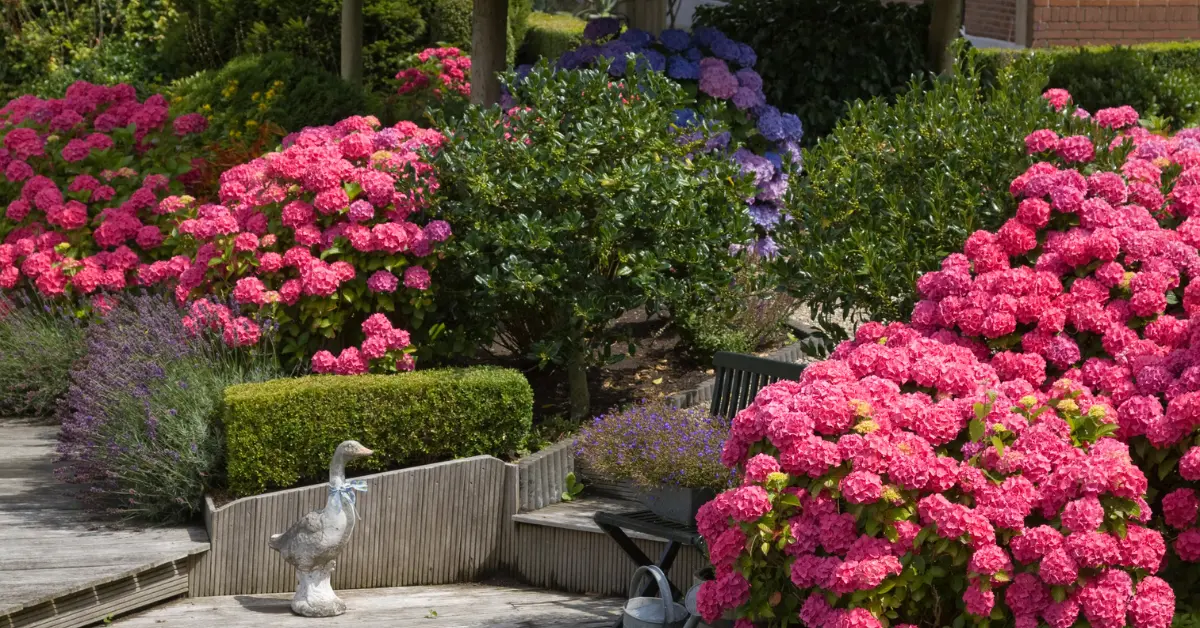
6 Best Shrubs to Plant in August You Must Try
Have you ever walked through a nursery late in the summer, admired the vibrant shrubs [...]
Aug
Growing Everbearing Strawberries in Containers: A Complete Guide for Beginners
Want to grow sweet, fresh strawberries but do not have a large garden? Everbearing strawberries [...]
Aug
Growing Egyptian Walking Onions in Containers: A Complete Guide for Beginners
If you’re looking for a hardy, no-fuss perennial onion that keeps on giving year after [...]
Jul
Growing Carolina Reaper Peppers in Pots: A Complete Guide for Beginners
If you’ve ever wanted to add some serious, record-breaking heat to your home cooking, you’ve [...]
May
Growing Curry Leaf Plant in Pots: A Complete Guide for Beginners
If you’re a fan of authentic South Asian cuisine, you already know that nothing compares [...]
May
Reviews
There are no reviews yet.