
Lithops Living Stones Live Plant – 2 inch Pot – Indoor Succulent
Original price was: $43.80.$21.99Current price is: $21.99.
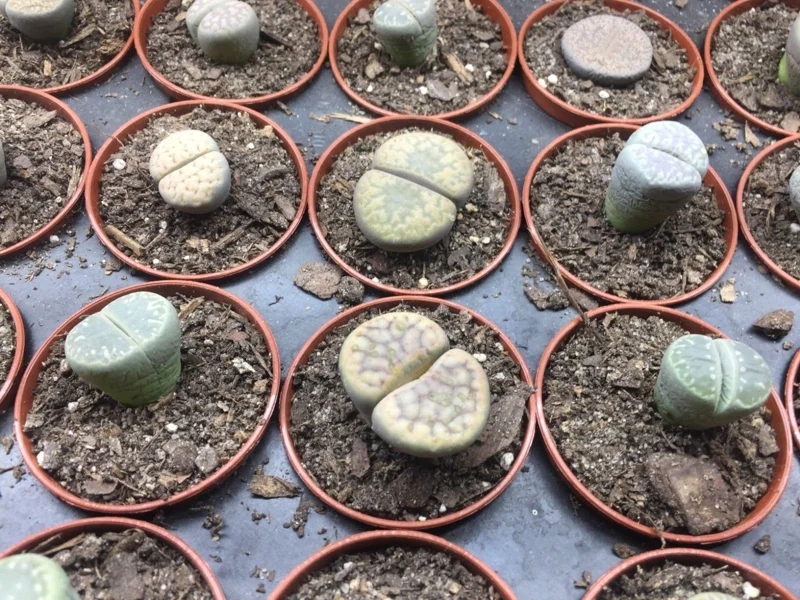
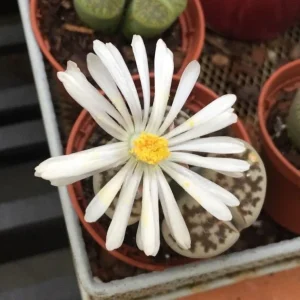
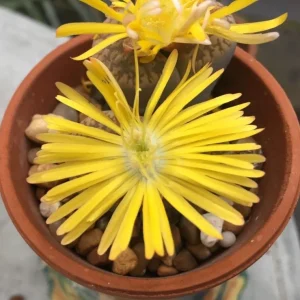
Bring home a unique Lithops living stones live plant, a fascinating succulent in a 2-inch pot. These low-maintenance plants mimic pebbles, offering a striking addition to any indoor collection or desk.
Estimated arrival
Oct 05
Oct 10 - Oct 12
Oct 15 - Oct 19

Reasonable Price
We offer reasonable price

Support 24/7
Contact us 24 hrs a day

100% Money Back
You've 30 days to Return

Payment Secure
100% secure payment
Overview
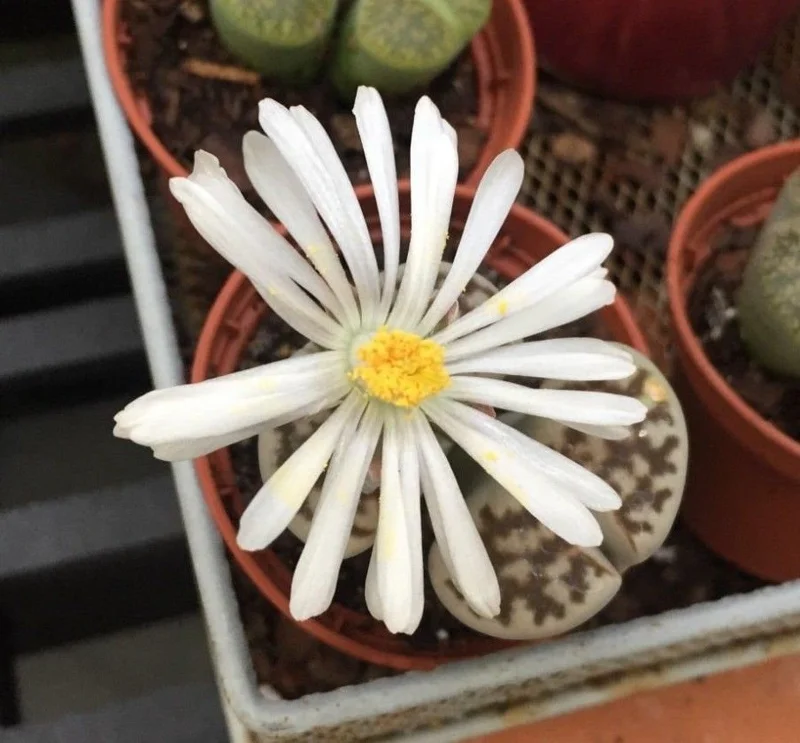
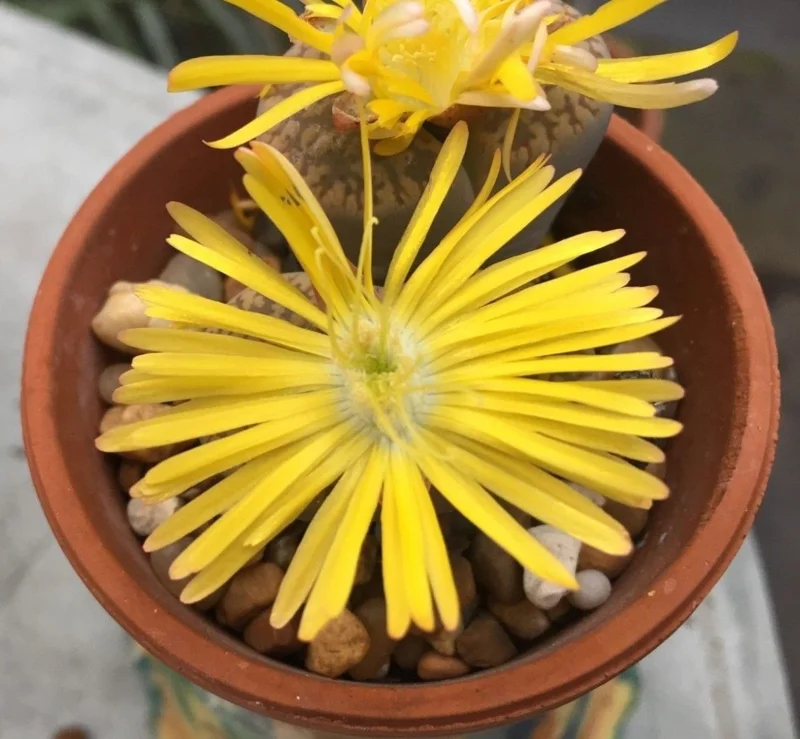
Introduce an extraordinary botanical marvel to your collection with the Lithops living stones live plant. Often called “Living Stones” due to their remarkable resemblance to pebbles and rocks, Lithops are a genus of succulent plants native to Southern Africa. These unique plants have evolved an incredible camouflage mechanism to blend seamlessly with their rocky surroundings, making them incredibly fascinating to observe. Each plant consists of two fleshy, fused leaves that store water, with only a small fissure between them from which flowers emerge. Our Lithops are provided as a healthy live plant, carefully cultivated and ready to thrive in your home. They are perfectly sized at a 2 inch pot, making them ideal for windowsills, terrariums, or as part of a succulent arrangement. The captivating appearance of a Lithops living stones live plant makes it a conversation starter and a truly rewarding plant for both novice and experienced plant enthusiasts.
These peculiar succulents are renowned for their drought tolerance and minimalist aesthetic, requiring very little attention once established. Their growth cycle is distinct, involving a period of dormancy and then the emergence of new leaves, often splitting from the old ones. This process is a testament to their resilience and unique adaptation to harsh environments. Owning a Lithops living stones live plant is not just about having a plant; it’s about owning a piece of living art that continuously transforms and surprises.
Key Benefits
The Lithops living stones live plant offers a multitude of benefits, from its striking appearance to its ease of care, making it a stellar choice for various plant enthusiasts.
- Unique Aesthetic Appeal: Lithops are unparalleled in their appearance, resembling colorful stones or pebbles. This natural camouflage makes them an incredibly intriguing and decorative addition to any indoor space, providing a unique focal point.
- Low Maintenance: These succulents are exceptionally drought-tolerant and require minimal watering, making them perfect for busy individuals or those new to plant care. Their specific watering needs are infrequent, reducing the chance of overwatering.
- Compact Size: Growing only a few inches tall and wide, Lithops are ideal for small spaces, desks, windowsills, or succulent arrangements. Their small stature, especially when presented as a Lithops living stones live plant in a 2-inch pot, allows for versatile placement.
- Fascinating Growth Cycle: Witnessing the Lithops growth cycle, where new leaves emerge by splitting the old ones, is a truly captivating experience. This natural phenomenon adds an educational and engaging aspect to plant ownership.
- Drought Tolerance: As desert natives, Lithops are masters of water conservation. They can survive long periods without water, making them remarkably resilient and forgiving if you occasionally forget to water.
- Conversation Starter: Their unusual appearance almost guarantees that guests will inquire about these “living stones,” providing an excellent opportunity to share your passion for unique plants.
- Great for Beginners: Despite their exotic look, Lithops are relatively easy to care for if their specific light and watering requirements are met, making them an excellent choice for anyone looking to Lithops plant beginner.
Plant Care & Growing Tips
Caring for your Lithops living stones live plant is straightforward, provided you understand their unique needs, which mimic their natural arid habitat. The most critical aspect of living stones plant care is managing their watering schedule, as overwatering is the most common cause of Lithops demise. They require very bright light and excellent drainage to thrive.
Sunlight Requirements: Lithops demand abundant bright light. They prefer at least 4-5 hours of direct sunlight daily, ideally from a south-facing window. If natural light is insufficient, especially during winter months, supplementary grow lights can be highly beneficial. Insufficient light can lead to etiolation (stretching) and a loss of their characteristic compact, stone-like shape. Ensure your Lithops living stones live plant receives consistent, strong light exposure to maintain its vibrant coloration and healthy growth.
Watering Schedule & Soil Moisture: This is where living stones plant care differs significantly from other houseplants. Lithops have a distinct seasonal watering cycle. Generally, water sparingly during their active growing season (late summer to fall) and only when the soil is completely dry and the plant shows slight signs of shriveling. During winter and early spring, when new leaves are developing and absorbing water from the old leaves, do not water at all. Watering during this period can cause the new leaves to rot or the old leaves to burst. Resume watering when the old leaves have completely dried up. During summer dormancy, also avoid watering. When you do water, soak the soil thoroughly, allowing all excess water to drain away. Never let Lithops sit in standing water.
Soil Type & Drainage: The right soil is paramount for a healthy Lithops living stones live plant. They require an extremely well-draining, gritty soil mix. A good mix typically consists of pumice, perlite, coarse sand, and a small amount of potting soil. Avoid heavy organic soils that retain too much moisture. The pot must also have a drainage hole to prevent waterlogging. Good drainage is crucial for preventing root rot, which is a common issue if the soil stays wet for too long.
Temperature Range & USDA Hardiness: Lithops prefer warm temperatures during their active growth, ideally between 65-80°F (18-27°C). They can tolerate cooler temperatures down to about 50°F (10°C) during their dormant period, but they are not frost-hardy. As indoor plants, they are generally protected from extreme temperatures. For outdoor cultivation, they are best suited for USDA Zones 10-11, where temperatures rarely drop below freezing. If you plan to grow Lithops outdoors, ensure they are in a protected location with excellent drainage.
Fertilization: Lithops are not heavy feeders and generally do not require much fertilization. If you choose to fertilize, do so very sparingly during their active growth phase (late summer to fall) with a highly diluted, low-nitrogen fertilizer specifically formulated for succulents or cacti. Over-fertilization can lead to leggy growth and damage the plant. It’s often safer to skip fertilization altogether, as the right soil mix usually provides sufficient nutrients for these slow-growing plants. If you want to grow Lithops indoors, minimal feeding is key.
Common Problems & Solutions: The primary problem Lithops face is overwatering, leading to rot. If your plant becomes mushy or discolored, it’s likely due to too much water. To prevent this, strictly adhere to their watering schedule. Another issue is etiolation from insufficient light, causing them to stretch. Move your plant to a brighter location. Pests are generally not a major issue, but mealybugs can occasionally appear. Treat with rubbing alcohol on a cotton swab or an insecticidal soap for succulents. Proper living stones plant care will mitigate most issues.
Size & Details
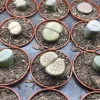
This offering is for one healthy Lithops living stones live plant, carefully selected and shipped in a 2 inch pot. At this size, the plant is typically young but well-established, with its characteristic two fused leaves already forming. Lithops are inherently compact plants, rarely exceeding 1-2 inches in height and width even at maturity. This makes them perfectly suited for small decorative pots, terrariums, or as part of a miniature desert landscape. The plant you receive will be similar to the images, showcasing the unique pebble-like appearance that makes Lithops so sought after. The plant will be shipped in its nursery pot to minimize stress during transit, ensuring it arrives in optimal condition, ready for its new home. Growth rate is very slow, often producing only one new set of leaves per year, which adds to their unique charm and low-maintenance appeal. Expect to enjoy the subtle beauty and intriguing changes of your Lithops succulent for sale for many years.
Frequently Asked Questions
- Q: How big does this plant get? A: This Lithops living stones live plant is shipped in a 2-inch pot. At maturity, Lithops typically remain very small, usually growing only 1 to 2 inches in height and width. Their compact size is one of their defining characteristics.
- Q: Is this an indoor or outdoor plant? A: Lithops are primarily grown as indoor plants in most climates due to their specific light and watering needs, and their sensitivity to frost. They can be grown outdoors in very arid, warm climates (USDA Zones 10-11) with excellent drainage.
- Q: How much sunlight does it need? A: Your Lithops living stones live plant requires a significant amount of bright, direct sunlight. Aim for at least 4-5 hours of direct sun daily, ideally from a south-facing window. Insufficient light will cause them to stretch and lose their compact form.
- Q: Is this plant easy to care for? A: Yes, Lithops are considered relatively easy to care for, especially for those who tend to underwater rather than overwater. The key to successful living stones plant care is understanding their unique watering cycle and providing ample light. They are a good choice for a Lithops plant beginner.
- Q: What condition will it arrive in? A: We carefully package each Lithops succulent for sale to ensure it arrives healthy and well-rooted in its 2-inch nursery pot. We take precautions to minimize stress during shipping so your plant arrives ready to thrive.
- Q: When is the best time to water Lithops? A: The best time to water Lithops is during their active growing season from late summer to fall, and only when the soil is completely dry and the plant shows slight signs of shriveling. Avoid watering during winter and early spring when new leaves are forming, and also during summer dormancy.
- Q: What type of soil is best for Lithops? A: Lithops require an extremely well-draining, gritty soil mix. A specialized succulent or cactus mix amended with additional pumice or perlite is ideal. Avoid heavy organic potting soils that retain too much moisture, as this can lead to rot.
- Q: Can I grow Lithops indoors if I don’t have a south-facing window? A: While a south-facing window is ideal, you can successfully grow Lithops indoors under strong grow lights if natural light is limited. Ensure the grow light provides sufficient intensity for several hours a day to mimic their natural habitat.
- Q: Is this plant pet-safe? A: Lithops are generally considered non-toxic to pets, but it’s always best to keep plants out of reach of curious animals to prevent accidental ingestion or damage to the plant.
- Q: How often do Lithops bloom? A: Healthy, mature Lithops typically bloom once a year, usually in the late summer or fall. The flowers are daisy-like and emerge from the fissure between the leaves, adding another layer of beauty to these unique succulents.
Be the first to review “Lithops Living Stones Live Plant – 2 inch Pot – Indoor Succulent”
-
USDA Hardiness Zone
USDA zones 10–11 (outdoors), suitable for year-round indoor growth in all zones -
Soil Type
Extremely well-draining, gritty succulent/cactus mix -
Sunlight Exposure
Bright direct light (4-5+ hours daily) -
Expected Planting Period
Year-round indoors
People Also Viewd
Sold 134 products
Original price was: $3,536.00.$23.99Current price is: $23.99.
Sold 132 products
Original price was: $27.00.$24.00Current price is: $24.00.
Sold 132 products
Original price was: $89.99.$64.99Current price is: $64.99.

Sold 125 products
Original price was: $86.99.$66.99Current price is: $66.99.
Flower Bulbs
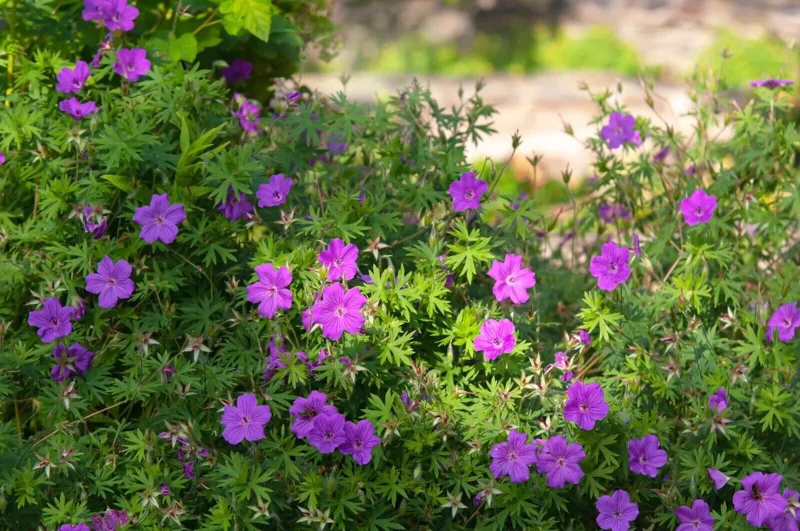
3 Cranesbill Wild Geranium Organic Maculatums Bare Roots | Wildflower for Outdoor Garden
Sold 116 products
Original price was: $21.99.$9.99Current price is: $9.99.
Sold 114 products
Original price was: $28.99.$17.99Current price is: $17.99.
Sold 110 products
Original price was: $63.99.$28.99Current price is: $28.99.
Sold 108 products
Original price was: $28.99.$17.99Current price is: $17.99.RELATED posts
How to Grow Arbequina Olive Trees: The Ultimate Guide to Your Own Olive Grove
Arbequina Olive Tree (Olea europaea ‘Arbequina’) – the ultimate Mediterranean plant that brings a touch [...]
Oct
Growing Garlic in Containers This Fall: A Complete Guide for Beginners
If you’ve ever wanted to pop fresh, aromatic garlic cloves straight from your own patio [...]
Sep
Growing Camellia Sinensis (Tea Plants) in Containers: A Complete Guide for Beginners
If you’ve ever wanted to sip a steaming, homegrown cup of fresh green, black, or [...]
Aug
6 Best Shrubs to Plant in August You Must Try
Have you ever walked through a nursery late in the summer, admired the vibrant shrubs [...]
Aug
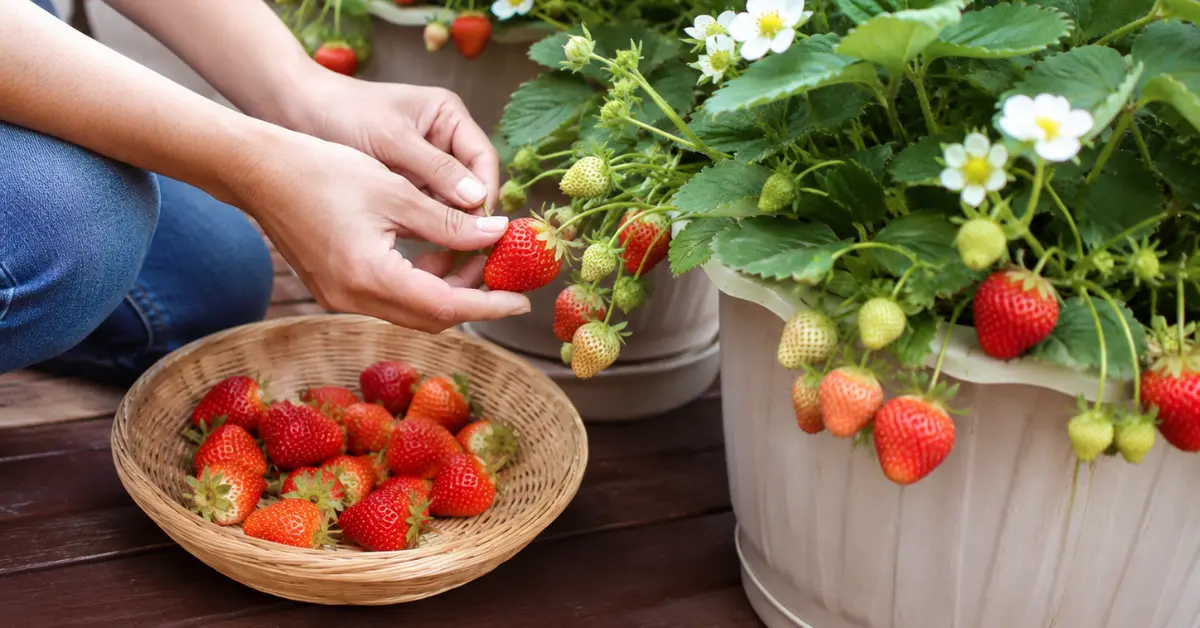
Growing Everbearing Strawberries in Containers: A Complete Guide for Beginners
Want to grow sweet, fresh strawberries but do not have a large garden? Everbearing strawberries [...]
Aug
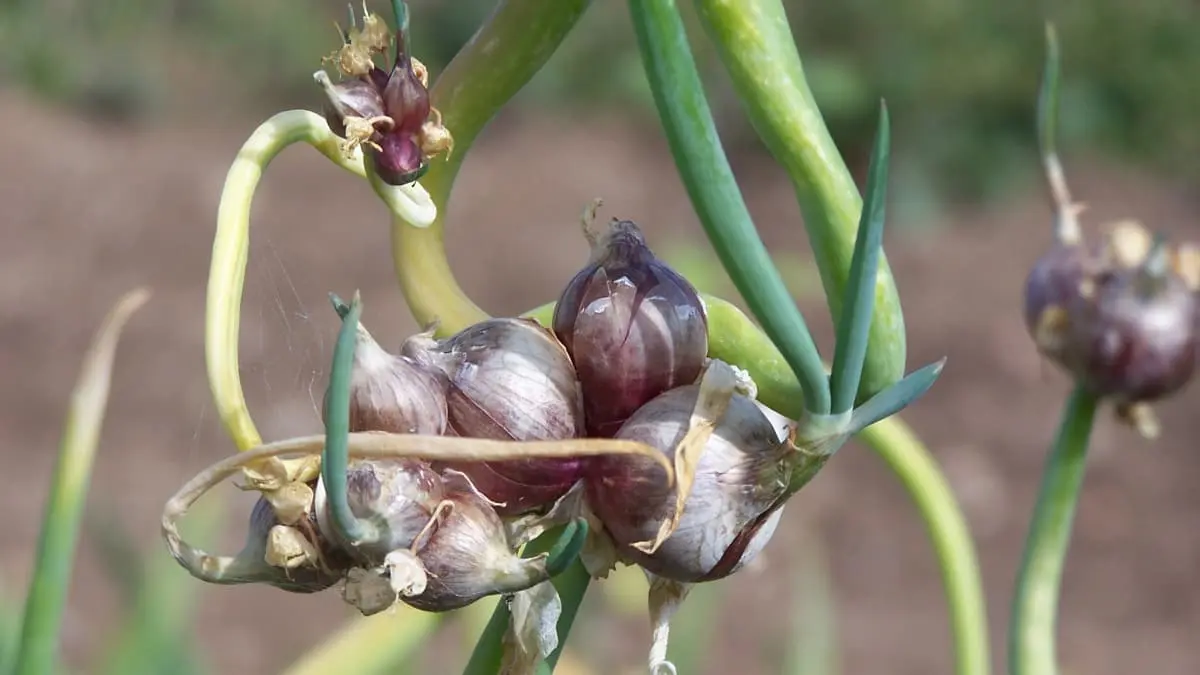
Growing Egyptian Walking Onions in Containers: A Complete Guide for Beginners
If you’re looking for a hardy, no-fuss perennial onion that keeps on giving year after [...]
Jul
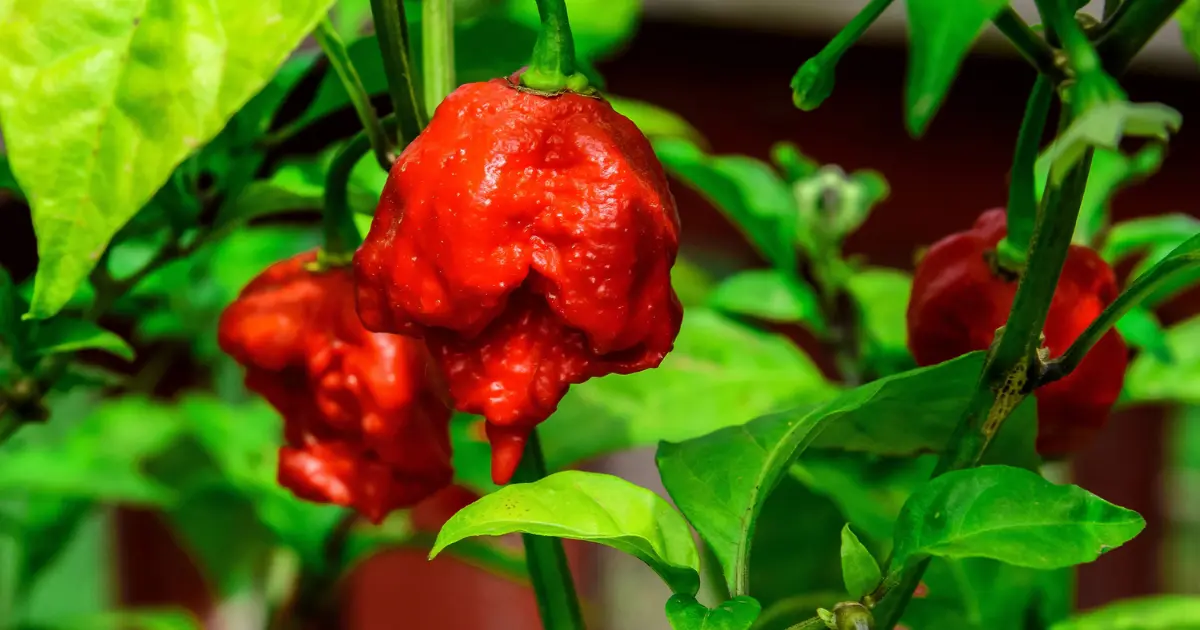
Growing Carolina Reaper Peppers in Pots: A Complete Guide for Beginners
If you’ve ever wanted to add some serious, record-breaking heat to your home cooking, you’ve [...]
May
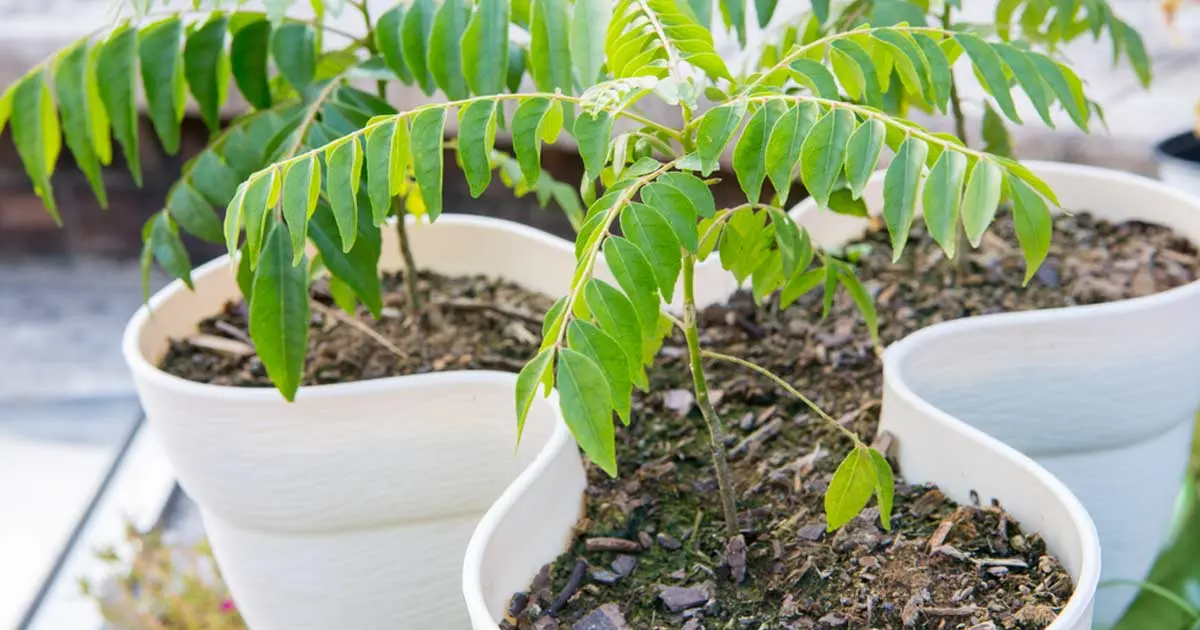
Growing Curry Leaf Plant in Pots: A Complete Guide for Beginners
If you’re a fan of authentic South Asian cuisine, you already know that nothing compares [...]
May
Reviews
There are no reviews yet.