
Pink Ice Plant (Oscularia Deltoides) Live Succulent – Outdoor Groundcover
Original price was: $59.98.$29.99Current price is: $29.99.
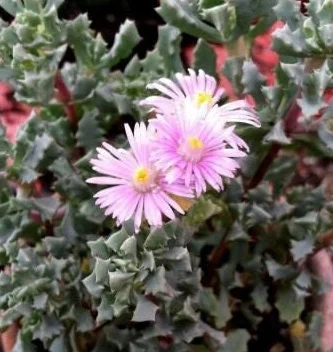
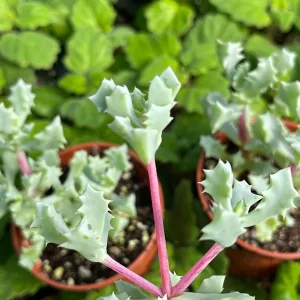
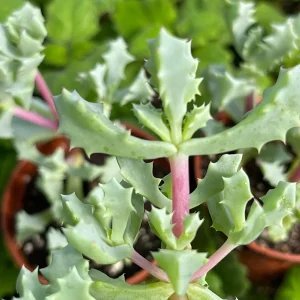
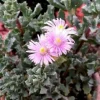
Add a splash of vibrant color and texture to your landscape with the beautiful pink ice plant (Oscularia Deltoides). This resilient, low-growing succulent is perfect for rock gardens, borders, or as a charming groundcover, thriving in sunny, dry conditions. Its striking pink-purple flowers and unique foliage make it a garden favorite.
Estimated arrival
Oct 11
Oct 16 - Oct 18
Oct 21 - Oct 25

Reasonable Price
We offer reasonable price

Support 24/7
Contact us 24 hrs a day

100% Money Back
You've 30 days to Return

Payment Secure
100% secure payment
Overview
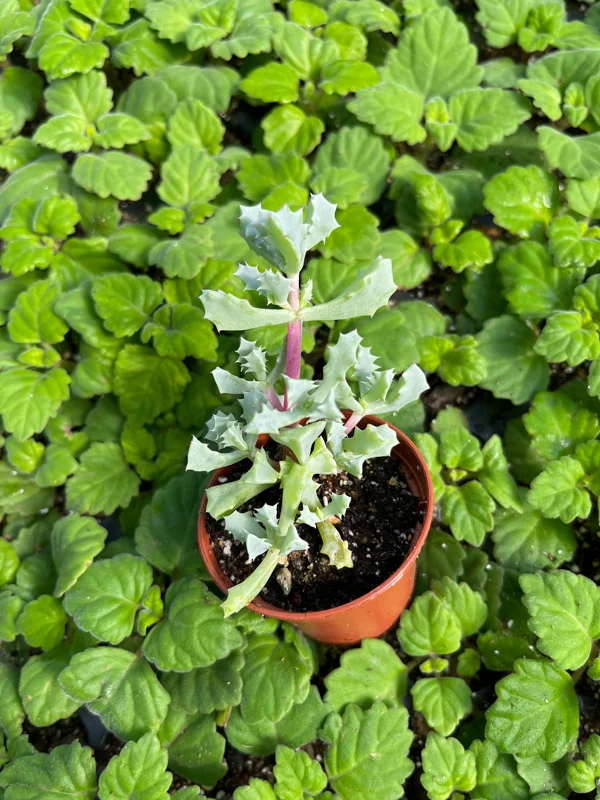
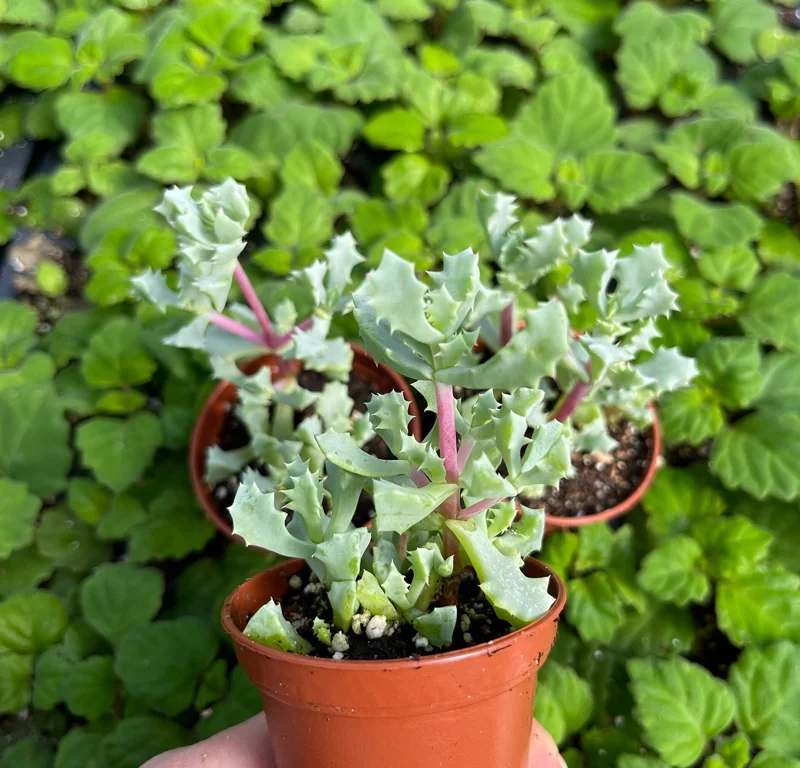
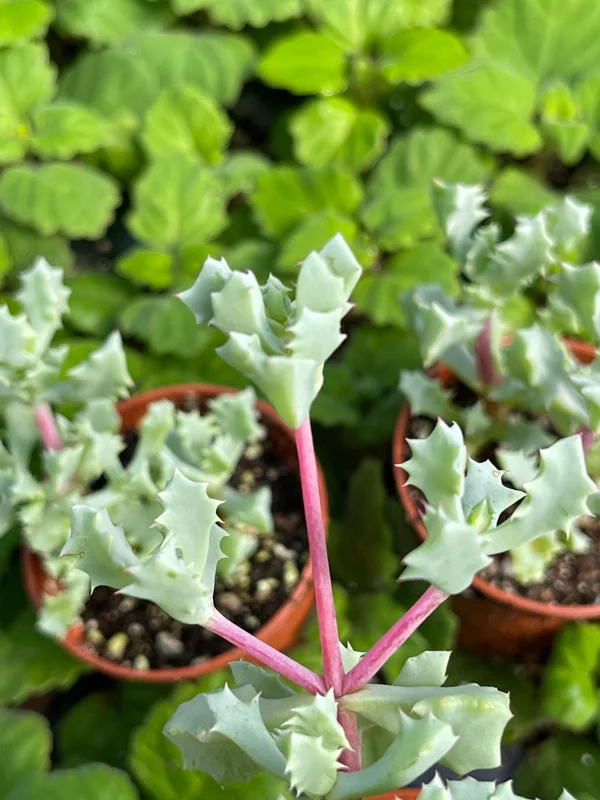
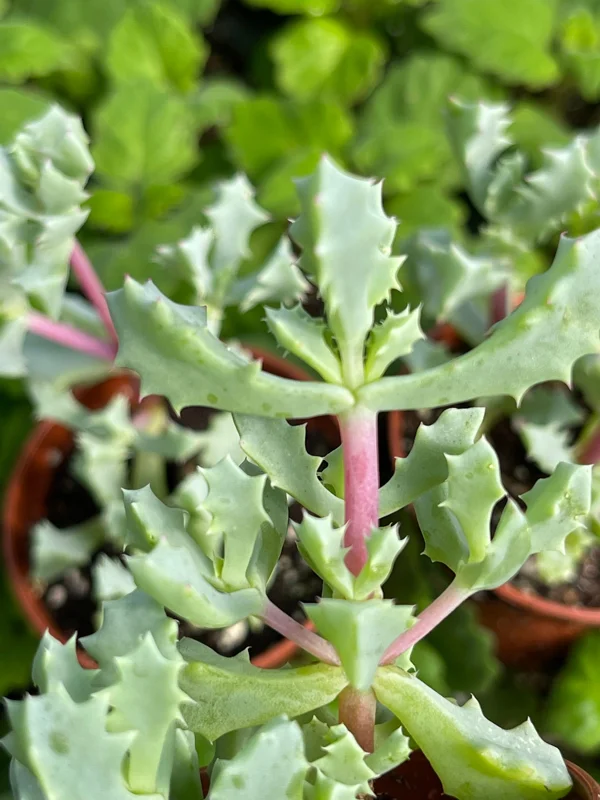
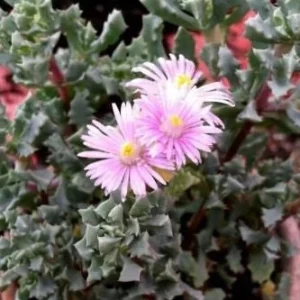
Introduce a burst of vibrant color to your garden with the stunning pink ice plant (Oscularia Deltoides). This captivating succulent, also sometimes referred to as Lampranthus deltoides, is renowned for its striking pink-purple, daisy-like flowers that bloom profusely, creating a dazzling carpet of color. Native to South Africa, this drought-tolerant perennial forms a dense, mat-forming groundcover, making it an excellent choice for xeriscaping, rock gardens, slopes, and borders. Its unique, triangular, blue-green foliage provides year-round interest even when not in bloom, adding architectural texture to any outdoor space. The oscularia deltoides is a low-maintenance plant that thrives in full sun and well-draining soil, making it ideal for gardeners seeking beauty without constant fuss. Whether you’re looking to fill a challenging sunny spot or simply add a touch of exotic charm, this ice plant is a superb selection.
The pink ice plant is not only visually appealing but also incredibly resilient. Its ability to withstand dry conditions and various soil types makes it a versatile addition to many garden styles. The succulent leaves store water, allowing it to flourish where other plants might struggle. This plant is a true gem for creating a vibrant, living tapestry in your landscape, attracting pollinators like bees and butterflies with its cheerful blooms.
Key Benefits
The pink ice plant offers a multitude of benefits, combining aesthetic appeal with ecological advantages, making it a valuable addition to any garden:
- Stunning Floral Display: Produces an abundance of bright pink-purple, daisy-like flowers, creating a spectacular and long-lasting display of color from spring through summer. These vibrant blooms are sure to catch the eye and brighten any landscape.
- Exceptional Drought Tolerance: As a succulent, the oscularia deltoides is highly adapted to dry conditions, requiring minimal watering once established. This makes it an ideal choice for water-wise gardening and xeriscaping, helping you conserve water.
- Effective Groundcover: With its mat-forming, spreading habit, this ice plant succulent quickly covers bare ground, suppressing weeds and preventing soil erosion on slopes and banks. It forms a dense, attractive carpet of foliage and flowers.
- Low Maintenance: Once planted in suitable conditions, the pink ice plant demands very little attention. It’s relatively pest-free and disease-resistant, requiring minimal pruning or fertilization to thrive.
- Versatile Landscape Use: Perfect for rock gardens, sunny borders, container planting, green roofs, and cascading over retaining walls. Its adaptability allows it to fit into various garden designs and challenging spots.
- Year-Round Foliage Interest: Even when not in bloom, the unique blue-green, triangular succulent leaves provide attractive texture and color, ensuring your garden has visual appeal throughout the year.
- Attracts Pollinators: The cheerful flowers of the pink ice plant are a magnet for bees and other beneficial pollinators, contributing to the biodiversity and health of your garden ecosystem.
Plant Care & Growing Tips
Caring for your pink ice plant is straightforward, making it an excellent choice for both novice and experienced gardeners. This resilient succulent thrives with minimal intervention, provided its basic needs are met. For optimal growth and prolific blooming, ensure it receives ample sunlight. The oscularia deltoides performs best in full sun, meaning at least six hours of direct sunlight per day. In very hot climates, a little afternoon shade can be beneficial to prevent scorching, but generally, the more sun, the better the flowering. When planting, choose a location with excellent drainage, as soggy roots are the primary cause of problems for this succulent. Amend heavy clay soils with sand or gravel to improve porosity.
Watering is perhaps the most critical aspect of caring for your ice plant succulent. Once established, it is highly drought-tolerant and prefers dry conditions. Water deeply but infrequently, allowing the soil to dry out completely between waterings. Overwatering will lead to root rot. During cooler, dormant months, reduce watering significantly, or cease altogether if there is sufficient rainfall. Fertilization is rarely needed for the pink ice plant. If your soil is particularly poor, a light application of a balanced, slow-release granular fertilizer in spring can encourage more vigorous growth and flowering, but avoid over-fertilizing, which can lead to leggy growth and fewer blooms.
This resilient plant is generally hardy in USDA Zones 9-11, where it can be grown as a perennial. In colder regions, it can be treated as an annual or brought indoors during winter as a potted plant. Protect it from frost, as prolonged exposure to freezing temperatures can damage or kill the plant. Pruning is minimal; simply trim back any spent flower stalks or leggy growth to maintain a tidy appearance and encourage bushier growth. The drought tolerant groundcover nature of this plant means it will spread, so give it room to grow or trim its edges to keep it contained. Keep an eye out for common pests like aphids or mealybugs, though they are usually not a significant issue. Good air circulation and proper watering practices will help keep your pink ice plant healthy and vibrant.
Size & Details
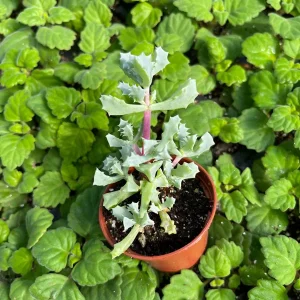
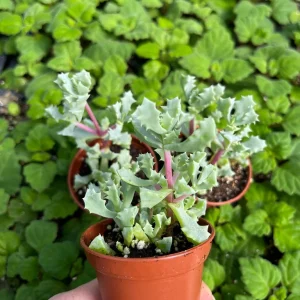
The pink ice plant (Oscularia Deltoides) is a low-growing, spreading succulent that typically reaches a height of 6 to 12 inches (15-30 cm) with a spread of 1 to 3 feet (30-90 cm) or more, forming a dense mat. The plant ships as a healthy, rooted specimen, ready for transplanting into your garden or container. Its growth rate is moderate to fast, quickly filling in spaces and establishing itself as a robust groundcover. The unique, triangular, blue-green foliage provides excellent texture, and the vibrant pink-purple flowers bloom profusely from spring through summer, creating a stunning visual impact. This plant is perfect for creating a living carpet or cascading over edges, providing consistent beauty throughout its growing season.
Frequently Asked Questions
- Q: How big does this plant get? A: The pink ice plant typically grows 6 to 12 inches tall and can spread 1 to 3 feet wide, forming a dense, mat-like groundcover. Its spreading habit makes it excellent for filling spaces quickly.
- Q: Is this an indoor or outdoor plant? A: The oscularia deltoides is primarily an outdoor plant, thriving in full sun. In colder climates (below USDA Zone 9), it can be grown in containers and brought indoors during winter, but it prefers outdoor conditions.
- Q: How much sunlight does it need? A: This ice plant succulent requires full sun, meaning at least 6 hours of direct sunlight per day, to achieve the best growth and most abundant flowering. It can tolerate some partial shade, especially in very hot climates, but flowering may be reduced.
- Q: Is this plant easy to care for? A: Yes, the pink ice plant is known for being very easy to care for. It’s drought-tolerant, requires minimal watering once established, and is generally pest and disease resistant, making it ideal for beginners.
- Q: What condition will it arrive in? A: Your pink ice plant will arrive as a healthy, well-rooted live plant, carefully packaged to ensure its safe journey. It will be ready for immediate planting upon arrival.
- Q: How long until it blooms? A: Once established, the oscularia deltoides typically begins to bloom in spring and continues through summer, providing a long season of vibrant pink-purple flowers.
- Q: Will it survive winter in my zone? A: The pink ice plant is hardy in USDA Zones 9-11. In these zones, it will survive winter as a perennial. In colder zones, it should be treated as an annual or overwintered indoors.
- Q: What’s the minimum temperature it can tolerate? A: This plant can generally tolerate temperatures down to about 20-25°F (-6 to -4°C) for short periods. Prolonged freezing temperatures will likely damage or kill the plant.
- Q: Can I use this for erosion control? A: Absolutely! The spreading, mat-forming habit of the drought tolerant groundcover makes it an excellent choice for stabilizing slopes and preventing soil erosion, especially in sunny, dry areas.
- Q: Is the Lampranthus deltoides the same as oscularia deltoides? A: Yes, ‘Lampranthus deltoides’ is an older botanical name for what is now more commonly known as Oscularia Deltoides. They refer to the same beautiful pink ice plant species.
Be the first to review “Pink Ice Plant (Oscularia Deltoides) Live Succulent – Outdoor Groundcover”
-
USDA Hardiness Zone
USDA zones 9-11 -
Soil Type
Well-draining soil, sandy or gravelly -
Sunlight Exposure
Full sun -
Expected Planting Period
Spring to early summer (year-round in warm climates)
People Also Viewd


Sold 134 products
Original price was: $3,536.00.$23.99Current price is: $23.99.

Sold 132 products
Original price was: $27.00.$24.00Current price is: $24.00.

Sold 132 products
Original price was: $89.99.$64.99Current price is: $64.99.

Sold 125 products
Original price was: $86.99.$66.99Current price is: $66.99.

Flower Bulbs
3 Cranesbill Wild Geranium Organic Maculatums Bare Roots | Wildflower for Outdoor Garden
Sold 116 products
Original price was: $21.99.$9.99Current price is: $9.99.

Sold 114 products
Original price was: $28.99.$17.99Current price is: $17.99.
Sold 110 products
Original price was: $63.99.$28.99Current price is: $28.99.
Sold 108 products
Original price was: $28.99.$17.99Current price is: $17.99.RELATED posts
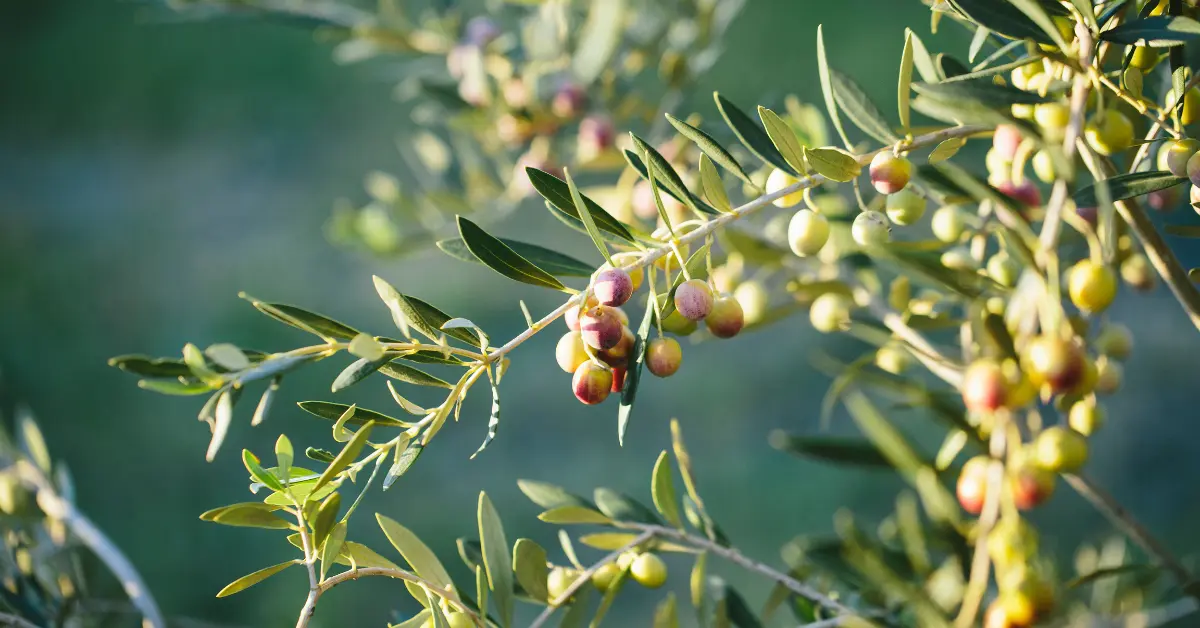
How to Grow Arbequina Olive Trees: The Ultimate Guide to Your Own Olive Grove
Arbequina Olive Tree (Olea europaea ‘Arbequina’) – the ultimate Mediterranean plant that brings a touch [...]
Oct
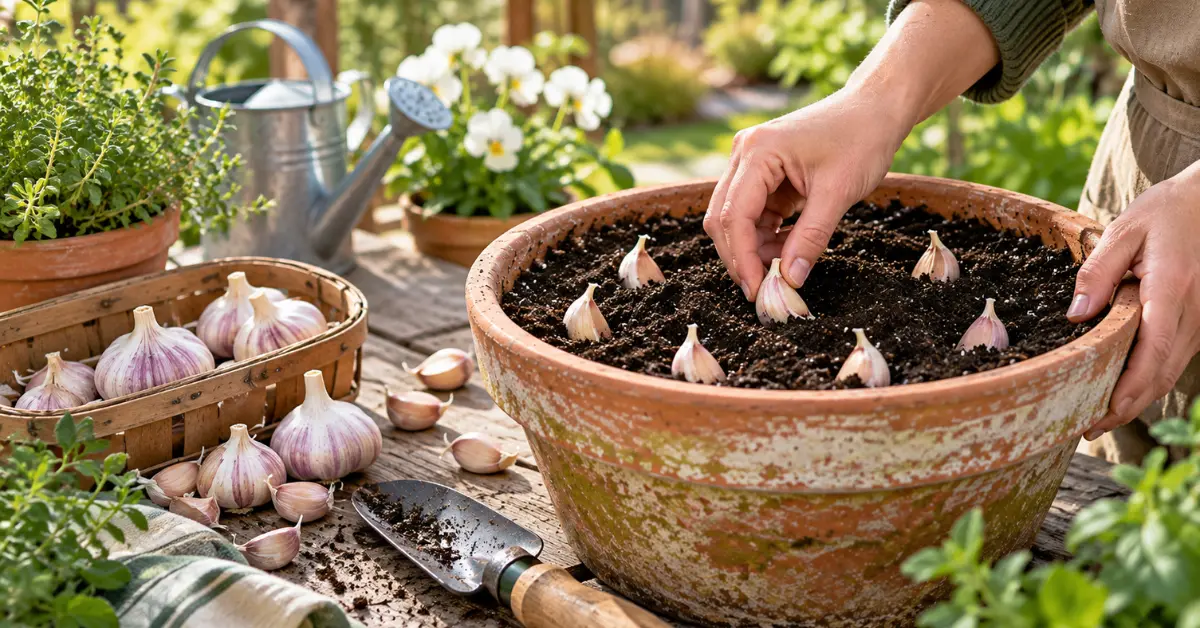
Growing Garlic in Containers This Fall: A Complete Guide for Beginners
If you’ve ever wanted to pop fresh, aromatic garlic cloves straight from your own patio [...]
Sep
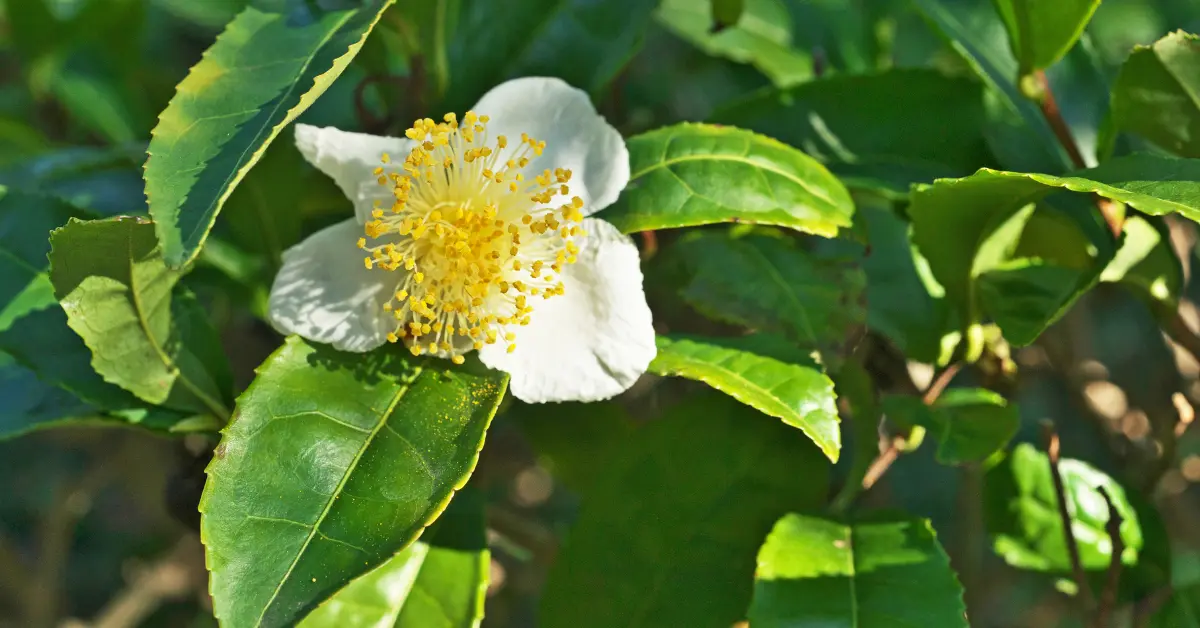
Growing Camellia Sinensis (Tea Plants) in Containers: A Complete Guide for Beginners
If you’ve ever wanted to sip a steaming, homegrown cup of fresh green, black, or [...]
Aug
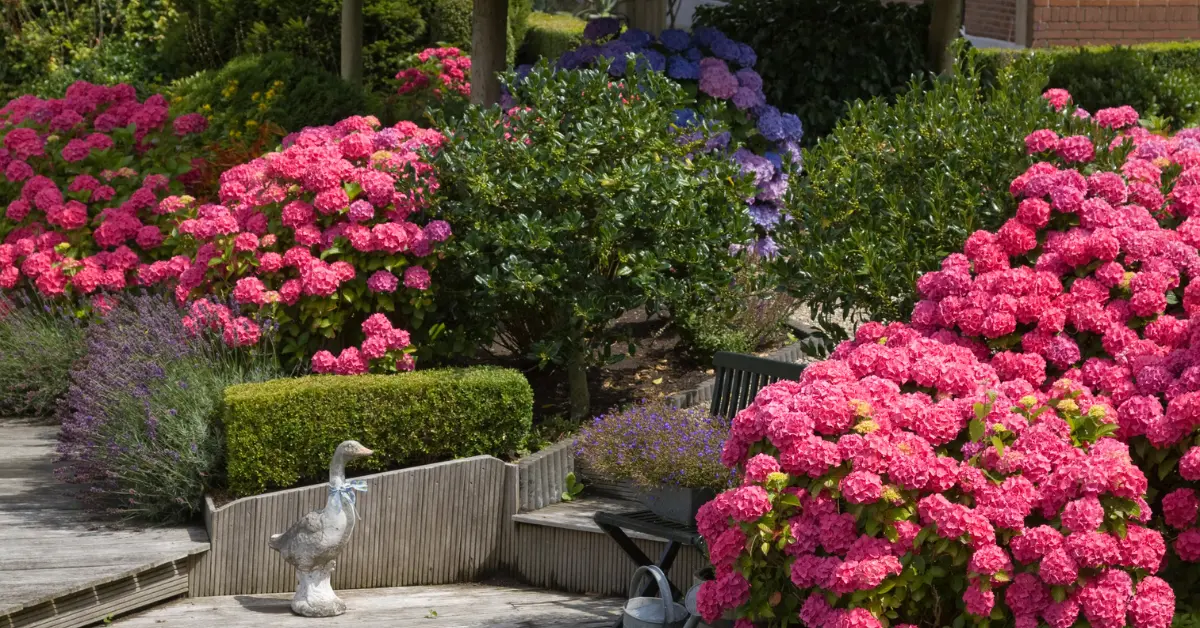
6 Best Shrubs to Plant in August You Must Try
Have you ever walked through a nursery late in the summer, admired the vibrant shrubs [...]
Aug
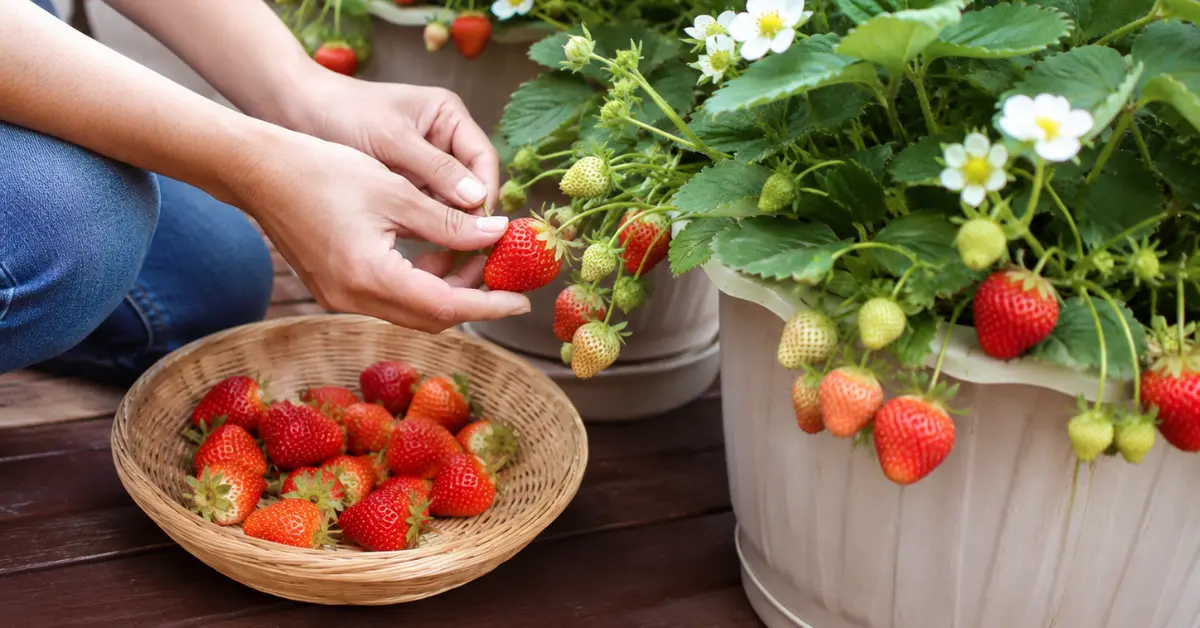
Growing Everbearing Strawberries in Containers: A Complete Guide for Beginners
Want to grow sweet, fresh strawberries but do not have a large garden? Everbearing strawberries [...]
Aug
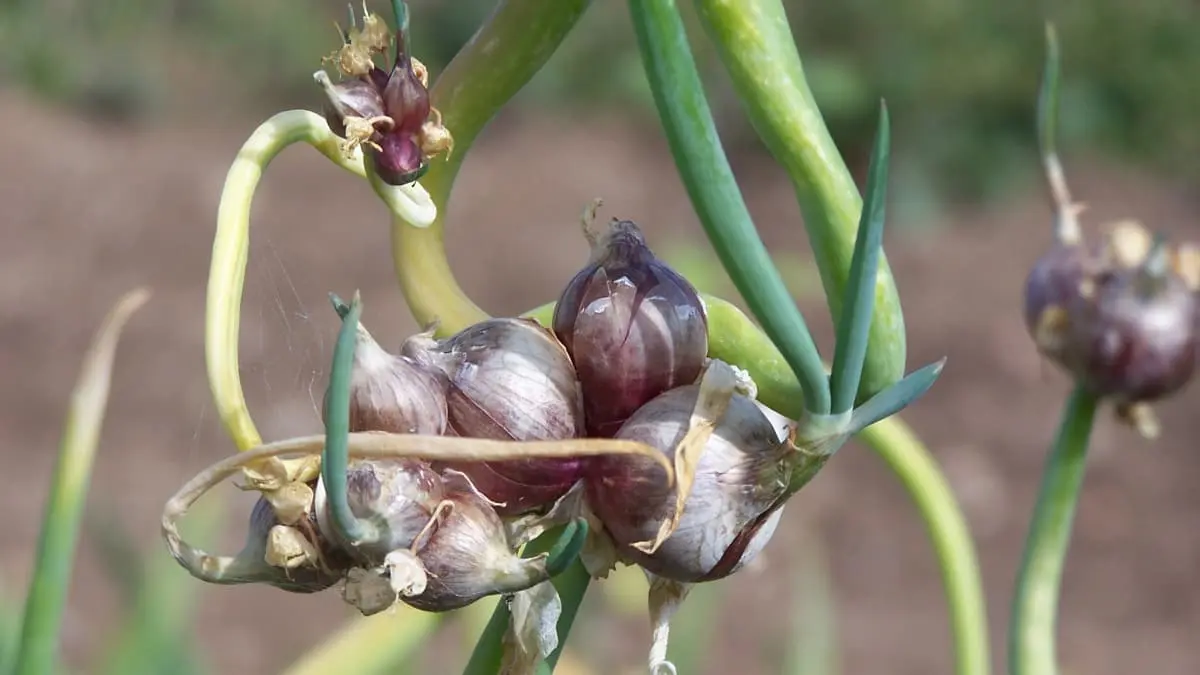
Growing Egyptian Walking Onions in Containers: A Complete Guide for Beginners
If you’re looking for a hardy, no-fuss perennial onion that keeps on giving year after [...]
Jul
Growing Carolina Reaper Peppers in Pots: A Complete Guide for Beginners
If you’ve ever wanted to add some serious, record-breaking heat to your home cooking, you’ve [...]
May
Growing Curry Leaf Plant in Pots: A Complete Guide for Beginners
If you’re a fan of authentic South Asian cuisine, you already know that nothing compares [...]
May
Reviews
There are no reviews yet.