
Mother of Thousands Plant Live – Kalanchoe Hortagel Succulent – Unique Indoor/Outdoor
Original price was: $49.98.$24.99Current price is: $24.99.
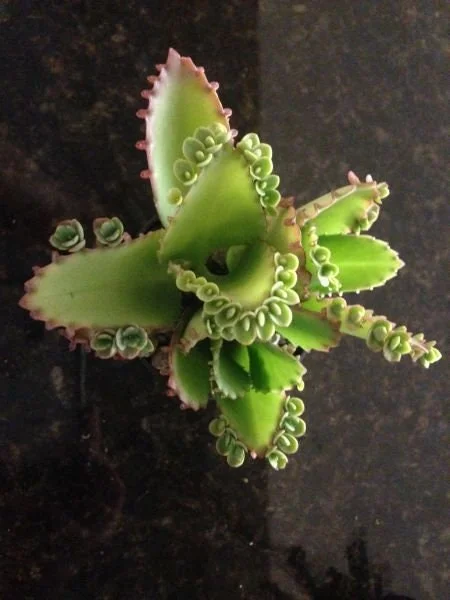
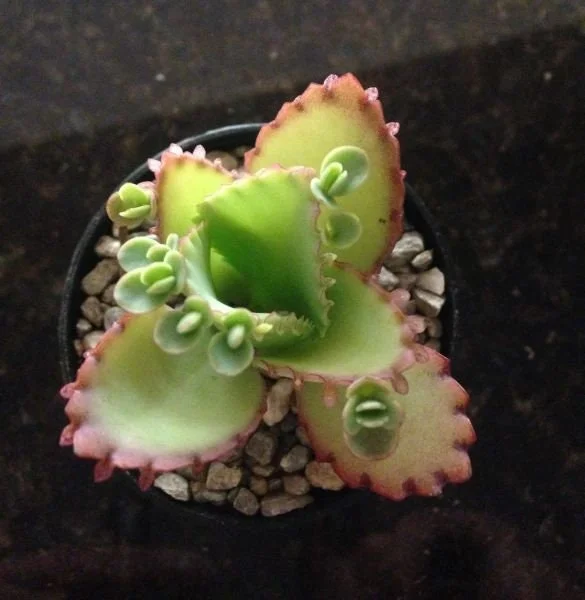
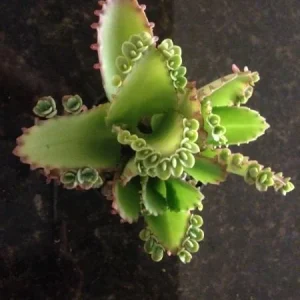
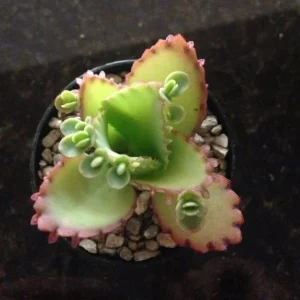
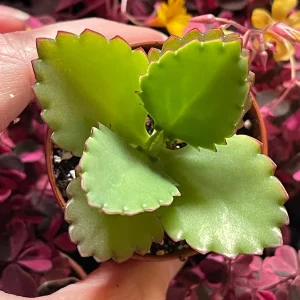
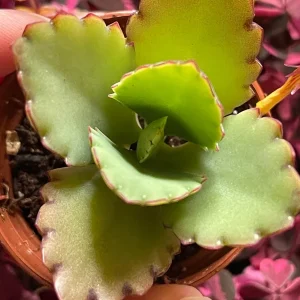
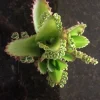
Bring home a unique botanical marvel with the Mother of Thousands plant (Kalanchoe Hortagel). This fascinating Kalanchoe succulent is cherished for its distinctive leaves that produce tiny plantlets along their edges, creating a captivating display. Perfect for both beginners and experienced plant enthusiasts, it’s an easy-to-care-for addition to any collection.
Estimated arrival
Oct 11
Oct 16 - Oct 18
Oct 21 - Oct 25

Reasonable Price
We offer reasonable price

Support 24/7
Contact us 24 hrs a day

100% Money Back
You've 30 days to Return

Payment Secure
100% secure payment
Overview
Introduce an extraordinary botanical specimen to your home or garden with the Mother of Thousands plant, scientifically known as Kalanchoe daigremontiana (often referred to as Kalanchoe Hortagel in commerce). This remarkable succulent is celebrated for its unique reproductive strategy: tiny plantlets, or ‘pups,’ form along the margins of its leaves, dropping off to root and grow into new plants. This fascinating characteristic gives the plant its evocative common name and makes it a truly captivating addition to any plant collection. Originating from Madagascar, this bryophyllum daigremontianum thrives with minimal care, making it an ideal choice for both novice gardeners and seasoned succulent lovers. Its striking appearance and prolific propagation offer endless opportunities for sharing and expanding your green space.
The Mother of Thousands plant is a testament to nature’s ingenuity. Each leaf acts as a miniature nursery, constantly producing new life. These plantlets can root easily in surrounding soil, creating a dense, lush display over time. Beyond its unique reproductive method, the Kalanchoe succulent boasts attractive, often mottled foliage that adds texture and visual interest. It’s a genuinely unusual houseplants that sparks conversation and wonder, demonstrating the incredible diversity of the plant kingdom. Whether displayed indoors as a focal point or outdoors in warmer climates, this plant promises to be a constant source of fascination.
Key Benefits
The Mother of Thousands plant offers a range of benefits that make it a highly desirable addition to any plant enthusiast’s collection. Its ease of care and captivating growth habit stand out as primary advantages.
- Unique Propagation: Witness nature’s wonder firsthand as this plant produces hundreds of tiny plantlets along its leaf margins. This makes it incredibly easy to propagate and share with friends, ensuring you always have a supply of new plants.
- Low Maintenance: As a Kalanchoe succulent, it is remarkably drought-tolerant and forgiving, requiring infrequent watering and thriving on neglect. Perfect for busy individuals or those new to plant care.
- Striking Appearance: Its architectural form and often mottled green and purple-tinged leaves provide significant visual interest. The plantlets themselves add a delicate, fringed effect to the leaves, enhancing its ornamental value.
- Conversation Starter: The unusual reproductive method of the bryophyllum daigremontianum is a guaranteed talking point, making it a fantastic addition to a living room or office where it can be admired.
- Adaptable Growth: While primarily grown as an indoor plant in most climates, it can thrive outdoors in frost-free regions, adapting well to various environments as long as its basic needs are met.
- Educational Value: For children and adults alike, observing the plantlets grow and detach provides an engaging and educational experience about plant reproduction.
- Resilience: This robust succulent is generally resistant to most pests and diseases, contributing to its reputation as an easy-care plant.
Plant Care & Growing Tips
Caring for your Mother of Thousands plant is straightforward, making it an excellent choice for gardeners of all skill levels. This resilient Kalanchoe succulent thrives on a bit of neglect, mirroring its arid native environment. For optimal growth, provide plenty of bright light. Indoors, place it near a south or west-facing window where it can receive several hours of direct sunlight daily. If direct light is too intense, bright indirect light will also suffice, though growth may be less compact. Outdoors, it prefers full sun to partial shade, especially in regions with intense afternoon heat. Adequate light is crucial for healthy leaf development and the production of those iconic plantlets.
Watering is perhaps the most critical aspect of care for the bryophyllum daigremontianum. As a succulent, it stores water in its leaves and stems, making it highly drought-tolerant. Allow the soil to dry out completely between waterings to prevent root rot, which is the most common issue for succulents. During active growth in spring and summer, water thoroughly until it drains from the bottom of the pot. Reduce watering significantly in fall and winter when the plant is dormant. Use a well-draining potting mix specifically formulated for succulents and cacti, which typically contains sand, perlite, or pumice to ensure excellent drainage. A terracotta pot can also help wick away excess moisture.
The Mother of Thousands plant prefers warm temperatures, ideally between 65-80°F (18-27°C). It is not frost-tolerant and should be brought indoors when temperatures drop below 40°F (4°C). In terms of hardiness, it generally thrives in USDA zones 9-11 outdoors. Fertilize sparingly; a balanced liquid fertilizer diluted to half strength can be applied once or twice during the growing season (spring and summer). Avoid over-fertilizing, as this can lead to leggy growth. Pruning is rarely necessary but can be done to control size or remove spent flower stalks. Watch out for common pests like mealybugs or aphids, though they are infrequent; treat promptly with insecticidal soap if spotted. Providing these basic conditions will ensure your unusual houseplants flourishes and continues to produce its fascinating offspring.
Size & Details
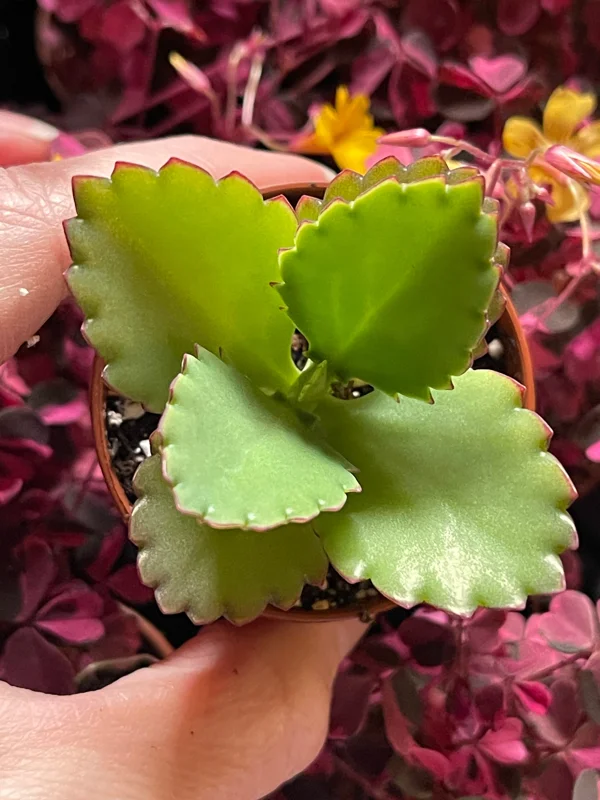
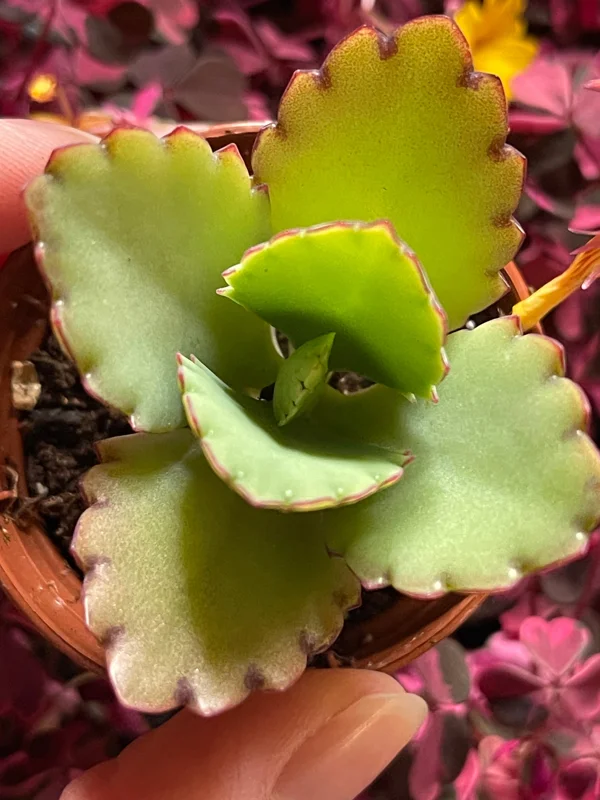
The Mother of Thousands plant is typically shipped as a live, rooted plant, ready for immediate placement in your home or garden. While growth rates can vary based on conditions, a mature plant can reach an average height of 1-3 feet (30-90 cm) indoors, with a spread of 1-2 feet (30-60 cm). Outdoors in ideal conditions, it can grow larger, sometimes up to 5 feet (1.5 meters) tall. The plants we ship are usually young specimens, ranging from 4-8 inches tall, providing you with a healthy starter plant to nurture. It generally arrives in a nursery pot, ready to be transplanted into a decorative container of your choice. Expect steady growth, especially during the warmer months, with the plantlets appearing on the leaves as it matures.
The leaves themselves are fleshy and can range from green to grayish-green, often with purplish-brown spots or margins, particularly when exposed to brighter light. While it’s primarily grown for its foliage and unique propagation, the Kalanchoe succulent can also produce bell-shaped, reddish-orange flowers during late winter or early spring, especially when mature and given optimal conditions. These flowers, while attractive, are secondary to its main appeal. The plant is known for its relatively fast growth rate, quickly filling out its space and beginning to produce plantlets, offering a dynamic and ever-evolving display. This Mother of Thousands plant is a robust and rewarding addition to any collection, promising years of enjoyment.
Frequently Asked Questions
- Q: How big does the Mother of Thousands plant get? A: The Mother of Thousands plant typically grows 1-3 feet tall (30-90 cm) indoors and can spread 1-2 feet (30-60 cm) wide. In ideal outdoor conditions in warm climates, it can reach up to 5 feet (1.5 meters) in height.
- Q: Is this an indoor or outdoor plant? A: This Kalanchoe succulent is versatile. It can be grown as an indoor houseplant in most climates, especially where winters are cold. In USDA zones 9-11, it can thrive outdoors year-round.
- Q: How much sunlight does it need? A: The Mother of Thousands plant prefers bright, direct sunlight for at least 4-6 hours a day. Indoors, a south or west-facing window is ideal. Outdoors, full sun to partial shade is best, especially protecting it from intense afternoon sun in hot climates.
- Q: Is this plant easy to care for? A: Yes, this is considered a very easy-care plant, making it excellent for beginners. It is drought-tolerant and forgiving of occasional neglect, requiring minimal attention once established.
- Q: What condition will it arrive in? A: Your Mother of Thousands plant will arrive as a healthy, live, rooted plant in a nursery pot. It will be carefully packaged to ensure it reaches you in excellent condition, ready for planting or display.
- Q: How often should I water my bryophyllum daigremontianum? A: Water only when the soil has completely dried out. It’s better to underwater than to overwater this Kalanchoe succulent, as too much moisture can lead to root rot. Reduce watering significantly in winter.
- Q: Is the Mother of Thousands plant pet-safe? A: No, Kalanchoe species, including the Mother of Thousands plant, are considered toxic to pets if ingested. Keep it out of reach of curious cats, dogs, and other animals.
- Q: What kind of soil is best for this unusual houseplants? A: A well-draining succulent or cactus potting mix is ideal. This type of soil ensures that water does not sit around the roots, preventing rot.
- Q: Will my plant produce plantlets right away? A: Young plants typically begin producing plantlets as they mature and grow larger leaves. With proper care and sufficient light, you should start seeing the characteristic plantlets forming along the leaf margins.
- Q: Can I grow the plantlets that fall off? A: Absolutely! The plantlets are designed to root easily. Simply place them on top of well-draining soil, and they will typically root and grow into new Mother of Thousands plant specimens very quickly.
Be the first to review “Mother of Thousands Plant Live – Kalanchoe Hortagel Succulent – Unique Indoor/Outdoor”
-
USDA Hardiness Zone
USDA zones 9-11 (outdoors), otherwise indoor plant -
Soil Type
Well-draining succulent/cactus mix -
Sunlight Exposure
Bright direct to bright indirect light -
Expected Planting Period
Year-round indoors
People Also Viewd
Sold 134 products
Original price was: $3,536.00.$23.99Current price is: $23.99.
Sold 132 products
Original price was: $27.00.$24.00Current price is: $24.00.
Sold 132 products
Original price was: $89.99.$64.99Current price is: $64.99.

Sold 125 products
Original price was: $86.99.$66.99Current price is: $66.99.
Flower Bulbs
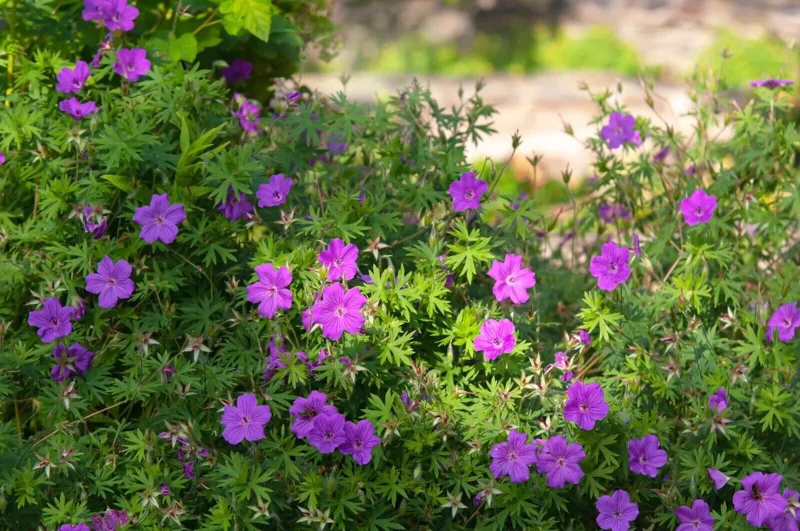
3 Cranesbill Wild Geranium Organic Maculatums Bare Roots | Wildflower for Outdoor Garden
Sold 116 products
Original price was: $21.99.$9.99Current price is: $9.99.
Sold 114 products
Original price was: $28.99.$17.99Current price is: $17.99.
Sold 110 products
Original price was: $63.99.$28.99Current price is: $28.99.
Sold 108 products
Original price was: $28.99.$17.99Current price is: $17.99.RELATED posts
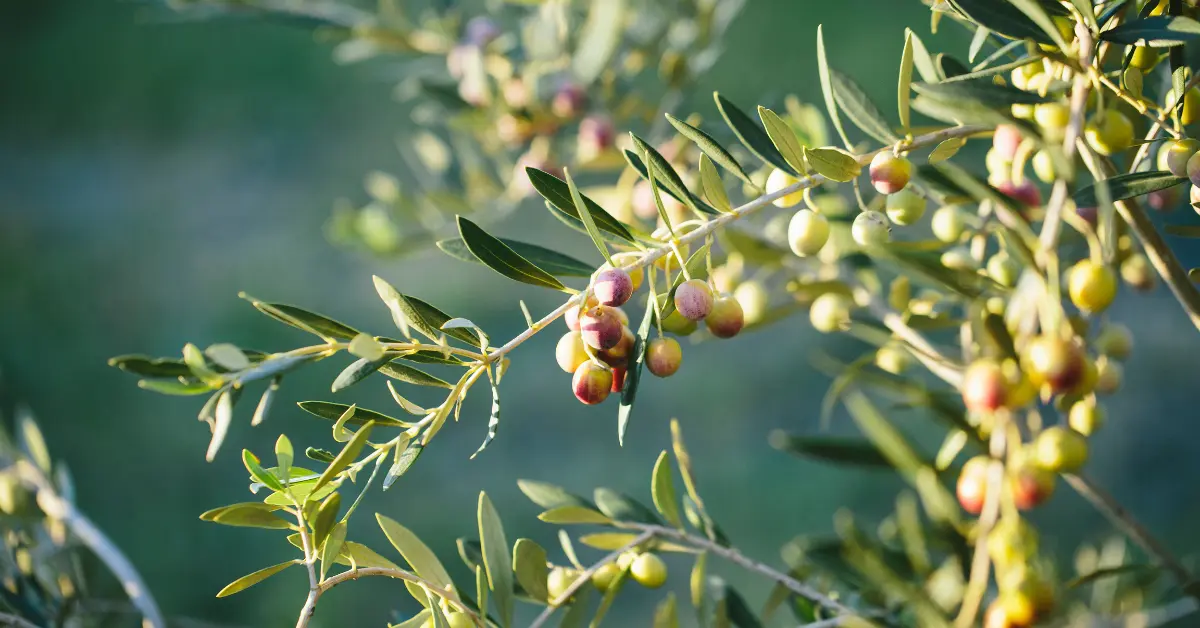
How to Grow Arbequina Olive Trees: The Ultimate Guide to Your Own Olive Grove
Arbequina Olive Tree (Olea europaea ‘Arbequina’) – the ultimate Mediterranean plant that brings a touch [...]
Oct
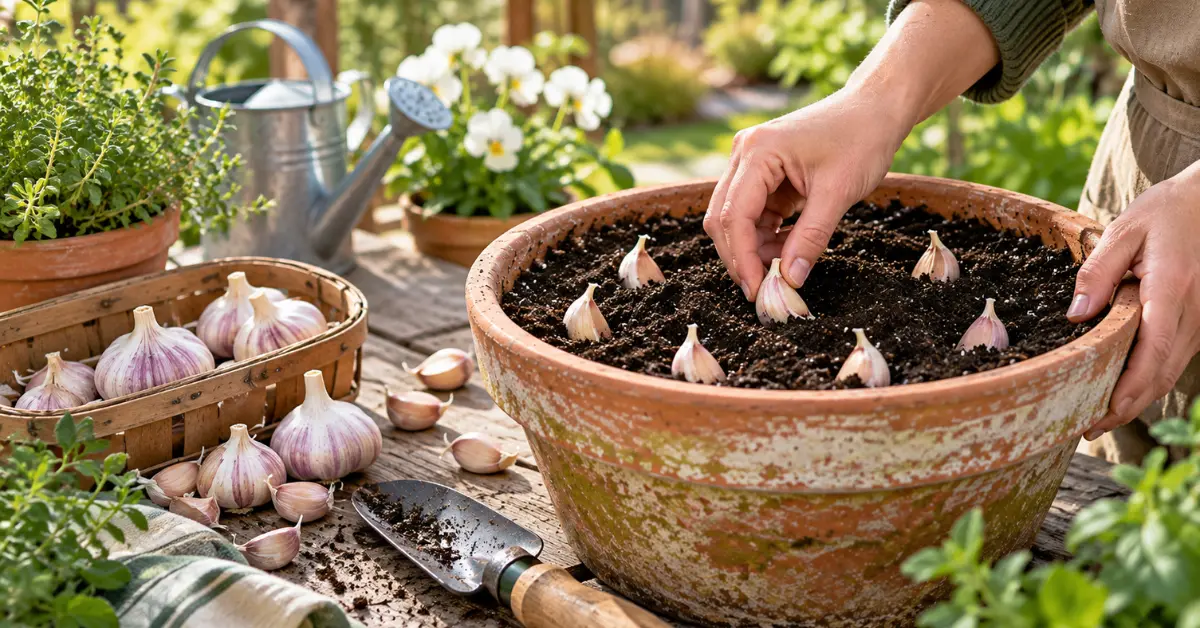
Growing Garlic in Containers This Fall: A Complete Guide for Beginners
If you’ve ever wanted to pop fresh, aromatic garlic cloves straight from your own patio [...]
Sep
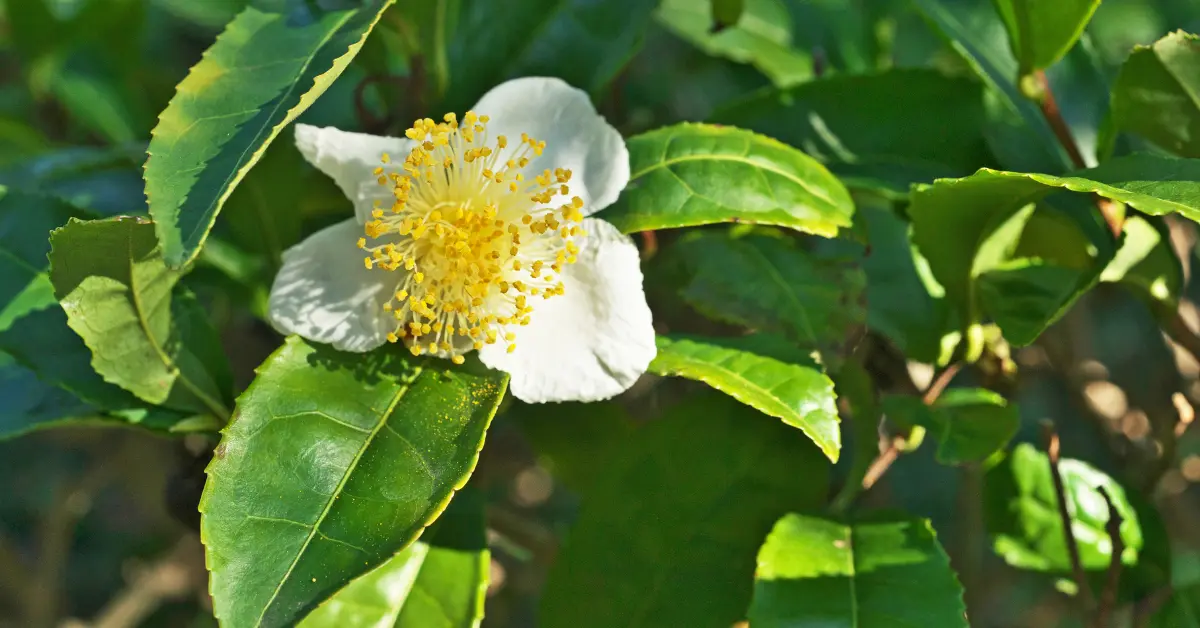
Growing Camellia Sinensis (Tea Plants) in Containers: A Complete Guide for Beginners
If you’ve ever wanted to sip a steaming, homegrown cup of fresh green, black, or [...]
Aug
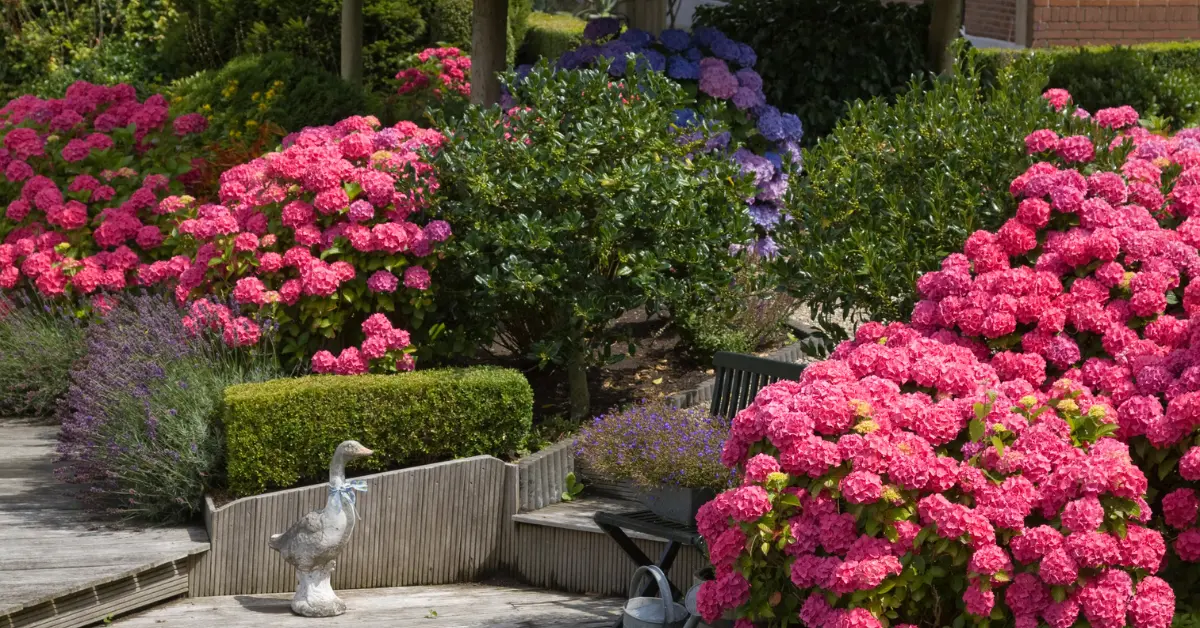
6 Best Shrubs to Plant in August You Must Try
Have you ever walked through a nursery late in the summer, admired the vibrant shrubs [...]
Aug
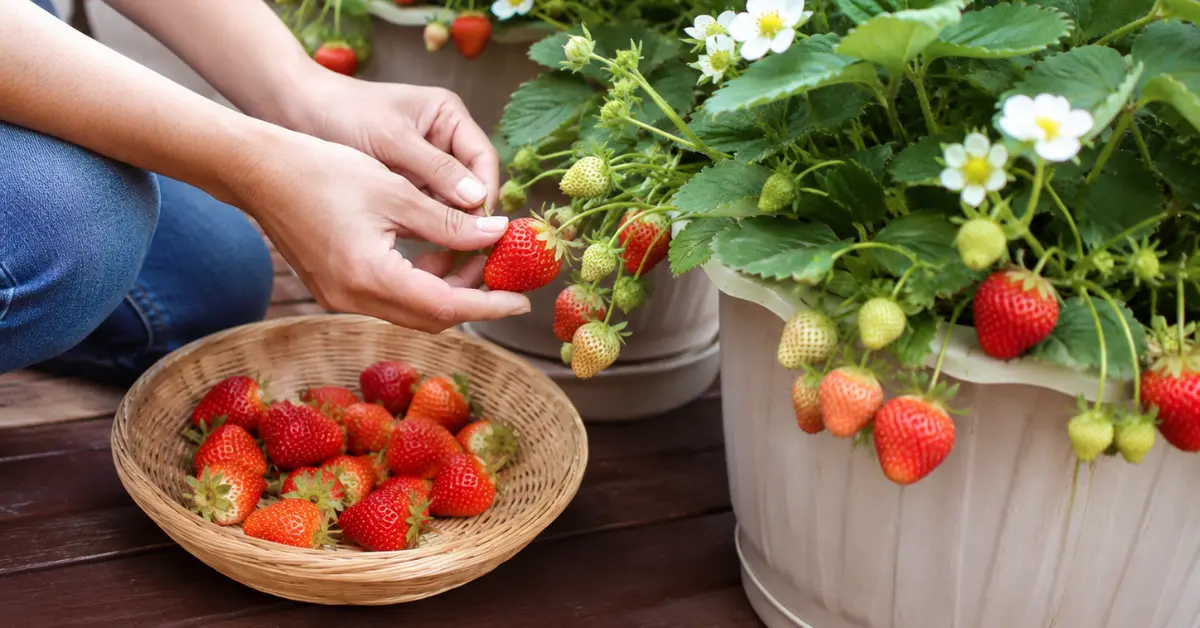
Growing Everbearing Strawberries in Containers: A Complete Guide for Beginners
Want to grow sweet, fresh strawberries but do not have a large garden? Everbearing strawberries [...]
Aug
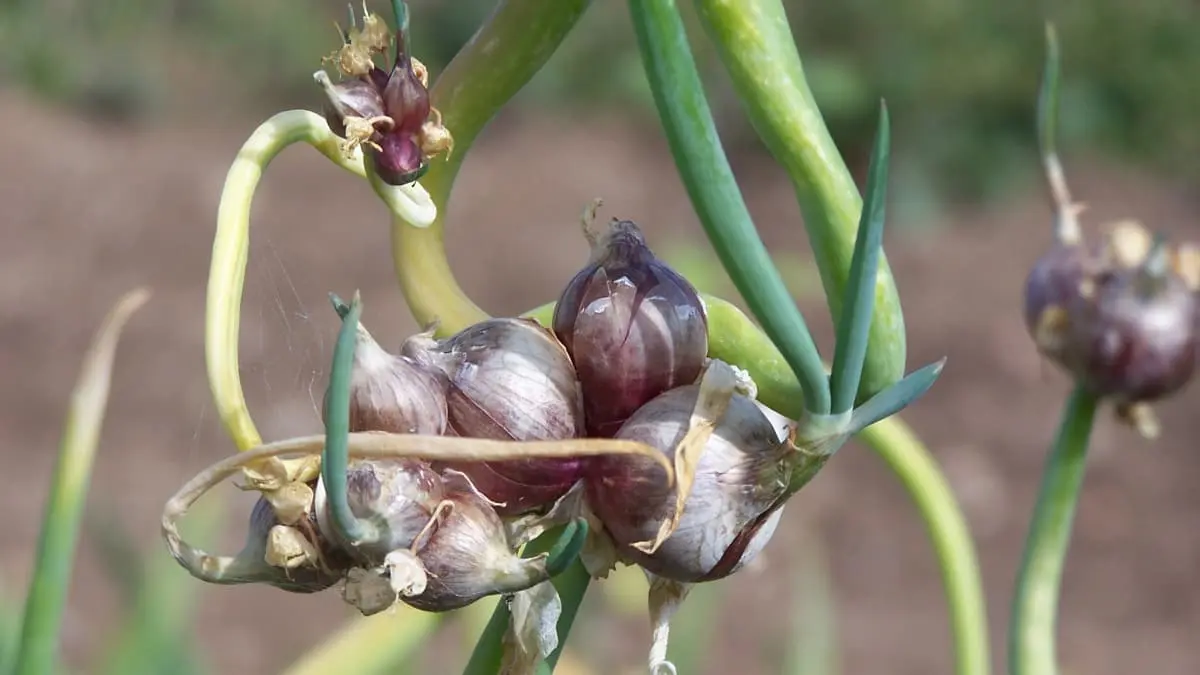
Growing Egyptian Walking Onions in Containers: A Complete Guide for Beginners
If you’re looking for a hardy, no-fuss perennial onion that keeps on giving year after [...]
Jul
Growing Carolina Reaper Peppers in Pots: A Complete Guide for Beginners
If you’ve ever wanted to add some serious, record-breaking heat to your home cooking, you’ve [...]
May
Growing Curry Leaf Plant in Pots: A Complete Guide for Beginners
If you’re a fan of authentic South Asian cuisine, you already know that nothing compares [...]
May
Reviews
There are no reviews yet.