
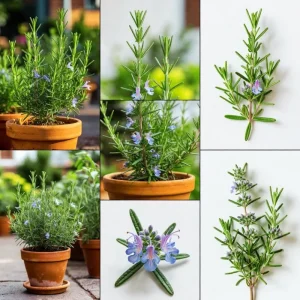
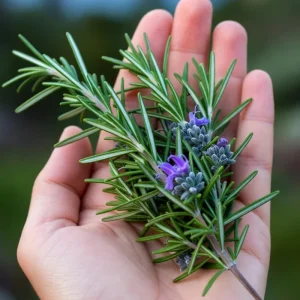
Rosemary Live Plant – Fragrant Edible Herb, Upright, 6-8 Inches Tall, Perennial
Original price was: $62.40.$27.40Current price is: $27.40.
Cultivate your culinary skills with a rosemary live plant. This fragrant, upright herb is perfect for adding fresh flavor to dishes and enhancing your garden’s aroma. Easy to grow and perennial in warmer zones.
- Fragrant & Edible Herb: Ideal for cooking and aromatherapy.
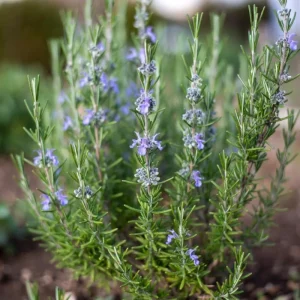
- Upright Growth: Forms a compact bush, reaching 2–4 feet tall.
- Hardy Perennial: Thrives in USDA Zones 8-10.
Estimated arrival
Oct 06
Oct 11 - Oct 13
Oct 16 - Oct 20

Reasonable Price
We offer reasonable price

Support 24/7
Contact us 24 hrs a day

100% Money Back
You've 30 days to Return

Payment Secure
100% secure payment
Overview
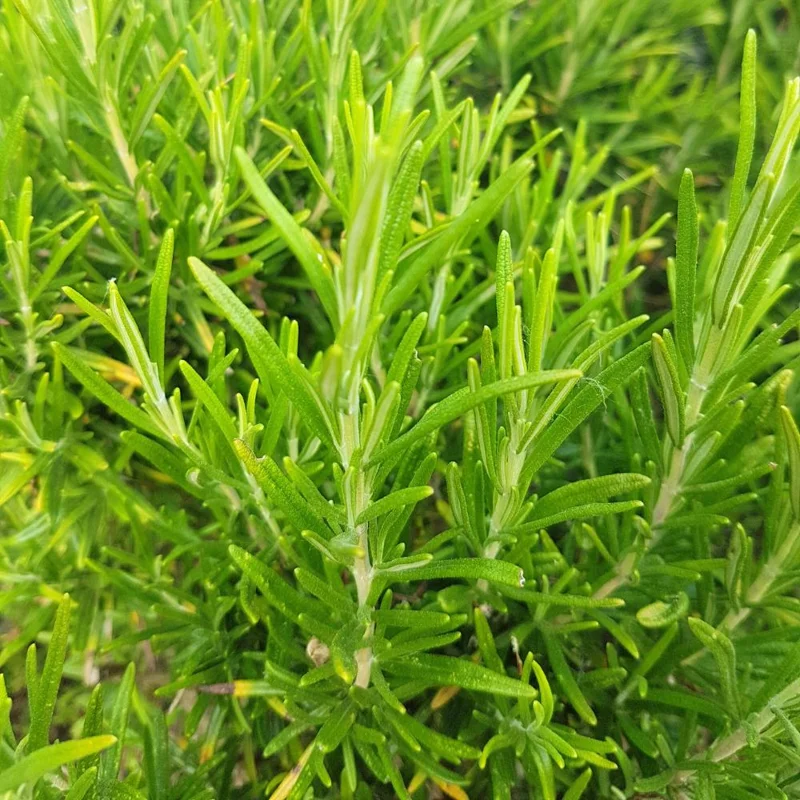
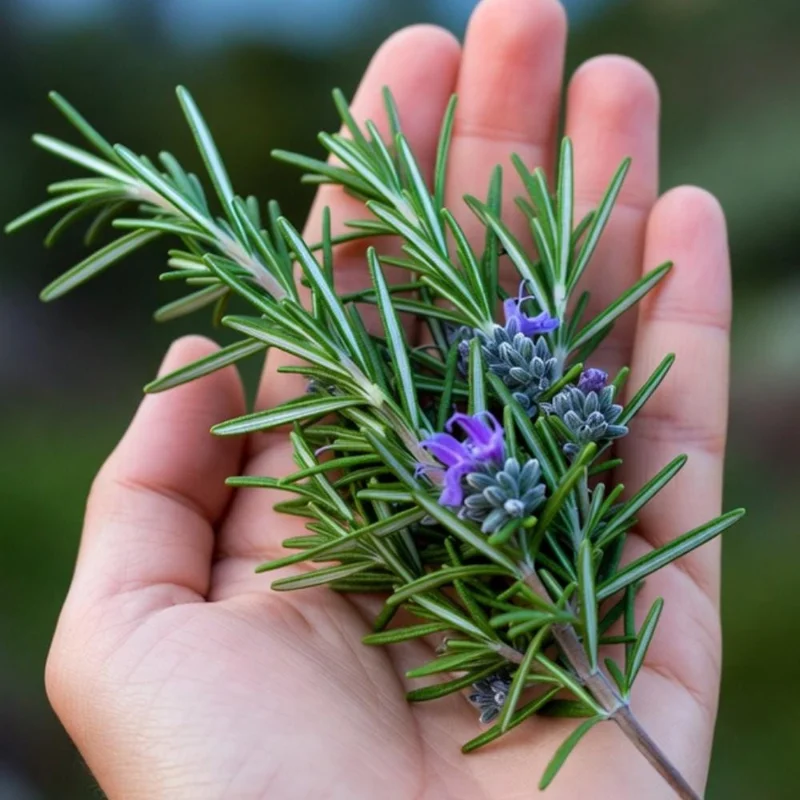
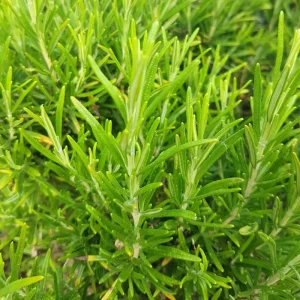
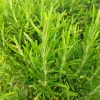
Bring the delightful aroma and culinary versatility of fresh herbs directly to your garden with this vibrant rosemary live plant. Known for its distinctive fragrance and robust flavor, rosemary is an essential herb for any home cook or garden enthusiast. This particular variety grows as an attractive, compact upright bush, making it a beautiful addition to herb gardens, perennial borders, or even decorative containers. Its needle-like green leaves are fragrant year-round, offering a constant supply for your kitchen. As a resilient perennial, this upright rosemary thrives in suitable climates, providing beauty and utility for many seasons.
Whether you’re an experienced gardener or just starting, growing an edible herb plant like rosemary is incredibly rewarding. It’s not only a source of fresh ingredients but also a plant that attracts pollinators and can deter some garden pests. Enjoy the simple pleasure of snipping fresh rosemary whenever you need it for roasting vegetables, flavoring meats, or infusing oils.
Key Benefits
This rosemary live plant offers a multitude of benefits, from enhancing your culinary creations to beautifying your outdoor space. Its robust nature and aromatic presence make it a highly desirable addition to any garden.
- Culinary Excellence: Provides a continuous supply of fresh, aromatic leaves perfect for seasoning a wide array of dishes, from poultry and lamb to potatoes and bread. Elevate your home cooking with truly fresh ingredients.
- Fragrant Garden Addition: The distinctive, pleasant aroma of rosemary fills the air, especially when brushed against, creating an inviting and therapeutic garden environment. It’s a natural air freshener for your outdoor living spaces.
- Attractive Evergreen Foliage: This upright rosemary maintains its lush green appearance year-round, offering consistent visual interest in your garden even during colder months when other plants may be dormant.
- Drought-Tolerant & Low Maintenance: Once established, rosemary is remarkably resilient and requires minimal watering, making it an excellent choice for water-wise gardening and busy individuals.
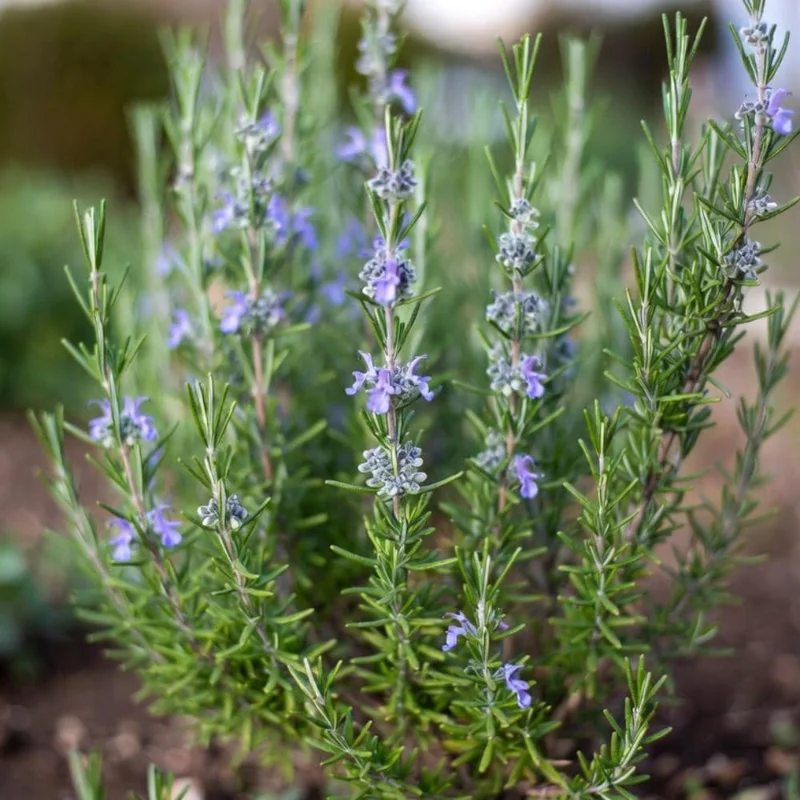
- Pollinator Friendly: Its small, delicate flowers, which typically appear in late winter to spring, attract beneficial pollinators like bees, contributing to a healthier garden ecosystem.
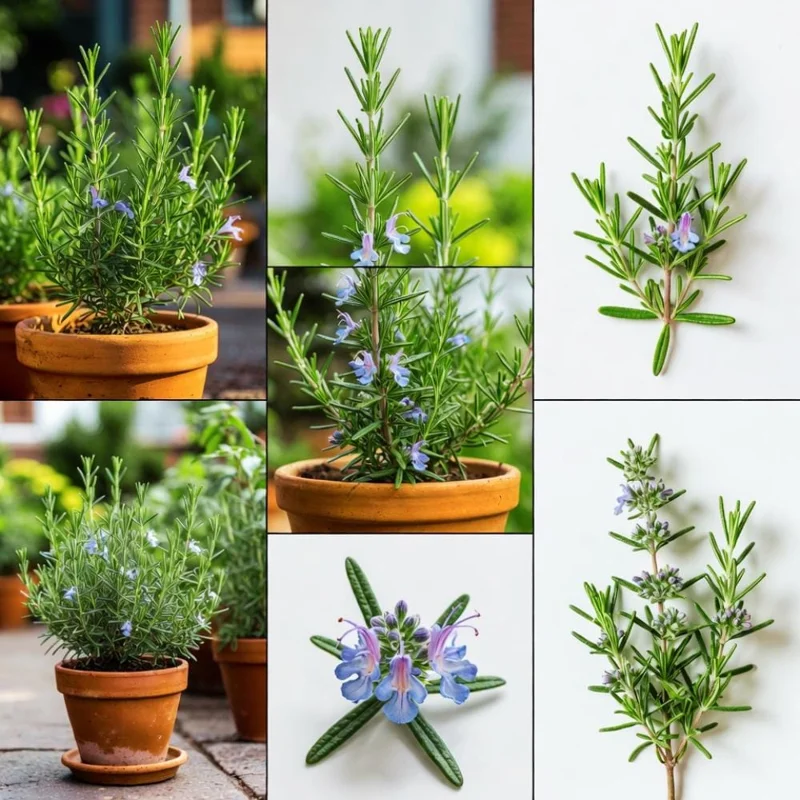
- Versatile Landscaping Plant: Ideal for herb gardens, rock gardens, borders, or container planting. Its upright habit makes it a great choice for defining garden edges or as a focal point.
- Perennial Hardiness: As a perennial, this rosemary live plant returns year after year in suitable climates, saving you the effort and cost of replanting annually.
Plant Care & Growing Tips
Ensuring your rosemary live plant thrives involves understanding its basic needs for sunlight, soil, and water. With proper care, your rosemary will flourish and become a productive and beautiful part of your garden. A key aspect of successful rosemary plant care is providing the right environment from the start.
Sunlight Requirements: Rosemary is a sun-loving herb and requires at least 6 hours of full, direct sunlight daily to grow vigorously and develop its full aromatic potential. Plant it in the brightest spot in your garden or on your patio. Insufficient light can lead to leggy growth and reduced flavor. If growing indoors, place it near a south-facing window or supplement with a grow light.
Watering Schedule & Soil Moisture: Rosemary prefers well-drained soil and is quite drought-tolerant once established. Water thoroughly when the top 1-2 inches of soil feel dry to the touch, then allow the soil to dry out almost completely before watering again. Overwatering is a common cause of rosemary problems, leading to root rot. Reduce watering during cooler, dormant periods. Ensure pots have drainage holes.
Soil Type & Drainage: The most crucial factor for a healthy rosemary live plant is excellent drainage. It thrives in sandy, loamy soil with a neutral to slightly alkaline pH. If your garden soil is heavy clay, amend it generously with sand, perlite, or compost to improve drainage. For container planting, use a well-draining potting mix specifically formulated for herbs or succulents. This prevents waterlogging and promotes strong root development.
Temperature Range & USDA Hardiness Zone: This rosemary live plant is perennial in USDA Zones 8 through 10. In these zones, it can remain outdoors year-round. In colder climates (Zones 7 and below), rosemary is often grown as an annual or brought indoors before the first frost. It prefers temperatures between 50-80°F (10-27°C) and can tolerate light frost but should be protected from hard freezes. Understanding the hardiness of your fragrant rosemary is vital for its longevity.
Fertilization: Rosemary is not a heavy feeder. Fertilize sparingly, if at all. A light application of a balanced, slow-release granular fertilizer in spring is usually sufficient for garden plants. For container-grown rosemary, a diluted liquid feed once a month during the growing season can be beneficial. Avoid over-fertilizing, which can promote lush foliage at the expense of flavor and aroma. Regular pruning is also part of good rosemary plant care.
Size & Details
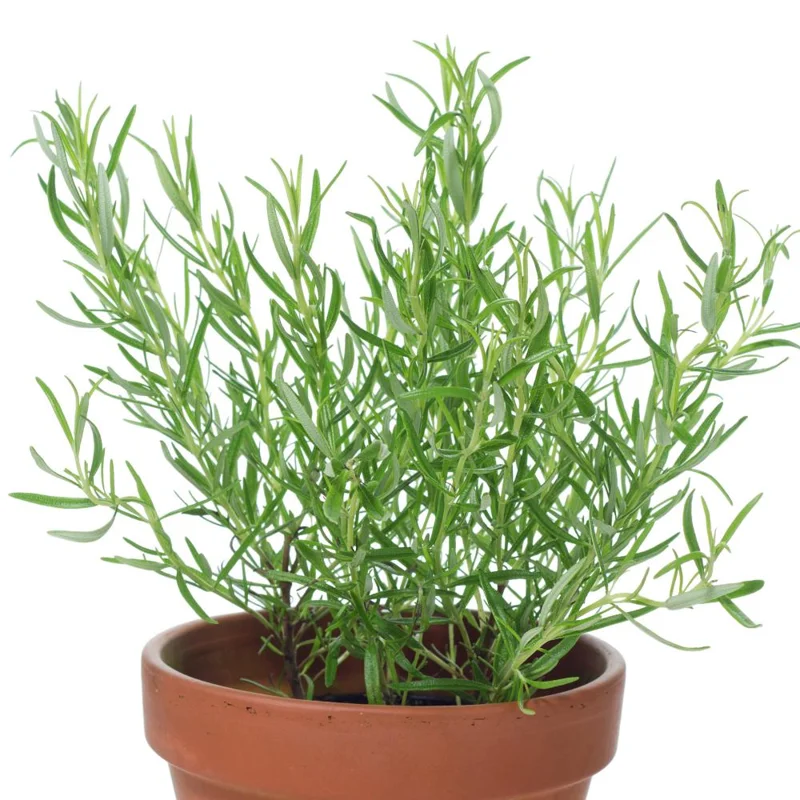
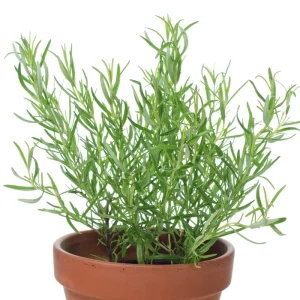
This rosemary live plant arrives as a healthy, established specimen, typically measuring 6-8 inches in height from the top of the soil. It is a young, vigorous plant ready to be transplanted into your garden or a larger container. This upright variety is known for its compact growth habit, forming a dense bush that can reach a mature height of 2–4 feet and a similar spread, depending on growing conditions and pruning. It has a moderate growth rate, establishing itself well within the first season.
Your edible herb plant will be shipped in a nursery pot, ensuring its roots are protected and moist during transit, ready for immediate planting upon arrival. Expect this perennial herb to begin producing fresh foliage quickly after planting, offering culinary delights throughout the growing season and beyond in appropriate zones. The robust nature of this fragrant rosemary makes it a reliable choice for both novice and experienced gardeners.
Frequently Asked Questions
- Q: How big does this rosemary live plant get? A: This upright rosemary variety typically reaches a mature height of 2–4 feet and can spread similarly, forming a compact bush. Its size can be managed with regular pruning.
- Q: Is this an indoor or outdoor plant? A: This rosemary live plant thrives outdoors in full sun in USDA Zones 8-10. In colder zones, it can be grown in containers and brought indoors during winter, or treated as an annual.
- Q: How much sunlight does it need? A: Rosemary requires at least 6 hours of direct sunlight per day to grow best and produce its characteristic strong flavor and aroma. Full sun is essential for optimal growth and healthy rosemary plant care.
- Q: Is this plant easy to care for? A: Yes, rosemary is generally considered an easy-care plant, especially once established. Its main requirements are full sun and well-draining soil, making it suitable for beginners.
- Q: Can I use this rosemary in cooking? A: Absolutely! This is an edible herb plant. The fragrant leaves are perfect for all your culinary needs, from seasoning meats and vegetables to infusing oils and vinegars.
- Q: What condition will the plant arrive in? A: Your rosemary live plant will arrive carefully packaged in a nursery pot, with its roots protected and hydrated, ready for planting. We ensure safe transit for healthy arrival.
- Q: Will it survive winter in my zone? A: This rosemary is perennial in USDA Zones 8-10. If you are in a colder zone, you will need to protect it from hard freezes by bringing it indoors or providing significant winter protection.
- Q: What type of soil is best for this fragrant rosemary? A: Rosemary prefers well-draining, sandy or loamy soil. It’s crucial to avoid heavy, waterlogged soils to prevent root rot. Good drainage is key for successful growth.
- Q: How often should I water my upright rosemary? A: Water when the top 1-2 inches of soil are dry. Allow the soil to dry out between waterings. Rosemary is drought-tolerant, so it’s better to underwater than overwater.
- Q: When is the best time to plant this rosemary? A: The best time to plant is in spring after the last frost, allowing the plant to establish itself before the heat of summer or the cold of winter. This ensures strong growth for your rosemary live plant.
Be the first to review “Rosemary Live Plant – Fragrant Edible Herb, Upright, 6-8 Inches Tall, Perennial”
-
USDA Hardiness Zone
8-10 -
Soil Type
Well-draining, sandy loam -
Sunlight Exposure
Full sun (6+ hours daily) -
Expected Planting Period
Spring to early summer
People Also Viewd


Sold 134 products
Original price was: $3,536.00.$23.99Current price is: $23.99.

Sold 132 products
Original price was: $27.00.$24.00Current price is: $24.00.

Sold 132 products
Original price was: $89.99.$64.99Current price is: $64.99.

Sold 125 products
Original price was: $86.99.$66.99Current price is: $66.99.

Flower Bulbs
3 Cranesbill Wild Geranium Organic Maculatums Bare Roots | Wildflower for Outdoor Garden
Sold 116 products
Original price was: $21.99.$9.99Current price is: $9.99.

Sold 114 products
Original price was: $28.99.$17.99Current price is: $17.99.
Sold 110 products
Original price was: $63.99.$28.99Current price is: $28.99.
Sold 108 products
Original price was: $28.99.$17.99Current price is: $17.99.RELATED posts
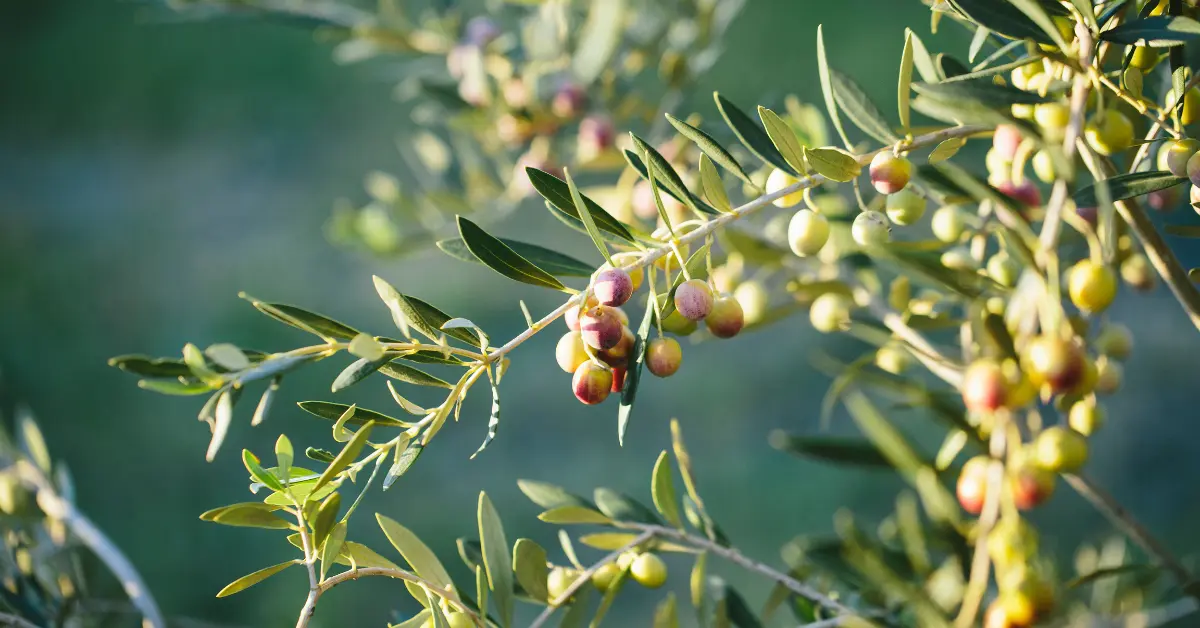
How to Grow Arbequina Olive Trees: The Ultimate Guide to Your Own Olive Grove
Arbequina Olive Tree (Olea europaea ‘Arbequina’) – the ultimate Mediterranean plant that brings a touch [...]
Oct
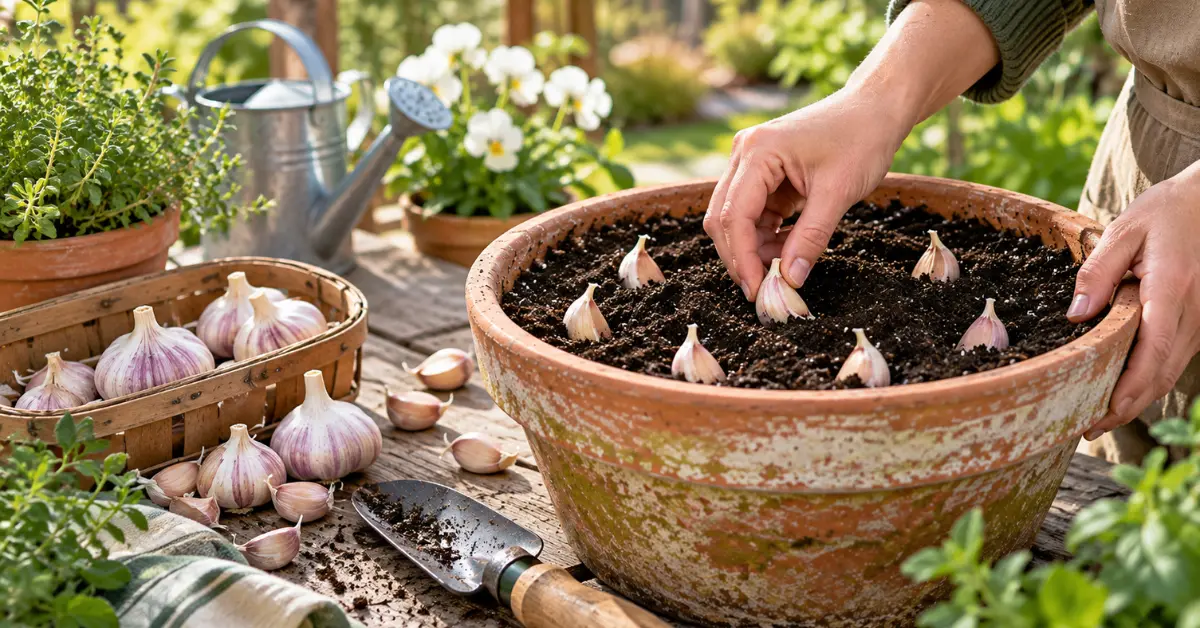
Growing Garlic in Containers This Fall: A Complete Guide for Beginners
If you’ve ever wanted to pop fresh, aromatic garlic cloves straight from your own patio [...]
Sep
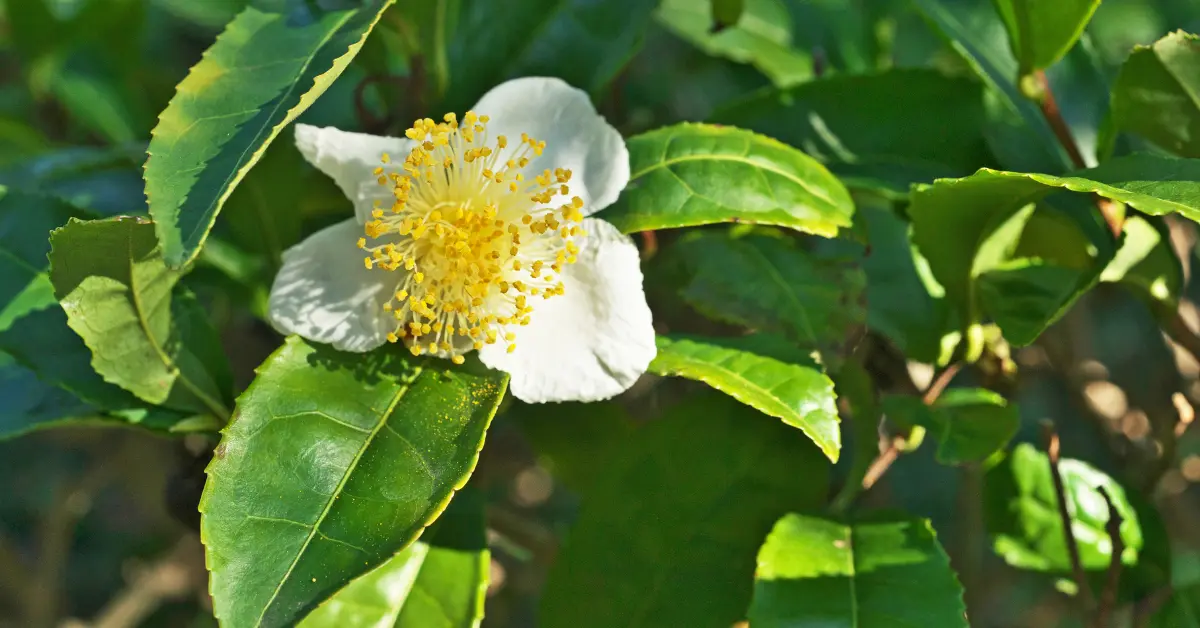
Growing Camellia Sinensis (Tea Plants) in Containers: A Complete Guide for Beginners
If you’ve ever wanted to sip a steaming, homegrown cup of fresh green, black, or [...]
Aug
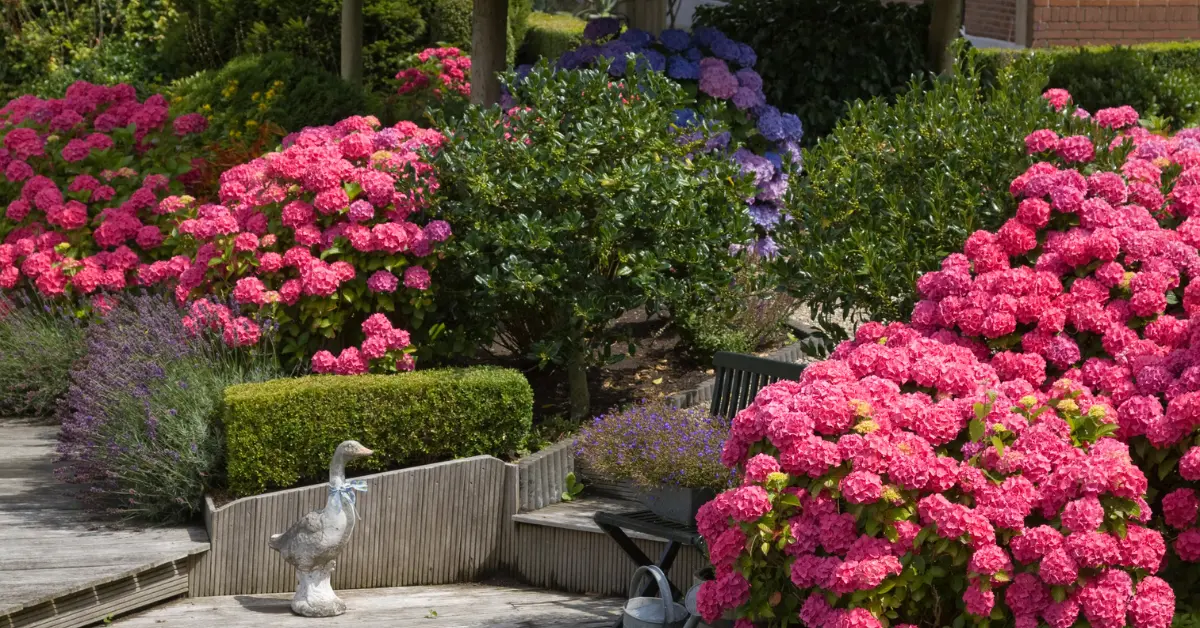
6 Best Shrubs to Plant in August You Must Try
Have you ever walked through a nursery late in the summer, admired the vibrant shrubs [...]
Aug
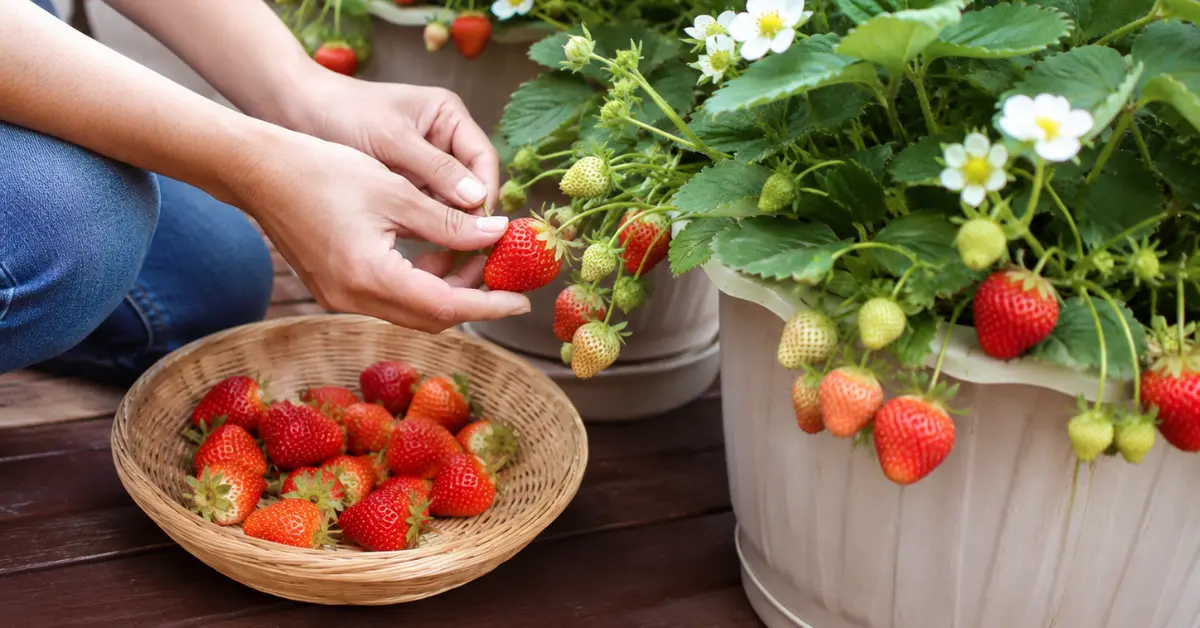
Growing Everbearing Strawberries in Containers: A Complete Guide for Beginners
Want to grow sweet, fresh strawberries but do not have a large garden? Everbearing strawberries [...]
Aug
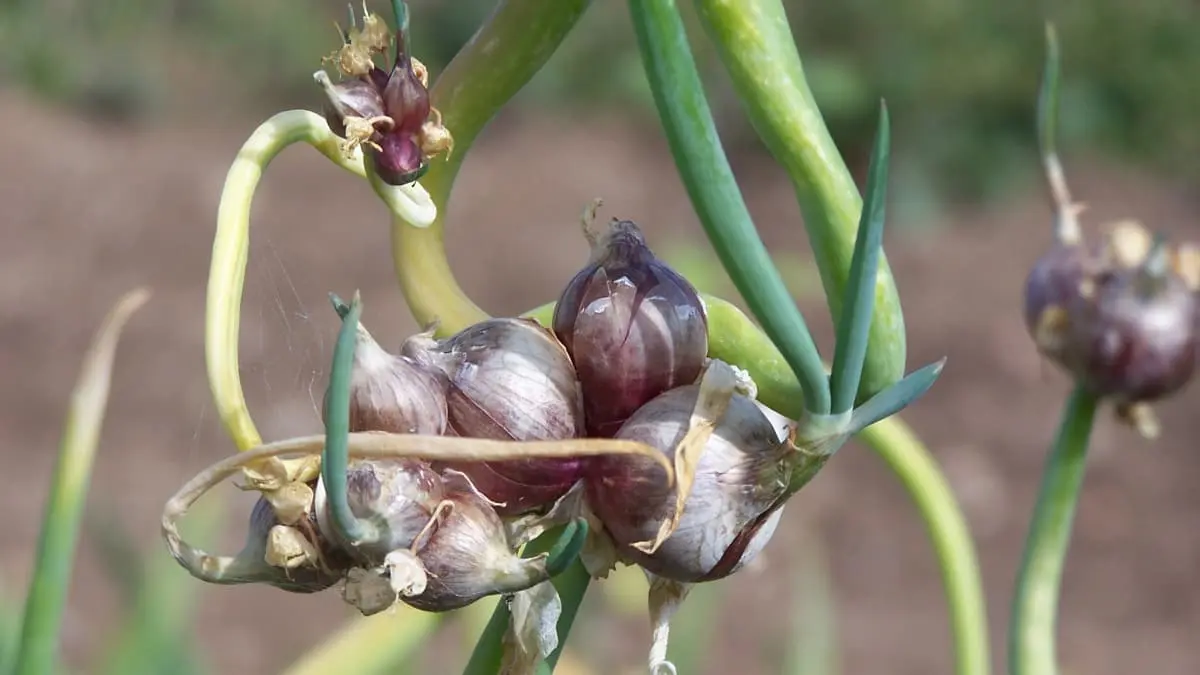
Growing Egyptian Walking Onions in Containers: A Complete Guide for Beginners
If you’re looking for a hardy, no-fuss perennial onion that keeps on giving year after [...]
Jul
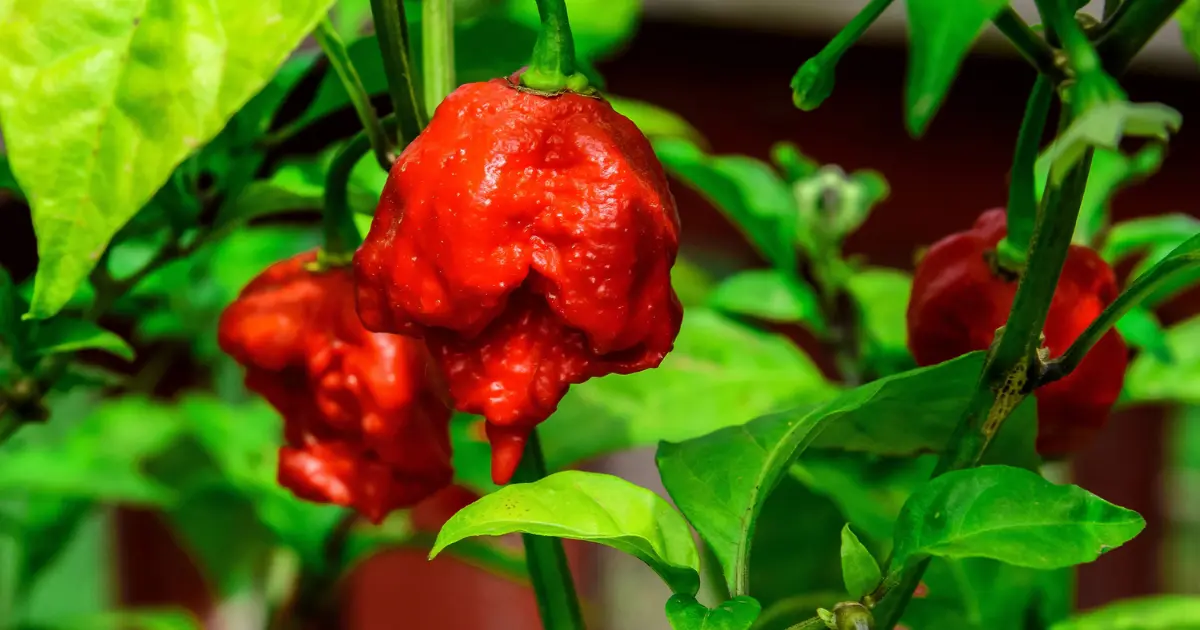
Growing Carolina Reaper Peppers in Pots: A Complete Guide for Beginners
If you’ve ever wanted to add some serious, record-breaking heat to your home cooking, you’ve [...]
May
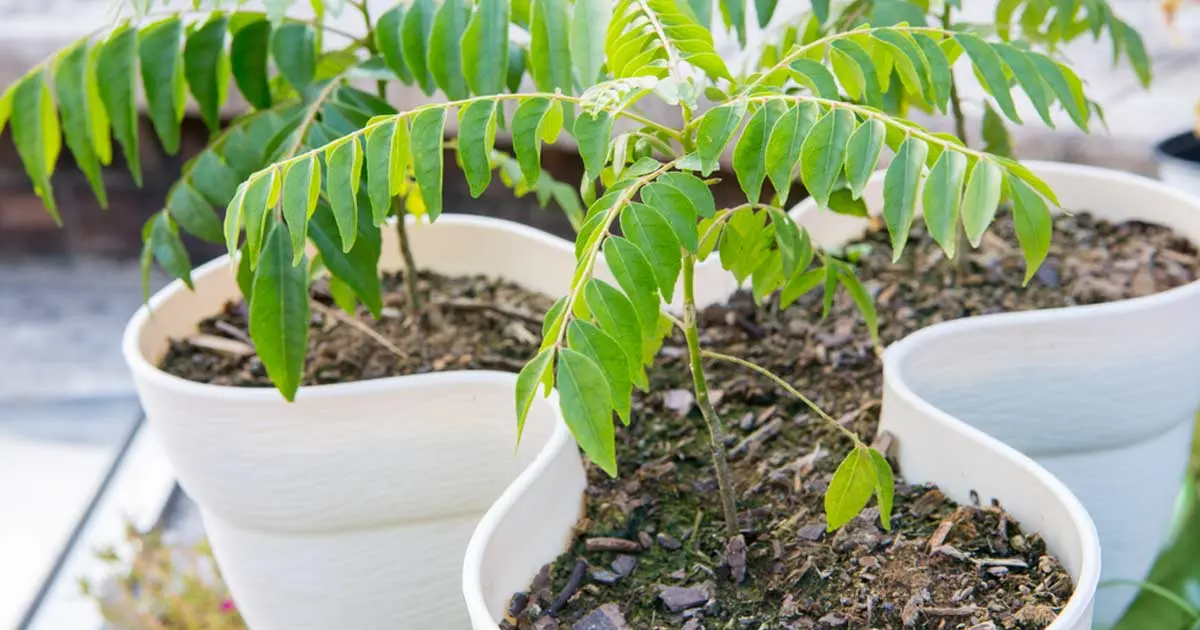
Growing Curry Leaf Plant in Pots: A Complete Guide for Beginners
If you’re a fan of authentic South Asian cuisine, you already know that nothing compares [...]
May
Reviews
There are no reviews yet.