
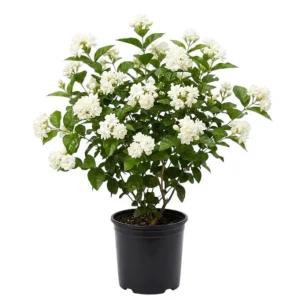
Jasmine Belle of India Live Plant – Fragrant Flowering Vine, 4-6 Inch Tall
Original price was: $32.49.$22.49Current price is: $22.49.
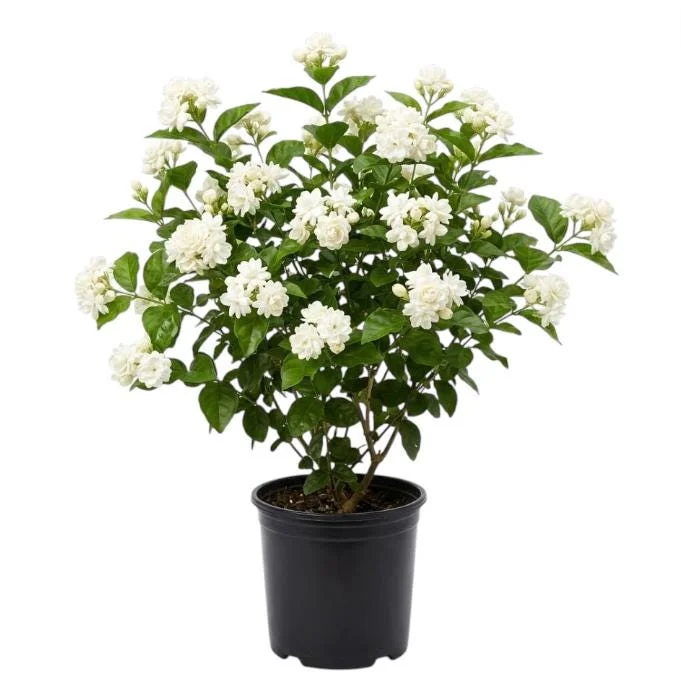
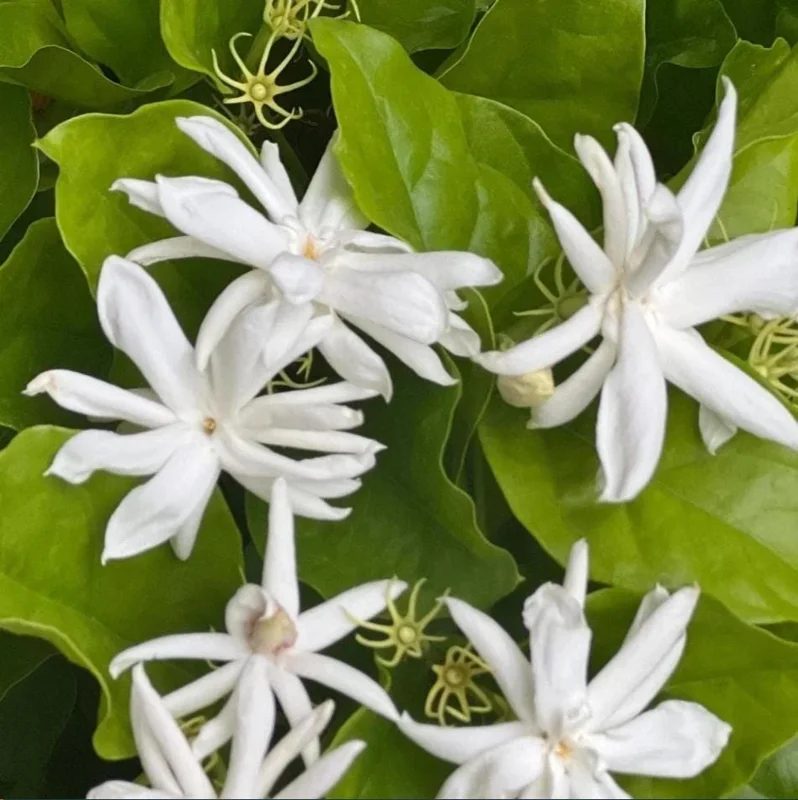
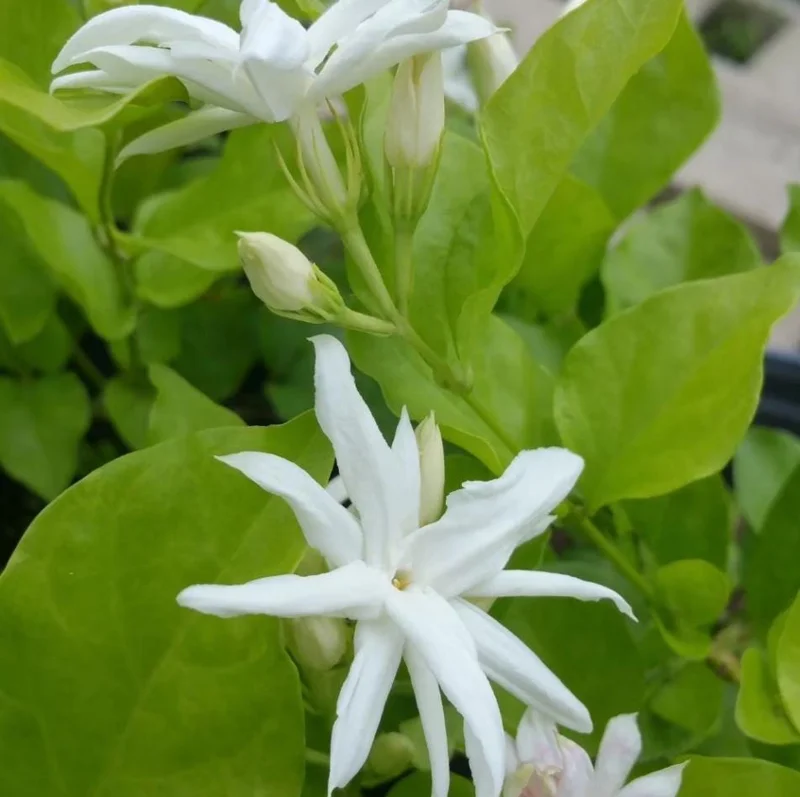
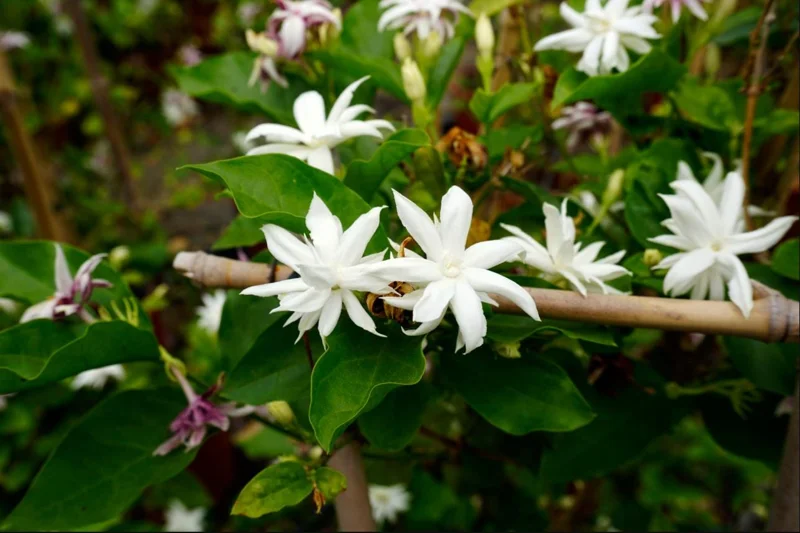
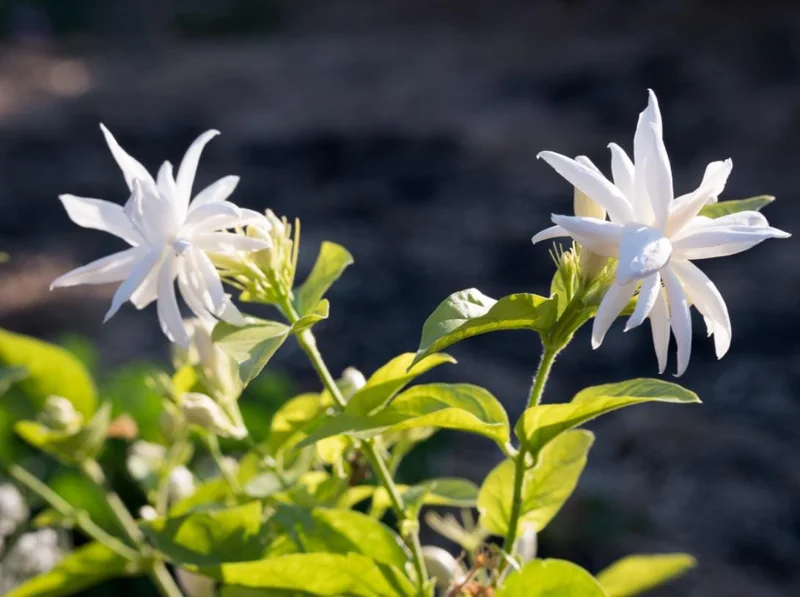
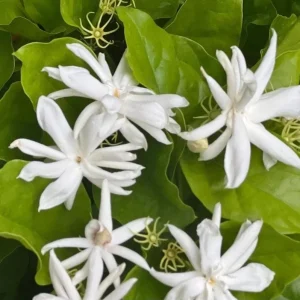
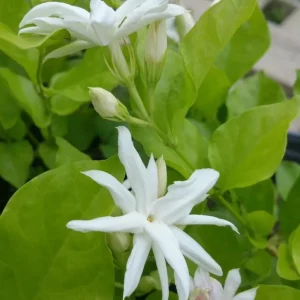
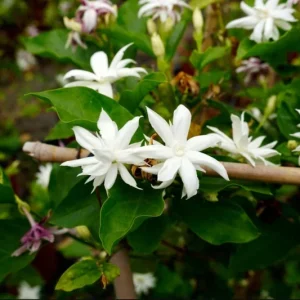
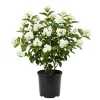
Bring the delightful fragrance of the tropics to your home with the Jasmine Belle of India live plant. This beautiful 4-6 inch starter vine is ideal for containers and boasts abundant, delicate white flowers. Perfect for gardens and patios, this fragrant flowering vine is a true sensory delight.
Estimated arrival
Sep 17
Sep 22 - Sep 24
Sep 27 - Oct 01

Reasonable Price
We offer reasonable price

Support 24/7
Contact us 24 hrs a day

100% Money Back
You've 30 days to Return

Payment Secure
100% secure payment
Overview
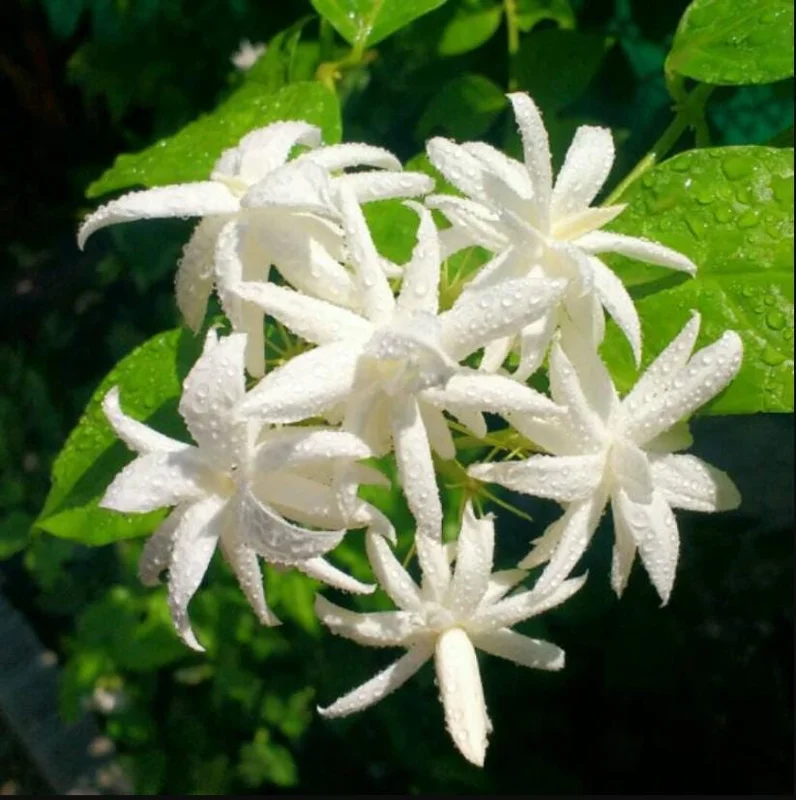
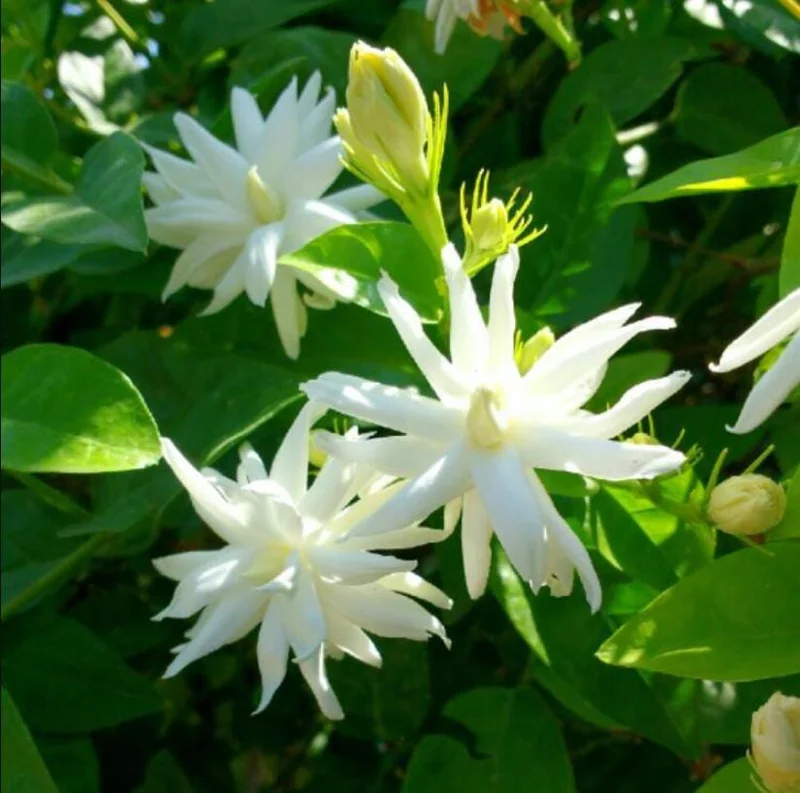
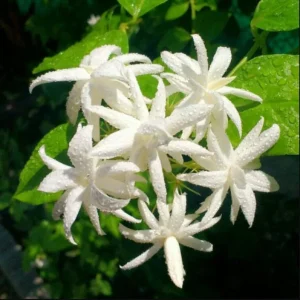
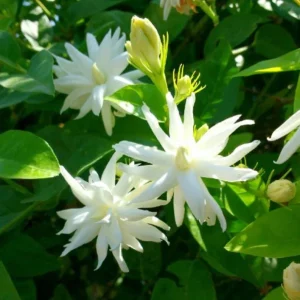
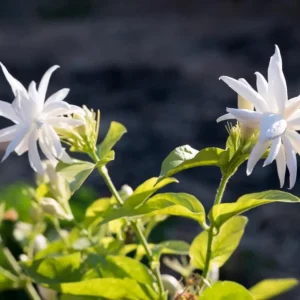
Discover the enchanting beauty of the Jasmine Belle of India live plant, a magnificent tropical vine renowned for its intoxicating fragrance and elegant white blooms. Scientifically known as Jasminum sambac, this particular cultivar, ‘Belle of India,’ is celebrated for its larger, often double, and exquisitely scented flowers that continuously grace your garden or patio. Originating from tropical Asia, this plant brings an exotic charm wherever it grows. Whether you’re an experienced gardener or just starting, the Jasmine Belle of India live plant offers a rewarding experience, transforming any space into a fragrant oasis. This starter plant is perfect for those looking to cultivate a piece of paradise, providing a lush, green backdrop adorned with heavenly scented blossoms.
The Arabian Jasmine plant, as it’s also commonly known, is a versatile climber that can be trained on trellises, arbors, or allowed to cascade from hanging baskets. Its glossy, dark green leaves provide a beautiful contrast to the pure white flowers, which release their most potent perfume in the evening. This live starter plant, typically 4 to 6 inches tall, arrives ready for planting in your chosen container or garden spot, eager to establish itself and begin its fragrant display. It’s an excellent choice for adding a touch of elegance and a captivating aroma to outdoor living areas or even bright indoor spaces.
Key Benefits
The Jasmine Belle of India live plant offers a multitude of benefits, making it a cherished addition to any plant collection. Its captivating qualities extend beyond mere aesthetics, providing a truly enriching experience for gardeners.
- Exquisite Fragrance: Enjoy the rich, sweet, and potent aroma that emanates from the delicate white flowers, especially as dusk settles. This fragrant flowering vine is often used in perfumes and teas.
- Continuous Blooms: Unlike some jasmine varieties, Belle of India produces flowers almost continuously throughout the warmer months, ensuring a prolonged period of beauty and scent.
- Versatile Growth Habit: This climbing vine can be trained to grow vertically on supports, used as a spreading groundcover, or kept compact in containers, making it suitable for various garden designs.
- Tropical Ambiance: Instantly create a lush, tropical feel in your garden, patio, or sunroom with its vibrant green foliage and exotic blooms, enhancing your outdoor living space.
- Low Maintenance: Once established, the Jasminum sambac care requirements are relatively straightforward, making it an accessible plant for gardeners of all skill levels.
- Pollinator Attraction: The fragrant flowers attract beneficial pollinators like bees and butterflies, contributing to a healthier garden ecosystem.
- Ornamental Appeal: Its glossy leaves and elegant white flowers provide significant ornamental value, adding a touch of sophistication to any setting.
Plant Care & Growing Tips
Successful Jasminum sambac care involves understanding its specific needs for light, water, and soil. This tropical beauty thrives in conditions that mimic its native habitat. For optimal flowering, provide your Jasmine Belle of India live plant with full sun to partial shade. This means at least 4-6 hours of direct sunlight daily. In hotter climates, some afternoon shade can protect the foliage from scorching. If grown indoors, place it near a bright, south-facing window or under grow lights to ensure it receives adequate illumination for vigorous growth and abundant blooms.
Watering is crucial for this plant. Keep the soil consistently moist but never waterlogged. Allow the top inch or two of soil to dry out slightly between waterings, especially during the active growing season. Reduce watering frequency in cooler months. Well-drained, fertile soil rich in organic matter is ideal. A good quality potting mix designed for flowering plants or tropicals works well for container growing. Ensure your pot has drainage holes to prevent root rot. The Jasmine Belle of India live plant prefers warm temperatures, thriving between 20–35°C (68–95°F). It is sensitive to cold and must be protected from temperatures below 10°C (50°F). If you live in a region with cold winters, consider growing it in a container that can be moved indoors or to a sheltered location.
Fertilize your fragrant flowering vine every 2-4 weeks during the growing season (spring through fall) with a balanced liquid fertilizer or one slightly higher in phosphorus to encourage blooming. Reduce feeding in winter. Pruning is beneficial to maintain shape, encourage bushier growth, and promote more flowers. Trim after a flush of blooms to encourage new growth. Watch out for common pests like aphids and spider mites, and treat with insecticidal soap if necessary. Providing proper Jasminum sambac care will ensure a healthy, vibrant plant that produces beautiful, fragrant flowers year after year, making it a truly rewarding addition to your garden.
Size & Details
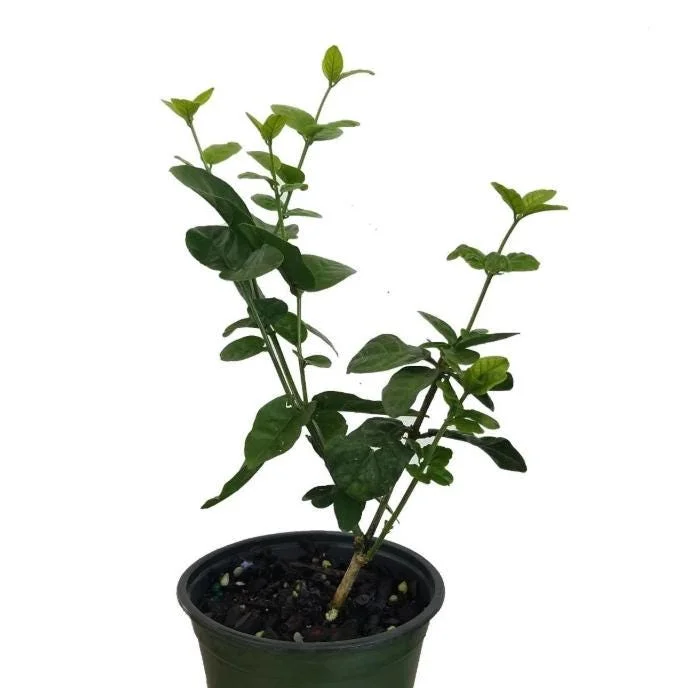
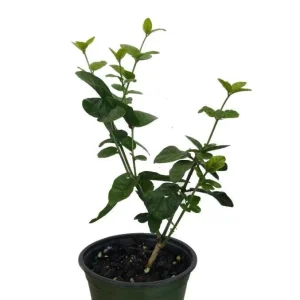
This offering is for a Jasmine Belle of India live plant starter, typically measuring 4 to 6 inches in height upon arrival. These young plants are carefully selected to ensure a strong root system, ready for transplanting into your garden or preferred container. While initial growth might seem slow as it establishes its roots, this Arabian Jasmine plant is a moderately fast grower once settled, quickly developing into a lush vine. It is shipped without a pot, with its roots carefully wrapped to minimize stress during transit, ensuring it arrives in optimal condition for planting.
When mature, this fragrant flowering vine can reach lengths of 6-10 feet if supported, though its size can be easily managed with regular pruning, especially when grown in containers. Expect the first blooms to appear within months of planting, with continuous flowering throughout the warm season. This starter plant provides an excellent foundation for cultivating a magnificent specimen that will fill your space with its captivating aroma and beautiful white flowers.
Frequently Asked Questions
- Q: How big does this plant get? A: The Jasmine Belle of India live plant is a vine that can reach 6-10 feet in length when mature, especially with support. Its size can be controlled with pruning, making it suitable for various spaces.
- Q: Is this an indoor or outdoor plant? A: This plant thrives outdoors in warm, tropical climates (USDA zones 9-11). In cooler regions, it can be grown as an annual or overwintered indoors as a beautiful tropical jasmine for containers.
- Q: How much sunlight does it need? A: It prefers full sun to partial shade, requiring at least 4-6 hours of direct sunlight daily for the best flowering. Too little light will result in fewer blooms.
- Q: Is this plant easy to care for? A: Yes, with proper attention to its light, watering, and temperature needs, Jasminum sambac care is considered relatively easy, making it suitable for gardeners of most skill levels.
- Q: What condition will it arrive in? A: Your Jasmine Belle of India live plant will arrive as a healthy starter plant, typically 4-6 inches tall, with its roots carefully packaged to ensure freshness and minimize shipping stress. It does not include a pot.
- Q: When is the best time to plant this jasmine? A: The best time to plant is in spring or early summer after all danger of frost has passed, allowing the plant ample time to establish itself before cooler weather.
- Q: Will it survive winter in my zone? A: The Arabian Jasmine plant is sensitive to cold. It will only survive outdoors year-round in USDA Zones 9-11. In colder zones, it must be brought indoors or provided with significant winter protection.
- Q: Can I grow this fragrant flowering vine in a container? A: Absolutely! This jasmine is an excellent choice for container gardening, especially in regions where it needs to be moved indoors during winter. Ensure the container has good drainage.
- Q: How often should I water my Belle of India Jasmine? A: Water regularly to keep the soil consistently moist but never soggy. Allow the top inch or two of soil to dry out slightly between waterings, adjusting based on temperature and humidity.
- Q: What kind of soil does it prefer? A: It thrives in well-drained, fertile soil rich in organic matter. A good quality potting mix with added compost or peat works well for container planting.
Be the first to review “Jasmine Belle of India Live Plant – Fragrant Flowering Vine, 4-6 Inch Tall”
-
USDA Hardiness Zone
USDA zones 9-11 -
Soil Type
Well-drained, fertile soil -
Sunlight Exposure
Full sun to partial shade -
Expected Planting Period
Spring to early summer
People Also Viewd
Sold 134 products
Original price was: $3,536.00.$23.99Current price is: $23.99.
Sold 131 products
Original price was: $27.00.$24.00Current price is: $24.00.
Sold 131 products
Original price was: $89.99.$64.99Current price is: $64.99.

Sold 125 products
Original price was: $86.99.$66.99Current price is: $66.99.
Flower Bulbs
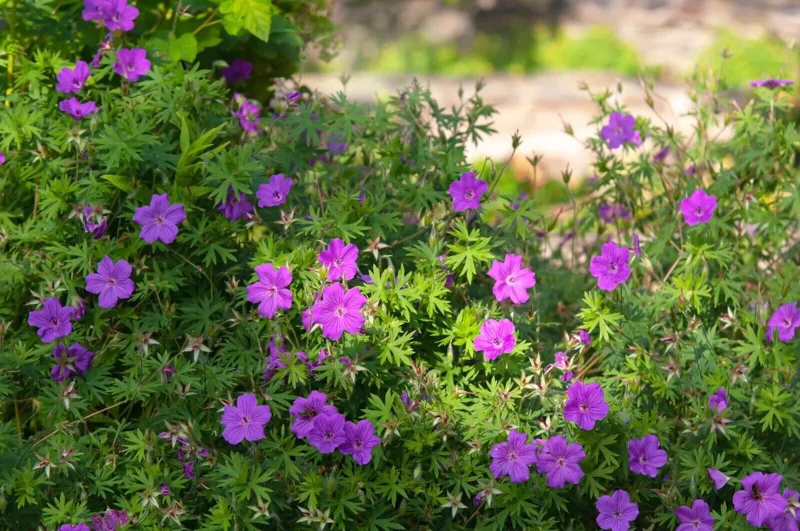
3 Cranesbill Wild Geranium Organic Maculatums Bare Roots | Wildflower for Outdoor Garden
Sold 116 products
Original price was: $21.99.$9.99Current price is: $9.99.
Sold 114 products
Original price was: $28.99.$17.99Current price is: $17.99.
Sold 110 products
Original price was: $63.99.$28.99Current price is: $28.99.
Sold 108 products
Original price was: $28.99.$17.99Current price is: $17.99.RELATED posts
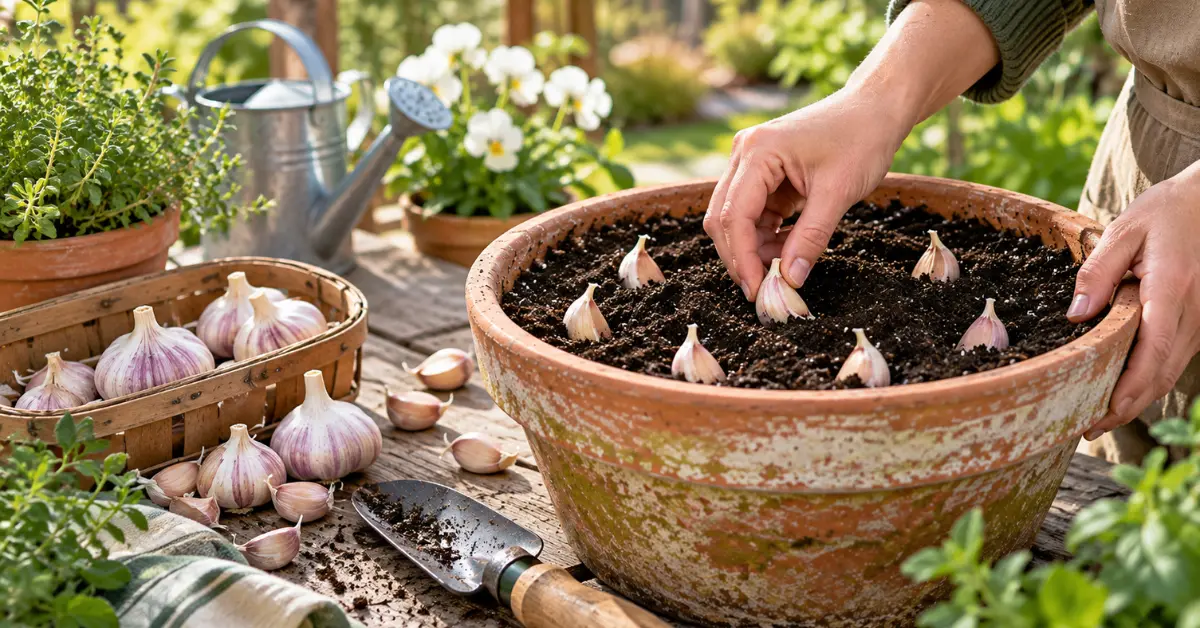
Growing Garlic in Containers This Fall: A Complete Guide for Beginners
If you’ve ever wanted to pop fresh, aromatic garlic cloves straight from your own patio [...]
Sep
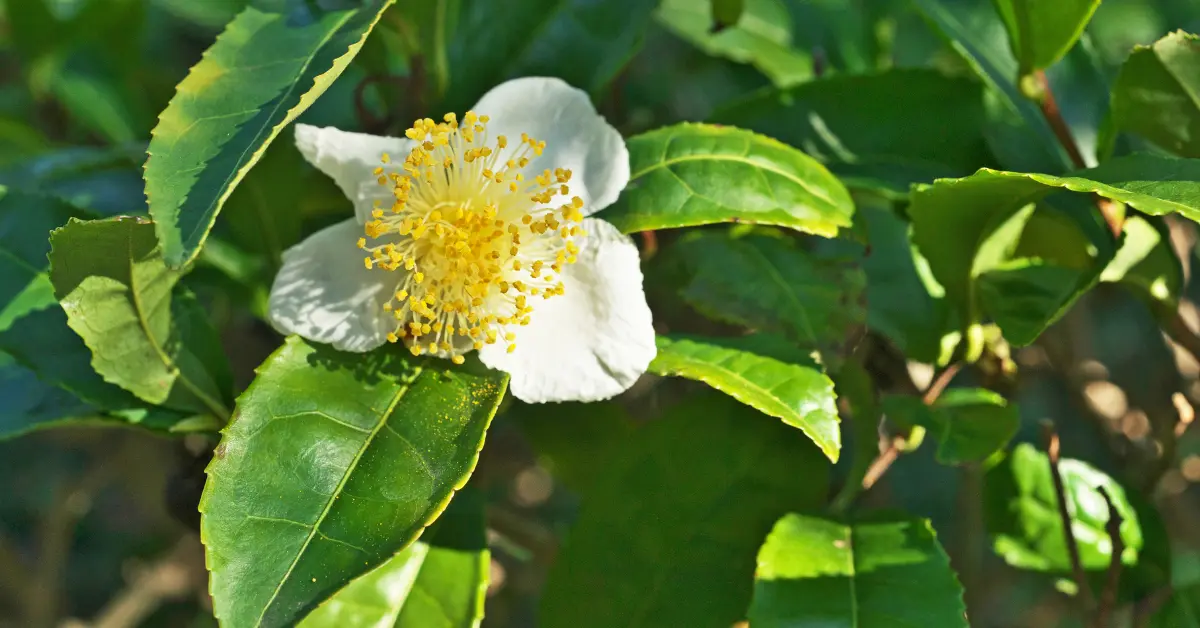
Growing Camellia Sinensis (Tea Plants) in Containers: A Complete Guide for Beginners
If you’ve ever wanted to sip a steaming, homegrown cup of fresh green, black, or [...]
Aug
6 Best Shrubs to Plant in August You Must Try
Have you ever walked through a nursery late in the summer, admired the vibrant shrubs [...]
Aug
Growing Everbearing Strawberries in Containers: A Complete Guide for Beginners
Want to grow sweet, fresh strawberries but do not have a large garden? Everbearing strawberries [...]
Aug
Growing Egyptian Walking Onions in Containers: A Complete Guide for Beginners
If you’re looking for a hardy, no-fuss perennial onion that keeps on giving year after [...]
Jul
Growing Carolina Reaper Peppers in Pots: A Complete Guide for Beginners
If you’ve ever wanted to add some serious, record-breaking heat to your home cooking, you’ve [...]
May
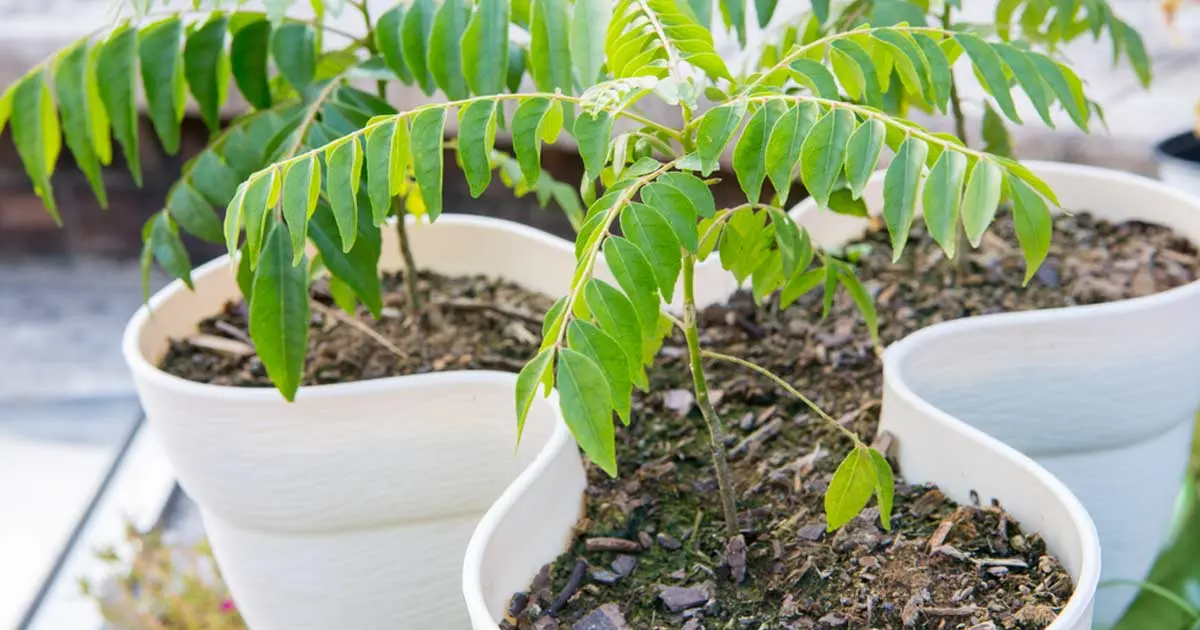
Growing Curry Leaf Plant in Pots: A Complete Guide for Beginners
If you’re a fan of authentic South Asian cuisine, you already know that nothing compares [...]
May
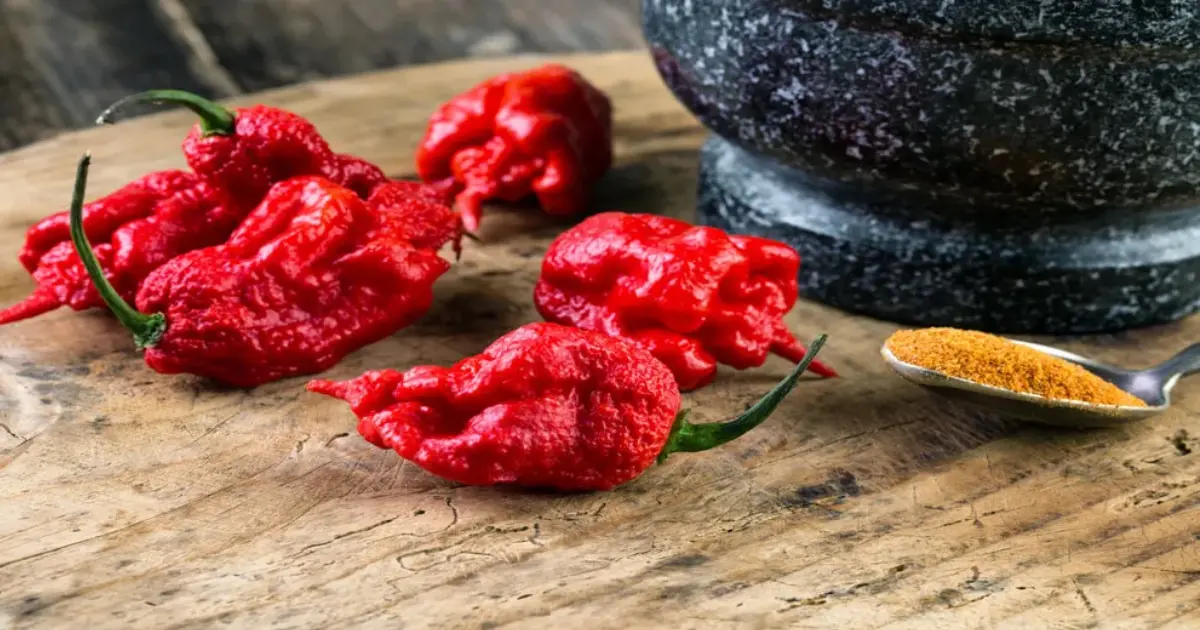
5 Tips for Growing Carolina Reaper Peppers to Get the Spiciest Harvest Ever
Holding the record for one of the world’s hottest peppers, the Reaper isn’t just a [...]
May
Reviews
There are no reviews yet.