
White Vining Milkweed Live Plants – 2 Pack, 4-7 Inch Tall, Outdoor Vine
Original price was: $59.99.$24.99Current price is: $24.99.
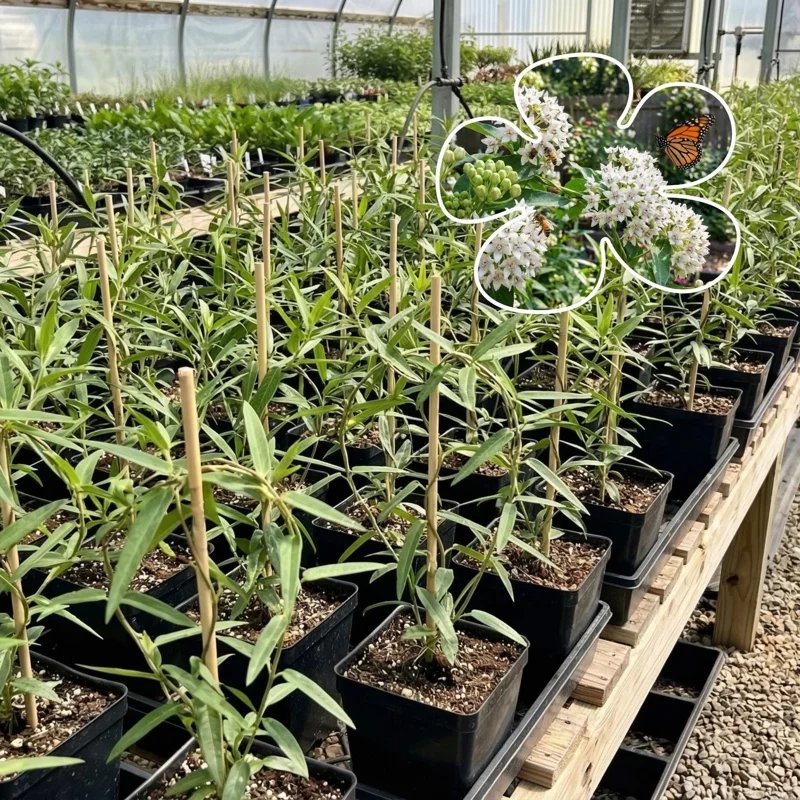
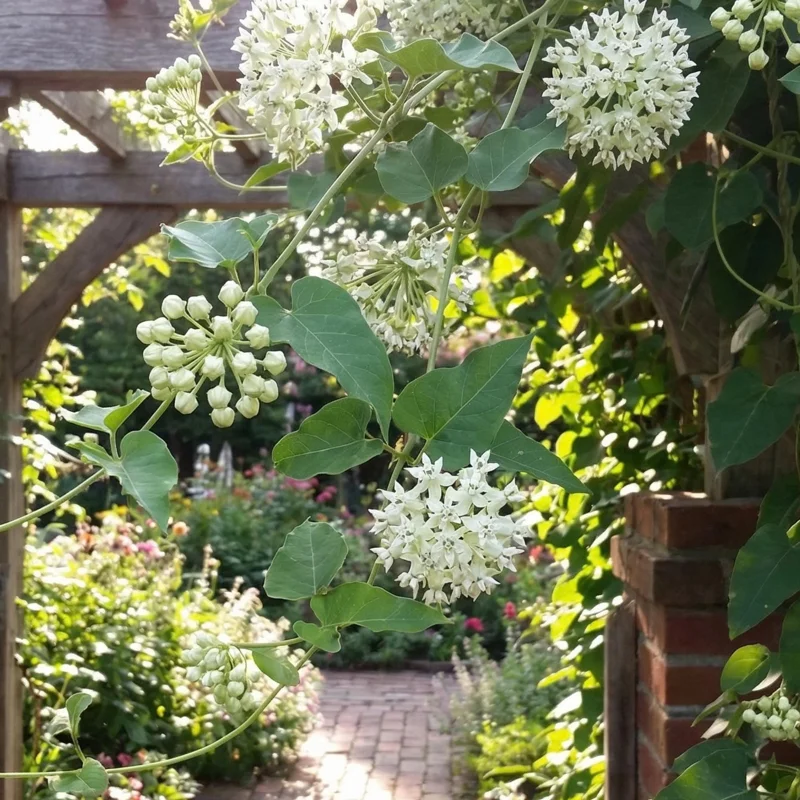
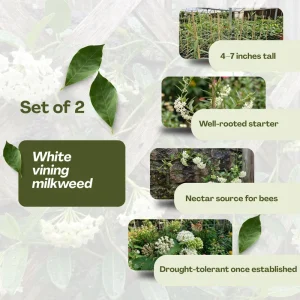
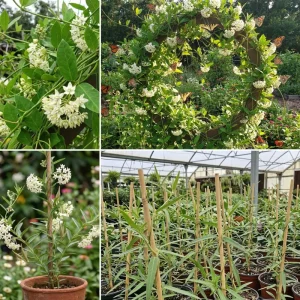
Introduce the unique beauty of white vining milkweed live plant to your garden. This climbing variety supports butterflies and bees, offering elegant white blooms. Ideal for trellises or fences, these 4-7 inch tall plants create a vibrant pollinator habitat.
Estimated arrival
Sep 18
Sep 23 - Sep 25
Sep 28 - Oct 02

Reasonable Price
We offer reasonable price

Support 24/7
Contact us 24 hrs a day

100% Money Back
You've 30 days to Return

Payment Secure
100% secure payment
Overview
Transform your outdoor space into a thriving pollinator paradise with the exquisite white vining milkweed live plant. This unique climbing variety, known for its delicate white blooms and vigorous vining habit, is an essential addition for any gardener passionate about supporting local ecosystems. Unlike its bushier cousins, this particular milkweed offers a vertical element, perfect for trellises, fences, or containers where it can elegantly climb and showcase its beauty. As a crucial butterfly host plant, it provides vital sustenance for monarch and other butterfly larvae, playing a significant role in their life cycle. Each plant is carefully cultivated to ensure a healthy start in your garden, ready to establish itself and begin its mission as a pollinator magnet. Embrace sustainable gardening practices and enjoy the enchanting sight of butterflies and bees flocking to your beautiful vining milkweed.
Key Benefits
Cultivating a white vining milkweed live plant in your garden offers a multitude of advantages, enhancing both the aesthetic appeal of your landscape and its ecological value. This plant is not just a pretty face; it’s a powerhouse for biodiversity. The unique growth habit and elegant flowers make it a standout.
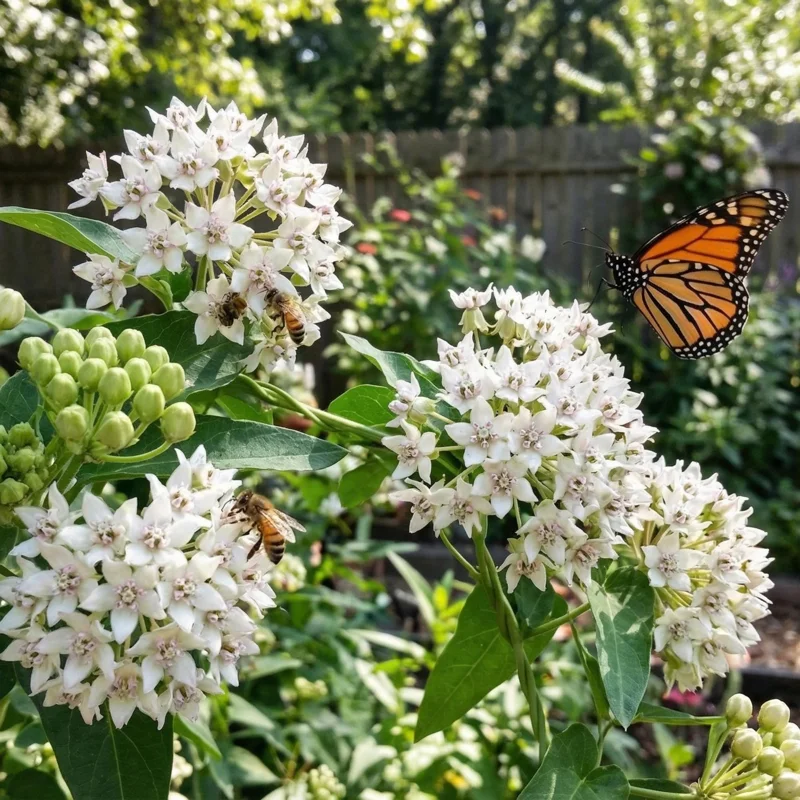
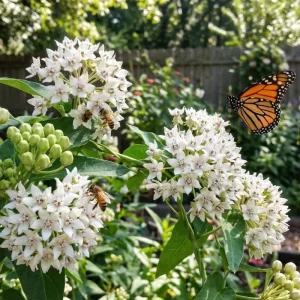
- Supports Pollinator Health: This plant is a critical food source and host for monarch butterflies, providing essential leaves for their larvae. Beyond monarchs, its nectar-rich flowers attract a wide array of bees, hummingbirds, and other beneficial insects, bolstering local pollinator populations.
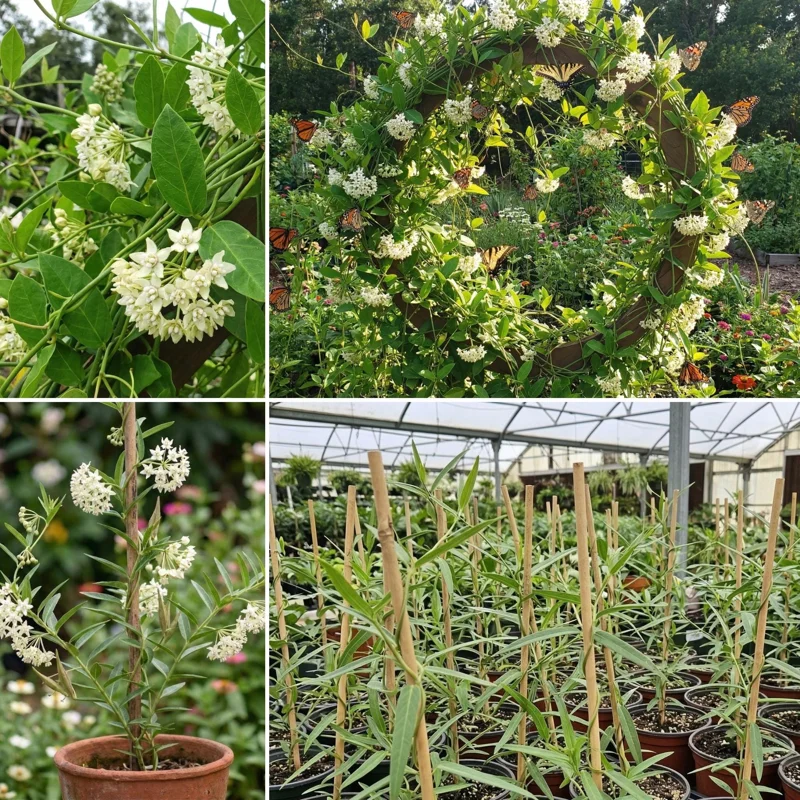
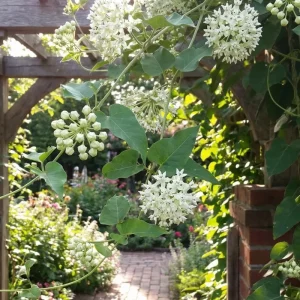
- Eye-Catching Vertical Interest: With its natural climbing habit, this climbing milkweed adds a dynamic vertical dimension to your garden design. It can be trained to ascend trellises, arbors, fences, or even flow gracefully from hanging baskets, creating a unique visual statement.
- Elegant White Blooms: The plant produces clusters of pristine white flowers that are both delicate and visually striking. These blooms provide a serene contrast against green foliage and contribute to a sophisticated garden aesthetic throughout its blooming season.
- Low Maintenance & Easy to Grow: Despite its rare beauty, this milkweed variety is surprisingly resilient and undemanding. Once established, it requires minimal care, making it an excellent choice for both novice and experienced gardeners seeking high impact with low effort.
- Adaptable to Various Settings: Whether you have a spacious garden, a cozy patio, or even a balcony, this vining milkweed can thrive. It performs well in various container sizes and can be integrated into diverse garden styles, from cottage gardens to modern landscapes.
- Promotes Biodiversity: By planting this butterfly host plant, you actively contribute to the preservation of insect species and promote a healthier, more balanced garden ecosystem, fostering a lively and vibrant outdoor environment.
- Rare and Unique Variety: Stand out from common garden plants with this less-known but equally captivating vining milkweed. Its unique form and function make it a conversation starter and a prized specimen for plant enthusiasts.
Plant Care & Growing Tips
Ensuring the success of your white vining milkweed live plant involves understanding its basic needs for light, water, and soil. This resilient plant is generally easy to care for, making it a rewarding addition to any garden. For optimal growth and prolific blooming, aim to provide conditions that mimic its natural habitat. Regular observation will help you fine-tune its care.
Sunlight Requirements: This climbing milkweed thrives in full sun to partial shade. For the most abundant flowers and robust growth, aim for at least 6-8 hours of direct sunlight per day. In hotter climates, a location that receives some afternoon shade can prevent leaf scorch and stress, ensuring your plant remains vibrant and healthy. Adequate sunlight is crucial for the plant’s energy production and overall vigor, especially when it is actively growing and flowering.
Watering Schedule: While established plants are somewhat drought-tolerant, young plants and those in containers will require consistent moisture. Water moderately, allowing the top inch or two of soil to dry out between waterings. Avoid overwatering, as this can lead to root rot. During periods of extreme heat or prolonged dry spells, increase watering frequency to keep the soil consistently moist but not waterlogged. Well-draining soil is paramount to prevent water accumulation around the roots.
Soil Type and Drainage: The white vining milkweed live plant prefers well-draining soil. A loamy or sandy soil enriched with organic matter is ideal. If planting in containers, use a high-quality potting mix that offers good drainage. Amend heavy clay soils with compost or sand to improve drainage and aeration. Good drainage is essential to prevent waterlogging, which can be detrimental to the plant’s root system. The plant thrives in USDA Hardiness Zones 4-9, indicating its adaptability to a wide range of climates.
Fertilization: This plant is not a heavy feeder. A light application of a balanced, slow-release fertilizer in early spring can promote healthy growth and flowering. Avoid excessive nitrogen, which can encourage leafy growth at the expense of flowers. For plants in containers, a diluted liquid fertilizer can be applied every 4-6 weeks during the growing season. Generally, a healthy soil enriched with compost will provide sufficient nutrients for this rare milkweed plant.
Pest and Disease Management: Milkweeds are generally robust, but occasionally aphids may appear. A strong spray of water or an insecticidal soap can manage minor infestations. Ensure good air circulation to prevent fungal issues. This plant is known for attracting milkweed bugs, which are generally harmless to the plant itself.
Size & Details
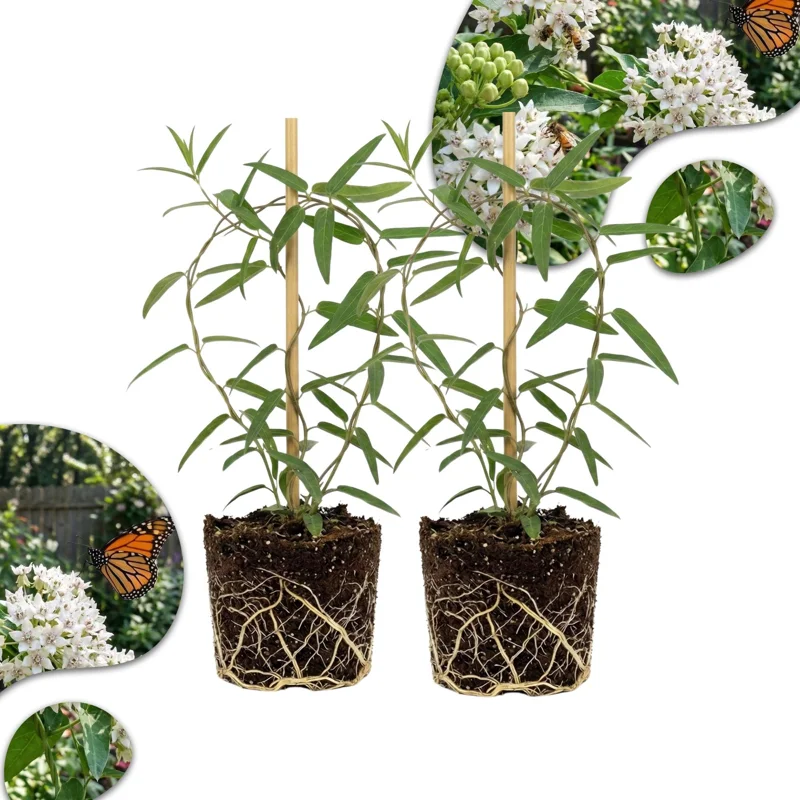
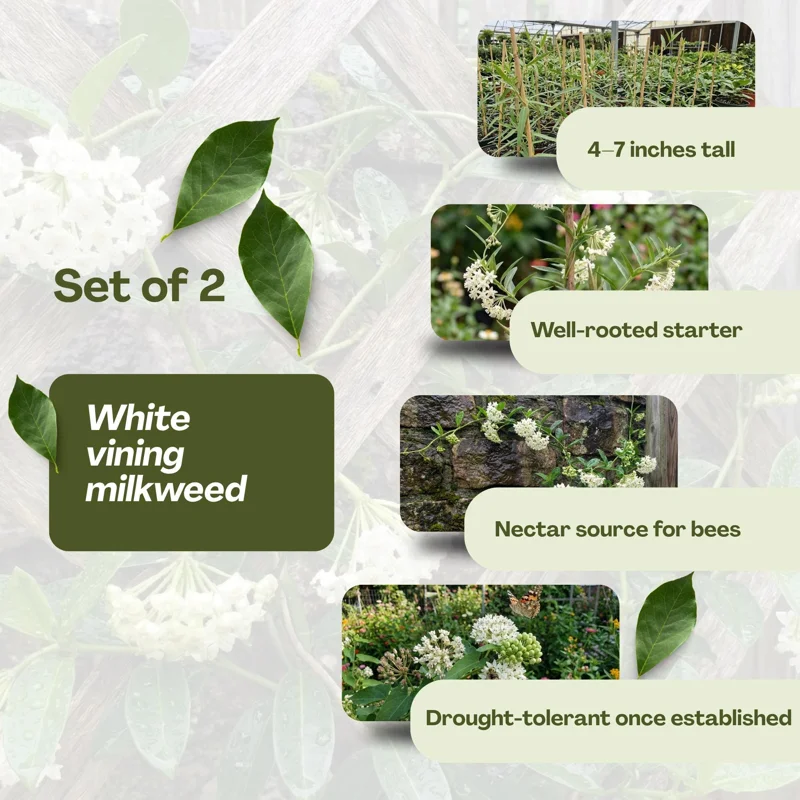
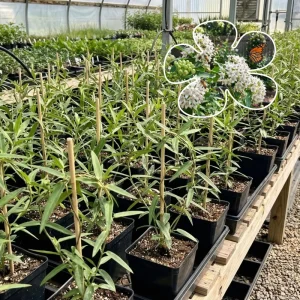
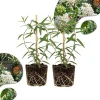
You will receive two healthy white vining milkweed live plant specimens, each approximately 4–7 inches tall at the time of shipment. These plants are carefully packaged to ensure their safe arrival, ready for immediate planting in your garden or preferred container. As a climbing variety, these plants will quickly establish themselves and begin to vine, reaching mature lengths of several feet depending on growing conditions and support. They are shipped without pots to minimize plastic waste and shipping costs, making them easy to transplant directly into your chosen location. Expect vigorous growth once established, with flowering typically beginning in the first or second year. The rapid growth rate makes this an exciting addition to any pollinator garden plant collection.
Frequently Asked Questions
- Q: How big does this plant get? A: The white vining milkweed live plant is a vigorous climber. With proper support, it can reach lengths of 6-10 feet or more, creating a beautiful vertical display in your garden. Its spread will depend on how you train it.
- Q: What size pot does it come in? A: These plants are shipped as bare-root or minimal-soil plants, approximately 4-7 inches tall, without pots. This method ensures healthier roots and reduces shipping stress.
- Q: Is this an indoor or outdoor plant? A: This is primarily an outdoor plant, ideally suited for garden beds, trellises, and large containers where it can benefit from ample sunlight and air circulation. It is a hardy perennial in USDA Zones 4-9.
- Q: How much sunlight does it need? A: The climbing milkweed thrives in full sun, requiring at least 6-8 hours of direct sunlight daily for the best growth and flowering. It can tolerate partial shade, but blooming may be less prolific.
- Q: Is this plant easy to care for? A: Yes, this rare milkweed plant is considered relatively easy to grow and low maintenance once established. It’s drought-tolerant and pest-resistant, making it a great choice for gardeners of all experience levels.
- Q: What condition will it arrive in? A: Your plants will arrive as healthy, dormant or semi-dormant live specimens, ready for planting. We take great care in packaging to ensure they reach you in optimal condition.
- Q: When is the best time to plant? A: The best time to plant your white vining milkweed is in spring after the last frost, or in early fall in warmer climates. This allows the plant to establish its root system before extreme weather.
- Q: Will it survive winter in my zone? A: This plant is hardy in USDA Zones 4-9. In colder zones (4-6), it will die back to the ground in winter and re-emerge in spring. In warmer zones, it may retain some foliage.
- Q: Is this a good plant for a beginner gardener? A: Absolutely! Its resilience and minimal care requirements make it an excellent choice for beginners looking to add a beautiful and beneficial plant to their garden, especially those interested in a pollinator garden plant.
- Q: Why is it called a butterfly host plant? A: It’s called a butterfly host plant because monarch butterflies specifically lay their eggs on milkweed leaves. The leaves then serve as the sole food source for the developing monarch caterpillars, making milkweed crucial for their survival.
Be the first to review “White Vining Milkweed Live Plants – 2 Pack, 4-7 Inch Tall, Outdoor Vine”
-
USDA Hardiness Zone
USDA zones 4-9 -
Soil Type
Well-draining soil -
Sunlight Exposure
Full sun to partial shade -
Expected Planting Period
Spring to early summer
People Also Viewd


Sold 134 products
Original price was: $3,536.00.$23.99Current price is: $23.99.

Sold 131 products
Original price was: $89.99.$64.99Current price is: $64.99.

Sold 131 products
Original price was: $27.00.$24.00Current price is: $24.00.

Sold 125 products
Original price was: $86.99.$66.99Current price is: $66.99.

Flower Bulbs
3 Cranesbill Wild Geranium Organic Maculatums Bare Roots | Wildflower for Outdoor Garden
Sold 116 products
Original price was: $21.99.$9.99Current price is: $9.99.

Sold 114 products
Original price was: $28.99.$17.99Current price is: $17.99.
Sold 110 products
Original price was: $63.99.$28.99Current price is: $28.99.
Sold 108 products
Original price was: $28.99.$17.99Current price is: $17.99.RELATED posts
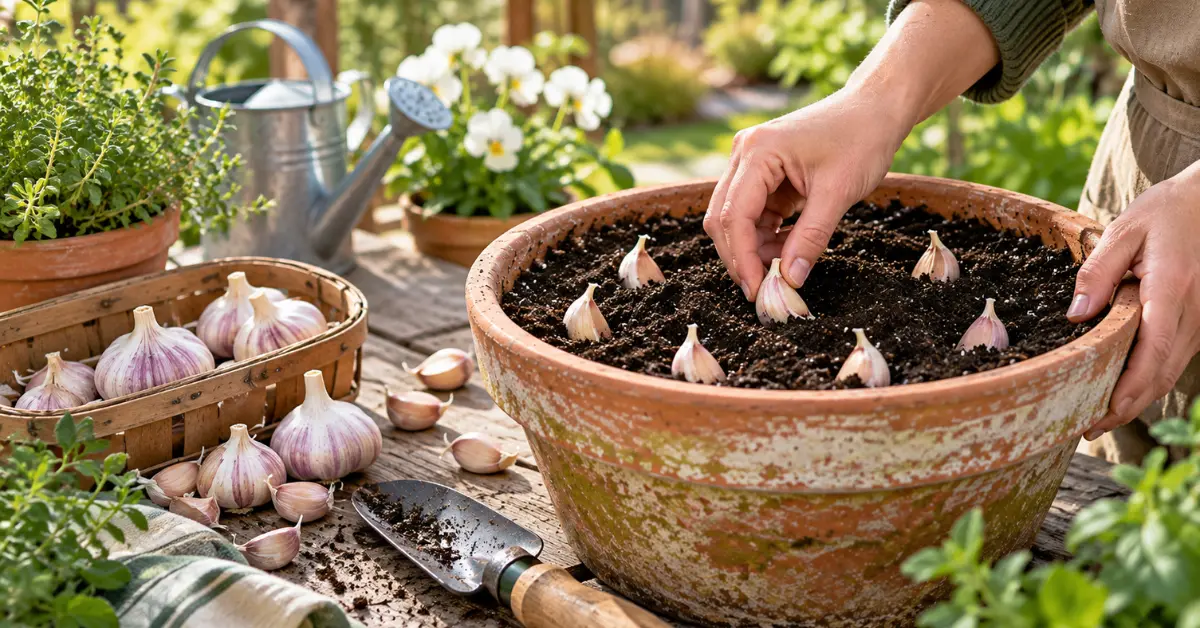
Growing Garlic in Containers This Fall: A Complete Guide for Beginners
If you’ve ever wanted to pop fresh, aromatic garlic cloves straight from your own patio [...]
Sep
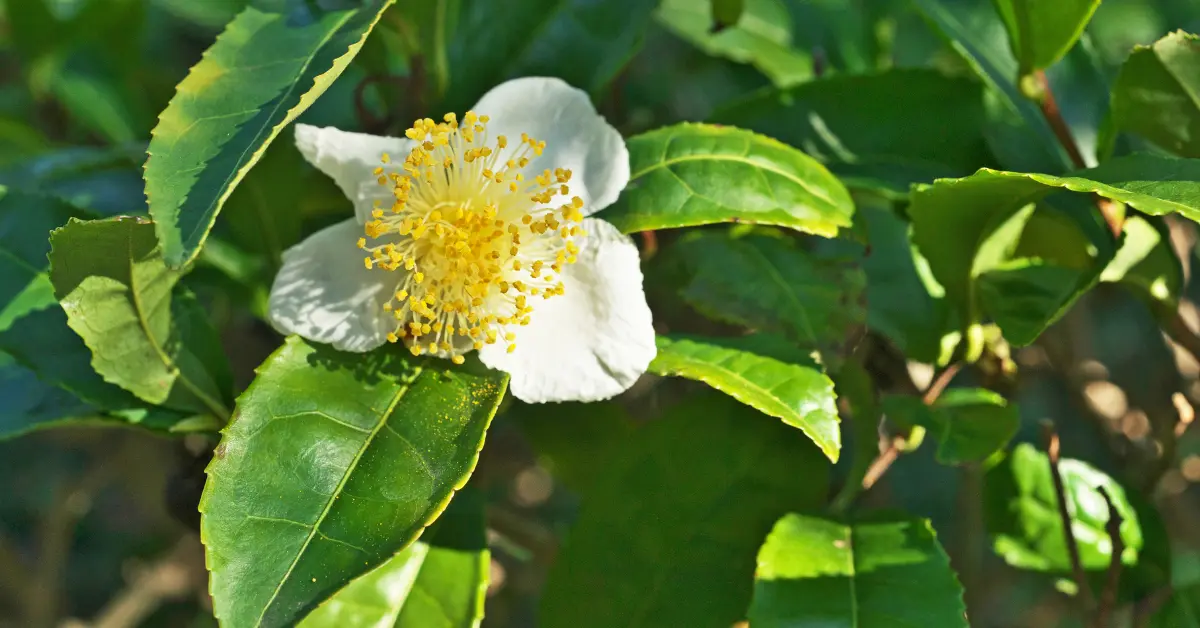
Growing Camellia Sinensis (Tea Plants) in Containers: A Complete Guide for Beginners
If you’ve ever wanted to sip a steaming, homegrown cup of fresh green, black, or [...]
Aug
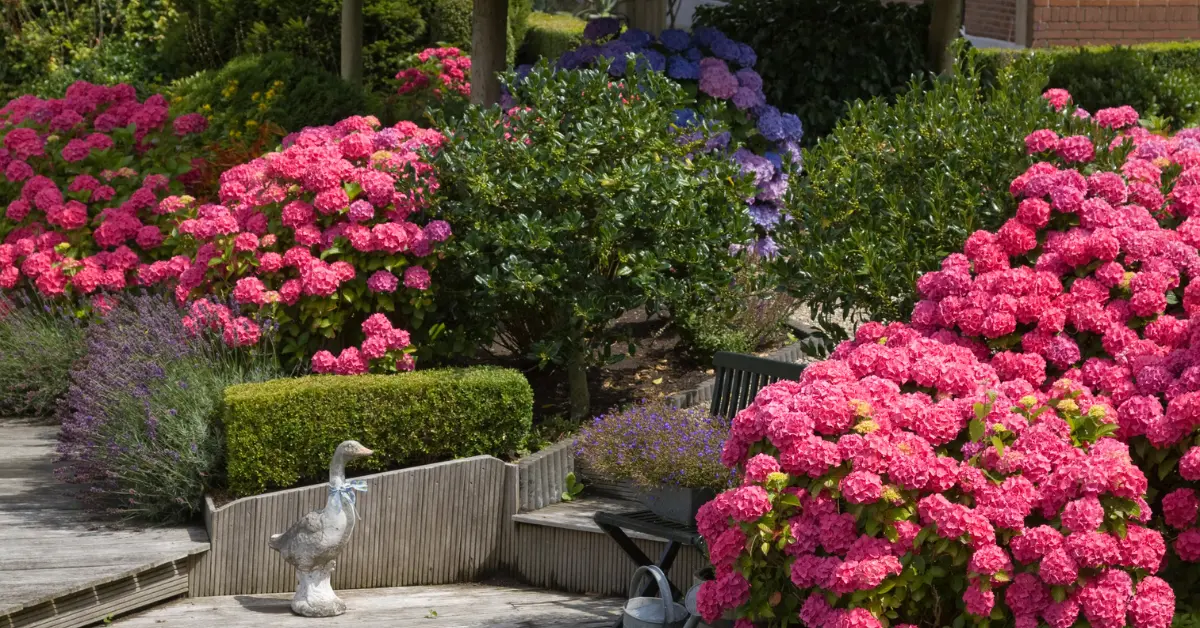
6 Best Shrubs to Plant in August You Must Try
Have you ever walked through a nursery late in the summer, admired the vibrant shrubs [...]
Aug
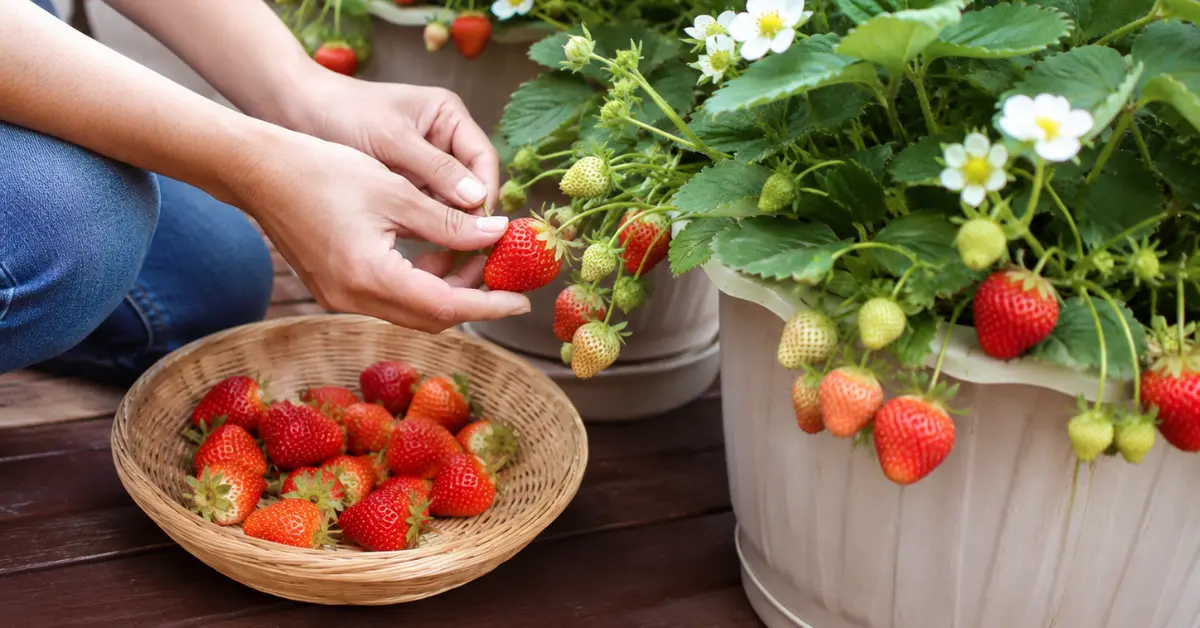
Growing Everbearing Strawberries in Containers: A Complete Guide for Beginners
Want to grow sweet, fresh strawberries but do not have a large garden? Everbearing strawberries [...]
Aug
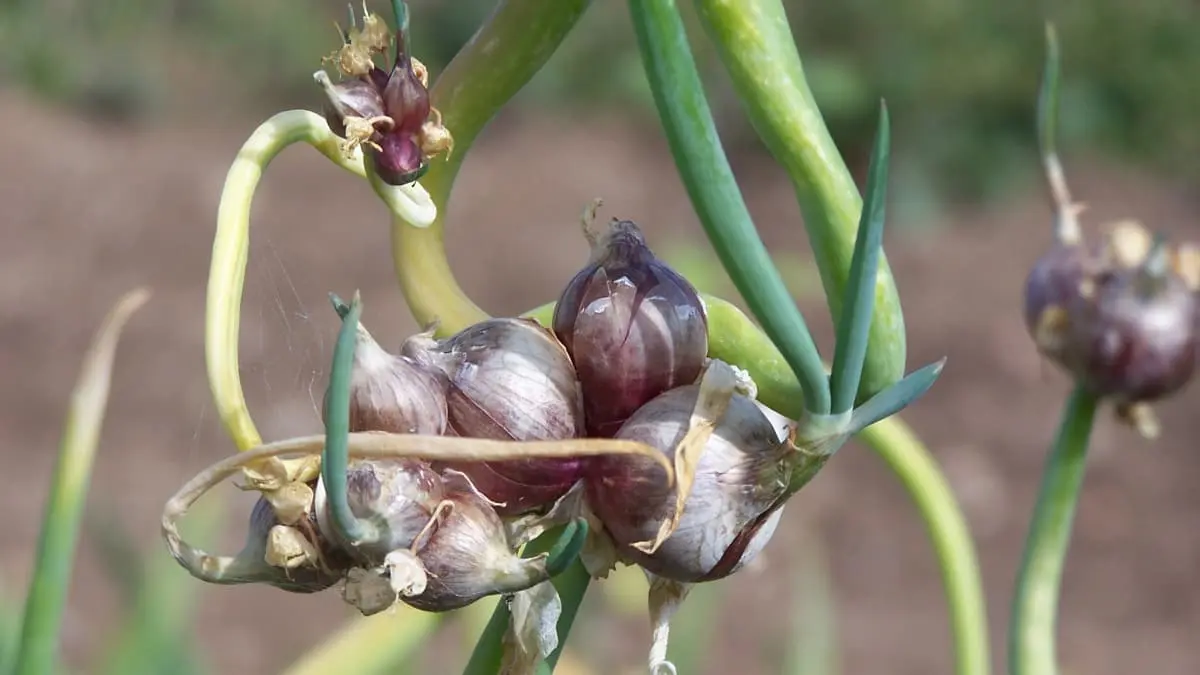
Growing Egyptian Walking Onions in Containers: A Complete Guide for Beginners
If you’re looking for a hardy, no-fuss perennial onion that keeps on giving year after [...]
Jul
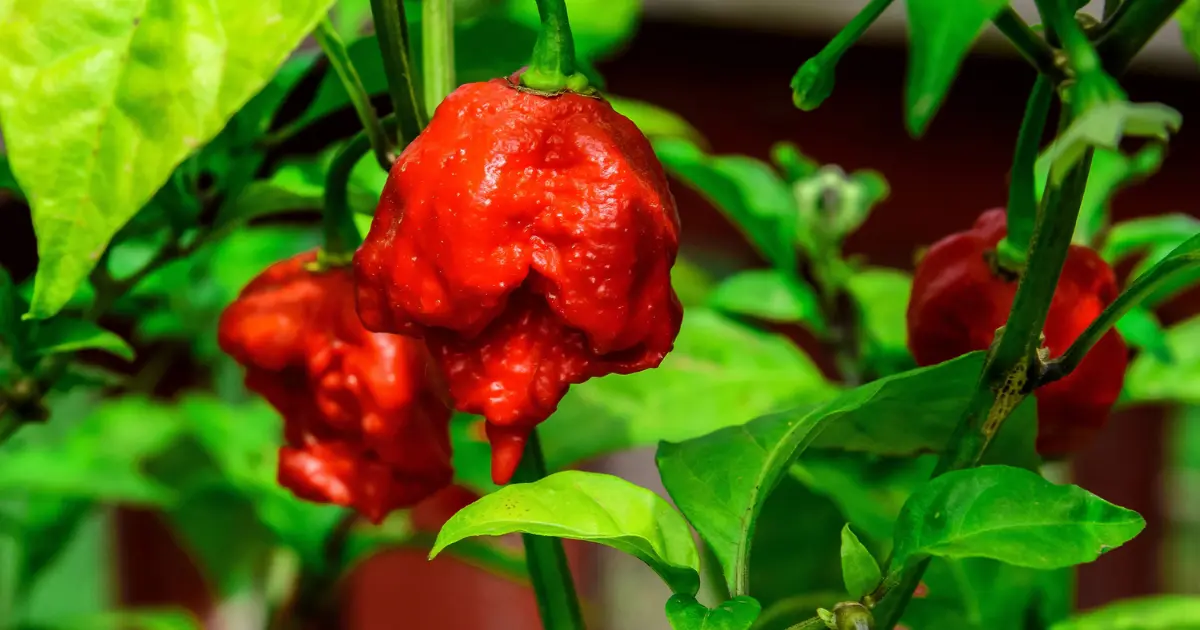
Growing Carolina Reaper Peppers in Pots: A Complete Guide for Beginners
If you’ve ever wanted to add some serious, record-breaking heat to your home cooking, you’ve [...]
May
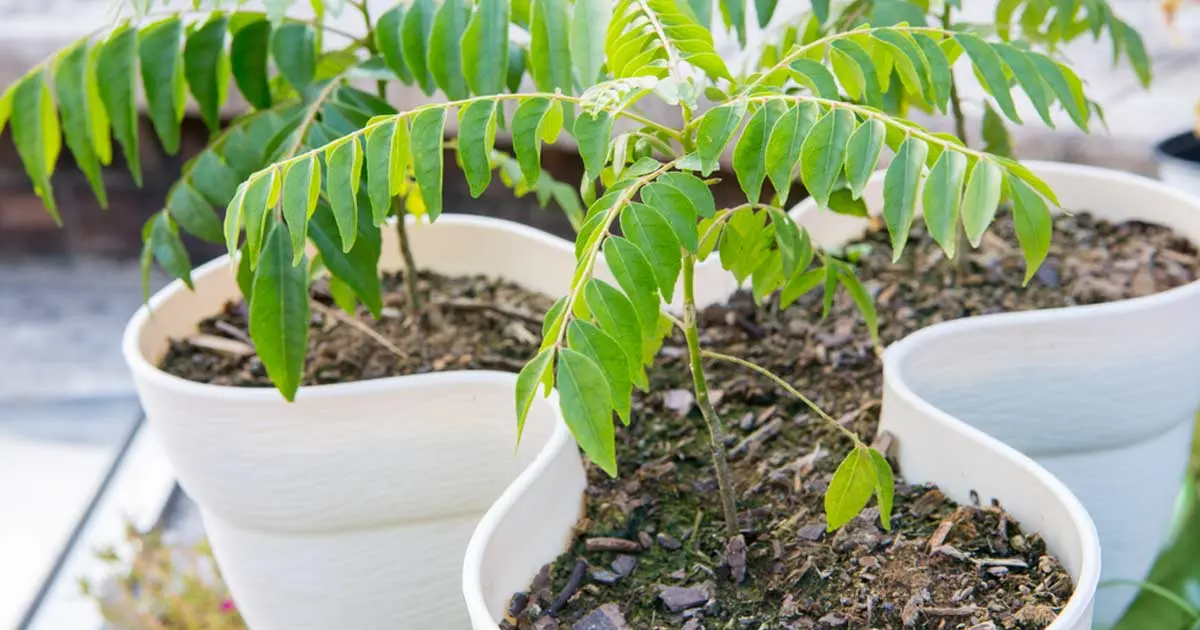
Growing Curry Leaf Plant in Pots: A Complete Guide for Beginners
If you’re a fan of authentic South Asian cuisine, you already know that nothing compares [...]
May
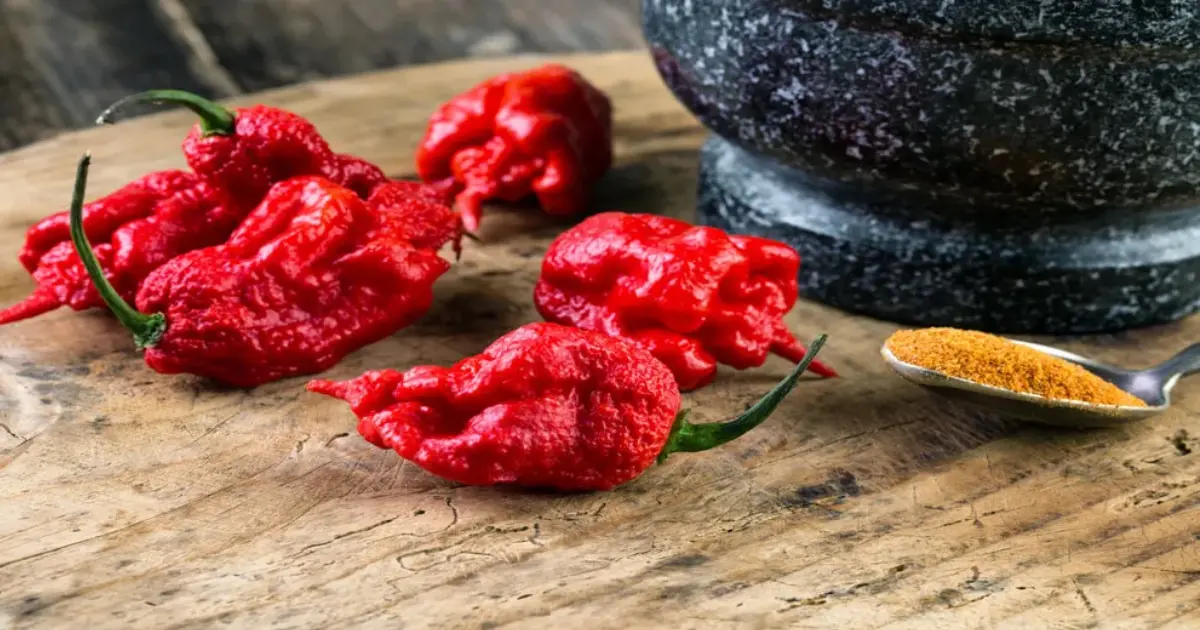
5 Tips for Growing Carolina Reaper Peppers to Get the Spiciest Harvest Ever
Holding the record for one of the world’s hottest peppers, the Reaper isn’t just a [...]
May
Reviews
There are no reviews yet.