
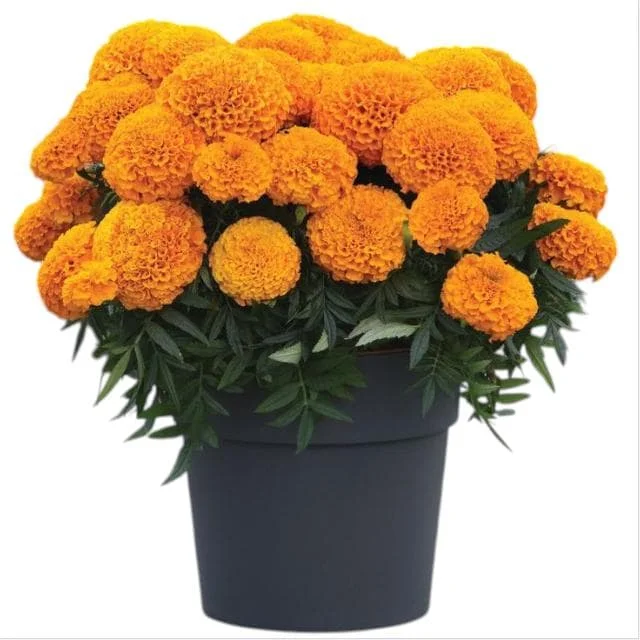
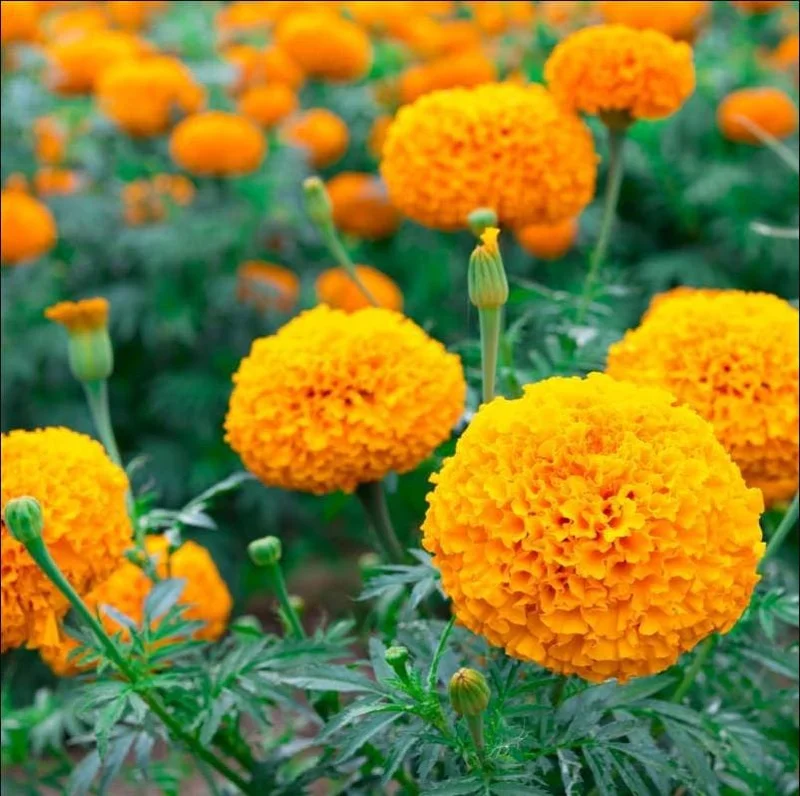
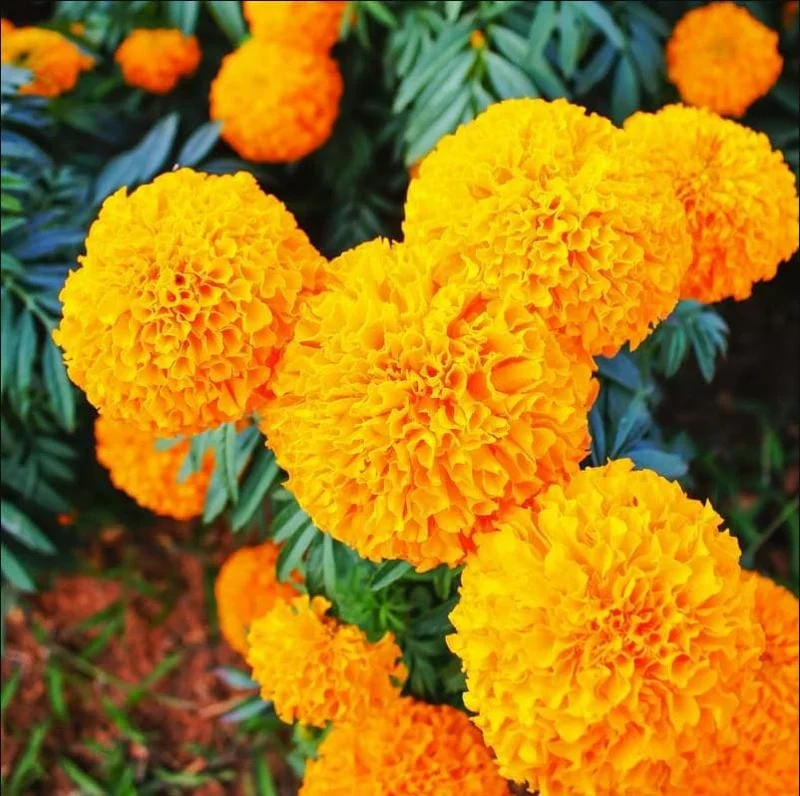
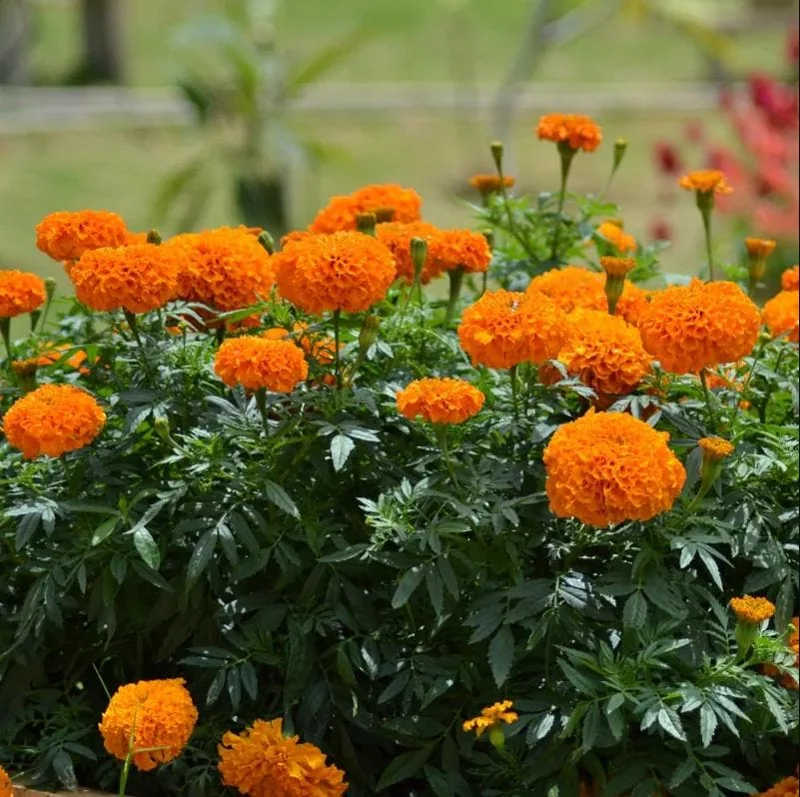
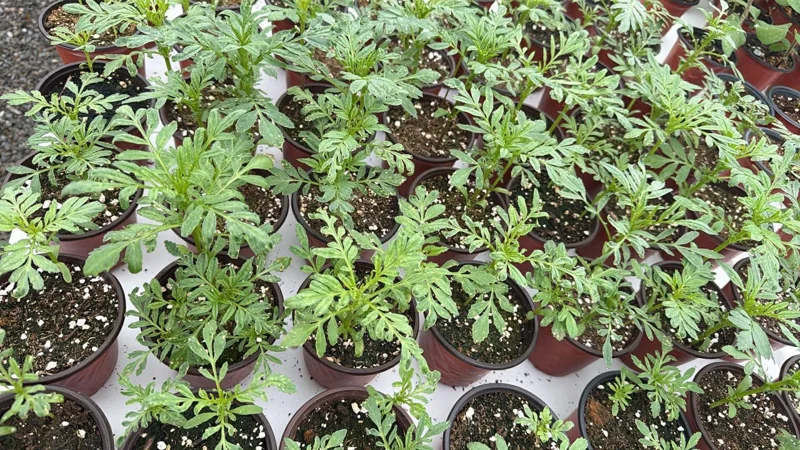
African Marigold Orange Live Plants, 3-5 Inches Tall, 3 Plants per Pot, Outdoor
Original price was: $48.99.$28.99Current price is: $28.99.
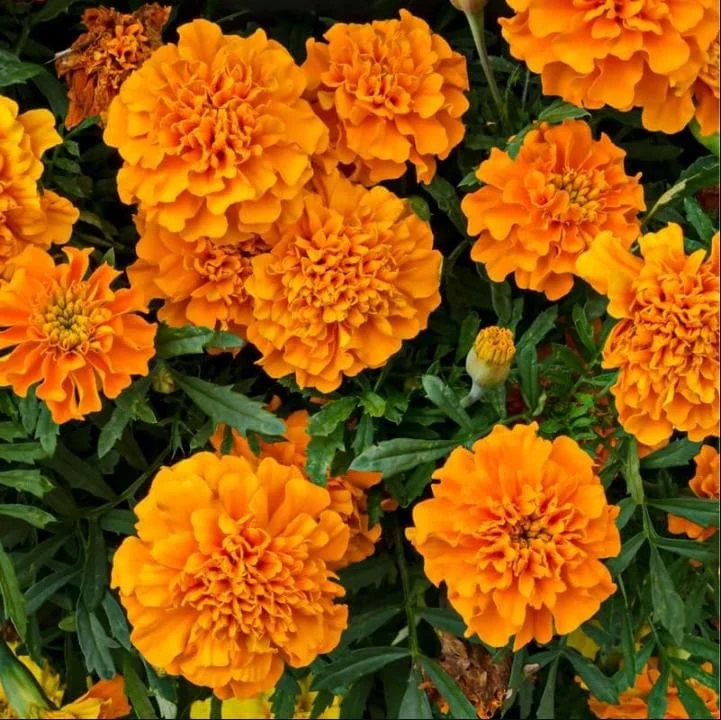
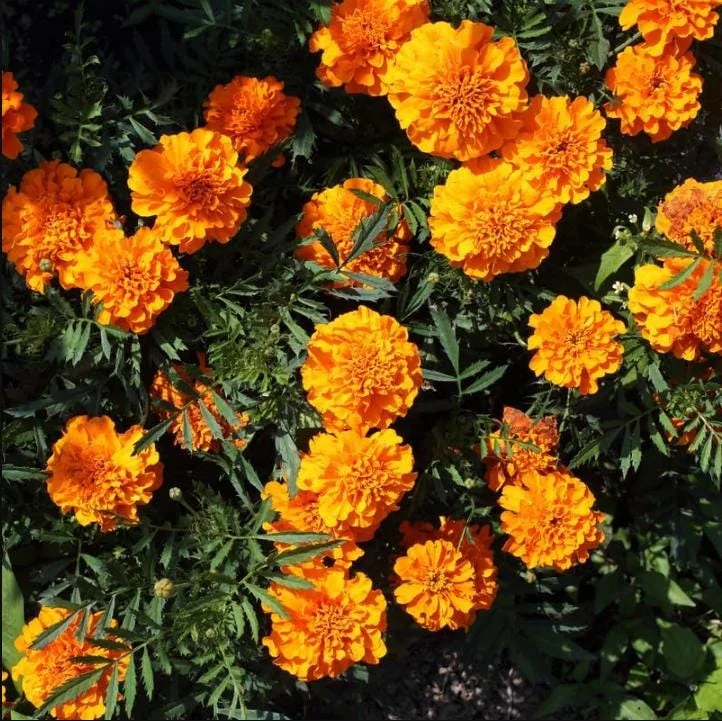
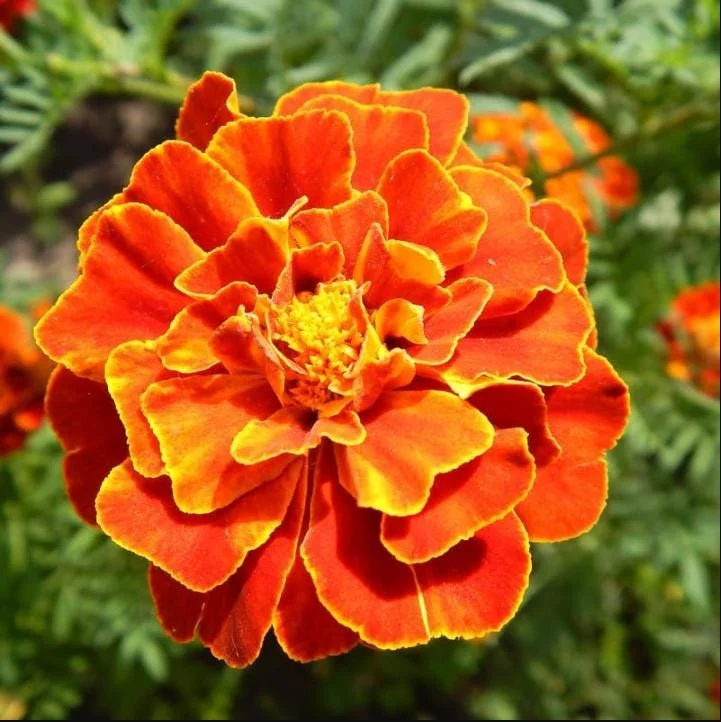
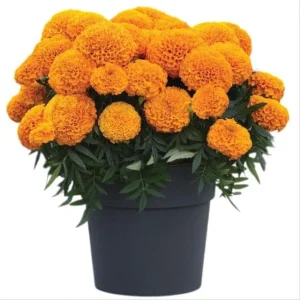
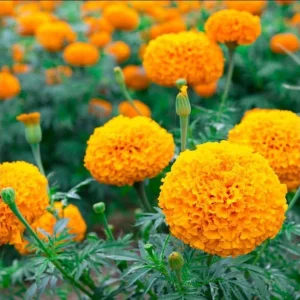
Add a splash of vibrant color to your garden with this African Marigold Orange live plant. These 3-5 inch tall, garden-ready plants are perfect for beds and borders, offering beautiful Orange Marigold flowers that attract pollinators and deter pests. Easy to grow and maintain.
Out of stock
Estimated arrival
Oct 22
Oct 27 - Oct 29
Nov 01 - Nov 05

Reasonable Price
We offer reasonable price

Support 24/7
Contact us 24 hrs a day

100% Money Back
You've 30 days to Return

Payment Secure
100% secure payment
Overview
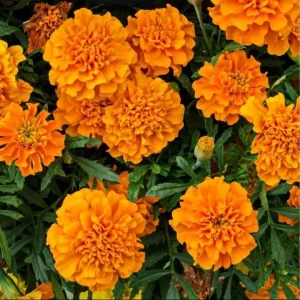
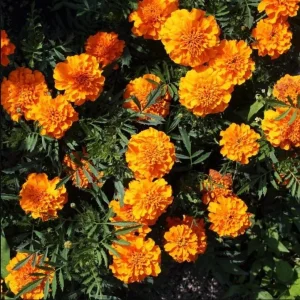
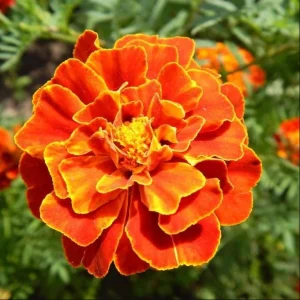
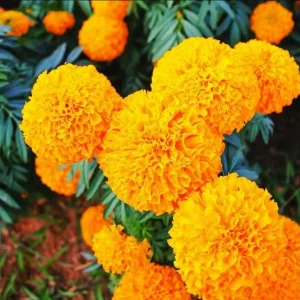
Introduce a burst of sunshine into your garden with our exquisite African Marigold Orange live plant. Known botanically as Tagetes erecta, these stunning annual flowers are celebrated for their large, globe-shaped, vibrant orange blooms that stand tall and proud, creating an impressive display in any landscape. Often referred to as Aztec Marigolds, these plants are not just ornamental; they are a fantastic addition to any garden for their ability to attract beneficial pollinators like bees and butterflies, while also acting as natural pest deterrents. Our African Marigold Orange live plant specimens are meticulously grown to ensure they arrive healthy, robust, and ready to thrive in your outdoor spaces, bringing joy and color from spring to fall.
These beautiful Orange Marigold flowers are a classic choice for gardeners seeking both beauty and utility. Whether you’re looking to fill flower beds, create striking borders, or simply enjoy fresh cut flowers indoors, the African Marigold delivers. Their vigorous growth and prolific blooming habit make them a rewarding plant for gardeners of all experience levels. With proper care, these plants will continuously produce their cheerful blooms, brightening up your garden and home throughout the growing season.
Key Benefits
Cultivating the African Marigold Orange live plant offers a multitude of advantages beyond their undeniable beauty. These plants are a versatile and beneficial addition to diverse garden settings, enhancing both aesthetics and ecological balance.
- Vibrant Ornamental Appeal: The large, brilliant Orange Marigold flowers provide a striking visual impact, creating focal points and adding warmth to garden beds, containers, and borders. Their cheerful color is a classic sign of summer.
- Attracts Pollinators: These marigolds are a favorite among bees, butterflies, and other beneficial insects, making them an excellent choice for supporting local ecosystems and improving garden biodiversity. They play a crucial role in garden health.
- Natural Pest Repellent: Known for their unique scent, African Marigolds can help deter common garden pests like nematodes, rabbits, and deer, protecting nearby vegetables and other ornamental plants without harsh chemicals. This makes them ideal for companion planting.
- Excellent Cut Flowers: The sturdy stems and long-lasting blooms make them perfect for cutting. A bouquet of fresh Orange Marigold flowers can brighten any indoor space and bring the garden’s beauty inside.
- Easy to Grow and Low Maintenance: These plants are incredibly forgiving and resilient, making them suitable for beginner gardeners. They require minimal attention once established, thriving with basic care. This ease of care makes growing African Marigolds a pleasure.
- Extended Bloom Season: With consistent deadheading, African Marigolds will continue to produce new blooms from late spring until the first frost, providing continuous color throughout the warmer months.
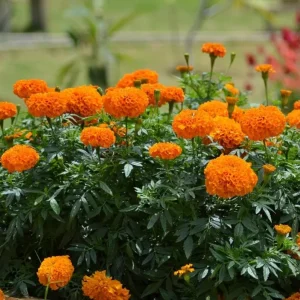
- Versatile Garden Use: Perfect for mass plantings, edging, mixed borders, or standalone container displays. Their upright habit and consistent bloom make them adaptable to various garden designs.
Plant Care & Growing Tips
Ensuring the health and vitality of your African Marigold Orange live plant is straightforward with a few key care practices. These resilient plants are quite forgiving, but providing optimal conditions will result in the most spectacular blooms. Understanding the specific needs of Tagetes erecta is crucial for successful cultivation and enjoying continuous vibrant displays.
Sunlight Requirements: African Marigolds are sun-loving plants. They require full sun, which means at least 6 to 8+ hours of direct sunlight daily, to produce their most abundant and vibrant blooms. Insufficient light can lead to leggy growth and fewer flowers. When planting, choose a location in your garden that receives ample direct sunlight throughout the day. For optimal growth and flowering, ensure they are not overshadowed by taller plants or structures.
Watering: While African Marigolds are somewhat drought-tolerant once established, they perform best with regular watering. Water thoroughly when the top inch or two of soil feels dry to the touch. It’s important to allow the soil to dry slightly between waterings to prevent root rot, as they do not like consistently soggy conditions. Avoid overhead watering, especially in the evening, to minimize the risk of fungal diseases. Consistent moisture is key during their active growing and blooming phases.
Soil Type and Drainage: These plants prefer well-drained, moderately fertile soil. They can tolerate a range of soil types, including poorer soils, but will flourish and produce more prolific blooms in soil enriched with organic matter. Good drainage is paramount; heavy, waterlogged soils can quickly lead to root problems. If your soil is heavy clay, amend it with compost or sand to improve drainage and aeration. The ideal soil pH for growing African Marigolds is slightly acidic to neutral (6.0-7.0).
Temperature and Hardiness: African Marigolds thrive in warm weather and are sensitive to frost. They are typically grown as annuals in most climates, planted after all danger of frost has passed in spring. They will continue to bloom until the first hard frost in the fall. For optimal growth, temperatures between 70-85°F (21-29°C) are ideal. In USDA zones where frost is not a concern, they can be grown for longer periods. Protecting them from unexpected cold snaps is essential for prolonged bloom. This attention to climate ensures healthy Tagetes erecta care.
Fertilization: While marigolds are not heavy feeders, a balanced all-purpose fertilizer applied once or twice during the growing season can promote more vigorous growth and flowering. Avoid fertilizers high in nitrogen, as this can encourage leafy growth at the expense of blooms. A slow-release granular fertilizer or a diluted liquid feed applied every few weeks is generally sufficient. Over-fertilization can harm the plant.
Pest and Disease Management: African Marigolds are generally robust and often deter pests, but they can occasionally encounter issues. Watch for spider mites in hot, dry conditions and powdery mildew in humid environments. Ensure good air circulation and avoid overcrowding to prevent fungal problems. Neem oil or insecticidal soap can be used for pest control if necessary. Deadheading spent Orange Marigold flowers regularly will encourage new blooms and maintain a tidy appearance, also preventing seed formation which can divert energy from flowering.
Size & Details
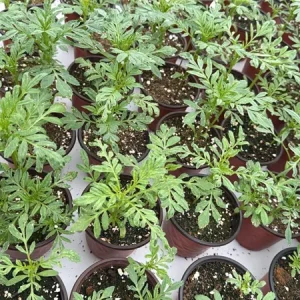
Our African Marigold Orange live plant specimens arrive garden-ready, typically standing 3 to 5 inches tall, providing a significant head start for your garden. Each pot contains 3 individual plants, ensuring a fuller, more impactful display upon planting. These robust plants are cultivated to establish quickly in your garden beds or containers, offering immediate visual appeal. Expect these marigolds to reach a mature height of 18-36 inches and a spread of 12-24 inches, forming bushy, upright plants covered in their signature vibrant orange blooms.
They are shipped in a secure nursery pot with established root systems, ready for transplanting. With a moderate to fast growth rate, you can anticipate seeing abundant Orange Marigold flowers from late spring or early summer, continuing until the first hard frost of autumn. This long blooming period ensures a continuous splash of color throughout the warmer months. These are annual plants, meaning they complete their life cycle within one growing season, providing a spectacular seasonal show. Understanding their mature size helps in proper placement when growing African Marigolds in your landscape.
Frequently Asked Questions
- Q: How big does this African Marigold Orange live plant get? A: These plants typically grow to a mature height of 18-36 inches (45-90 cm) and can spread 12-24 inches (30-60 cm) wide, forming a bushy, upright plant. The initial plants you receive will be 3-5 inches tall.
- Q: Is this an indoor or outdoor plant? A: African Marigolds are primarily grown as outdoor annuals. They thrive in full sun and warm temperatures, making them ideal for garden beds, borders, and outdoor containers. They are not typically grown as indoor houseplants due to their high light requirements.
- Q: How much sunlight does it need? A: For the best growth and most abundant Orange Marigold flowers, these plants require full sun, meaning at least 6-8 hours of direct sunlight per day. Less sun can result in leggy plants and fewer blooms.
- Q: Is this plant easy to care for? A: Yes, African Marigolds are considered very easy to care for, making them an excellent choice for beginners and experienced gardeners alike. They are quite resilient and forgiving, requiring basic care to flourish. This makes growing African Marigolds a rewarding experience.
- Q: What condition will it arrive in? A: Your African Marigold Orange live plant will arrive as 3 healthy, actively growing plants in a single nursery pot, approximately 3-5 inches tall, with an established root system, ready for planting. We pack them carefully to ensure safe transit.
- Q: When is the best time to plant African Marigolds? A: The best time to plant African Marigolds outdoors is in the spring, after all danger of frost has passed in your area. They thrive in warm soil and warm weather.
- Q: Will these plants attract pollinators? A: Absolutely! African Marigolds are well-known for attracting beneficial pollinators such as bees and butterflies to the garden, contributing to a healthy ecosystem. This is a key benefit of pollinator friendly plants.
- Q: Do these plants deter pests? A: Yes, African Marigolds, specifically Tagetes erecta, are known for their ability to deter certain garden pests, including nematodes and some insects, due to compounds released from their roots and foliage.
- Q: How often should I water my African Marigold? A: Water regularly, especially during dry spells, allowing the top inch or two of soil to dry out slightly between waterings. Avoid overwatering, as consistent soggy soil can lead to root rot.
- Q: What type of soil is best for Tagetes erecta care? A: They prefer well-drained, moderately fertile soil. Amending heavy clay soils with organic matter can improve drainage and provide a better growing environment for these plants.
Be the first to review “African Marigold Orange Live Plants, 3-5 Inches Tall, 3 Plants per Pot, Outdoor”
-
USDA Hardiness Zone
Annual in most zones (Thrives in warm weather) -
Soil Type
Well-draining, moderately fertile soil -
Sunlight Exposure
Full sun (6–8+ hours daily) -
Expected Planting Period
Spring to fall
People Also Viewd


Sold 134 products
Original price was: $3,536.00.$23.99Current price is: $23.99.

Sold 132 products
Original price was: $27.00.$24.00Current price is: $24.00.

Sold 132 products
Original price was: $89.99.$64.99Current price is: $64.99.

Sold 125 products
Original price was: $86.99.$66.99Current price is: $66.99.

Flower Bulbs
3 Cranesbill Wild Geranium Organic Maculatums Bare Roots | Wildflower for Outdoor Garden
Sold 116 products
Original price was: $21.99.$9.99Current price is: $9.99.

Sold 114 products
Original price was: $28.99.$17.99Current price is: $17.99.

Sold 110 products
Original price was: $63.99.$28.99Current price is: $28.99.
Sold 108 products
Original price was: $28.99.$17.99Current price is: $17.99.RELATED posts
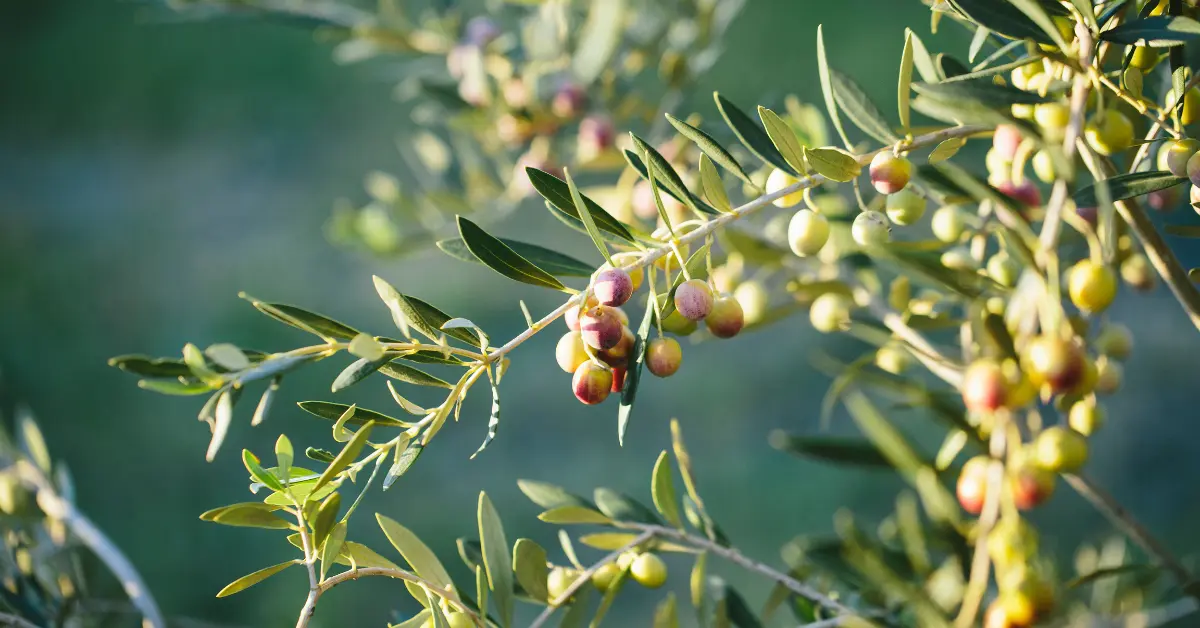
How to Grow Arbequina Olive Trees: The Ultimate Guide to Your Own Olive Grove
Arbequina Olive Tree (Olea europaea ‘Arbequina’) – the ultimate Mediterranean plant that brings a touch [...]
Oct
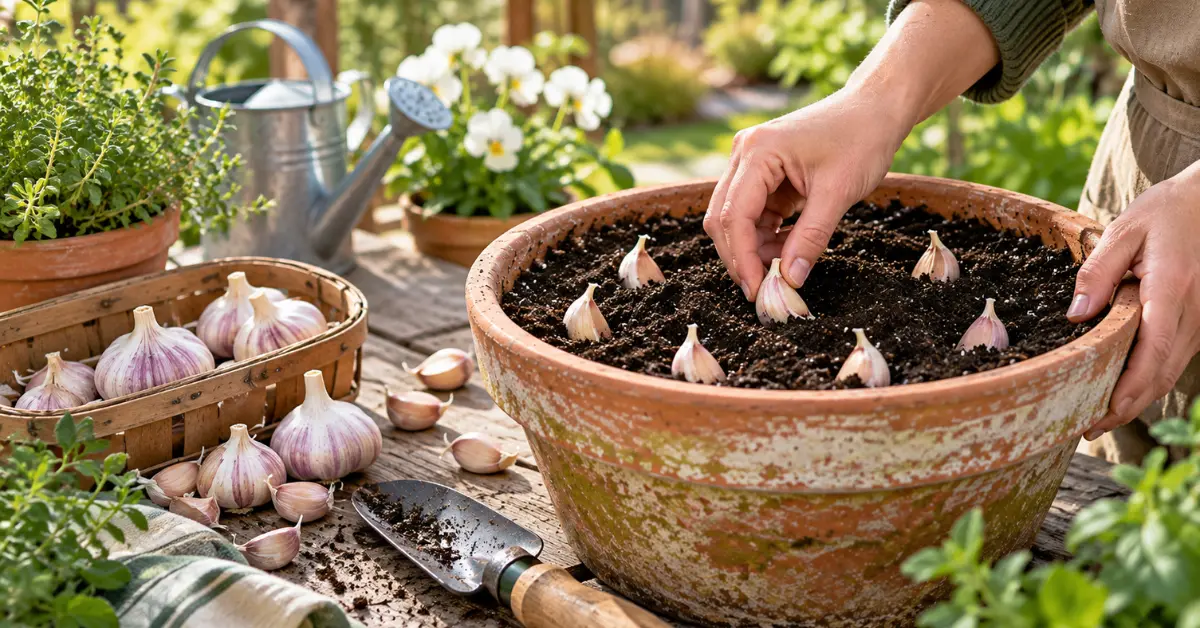
Growing Garlic in Containers This Fall: A Complete Guide for Beginners
If you’ve ever wanted to pop fresh, aromatic garlic cloves straight from your own patio [...]
Sep
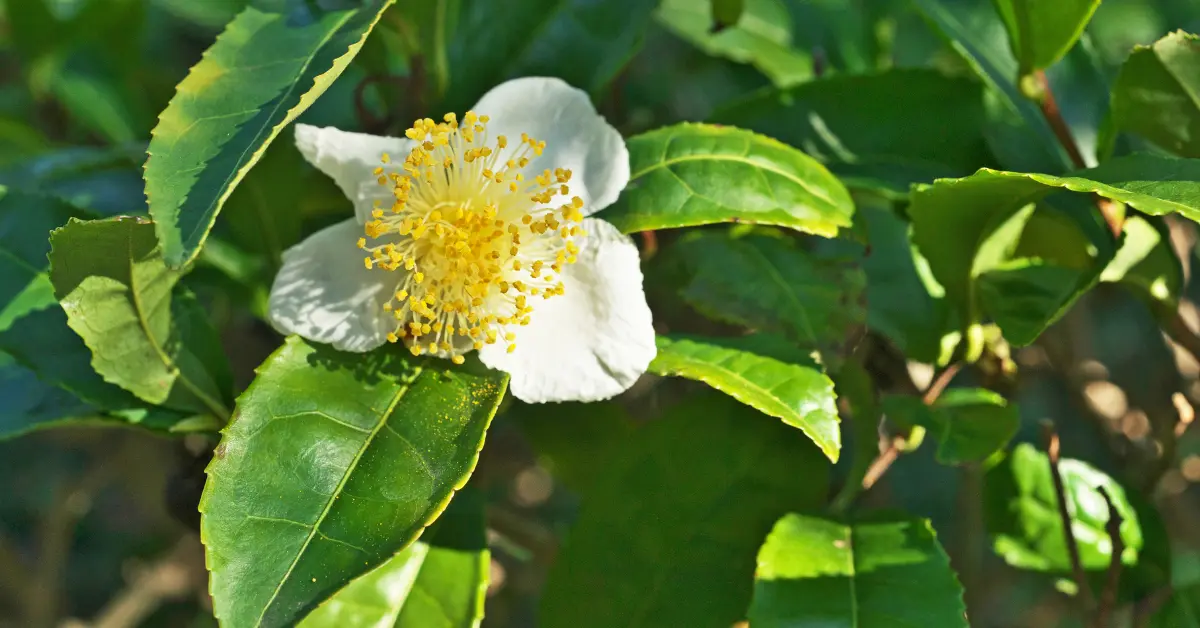
Growing Camellia Sinensis (Tea Plants) in Containers: A Complete Guide for Beginners
If you’ve ever wanted to sip a steaming, homegrown cup of fresh green, black, or [...]
Aug
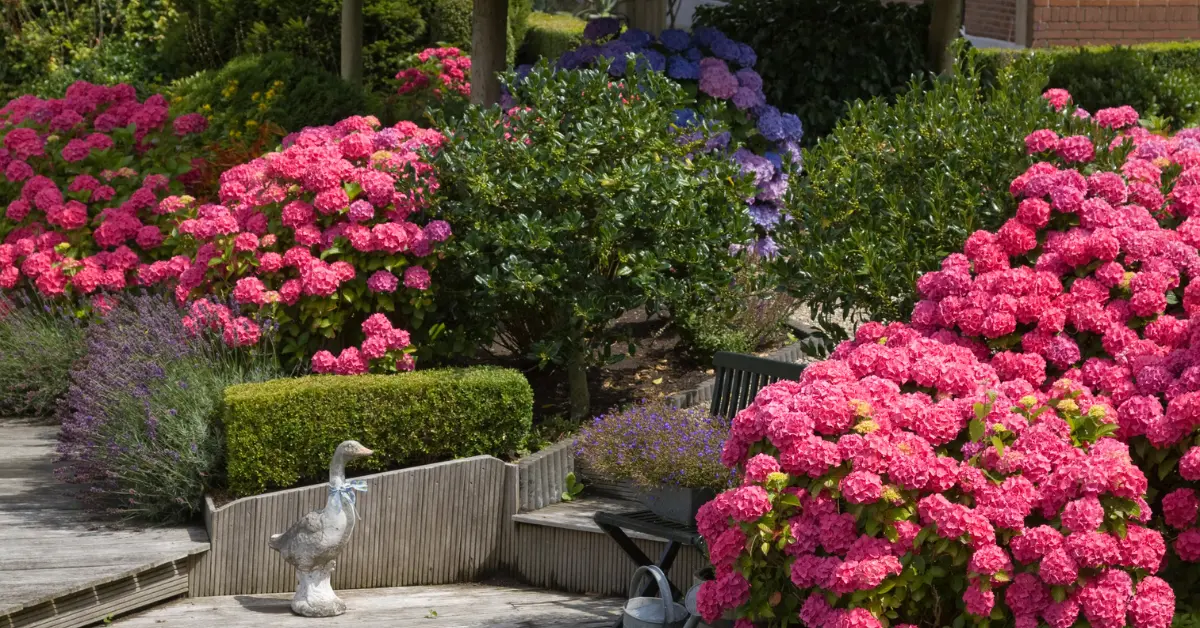
6 Best Shrubs to Plant in August You Must Try
Have you ever walked through a nursery late in the summer, admired the vibrant shrubs [...]
Aug
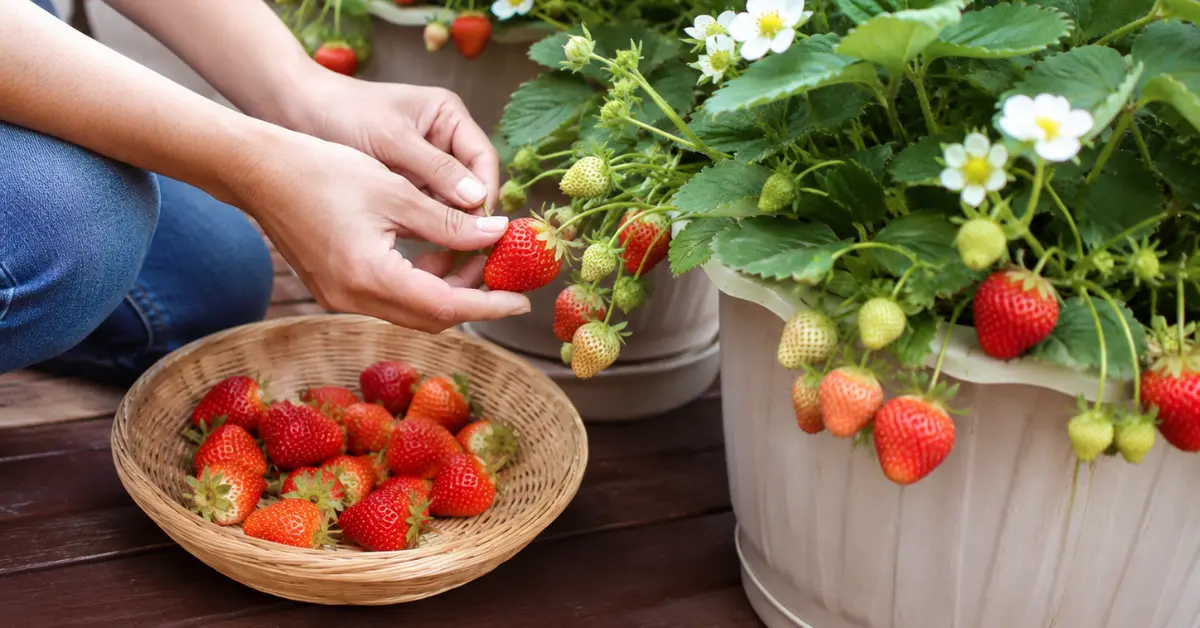
Growing Everbearing Strawberries in Containers: A Complete Guide for Beginners
Want to grow sweet, fresh strawberries but do not have a large garden? Everbearing strawberries [...]
Aug
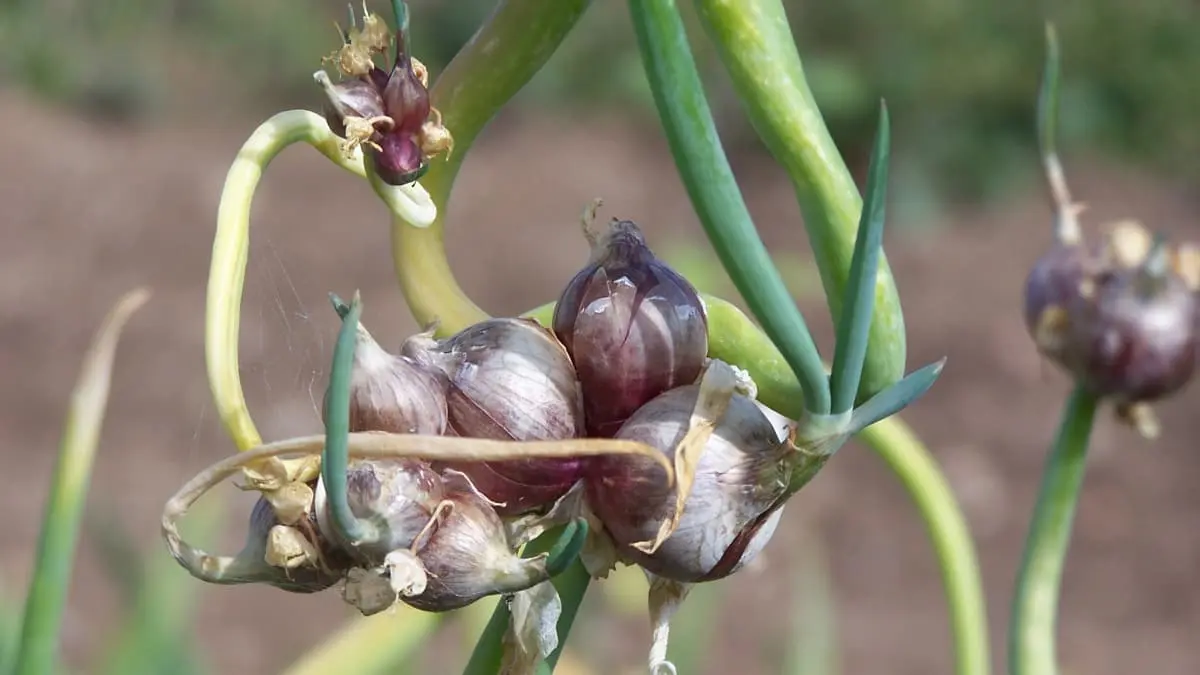
Growing Egyptian Walking Onions in Containers: A Complete Guide for Beginners
If you’re looking for a hardy, no-fuss perennial onion that keeps on giving year after [...]
Jul
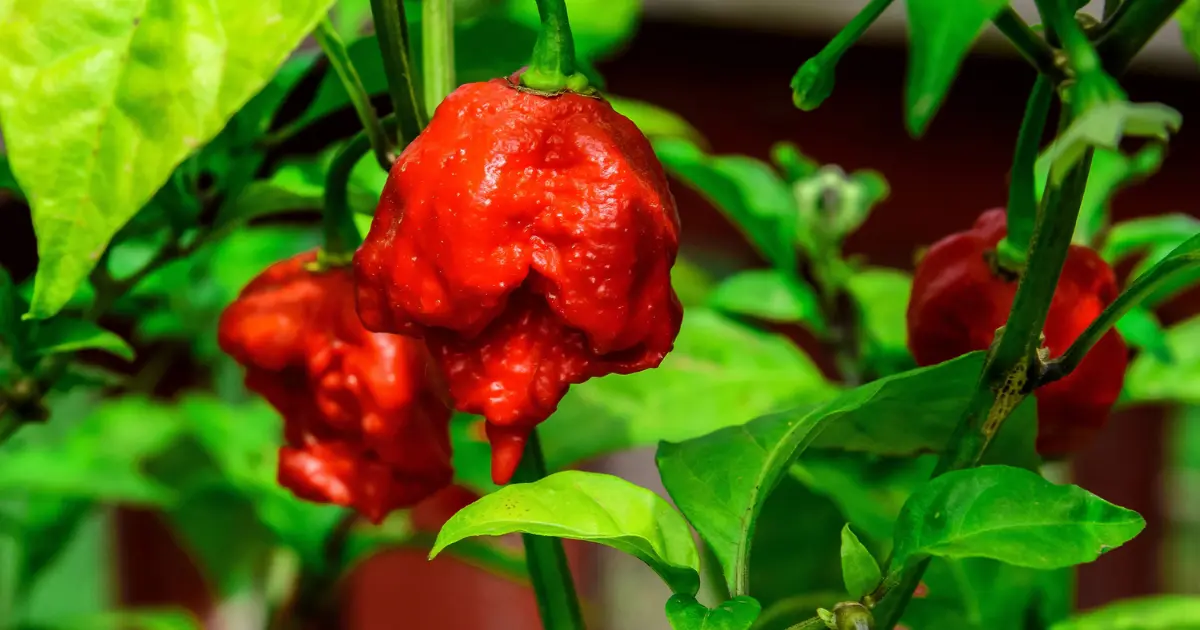
Growing Carolina Reaper Peppers in Pots: A Complete Guide for Beginners
If you’ve ever wanted to add some serious, record-breaking heat to your home cooking, you’ve [...]
May
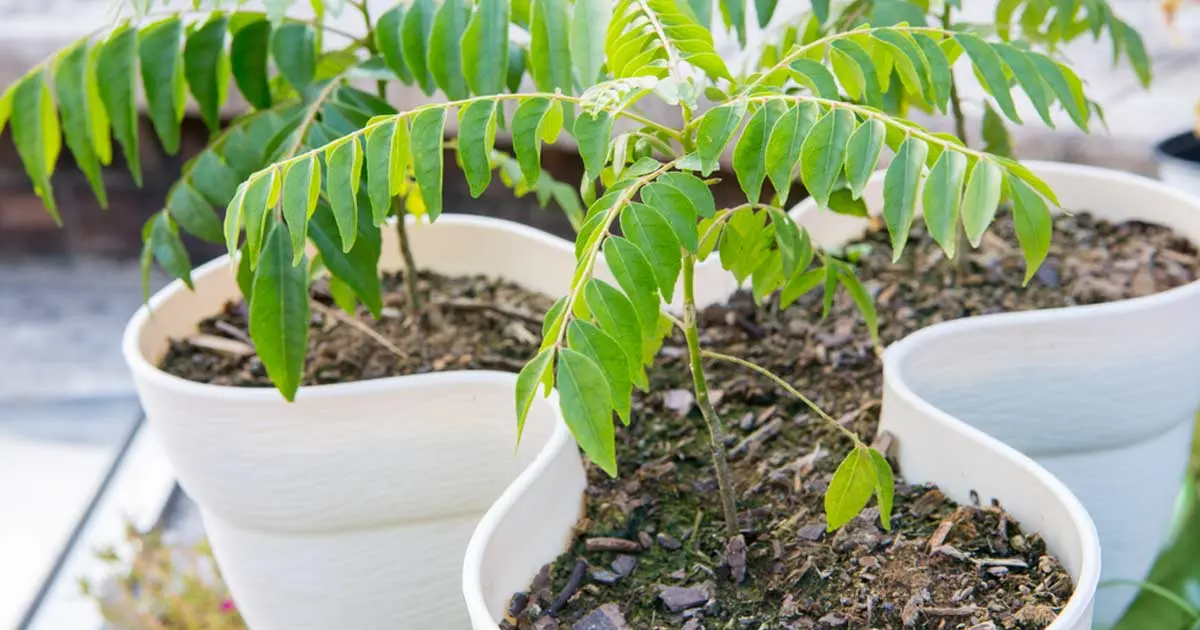
Growing Curry Leaf Plant in Pots: A Complete Guide for Beginners
If you’re a fan of authentic South Asian cuisine, you already know that nothing compares [...]
May


Reviews
There are no reviews yet.