
Fishbone Cactus Live Plant in 4 Inch Pot – 4-7 Inches Tall Epiphyllum Succulent for Hanging Baskets
Original price was: $69.99.$34.99Current price is: $34.99.
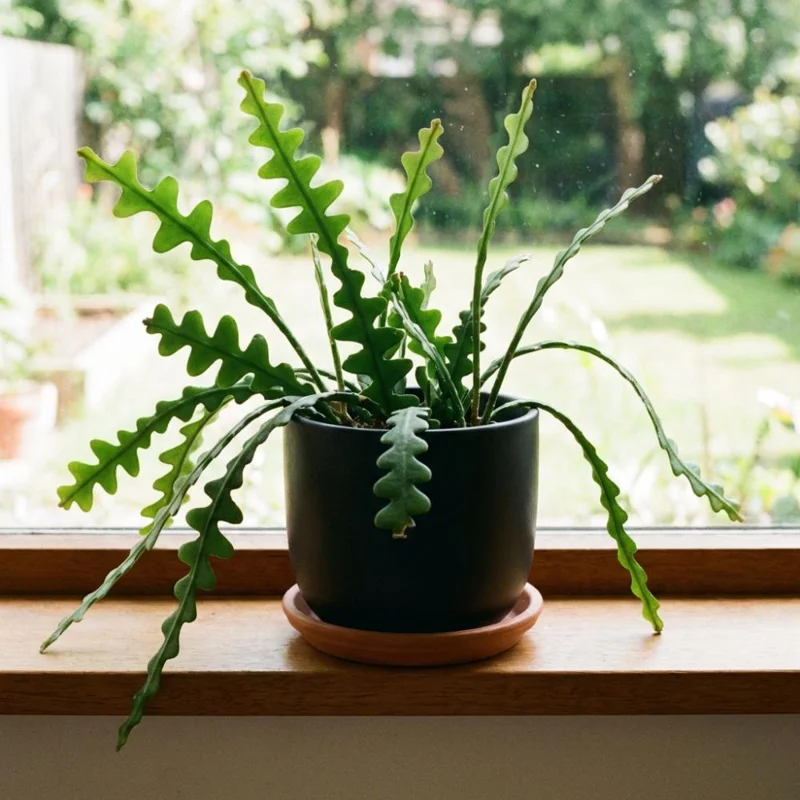
Add a touch of unique greenery to your home with the fishbone cactus live plant. This distinctive succulent, also known as epiphyllum anguliger or ric rac cactus, features striking zig-zag stems perfect for hanging baskets. Arriving 4-7 inches tall in a 4-inch pot, it’s an ideal indoor plant for bright, indirect light.
Estimated arrival
Sep 25
Sep 30 - Oct 02
Oct 05 - Oct 09

Reasonable Price
We offer reasonable price

Support 24/7
Contact us 24 hrs a day

100% Money Back
You've 30 days to Return

Payment Secure
100% secure payment
Overview
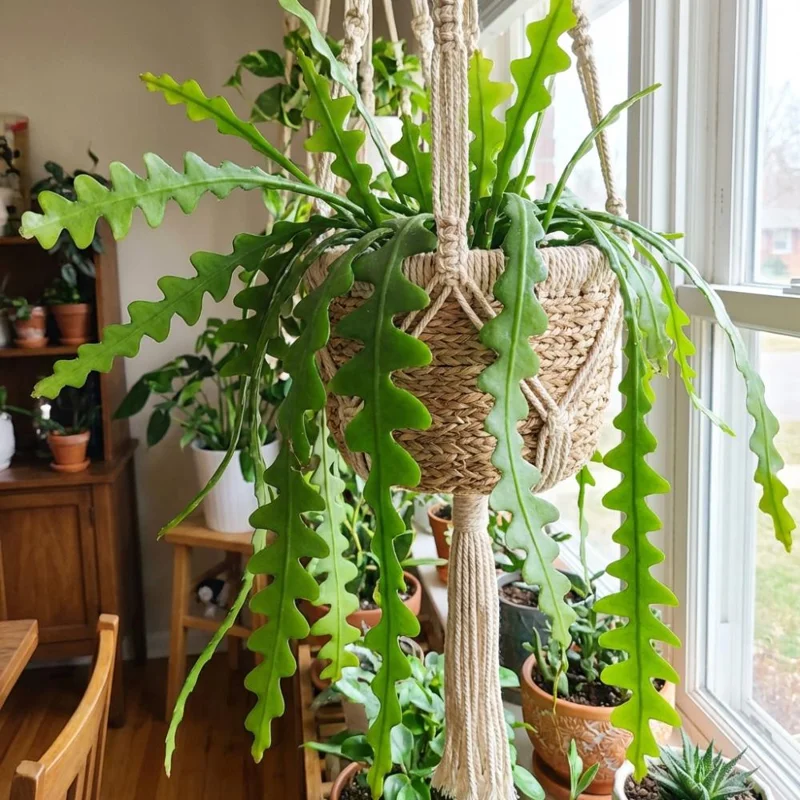
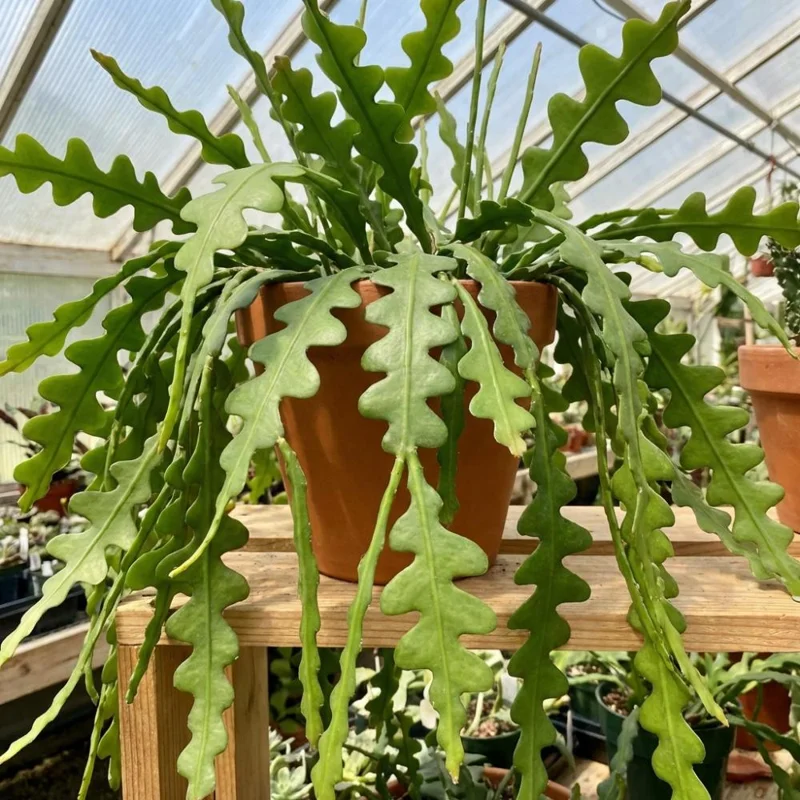
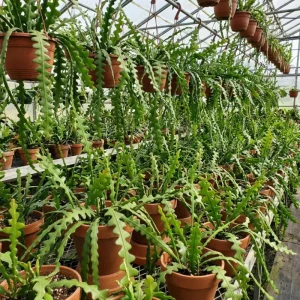
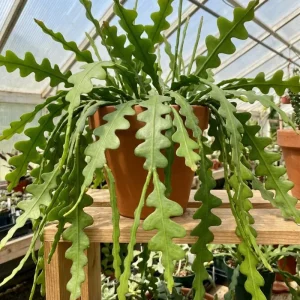
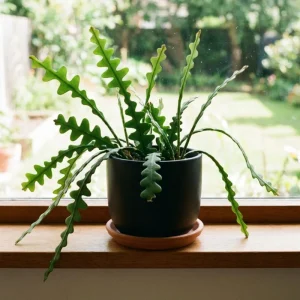
Introduce an exotic flair to your indoor garden with the captivating fishbone cactus live plant. Known for its distinctive, deeply lobed stems that resemble a fish’s skeleton, this unique succulent is a true conversation starter. Also commonly referred to as Epiphyllum anguliger, Ric Rac Cactus, or Zig Zag Cactus, this epiphytic plant is native to the rainforests of Mexico, where it grows on trees and rocks rather than in soil. Our live plant arrives healthy and ready to thrive in your home, typically measuring 4 to 7 inches tall and nestled in a convenient 4-inch nursery pot. Its vibrant green foliage and unusual growth habit make it an excellent choice for hanging baskets, allowing its dramatic stems to cascade beautifully. The fishbone cactus live plant is surprisingly low-maintenance, making it suitable for both experienced plant enthusiasts and beginners looking for something extraordinary.
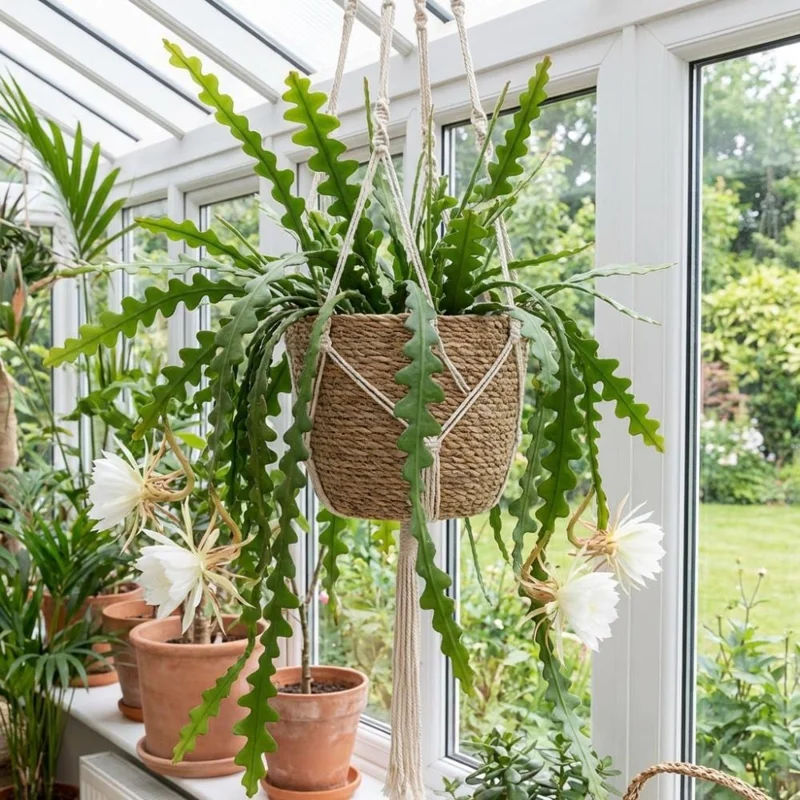
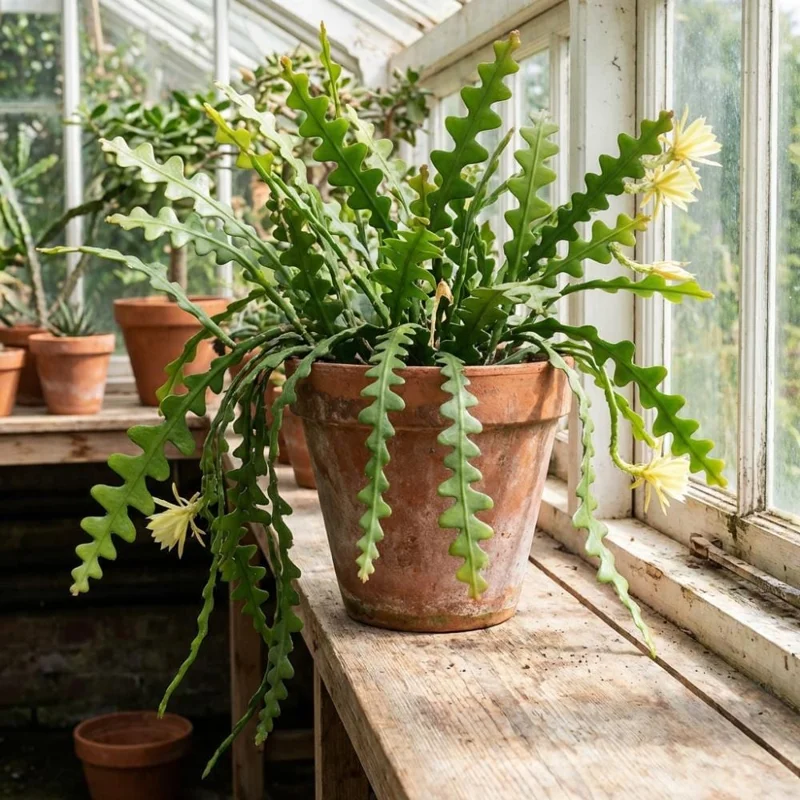
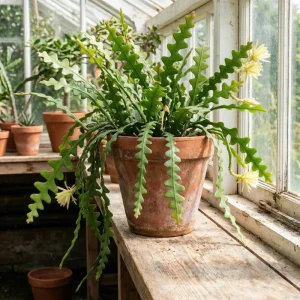
The Epiphyllum anguliger is cherished not only for its striking appearance but also for its relatively easy care requirements. Unlike desert cacti, this jungle cactus prefers a more humid environment and indirect light, mimicking its natural habitat. Its smooth, flat stems are vibrant green, adding a refreshing pop of color to any space. When mature, it can produce stunning, fragrant white or yellow flowers that bloom at night, though these are typically only seen after several years of optimal care. Whether you’re enhancing your existing plant collection or starting a new one, the fishbone cactus live plant offers a unique aesthetic and rewarding growing experience.
Key Benefits
The fishbone cactus live plant offers numerous advantages, making it a fantastic addition to any home or office environment. Its unique appearance and straightforward care are just the beginning of its appeal:
- Striking Ornamental Value: The most apparent benefit is its highly unusual and attractive foliage. The zig-zag pattern of its stems creates a dynamic visual interest, making it a focal point in any room. Perfect for adding architectural beauty to your plant display.
- Low Maintenance: This succulent is forgiving and requires minimal attention once its basic needs are met. It’s an excellent choice for busy individuals or those new to plant care, as it doesn’t demand constant watering or specific feeding schedules. Understanding fishbone cactus care is simple and rewarding.
- Adapts Well to Indoor Environments: Unlike many plants that struggle indoors, the epiphyllum anguliger thrives in typical household conditions, provided it receives adequate indirect light and appropriate watering. It’s a natural fit for bright living rooms, offices, or bathrooms.
- Air Purifying Qualities: Like many houseplants, the ric rac cactus can contribute to improved indoor air quality by absorbing certain toxins and releasing oxygen, promoting a healthier living space.
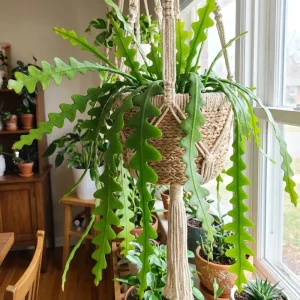
- Perfect for Hanging Baskets: Its naturally trailing growth habit makes it an ideal candidate for hanging planters, allowing its unique stems to elegantly drape downwards and create a lush, living curtain.
- Unique Flowering Potential: While not its primary feature, mature plants can produce beautiful, night-blooming flowers, adding an element of surprise and delight to your plant journey.
- Pet-Friendly Option: Generally considered non-toxic to pets, making it a safer choice for households with curious cats and dogs, though ingestion of any plant material should be discouraged.
Plant Care & Growing Tips
Caring for your fishbone cactus live plant is relatively easy, especially when you understand its specific needs as a jungle cactus. Unlike desert cacti, it appreciates more humidity and indirect light. Place your plant in a location that receives bright, indirect sunlight. East or north-facing windows are often ideal, or a spot a few feet away from a south or west-facing window. Direct, harsh sunlight can scorch its delicate stems, causing them to yellow or turn reddish. If grown outdoors in USDA Zones 10-11, ensure it’s in a shaded area, perhaps under a tree canopy, to mimic its natural habitat. Understanding proper fishbone cactus care is key to its longevity.
Watering is crucial for the epiphyllum anguliger. Allow the top inch or two of soil to dry out completely between waterings, then water thoroughly until water drains from the bottom of the pot. During its active growing season (spring and summer), it will require more frequent watering, while in winter, reduce watering significantly. Overwatering is a common mistake and can lead to root rot, so always check the soil moisture before watering. Use a well-draining potting mix, preferably one formulated for succulents or cacti, or a mix of standard potting soil with perlite and orchid bark to ensure excellent drainage and aeration. The ric rac cactus thrives in slightly humid conditions, so occasional misting or placing it near a humidifier can be beneficial, especially in dry indoor environments. Fertilize sparingly with a balanced liquid fertilizer diluted to half strength during the spring and summer months, about once every 2-4 weeks.
The zig zag cactus is generally pest-resistant but keep an eye out for common houseplant pests like mealybugs or spider mites, especially if humidity is low. Treat any infestations promptly with insecticidal soap. Pruning is usually not necessary but can be done to maintain shape or propagate new plants from stem cuttings. Ensure your plant has good air circulation to prevent fungal issues. With proper fishbone cactus care, your plant will flourish and bring unique beauty to your home for many years.
Size & Details
This order includes one healthy fishbone cactus live plant, which typically measures between 4 to 7 inches in height upon arrival. It comes pre-potted in a standard 4-inch nursery container, providing a stable and ready-to-display solution. The plant’s unique, flat, and deeply lobed stems will begin to cascade as it matures, making it an excellent choice for hanging baskets or elevated shelves. The growth rate of the epiphyllum anguliger is moderate, and with optimal conditions, it can grow quite long, producing a stunning display of green, wavy foliage. While the plant arrives in a nursery pot, you may wish to repot it into a decorative container of your choice, ensuring it has adequate drainage holes. Expect the plant to establish itself quickly in its new environment, with new growth appearing within a few weeks.
Frequently Asked Questions
- Q: How big does this plant get? A: The fishbone cactus live plant you receive will be 4-7 inches tall. With proper care, its stems can grow quite long, often several feet, making it ideal for a cascading effect in hanging baskets.
- Q: What size pot does it come in? A: This plant arrives in a 4-inch nursery pot, which is suitable for its initial growth. You can keep it in this pot for a while or repot it into a slightly larger decorative pot with good drainage.
- Q: Is this an indoor or outdoor plant? A: The ric rac cactus thrives as an indoor plant in most climates. It can be grown outdoors in warm regions, specifically USDA Hardiness Zones 10 through 11, provided it is in a shaded or partially shaded location.
- Q: How much sunlight does it need? A: The Epiphyllum anguliger prefers bright, indirect light. Avoid direct, harsh sunlight, which can scorch its leaves. An east or north-facing window is often ideal.
- Q: Is this plant easy to care for? A: Yes, the fishbone cactus live plant is considered relatively easy to care for, making it suitable for beginners. Its main requirements are bright indirect light, well-draining soil, and proper watering.
- Q: What condition will it arrive in? A: Your plant will arrive healthy and well-packaged in its 4-inch nursery pot, ready to be placed in its new home. We ensure careful packaging to minimize stress during transit.
- Q: Is it pet-safe? A: The zig zag cactus is generally considered non-toxic to pets. However, it’s always best to prevent pets from chewing on plants to avoid any potential stomach upset.
- Q: How often should I water my fishbone cactus? A: Water your fishbone cactus when the top 1-2 inches of soil feel dry to the touch. It’s better to underwater than overwater, as excessive moisture can lead to root rot. Adjust watering frequency based on light and humidity.
- Q: What kind of soil is best for fishbone cactus care? A: A well-draining soil mix is essential. A succulent or cactus potting mix is ideal, or you can amend regular potting soil with perlite or orchid bark for improved drainage.
- Q: Does Epiphyllum anguliger produce flowers? A: Yes, mature epiphyllum anguliger plants can produce beautiful, fragrant white or yellow flowers that typically bloom at night. This usually occurs after several years of optimal growth and care.
Be the first to review “Fishbone Cactus Live Plant in 4 Inch Pot – 4-7 Inches Tall Epiphyllum Succulent for Hanging Baskets”
-
USDA Hardiness Zone
USDA Zones 10-11 (Outdoor), All Zones (Indoor) -
Soil Type
Well-draining succulent/cactus potting mix -
Sunlight Exposure
Bright, indirect light -
Expected Planting Period
Year-round indoors
People Also Viewd
Sold 134 products
Original price was: $3,536.00.$23.99Current price is: $23.99.
Sold 131 products
Original price was: $27.00.$24.00Current price is: $24.00.
Sold 131 products
Original price was: $89.99.$64.99Current price is: $64.99.

Sold 125 products
Original price was: $86.99.$66.99Current price is: $66.99.
Flower Bulbs
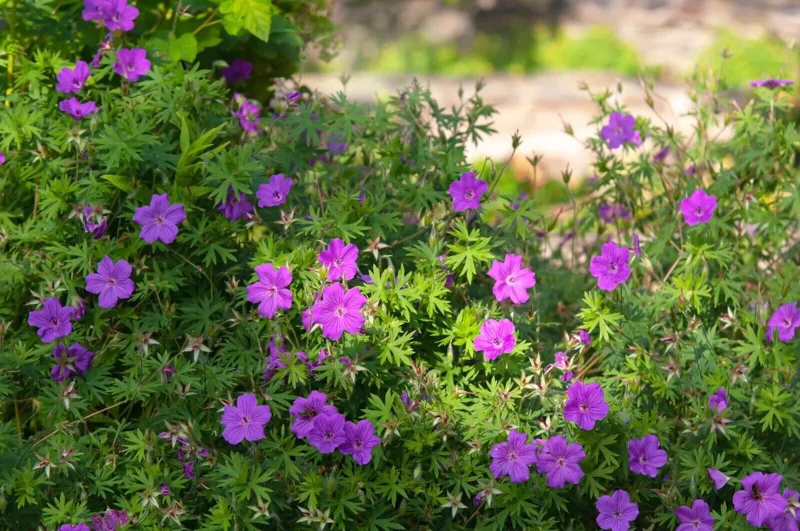
3 Cranesbill Wild Geranium Organic Maculatums Bare Roots | Wildflower for Outdoor Garden
Sold 116 products
Original price was: $21.99.$9.99Current price is: $9.99.
Sold 114 products
Original price was: $28.99.$17.99Current price is: $17.99.
Sold 110 products
Original price was: $63.99.$28.99Current price is: $28.99.
Sold 108 products
Original price was: $28.99.$17.99Current price is: $17.99.RELATED posts
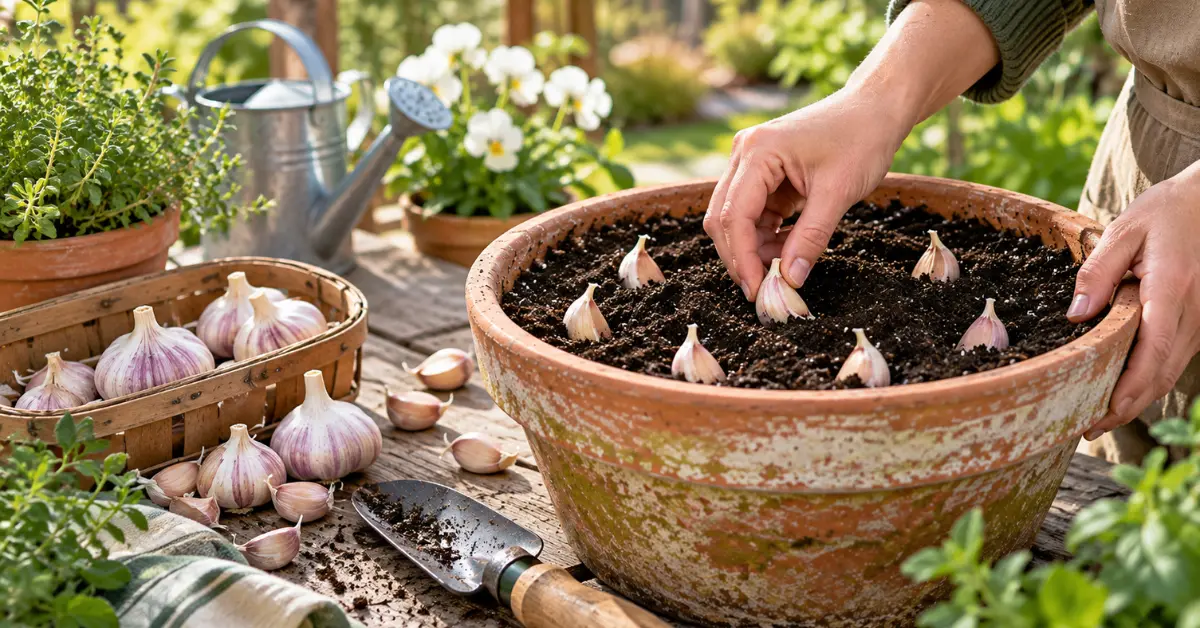
Growing Garlic in Containers This Fall: A Complete Guide for Beginners
If you’ve ever wanted to pop fresh, aromatic garlic cloves straight from your own patio [...]
Sep
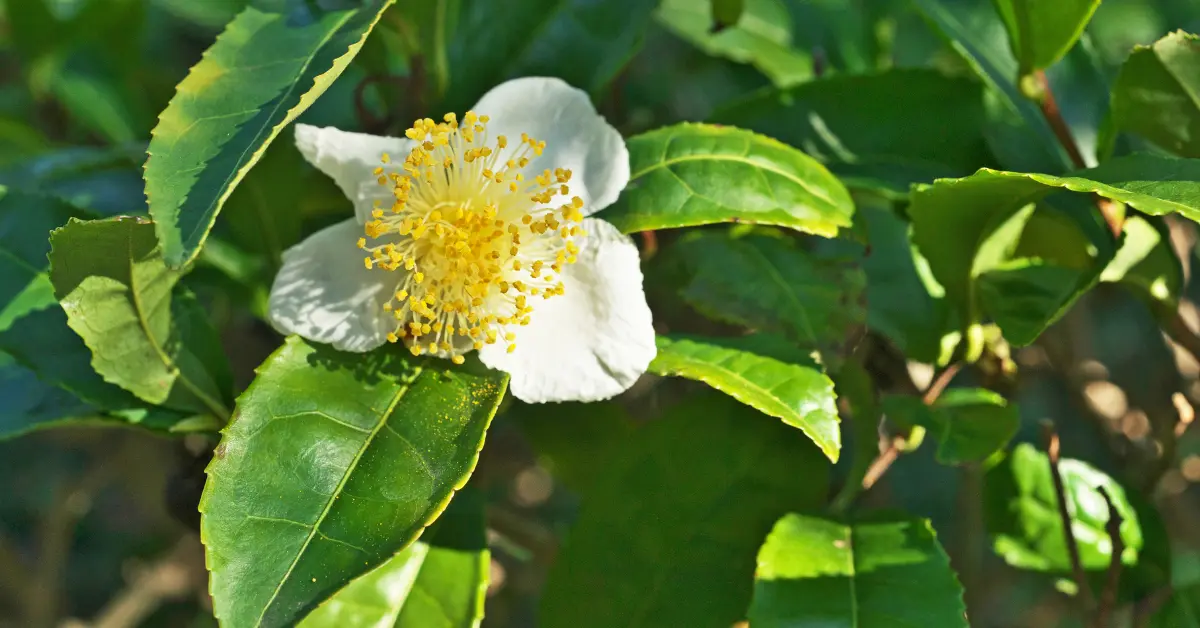
Growing Camellia Sinensis (Tea Plants) in Containers: A Complete Guide for Beginners
If you’ve ever wanted to sip a steaming, homegrown cup of fresh green, black, or [...]
Aug
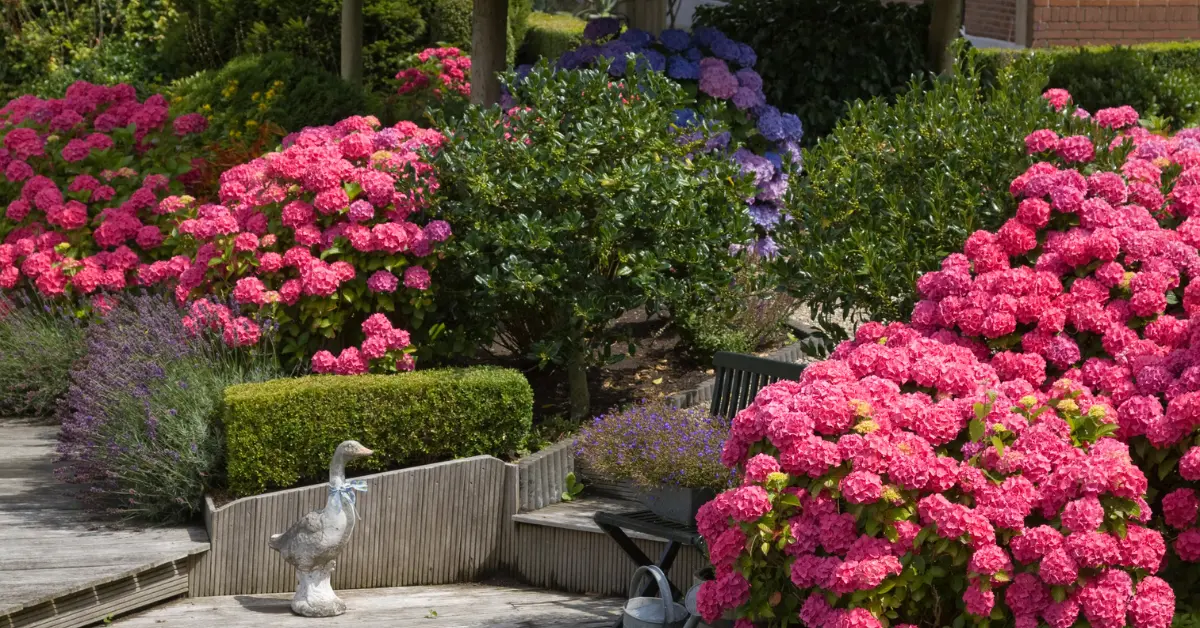
6 Best Shrubs to Plant in August You Must Try
Have you ever walked through a nursery late in the summer, admired the vibrant shrubs [...]
Aug

Growing Everbearing Strawberries in Containers: A Complete Guide for Beginners
Want to grow sweet, fresh strawberries but do not have a large garden? Everbearing strawberries [...]
Aug
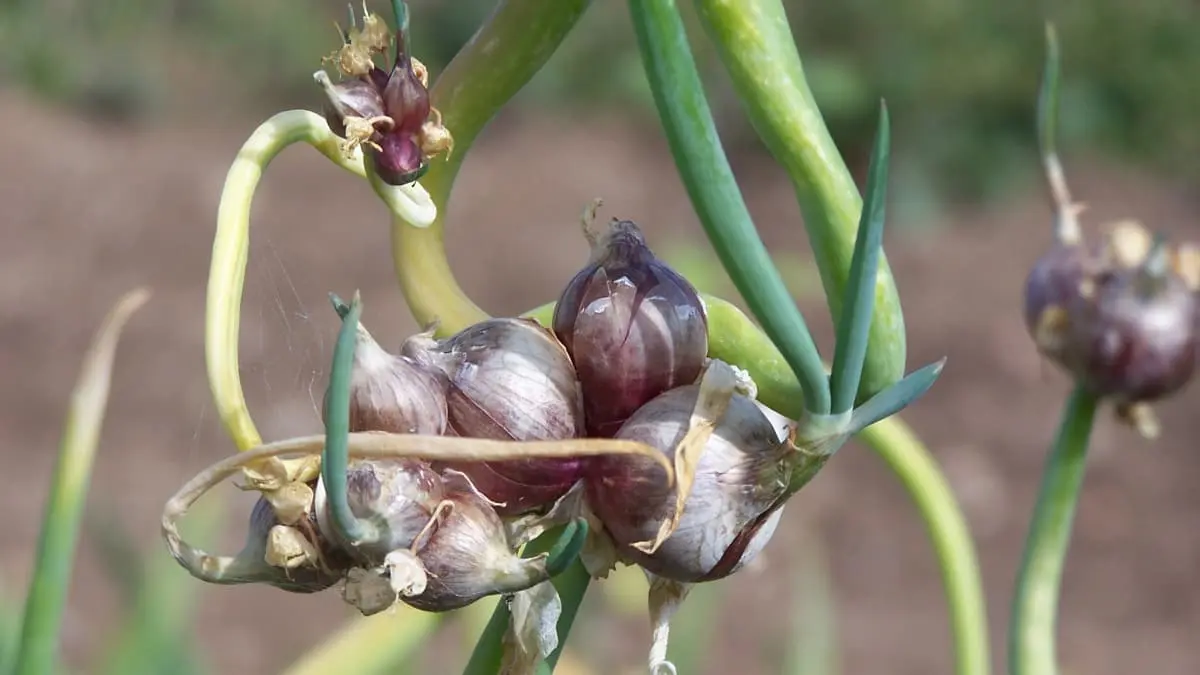
Growing Egyptian Walking Onions in Containers: A Complete Guide for Beginners
If you’re looking for a hardy, no-fuss perennial onion that keeps on giving year after [...]
Jul
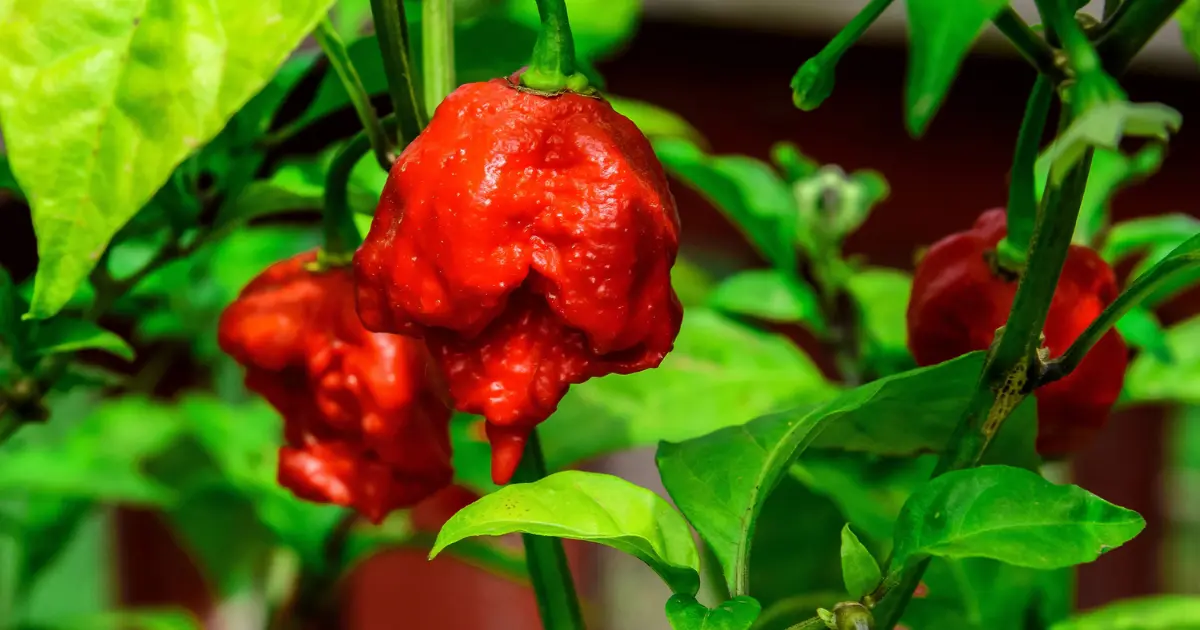
Growing Carolina Reaper Peppers in Pots: A Complete Guide for Beginners
If you’ve ever wanted to add some serious, record-breaking heat to your home cooking, you’ve [...]
May
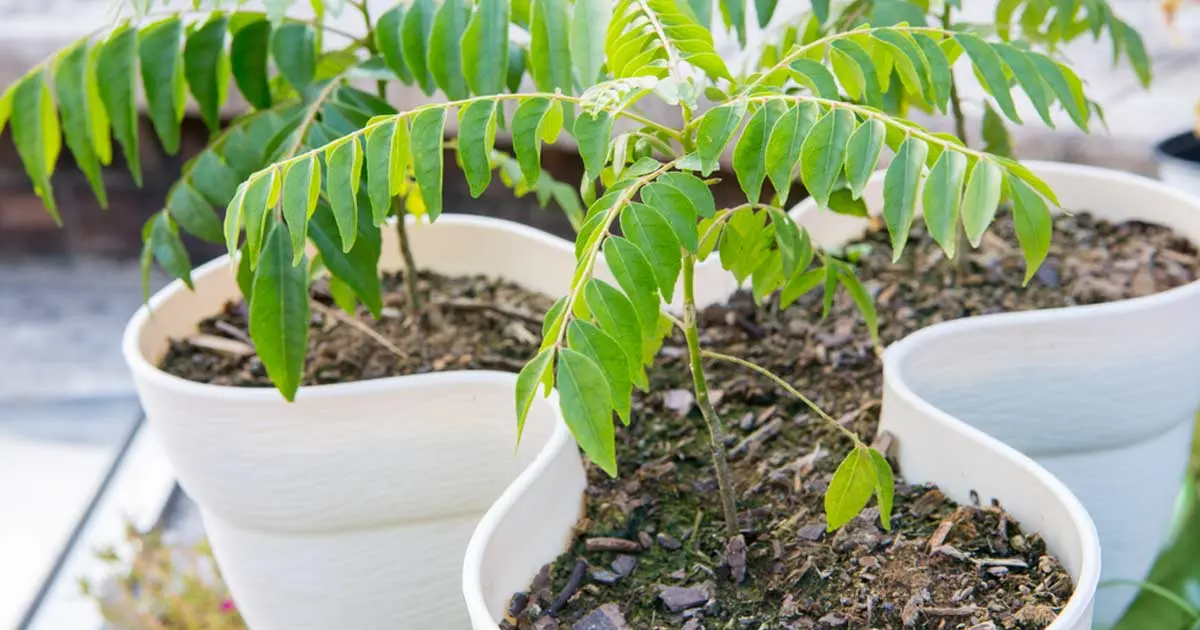
Growing Curry Leaf Plant in Pots: A Complete Guide for Beginners
If you’re a fan of authentic South Asian cuisine, you already know that nothing compares [...]
May
5 Tips for Growing Carolina Reaper Peppers to Get the Spiciest Harvest Ever
Holding the record for one of the world’s hottest peppers, the Reaper isn’t just a [...]
May

Reviews
There are no reviews yet.