
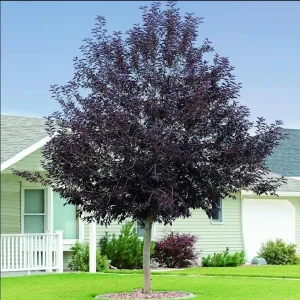
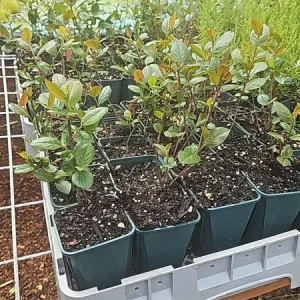
Chokecherry Live Plant – Red Chokecherry Tree, 4-8 Inch Tall, 5 Inch Pot
Original price was: $50.99.$30.99Current price is: $30.99.
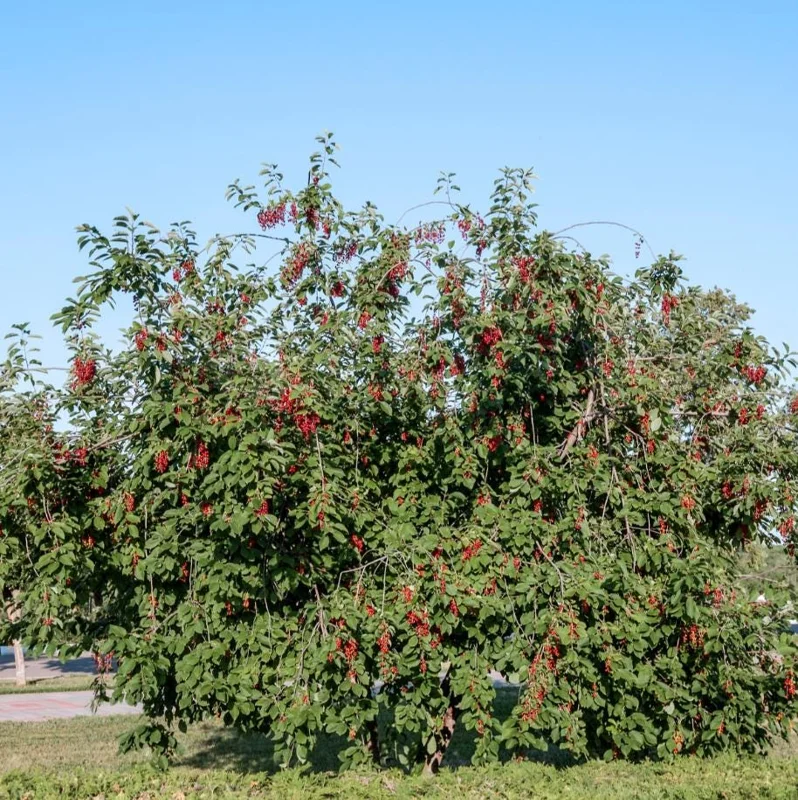
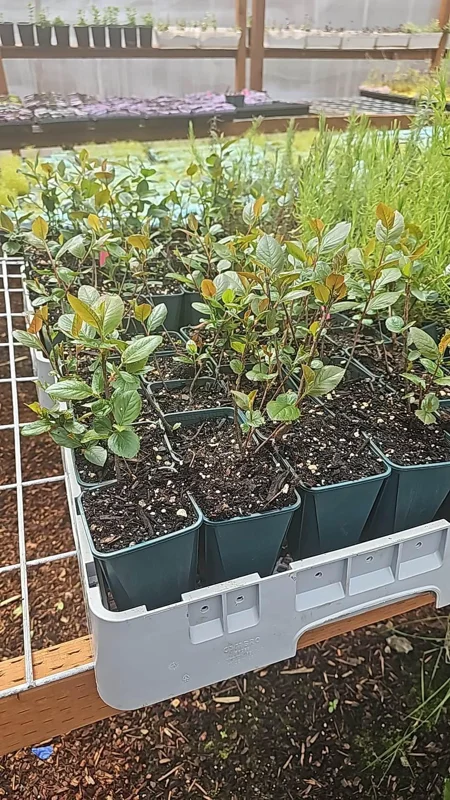
Bring a versatile chokecherry live plant to your garden, offering beautiful foliage, fragrant flowers, and edible berries. This red chokecherry tree (Prunus virginiana) is a resilient, cold-hardy berry plant, arriving 4-8 inches tall in a 5-inch pot, perfect for establishing in your landscape.
Estimated arrival
Sep 10
Sep 15 - Sep 17
Sep 20 - Sep 24

Reasonable Price
We offer reasonable price

Support 24/7
Contact us 24 hrs a day

100% Money Back
You've 30 days to Return

Payment Secure
100% secure payment
Overview
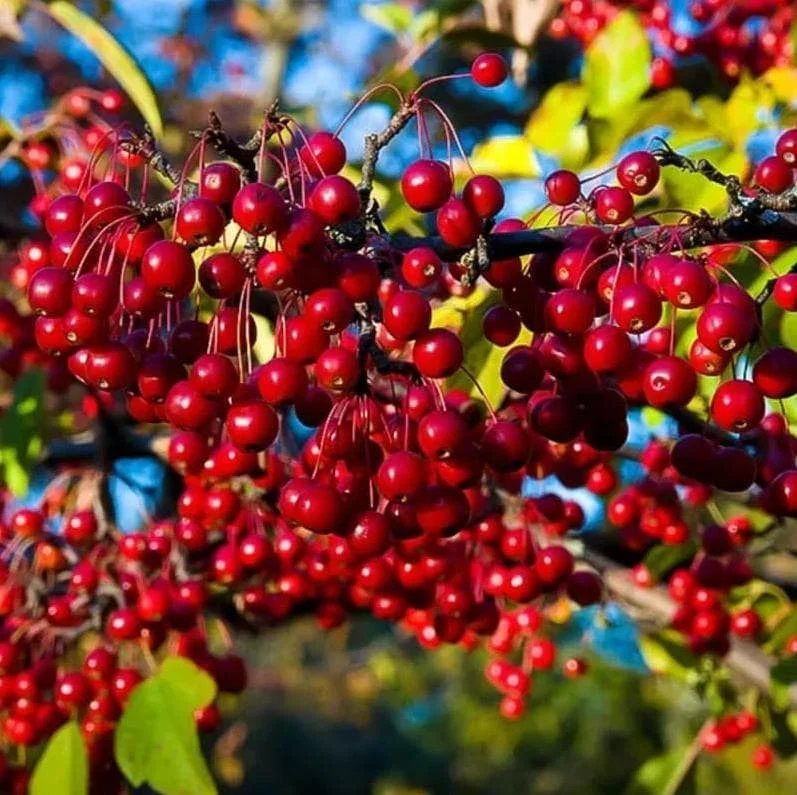
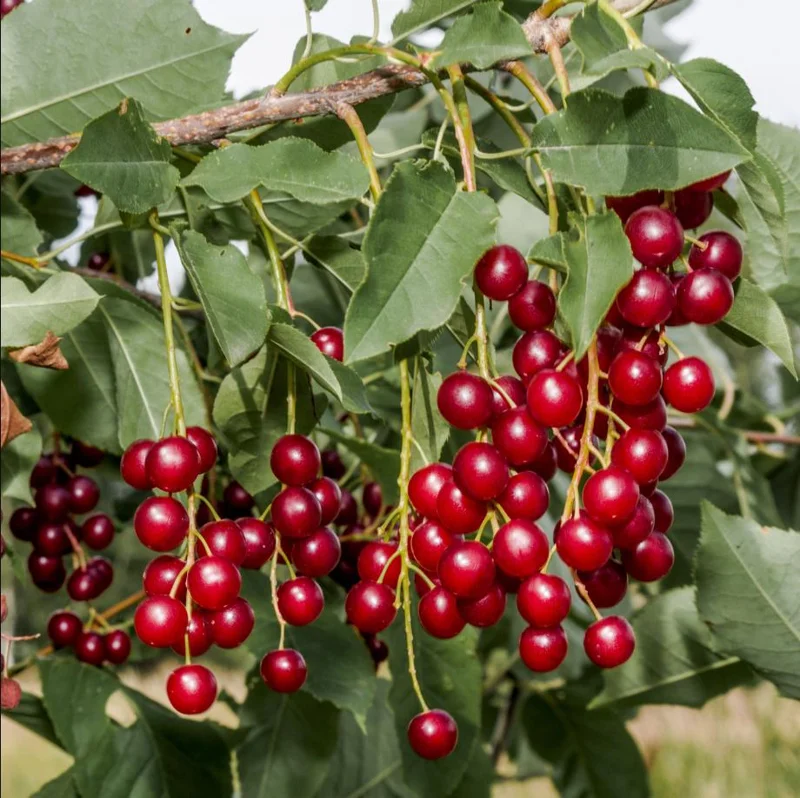
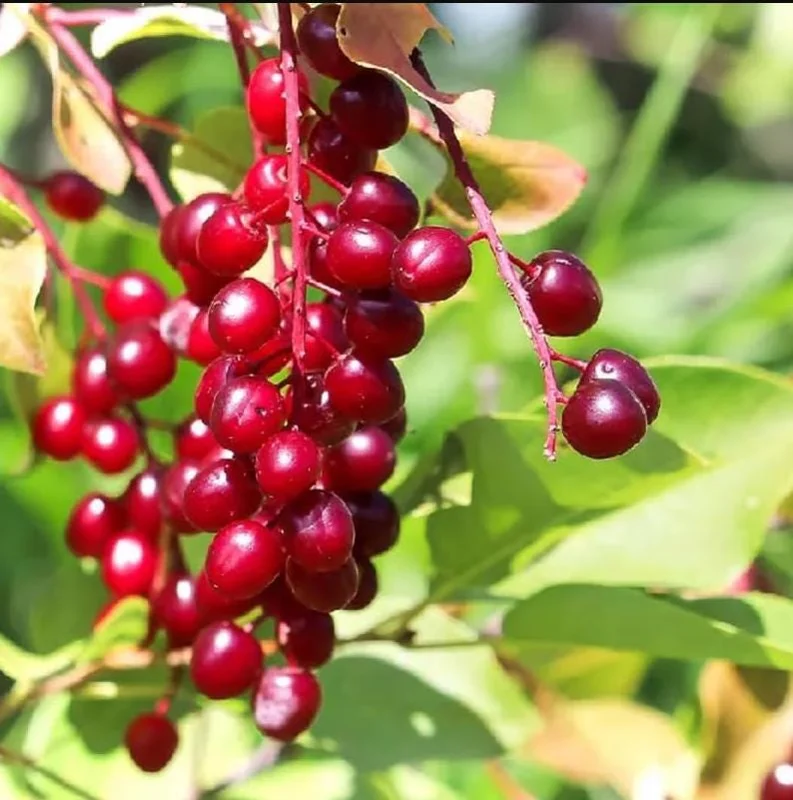
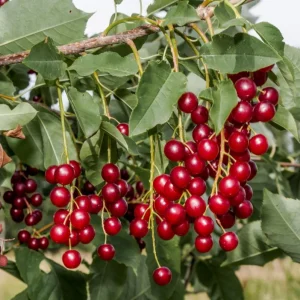
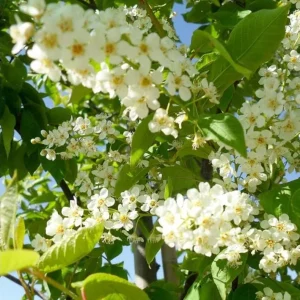
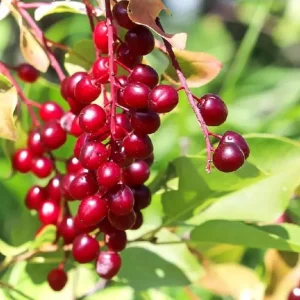
Introduce a magnificent and productive addition to your landscape with this chokecherry live plant. Known botanically as Prunus virginiana, the chokecherry is a native North American deciduous tree or large shrub celebrated for its hardiness, attractive appearance, and versatile fruit. This particular offering provides a healthy, young specimen, typically 4-8 inches tall and rooted in a 5-inch pot, ready for planting. Whether you’re looking to attract local wildlife, enjoy tart, edible berries, or simply enhance your garden’s aesthetic with a resilient native species, the chokecherry live plant is an excellent choice. It thrives in a variety of conditions and provides year-round interest, from delicate white blossoms in spring to vibrant fall foliage and clusters of deep red to black berries.
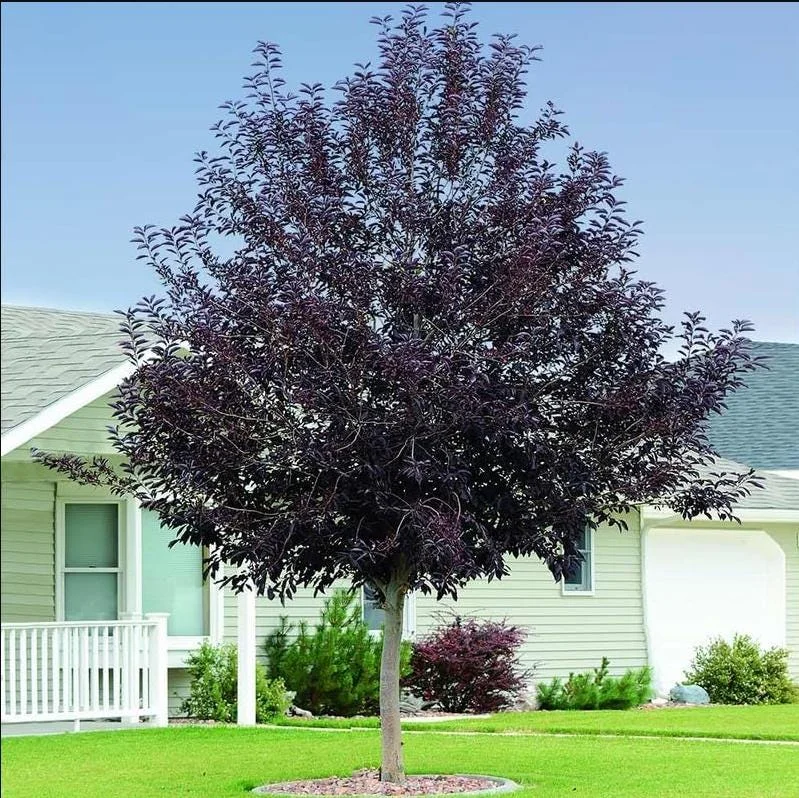
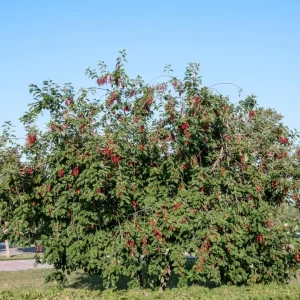
The red chokecherry tree is not just a food source for humans and animals; it also serves as a beautiful ornamental plant. Its compact size when young makes it ideal for starting in various garden settings, and its robust nature ensures it can withstand challenging climates. This plant is a fantastic option for those seeking a low-maintenance, high-reward addition to their outdoor space, promising both ecological benefits and visual appeal.
Key Benefits
Cultivating a chokecherry live plant offers a multitude of advantages for both your garden and the local ecosystem. Its adaptability and natural charm make it a standout choice for many gardeners.
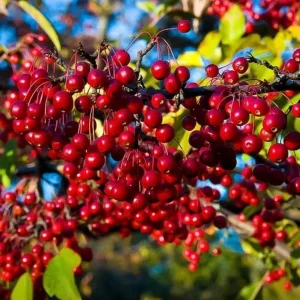
- Edible Fruit Production: The plant yields abundant clusters of tart, dark red to black berries that are perfect for making jams, jellies, pies, and wines. These berries ripen in late summer, providing a delicious harvest.
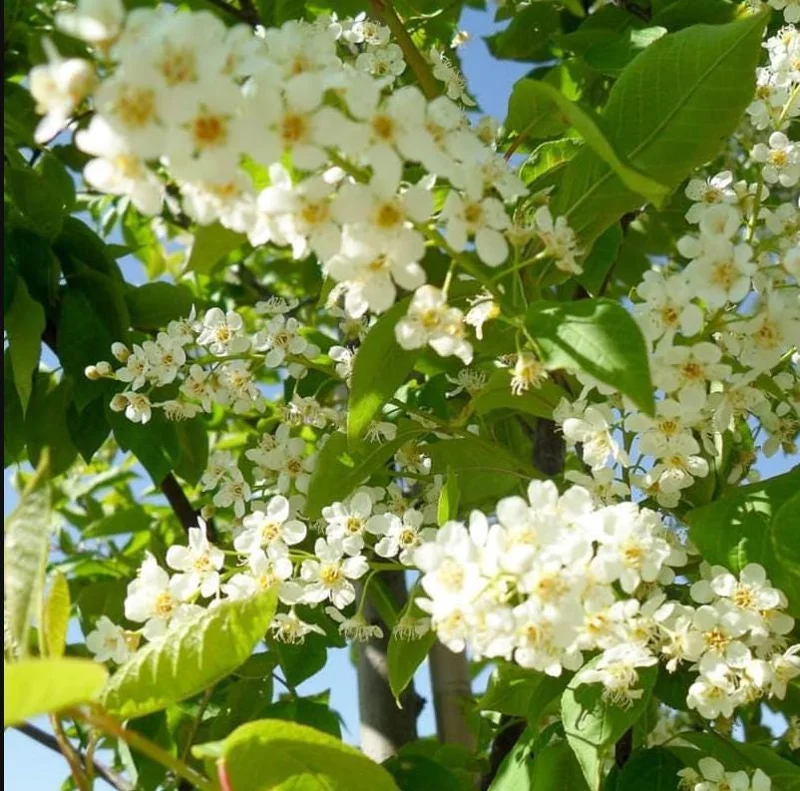
- Attracts Pollinators and Wildlife: The fragrant white flowers in spring are a magnet for bees and other beneficial pollinators, while the berries provide a crucial food source for birds and small mammals, enhancing your garden’s biodiversity.
- Stunning Ornamental Value: Beyond its practical uses, the red chokecherry tree boasts beautiful white flower clusters in spring, lush green foliage in summer, and vibrant yellow, orange, and red leaves in autumn, offering year-round visual appeal.
- Exceptional Cold Hardiness: This Prunus virginiana plant is incredibly resilient and can withstand extremely cold temperatures, making it suitable for a wide range of climates and USDA hardiness zones.
- Native Plant Advantage: As a native species, it is well-adapted to local conditions, requiring less intervention and supporting native ecosystems more effectively than non-native alternatives.
- Drought Tolerance Once Established: While young plants need regular watering, mature chokecherry trees are remarkably drought-tolerant, making them a sustainable choice for many landscapes.
- Low Maintenance: Generally, chokecherry live plant requires minimal care once established, making it an ideal choice for busy gardeners or those new to planting trees.
Plant Care & Growing Tips
Caring for your chokecherry live plant is straightforward, especially given its naturally hardy disposition. To ensure optimal growth and a bountiful harvest, understanding its basic needs is key. Chokecherries thrive in locations that receive full sun to partial shade, meaning at least 6 hours of direct sunlight daily is ideal for the best fruit production, though they can tolerate some afternoon shade. When selecting a planting site, consider its mature size and ensure it has adequate space to grow without crowding other plants.
When it comes to soil, the red chokecherry tree is quite adaptable, tolerating a range of soil types from sandy to clay, as long as they are well-draining. Avoid areas where water tends to pool. For young plants, consistent moisture is crucial; water regularly to keep the soil evenly moist but not waterlogged. Once established, this cold-hardy berry plant becomes remarkably drought-tolerant, requiring less frequent watering. Fertilization is generally not heavily needed, especially in fertile soils. If your soil is poor, a balanced, slow-release fertilizer can be applied in early spring. Pruning can be done in late winter or early spring to remove dead or diseased branches, shape the tree, and encourage new growth. Watch out for common pests like aphids or tent caterpillars, which can usually be managed with organic pest control methods if necessary.
Size & Details
This offering is for a healthy chokecherry live plant, which will arrive approximately 4-8 inches in height, carefully rooted in a 5-inch nursery pot. This size is ideal for transplanting, allowing the plant to quickly establish itself in your garden. The chokecherry is a moderately fast-growing deciduous tree or large shrub, eventually reaching heights of 10-20 feet with a similar spread, though some varieties can grow taller. It typically takes a few years for the plant to mature and begin producing a significant harvest of its delicious berries. Expect fragrant white blossoms in spring, followed by the development of berries that mature from late summer to early fall. The plant is shipped with its root ball intact and protected, ensuring a smooth transition to its new home. The Prunus virginiana plant is known for its robust root system, which helps it establish quickly and thrive.
Frequently Asked Questions
- Q: How big does this plant get? A: This chokecherry live plant typically grows to a height of 10-20 feet and can have a similar spread, forming either a small tree or a large shrub depending on pruning.
- Q: What size pot does it come in? A: The plant is delivered in a 5-inch nursery pot, providing a good start for its root development before transplanting.
- Q: Is this an indoor or outdoor plant? A: The red chokecherry tree is an outdoor plant, best suited for planting directly in the ground in your garden or landscape.
- Q: How much sunlight does it need? A: For best growth and fruit production, this plant thrives in full sun (at least 6 hours of direct sunlight daily) but can tolerate partial shade.
- Q: Is this plant easy to care for? A: Yes, chokecherries are considered easy-care plants. They are very hardy and require minimal maintenance once established, making them great for beginners.
- Q: What condition will it arrive in? A: Your chokecherry live plant will arrive carefully packaged with its roots protected and moist, ensuring it’s ready for planting.
- Q: Can I eat the berries from this chokecherry live plant? A: Yes, the berries are edible when ripe and are commonly used for making jams, jellies, syrups, and pies due to their tart flavor.
- Q: How long until it produces fruit? A: Chokecherry plants typically begin producing fruit within 2-5 years after planting, with yields increasing as the plant matures.
- Q: When is the best time to plant a chokecherry tree? A: The best time to plant a chokecherry is in early spring or fall, allowing the plant to establish its root system before extreme weather conditions.
- Q: Will it survive winter in my zone? A: This cold-hardy berry plant is extremely adaptable and can survive harsh winters across a wide range of USDA hardiness zones, typically zones 2-7.
Be the first to review “Chokecherry Live Plant – Red Chokecherry Tree, 4-8 Inch Tall, 5 Inch Pot”
-
USDA Hardiness Zone
USDA Zones 2-7 -
Soil Type
Well-draining soil -
Sunlight Exposure
Full sun to partial shade -
Expected Planting Period
Early spring or fall
People Also Viewd
Sold 134 products
Original price was: $3,536.00.$23.99Current price is: $23.99.
Sold 131 products
Original price was: $27.00.$24.00Current price is: $24.00.
Sold 130 products
Original price was: $89.99.$64.99Current price is: $64.99.

Sold 125 products
Original price was: $86.99.$66.99Current price is: $66.99.
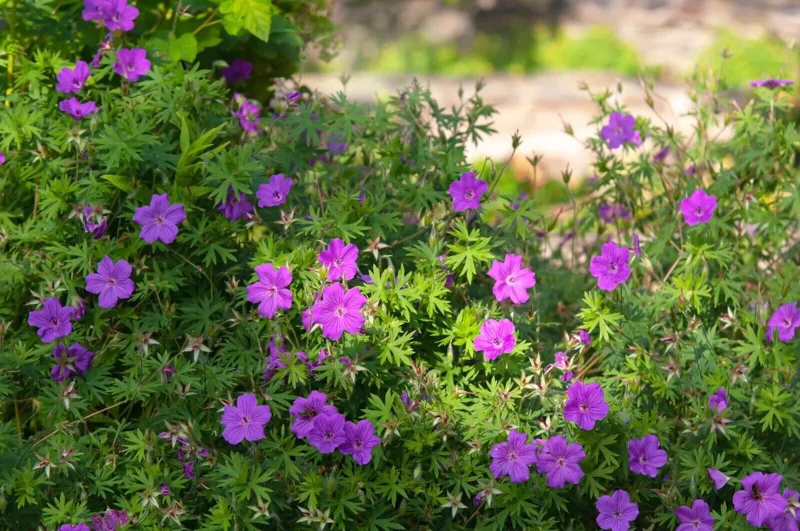
Flower Bulbs
3 Cranesbill Wild Geranium Organic Maculatums Bare Roots | Wildflower for Outdoor Garden
Sold 116 products
Original price was: $21.99.$9.99Current price is: $9.99.
Sold 114 products
Original price was: $28.99.$17.99Current price is: $17.99.
Sold 110 products
Original price was: $63.99.$28.99Current price is: $28.99.
Sold 108 products
Original price was: $28.99.$17.99Current price is: $17.99.RELATED posts
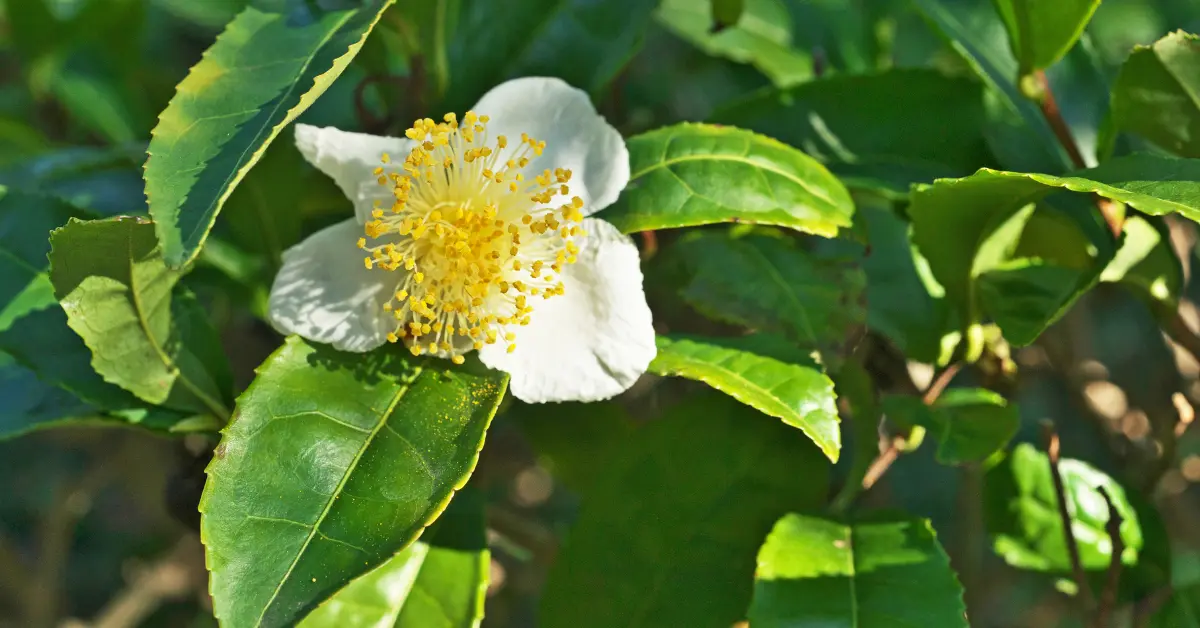
Growing Camellia Sinensis (Tea Plants) in Containers: A Complete Guide for Beginners
If you’ve ever wanted to sip a steaming, homegrown cup of fresh green, black, or [...]
Aug
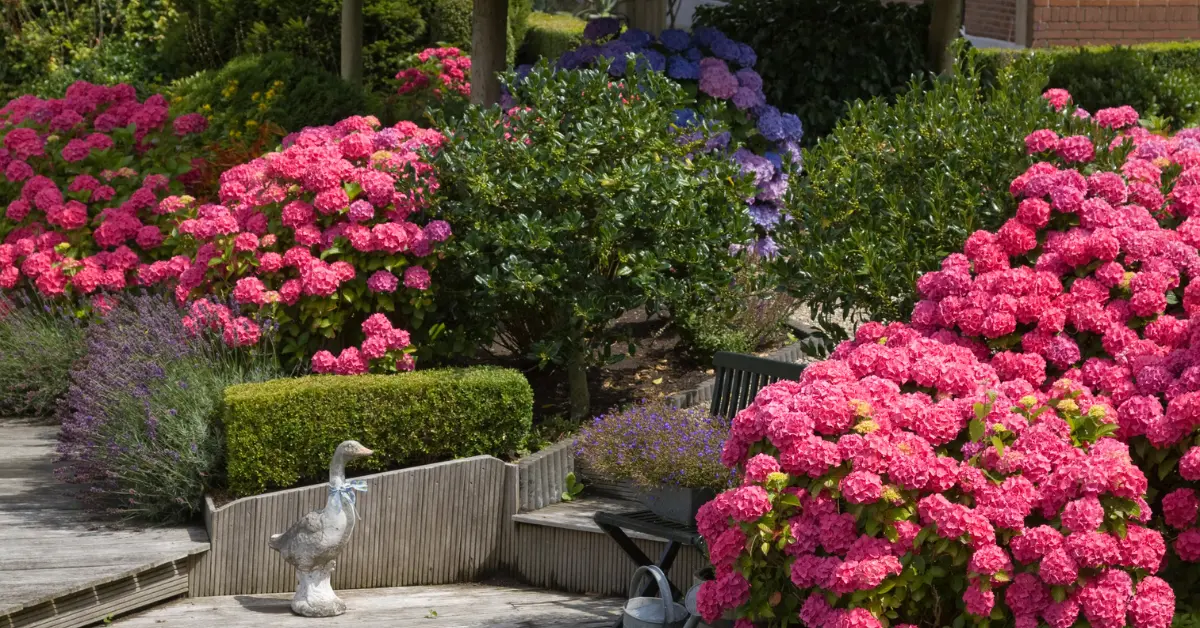
6 Best Shrubs to Plant in August You Must Try
Have you ever walked through a nursery late in the summer, admired the vibrant shrubs [...]
Aug
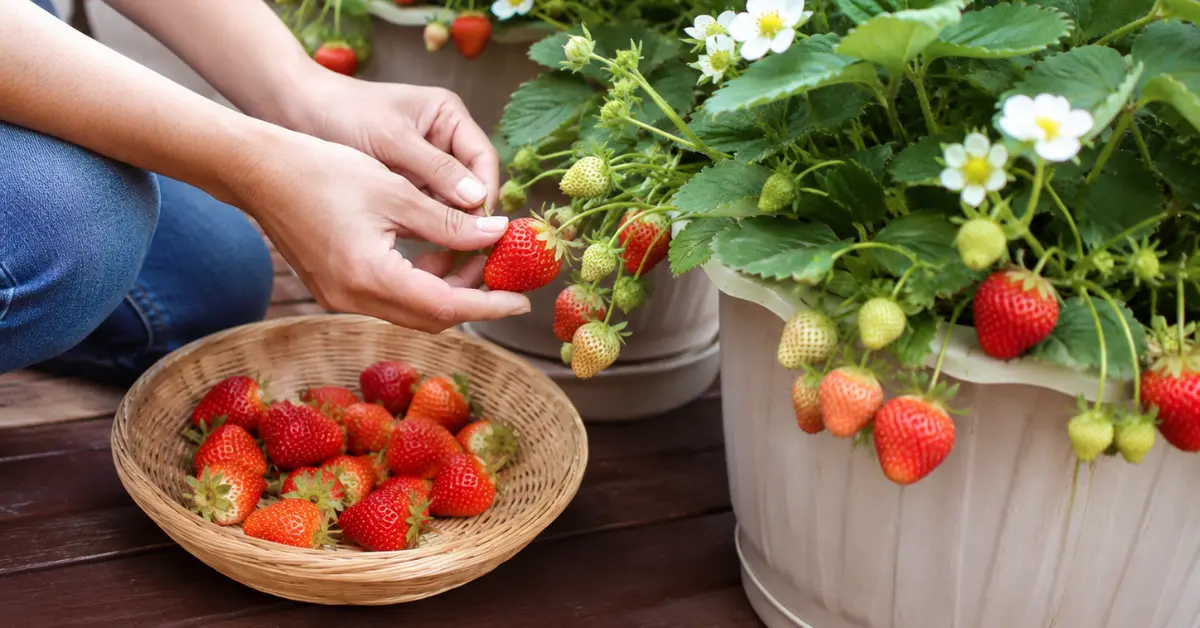
Growing Everbearing Strawberries in Containers: A Complete Guide for Beginners
Want to grow sweet, fresh strawberries but do not have a large garden? Everbearing strawberries [...]
Aug
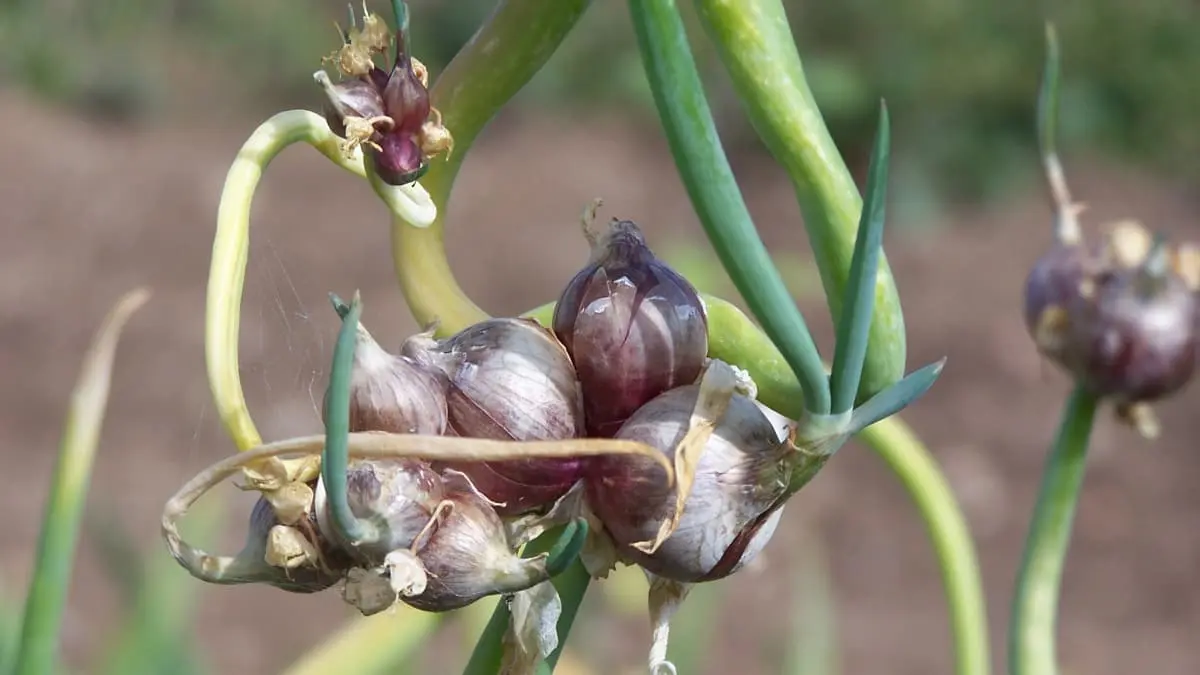
Growing Egyptian Walking Onions in Containers: A Complete Guide for Beginners
If you’re looking for a hardy, no-fuss perennial onion that keeps on giving year after [...]
Jul
Growing Carolina Reaper Peppers in Pots: A Complete Guide for Beginners
If you’ve ever wanted to add some serious, record-breaking heat to your home cooking, you’ve [...]
May
Growing Curry Leaf Plant in Pots: A Complete Guide for Beginners
If you’re a fan of authentic South Asian cuisine, you already know that nothing compares [...]
May
5 Tips for Growing Carolina Reaper Peppers to Get the Spiciest Harvest Ever
Holding the record for one of the world’s hottest peppers, the Reaper isn’t just a [...]
May
Best Fertilizers for Zoysia Grass in 2026: Get a Lush Lawn
As we enter the new year, the time has come to think about how we [...]
Apr
Reviews
There are no reviews yet.