

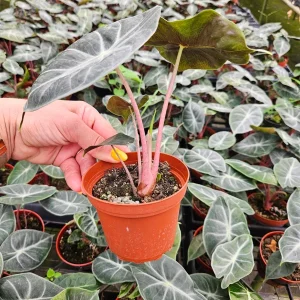
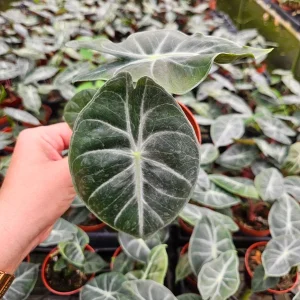

Alocasia Pink Dragon Live Plant – 4 Inch Pot – Indoor Tropical Houseplant
Price range: $30.81 through $37.99
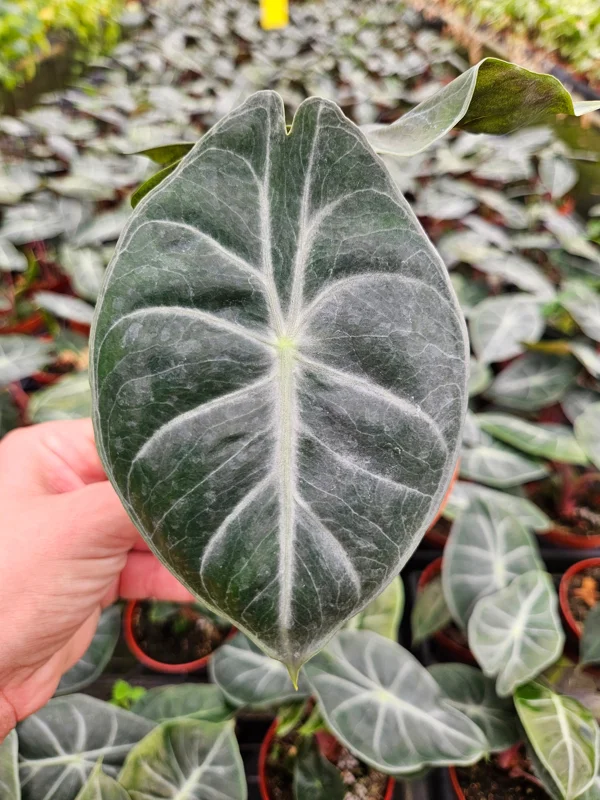
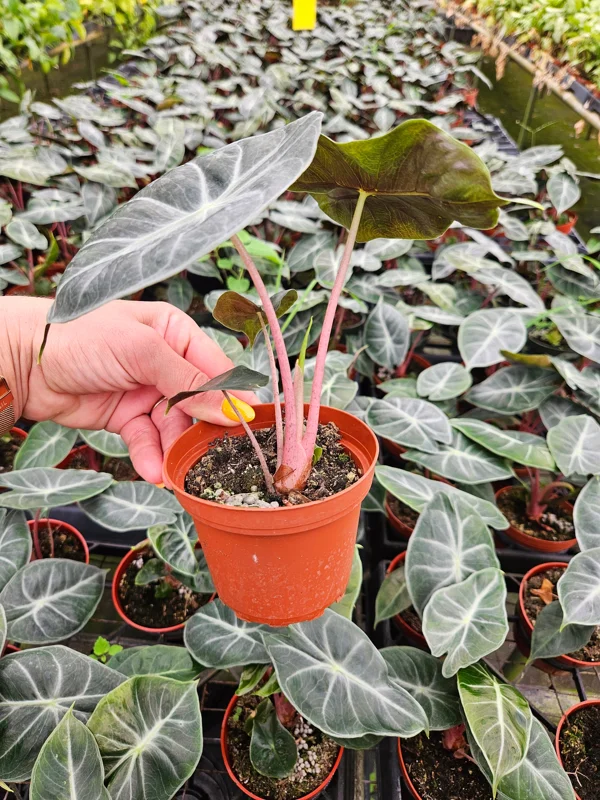
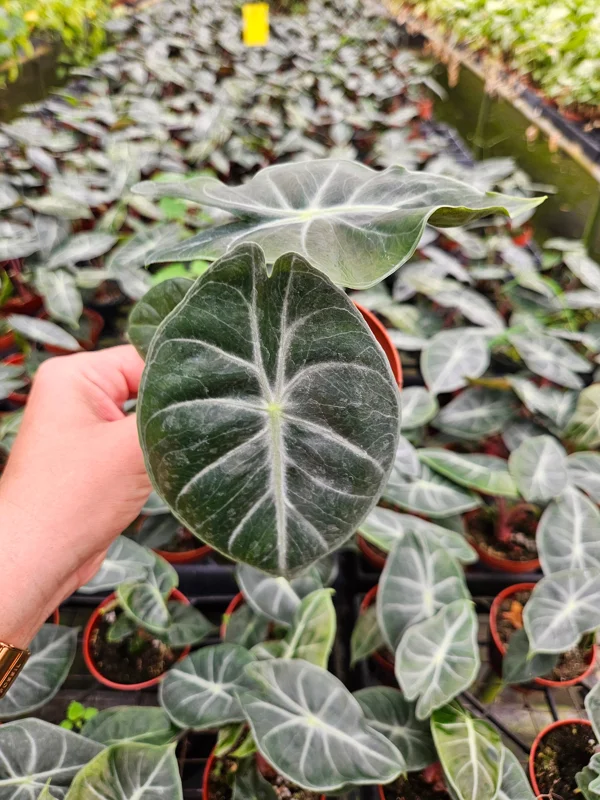
Add a touch of exotic beauty to your home with the Alocasia Pink Dragon live plant. This captivating 4-inch potted tropical houseplant features unique, arrow-shaped leaves with striking pink veins, perfect for brightening any indoor space. Known for its distinct foliage and elegant upright growth, it’s a favorite among collectors and beginners alike seeking tropical houseplants.
Estimated arrival
Oct 22
Oct 27 - Oct 29
Nov 01 - Nov 05

Reasonable Price
We offer reasonable price

Support 24/7
Contact us 24 hrs a day

100% Money Back
You've 30 days to Return

Payment Secure
100% secure payment
Overview
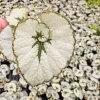
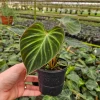
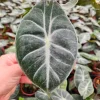
Introduce a touch of the exotic to your indoor plant collection with the magnificent Alocasia Pink Dragon live plant. This stunning tropical perennial, often referred to simply as ‘Pink Dragon’ due to its distinctive foliage, is a true showstopper. Originating from the rainforests of Southeast Asia, this Alocasia features deep green, arrow-shaped leaves with prominent, contrasting pink to reddish-pink veins and undersides, giving it an almost metallic sheen. Each leaf is a work of art, making it a highly sought-after specimen for plant enthusiasts and interior decorators alike. As a tropical houseplant, the Alocasia Pink Dragon thrives in warm, humid environments, bringing a vibrant, jungle-like ambiance to any room. Its compact size when young, especially in a 4-inch pot, makes it an ideal choice for desks, shelves, or terrariums, gradually growing into a more substantial statement piece. This particular offering provides a healthy, established Alocasia Pink Dragon live plant ready to flourish in its new home.
Key Benefits
Beyond its striking appearance, the Alocasia Pink Dragon live plant offers several benefits that make it an excellent addition to your indoor garden:
- Unique Aesthetic Appeal: The most significant benefit is its unparalleled beauty. The dramatic contrast of dark green leaves with vibrant pink veins creates a visual focal point that instantly elevates any living space. It’s a living sculpture that continually captivates attention and adds a sophisticated touch.
- Air Purification: Like many tropical plants, the Alocasia Pink Dragon live plant contributes to improved indoor air quality by absorbing certain airborne toxins and releasing oxygen. While not as potent as some other plants, it still helps create a healthier environment.
- Compact Growth Habit: When young, especially in a 4-inch pot, this Alocasia maintains a manageable size, making it suitable for smaller spaces, apartments, and office desks. It offers significant visual impact without demanding excessive room.
- Conversation Starter: Its unusual and exotic appearance makes the Alocasia Pink Dragon a fantastic conversation starter. Guests and visitors will undoubtedly be intrigued by its unique coloration and form.
- Engaging to Grow: For those who enjoy the challenge of nurturing unique plants, providing proper Alocasia Pink Dragon care can be a rewarding experience. Watching new leaves unfurl with their distinct coloration is a delightful process.
- Adds Humidity: As a tropical plant, it contributes to increasing the ambient humidity around it through transpiration, which can be beneficial for both other plants and human well-being, especially in dry indoor environments.
- Collectible Variety: For collectors of Alocasia varieties or rare plants, the Pink Dragon is a must-have, showcasing distinctive characteristics that set it apart from other Alocasias and tropical houseplants.
Plant Care & Growing Tips
Caring for your Alocasia Pink Dragon live plant involves understanding its tropical origins and replicating those conditions indoors. This plant thrives on consistency and attention to detail. For optimal growth, provide bright, indirect light. Direct sunlight can scorch its delicate leaves, leading to discoloration and damage, while too little light can result in leggy growth and duller coloration. An east-facing window or a few feet away from a south or west-facing window is often ideal. Regularly rotate your plant to ensure even growth and light exposure.
Watering is crucial for proper Alocasia Pink Dragon care. Alocasias prefer consistently moist soil but absolutely detest soggy roots, which can lead to root rot. Allow the top inch or two of soil to dry out between waterings. When watering, do so thoroughly until water drains from the bottom of the pot. Reduce watering slightly in winter months when the plant’s growth slows. High humidity is also essential for this tropical houseplant. You can achieve this by misting the leaves regularly, placing the pot on a pebble tray with water, or using a humidifier, especially in dry climates or during winter heating. Aim for humidity levels above 60%.
The ideal temperature range for the Alocasia Pink Dragon is between 65-80°F (18-27°C). Avoid temperatures below 60°F (15°C) and protect it from cold drafts, which can cause stress and leaf drop. Use a well-draining, airy potting mix rich in organic matter. A mix designed for aroids or tropical plants, often containing peat moss, perlite, and orchid bark, works well. Fertilize every 2-4 weeks during the growing season (spring and summer) with a balanced liquid fertilizer diluted to half strength. Reduce or stop fertilizing in fall and winter. Keep an eye out for common pests like spider mites and mealybugs, and address them promptly with insecticidal soap if detected. Understanding these nuances of Alocasia Pink Dragon care will help your plant thrive.
Size & Details
This offering is for one healthy Alocasia Pink Dragon live plant, presented in a convenient 4-inch nursery pot. At this size, the plant typically stands 6-10 inches tall from the base of the pot to the top of its tallest leaf, making it a perfect desktop companion or a striking addition to a plant shelf. The foliage displays its characteristic deep green color with prominent pink veins, which will intensify as the plant matures. Alocasia Pink Dragon is known for its moderate growth rate, and with proper indoor Alocasia care, it can eventually reach a height of 2-3 feet indoors, with leaves growing up to 12 inches long. It ships as a well-rooted, established plant, ready to be placed in your chosen display pot. Expect the plant to arrive with several healthy leaves, each showcasing the unique aesthetics of this beautiful Alocasia variety. The size of the plant makes it versatile for various indoor settings, from small decorative accents to part of a larger tropical arrangement.
Frequently Asked Questions
- Q: How big does this Alocasia Pink Dragon live plant get? A: In a 4-inch pot, it typically stands 6-10 inches tall. With optimal care, it can eventually reach 2-3 feet in height indoors, with leaves up to 12 inches long.
- Q: Is this an indoor or outdoor plant? A: The Alocasia Pink Dragon live plant is primarily an indoor tropical houseplant in most climates. It can be moved outdoors in warm, humid conditions during summer but must be brought inside before temperatures drop below 60°F (15°C).
- Q: How much sunlight does it need? A: This tropical houseplant thrives in bright, indirect light. Avoid direct sunlight, which can burn its leaves, and too little light, which can cause dull coloration and leggy growth.
- Q: Is this plant easy to care for? A: While not the most difficult, Alocasia Pink Dragon requires consistent attention to its specific needs for humidity, watering, and light. It’s considered moderately easy for those with some plant care experience or a willingness to learn Alocasia Pink Dragon care.
- Q: What condition will it arrive in? A: Your Alocasia Pink Dragon live plant will arrive as a healthy, well-rooted plant in its 4-inch nursery pot, carefully packaged to ensure its safe journey.
- Q: What kind of soil does an indoor Alocasia need? A: It prefers a well-draining, airy potting mix rich in organic matter. A mix formulated for aroids or tropical plants that includes peat moss, perlite, and orchid bark is ideal.
- Q: Is the Alocasia Pink Dragon pet-safe? A: No, Alocasia plants are toxic if ingested, due to calcium oxalate crystals. Keep this Alocasia Pink Dragon live plant out of reach of pets and children.
- Q: How often should I water my Alocasia Pink Dragon live plant? A: Water when the top 1-2 inches of soil feel dry to the touch. Ensure thorough watering until water drains from the bottom, but avoid letting the plant sit in standing water.
- Q: What are the best Alocasia varieties for beginners? A: While the Pink Dragon is popular, some other Alocasia varieties like Alocasia Polly or Zebrina might be slightly more forgiving for absolute beginners, though Pink Dragon is certainly manageable with consistent care.
- Q: Can I propagate my Alocasia Pink Dragon live plant? A: Alocasias can typically be propagated by dividing the rhizomes or corms during repotting, usually in the spring.
| Winter Shipping Option | Plant And Heat Pack, Plant Only |
|---|
Be the first to review “Alocasia Pink Dragon Live Plant – 4 Inch Pot – Indoor Tropical Houseplant”
-
USDA Hardiness Zone
USDA zones 10-11 (outdoors), year-round indoors -
Soil Type
Well-draining, airy potting mix rich in organic matter -
Sunlight Exposure
Bright indirect light -
Expected Planting Period
Year-round indoors
People Also Viewd
Sold 134 products
Original price was: $3,536.00.$23.99Current price is: $23.99.
Sold 132 products
Original price was: $27.00.$24.00Current price is: $24.00.
Sold 132 products
Original price was: $89.99.$64.99Current price is: $64.99.

Sold 125 products
Original price was: $86.99.$66.99Current price is: $66.99.
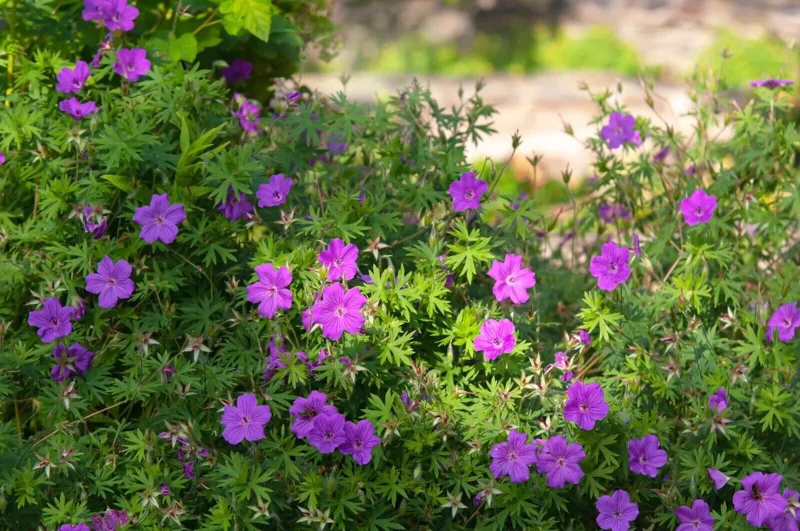
Flower Bulbs
3 Cranesbill Wild Geranium Organic Maculatums Bare Roots | Wildflower for Outdoor Garden
Sold 116 products
Original price was: $21.99.$9.99Current price is: $9.99.
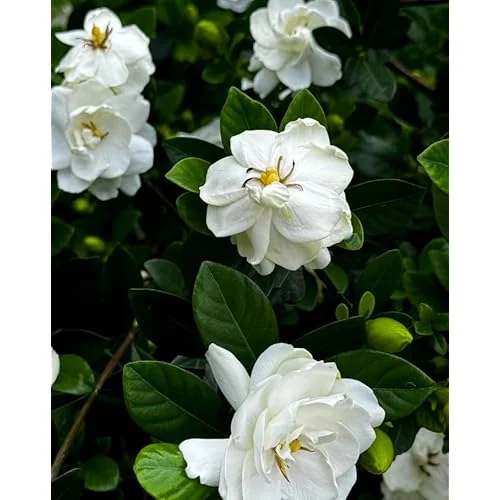
Sold 114 products
Original price was: $28.99.$17.99Current price is: $17.99.
Sold 110 products
Original price was: $63.99.$28.99Current price is: $28.99.
Sold 108 products
Original price was: $28.99.$17.99Current price is: $17.99.RELATED posts
How to Grow Arbequina Olive Trees: The Ultimate Guide to Your Own Olive Grove
Arbequina Olive Tree (Olea europaea ‘Arbequina’) – the ultimate Mediterranean plant that brings a touch [...]
Oct
Growing Garlic in Containers This Fall: A Complete Guide for Beginners
If you’ve ever wanted to pop fresh, aromatic garlic cloves straight from your own patio [...]
Sep
Growing Camellia Sinensis (Tea Plants) in Containers: A Complete Guide for Beginners
If you’ve ever wanted to sip a steaming, homegrown cup of fresh green, black, or [...]
Aug
6 Best Shrubs to Plant in August You Must Try
Have you ever walked through a nursery late in the summer, admired the vibrant shrubs [...]
Aug
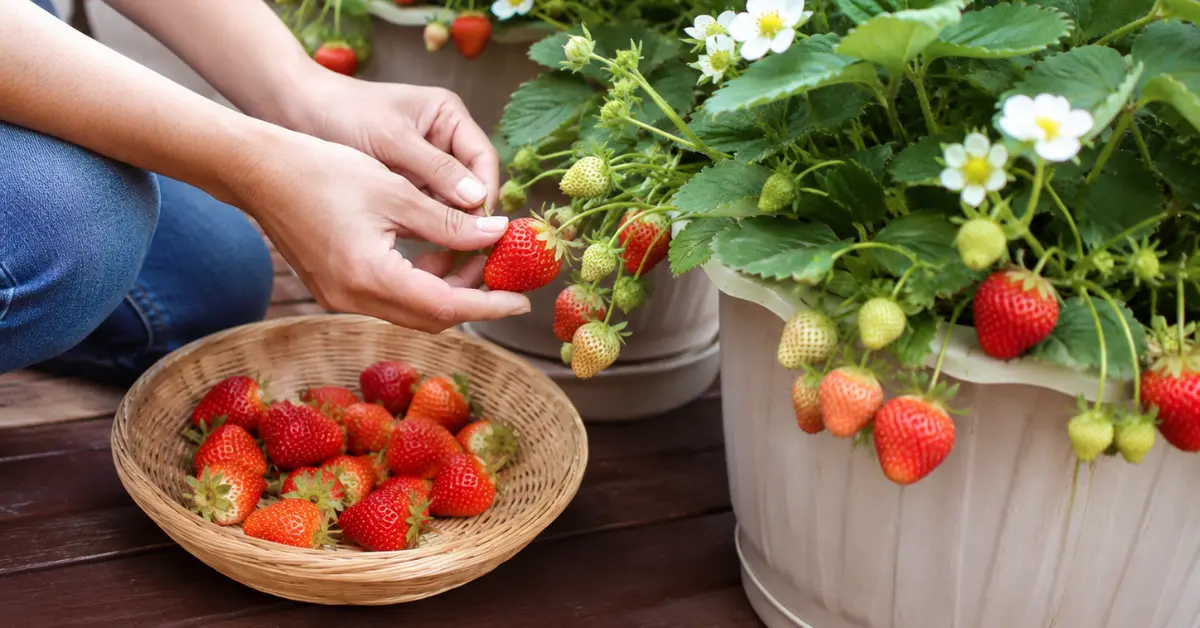
Growing Everbearing Strawberries in Containers: A Complete Guide for Beginners
Want to grow sweet, fresh strawberries but do not have a large garden? Everbearing strawberries [...]
Aug
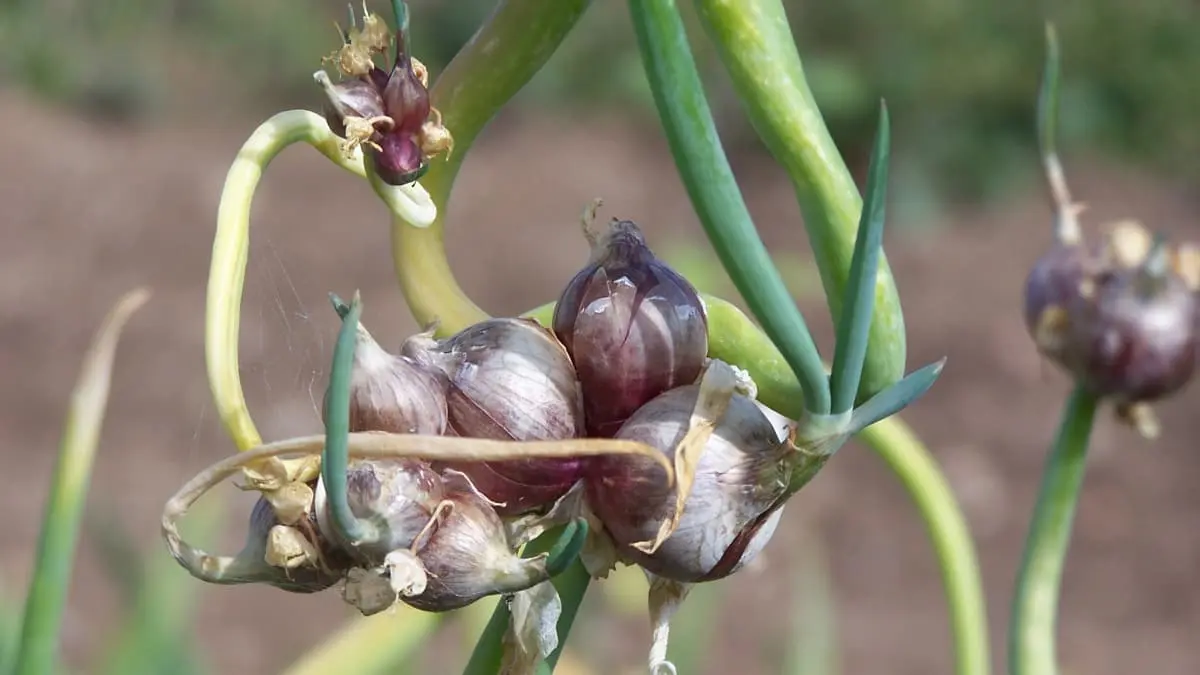
Growing Egyptian Walking Onions in Containers: A Complete Guide for Beginners
If you’re looking for a hardy, no-fuss perennial onion that keeps on giving year after [...]
Jul
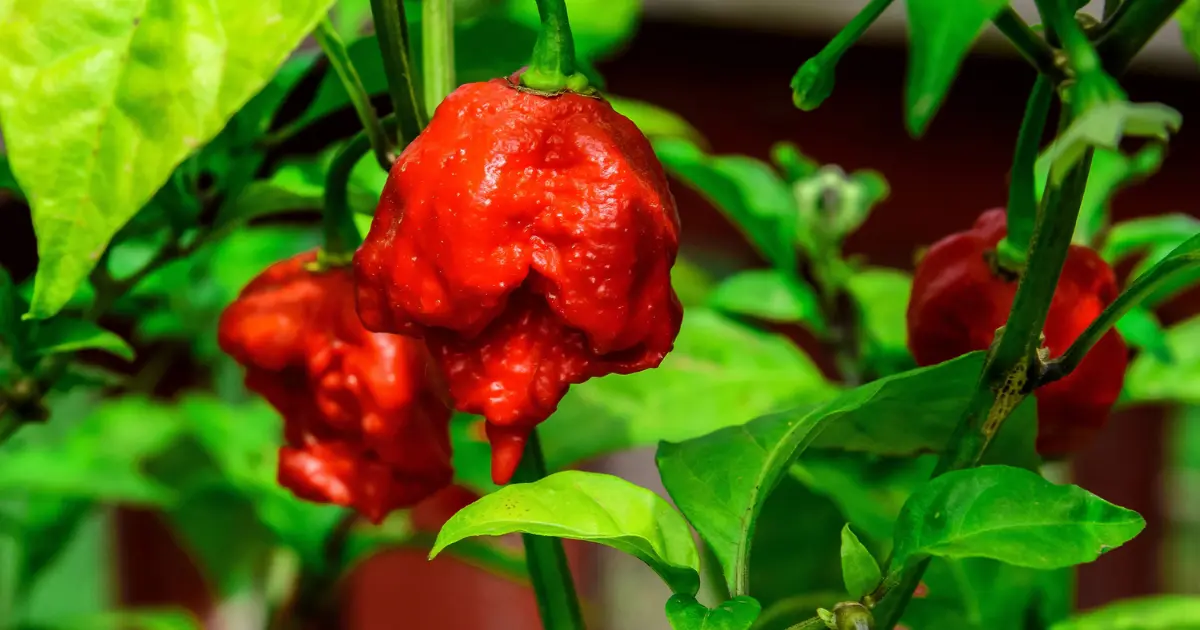
Growing Carolina Reaper Peppers in Pots: A Complete Guide for Beginners
If you’ve ever wanted to add some serious, record-breaking heat to your home cooking, you’ve [...]
May
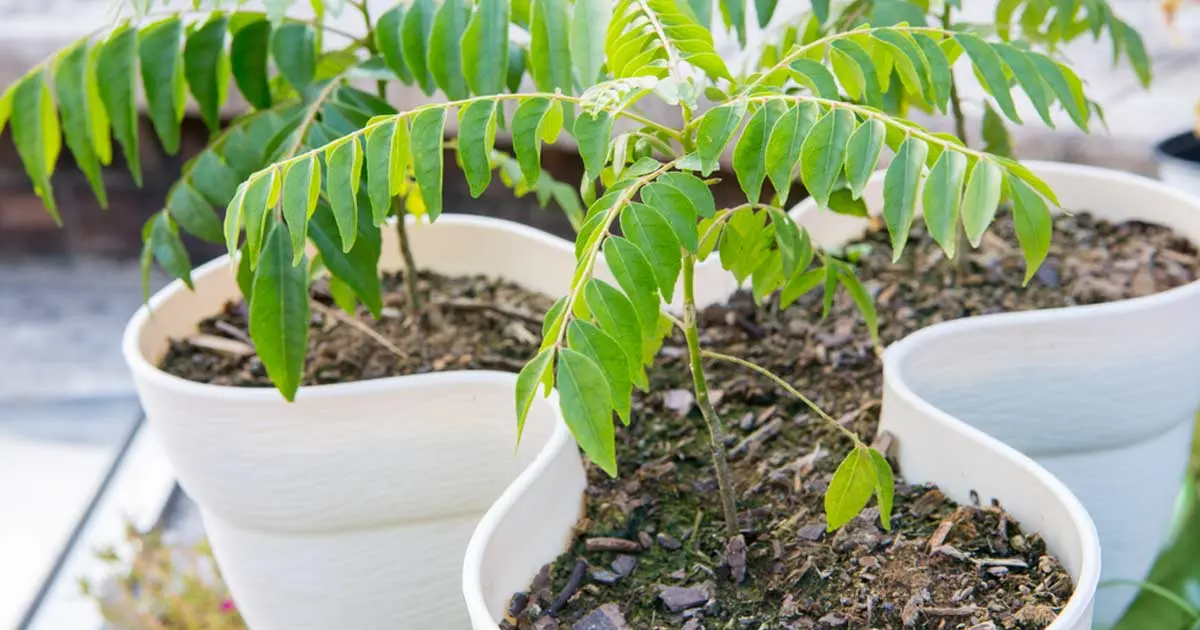
Growing Curry Leaf Plant in Pots: A Complete Guide for Beginners
If you’re a fan of authentic South Asian cuisine, you already know that nothing compares [...]
May
Reviews
There are no reviews yet.