
Set of 2 Sassafras Trees for Planting, Bareroot, 1-2 Ft Tall, Common Sassafras Seedlings
Original price was: $54.99.$34.99Current price is: $34.99.
Enhance your landscape with a set of 2 Sassafras trees for planting. These bareroot Sassafras seedlings, 1 to 2 feet tall, are ideal for creating a natural shade canopy and offering vibrant fall foliage. A truly hardy shade tree perfect for diverse garden settings.
Estimated arrival
Sep 10
Sep 15 - Sep 17
Sep 20 - Sep 24

Reasonable Price
We offer reasonable price

Support 24/7
Contact us 24 hrs a day

100% Money Back
You've 30 days to Return

Payment Secure
100% secure payment
Overview
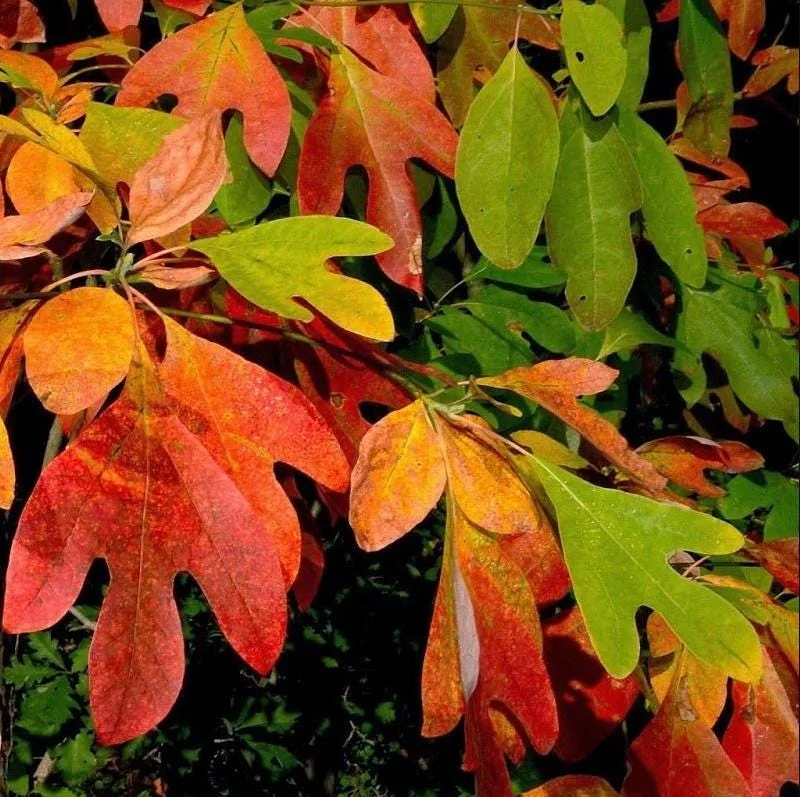
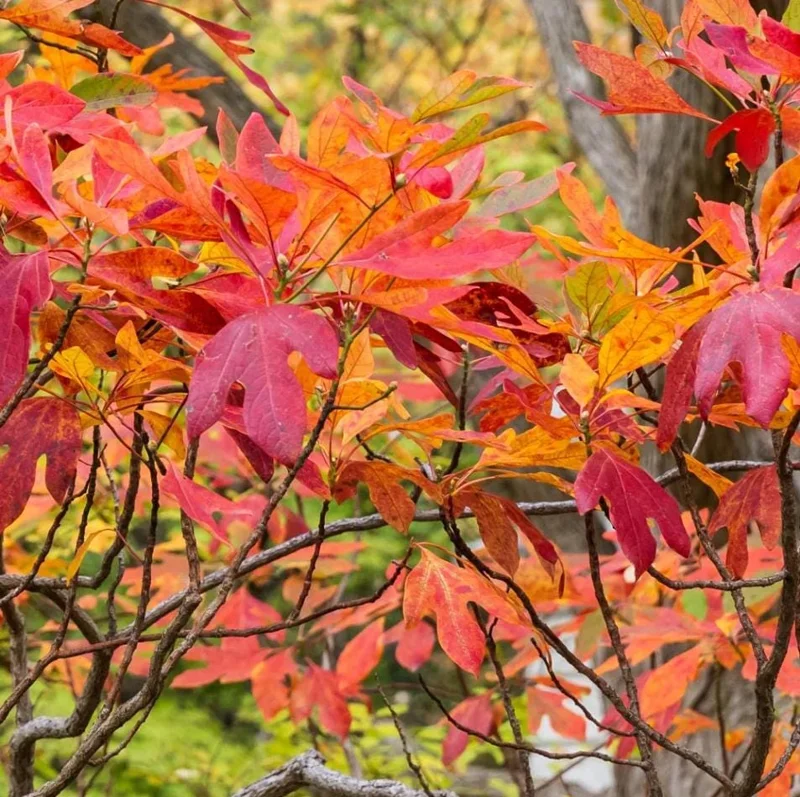
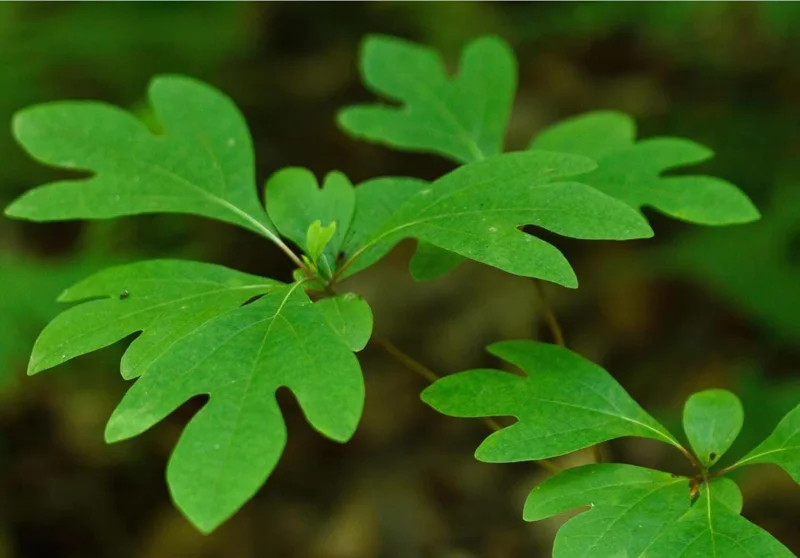
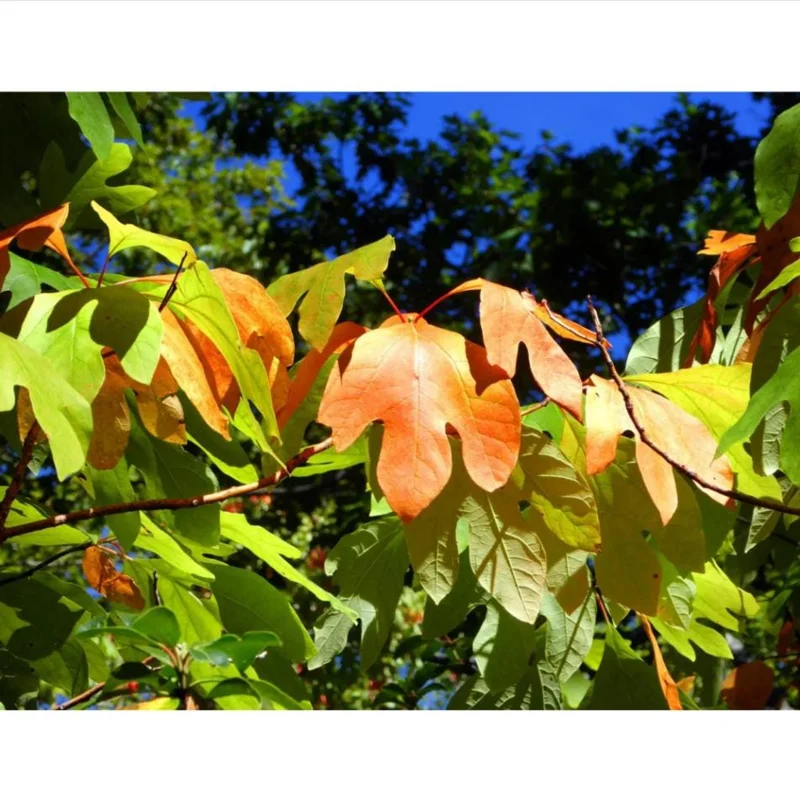
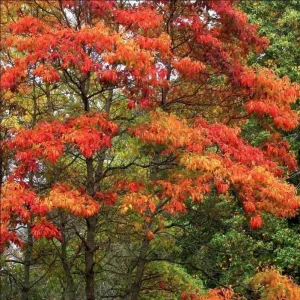
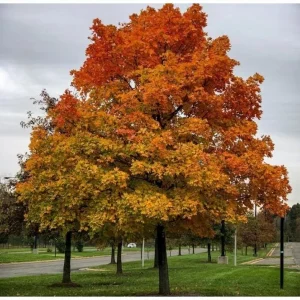
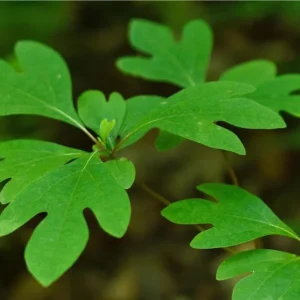
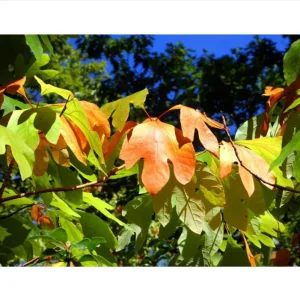
Introduce a touch of natural elegance and ecological value to your property with our sassafras trees for planting. This offering includes a set of two robust, bareroot seedlings, each standing between 1 to 2 feet tall, ready to establish themselves in your garden. The common sassafras seedlings (Sassafras albidum) are renowned for their distinctive three-lobed leaves, aromatic bark, and spectacular fall color, transitioning from lush green to brilliant shades of yellow, orange, and red. As a native tree, Sassafras albidum plays a vital role in local ecosystems, providing food and shelter for wildlife while also being a beautiful ornamental addition. These young trees are perfect for those looking to cultivate a unique shade tree that offers both aesthetic appeal and environmental benefits. Planting these seedlings is an investment in the long-term beauty and biodiversity of your outdoor space, offering a natural focal point for years to come.
The sassafras trees for planting are supplied as bareroot specimens, meaning they are shipped without soil around their roots, which helps them transplant easily and establish quickly once planted. This method ensures that you receive healthy, vigorous young trees ready for their new home. Whether you’re starting a new garden, filling out an existing landscape, or contributing to a reforestation project, these bareroot Sassafras trees are an excellent choice. Their adaptability to various soil conditions and hardiness make them a resilient option for many gardeners.
Key Benefits
Choosing our sassafras trees for planting brings a multitude of advantages to your landscape and local environment. These trees are not only visually appealing but also offer significant ecological contributions.
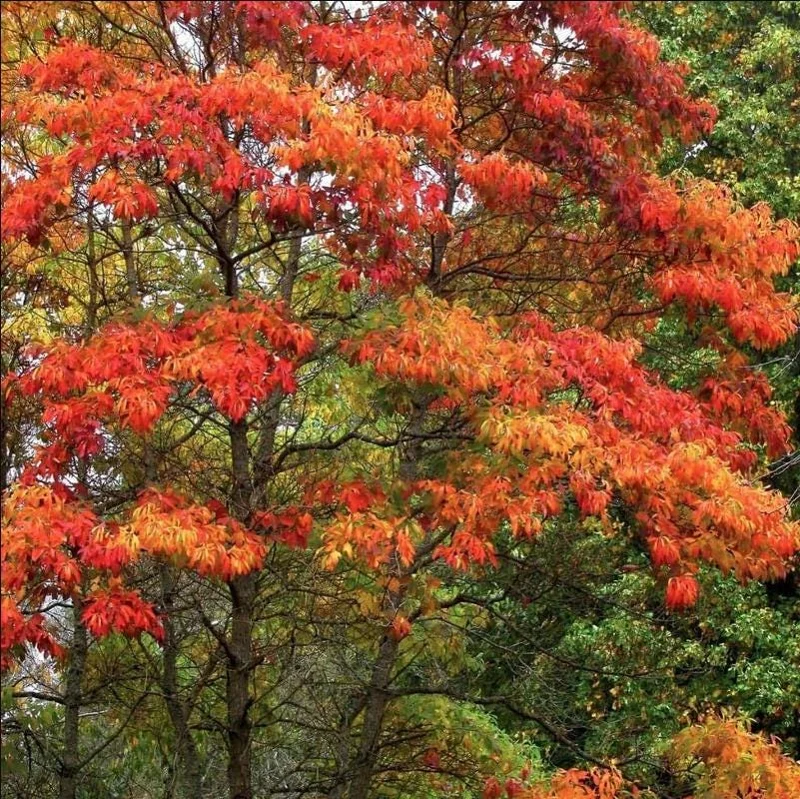
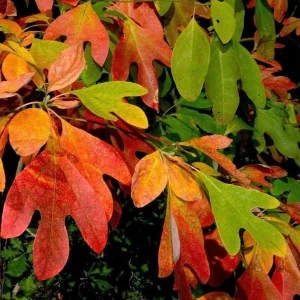
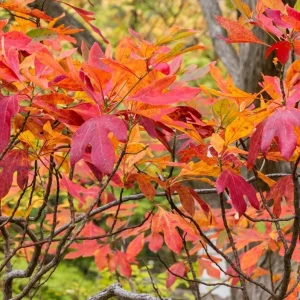
- Stunning Fall Foliage: Enjoy a vibrant display of yellow, orange, and red leaves every autumn, making the sassafras trees for planting a focal point in your garden. This spectacular seasonal change adds dynamic beauty to any landscape.
- Wildlife Attraction: The berries produced by Sassafras albidum are a valuable food source for numerous bird species, and its leaves host various butterfly larvae, enhancing biodiversity in your outdoor space.
- Aromatic Qualities: The bark, leaves, and twigs of the sassafras tree emit a pleasant, spicy fragrance, especially when bruised, adding a unique sensory experience to your garden.
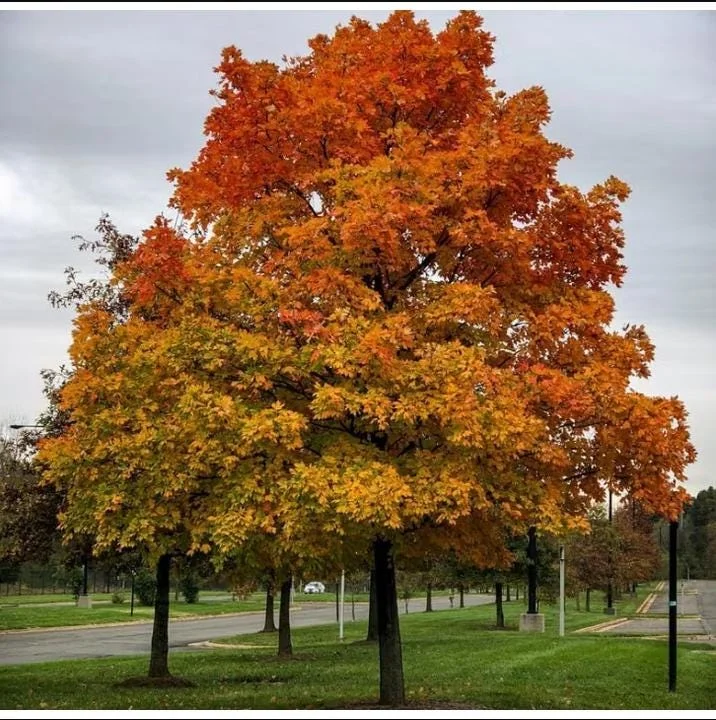
- Natural Shade Provider: As these common sassafras seedlings mature, they develop into a beautiful shade tree, offering relief from the summer sun and creating a comfortable outdoor living area.
- Medicinal and Culinary History: Historically, sassafras has been used for medicinal teas and as a flavoring. While modern use requires caution, its historical significance is intriguing.
- Hardy and Adaptable: These trees are known for their resilience, tolerating a range of soil types and temperatures once established, making them a low-maintenance addition to your garden. They are a truly hardy shade tree.
- Unique Leaf Shape: The distinctive unlobed, two-lobed, and three-lobed leaves often found on the same branch make the sassafras tree easily identifiable and a conversation starter.
Plant Care & Growing Tips
Caring for your sassafras trees for planting is relatively straightforward, especially once they are established. These common sassafras seedlings are quite resilient, but proper initial care will ensure they thrive and grow into magnificent specimens. For optimal growth, choose a location with full sun to partial shade. Full sun exposure generally promotes more vigorous growth and intensifies the stunning fall color. If planting in a warmer climate, some afternoon shade can be beneficial to protect young trees from intense heat.
When it comes to watering, consistent moisture is crucial for young bareroot Sassafras trees. Water regularly after planting, ensuring the soil remains moist but not waterlogged. Once established, Sassafras albidum becomes moderately drought-tolerant, requiring less frequent watering. The ideal soil type is well-drained and slightly acidic. While it can adapt to sandy or loamy soils, it strongly dislikes heavy, compacted, or waterlogged conditions, which can lead to root rot. Amending heavy clay soils with organic matter can improve drainage. These trees are a hardy shade tree, tolerating cold winters and warm summers, typically thriving in USDA Zones 4-9.
Fertilization is usually not heavily required for sassafras trees in good soil. If your soil is poor, a balanced, slow-release fertilizer can be applied in early spring. Avoid over-fertilization, as this can harm the young roots. Pruning is generally minimal, focused on removing any dead, damaged, or crossing branches to maintain a strong structure. These sassafras trees for planting are relatively pest and disease resistant, making them a low-maintenance choice for many gardeners. Proper spacing, allowing for their mature size, will help ensure good air circulation and overall tree health.
Size & Details
This offering provides a set of 2 Sassafras trees for planting, delivered as bareroot seedlings. Each seedling measures approximately 1 to 2 feet in height upon arrival, making them an ideal size for easy planting and establishment. Bareroot plants are dormant and are typically planted in early spring or late fall to allow their root systems to develop before active growth begins. These common sassafras seedlings have a moderate growth rate, typically adding 1-2 feet per year once established. Mature Sassafras trees can reach heights of 30-60 feet with a spread of 25-40 feet, forming a rounded or oval canopy. They are long-lived trees, providing decades of beauty and environmental benefit. Expect these bareroot Sassafras trees to begin showing their distinctive fall color within a few years of planting.
Frequently Asked Questions
- Q: How big will these Sassafras trees get? A: Once mature, sassafras trees for planting can reach heights of 30-60 feet with a spread of 25-40 feet, forming a beautiful, rounded canopy. Their growth rate is moderate, adding 1-2 feet per year.
- Q: Are these Sassafras trees suitable for all climates? A: These common sassafras seedlings are quite hardy and thrive in USDA Zones 4-9. They are tolerant of both cold winters and warm summers, making them suitable for a wide range of temperate climates.
- Q: What kind of soil do Sassafras trees prefer? A: Bareroot Sassafras trees prefer well-drained, slightly acidic soil. They can adapt to sandy or loamy conditions but dislike heavy, waterlogged soils. Good drainage is key for their root health.
- Q: How much sunlight do these trees need? A: For best growth and fall color, plant your sassafras trees for planting in a location that receives full sun to partial shade. Full sun encourages more vibrant foliage and stronger growth.
- Q: When is the best time to plant bareroot Sassafras trees? A: The ideal time to plant bareroot trees is in early spring or late fall when the trees are dormant. This allows their root systems to establish before active growth or harsh weather conditions begin.
- Q: Are Sassafras trees high-maintenance? A: No, once established, Sassafras trees are considered a low-maintenance option. They are a hardy shade tree that is relatively resistant to pests and diseases and requires minimal pruning.
- Q: Can I grow Sassafras in a container? A: While young common sassafras seedlings can be grown in large containers temporarily, they are ultimately large trees that prefer to be planted directly in the ground to reach their full potential and spread their root systems properly.
Be the first to review “Set of 2 Sassafras Trees for Planting, Bareroot, 1-2 Ft Tall, Common Sassafras Seedlings”
-
USDA Hardiness Zone
USDA Zones 4-9 -
Soil Type
Well-drained, slightly acidic soil -
Sunlight Exposure
Full sun to partial shade -
Expected Planting Period
Early spring or late fall
People Also Viewd
Sold 134 products
Original price was: $3,536.00.$23.99Current price is: $23.99.
Sold 131 products
Original price was: $27.00.$24.00Current price is: $24.00.
Sold 130 products
Original price was: $89.99.$64.99Current price is: $64.99.

Sold 125 products
Original price was: $86.99.$66.99Current price is: $66.99.
Flower Bulbs
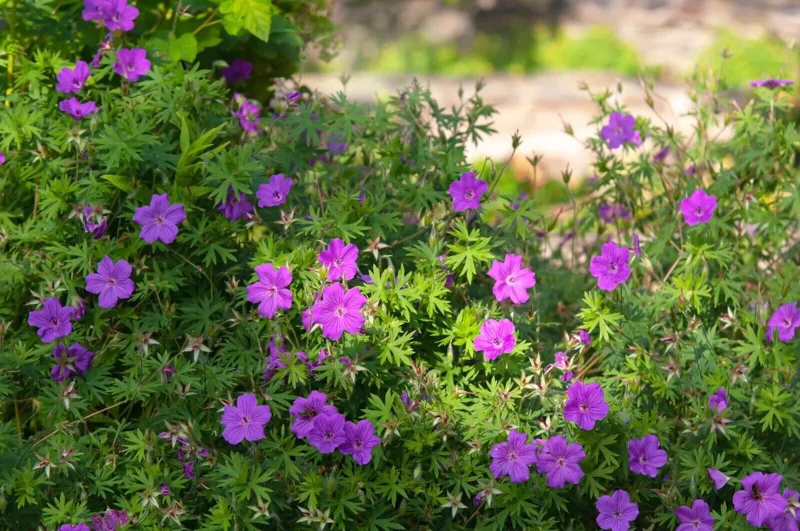
3 Cranesbill Wild Geranium Organic Maculatums Bare Roots | Wildflower for Outdoor Garden
Sold 116 products
Original price was: $21.99.$9.99Current price is: $9.99.
Sold 114 products
Original price was: $28.99.$17.99Current price is: $17.99.

Sold 110 products
Original price was: $63.99.$28.99Current price is: $28.99.
Sold 108 products
Original price was: $28.99.$17.99Current price is: $17.99.RELATED posts
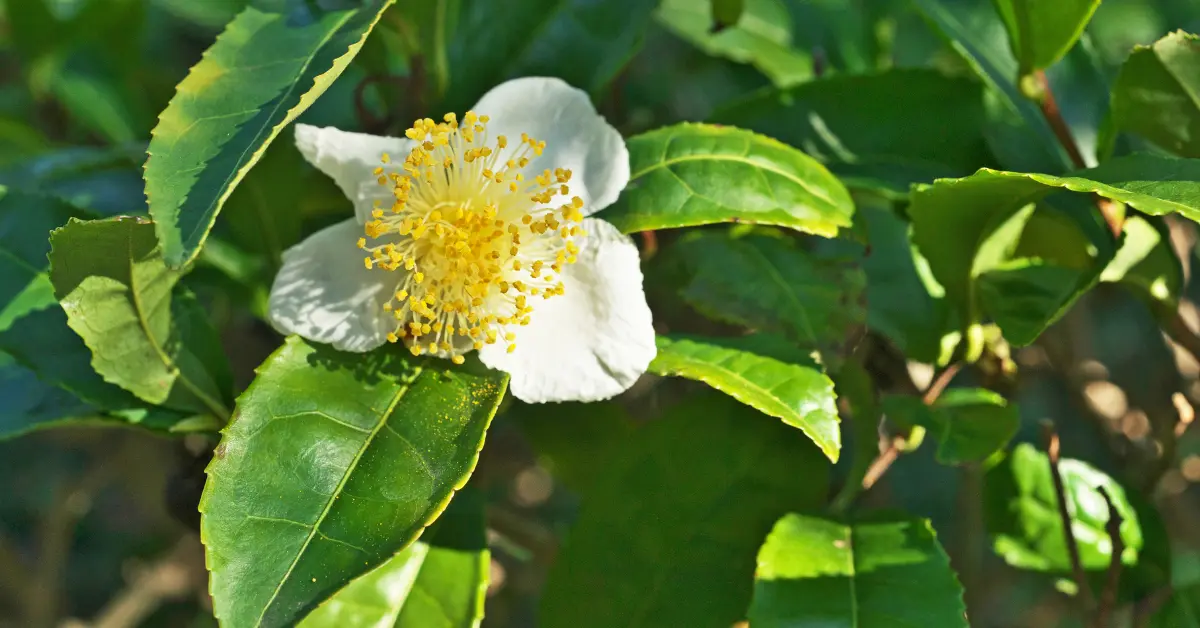
Growing Camellia Sinensis (Tea Plants) in Containers: A Complete Guide for Beginners
If you’ve ever wanted to sip a steaming, homegrown cup of fresh green, black, or [...]
Aug
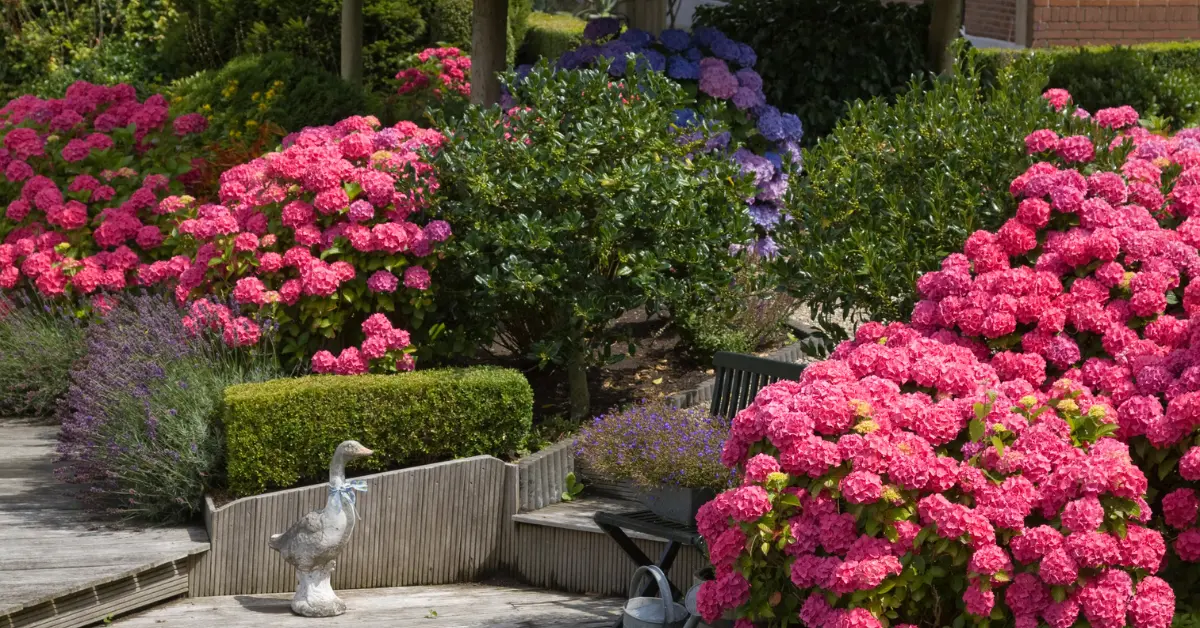
6 Best Shrubs to Plant in August You Must Try
Have you ever walked through a nursery late in the summer, admired the vibrant shrubs [...]
Aug
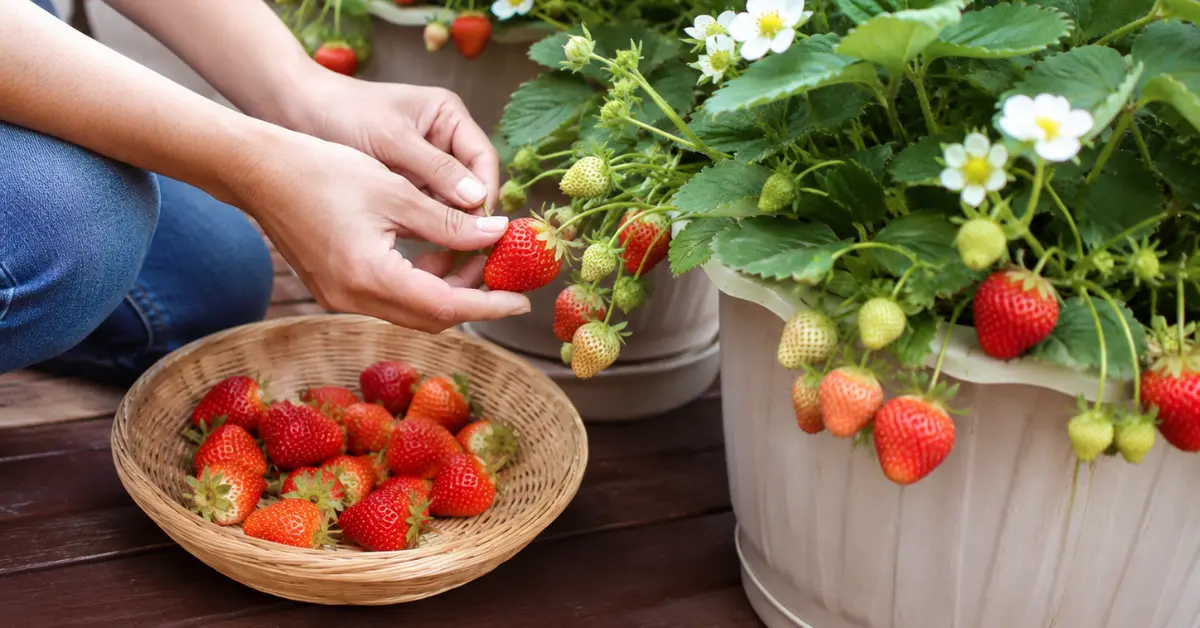
Growing Everbearing Strawberries in Containers: A Complete Guide for Beginners
Want to grow sweet, fresh strawberries but do not have a large garden? Everbearing strawberries [...]
Aug
Growing Egyptian Walking Onions in Containers: A Complete Guide for Beginners
If you’re looking for a hardy, no-fuss perennial onion that keeps on giving year after [...]
Jul
Growing Carolina Reaper Peppers in Pots: A Complete Guide for Beginners
If you’ve ever wanted to add some serious, record-breaking heat to your home cooking, you’ve [...]
May
Growing Curry Leaf Plant in Pots: A Complete Guide for Beginners
If you’re a fan of authentic South Asian cuisine, you already know that nothing compares [...]
May
5 Tips for Growing Carolina Reaper Peppers to Get the Spiciest Harvest Ever
Holding the record for one of the world’s hottest peppers, the Reaper isn’t just a [...]
May
Best Fertilizers for Zoysia Grass in 2026: Get a Lush Lawn
As we enter the new year, the time has come to think about how we [...]
Apr
Reviews
There are no reviews yet.