
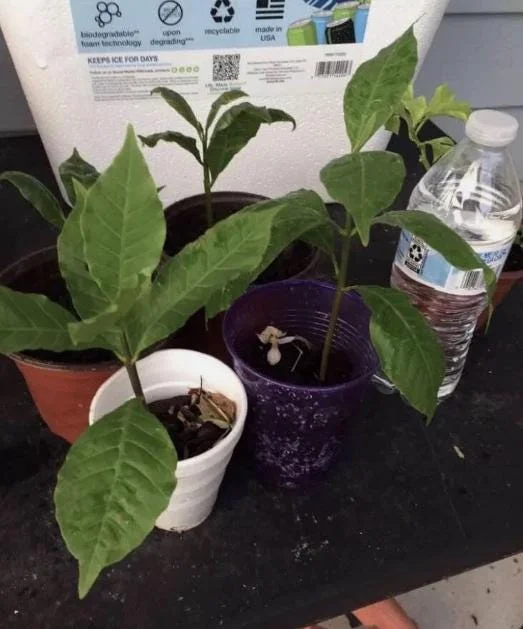
Yellow Cashew Live Plant – 5-8″ Tall – Anacardium occidentale – Tropical Nut & Fruit Tree
Original price was: $47.98.$22.99Current price is: $22.99.
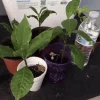
Cultivate your own exotic harvest with this yellow cashew live plant. Standing 5-8 inches tall, this young Anacardium occidentale is ideal for growing in containers, bringing a taste of the tropics to your home garden. Enjoy fresh nuts and delicious fruit from your very own cashew tree for containers.
Estimated arrival
Oct 05
Oct 10 - Oct 12
Oct 15 - Oct 19

Reasonable Price
We offer reasonable price

Support 24/7
Contact us 24 hrs a day

100% Money Back
You've 30 days to Return

Payment Secure
100% secure payment
Overview
Introduce an exotic touch to your garden or patio with a vibrant yellow cashew live plant. This young Anacardium occidentale specimen is perfect for enthusiasts looking to cultivate unique tropical fruits and nuts. Originating from tropical regions, the cashew tree is renowned for its distinctive kidney-shaped nut and its fleshy, apple-like fruit, known as the cashew apple. While this starter plant, typically 5-8 inches tall, may arrive smaller than expected, it is a vigorous grower and will quickly establish itself. Growing your own cashew tree offers a rewarding experience, allowing you to witness the fascinating development of both its fruit and nut from a tender young plant.
The Anacardium occidentale is a captivating addition to any collection of exotic plants. It thrives in warm climates and can be successfully grown in containers, making it accessible even in less tropical zones if brought indoors during colder months. This yellow cashew live plant provides the opportunity to harvest fresh, delicious cashews and their sweet, tangy fruit right from your own home. It’s an excellent choice for gardeners who appreciate both ornamental beauty and edible yields, offering a truly unique botanical experience.
Key Benefits
Growing a yellow cashew live plant offers a multitude of benefits, from ornamental appeal to the joy of harvesting your own food. This tropical gem is more than just a plant; it’s a journey into exotic horticulture. Here are some of the key advantages:
- Aesthetic Appeal: The lush green foliage and unique fruit development of the yellow cashew live plant add a distinctive tropical flair to any garden, patio, or indoor space. Its vibrant presence is a conversation starter.
- Homegrown Harvest: Enjoy the unparalleled satisfaction of picking fresh, ripe cashew apples and nuts directly from your own Anacardium occidentale plant. The flavor of homegrown produce is often superior to store-bought.
- Unique Culinary Ingredient: The cashew apple can be used in juices, jams, and desserts, offering a sweet and tangy flavor profile. The nuts, once properly processed, are a versatile and healthy snack or ingredient.
- Container Gardening Friendly: This starter plant is well-suited for container cultivation, allowing you to move it indoors during cooler weather or optimize its sun exposure, making it a perfect cashew tree for containers.
- Educational Experience: Witnessing the lifecycle of an exotic fruit and nut tree provides a fascinating educational opportunity for adults and children alike, deepening understanding of tropical botany.
- Vigorous Growth: Despite its initial small size (5-8 inches), the cashew plant is known for its relatively fast growth rate under ideal conditions, quickly developing into a more substantial specimen.
- Supports Biodiversity: Introducing diverse plant species like this tropical nut tree contributes to a richer and more varied home garden ecosystem.
Plant Care & Growing Tips
Proper care is crucial for your yellow cashew live plant to thrive and produce its unique fruits and nuts. While generally robust, understanding its specific needs will ensure a healthy and productive tree. Cashew trees prefer warm, tropical conditions, so mimicking this environment is key, especially if you’re growing it outside its native range.
Sunlight Requirements: Your Anacardium occidentale plant requires abundant sunlight. Aim for at least 6-8 hours of direct sun per day. If growing indoors or in a greenhouse, place it in the brightest spot available, ideally near a south-facing window. Insufficient light can lead to leggy growth and reduced fruit production. During intense summer heat, some afternoon shade might be beneficial in extremely hot climates to prevent leaf scorch, but generally, more sun is better for a tropical nut tree.
Watering and Soil: Cashew plants prefer consistently moist but not waterlogged soil. Water thoroughly when the top inch or two of soil feels dry to the touch. Ensure excellent drainage to prevent root rot, which is a common issue for many tropical plants. A good quality, well-draining potting mix is essential for container-grown plants. For in-ground planting, sandy loam soils are ideal. Reduce watering frequency during cooler months or if the plant is dormant. This attention to detail is vital for the long-term health and fruit-bearing potential of your cashew fruit plant care.
Temperature and Hardiness: The cashew tree is a tropical species and is sensitive to cold. It thrives in temperatures between 68-86°F (20-30°C). It is generally hardy in USDA zones 10-11. If you live in a colder climate, it is imperative to grow your yellow cashew live plant in a container so it can be moved indoors when temperatures drop below 50°F (10°C). Protect it from frost, which can severely damage or kill the plant. Humidity is also appreciated, so occasional misting can be beneficial, especially in dry indoor environments.
Fertilization: Feed your cashew plant with a balanced, slow-release fertilizer during its active growing season (spring and summer). A fertilizer formulated for fruit trees or tropical plants is often a good choice. Follow the product instructions for application rates. Reduce or stop fertilizing during fall and winter when growth slows. Regular feeding supports vigorous growth and fruit development.
Pruning and Pests: Prune your cashew tree for containers to maintain a manageable size and shape, and to encourage branching and fruit production. Remove any dead, diseased, or crossing branches. While relatively resistant, keep an eye out for common pests like aphids or mealybugs. Treat any infestations promptly with organic insecticidal soap or neem oil. Good air circulation also helps prevent fungal issues.
Size & Details
Your yellow cashew live plant will arrive as a healthy young starter, typically measuring between 5 to 8 inches in height. This size is ideal for acclimation to its new environment and allows you to nurture its growth from an early stage. While the initial growth rate can be quite rapid under optimal conditions, a mature cashew tree can reach heights of 30-45 feet in its native habitat. However, when grown as a cashew tree for containers, its size can be effectively managed through pruning, often staying within a 6-15 foot range, depending on pot size and care.
This Anacardium occidentale starter plant is shipped in a nursery pot, ready for transplanting into a larger container or directly into the ground in appropriate climates. Expect to see substantial growth within the first few years, with fruit production typically beginning after 3-5 years. The plant’s vigorous nature means that even a smaller starter can quickly develop into a robust specimen, offering the promise of delicious cashew apples and nuts in due time. This tropical nut tree is an investment in future harvests and a stunning addition to your plant collection.
Frequently Asked Questions
- Q: How big does this yellow cashew live plant get? A: While mature cashew trees can grow up to 45 feet tall in their native environment, when grown in containers, their size can be managed through pruning, typically reaching 6-15 feet. Your starter plant will arrive 5-8 inches tall.
- Q: Is this an indoor or outdoor plant? A: The Anacardium occidentale is a tropical plant best suited for outdoor growing in USDA Zones 10-11. In colder climates, it should be grown in a container and brought indoors during cooler months to protect it from frost.
- Q: How much sunlight does a cashew tree for containers need? A: This plant requires at least 6-8 hours of direct sunlight daily. Place it in the brightest possible location to ensure healthy growth and potential fruit production.
- Q: Is this plant easy to care for? A: With proper attention to its tropical needs for warmth, sunlight, and well-draining soil, the yellow cashew live plant can be relatively straightforward to care for. It’s a good choice for intermediate gardeners familiar with tropical plant care.
- Q: What condition will the plant arrive in? A: Your cashew plant will arrive as a healthy, live starter, carefully packaged in a nursery pot to ensure its safe transit and readiness for planting. Some minor leaf drop may occur due to shipping stress, but it typically recovers quickly.
- Q: Can I use the cashew fruit in cooking? A: Yes, the cashew apple (the fleshy part attached to the nut) is edible and can be used in various culinary applications, such as juices, jams, and desserts. The nut itself requires specific processing before consumption.
- Q: When is the best time to plant my tropical nut tree? A: The best time to plant is typically in spring or early summer, allowing the plant ample time to establish itself before cooler temperatures arrive. For indoor container plants, planting can be done year-round.
- Q: What kind of soil is best for cashew fruit plant care? A: Cashew trees prefer well-draining soil, ideally a sandy loam. For container growing, use a high-quality potting mix that provides good aeration and drainage to prevent waterlogging.
- Q: How long until it starts producing fruit? A: A yellow cashew live plant grown from a starter can typically begin producing fruit in 3-5 years under optimal growing conditions.
- Q: Is the plant pet-safe? A: The raw cashew nut contains urushiol, which can be irritating, similar to poison ivy. It’s best to keep pets from ingesting parts of the plant, especially the raw nut.
Be the first to review “Yellow Cashew Live Plant – 5-8″ Tall – Anacardium occidentale – Tropical Nut & Fruit Tree”
-
USDA Hardiness Zone
USDA zones 10-11 -
Soil Type
Well-draining sandy loam -
Sunlight Exposure
Full sun -
Expected Planting Period
Year-round indoors, spring to early summer outdoors
People Also Viewd


Sold 134 products
Original price was: $3,536.00.$23.99Current price is: $23.99.

Sold 132 products
Original price was: $89.99.$64.99Current price is: $64.99.

Sold 132 products
Original price was: $27.00.$24.00Current price is: $24.00.

Sold 125 products
Original price was: $86.99.$66.99Current price is: $66.99.

Flower Bulbs
3 Cranesbill Wild Geranium Organic Maculatums Bare Roots | Wildflower for Outdoor Garden
Sold 116 products
Original price was: $21.99.$9.99Current price is: $9.99.

Sold 114 products
Original price was: $28.99.$17.99Current price is: $17.99.

Sold 110 products
Original price was: $63.99.$28.99Current price is: $28.99.
Sold 108 products
Original price was: $28.99.$17.99Current price is: $17.99.RELATED posts
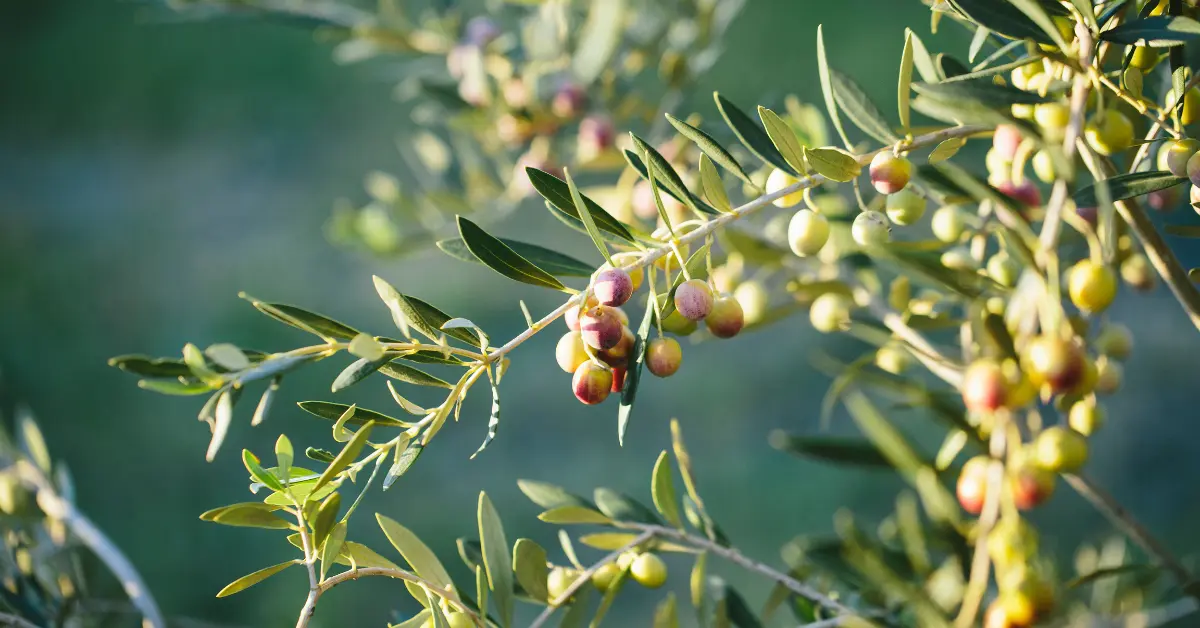
How to Grow Arbequina Olive Trees: The Ultimate Guide to Your Own Olive Grove
Arbequina Olive Tree (Olea europaea ‘Arbequina’) – the ultimate Mediterranean plant that brings a touch [...]
Oct
Growing Garlic in Containers This Fall: A Complete Guide for Beginners
If you’ve ever wanted to pop fresh, aromatic garlic cloves straight from your own patio [...]
Sep
Growing Camellia Sinensis (Tea Plants) in Containers: A Complete Guide for Beginners
If you’ve ever wanted to sip a steaming, homegrown cup of fresh green, black, or [...]
Aug
6 Best Shrubs to Plant in August You Must Try
Have you ever walked through a nursery late in the summer, admired the vibrant shrubs [...]
Aug
Growing Everbearing Strawberries in Containers: A Complete Guide for Beginners
Want to grow sweet, fresh strawberries but do not have a large garden? Everbearing strawberries [...]
Aug
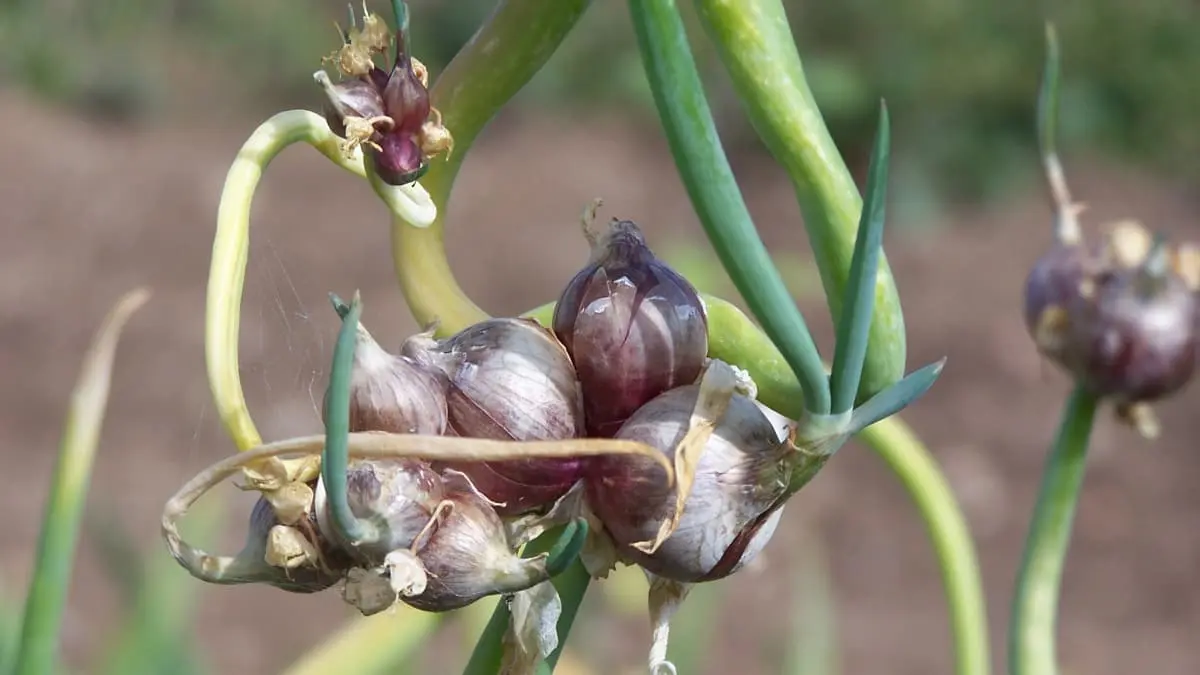
Growing Egyptian Walking Onions in Containers: A Complete Guide for Beginners
If you’re looking for a hardy, no-fuss perennial onion that keeps on giving year after [...]
Jul
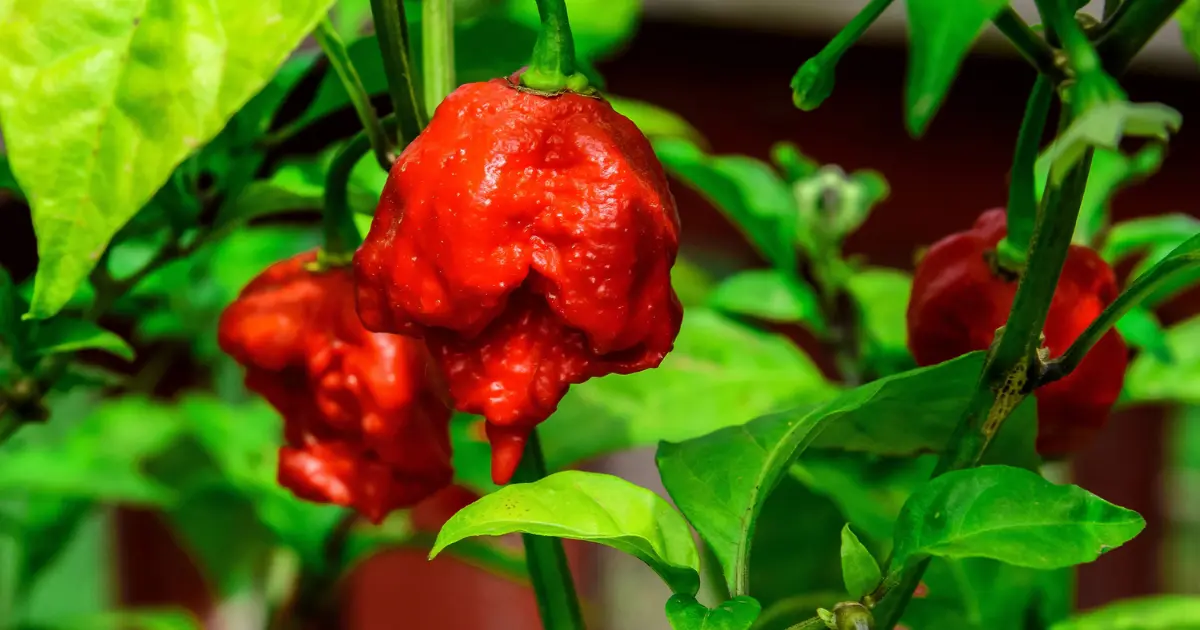
Growing Carolina Reaper Peppers in Pots: A Complete Guide for Beginners
If you’ve ever wanted to add some serious, record-breaking heat to your home cooking, you’ve [...]
May
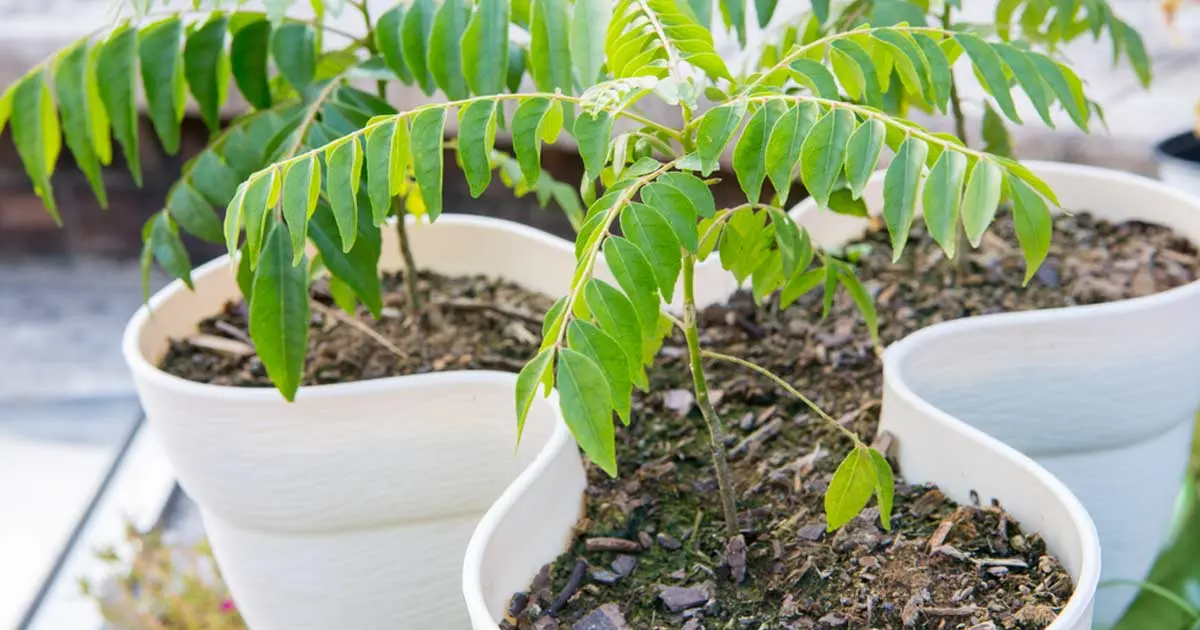
Growing Curry Leaf Plant in Pots: A Complete Guide for Beginners
If you’re a fan of authentic South Asian cuisine, you already know that nothing compares [...]
May
Reviews
There are no reviews yet.