
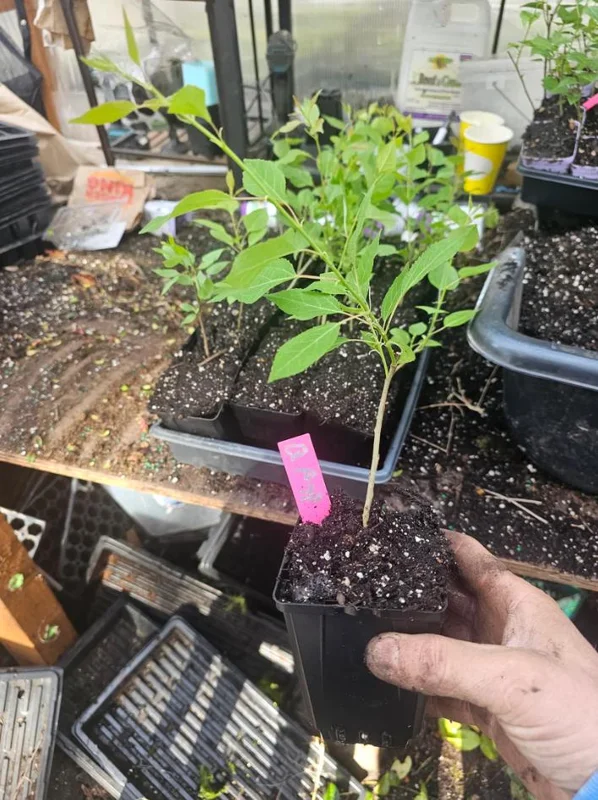
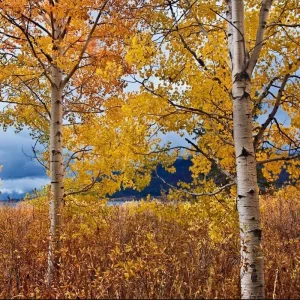
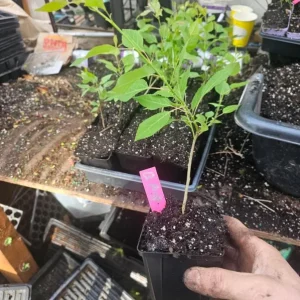
Quaking Aspen Tree Seedling Live Plant – Populus Tremuloides – 6-8 Inch Tall, 4 Inch Pot, Autumn Color, Shade Tree
Original price was: $50.99.$30.99Current price is: $30.99.
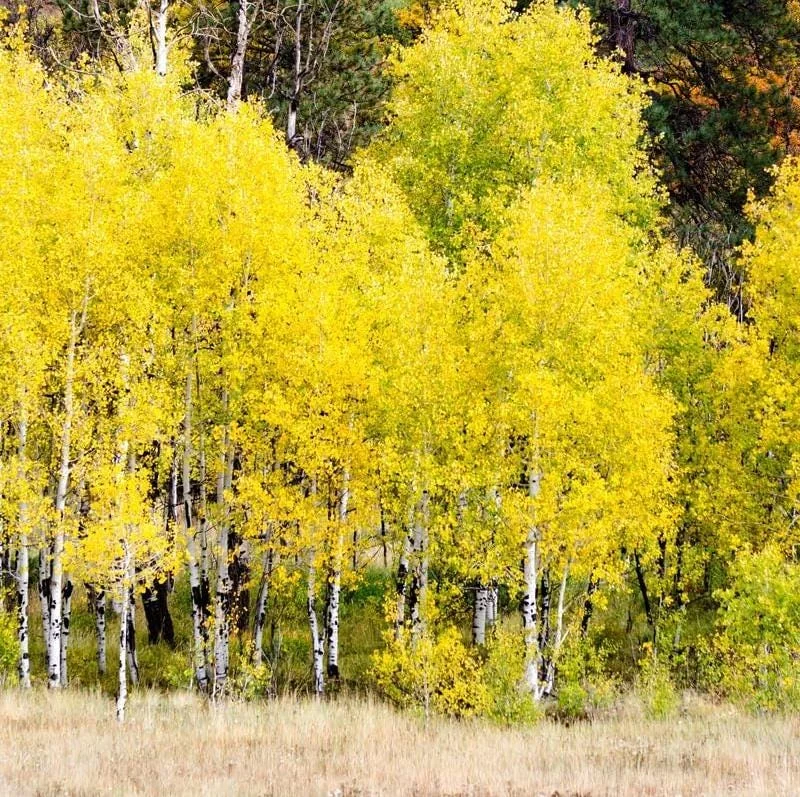
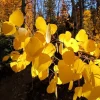
Cultivate a stunning landscape with our quaking aspen tree seedling. This Populus tremuloides plant, known for its distinctive trembling leaves and brilliant autumn color, arrives ready for planting. Ideal as a shade tree and a native species for various climates.
Estimated arrival
Sep 10
Sep 15 - Sep 17
Sep 20 - Sep 24

Reasonable Price
We offer reasonable price

Support 24/7
Contact us 24 hrs a day

100% Money Back
You've 30 days to Return

Payment Secure
100% secure payment
Overview
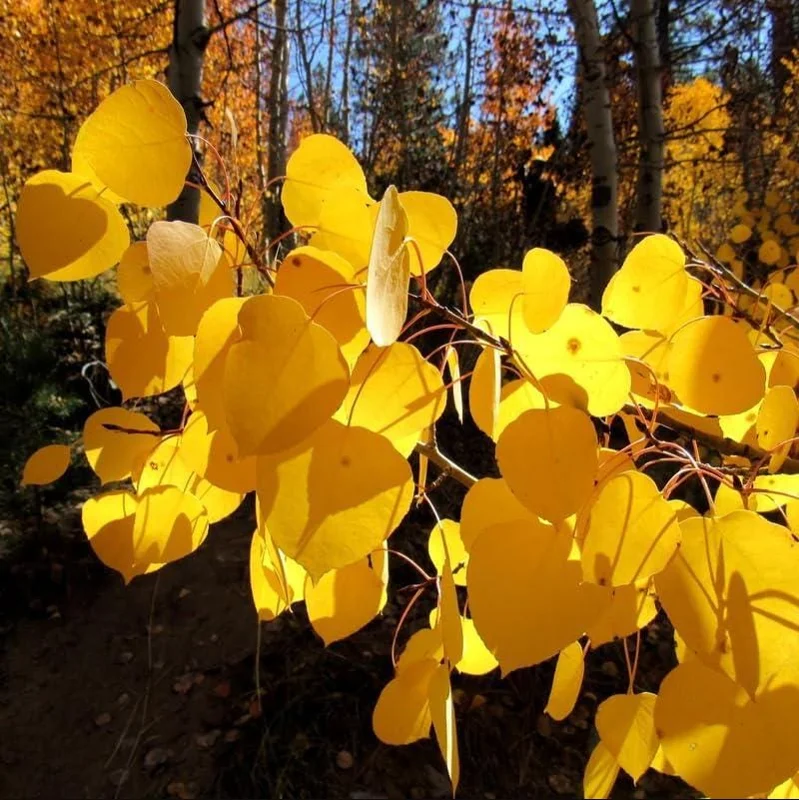
Bring the beauty of North American forests to your garden with a quaking aspen tree seedling. Scientifically known as Populus tremuloides, this remarkable tree is celebrated for its distinctive leaves that flutter and ‘quake’ in the slightest breeze, creating a soothing, rustling sound. Our live plant seedlings are carefully nurtured to ensure a healthy start, providing you with a vigorous young tree perfect for establishing a new shade canopy or adding a touch of natural elegance to your property. The Populus tremuloides plant is a native deciduous tree, renowned for its rapid growth and stunning golden-yellow foliage in the autumn, making it a focal point in any landscape. This offering includes a live plant, ready to be transplanted into its new home.
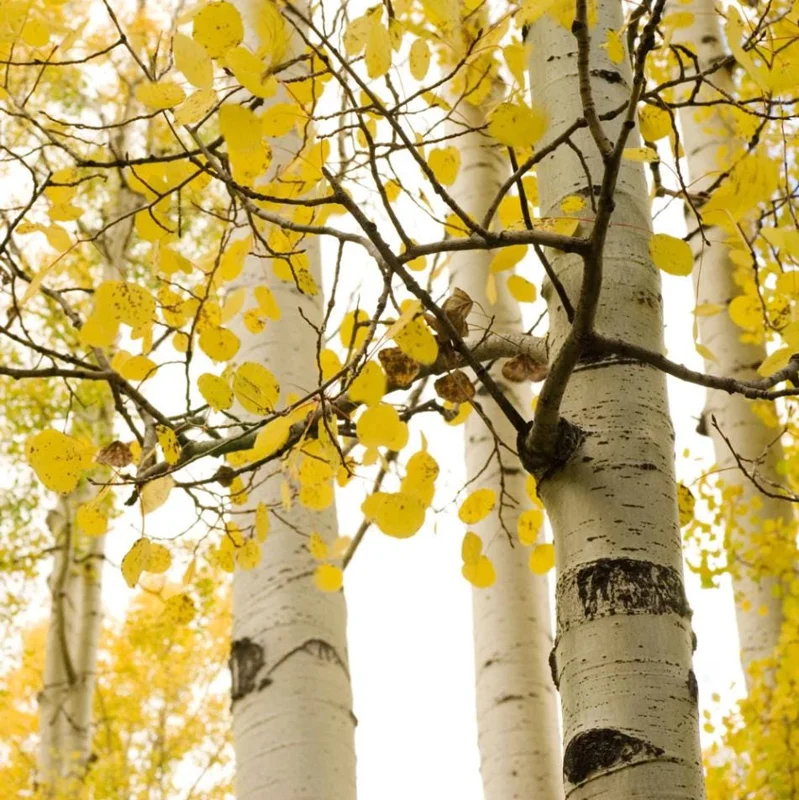
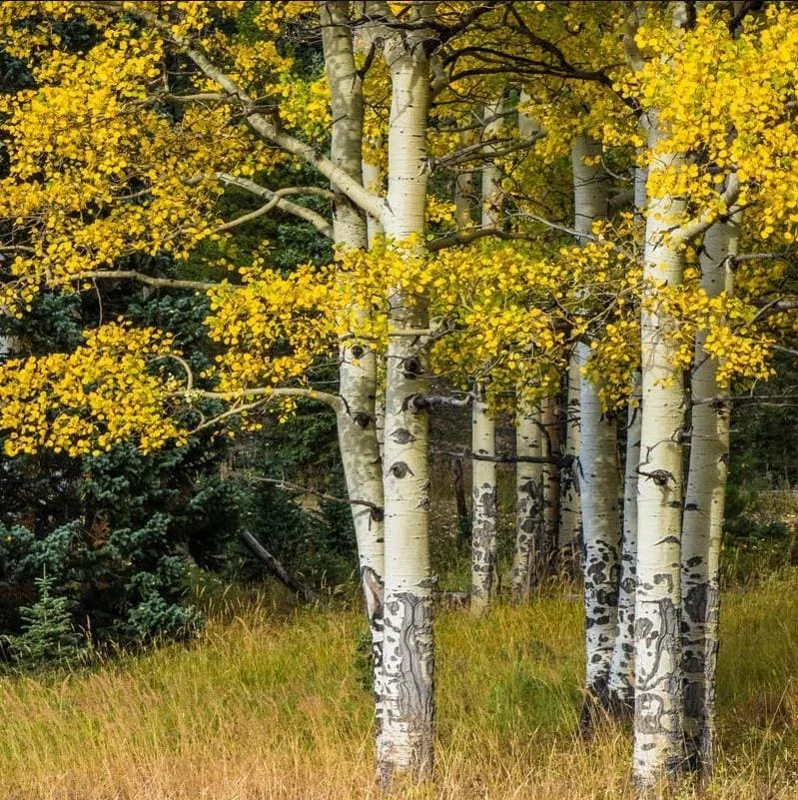
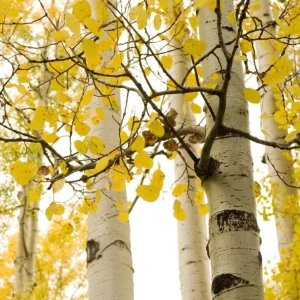
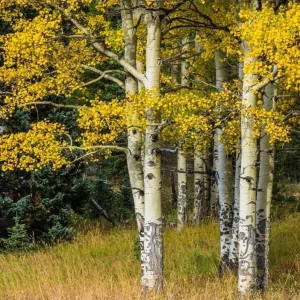
The Quaking Aspen is not just a visually appealing tree; it’s also a vital part of many ecosystems, supporting local wildlife. Its unique bark and upright growth habit lend a graceful, airy feel to the environment. Whether you’re aiming to create a naturalized area, establish a windbreak, or simply enjoy the seasonal display of a beautiful deciduous tree, this quaking aspen tree seedling is an excellent choice. It’s a hardy and adaptable species, capable of thriving in a range of conditions once established, and promises years of enjoyment with its dynamic presence and seasonal charm.
Key Benefits
The Quaking Aspen offers a multitude of benefits for both the gardener and the environment, making it a highly desirable addition to any outdoor space. Its unique characteristics contribute to its widespread appeal:
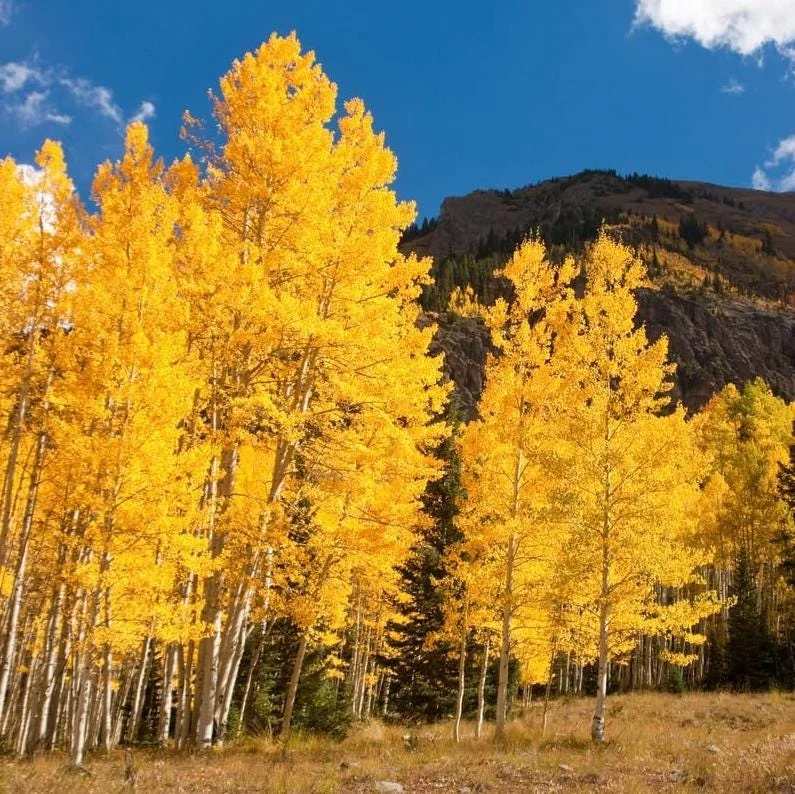
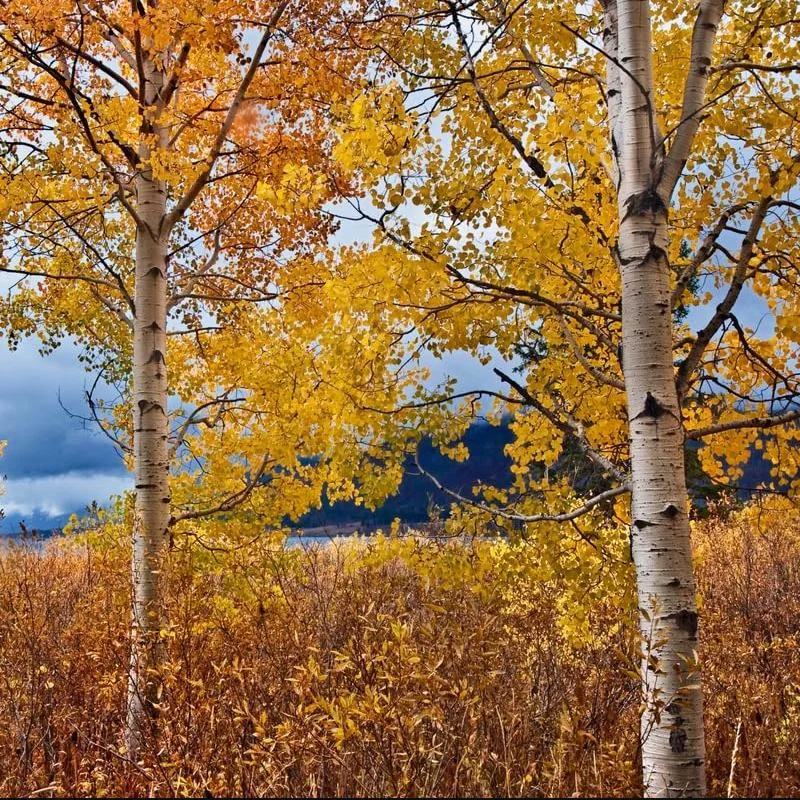
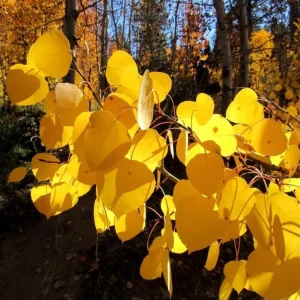
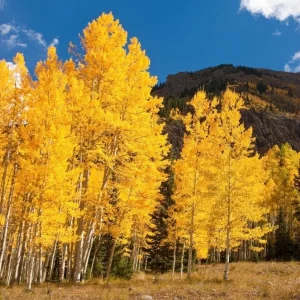
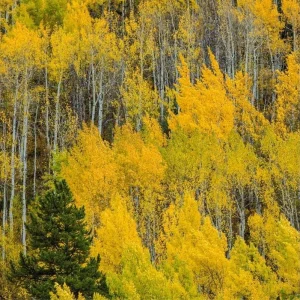
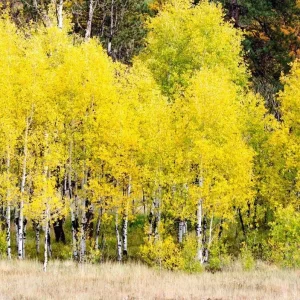
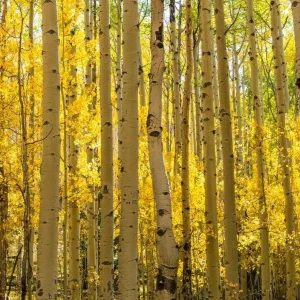
- Stunning Autumn Color: Witness a spectacular display of vibrant golden-yellow foliage each fall. The leaves of the quaking aspen tree seedling transform your landscape into a breathtaking autumnal masterpiece, providing seasonal interest that is hard to match.
- Distinctive Trembling Leaves: Enjoy the unique aesthetic and soothing sound of its leaves, which “tremble” or “quake” in the gentlest breeze. This characteristic movement adds a dynamic and peaceful element to your garden, creating a serene atmosphere.
- Excellent Shade Provider: With its relatively fast growth rate and mature size, the trembling aspen tree quickly establishes itself as an effective shade tree. It offers a cool retreat during hot summer months, reducing energy costs and enhancing outdoor comfort.
- Native & Wildlife Friendly: As a native species, Populus tremuloides is well-adapted to local ecosystems and provides essential habitat and food sources for various wildlife, including birds and deer. Planting this tree supports biodiversity in your area.
- Fast Growing Tree: Known for its vigorous growth, the Quaking Aspen will quickly mature, allowing you to enjoy its full benefits sooner. This makes it an ideal choice for those looking to establish a significant landscape feature in a shorter timeframe.
- Cold Hardy & Adaptable: This species exhibits remarkable cold hardiness, thriving in a wide range of climates. Its adaptability ensures that the Populus tremuloides plant can be successfully grown in many regions, making it a reliable choice for diverse planting zones.
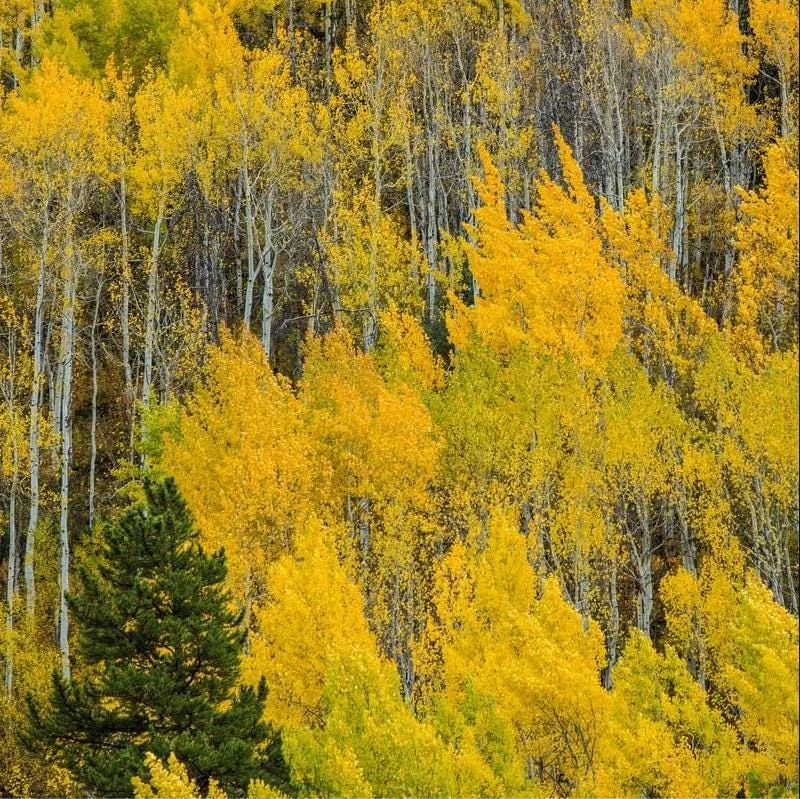
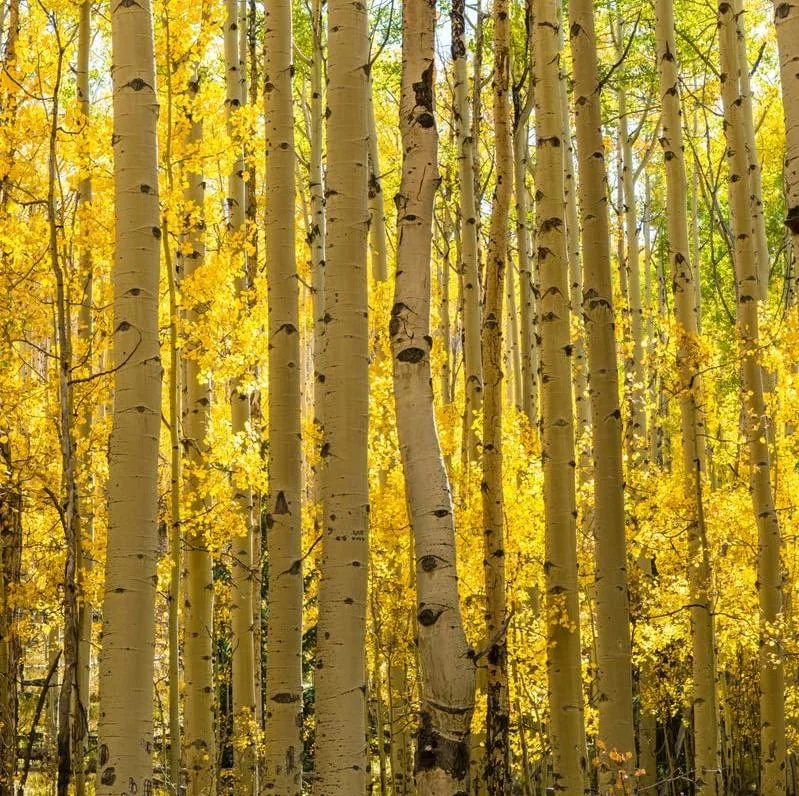
- Clonal Growth Potential: Quaking Aspens are known for their ability to spread clonally via root suckers, forming groves. This natural characteristic can lead to a beautiful, interconnected stand of trees over time, creating a unique forest-like environment.
Plant Care & Growing Tips
Caring for your quaking aspen tree seedling involves understanding its fundamental needs to ensure robust growth and vibrant health. These trees are generally resilient, but proper initial care will set them up for long-term success. One of the most critical aspects is providing adequate sunlight. Quaking Aspens thrive in full sun, requiring at least 6–8 hours of direct sunlight daily to grow vigorously and develop their characteristic brilliant autumn colors. Planting them in an open area where they won’t be shaded by other large trees or structures is ideal.
Consistent moisture is paramount, especially during the tree’s establishment phase. While young, the Populus tremuloides plant needs regular watering to keep the soil consistently moist but not waterlogged. Once established, they are more tolerant of varying moisture levels but perform best with reliable hydration, particularly during dry spells. The ideal soil for a trembling aspen tree is well-drained and slightly acidic. Avoid heavy clay soils that retain too much water, as this can lead to root rot. Amending the soil with organic matter can improve drainage and provide essential nutrients. Good soil preparation is key for a healthy fast growing aspen.
Quaking Aspens are cold hardy, typically thriving in USDA Zones 1-7. They prefer cooler climates and can struggle in extreme heat or prolonged drought. Fertilization isn’t always necessary in rich soils, but if growth appears slow, a balanced, slow-release fertilizer applied in early spring can be beneficial. Monitor for common issues such as leaf spot or cankers, and ensure good air circulation around the tree to minimize fungal diseases. Pruning is usually minimal, focused on removing dead, damaged, or crossing branches to maintain a healthy structure. Protect young trees from deer browsing, as they can be attractive to wildlife. With these care guidelines, your quaking aspen tree seedling will flourish and become a cherished part of your landscape.
Size & Details
This offering is for a live quaking aspen tree seedling, measuring approximately 6 to 8 inches in height from the top of the soil line. Each seedling is carefully grown and shipped in a 4-inch nursery pot, providing a well-established root system ready for transplanting. These young trees are at an ideal stage for planting, allowing them to acclimate quickly to their new environment and begin their rapid growth journey. The Quaking Aspen is known for being a fast growing aspen, and with proper care, these seedlings will develop into magnificent trees, eventually reaching heights of 40-70 feet with a spread of 20-30 feet at maturity. The growth rate can be as much as 2-3 feet per year under optimal conditions, ensuring you won’t have to wait long to enjoy its full benefits. They are deciduous trees, meaning they will shed their leaves in the fall after showcasing their brilliant autumn color shade tree display.
Frequently Asked Questions
- Q: How big does this plant get? A: This quaking aspen tree seedling is currently 6 to 8 inches tall. At maturity, a Quaking Aspen (Populus tremuloides) can reach impressive heights of 40-70 feet with a spread of 20-30 feet, providing substantial shade and visual impact.
- Q: What size pot does it come in? A: Each Populus tremuloides plant is shipped in a 4-inch nursery pot, ensuring the root system is protected and well-established for successful transplanting into your garden or a larger container.
- Q: Is this an indoor or outdoor plant? A: The quaking aspen tree seedling is an outdoor tree, specifically designed for planting in your garden or landscape. It requires full sun exposure and is not suitable for long-term indoor cultivation.
- Q: How much sunlight does it need? A: A trembling aspen tree thrives in full sun, requiring a minimum of 6–8 hours of direct sunlight each day. Ample sunlight is crucial for healthy growth and the development of its spectacular fall foliage.
- Q: Is this plant easy to care for? A: Once established, the Quaking Aspen is relatively low-maintenance. However, it requires consistent moisture, especially when young, and well-drained, slightly acidic soil. It’s a great choice for gardeners looking for a hardy, fast-growing tree.
- Q: What condition will it arrive in? A: Your quaking aspen tree seedling will arrive as a healthy, live plant, carefully packaged to minimize stress during transit. It will be in its 4-inch nursery pot, ready for immediate planting.
- Q: When is the best time to plant? A: The best time to plant your fast growing aspen is typically in spring or early fall. This allows the tree to establish its root system before the extreme temperatures of summer or winter.
- Q: Will it survive winter in my zone? A: Yes, the Quaking Aspen is extremely cold hardy, typically thriving in USDA Hardiness Zones 1-7. It is well-adapted to cold winters and will enter dormancy, leafing out again in the spring.
- Q: What type of soil does it prefer? A: This tree prefers well-drained, slightly acidic soil. It’s important to avoid heavy, waterlogged soils to prevent root issues and ensure optimal growth for your autumn color shade tree.
- Q: How long until it shows its autumn color? A: Young Populus tremuloides plant specimens will begin to show their characteristic golden autumn color shade tree as early as their first or second fall, provided they receive sufficient sunlight and are healthy. The intensity of the color will increase as the tree matures.
Be the first to review “Quaking Aspen Tree Seedling Live Plant – Populus Tremuloides – 6-8 Inch Tall, 4 Inch Pot, Autumn Color, Shade Tree”
-
USDA Hardiness Zone
USDA Zones 1-7 -
Soil Type
Well-drained, slightly acidic soil -
Sunlight Exposure
Full sun (6-8 hours daily) -
Expected Planting Period
Spring to early fall
People Also Viewd


Sold 134 products
Original price was: $3,536.00.$23.99Current price is: $23.99.

Sold 131 products
Original price was: $27.00.$24.00Current price is: $24.00.

Sold 130 products
Original price was: $89.99.$64.99Current price is: $64.99.

Sold 125 products
Original price was: $86.99.$66.99Current price is: $66.99.

Flower Bulbs
3 Cranesbill Wild Geranium Organic Maculatums Bare Roots | Wildflower for Outdoor Garden
Sold 116 products
Original price was: $21.99.$9.99Current price is: $9.99.

Sold 114 products
Original price was: $28.99.$17.99Current price is: $17.99.
Sold 110 products
Original price was: $63.99.$28.99Current price is: $28.99.
Sold 108 products
Original price was: $28.99.$17.99Current price is: $17.99.RELATED posts
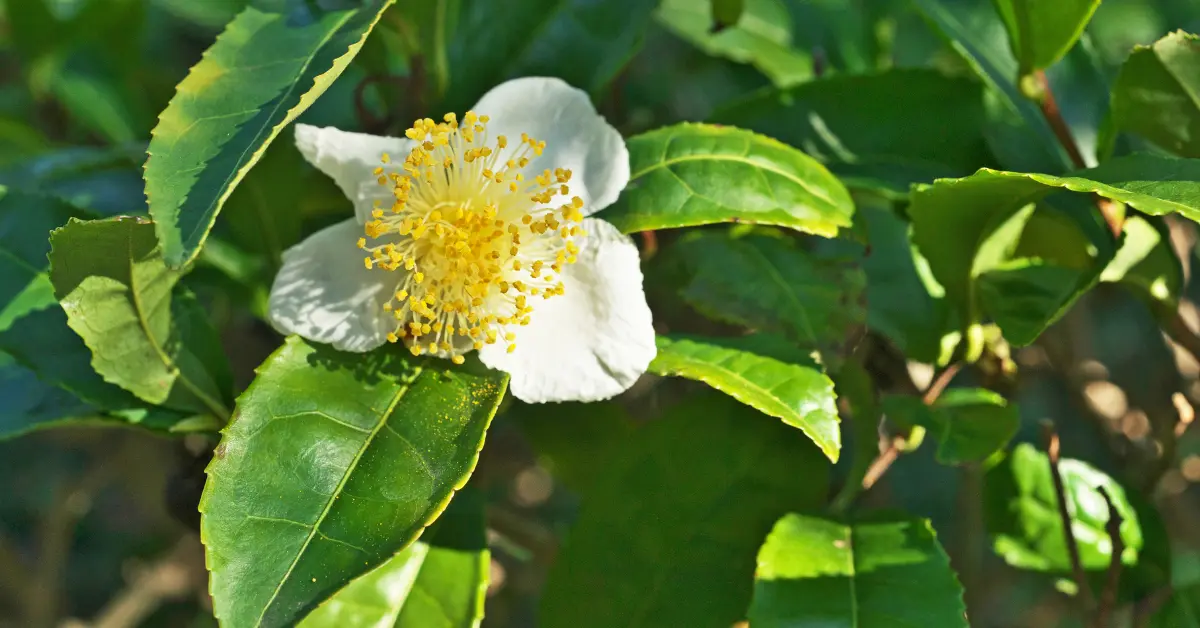
Growing Camellia Sinensis (Tea Plants) in Containers: A Complete Guide for Beginners
If you’ve ever wanted to sip a steaming, homegrown cup of fresh green, black, or [...]
Aug
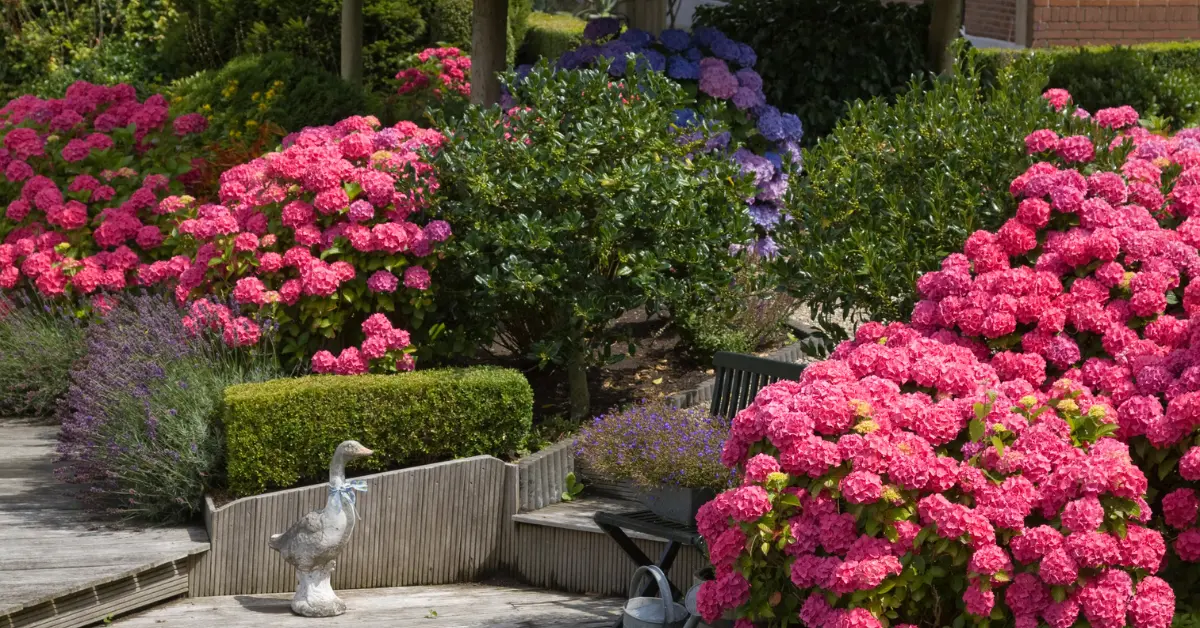
6 Best Shrubs to Plant in August You Must Try
Have you ever walked through a nursery late in the summer, admired the vibrant shrubs [...]
Aug
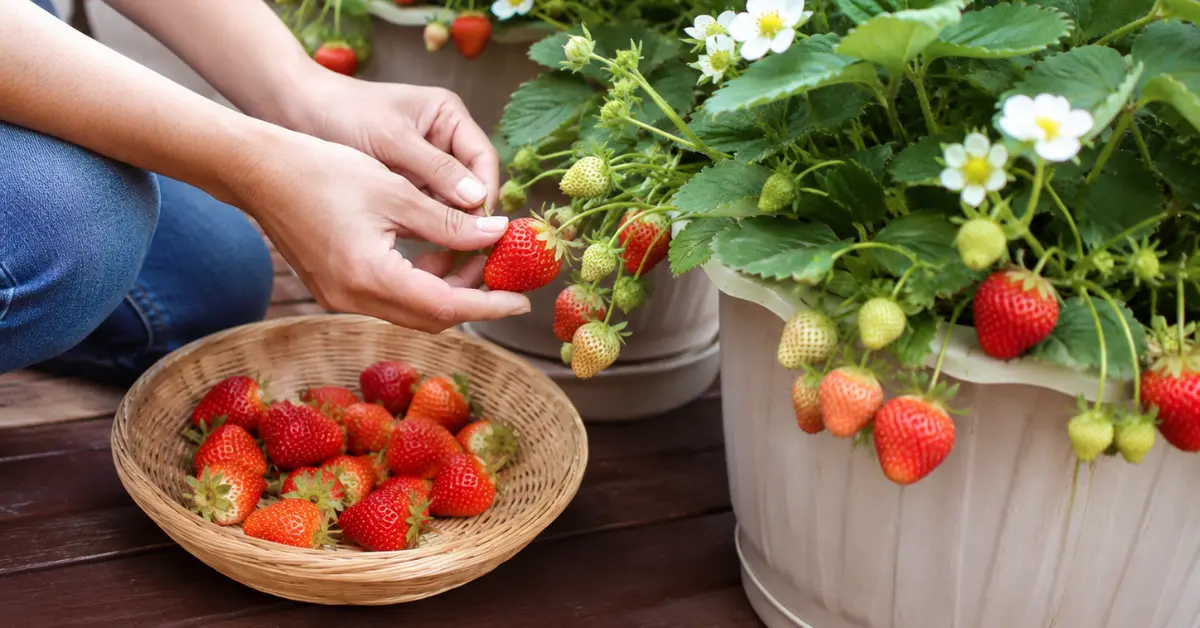
Growing Everbearing Strawberries in Containers: A Complete Guide for Beginners
Want to grow sweet, fresh strawberries but do not have a large garden? Everbearing strawberries [...]
Aug
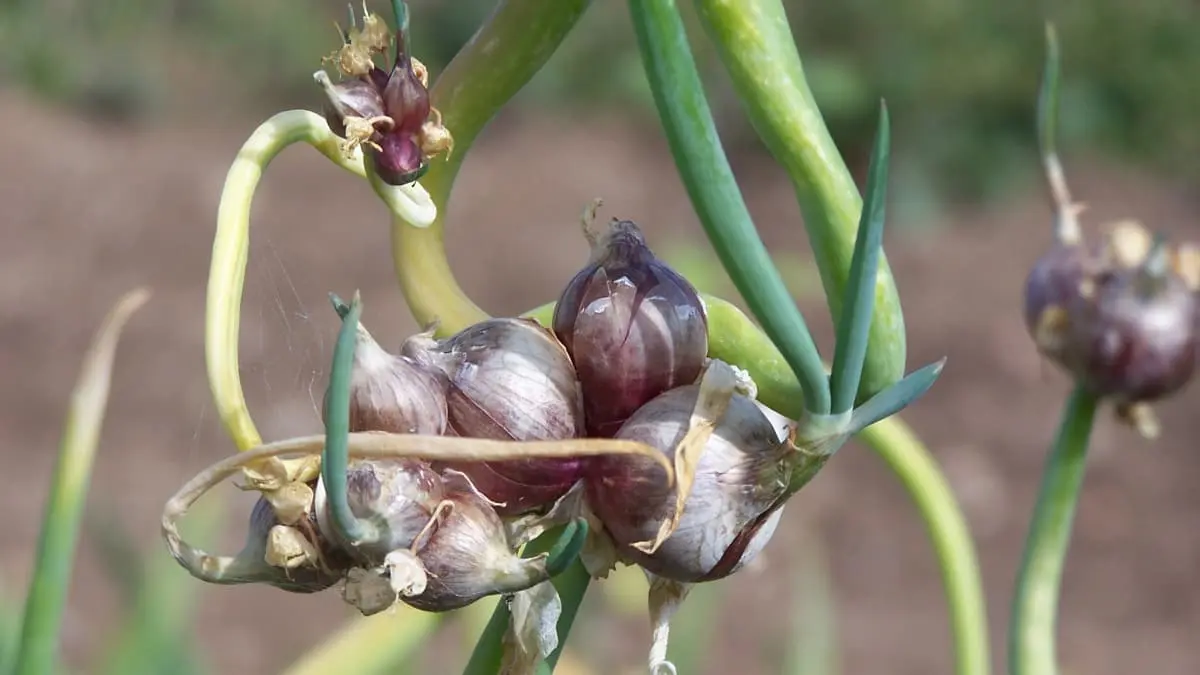
Growing Egyptian Walking Onions in Containers: A Complete Guide for Beginners
If you’re looking for a hardy, no-fuss perennial onion that keeps on giving year after [...]
Jul
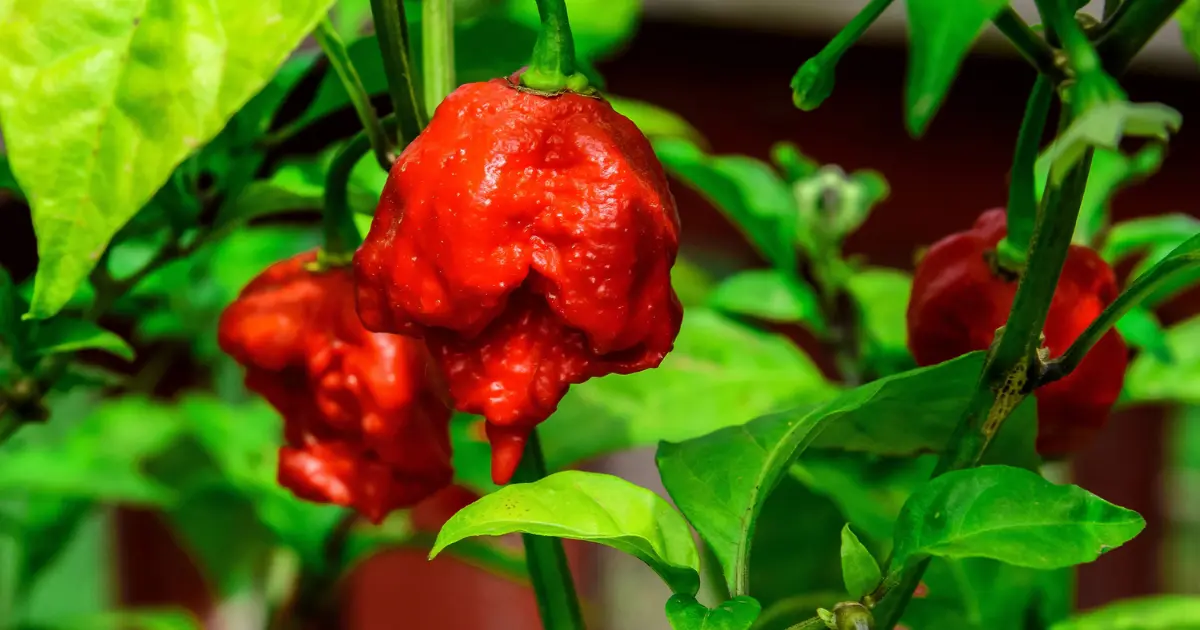
Growing Carolina Reaper Peppers in Pots: A Complete Guide for Beginners
If you’ve ever wanted to add some serious, record-breaking heat to your home cooking, you’ve [...]
May
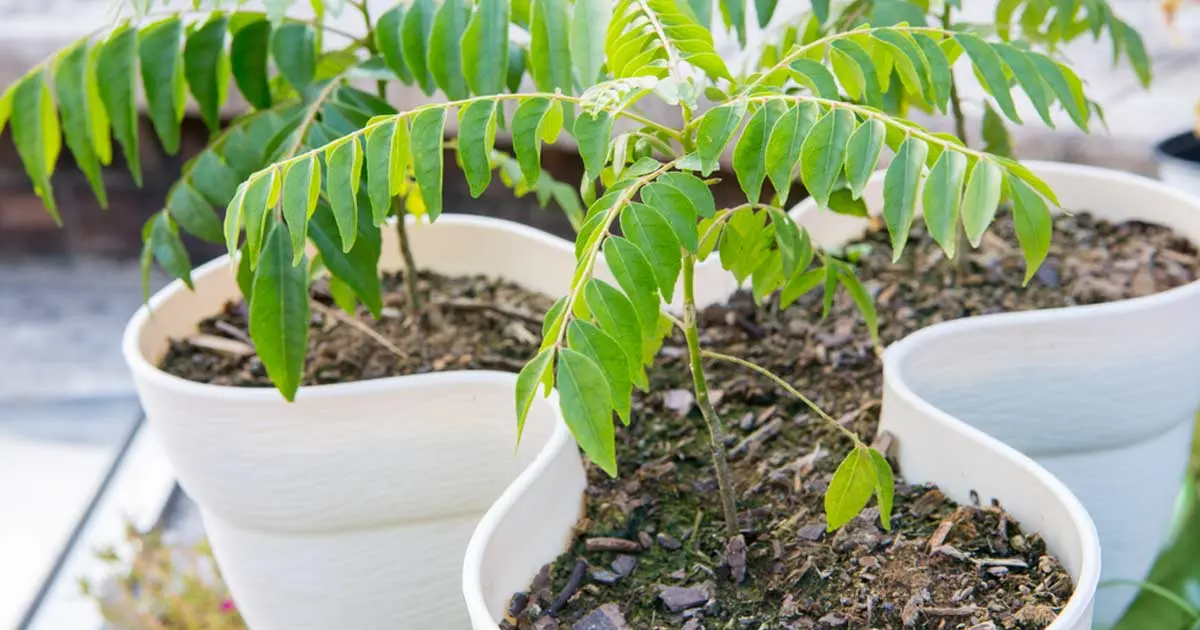
Growing Curry Leaf Plant in Pots: A Complete Guide for Beginners
If you’re a fan of authentic South Asian cuisine, you already know that nothing compares [...]
May
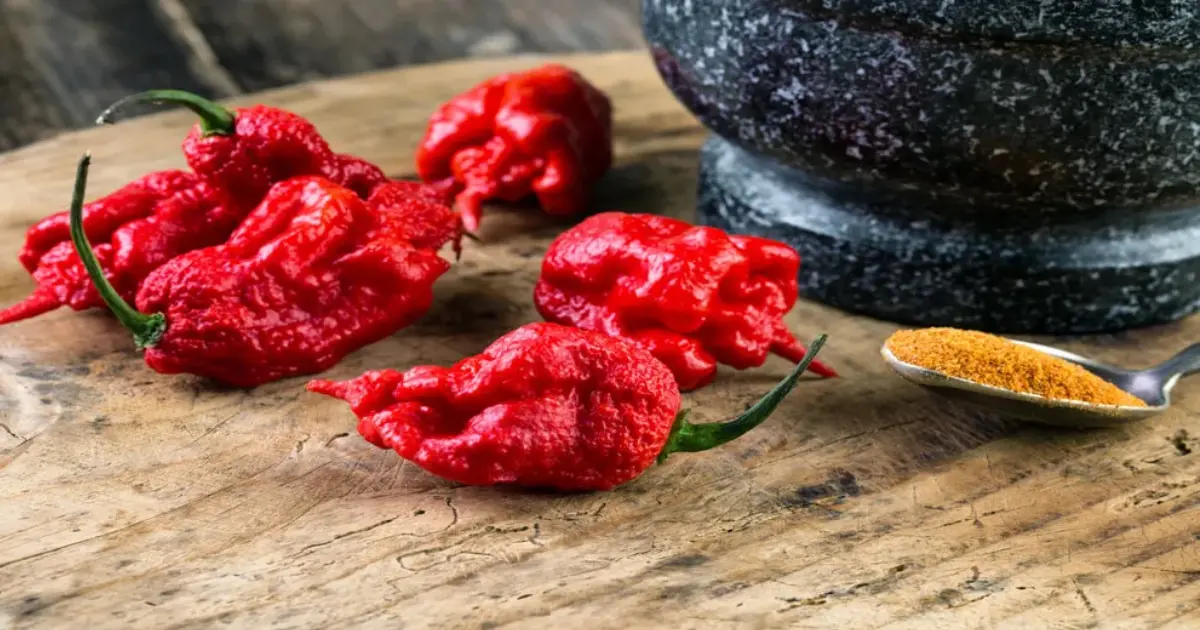
5 Tips for Growing Carolina Reaper Peppers to Get the Spiciest Harvest Ever
Holding the record for one of the world’s hottest peppers, the Reaper isn’t just a [...]
May
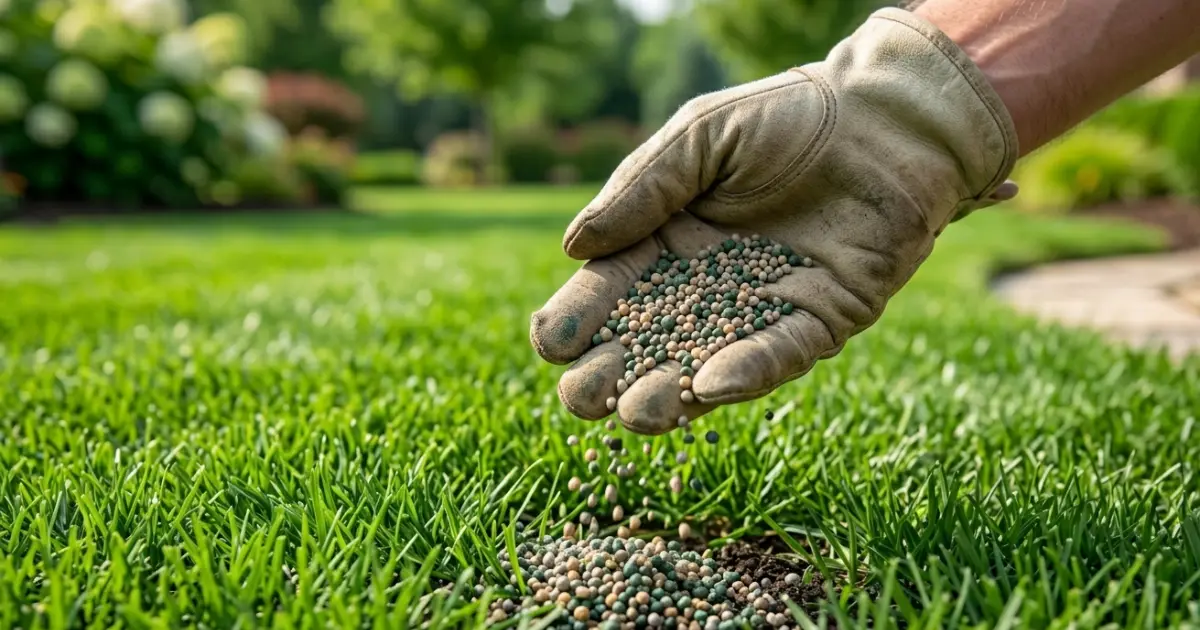
Best Fertilizers for Zoysia Grass in 2026: Get a Lush Lawn
As we enter the new year, the time has come to think about how we [...]
Apr
Reviews
There are no reviews yet.