
Red Gold Nectarine Starter Plant – Live Fruit Tree for Planting, 6-12 Inch Tall Outdoor
Original price was: $103.99.$83.99Current price is: $83.99.
Cultivate your own orchard with a red gold nectarine live plant. This self-fertile starter tree, 6 to 12 inches tall, produces abundant, firm, red-blushed nectarines for your home garden. Ideal for outdoor planting and known for high yields.
Estimated arrival
Oct 16
Oct 21 - Oct 23
Oct 26 - Oct 30

Reasonable Price
We offer reasonable price

Support 24/7
Contact us 24 hrs a day

100% Money Back
You've 30 days to Return

Payment Secure
100% secure payment
Overview
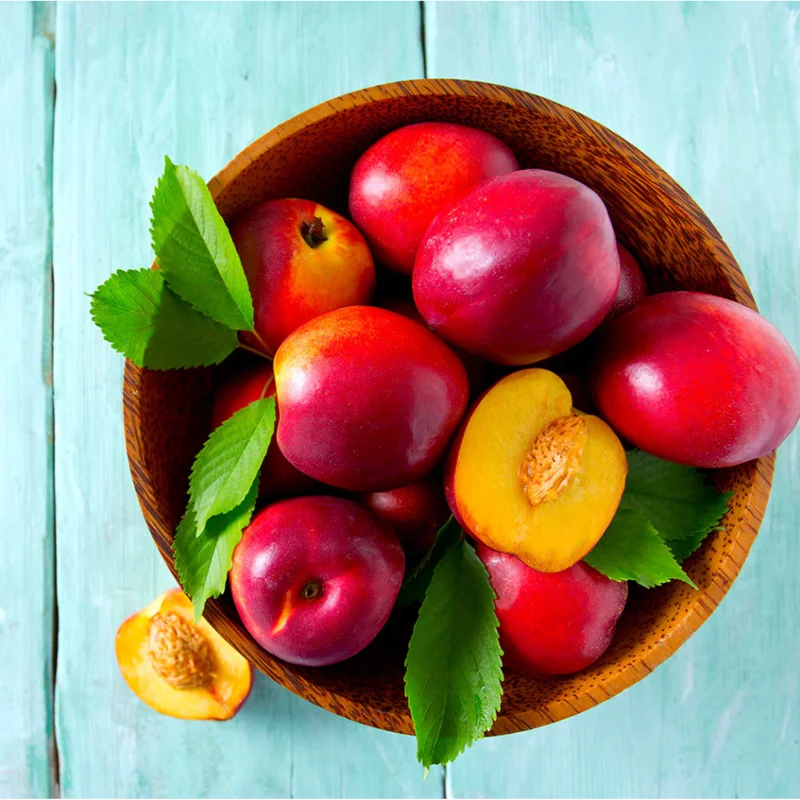
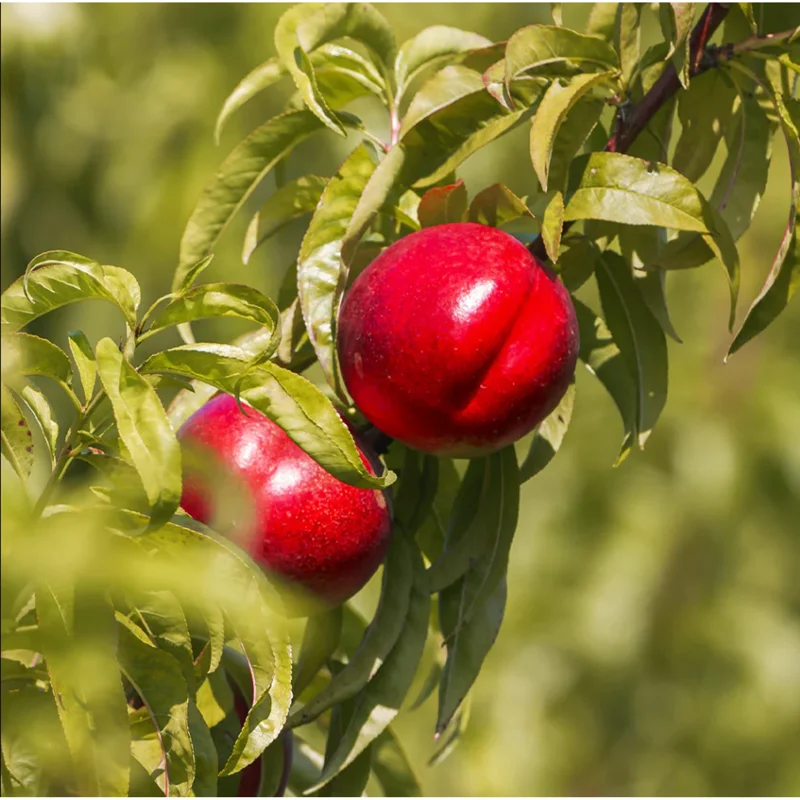
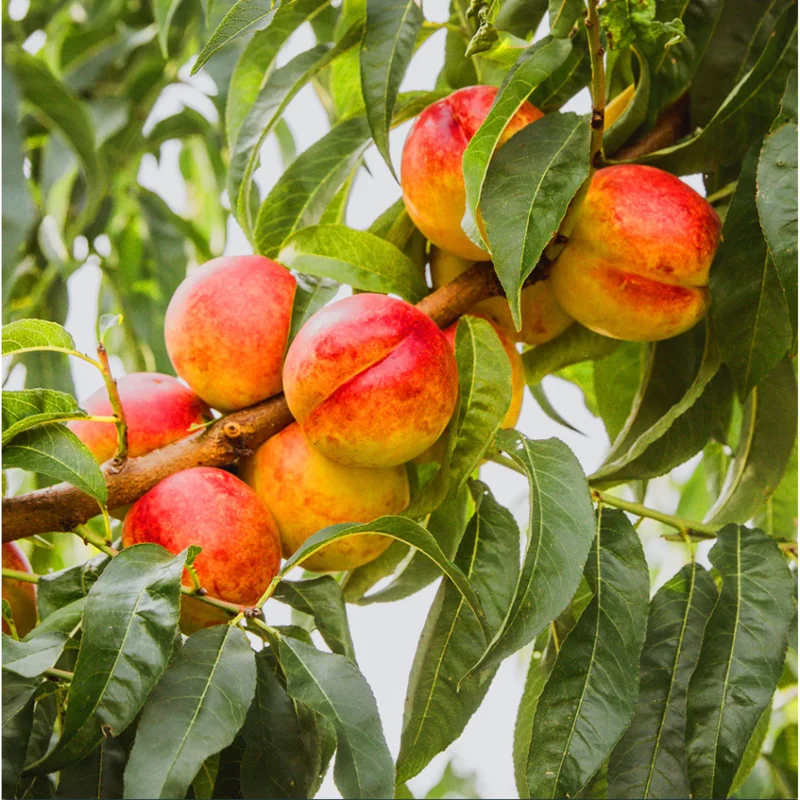
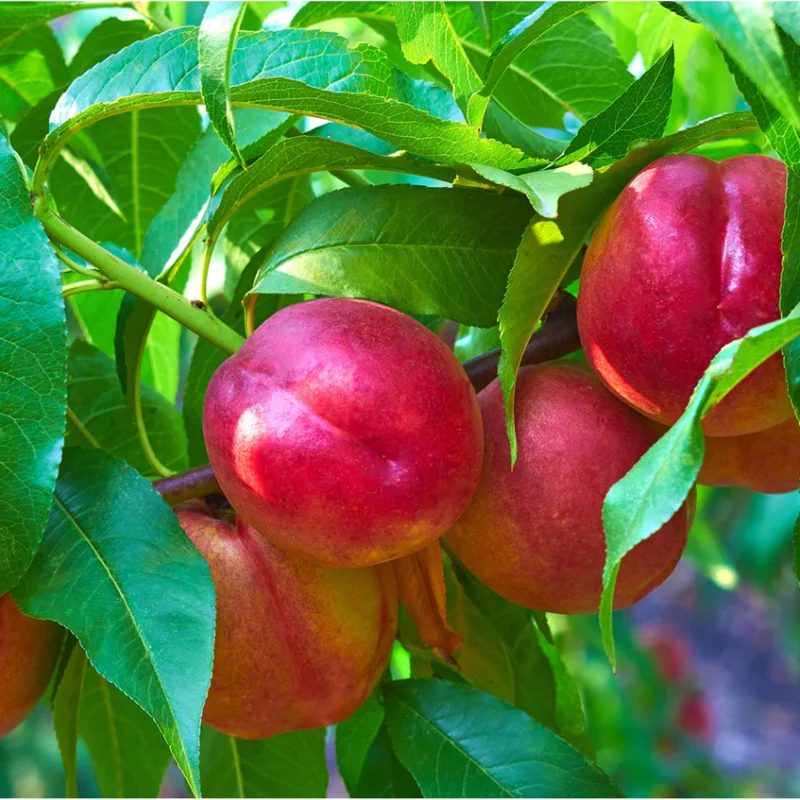
Bring the joy of homegrown fruit to your backyard with the red gold nectarine live plant. This offering provides a healthy, vigorous starter plant, typically 6 to 12 inches tall, ready for planting and establishment in your home garden. The Red Gold Nectarine is a highly esteemed variety, cherished for its delectable fruit and robust growth. As a self-fertile deciduous tree, it simplifies the growing process, as you won’t need multiple trees for pollination. Gardeners often seek this particular red gold nectarine tree for its proven track record of producing a bountiful harvest of large, firm, and beautifully red-blushed nectarines. These succulent fruits are known to ripen reliably in mid-August, offering a delightful summer treat. Investing in a high-quality nectarine starter plant is the first step towards enjoying fresh, organic nectarines right from your own property, enhancing both your landscape and your culinary options.
This fruit tree for planting is an excellent choice for both experienced gardeners and those new to growing fruit. Its reliable production and relatively straightforward care make it a rewarding addition to any edible landscape. The Red Gold Nectarine is not only productive but also visually appealing, with its vibrant green foliage and the promise of colorful, ripe fruit. Prepare to enjoy the sweet, juicy taste of your very own nectarines, knowing they were grown with care and attention in your personal garden space.
Key Benefits
The red gold nectarine live plant offers numerous advantages for the home gardener, transforming your outdoor space into a productive and beautiful environment. Here are some of the key benefits:
- High Yielding: This variety is renowned for its impressive productivity, often yielding 50+ pounds of fruit per season once mature. Enjoy an abundance of fresh nectarines for eating, baking, and preserving.
- Self-Fertile: As a self-fertile tree, you only need one plant to produce fruit. This simplifies the planting process and is ideal for gardens with limited space, making it an excellent choice for a standalone nectarine starter plant.
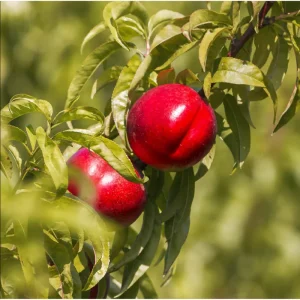
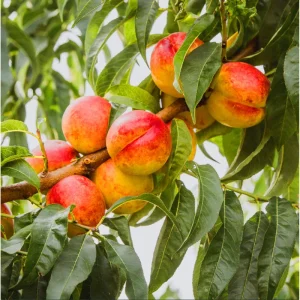
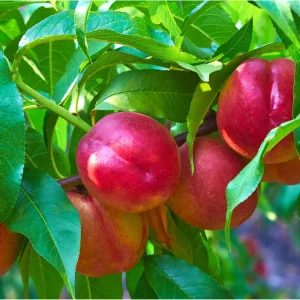
- Delicious Fruit Quality: The Red Gold Nectarine produces large, firm, and juicy fruit with an attractive red blush over a golden background. Its sweet flavor and smooth skin make it a favorite for fresh consumption.
- Mid-August Ripening: The consistent ripening period in mid-August provides a predictable harvest time, allowing you to plan for enjoying and processing your nectarines at the peak of their flavor.
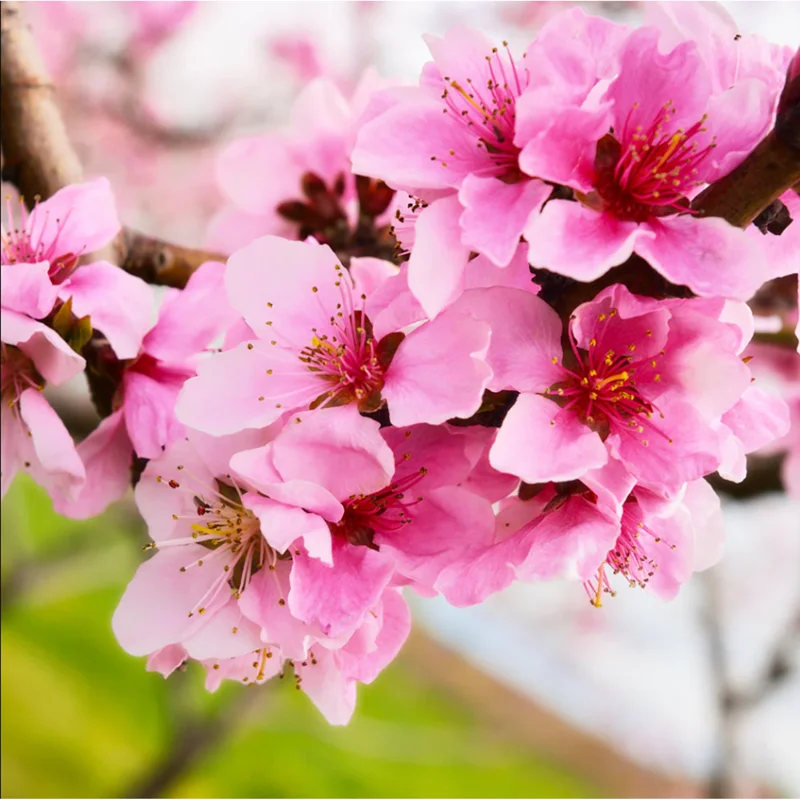
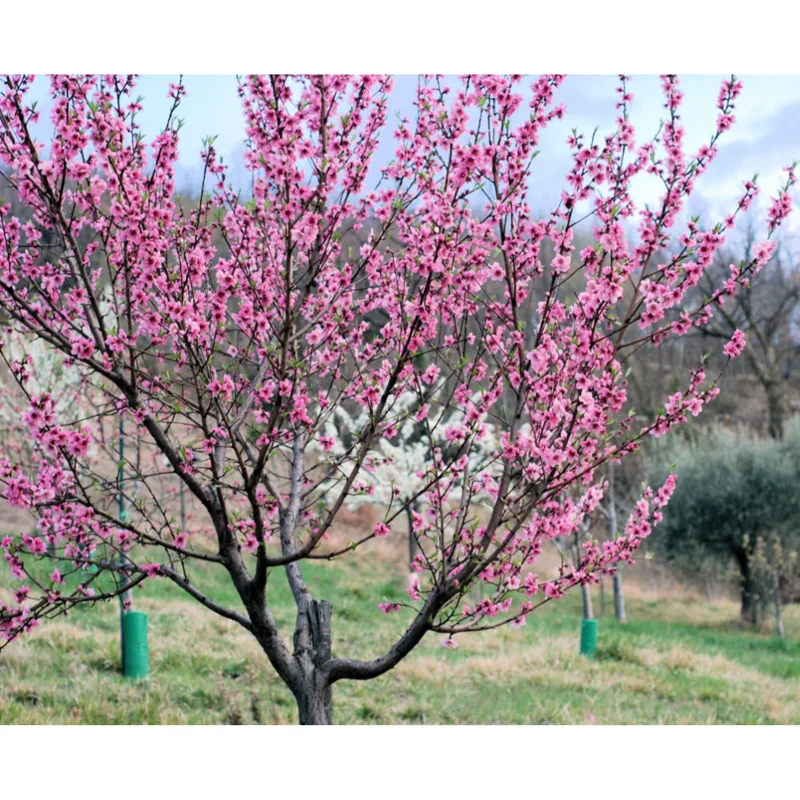
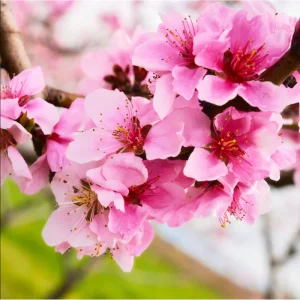
- Enhances Garden Aesthetics: Beyond its fruit production, the deciduous nature of the red gold nectarine tree adds seasonal interest to your landscape, from spring blossoms to summer foliage and vibrant autumn colors.
- Homegrown Advantage: Growing your own provides the freshest possible fruit, free from commercial pesticides and picked at optimal ripeness, offering superior taste and nutritional value.
Plant Care & Growing Tips
Caring for your red gold nectarine live plant is crucial for ensuring a bountiful harvest. Nectarines thrive in specific conditions that mimic their natural habitat. For optimal growth and fruit production, plant your nectarine starter plant in a location that receives full sun exposure. This means at least 6-8 hours of direct sunlight per day. Good air circulation is also vital to reduce the risk of fungal diseases, so avoid planting in overly sheltered or damp areas. Prepare your soil by ensuring it is fertile and well-drained. Nectarines do not tolerate waterlogged conditions, which can lead to root rot. Amending heavy clay soils with organic matter can significantly improve drainage and aeration.
Consistent watering is important, especially during dry spells and when the fruit is developing. The soil should be kept moist but never waterlogged. Deep watering encourages a strong root system. Young trees will require more frequent watering than established ones. Fertilize your fruit tree for planting according to soil test recommendations, typically in early spring before new growth begins. A balanced fertilizer or one formulated for fruit trees is generally suitable. Pruning is essential for shaping the tree, promoting fruit production, and maintaining its health. Prune in late winter or early spring while the tree is dormant, removing dead, diseased, or crossing branches. Thinning fruit in late spring can lead to larger, higher-quality nectarines. Monitor for common pests and diseases, addressing any issues promptly with appropriate organic or conventional treatments to protect your nectarine plant care investment.
Size & Details
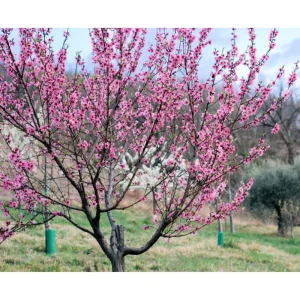
This offering is for a healthy red gold nectarine live plant, typically ranging from 6 to 12 inches tall upon arrival. These young trees are shipped as bare root plants or in small starter pots, depending on the season and supplier, ensuring they are ready for immediate planting in your garden. The Red Gold Nectarine is a medium to large-sized deciduous fruit tree, eventually reaching heights of 15 to 25 feet with a similar spread if left unpruned. However, with proper pruning, it can be maintained at a more manageable size for home gardens, often around 10-15 feet tall and wide. The growth rate is moderate, and you can typically expect the first significant fruit production within 3-5 years after planting, with full maturity and peak yields occurring around 5-8 years.
The fruit itself is a key feature of this fruit tree for planting. Red Gold Nectarines are large, firm, and develop a beautiful red blush over a golden-yellow skin. They are known for their freestone pits, making them easy to eat and process. This variety is celebrated for its consistent mid-August ripening, providing a reliable harvest window. Ensure you have adequate space for its mature size or plan for regular pruning to keep it compact. The plant is hardy and resilient, designed to establish well and provide many years of delicious fruit with proper nectarine plant care.
Frequently Asked Questions
- Q: How big does this nectarine starter plant get? A: The red gold nectarine live plant you receive will be 6 to 12 inches tall. When mature, with proper care and pruning, it can reach heights of 10-15 feet in a home garden setting, though it can grow taller if left unpruned.
- Q: Is this an indoor or outdoor plant? A: The Red Gold Nectarine is an outdoor fruit tree. It requires full sun and specific chilling hours to produce fruit, making it unsuitable for indoor cultivation.
- Q: How much sunlight does the red gold nectarine tree need? A: This fruit tree thrives in full sun, meaning it needs at least 6-8 hours of direct sunlight per day to ensure optimal growth and fruit production.
- Q: Is this plant easy to care for? Is it good for beginners? A: While growing a fruit tree for planting requires some attention to pruning, watering, and soil, the Red Gold Nectarine is considered a relatively straightforward option, especially given its self-fertile nature, making it a good choice for enthusiastic beginners.
- Q: What condition will the nectarine starter plant arrive in? A: Your nectarine starter plant will arrive as a healthy, young plant, typically either bare root or in a small pot, carefully packaged to ensure its safe journey and readiness for planting.
- Q: How long until it blooms and produces fruit? A: You can typically expect your red gold nectarine tree to start blooming and producing fruit within 3-5 years after planting, with significant yields increasing as the tree matures.
- Q: What is the best time to plant this nectarine plant? A: The best time to plant a Red Gold Nectarine is generally in late winter or early spring, after the danger of hard frost has passed but before the tree breaks dormancy. This allows the roots to establish before summer heat.
- Q: Will it survive winter in my zone? A: The Red Gold Nectarine typically thrives in USDA Hardiness Zones 5-9. Check your local hardiness zone to ensure it’s suitable for your climate.
- Q: What kind of soil does this nectarine plant prefer? A: This fruit tree for planting prefers fertile, well-drained soil. It’s crucial to avoid heavy, waterlogged soils, which can lead to root problems.
- Q: Is special nectarine plant care needed for pruning? A: Yes, regular pruning is important for the health and productivity of your nectarine tree. Pruning helps shape the tree, improves air circulation, and encourages better fruit development.
Be the first to review “Red Gold Nectarine Starter Plant – Live Fruit Tree for Planting, 6-12 Inch Tall Outdoor”
-
USDA Hardiness Zone
USDA zones 5-9 -
Soil Type
Fertile, well-drained soil -
Sunlight Exposure
Full sun -
Expected Planting Period
Late winter to early spring
People Also Viewd


Sold 134 products
Original price was: $3,536.00.$23.99Current price is: $23.99.

Sold 132 products
Original price was: $27.00.$24.00Current price is: $24.00.

Sold 132 products
Original price was: $89.99.$64.99Current price is: $64.99.

Sold 125 products
Original price was: $86.99.$66.99Current price is: $66.99.

Flower Bulbs
3 Cranesbill Wild Geranium Organic Maculatums Bare Roots | Wildflower for Outdoor Garden
Sold 116 products
Original price was: $21.99.$9.99Current price is: $9.99.

Sold 114 products
Original price was: $28.99.$17.99Current price is: $17.99.

Sold 110 products
Original price was: $63.99.$28.99Current price is: $28.99.
Sold 108 products
Original price was: $28.99.$17.99Current price is: $17.99.RELATED posts
How to Grow Arbequina Olive Trees: The Ultimate Guide to Your Own Olive Grove
Arbequina Olive Tree (Olea europaea ‘Arbequina’) – the ultimate Mediterranean plant that brings a touch [...]
Oct
Growing Garlic in Containers This Fall: A Complete Guide for Beginners
If you’ve ever wanted to pop fresh, aromatic garlic cloves straight from your own patio [...]
Sep
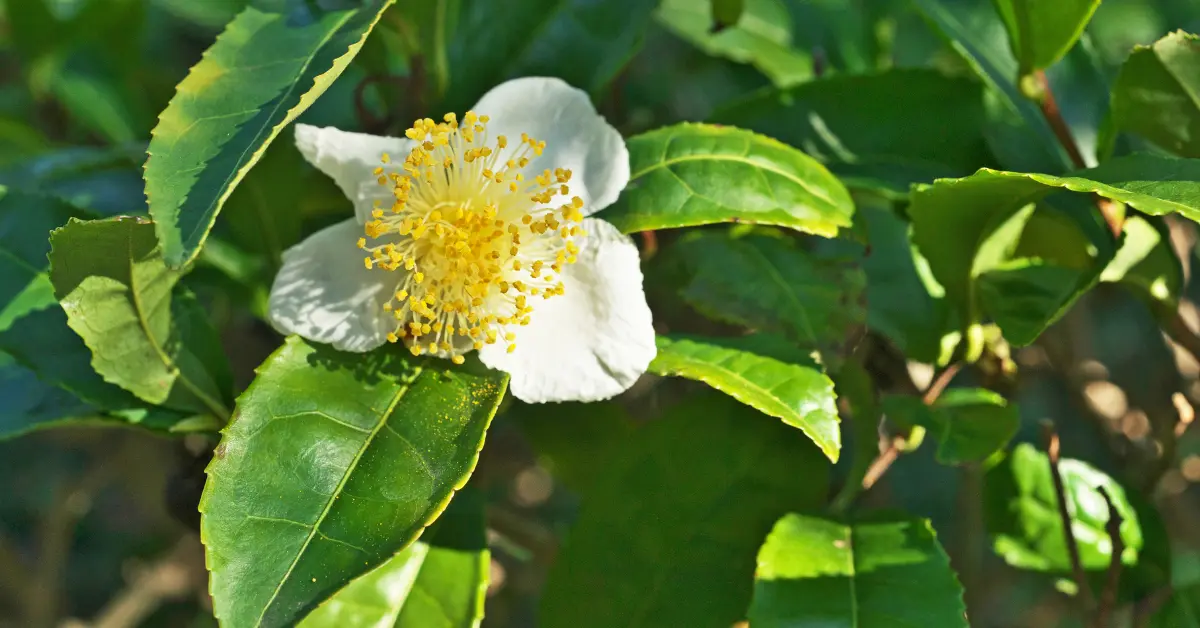
Growing Camellia Sinensis (Tea Plants) in Containers: A Complete Guide for Beginners
If you’ve ever wanted to sip a steaming, homegrown cup of fresh green, black, or [...]
Aug
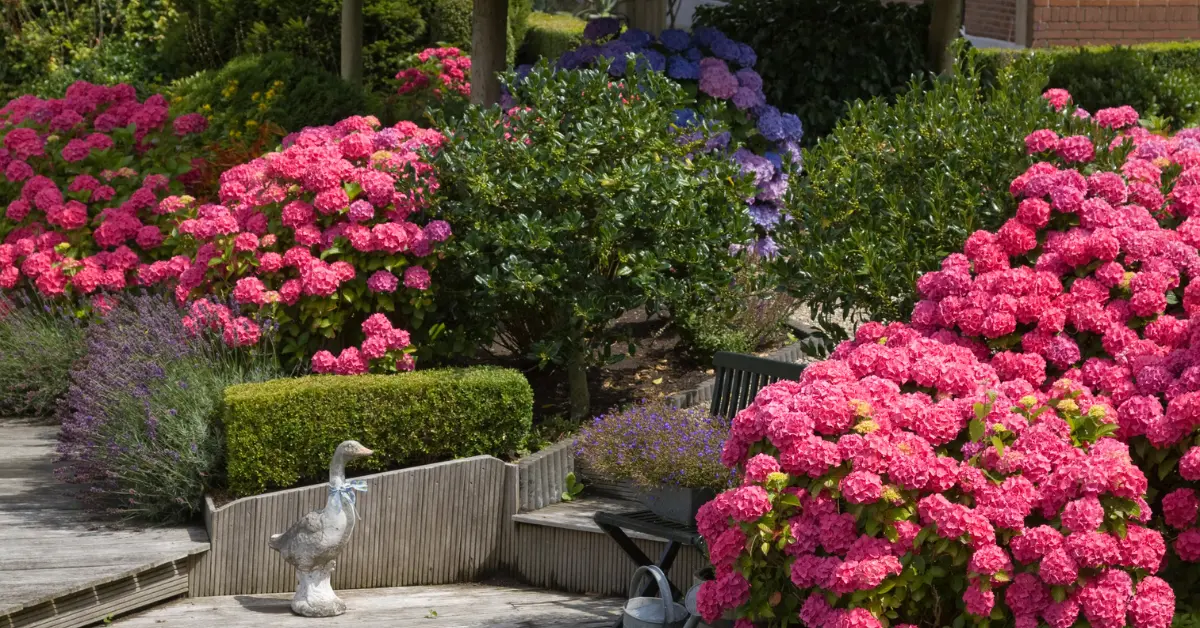
6 Best Shrubs to Plant in August You Must Try
Have you ever walked through a nursery late in the summer, admired the vibrant shrubs [...]
Aug
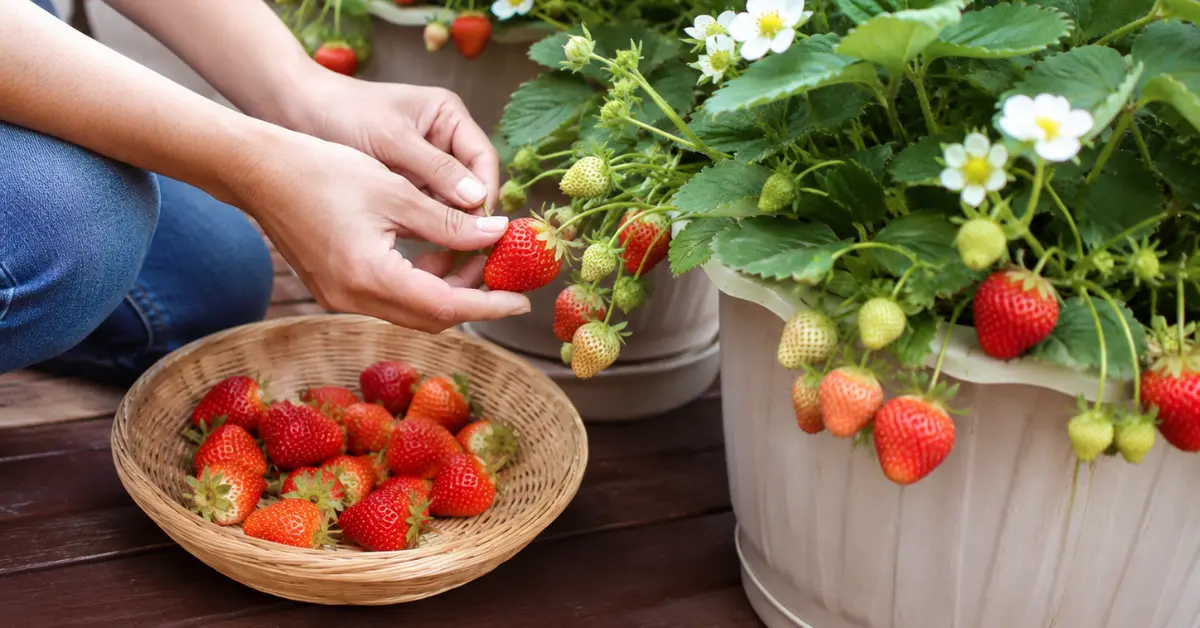
Growing Everbearing Strawberries in Containers: A Complete Guide for Beginners
Want to grow sweet, fresh strawberries but do not have a large garden? Everbearing strawberries [...]
Aug
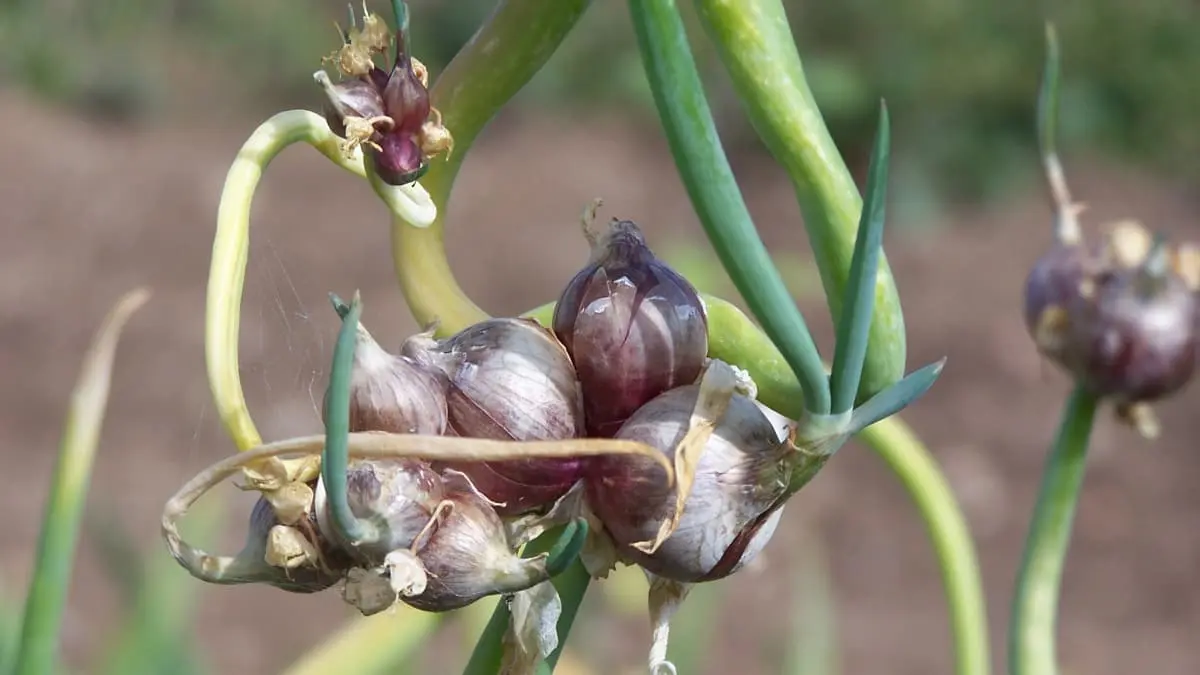
Growing Egyptian Walking Onions in Containers: A Complete Guide for Beginners
If you’re looking for a hardy, no-fuss perennial onion that keeps on giving year after [...]
Jul
Growing Carolina Reaper Peppers in Pots: A Complete Guide for Beginners
If you’ve ever wanted to add some serious, record-breaking heat to your home cooking, you’ve [...]
May
Growing Curry Leaf Plant in Pots: A Complete Guide for Beginners
If you’re a fan of authentic South Asian cuisine, you already know that nothing compares [...]
May

Reviews
There are no reviews yet.