
Belle of Georgia White Peach Tree – Sweet Grafted Live Plant – 6-12 Inch Tall – Fruit Tree
Original price was: $103.99.$83.99Current price is: $83.99.
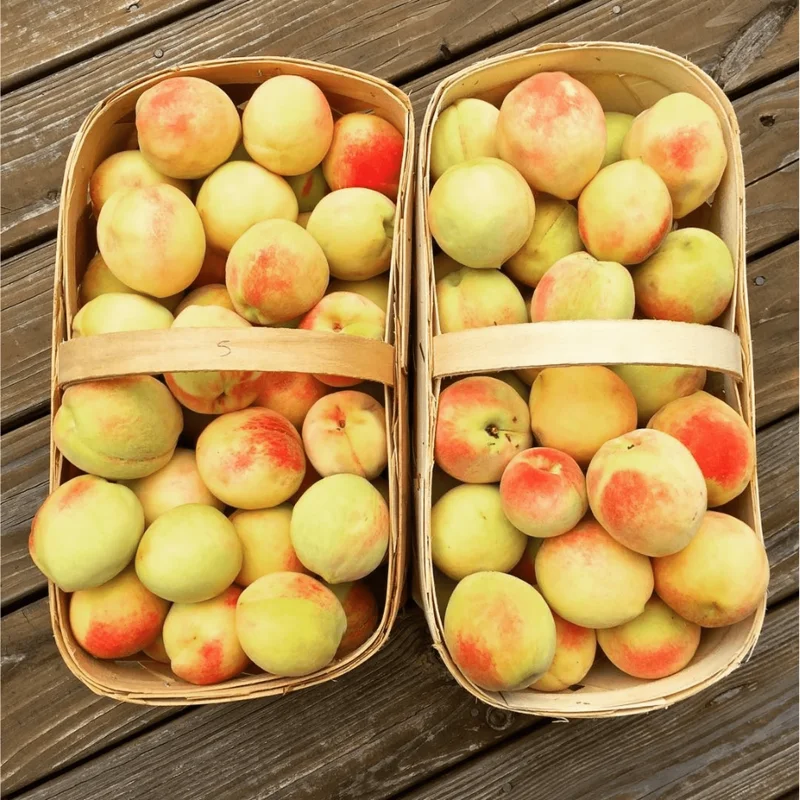
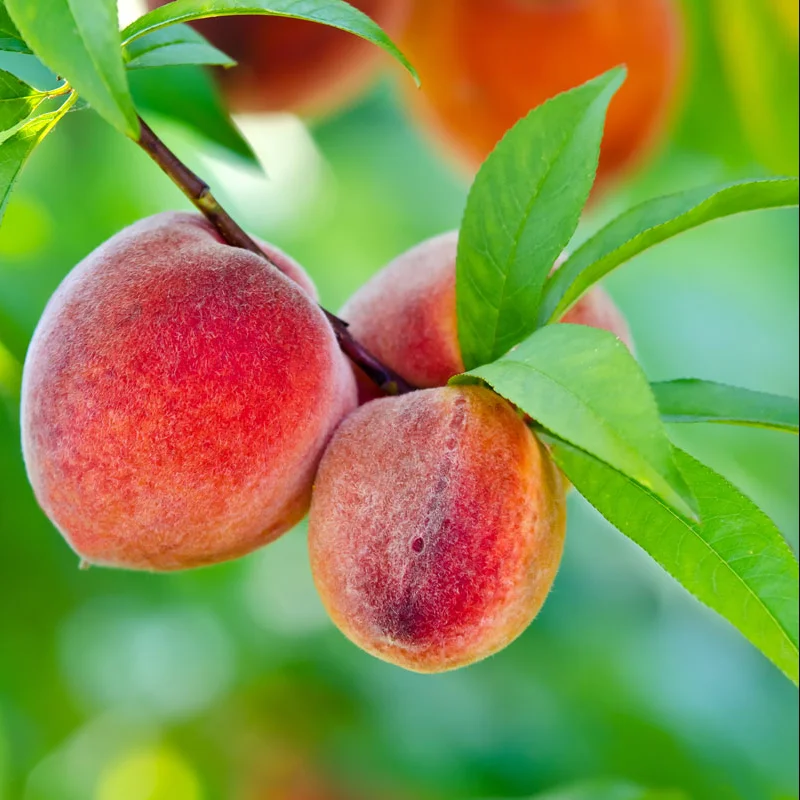
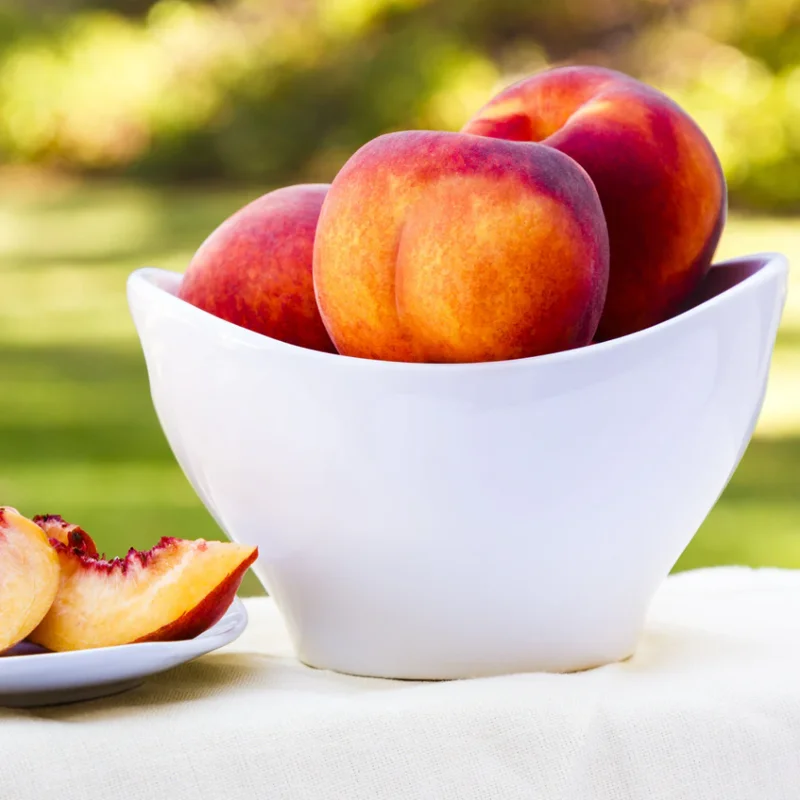
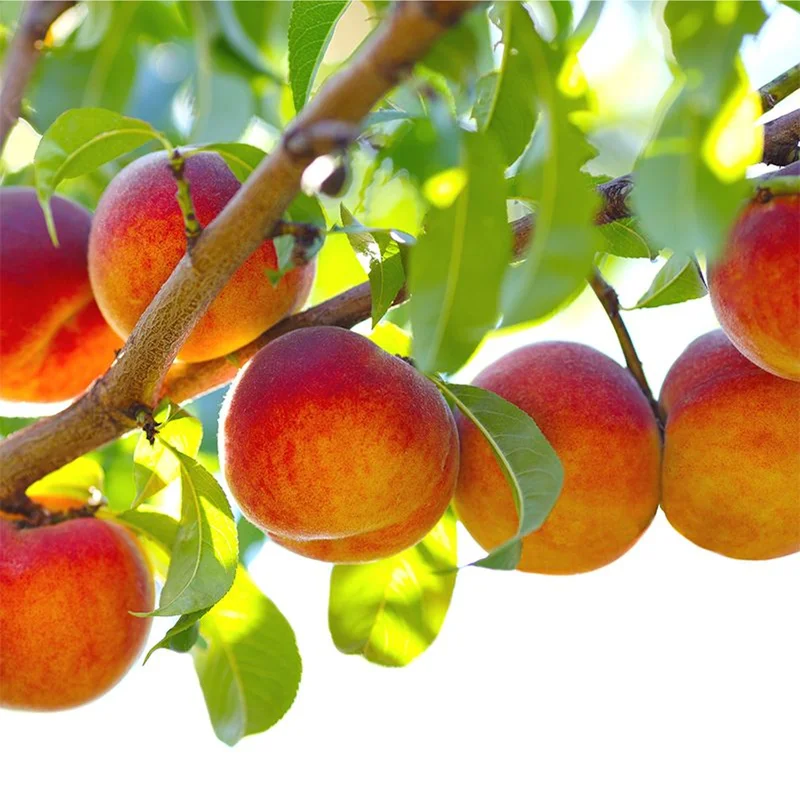
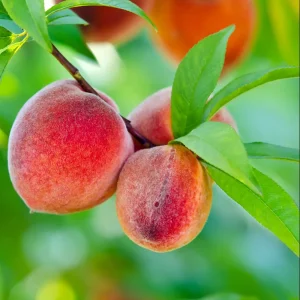
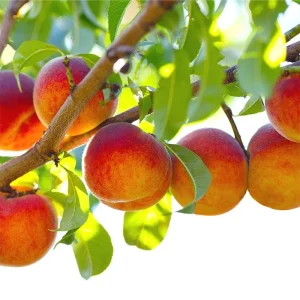
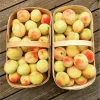
Cultivate your own orchard with a belle of georgia peach tree. This white peach tree live plant produces large, sweet, and juicy peaches. Ideal for home gardens, this grafted starter plant is known for its reliable fruit production and beautiful rosy-blush fruit.
Estimated arrival
Oct 16
Oct 21 - Oct 23
Oct 26 - Oct 30

Reasonable Price
We offer reasonable price

Support 24/7
Contact us 24 hrs a day

100% Money Back
You've 30 days to Return

Payment Secure
100% secure payment
Overview
Experience the joy of homegrown fruit with the belle of georgia peach tree (Prunus persica ‘Belle of Georgia’). This live, grafted starter plant is a popular, self-fertile heirloom variety, renowned for its abundant harvest of large, white-fleshed peaches with an attractive rosy blush. Perfect for home gardeners, this fruit tree brings both ornamental beauty and delicious, sweet fruit to your landscape. The ‘Belle of Georgia’ is a sought-after variety for its exceptional flavor and reliable performance, making it an excellent choice if you want to grow belle of georgia peach trees in your backyard.
Originating from Georgia, USA, this cultivar has been a favorite for generations, providing a taste of summer straight from your garden. Our white peach tree live plant comes ready for planting, typically measuring 6 to 12 inches tall, ensuring a healthy start for your future orchard. It’s an investment in fresh, organic produce and a delightful addition to any edible landscape.
Key Benefits
Adding a Belle of Georgia peach tree to your garden offers numerous advantages, from fresh fruit to aesthetic appeal. This resilient and productive tree is a fantastic choice for both novice and experienced growers looking to grow belle of georgia peach trees.
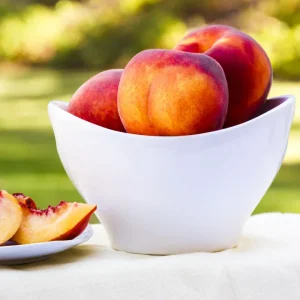
- Delicious Homegrown Fruit: Enjoy sweet, juicy, white-fleshed peaches with a beautiful rosy blush, perfect for eating fresh, canning, or baking.
- Self-Fertile Variety: This tree is self-pollinating, meaning you only need one plant to produce a bountiful crop, simplifying the planting process.
- Robust Growth: Grafted for stronger growth and earlier fruit production, ensuring a healthy start for your fruit-bearing tree.
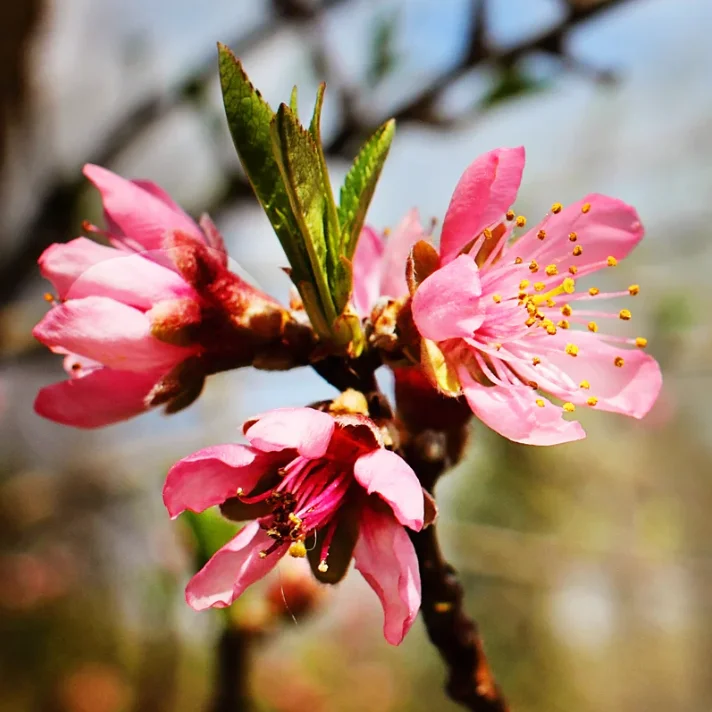
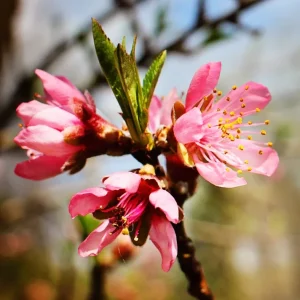
- Attractive Landscape Addition: Beyond its fruit, the peach tree offers beautiful spring blossoms and lush green foliage, enhancing your garden’s visual appeal.
- Heirloom Quality: A time-tested, popular heirloom variety known for its consistent quality and flavor, a true classic for any fruit enthusiast.
- Good for Home Gardens: Relatively easy to care for once established, making it suitable for a wide range of gardening skill levels.
- High Yield Potential: With proper care for peach tree, expect a generous harvest of peaches each season.
Plant Care & Growing Tips
Successful planting peach trees and ensuring a healthy harvest requires attention to a few key care guidelines. The belle of georgia peach tree thrives in specific conditions that mimic its natural habitat. Plant your bare-root tree in early spring, once the danger of hard frost has passed. Choose a location that receives full sun, meaning at least 6-8 hours of direct sunlight daily, which is crucial for fruit development and flavor. The soil should be well-drained and slightly acidic, with a pH between 6.0 and 6.5. Amend heavy clay soils with organic matter to improve drainage.
Watering is critical, especially during the tree’s establishment phase and during fruit development. Water weekly, ensuring deep soaking to encourage a strong root system. During dry spells, increase watering frequency. Fertilize in early spring with a balanced fruit tree fertilizer, following package instructions. Pruning should be done annually in late winter or early spring to maintain an open canopy, promote air circulation, and encourage fruit production. Watch for common peach tree pests and diseases and address them promptly. With proper care for peach tree, your ‘Belle of Georgia’ will reward you with years of delicious fruit.
Size & Details
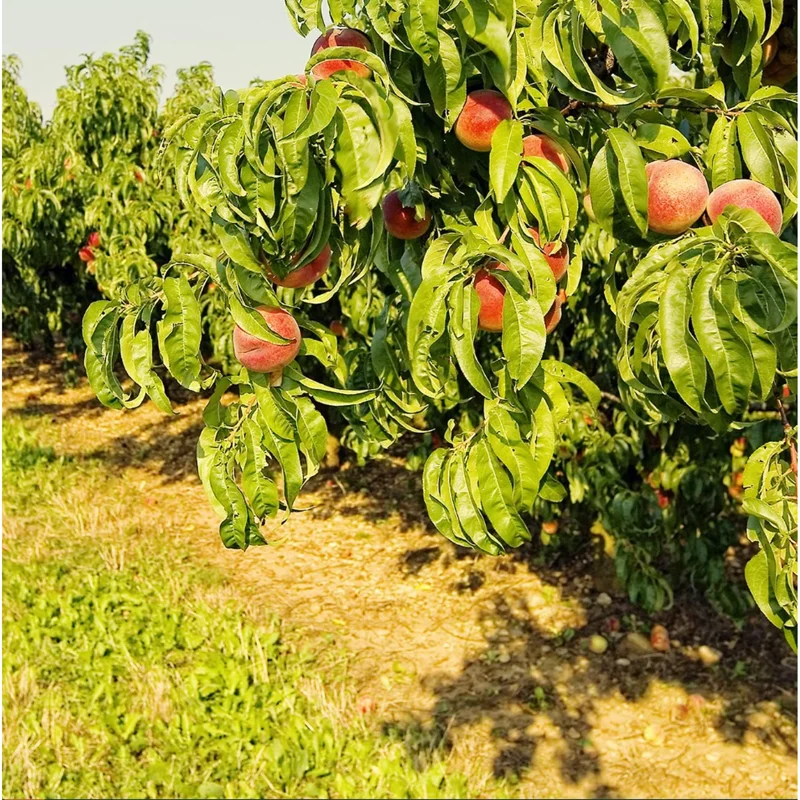
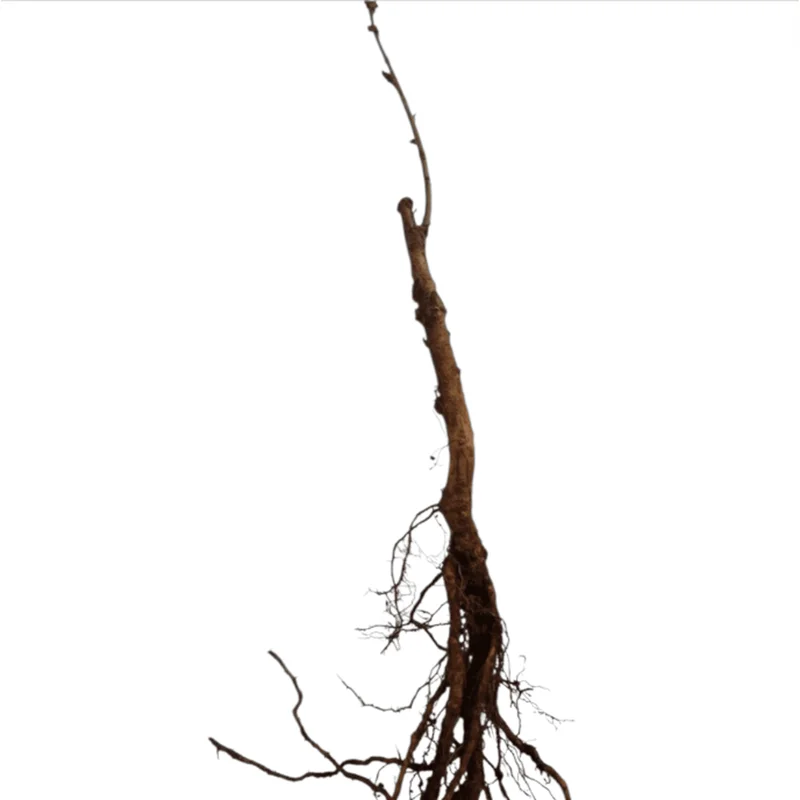
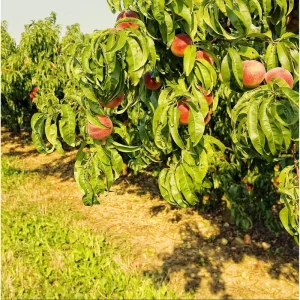
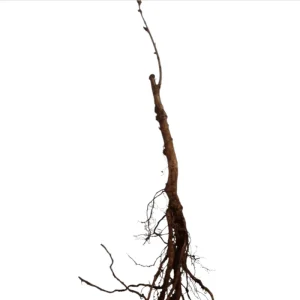
This white peach tree live plant arrives as a grafted starter plant, typically measuring 6 to 12 inches tall. Grafting ensures a robust root system and quicker establishment, leading to earlier fruit production compared to trees grown from seed. It ships as a bare-root plant, which is ideal for planting in early spring. The Belle of Georgia is known for its vigorous growth and can reach a mature height of 15-25 feet with a similar spread, depending on pruning and growing conditions. Expect fruit production to begin within 3-5 years after planting peach trees, with peak harvests in mid to late summer.
Frequently Asked Questions
- Q: How big does this Belle of Georgia peach tree get? A: A mature belle of georgia peach tree can reach 15-25 feet tall and wide, though its size can be managed with proper pruning to fit smaller garden spaces.
- Q: What size pot does it come in? A: This product is a bare-root starter plant, typically 6 to 12 inches tall, and does not come in a pot. It should be planted directly into the ground upon arrival.
- Q: Is this an indoor or outdoor plant? A: The Belle of Georgia peach tree is an outdoor plant that requires full sun and sufficient space to grow and produce fruit. It is not suitable for indoor cultivation.
- Q: How much sunlight does it need? A: To thrive and produce abundant fruit, this white peach tree live plant requires at least 6-8 hours of direct sunlight per day. Full sun exposure is crucial.
- Q: Is this plant easy to care for? A: Once established, the Belle of Georgia peach tree is relatively easy to care for. It requires regular watering, annual pruning, and occasional fertilization. Following guidelines for care for peach tree will lead to success.
- Q: What condition will it arrive in? A: Your belle of georgia peach tree will arrive as a healthy bare-root starter plant, dormant and ready for planting in early spring.
- Q: How long until it produces fruit? A: You can typically expect your Belle of Georgia peach tree to start producing fruit within 3-5 years after planting.
- Q: When is the best time to plant this peach tree? A: The ideal time for planting peach trees is in early spring, after the last hard frost, when the tree is still dormant.
- Q: Will it survive winter in my zone? A: The Belle of Georgia peach tree is hardy in USDA zones 5-8. If you are outside this range, additional winter protection or specific growing conditions may be necessary.
- Q: What’s the minimum temperature it can tolerate? A: This peach tree can tolerate winter temperatures down to approximately -10 to -20 degrees Fahrenheit (-23 to -29 degrees Celsius) when fully dormant, depending on the specific microclimate.
Be the first to review “Belle of Georgia White Peach Tree – Sweet Grafted Live Plant – 6-12 Inch Tall – Fruit Tree”
-
USDA Hardiness Zone
USDA zones 5-8 -
Soil Type
Well-draining, slightly acidic soil -
Sunlight Exposure
Full sun (6-8+ hours daily) -
Expected Planting Period
Early spring
People Also Viewd
Sold 134 products
Original price was: $3,536.00.$23.99Current price is: $23.99.
Sold 132 products
Original price was: $27.00.$24.00Current price is: $24.00.
Sold 132 products
Original price was: $89.99.$64.99Current price is: $64.99.

Sold 125 products
Original price was: $86.99.$66.99Current price is: $66.99.
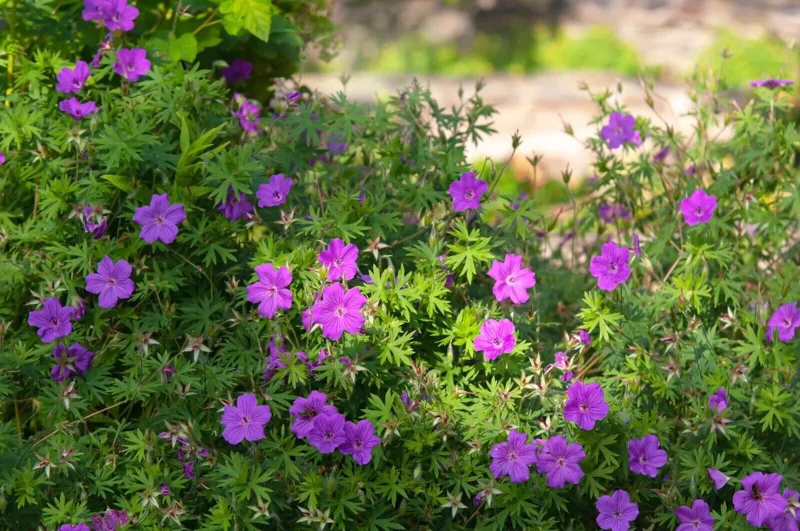
Flower Bulbs
3 Cranesbill Wild Geranium Organic Maculatums Bare Roots | Wildflower for Outdoor Garden
Sold 116 products
Original price was: $21.99.$9.99Current price is: $9.99.
Sold 114 products
Original price was: $28.99.$17.99Current price is: $17.99.
Sold 110 products
Original price was: $63.99.$28.99Current price is: $28.99.
Sold 108 products
Original price was: $28.99.$17.99Current price is: $17.99.RELATED posts
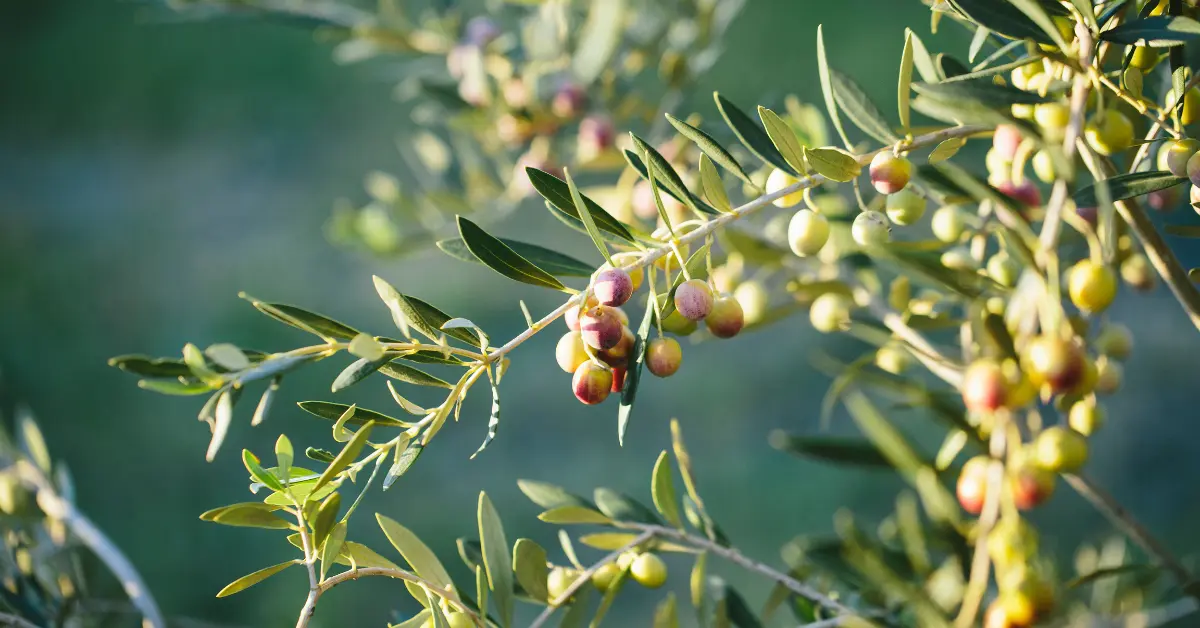
How to Grow Arbequina Olive Trees: The Ultimate Guide to Your Own Olive Grove
Arbequina Olive Tree (Olea europaea ‘Arbequina’) – the ultimate Mediterranean plant that brings a touch [...]
Oct
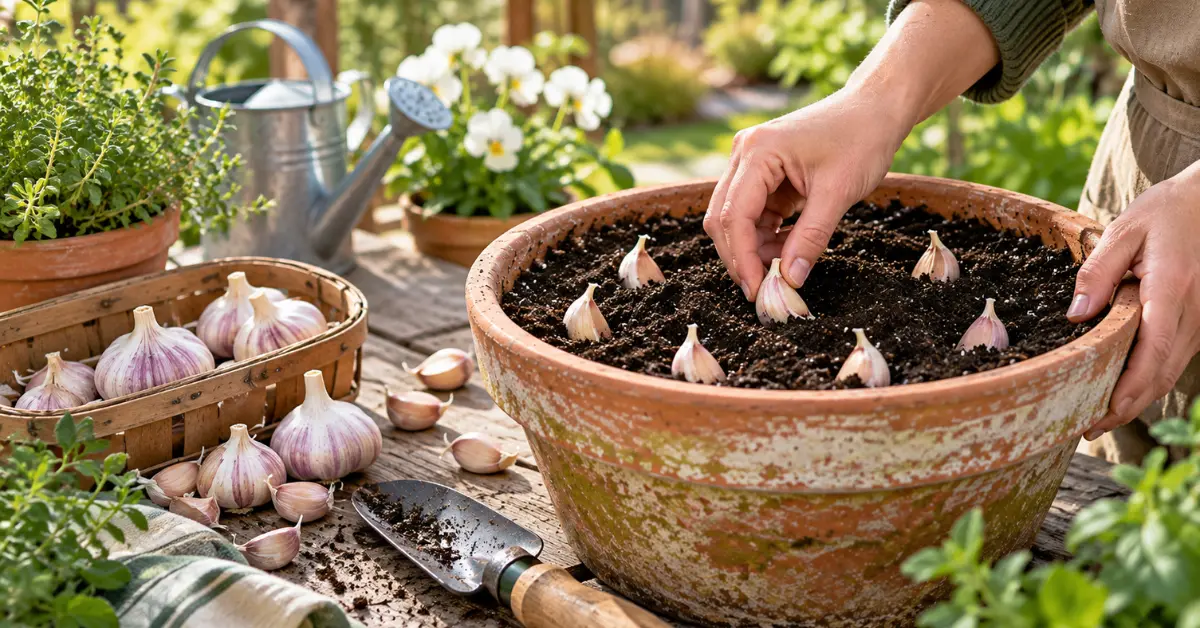
Growing Garlic in Containers This Fall: A Complete Guide for Beginners
If you’ve ever wanted to pop fresh, aromatic garlic cloves straight from your own patio [...]
Sep
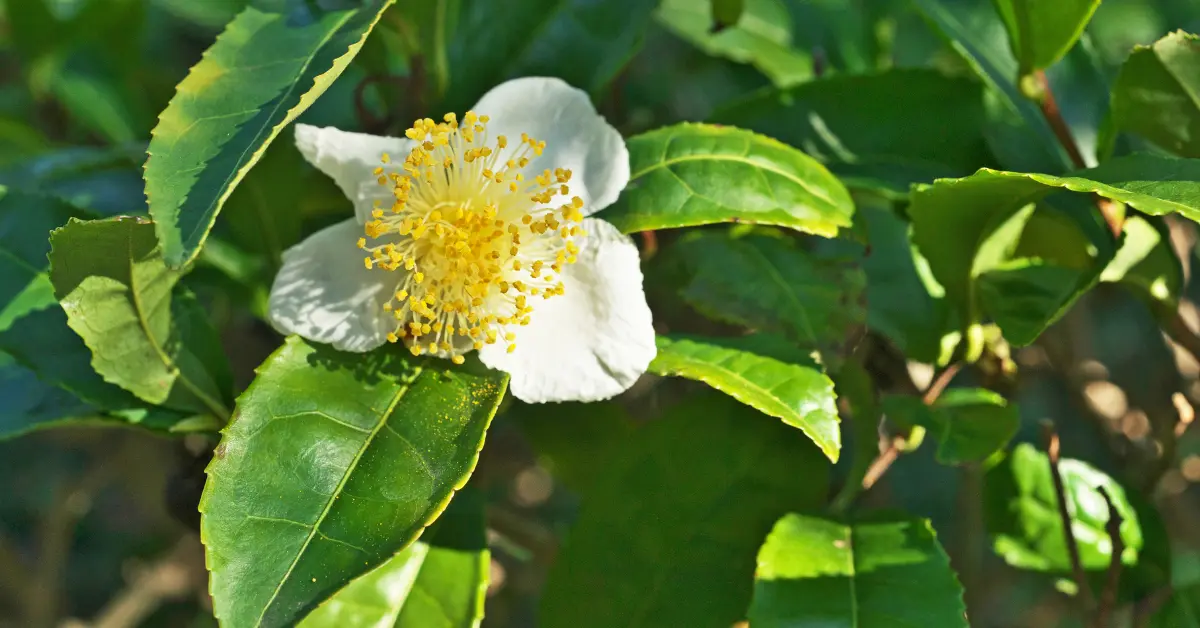
Growing Camellia Sinensis (Tea Plants) in Containers: A Complete Guide for Beginners
If you’ve ever wanted to sip a steaming, homegrown cup of fresh green, black, or [...]
Aug
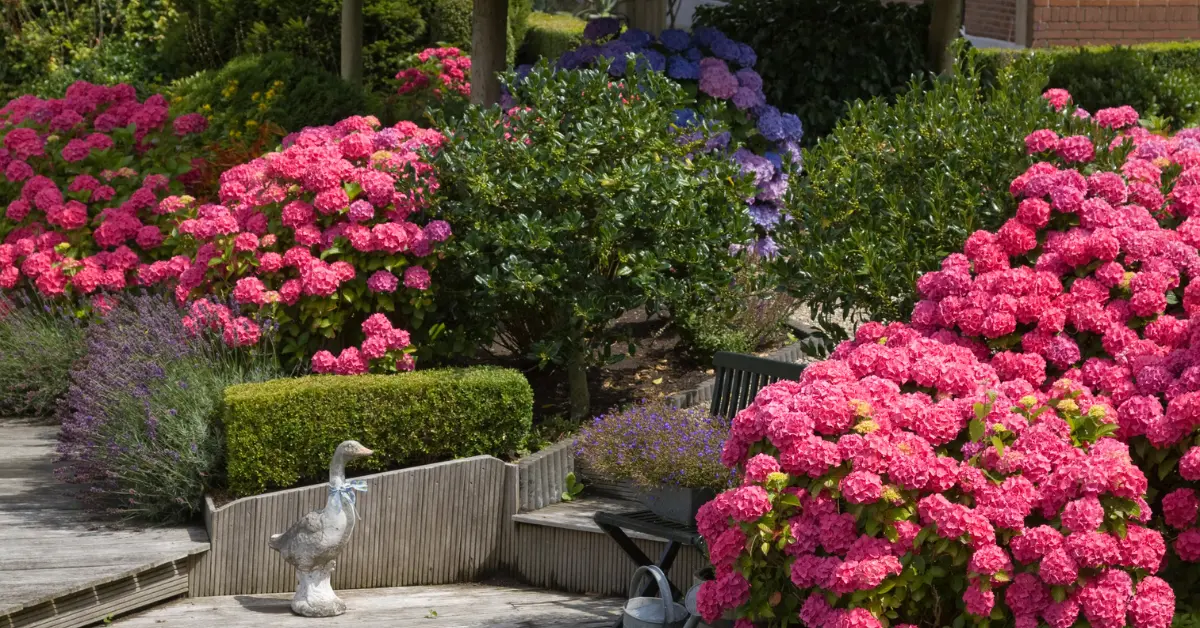
6 Best Shrubs to Plant in August You Must Try
Have you ever walked through a nursery late in the summer, admired the vibrant shrubs [...]
Aug
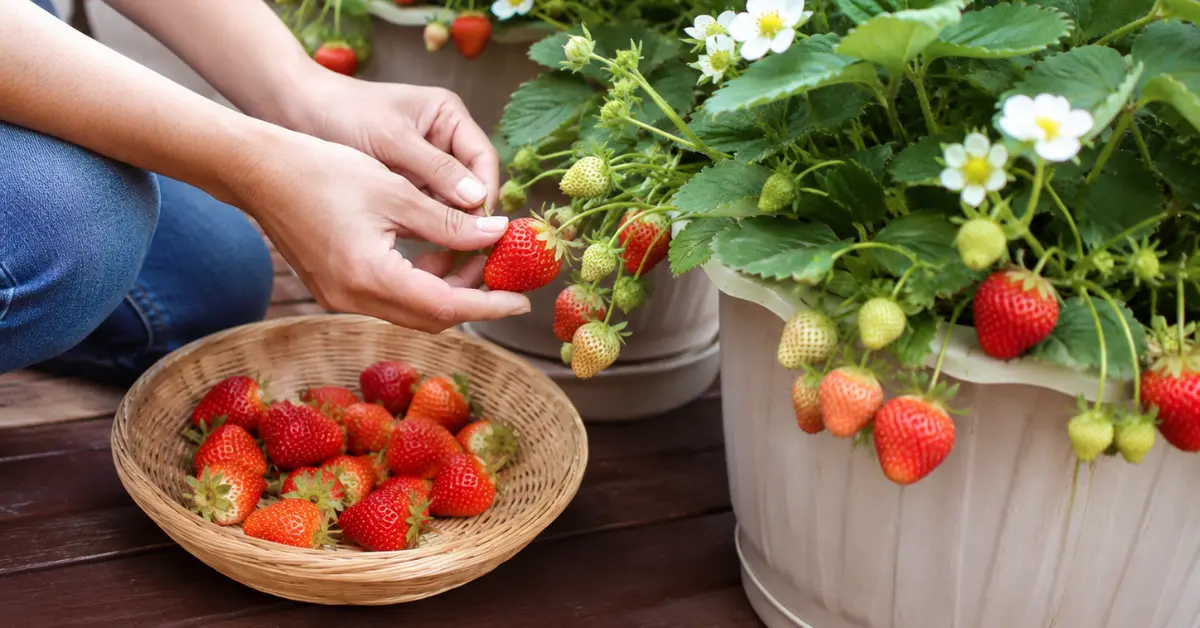
Growing Everbearing Strawberries in Containers: A Complete Guide for Beginners
Want to grow sweet, fresh strawberries but do not have a large garden? Everbearing strawberries [...]
Aug
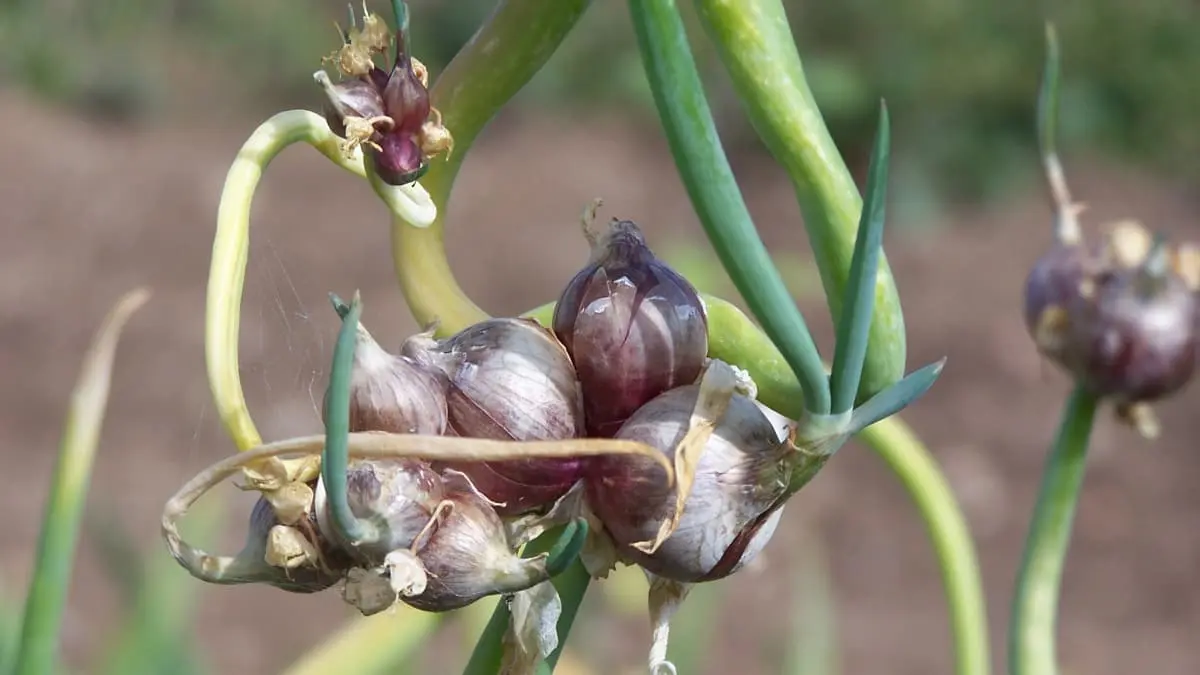
Growing Egyptian Walking Onions in Containers: A Complete Guide for Beginners
If you’re looking for a hardy, no-fuss perennial onion that keeps on giving year after [...]
Jul
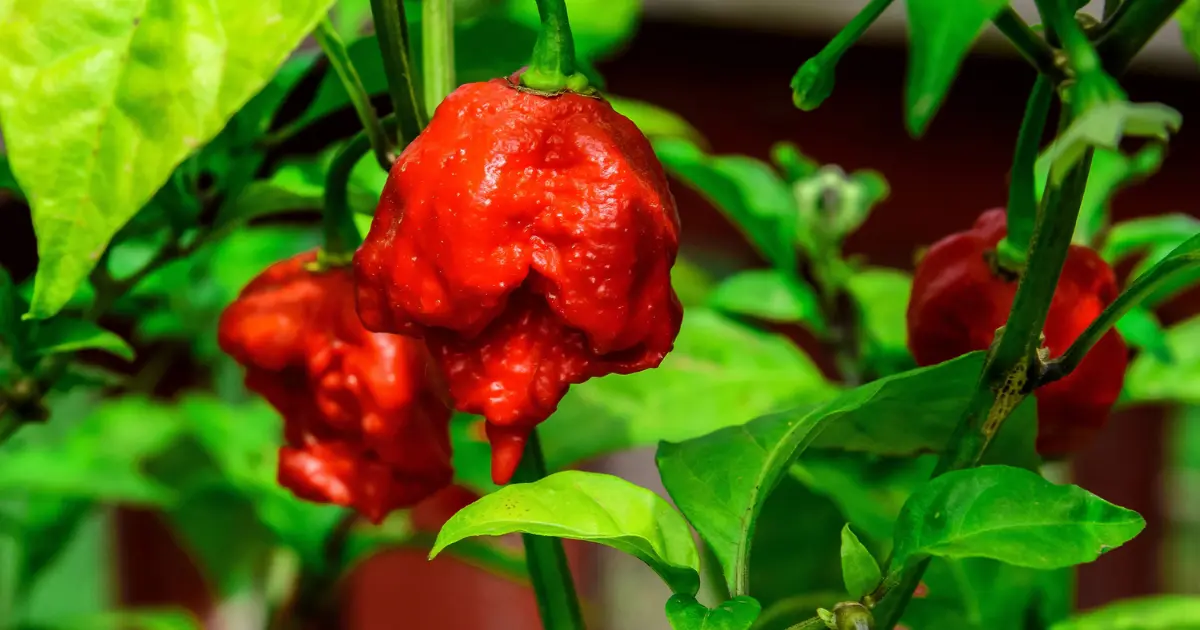
Growing Carolina Reaper Peppers in Pots: A Complete Guide for Beginners
If you’ve ever wanted to add some serious, record-breaking heat to your home cooking, you’ve [...]
May
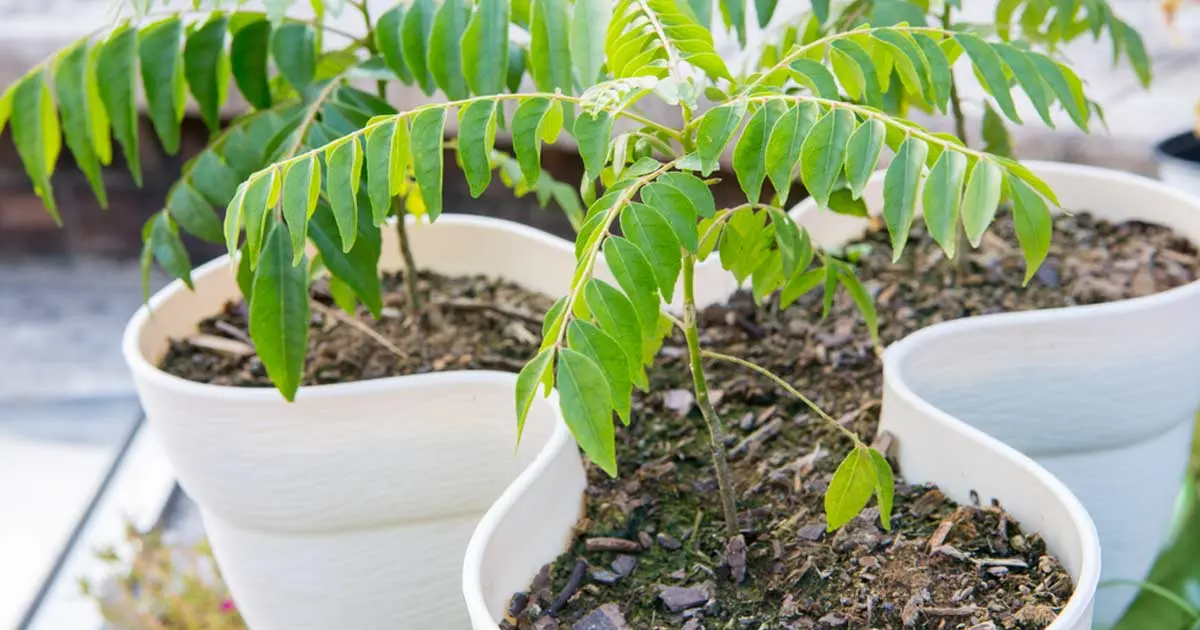
Growing Curry Leaf Plant in Pots: A Complete Guide for Beginners
If you’re a fan of authentic South Asian cuisine, you already know that nothing compares [...]
May


Reviews
There are no reviews yet.