
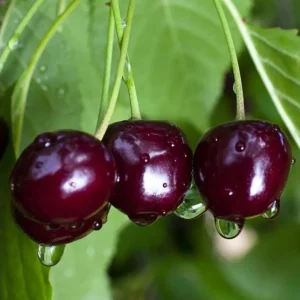
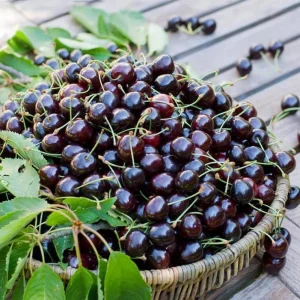
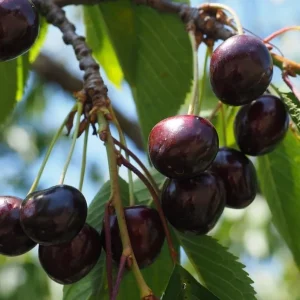
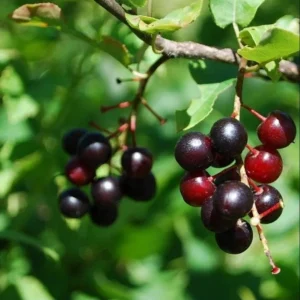
Set of 2 Black Cherry Bare Roots for Planting – Sweet Fruit Tree, 1-2 Feet Tall
Original price was: $63.99.$43.99Current price is: $43.99.
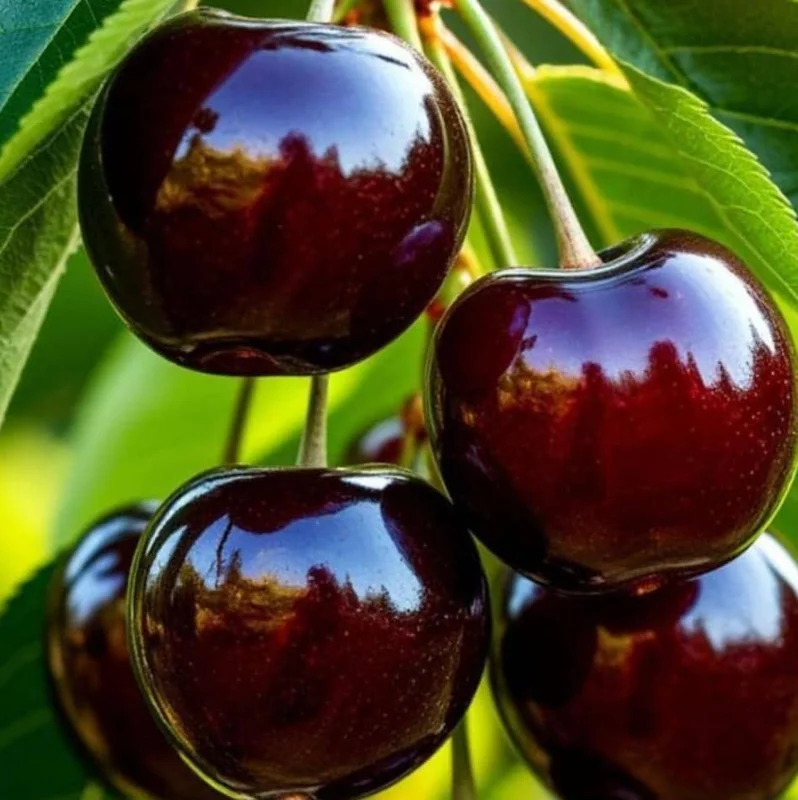
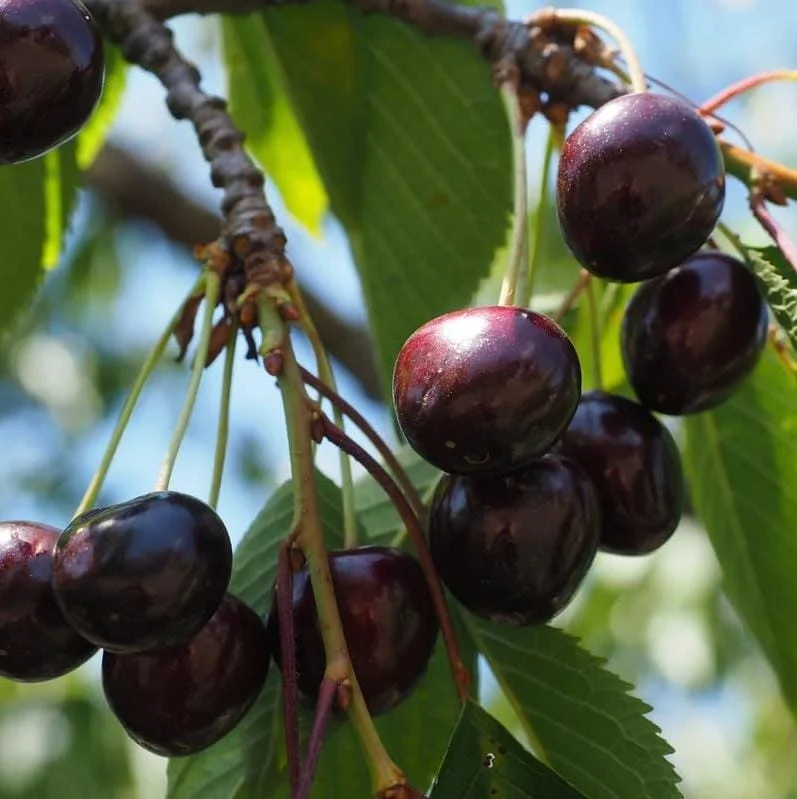
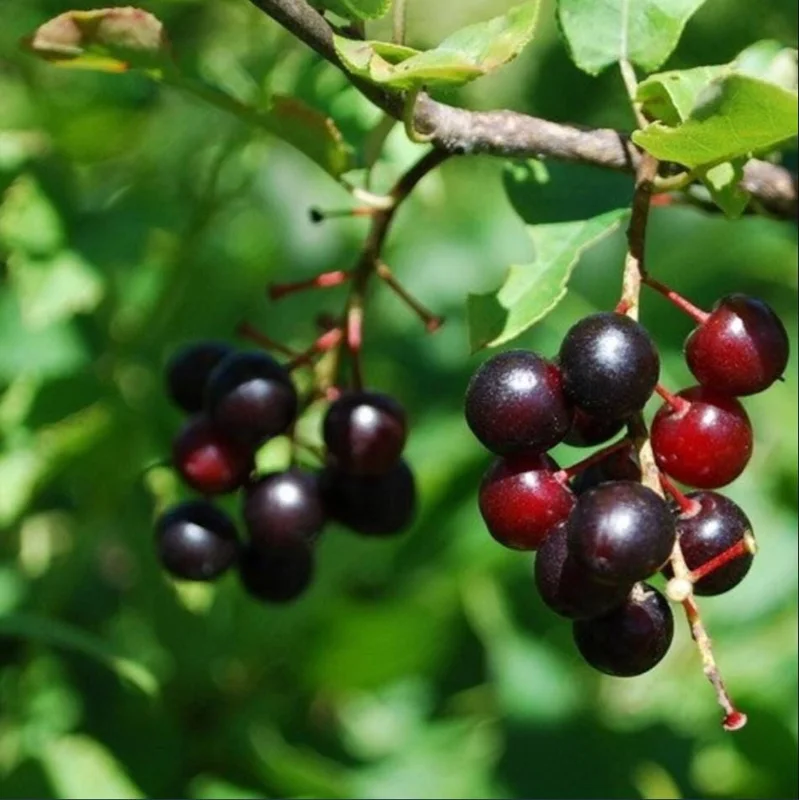
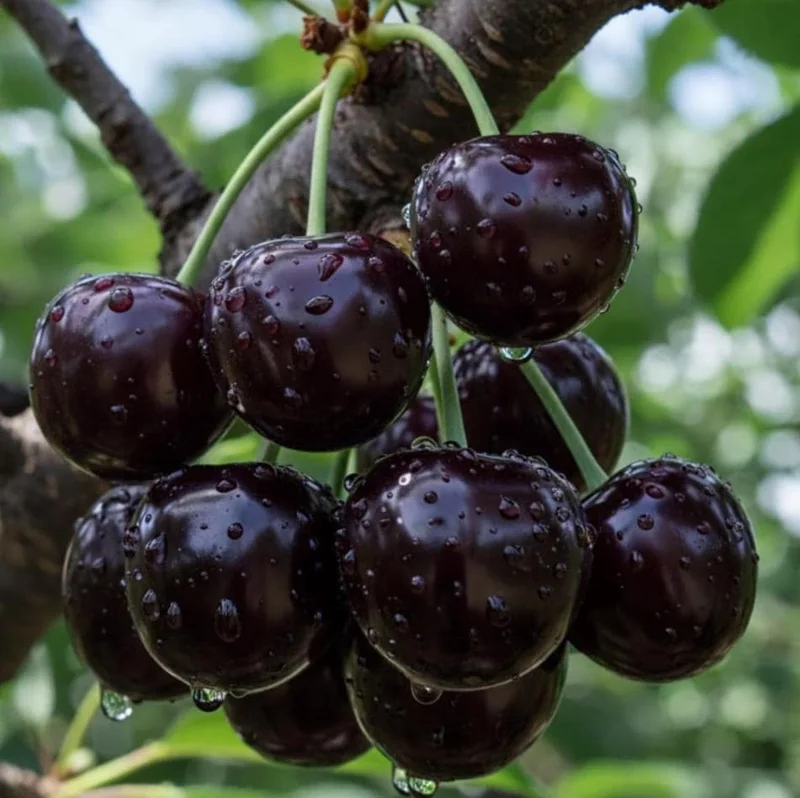
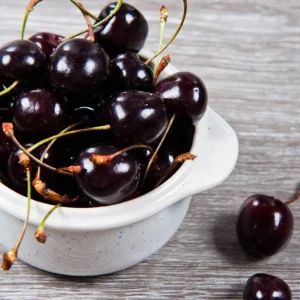
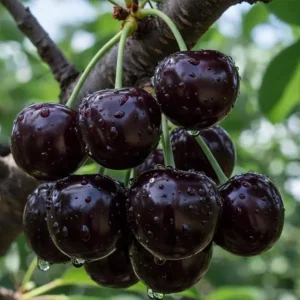
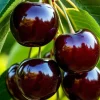
Cultivate your own orchard with this black cherry bare roots set. You’ll receive two sweet cherry plant bare roots, ideal for planting and growing into mature, fruit-bearing trees. These Prunus serotina roots are known for their fast growth and delicious fruit, perfect for any garden.
Estimated arrival
Sep 10
Sep 15 - Sep 17
Sep 20 - Sep 24

Reasonable Price
We offer reasonable price

Support 24/7
Contact us 24 hrs a day

100% Money Back
You've 30 days to Return

Payment Secure
100% secure payment
Overview
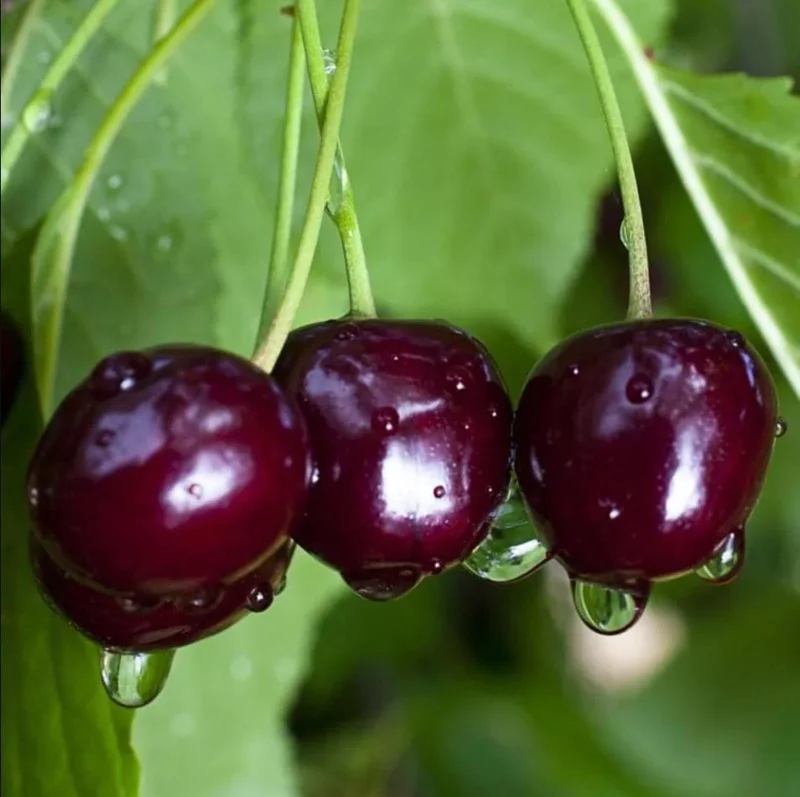
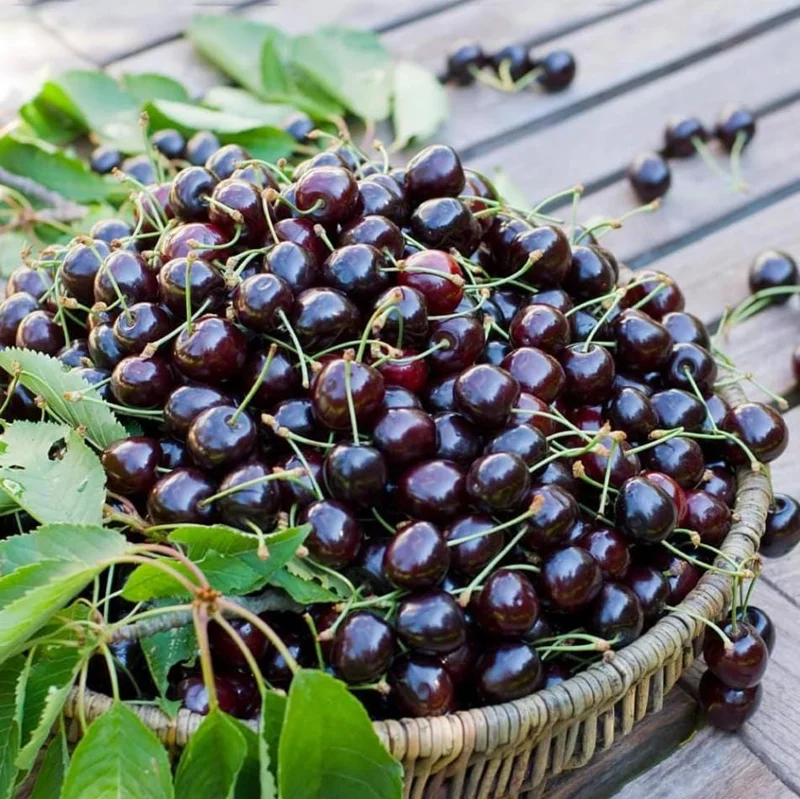
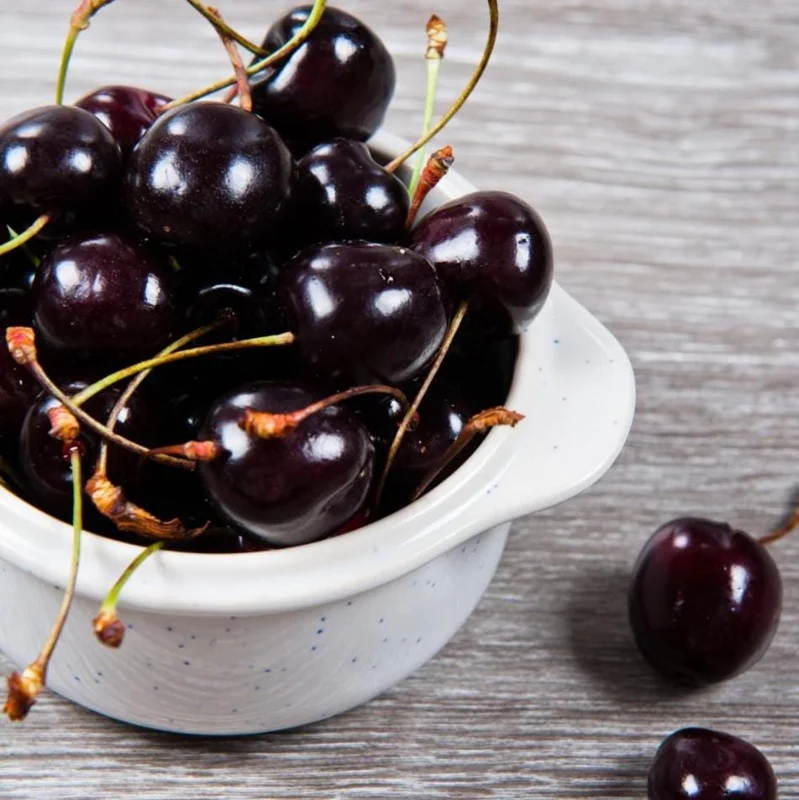
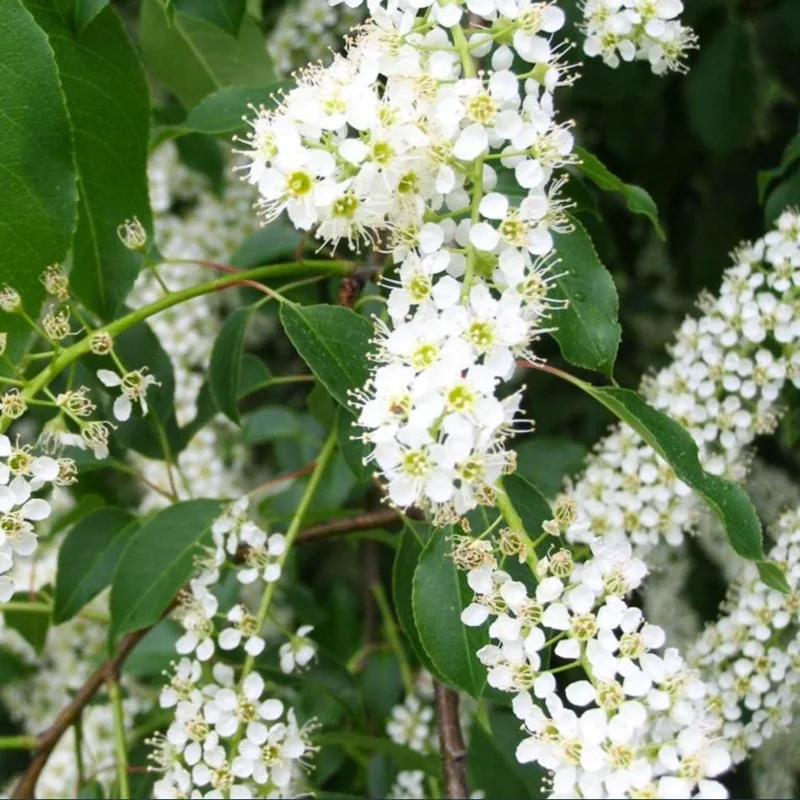
Embark on your journey to homegrown fruit with our premium black cherry bare roots. This offering includes a set of two high-quality bare root specimens of Prunus serotina, commonly known as the Wild Cherry Tree. These bare roots are an excellent choice for gardeners looking to establish a robust and productive fruit tree bare root in their landscape. Known for their rapid growth and adaptability, these trees will mature to provide an abundance of sweet, dark cherries, perfect for fresh eating, baking, or preserves. The sweet cherry plant is not only a source of delicious fruit but also a beautiful addition to any garden, providing seasonal interest from spring blooms to autumn foliage. Planting bare roots is an economical and efficient way to start your orchard, allowing the tree to establish quickly in its new environment.
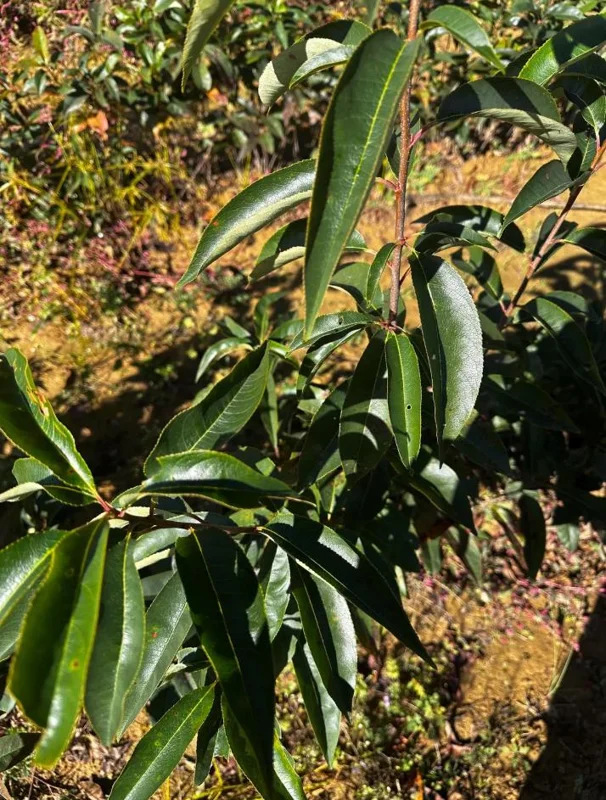
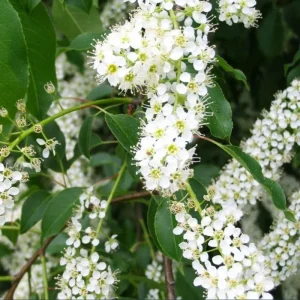
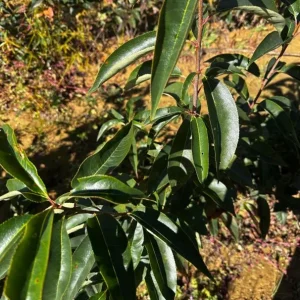
Our Prunus serotina roots are carefully selected to ensure vigorous growth and healthy development. This native North American species is renowned for its hardiness and ability to thrive in various conditions, making it an ideal choice for both experienced and novice gardeners. Beyond its fruit-bearing capabilities, the wild cherry tree also serves as an important wildlife plant, attracting birds and other beneficial creatures to your garden. As a deciduous tree, it offers beautiful seasonal changes, from delicate white flowers in spring to lush green leaves in summer and vibrant fall colors. Invest in these bare roots and watch your garden flourish with the beauty and bounty of a thriving cherry tree.
Key Benefits
Choosing to plant a black cherry bare roots provides numerous advantages for your garden and lifestyle:
- Abundant Fruit Production: Enjoy a consistent harvest of delicious, sweet black cherries each year, perfect for a variety of culinary uses.
- Fast Growth Rate: These trees are known for their relatively fast growth, allowing you to enjoy mature trees and fruit sooner than many other species.
- Wildlife Attraction: The fruit and foliage of the wild cherry tree provide a valuable food source and habitat for local wildlife, enhancing your garden’s biodiversity.
- Adaptable & Hardy: Prunus serotina roots are robust and can tolerate a range of soil types and climatic conditions, making them a resilient choice for many regions.
- Ornamental Appeal: Beyond its fruit, the sweet cherry plant offers significant aesthetic value with its attractive flowering in spring and beautiful deciduous foliage.
- Native Species: As a North American native, the fruit tree bare root contributes to the local ecosystem and requires less intensive care once established.
- Medicinal Properties: Historically, parts of the Black Cherry tree have been used for their medicinal properties, adding another layer of interest to this versatile plant.
Plant Care & Growing Tips
Caring for your black cherry bare roots is straightforward, especially when following these guidelines. Upon arrival, soak the bare roots in water for a few hours before planting. Choose a site with full sun, meaning at least 6-8 hours of direct sunlight daily, although the tree can tolerate partial shade. Good air circulation is also important. Dig a hole wide enough to accommodate the spread of the roots without bending them, and deep enough so that the root collar (where the roots meet the stem) is at ground level. Backfill with well-drained soil, gently tamping down to remove air pockets.
Watering is crucial during the establishment phase. Water regularly and deeply to encourage root development. Once established, the sweet cherry plant becomes moderately drought-tolerant but will benefit from supplemental watering during prolonged dry spells, especially when fruiting. These trees thrive in well-drained soil, adaptable to various types including loam, sandy soil, or slightly clayey soil, with a preference for slightly acidic to neutral pH. Fertilize in early spring with a balanced, slow-release fertilizer designed for fruit trees, following package instructions. Pruning should be done in late winter or early spring to shape the tree, remove dead or diseased branches, and encourage fruit production. Keep an eye out for common pests and diseases, and address them promptly with appropriate organic or chemical treatments. Proper care ensures a healthy and productive wild cherry tree.
Size & Details
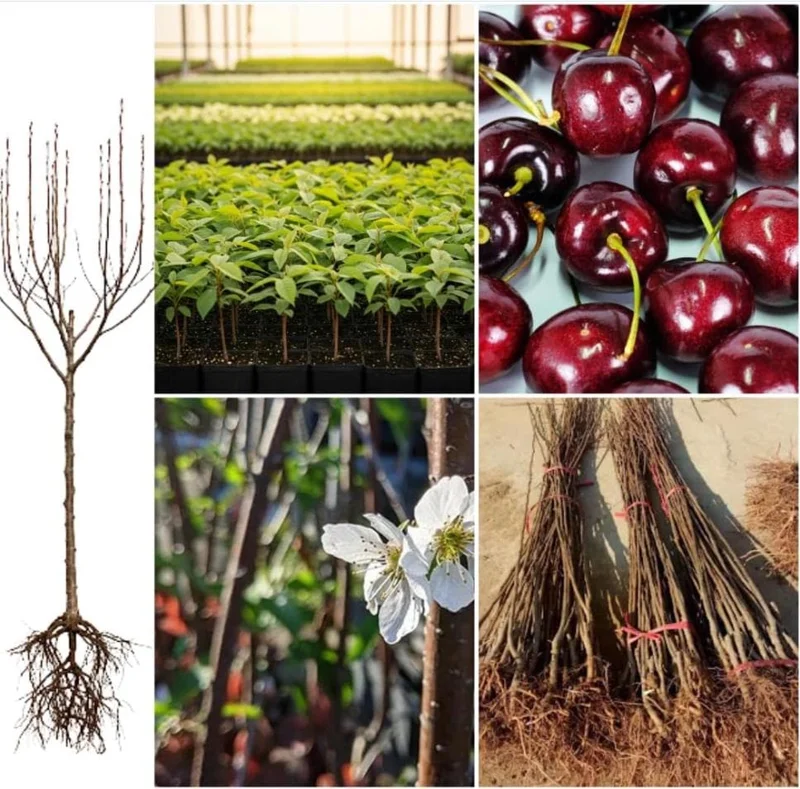
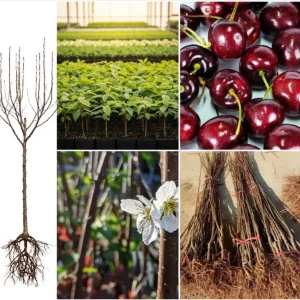
This offering includes a set of two black cherry bare roots. Each bare root specimen typically measures between 1 to 2 feet in height upon arrival, ready for immediate planting. When mature, the sweet cherry plant, or Prunus serotina roots, can reach impressive heights of 50 to 80 feet with a spread of 30 to 50 feet, forming a stately presence in your landscape. The growth rate is considered fast, meaning you can expect noticeable development in a relatively short period. These bare roots are shipped dormant, which is the ideal time for planting to minimize transplant shock and encourage vigorous spring growth. With proper care, you can anticipate your first cherry harvest within a few years of planting this robust fruit tree bare root.
Frequently Asked Questions
- Q: How big will this sweet cherry plant get? A: A mature sweet cherry plant, or Wild Cherry Tree, can reach heights of 50 to 80 feet with a spread of 30 to 50 feet, making it a substantial and beautiful shade and fruit tree for your landscape.
- Q: Is this an indoor or outdoor plant? A: The black cherry bare roots are intended for outdoor planting. This species, Prunus serotina roots, is a large deciduous tree that requires ample space and full sun exposure to thrive.
- Q: How much sunlight does it need? A: This fruit tree bare root prefers full sun, meaning at least 6-8 hours of direct sunlight per day. It can tolerate partial shade, but optimal fruit production and growth occur in full sun.
- Q: Is this black cherry bare roots easy to care for? A: Yes, once established, the wild cherry tree is relatively low-maintenance due to its hardiness and native origins. Initial care involves proper planting and consistent watering to ensure establishment.
- Q: What condition will the bare roots arrive in? A: Your black cherry bare roots will arrive dormant, which is the best state for transplanting. They will be carefully packaged to ensure they remain healthy and ready for planting upon arrival.
- Q: How long until it blooms or produces fruit? A: While growth is fast, it typically takes a few years (2-5 years) for the sweet cherry plant to establish and begin producing blooms and fruit. Patience will be rewarded with delicious cherries.
- Q: Will it survive winter in my zone? A: The wild cherry tree (Prunus serotina) is very hardy and adapted to temperate climates, tolerating cold winters and warm summers. It is suitable for a wide range of USDA hardiness zones.
- Q: What’s the best time to plant these Prunus serotina roots? A: The ideal time to plant bare roots is in late winter or early spring, before the tree breaks dormancy. This allows the root system to establish before the demands of summer growth.
- Q: Can I propagate more trees from these black cherry bare roots? A: While these are individual bare roots for planting, black cherry trees can be propagated from seeds or cuttings. However, these specific items are intended to grow into mature trees.
- Q: What type of soil is best for this fruit tree bare root? A: These trees thrive in well-drained soil and are adaptable to various soil types, including loam, sandy, or slightly clayey, as long as drainage is adequate.
Be the first to review “Set of 2 Black Cherry Bare Roots for Planting – Sweet Fruit Tree, 1-2 Feet Tall”
-
USDA Hardiness Zone
USDA zones 3-9 -
Soil Type
Well-drained soil, adaptable to various types -
Sunlight Exposure
Full sun to partial shade -
Expected Planting Period
Late winter to early spring
People Also Viewd


Sold 134 products
Original price was: $3,536.00.$23.99Current price is: $23.99.

Sold 131 products
Original price was: $27.00.$24.00Current price is: $24.00.

Sold 130 products
Original price was: $89.99.$64.99Current price is: $64.99.

Sold 125 products
Original price was: $86.99.$66.99Current price is: $66.99.

Flower Bulbs
3 Cranesbill Wild Geranium Organic Maculatums Bare Roots | Wildflower for Outdoor Garden
Sold 116 products
Original price was: $21.99.$9.99Current price is: $9.99.

Sold 114 products
Original price was: $28.99.$17.99Current price is: $17.99.

Sold 110 products
Original price was: $63.99.$28.99Current price is: $28.99.
Sold 108 products
Original price was: $28.99.$17.99Current price is: $17.99.RELATED posts
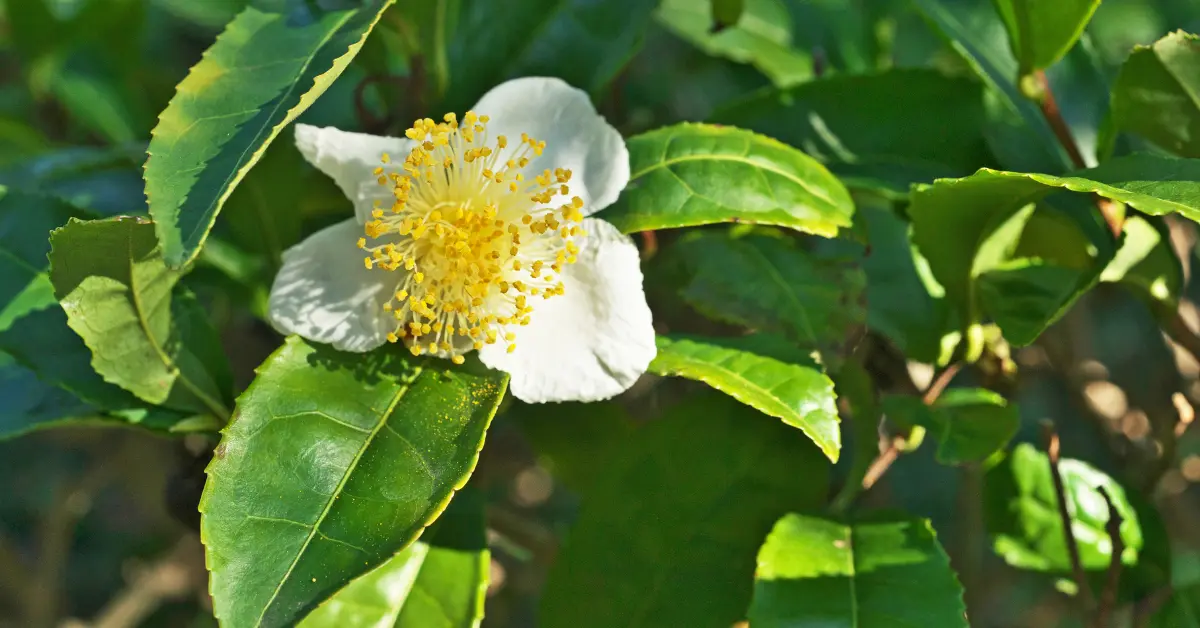
Growing Camellia Sinensis (Tea Plants) in Containers: A Complete Guide for Beginners
If you’ve ever wanted to sip a steaming, homegrown cup of fresh green, black, or [...]
Aug
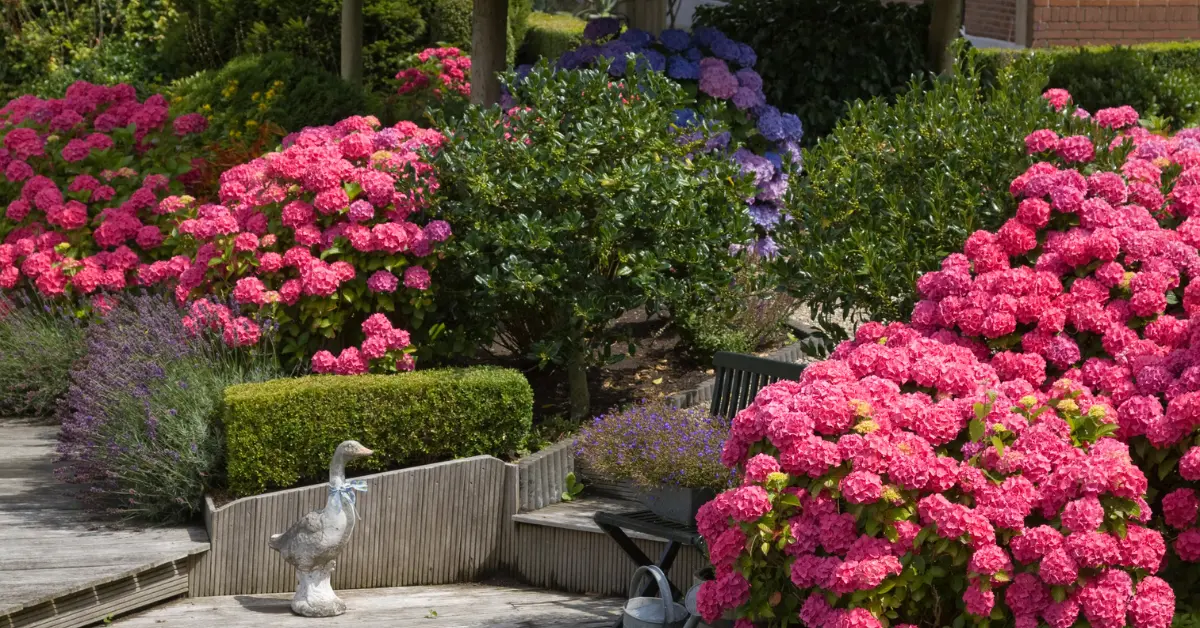
6 Best Shrubs to Plant in August You Must Try
Have you ever walked through a nursery late in the summer, admired the vibrant shrubs [...]
Aug
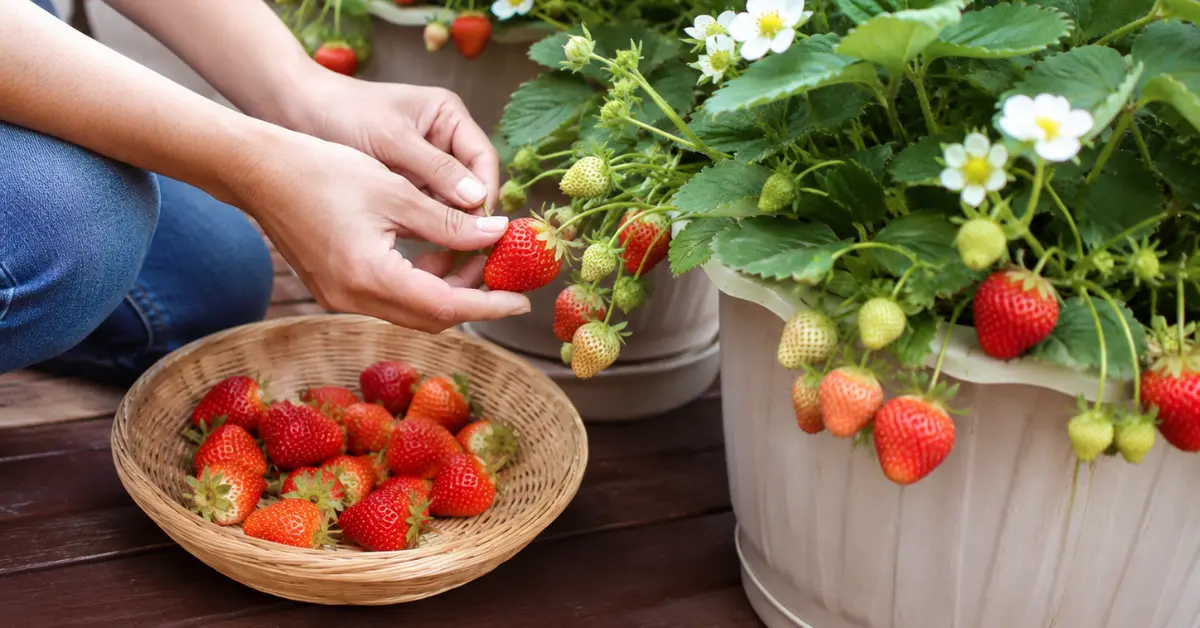
Growing Everbearing Strawberries in Containers: A Complete Guide for Beginners
Want to grow sweet, fresh strawberries but do not have a large garden? Everbearing strawberries [...]
Aug
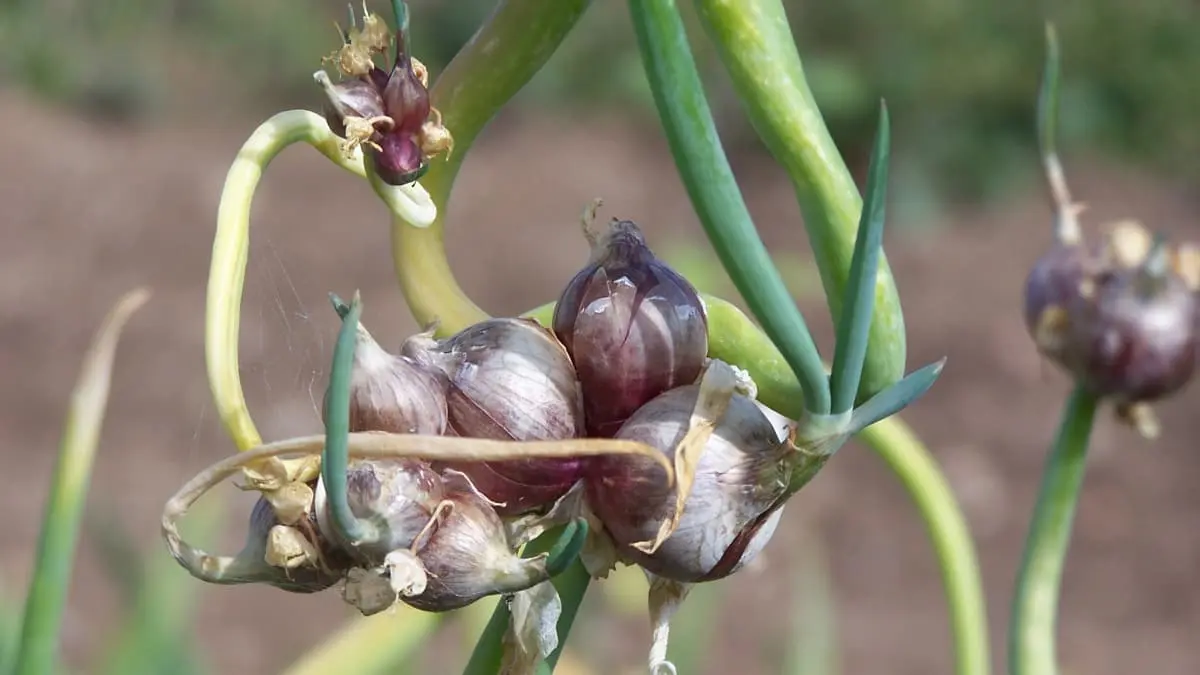
Growing Egyptian Walking Onions in Containers: A Complete Guide for Beginners
If you’re looking for a hardy, no-fuss perennial onion that keeps on giving year after [...]
Jul
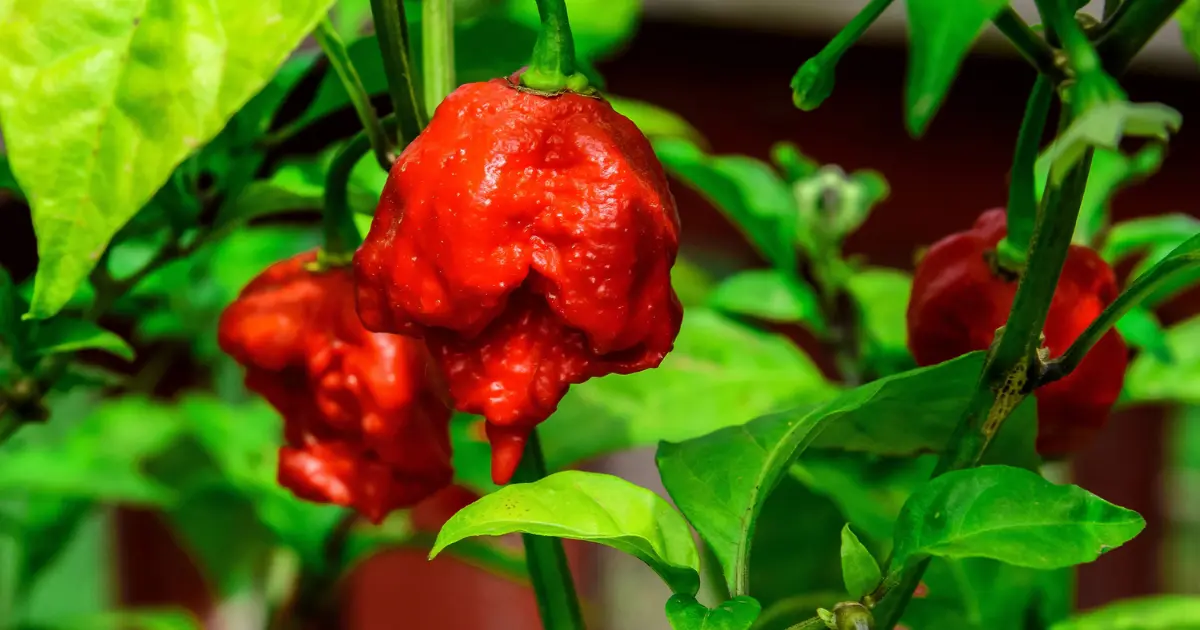
Growing Carolina Reaper Peppers in Pots: A Complete Guide for Beginners
If you’ve ever wanted to add some serious, record-breaking heat to your home cooking, you’ve [...]
May
Growing Curry Leaf Plant in Pots: A Complete Guide for Beginners
If you’re a fan of authentic South Asian cuisine, you already know that nothing compares [...]
May
5 Tips for Growing Carolina Reaper Peppers to Get the Spiciest Harvest Ever
Holding the record for one of the world’s hottest peppers, the Reaper isn’t just a [...]
May
Best Fertilizers for Zoysia Grass in 2026: Get a Lush Lawn
As we enter the new year, the time has come to think about how we [...]
Apr

Reviews
There are no reviews yet.