
Mountain Mint Live Plant – Pycnanthemum muticum Starter Plant for Pollinators
Original price was: $47.99.$23.99Current price is: $23.99.
Bring the beauty of a pollinator garden plant to your outdoor space with this mountain mint live plant (Pycnanthemum muticum). A fragrant native herb, it’s perfect for attracting bees and butterflies.
Estimated arrival
Oct 16
Oct 21 - Oct 23
Oct 26 - Oct 30

Reasonable Price
We offer reasonable price

Support 24/7
Contact us 24 hrs a day

100% Money Back
You've 30 days to Return

Payment Secure
100% secure payment
Overview
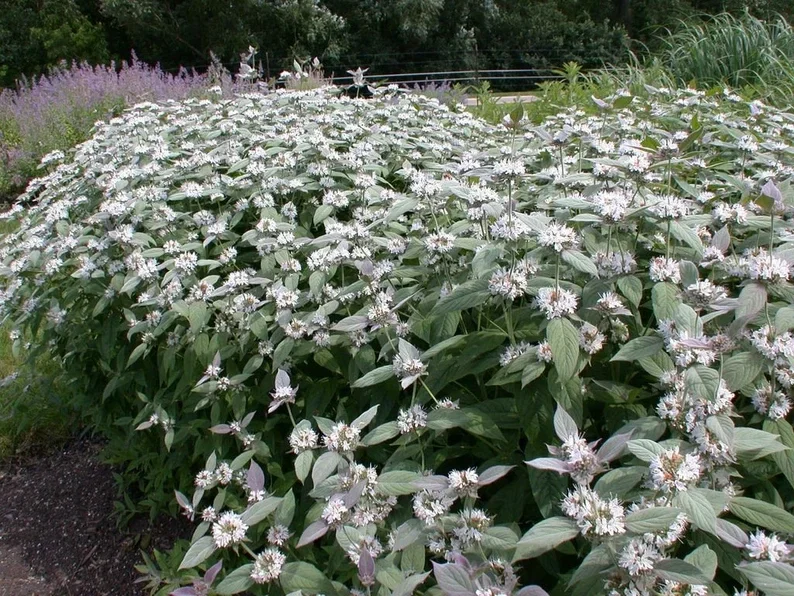
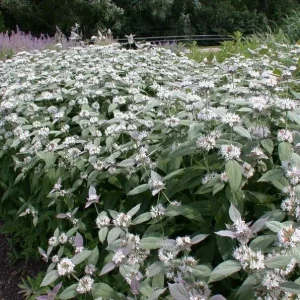
Introduce a delightful and beneficial addition to your garden with the mountain mint live plant (Pycnanthemum muticum). Known for its highly aromatic foliage and attractive silvery-green bracts, this perennial herb is a powerhouse for attracting a wide array of pollinators, including bees, butterflies, and beneficial insects. Unlike some more aggressive mint varieties, Pycnanthemum muticum care is relatively straightforward, and it tends to be better behaved in the garden, forming polite clumps rather than spreading invasively. This native mint species offers a unique blend of ornamental beauty and ecological value, making it a favorite among gardeners looking to support local ecosystems.
The common name, mountain mint, hints at its robust nature and adaptability. Its subtle, minty fragrance is released when the leaves are brushed, adding another layer of sensory appeal to your outdoor sanctuary. Whether you’re designing a dedicated pollinator garden, a native plant landscape, or simply want a low-maintenance, fragrant herb, this mountain mint live plant is an excellent choice. It thrives in a variety of conditions and provides continuous interest from summer through fall with its small, clustered white flowers.
Key Benefits
The mountain mint live plant offers a multitude of benefits, making it an indispensable asset for any gardener. Its ecological contributions and aesthetic appeal are truly remarkable.
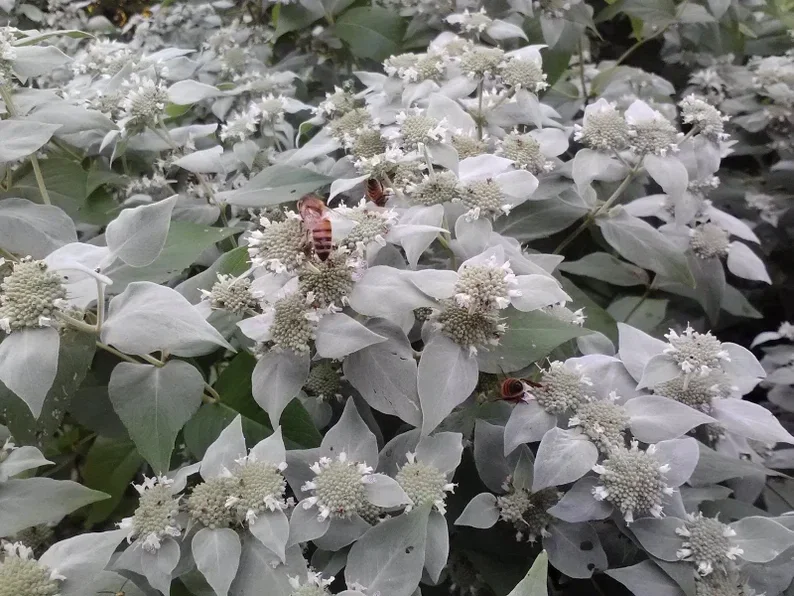
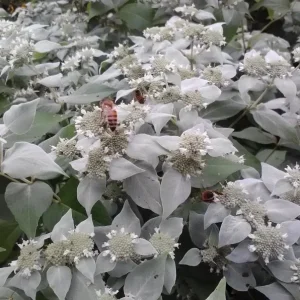
- Exceptional Pollinator Attractor: This plant is a magnet for native bees, honeybees, butterflies, and other beneficial insects. Its extended bloom time ensures a steady food source for pollinators throughout the summer and early fall, significantly boosting biodiversity in your garden.
- Aromatic Foliage: The silvery-green leaves emit a strong, refreshing minty scent when crushed or brushed, providing a pleasant fragrance that can deter some pests while delighting humans. This makes it a wonderful addition near pathways or seating areas.
- Low Maintenance & Adaptable: Once established, Pycnanthemum muticum care is minimal. It’s drought-tolerant and can adapt to various soil types, making it suitable for gardeners of all experience levels. It’s a truly resilient and forgiving plant.
- Native Plant Advantage: As a native species to North America, mountain mint is perfectly adapted to local climates and ecosystems. Planting native species like this native mint plant supports local wildlife and contributes to ecological balance.
- Deer & Rabbit Resistant: Thanks to its strong aromatic oils, deer and rabbits typically avoid grazing on mountain mint, protecting your investment and ensuring its continued beauty in the landscape.
- Erosion Control: Its clumping growth habit and fibrous root system make it an effective plant for stabilizing soil on slopes or in areas prone to erosion, adding a practical benefit to its ornamental and ecological value.
- Long Bloom Period: Enjoy its delicate white to pale pink flowers from mid-summer into early fall, providing consistent visual interest and a prolonged nectar source for pollinators. This extended bloom contributes to a vibrant and active garden space.
Plant Care & Growing Tips
Caring for your mountain mint live plant is surprisingly easy, making it an excellent choice for both novice and experienced gardeners. This resilient fragrant garden herb thrives with minimal intervention once established. For optimal growth, plant your mountain mint in a location that receives full sun to partial shade. Full sun (6+ hours of direct sunlight daily) will encourage the most abundant flowering and densest growth, while partial shade (4-6 hours of direct sunlight, especially in the afternoon) is tolerated, particularly in hotter climates.
When it comes to watering, mountain mint prefers consistently moist but well-drained soil, especially during its establishment phase. Once mature, it becomes quite drought-tolerant and can handle periods of dry weather. Avoid overwatering, as constantly soggy soil can lead to root rot. The ideal soil type is a loamy, well-draining soil, but it is adaptable to clay or sandy soils as long as drainage is adequate. This plant is hardy in USDA zones 4-8, tolerating a wide range of winter temperatures. No heavy fertilization is typically needed; a light application of a balanced, slow-release fertilizer in spring can be beneficial, but it often thrives without it in fertile garden soil.
Regular pruning is not strictly necessary for Pycnanthemum muticum care but can be beneficial. Deadheading spent flowers can encourage a tidier appearance and sometimes a flush of new blooms. If the plant becomes leggy, you can cut it back by about one-third in mid-summer to promote bushier growth. This native mint plant is generally pest and disease-resistant, but ensure good air circulation to prevent fungal issues in humid environments. Its robust nature and minimal requirements make it a truly rewarding plant to grow, ensuring a vibrant and active garden for years to come.
Size & Details
Your mountain mint live plant will arrive as a healthy starter plant, ready for transplanting into your garden or a larger container. Typically, this perennial herb grows to an average height of 2 to 3 feet (60-90 cm) with a similar spread, forming an attractive clump. Its growth rate is moderate, establishing itself well within the first growing season and reaching mature size in two to three years. The plant ships in a nursery pot, ensuring its root system is intact and protected during transit, facilitating an easy transition to its new home.
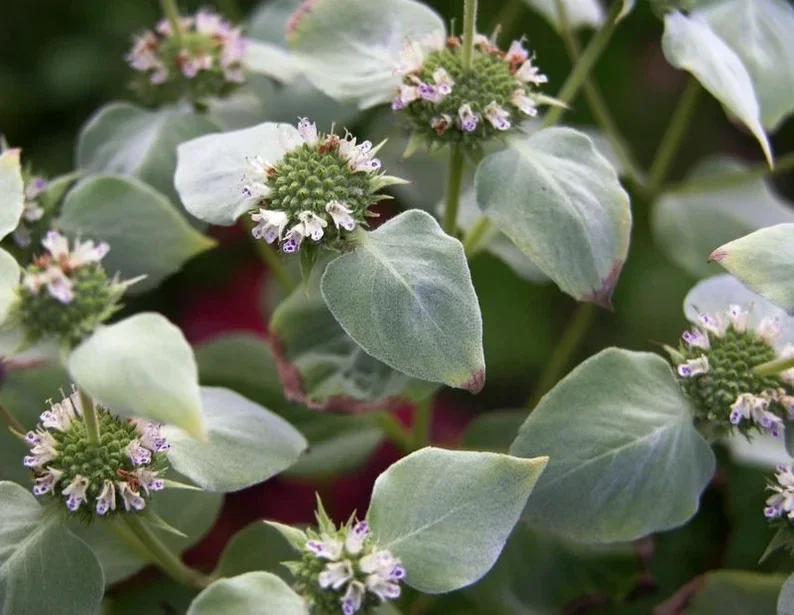
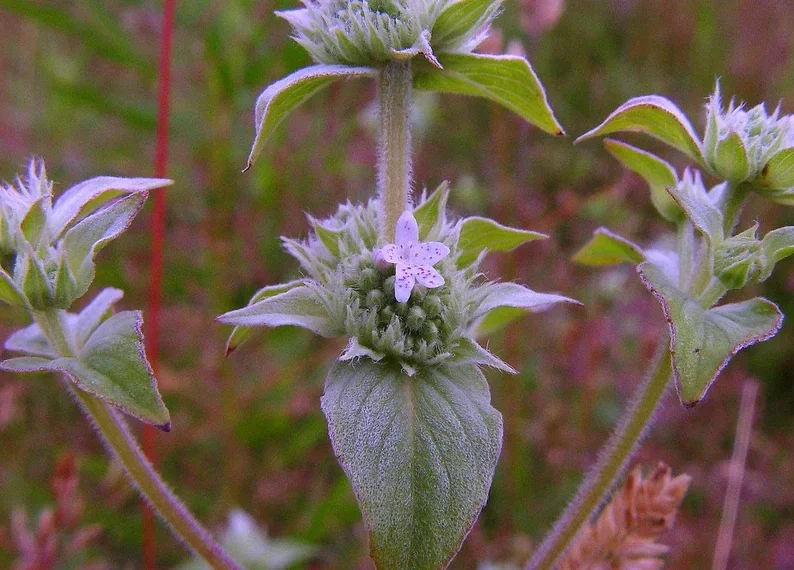
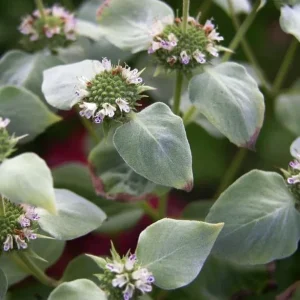
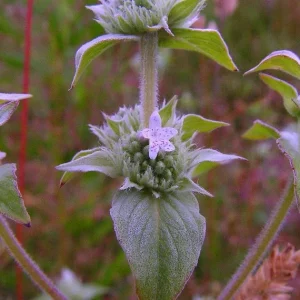
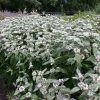
The Pycnanthemum muticum features distinctive silvery-green bracts just beneath its clusters of small white flowers, creating a shimmering effect in the garden. These blooms appear from mid-summer through early fall, providing a long season of interest. This makes it an ideal choice for adding late-season color and attracting pollinators when many other plants have finished blooming. The mature size and clumping habit make this a versatile plant, suitable for mass plantings, borders, or as a stand-alone specimen in a pollinator garden. Expect a robust and thriving plant that will quickly become a highlight of your outdoor space. This fragrant garden herb is a fantastic investment for both beauty and ecological benefit.
Frequently Asked Questions
- Q: How big does this mountain mint live plant get? A: A: This perennial typically grows to an average height of 2 to 3 feet (60-90 cm) with a similar spread, forming an attractive clumping habit in your garden.
- Q: Is this an indoor or outdoor plant? A: Pycnanthemum muticum is primarily an outdoor plant, best suited for garden beds and landscapes where it can thrive in full sun to partial shade.
- Q: How much sunlight does it need? A: For best results, your native mint plant prefers full sun (6+ hours of direct sunlight daily), but it can also tolerate partial shade (4-6 hours), especially in warmer climates.
- Q: Is this plant easy to care for? A: Yes, Pycnanthemum muticum care is considered low-maintenance. Once established, it is quite drought-tolerant and generally resistant to pests and diseases, making it excellent for beginners.
- Q: What condition will it arrive in? A: Your mountain mint live plant will arrive as a healthy starter plant in a nursery pot, with its root system intact and ready for transplanting.
- Q: Is it shipped in soil? A: Yes, the plant is shipped securely in its nursery pot with soil to ensure its health and vitality during transit and ease of planting upon arrival.
- Q: When is the best time to plant mountain mint? A: The best time to plant this fragrant garden herb is in spring or early fall, allowing it ample time to establish its root system before extreme weather.
- Q: Can I grow this plant in a container? A: While it prefers to spread in the ground, mountain mint can be grown in large containers, though it may require more frequent watering and occasional division.
- Q: Will it attract bees and butterflies? A: Absolutely! This plant is renowned as a powerful pollinator garden plant, attracting a wide variety of bees, butterflies, and other beneficial insects with its nectar-rich flowers.
- Q: Is mountain mint invasive like other mints? A: Unlike some other mints, Pycnanthemum muticum is generally well-behaved and grows in polite clumps rather than spreading aggressively, making it a more manageable choice for most gardens.
Be the first to review “Mountain Mint Live Plant – Pycnanthemum muticum Starter Plant for Pollinators”
-
USDA Hardiness Zone
USDA zones 4-8 -
Soil Type
Well-draining loamy soil -
Sunlight Exposure
Full sun to partial shade -
Expected Planting Period
Spring to early fall
People Also Viewd


Sold 134 products
Original price was: $3,536.00.$23.99Current price is: $23.99.

Sold 132 products
Original price was: $27.00.$24.00Current price is: $24.00.

Sold 132 products
Original price was: $89.99.$64.99Current price is: $64.99.

Sold 125 products
Original price was: $86.99.$66.99Current price is: $66.99.

Flower Bulbs
3 Cranesbill Wild Geranium Organic Maculatums Bare Roots | Wildflower for Outdoor Garden
Sold 116 products
Original price was: $21.99.$9.99Current price is: $9.99.

Sold 114 products
Original price was: $28.99.$17.99Current price is: $17.99.
Sold 110 products
Original price was: $63.99.$28.99Current price is: $28.99.
Sold 108 products
Original price was: $28.99.$17.99Current price is: $17.99.RELATED posts
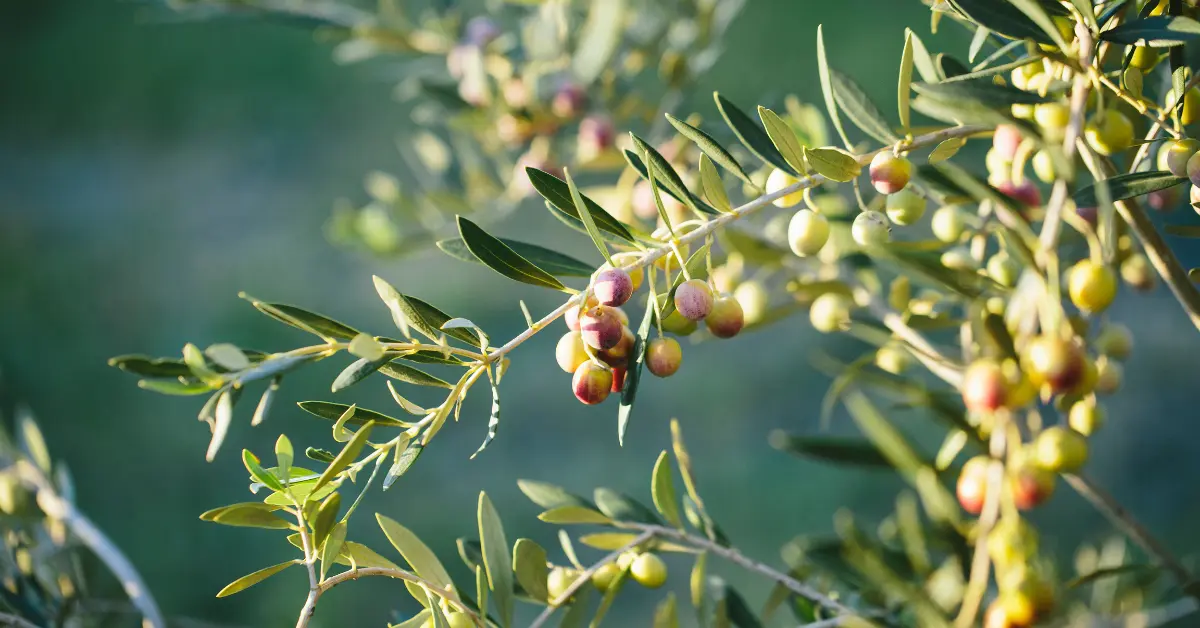
How to Grow Arbequina Olive Trees: The Ultimate Guide to Your Own Olive Grove
Arbequina Olive Tree (Olea europaea ‘Arbequina’) – the ultimate Mediterranean plant that brings a touch [...]
Oct
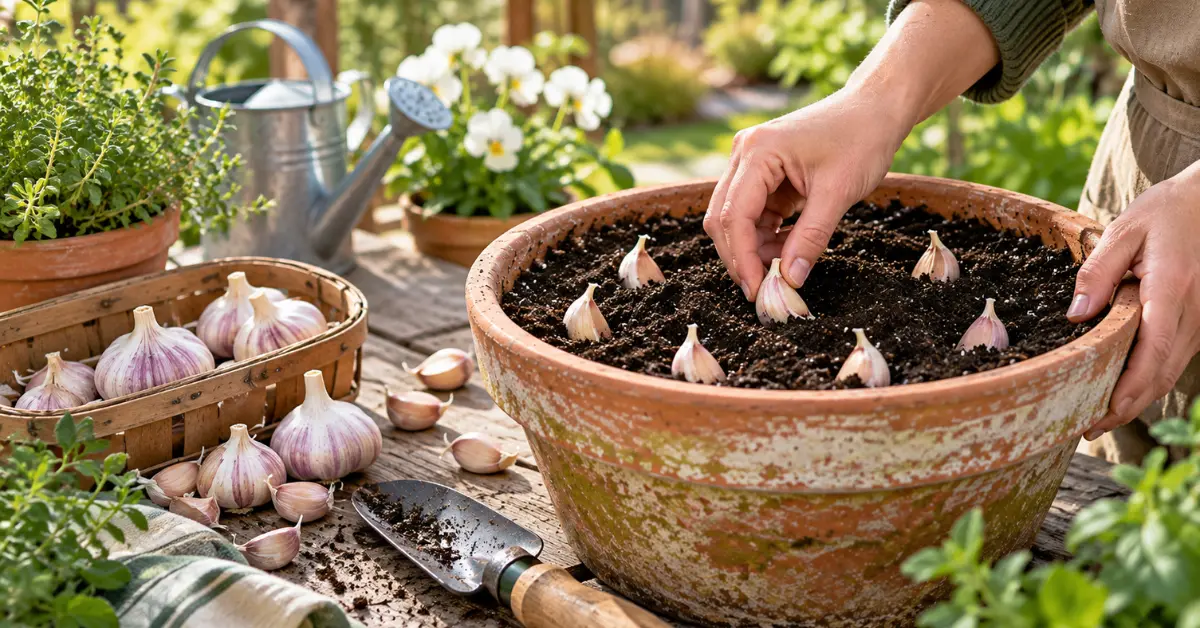
Growing Garlic in Containers This Fall: A Complete Guide for Beginners
If you’ve ever wanted to pop fresh, aromatic garlic cloves straight from your own patio [...]
Sep
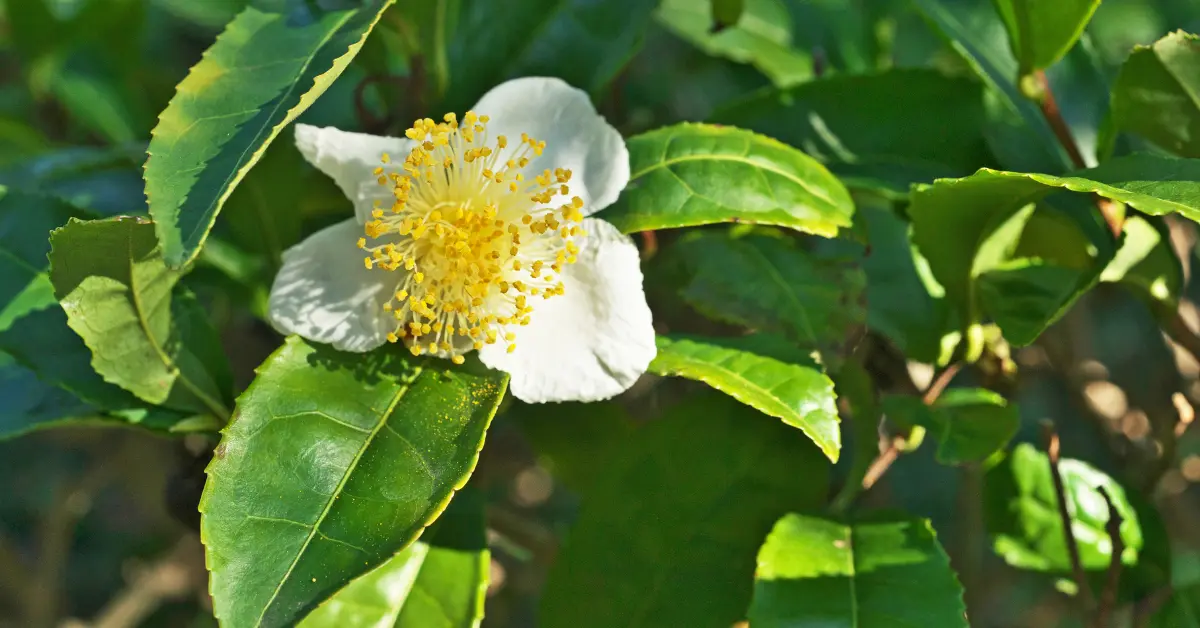
Growing Camellia Sinensis (Tea Plants) in Containers: A Complete Guide for Beginners
If you’ve ever wanted to sip a steaming, homegrown cup of fresh green, black, or [...]
Aug
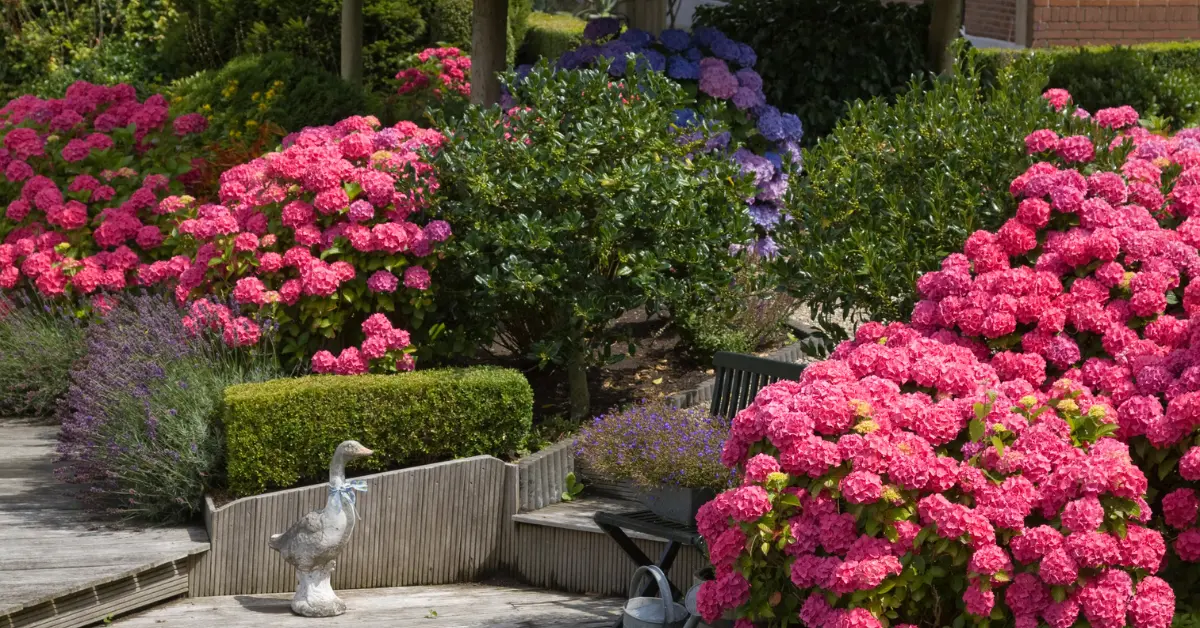
6 Best Shrubs to Plant in August You Must Try
Have you ever walked through a nursery late in the summer, admired the vibrant shrubs [...]
Aug
Growing Everbearing Strawberries in Containers: A Complete Guide for Beginners
Want to grow sweet, fresh strawberries but do not have a large garden? Everbearing strawberries [...]
Aug
Growing Egyptian Walking Onions in Containers: A Complete Guide for Beginners
If you’re looking for a hardy, no-fuss perennial onion that keeps on giving year after [...]
Jul
Growing Carolina Reaper Peppers in Pots: A Complete Guide for Beginners
If you’ve ever wanted to add some serious, record-breaking heat to your home cooking, you’ve [...]
May
Growing Curry Leaf Plant in Pots: A Complete Guide for Beginners
If you’re a fan of authentic South Asian cuisine, you already know that nothing compares [...]
May
Reviews
There are no reviews yet.