
Organic Rosemary ‘Tuscan Blue’ Live Starter Plant – Herb
Original price was: $43.99.$21.99Current price is: $21.99.
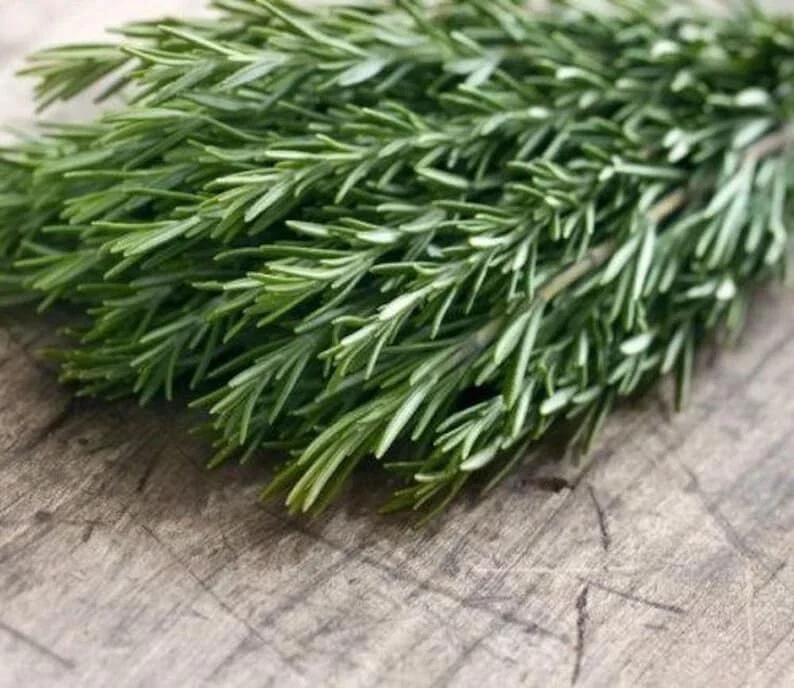
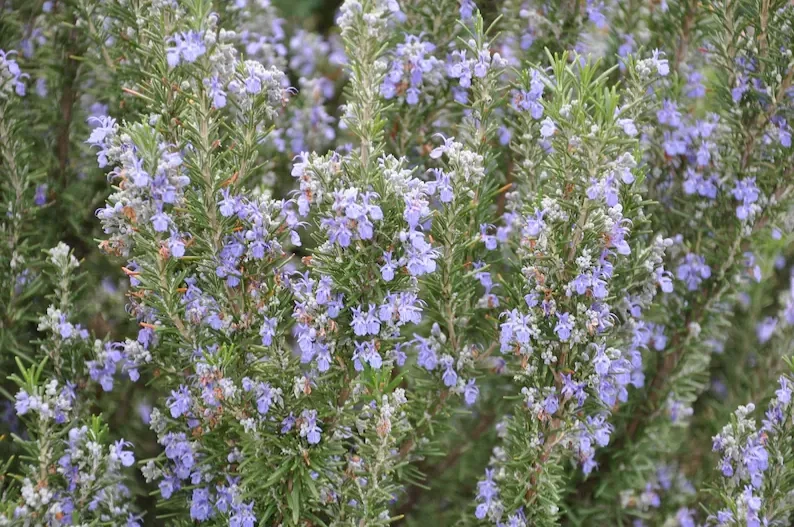
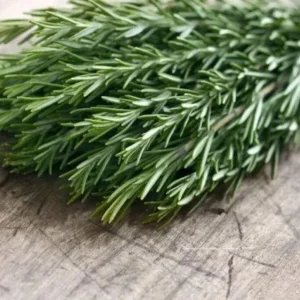
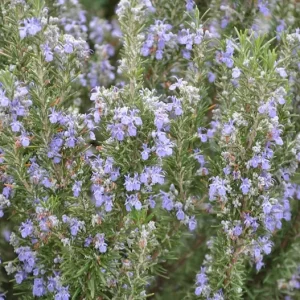
Cultivate your own aromatic garden with the rosemary tuscan blue live plant. This organic starter plant is renowned for its vibrant blue flowers and intensely fragrant, needle-like leaves, ideal for culinary creations and ornamental beauty. A robust and drought-tolerant herb, perfect for containers or garden beds.
Estimated arrival
Oct 16
Oct 21 - Oct 23
Oct 26 - Oct 30

Reasonable Price
We offer reasonable price

Support 24/7
Contact us 24 hrs a day

100% Money Back
You've 30 days to Return

Payment Secure
100% secure payment
Overview
Discover the joy of growing your own herbs with this exquisite rosemary tuscan blue live plant. Revered for its upright growth habit, striking blue flowers, and potent aroma, ‘Tuscan Blue’ rosemary (Rosmarinus officinalis ‘Tuscan Blue’) is a favorite among gardeners and chefs alike. This organic starter plant arrives ready to thrive in your garden or a sunny container, promising a continuous supply of fresh, flavorful leaves. Known for its vigorous growth and beautiful appearance, ‘Tuscan Blue’ is more than just a culinary herb; it’s a statement plant that adds structure and evergreen charm to any landscape. Its natural pest-repellent properties also make it a beneficial companion plant.
Whether you’re an experienced gardener or just starting your herbal journey, this organic rosemary plant offers an accessible way to enjoy fresh herbs. It’s a Mediterranean native, meaning it’s well-adapted to sunny, dry conditions, making it a relatively low-maintenance choice once established. Its aromatic foliage is not only delicious in cooking but also provides a pleasant scent that can deter unwanted garden visitors.
Key Benefits
The ‘Tuscan Blue’ rosemary offers a multitude of advantages for both the home gardener and the culinary enthusiast. Its robust nature and versatile uses make it an indispensable addition:
- Exceptional Culinary Herb: The strongly aromatic leaves are perfect for seasoning meats, vegetables, sauces, and breads, imparting a classic Mediterranean flavor to your dishes. Fresh rosemary enhances any meal.
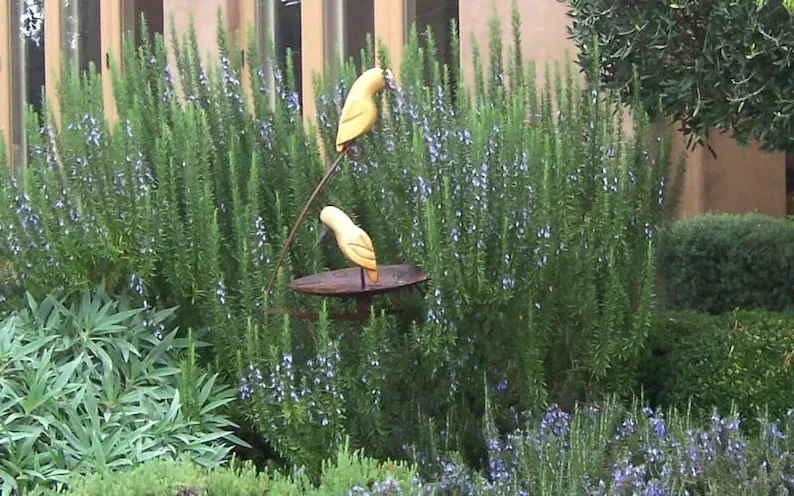
- Striking Ornamental Value: With its upright, bushy form and profusion of beautiful blue flowers, ‘Tuscan Blue’ serves as an attractive landscape plant, hedge, or focal point in containers.
- Drought Tolerant & Low Maintenance: Once established, this rosemary variety requires minimal watering and care, making it an ideal choice for busy gardeners or those in drier climates.
- Fragrant & Aromatic: The intense, refreshing scent of rosemary is a natural air freshener and can be used in potpourri, sachets, or simply enjoyed in the garden.
- Pollinator Friendly: The vibrant blue flowers attract bees and other beneficial pollinators to your garden, contributing to a healthy ecosystem.
- Evergreen Foliage: Provides year-round interest and greenery, even in milder winter climates, ensuring your garden always has a touch of life.
- Natural Pest Deterrent: The strong scent of rosemary can help repel certain garden pests, aiding in the protection of nearby plants without harsh chemicals.
Plant Care & Growing Tips
Caring for your tuscan blue rosemary care is straightforward, especially when you understand its preferences. Rosemary thrives in conditions mimicking its Mediterranean origins. It absolutely loves sunlight; aim for at least 6-8 hours of direct sun per day. If growing indoors, place it in your brightest window, preferably south-facing, or supplement with a grow light. Insufficient light can lead to leggy growth and reduced aroma.
When it comes to watering, less is often more with rosemary. It prefers to dry out completely between waterings. Overwatering is the most common cause of rosemary plant failure. Stick your finger about an inch or two into the soil; if it feels dry, it’s time to water thoroughly until water drains from the bottom of the pot. Ensure excellent drainage; never let your rosemary sit in standing water. A well-draining potting mix is crucial, ideally one formulated for herbs or cacti. For outdoor planting, choose a spot with sandy, loamy soil that drains quickly. The ideal temperature range for ‘Tuscan Blue’ rosemary is between 60-80°F (15-27°C). It is generally hardy in USDA zones 8-10, though it can tolerate light frosts. In colder zones, it’s best grown in containers that can be moved indoors during winter.
Fertilization is rarely necessary for established rosemary plants, especially if planted in good soil. If you notice slow growth or pale foliage, a light application of a balanced, all-purpose fertilizer in spring can be beneficial, but avoid over-fertilizing as it can reduce flavor intensity. Pruning is important for maintaining shape, encouraging bushier growth, and harvesting. Regularly snip off sprigs for culinary use, and perform a more significant prune in late spring after flowering to shape the plant. Watch out for common problems like powdery mildew in humid conditions or root rot from overwatering. Good air circulation and proper watering practices are your best defenses. This robust fragrant herb plant is quite resilient once its basic needs are met.
Size & Details
This offering is for an organic rosemary plant of the ‘Tuscan Blue’ variety, provided as a live starter plant. Typically, these starter plants arrive in a small nursery pot, ready for transplanting into a larger container or directly into your garden. At maturity, ‘Tuscan Blue’ rosemary can reach an impressive height of 4-6 feet and spread 2-4 feet wide, forming a dense, upright shrub. Its growth rate is moderate, allowing you to enjoy its benefits relatively quickly. This variety is known for its strong, woody stems and deep green, aromatic foliage. It’s grown from healthy cuttings to ensure true-to-type characteristics and robust performance. Expect it to establish well and begin producing abundant fragrant sprigs for your culinary and aromatic needs within its first growing season.
Frequently Asked Questions
- Q: How big does this plant get? A: The rosemary tuscan blue live plant can grow quite large, typically reaching 4-6 feet in height and 2-4 feet in width when mature in optimal conditions. Regular pruning can help maintain a smaller, bushier size.
- Q: Is this an indoor or outdoor plant? A: ‘Tuscan Blue’ rosemary can thrive both indoors and outdoors. It’s well-suited for outdoor gardens in warmer climates (USDA zones 8-10) and makes an excellent container plant that can be moved indoors during colder months.
- Q: How much sunlight does it need? A: This rosemary starter plant requires full sun, meaning at least 6-8 hours of direct sunlight per day. If growing indoors, place it in the sunniest window available.
- Q: Is this plant easy to care for? A: Yes, ‘Tuscan Blue’ rosemary is considered relatively easy to care for, especially once established. Its main requirements are plenty of sun and well-draining soil, with minimal watering.
- Q: Can I use ‘Tuscan Blue’ rosemary in cooking? A: Absolutely! The ‘Tuscan Blue’ variety is highly prized for its strong, delicious flavor and aroma, making it an excellent choice for all your culinary needs.
- Q: What condition will it arrive in? A: Your organic rosemary plant will arrive as a healthy, live starter plant in a nursery pot, carefully packaged to ensure its safe journey to your home.
- Q: What’s the best soil for this rosemary? A: It prefers well-draining, slightly sandy or loamy soil. For container growing, a good quality potting mix amended with perlite or sand for extra drainage is ideal.
- Q: When is the best time to plant ‘Tuscan Blue’ rosemary? A: The best time to plant outdoors is in spring after the last frost, allowing it ample time to establish before summer heat or winter cold. Indoor planting can be done year-round.
- Q: Is ‘Tuscan Blue’ rosemary deer resistant? A: Yes, due to its strong fragrance and woody texture, rosemary is generally considered deer and rabbit resistant, making it a great choice for gardens where these animals are a concern.
- Q: How often should I water my ‘Tuscan Blue’ rosemary? A: Water thoroughly when the top inch or two of soil feels dry to the touch. Allow the soil to dry out between waterings to prevent root rot. Reduce watering frequency in winter.
Be the first to review “Organic Rosemary ‘Tuscan Blue’ Live Starter Plant – Herb”
-
USDA Hardiness Zone
USDA zones 8-10 -
Soil Type
Well-draining, sandy or loamy soil -
Sunlight Exposure
Full sun -
Expected Planting Period
Spring to early summer
People Also Viewd
Sold 134 products
Original price was: $3,536.00.$23.99Current price is: $23.99.
Sold 132 products
Original price was: $27.00.$24.00Current price is: $24.00.
Sold 132 products
Original price was: $89.99.$64.99Current price is: $64.99.

Sold 125 products
Original price was: $86.99.$66.99Current price is: $66.99.
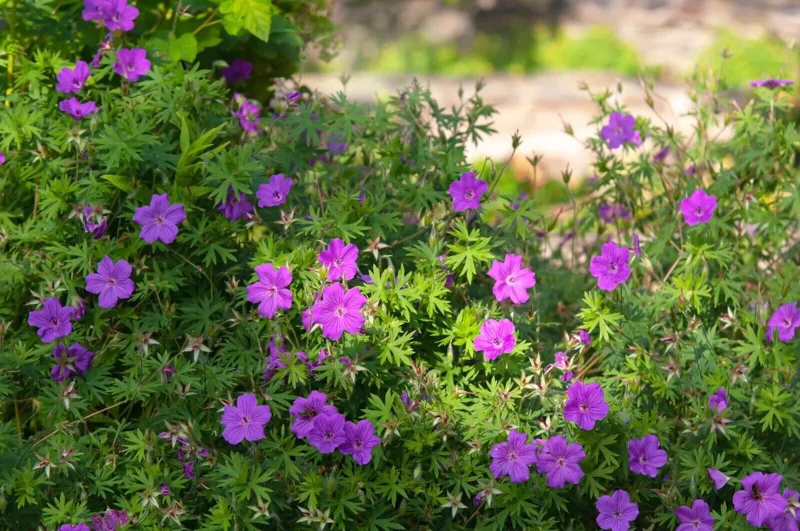
Flower Bulbs
3 Cranesbill Wild Geranium Organic Maculatums Bare Roots | Wildflower for Outdoor Garden
Sold 116 products
Original price was: $21.99.$9.99Current price is: $9.99.
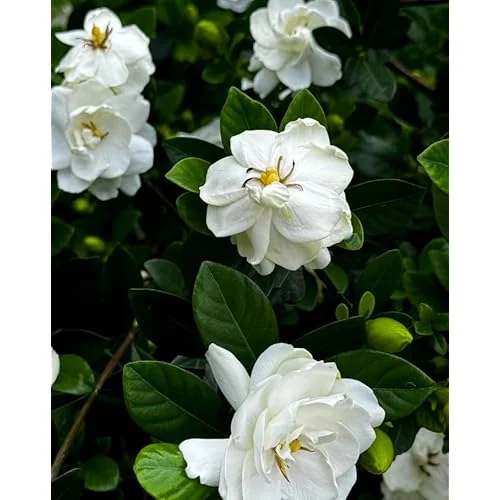
Sold 114 products
Original price was: $28.99.$17.99Current price is: $17.99.
Sold 110 products
Original price was: $63.99.$28.99Current price is: $28.99.
Sold 108 products
Original price was: $28.99.$17.99Current price is: $17.99.RELATED posts
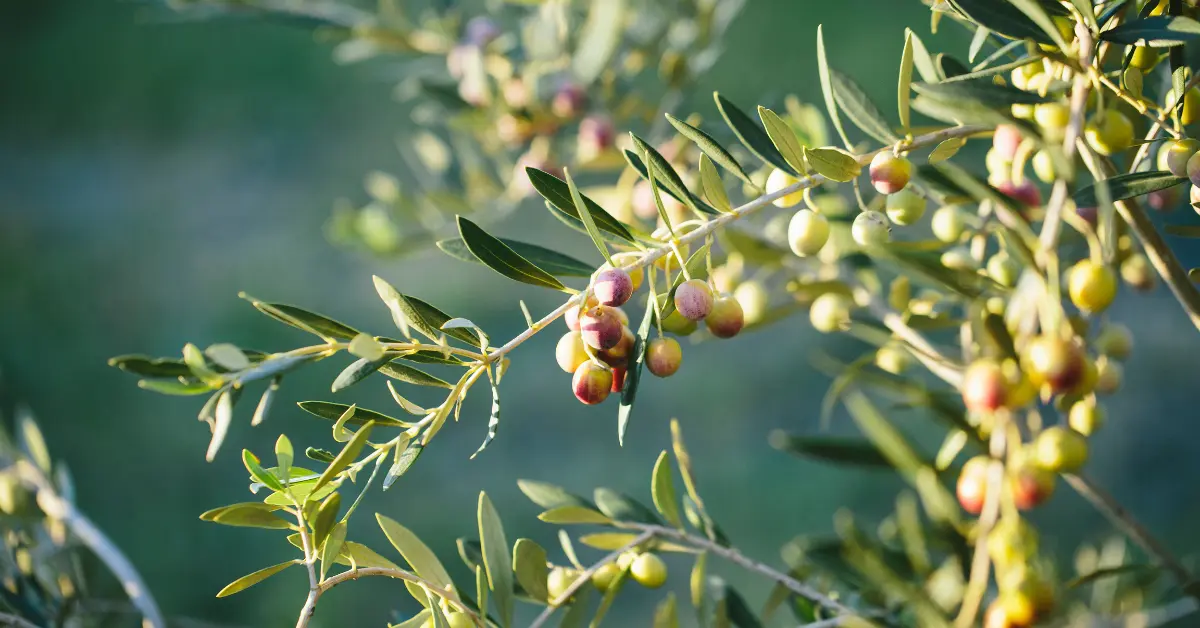
How to Grow Arbequina Olive Trees: The Ultimate Guide to Your Own Olive Grove
Arbequina Olive Tree (Olea europaea ‘Arbequina’) – the ultimate Mediterranean plant that brings a touch [...]
Oct
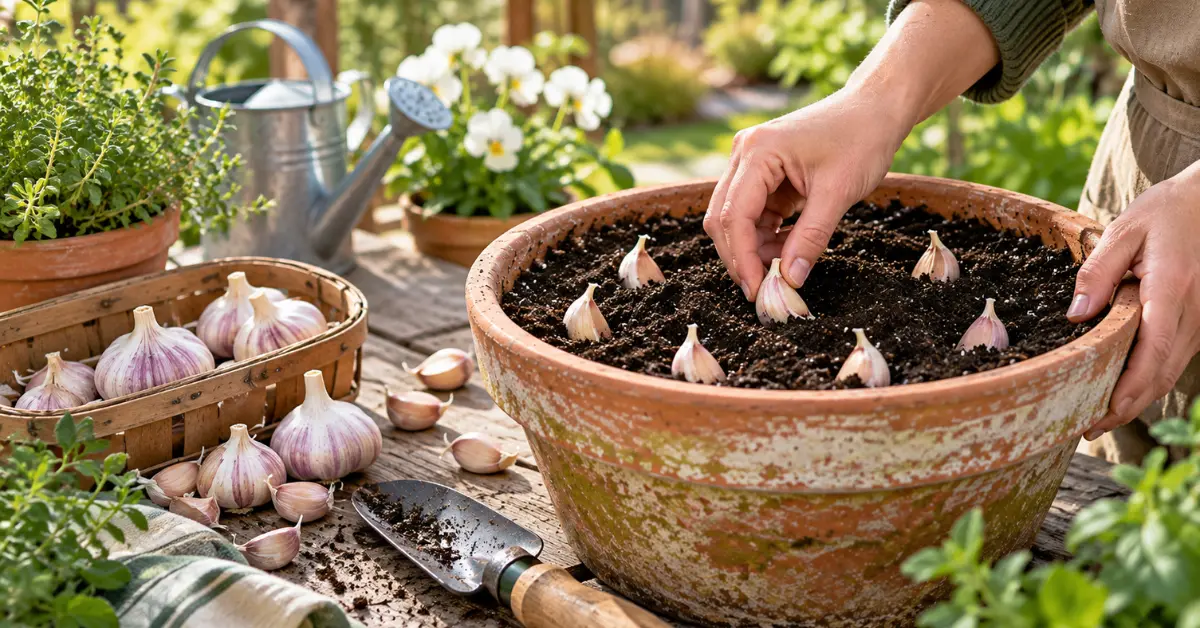
Growing Garlic in Containers This Fall: A Complete Guide for Beginners
If you’ve ever wanted to pop fresh, aromatic garlic cloves straight from your own patio [...]
Sep
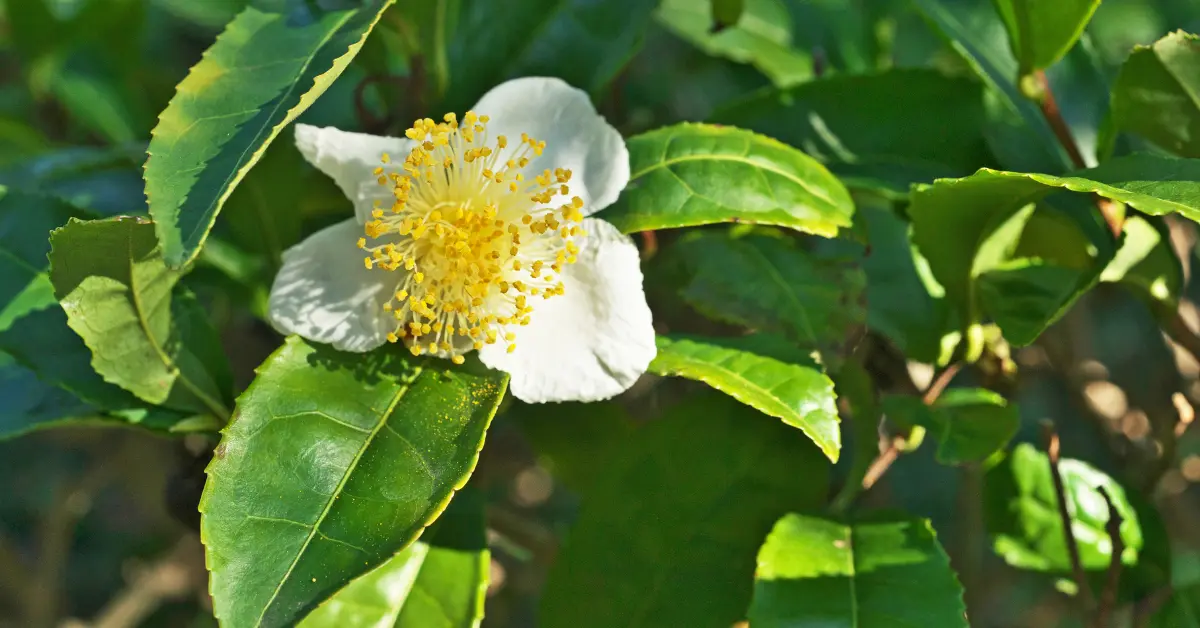
Growing Camellia Sinensis (Tea Plants) in Containers: A Complete Guide for Beginners
If you’ve ever wanted to sip a steaming, homegrown cup of fresh green, black, or [...]
Aug
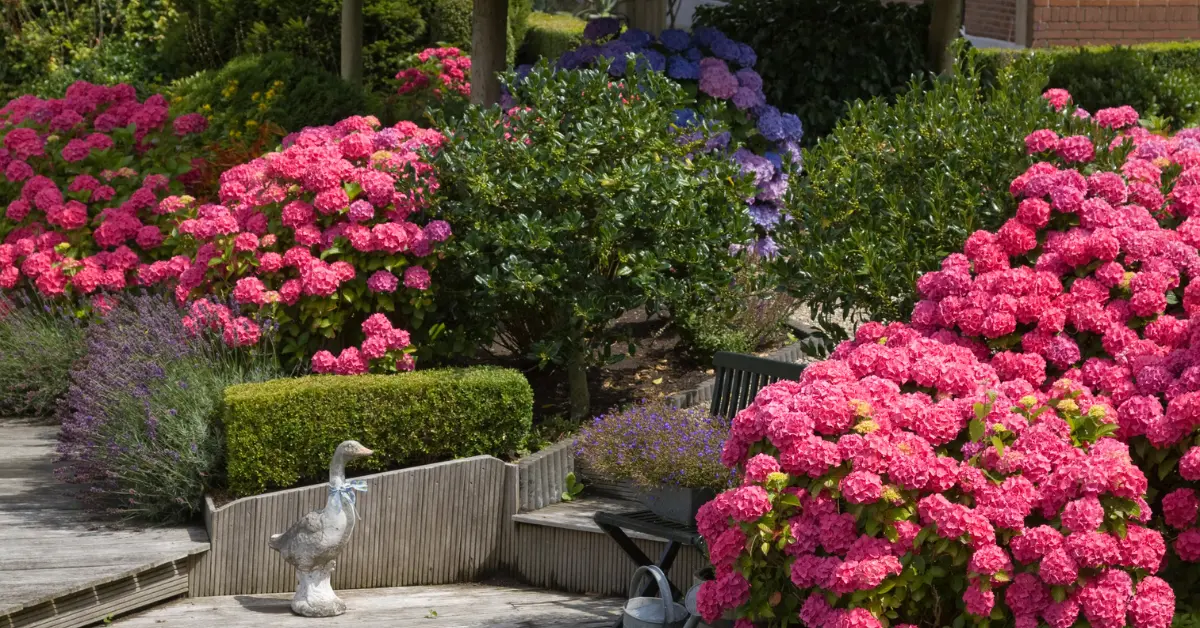
6 Best Shrubs to Plant in August You Must Try
Have you ever walked through a nursery late in the summer, admired the vibrant shrubs [...]
Aug

Growing Everbearing Strawberries in Containers: A Complete Guide for Beginners
Want to grow sweet, fresh strawberries but do not have a large garden? Everbearing strawberries [...]
Aug
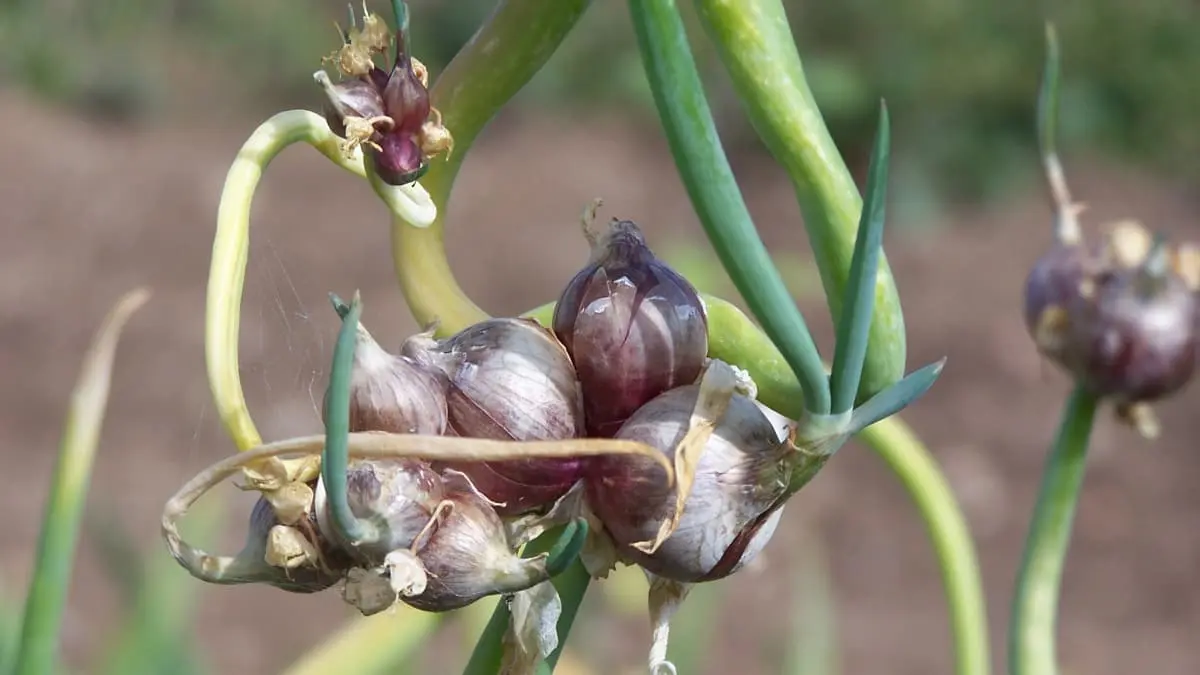
Growing Egyptian Walking Onions in Containers: A Complete Guide for Beginners
If you’re looking for a hardy, no-fuss perennial onion that keeps on giving year after [...]
Jul
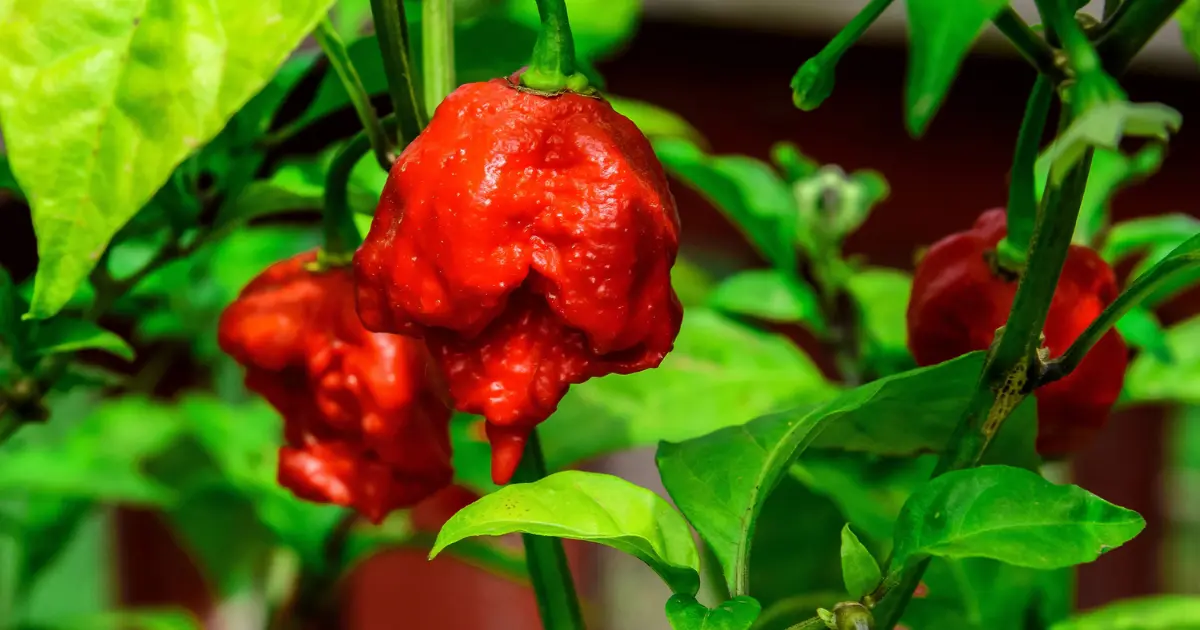
Growing Carolina Reaper Peppers in Pots: A Complete Guide for Beginners
If you’ve ever wanted to add some serious, record-breaking heat to your home cooking, you’ve [...]
May
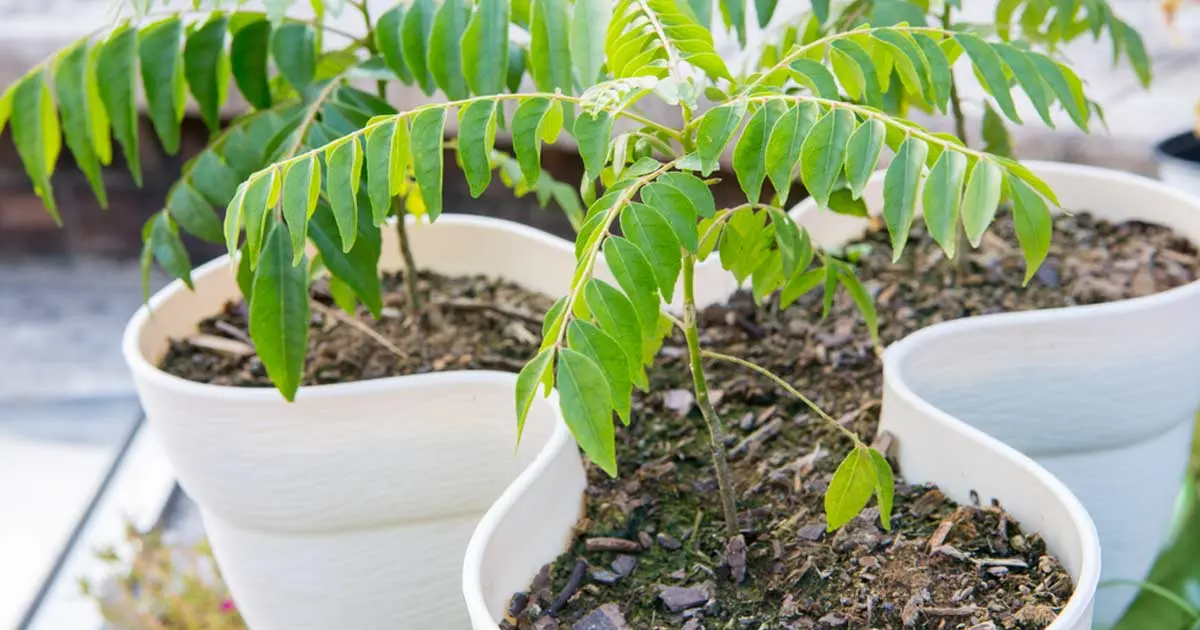
Growing Curry Leaf Plant in Pots: A Complete Guide for Beginners
If you’re a fan of authentic South Asian cuisine, you already know that nothing compares [...]
May


Reviews
There are no reviews yet.