
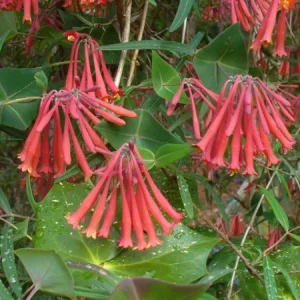
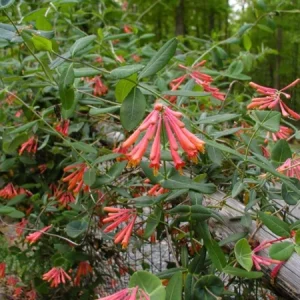
Coral Honeysuckle Live Plant – Lonicera sempervirens – 1 Gallon Pot – Outdoor Vine
Original price was: $85.98.$42.99Current price is: $42.99.
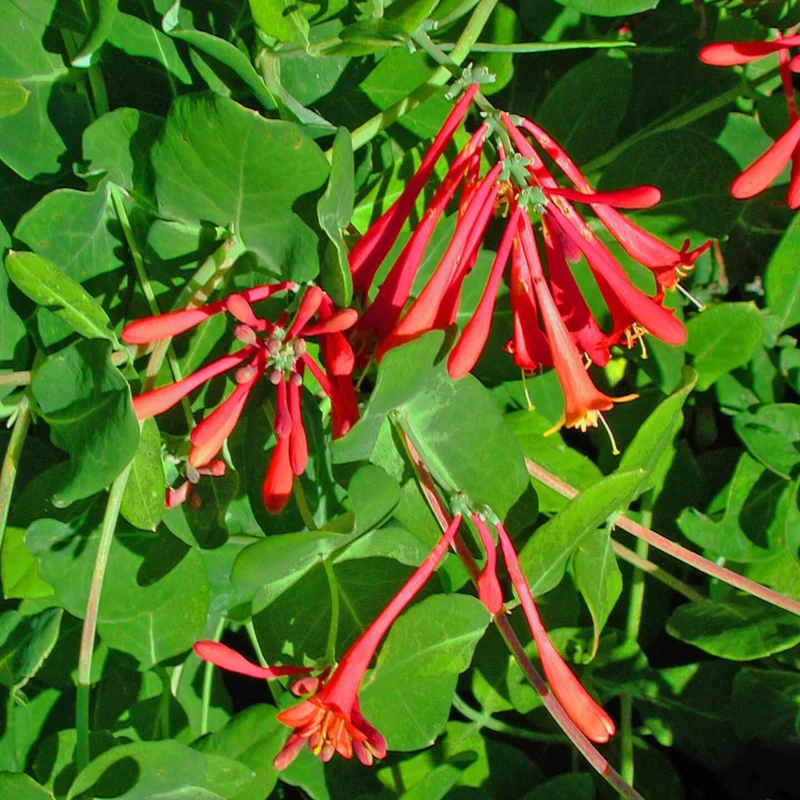
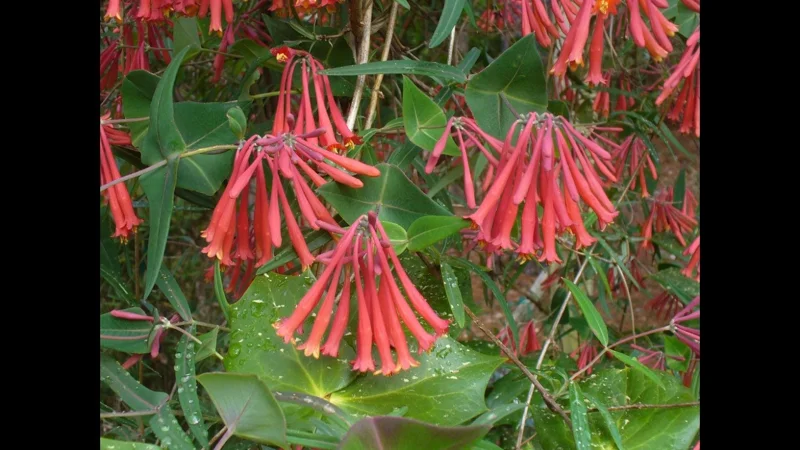
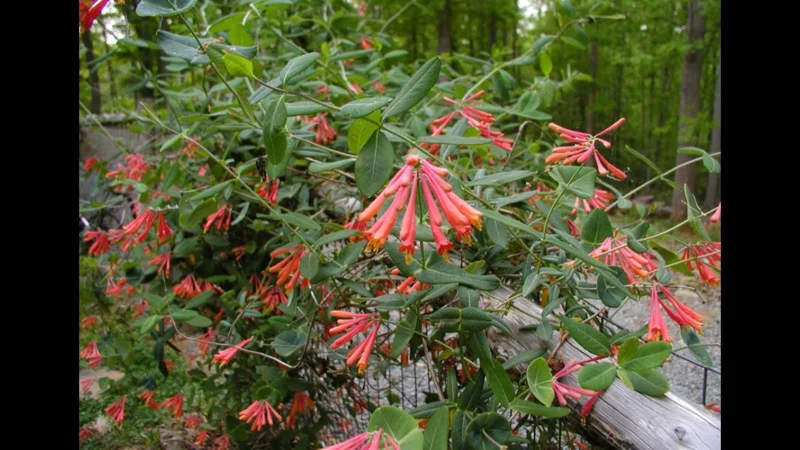
Brighten your garden with a coral honeysuckle live plant. This beautiful native vine (Lonicera sempervirens) features striking red-orange, trumpet-shaped flowers that are a magnet for hummingbirds and butterflies. Perfect for trellises, fences, or arbors, offering continuous blooms and a touch of natural elegance.
Estimated arrival
Oct 16
Oct 21 - Oct 23
Oct 26 - Oct 30

Reasonable Price
We offer reasonable price

Support 24/7
Contact us 24 hrs a day

100% Money Back
You've 30 days to Return

Payment Secure
100% secure payment
Overview
Introduce a splash of vibrant color and a haven for pollinators to your garden with this stunning coral honeysuckle live plant. Known botanically as Lonicera sempervirens, this native honeysuckle vine is celebrated for its brilliant, trumpet-shaped, red-orange flowers that bloom profusely from spring through fall. Unlike some invasive honeysuckle varieties, coral honeysuckle is a well-behaved native species, making it an excellent choice for sustainable gardening. Its lush green foliage provides a beautiful backdrop for the vivid blooms, creating a focal point in any landscape. This fast-growing vine is perfect for covering trellises, arbors, fences, or even growing up mailboxes, bringing vertical interest and dynamic beauty to your outdoor space. It’s a true delight for both the gardener and local wildlife, especially hummingbirds who are irresistibly drawn to its nectar-rich flowers.
The Lonicera sempervirens care is relatively straightforward, making it suitable for gardeners of various experience levels. This hardy vine thrives in a range of conditions and is known for its resilience. Our coral honeysuckle live plant arrives ready to be planted, providing an instant impact in your garden. Its vigorous growth habit means you won’t wait long to enjoy its spectacular display. Embrace the charm of this native beauty and transform your garden into a vibrant, living canvas that supports local ecosystems.
Key Benefits
Adding a coral honeysuckle live plant to your garden offers a multitude of benefits, from enhancing aesthetic appeal to supporting local wildlife. This versatile vine is more than just a pretty face; it’s a valuable addition to any landscape.
- Attracts Pollinators: The tubular, brightly colored flowers of the coral honeysuckle live plant are a favorite of hummingbirds, butterflies, and native bees. Planting this vine is an excellent way to support local biodiversity and bring lively activity to your garden.
- Extended Bloom Season: Enjoy a long season of vibrant color. Lonicera sempervirens typically blooms from spring well into fall, providing continuous visual interest and a steady food source for pollinators.
- Native and Non-Invasive: As a native honeysuckle vine, Lonicera sempervirens is a responsible choice for your garden. It won’t outcompete native plants like some non-native honeysuckle species, allowing you to enjoy its beauty guilt-free.
- Low Maintenance: Once established, this trumpet honeysuckle plant is remarkably low-maintenance. It tolerates a variety of soil conditions and is relatively drought-tolerant, making it an easy-care option for busy gardeners.
- Versatile Landscaping Use: Its vining habit makes it perfect for trellises, arbors, pergolas, fences, or even as a ground cover. It can quickly cover unsightly structures or add a beautiful vertical element to your garden design.
- Disease and Pest Resistant: Coral honeysuckle is generally resistant to many common pests and diseases, ensuring a healthy and robust plant with minimal intervention.
- Evergreen to Semi-Evergreen Foliage: In warmer climates, the foliage of this hummingbird magnet plant can remain evergreen, providing year-round greenery. In colder regions, it may be semi-evergreen or deciduous, but its resilience ensures it returns beautifully each spring.
Plant Care & Growing Tips
Proper Lonicera sempervirens care ensures a healthy and vigorous vine with abundant blooms. This hardy plant is relatively forgiving, but a few key considerations will help it thrive. For optimal growth, plant your coral honeysuckle live plant in a location that receives full sun to partial shade. Full sun (at least 6 hours of direct sunlight per day) will encourage the most prolific flowering, while partial shade is tolerable, especially in hotter climates where it can protect the plant from intense afternoon sun. Ensure the soil is well-draining, as honeysuckles do not like to sit in waterlogged conditions.
When it comes to watering, establish a regular schedule during the first growing season to help the plant develop a strong root system. Once established, coral honeysuckle is quite drought-tolerant, though it will perform best with consistent moisture, especially during dry spells. Water deeply rather than frequently. A good layer of mulch around the base of the plant will help retain soil moisture and regulate soil temperature. This native honeysuckle vine is adaptable to a wide range of soil types, from sandy to clay, but prefers a loamy, slightly acidic to neutral pH soil. Fertilize sparingly; a balanced, slow-release fertilizer in early spring is usually sufficient. Over-fertilization can promote foliage growth at the expense of flowers.
Pruning is essential for maintaining the shape and vigor of your trumpet honeysuckle plant. Prune after the main flush of blooms in late spring or early summer to encourage new growth and more flowers. Remove any dead, damaged, or crossing branches. You can also prune to control its size and spread. This plant is hardy in USDA zones 4-9, making it suitable for a broad range of climates. In colder zones, the foliage may die back in winter, but the plant will return from the roots in spring. Keep an eye out for aphids, which can sometimes be an issue; a strong spray of water or insecticidal soap can usually manage them effectively. Providing a sturdy support structure like a trellis or arbor is crucial for this climbing vine.
Size & Details
This offering is for a healthy coral honeysuckle live plant, shipped in a 1-gallon nursery pot. The plant is typically well-rooted and ready for immediate transplanting into your garden. At maturity, this vigorous vine can reach heights of 10-20 feet with an equivalent spread, depending on the support structure and pruning. Its moderate to fast growth rate means you can expect significant coverage within a few seasons. The plant is shipped in a dormant state during cooler months or with protective packaging to ensure safe arrival. Expect vibrant red-orange, trumpet-shaped flowers, approximately 1-2 inches long, which will attract hummingbirds and add a striking visual element to your landscape. The hummingbird magnet plant is a long-lived perennial, providing years of beauty and ecological benefit.
Frequently Asked Questions
- Q: How big does this plant get? A: A: The coral honeysuckle live plant is a vigorous vine that can reach heights of 10 to 20 feet and spread equally wide, depending on the support it’s given and how it’s pruned. It’s ideal for covering large structures.
- Q: What size pot does it come in? A: This coral honeysuckle live plant is supplied in a 1-gallon nursery pot, making it a well-established specimen ready for planting in your garden.
- Q: Is this an indoor or outdoor plant? A: Lonicera sempervirens is an outdoor plant, best suited for gardens, patios, and landscapes where it can climb and thrive in natural sunlight. It is not typically grown as an indoor houseplant.
- Q: How much sunlight does it need? A: For the best flowering performance, your native honeysuckle vine requires full sun, meaning at least 6 hours of direct sunlight per day. It can tolerate partial shade, especially in hot climates, but may produce fewer blooms.
- Q: Is this plant easy to care for? A: Yes, coral honeysuckle care is considered relatively easy. Once established, it is drought-tolerant and requires minimal attention beyond occasional pruning to maintain its shape and encourage blooming. It’s a great choice for beginners.
- Q: What condition will it arrive in? A: Your trumpet honeysuckle plant will arrive well-packaged to ensure its health during transit. It will be a live, healthy plant with established roots, ready for planting. Some leaves may be trimmed for shipping.
- Q: Is it shipped in soil? A: Yes, the coral honeysuckle live plant is shipped in its nursery pot with soil, ensuring its roots remain moist and protected during delivery.
- Q: How long until it blooms? A: Depending on the time of year planted and growing conditions, your hummingbird magnet plant may bloom in its first year, especially if planted in spring. Established plants will bloom profusely from spring through fall.
- Q: When is the best time to plant? A: The best time to plant your coral honeysuckle live plant is in spring or early fall, allowing it ample time to establish its root system before extreme summer heat or winter cold.
- Q: Will it survive winter in my zone? A: Coral honeysuckle is hardy in USDA Zones 4 through 9. In colder zones, it may lose its leaves in winter but will reliably return from the roots in spring.
- Q: What’s the minimum temperature it can tolerate? A: This hardy vine can tolerate winter temperatures down to approximately -30°F (-34°C) once established, making it quite resilient in many climates.
Be the first to review “Coral Honeysuckle Live Plant – Lonicera sempervirens – 1 Gallon Pot – Outdoor Vine”
-
USDA Hardiness Zone
USDA Zones 4-9 -
Soil Type
Well-draining loamy soil -
Sunlight Exposure
Full sun to partial shade -
Expected Planting Period
Spring to early fall
People Also Viewd
Sold 134 products
Original price was: $3,536.00.$23.99Current price is: $23.99.
Sold 132 products
Original price was: $27.00.$24.00Current price is: $24.00.
Sold 132 products
Original price was: $89.99.$64.99Current price is: $64.99.
Sold 125 products
Original price was: $86.99.$66.99Current price is: $66.99.
Flower Bulbs
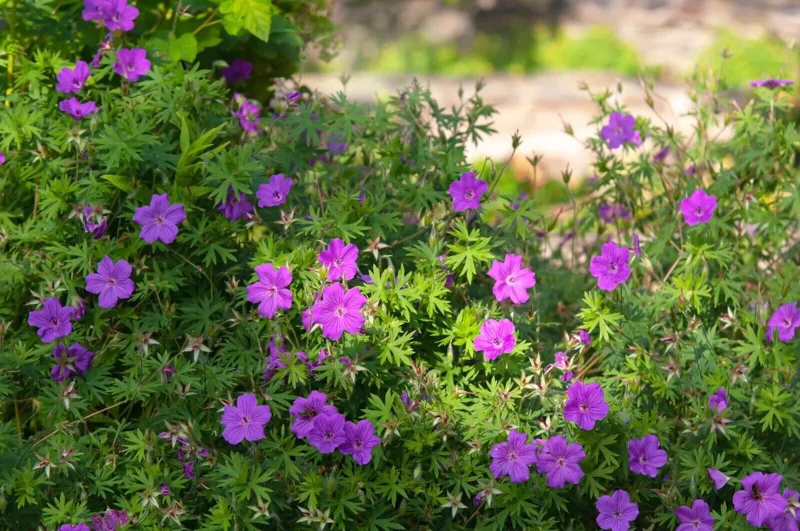
3 Cranesbill Wild Geranium Organic Maculatums Bare Roots | Wildflower for Outdoor Garden
Sold 116 products
Original price was: $21.99.$9.99Current price is: $9.99.
Sold 114 products
Original price was: $28.99.$17.99Current price is: $17.99.
Sold 110 products
Original price was: $63.99.$28.99Current price is: $28.99.
Sold 108 products
Original price was: $28.99.$17.99Current price is: $17.99.RELATED posts
How to Grow Arbequina Olive Trees: The Ultimate Guide to Your Own Olive Grove
Arbequina Olive Tree (Olea europaea ‘Arbequina’) – the ultimate Mediterranean plant that brings a touch [...]
Oct
Growing Garlic in Containers This Fall: A Complete Guide for Beginners
If you’ve ever wanted to pop fresh, aromatic garlic cloves straight from your own patio [...]
Sep
Growing Camellia Sinensis (Tea Plants) in Containers: A Complete Guide for Beginners
If you’ve ever wanted to sip a steaming, homegrown cup of fresh green, black, or [...]
Aug
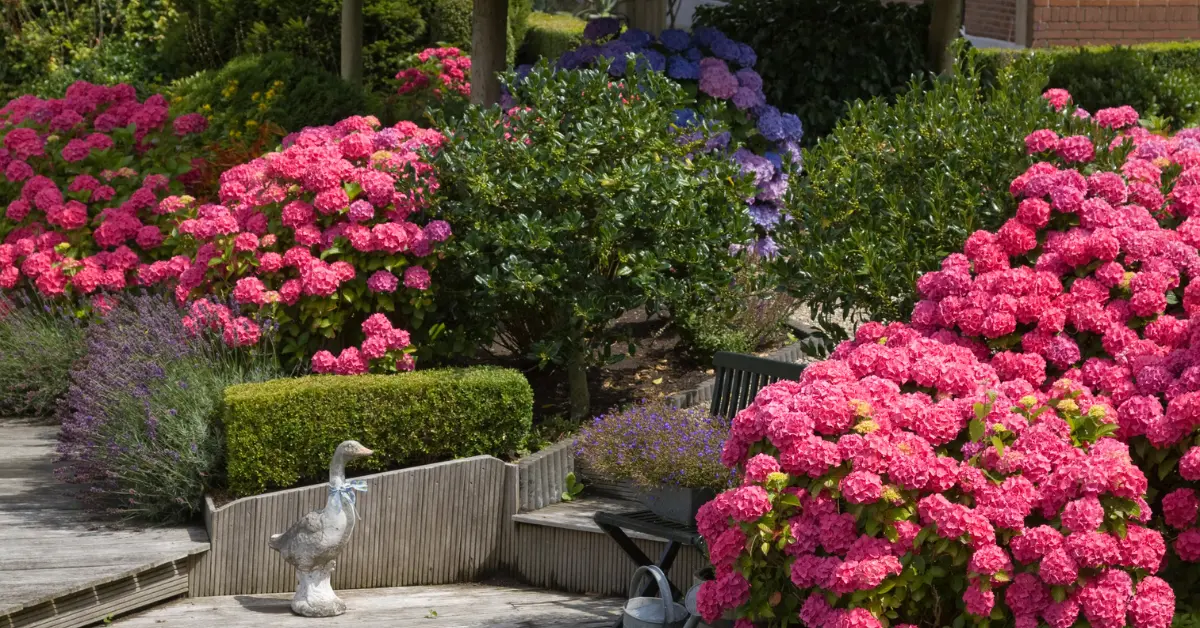
6 Best Shrubs to Plant in August You Must Try
Have you ever walked through a nursery late in the summer, admired the vibrant shrubs [...]
Aug
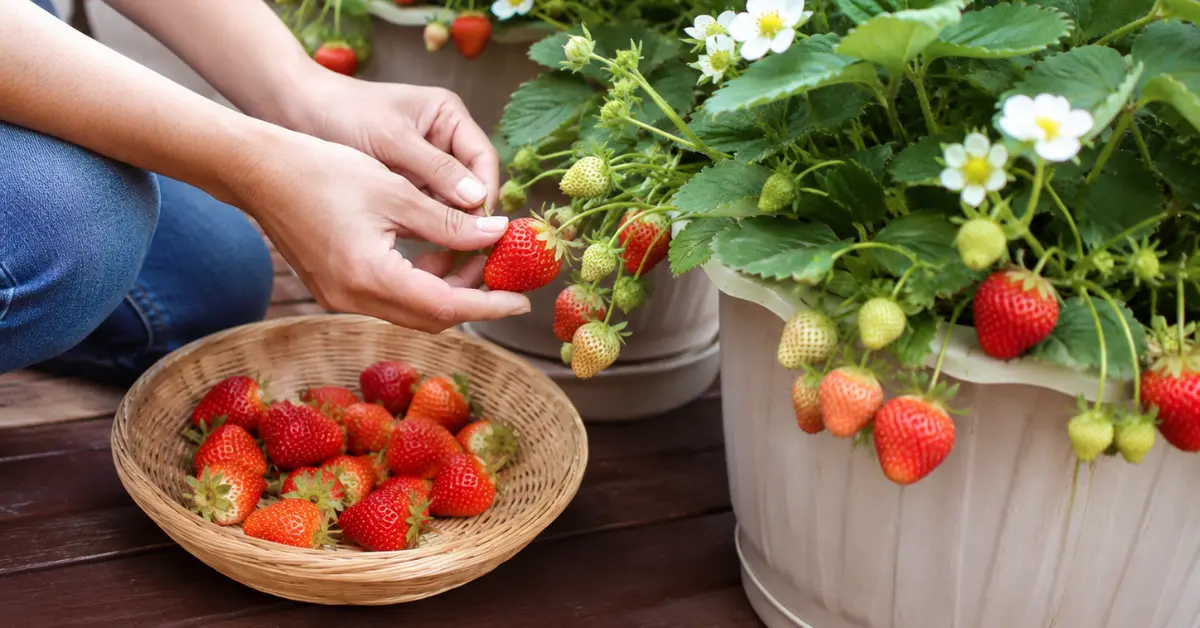
Growing Everbearing Strawberries in Containers: A Complete Guide for Beginners
Want to grow sweet, fresh strawberries but do not have a large garden? Everbearing strawberries [...]
Aug
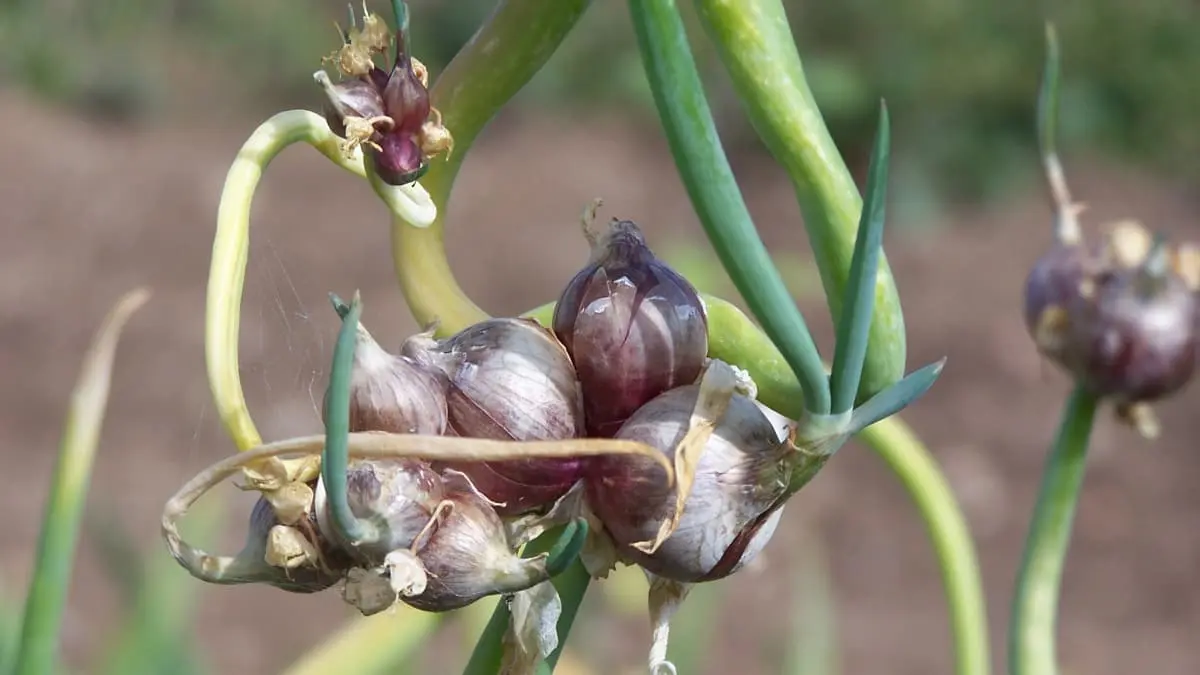
Growing Egyptian Walking Onions in Containers: A Complete Guide for Beginners
If you’re looking for a hardy, no-fuss perennial onion that keeps on giving year after [...]
Jul
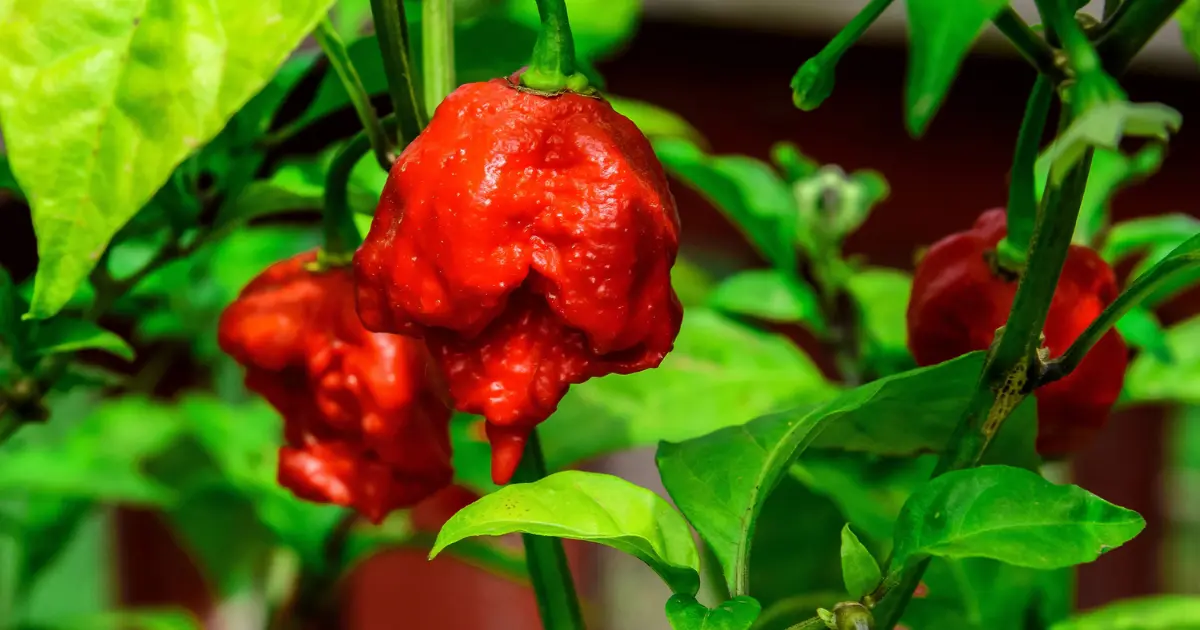
Growing Carolina Reaper Peppers in Pots: A Complete Guide for Beginners
If you’ve ever wanted to add some serious, record-breaking heat to your home cooking, you’ve [...]
May
Growing Curry Leaf Plant in Pots: A Complete Guide for Beginners
If you’re a fan of authentic South Asian cuisine, you already know that nothing compares [...]
May
Reviews
There are no reviews yet.