
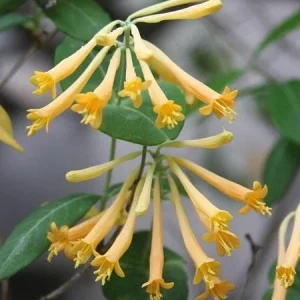
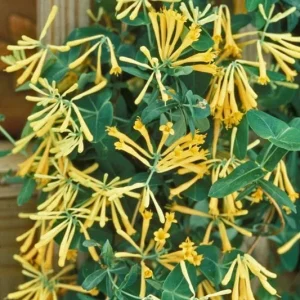
Yellow Honeysuckle Vine – Lonicera sempervirens Sulphurea – Live 1 Gallon Plant – Outdoor
Original price was: $85.98.$42.99Current price is: $42.99.
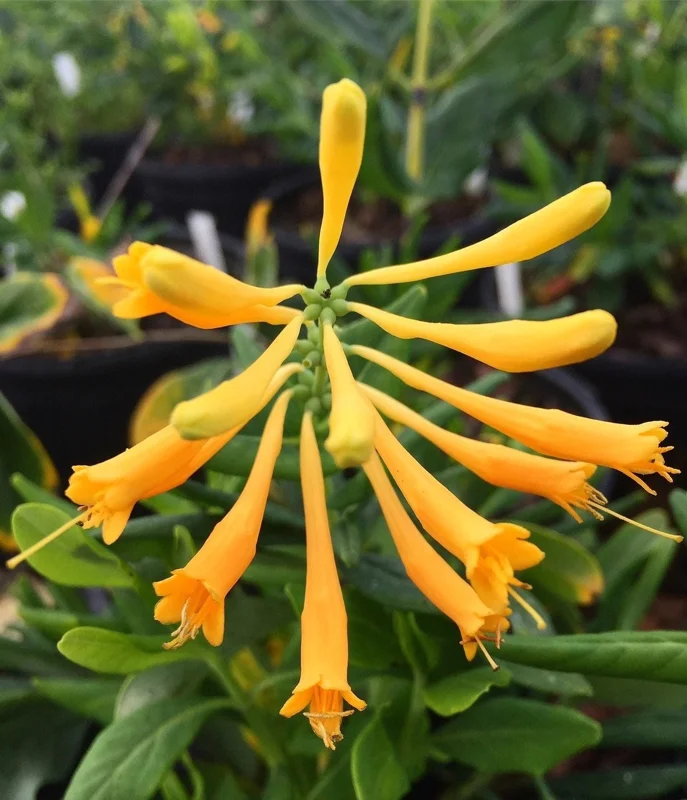
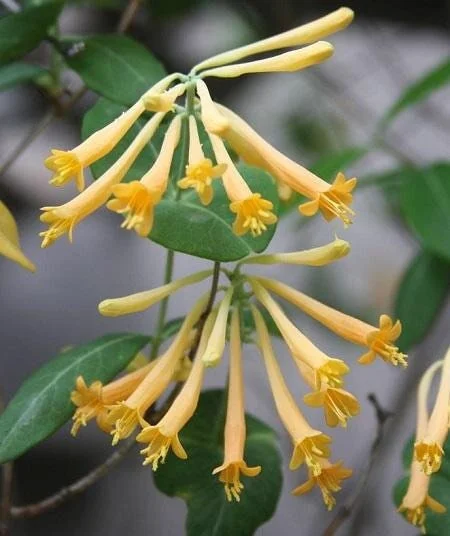
Bring vibrant color and delightful fragrance to your garden with this beautiful yellow honeysuckle live plant. The Lonicera sempervirens Sulphurea is a vigorous climbing vine, perfect for trellises, fences, or arbors. Enjoy its bright yellow, trumpet-shaped flowers that are a magnet for hummingbirds and butterflies, adding lively charm to any outdoor space.
Estimated arrival
Oct 16
Oct 21 - Oct 23
Oct 26 - Oct 30

Reasonable Price
We offer reasonable price

Support 24/7
Contact us 24 hrs a day

100% Money Back
You've 30 days to Return

Payment Secure
100% secure payment
Overview
Transform your outdoor living space with the stunning yellow honeysuckle live plant, specifically the exquisite Lonicera sempervirens ‘Sulphurea’. This vigorous and captivating vine is renowned for its prolific display of bright yellow, trumpet-shaped flowers that emerge from spring through summer, often reblooming into fall. A true garden marvel, this live plant not only offers visual appeal but also provides a sweet, subtle fragrance that enhances any landscape. Ideal for North American gardens, this particular honeysuckle is a native cultivar, making it an excellent choice for supporting local ecosystems and attracting beneficial wildlife. It’s a fantastic option for adding vertical interest to your garden, whether you’re covering a fence, arbor, or trellis. The ‘Sulphurea’ variety is celebrated for its robust growth and relatively low maintenance, making it a rewarding addition for both novice and experienced gardeners seeking a long-lasting, beautiful flowering vine.
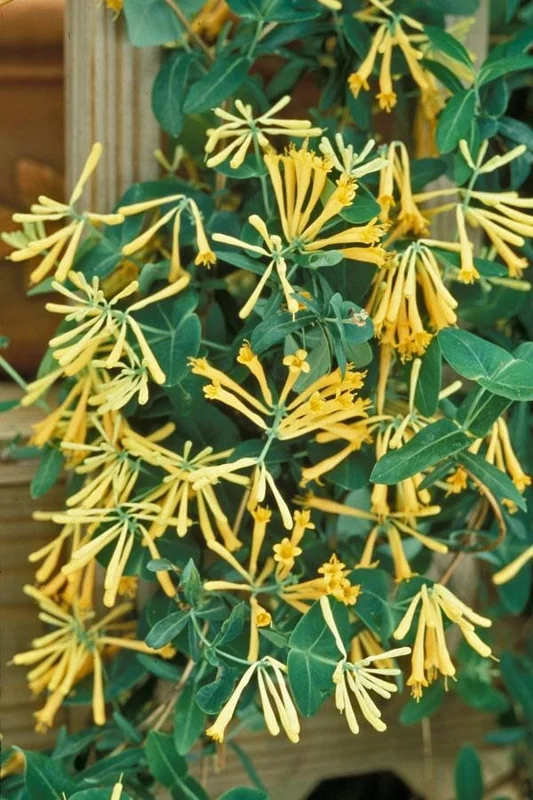
This yellow honeysuckle live plant arrives as a healthy 1 gallon specimen, ready to be planted and establish quickly in its new home. Its natural climbing habit allows it to twine gracefully around supports, creating a lush curtain of foliage and flowers. The vibrant yellow blooms stand out against its semi-evergreen to evergreen foliage, providing continuous interest throughout the growing season. Beyond its aesthetic qualities, this native honeysuckle offers ecological benefits by attracting pollinators like hummingbirds and butterflies, contributing to a thriving garden environment. It’s an adaptable plant, capable of thriving in a range of conditions, making it a versatile choice for various garden designs and climates.
Key Benefits
The yellow honeysuckle live plant offers a multitude of benefits, making it a highly desirable addition to any garden or landscape. Its easy-care nature and stunning visual appeal are just the beginning of what this remarkable vine can provide:
- Vibrant Floral Display: Enjoy a profusion of bright yellow, trumpet-shaped flowers that provide a spectacular show from spring through summer, often extending into fall, adding continuous color to your garden.
- Attracts Pollinators: The nectar-rich blooms are irresistible to hummingbirds and butterflies, making this plant an excellent choice for supporting local wildlife and enhancing garden biodiversity. It’s a fantastic hummingbird plant outdoor.
- Low Maintenance: This vigorous vine is relatively easy to care for once established, requiring minimal attention beyond occasional watering and pruning to maintain its shape and promote blooming.
- Versatile Climbing Habit: Perfect for training on trellises, arbors, fences, or pergolas, the climbing honeysuckle vine adds vertical interest and privacy screens, transforming plain structures into living works of art.
- Drought Tolerant: Once mature, the Lonicera sempervirens ‘Sulphurea’ exhibits good drought tolerance, making it a water-wise choice for sustainable gardening in many regions.
- Semi-Evergreen to Evergreen Foliage: Depending on your climate, the foliage can remain vibrant throughout much of the year, providing evergreen interest and structure even when not in bloom.
- Native Cultivar: As a native honeysuckle, it is well-adapted to North American climates and soils, contributing to a healthier local ecosystem and often facing fewer pest and disease issues.
Plant Care & Growing Tips
Caring for your yellow honeysuckle live plant is straightforward and rewarding, ensuring a vibrant display of flowers for years to come. To ensure optimal growth and blooming, understanding its specific needs is crucial. This particular variety, Lonicera sempervirens ‘Sulphurea’, thrives in full sun, meaning it needs at least 6 hours of direct sunlight per day to produce the most abundant blooms. While it can tolerate partial shade, flowering may be less prolific. When choosing a planting location, consider a spot with good air circulation to help prevent fungal issues. This robust easy care flowering vine is generally quite resilient.
When it comes to watering, new plants should be watered regularly to help establish strong root systems. Once established, the yellow honeysuckle live plant becomes quite drought tolerant, but it will perform best with consistent moisture, especially during dry spells. Avoid overwatering, as this can lead to root rot. The ideal soil type is well-draining, moderately fertile soil. It can tolerate a range of soil pH levels, from slightly acidic to slightly alkaline. Incorporating organic matter into the planting hole can improve soil structure and fertility. For fertilization, a balanced slow-release fertilizer in early spring can encourage vigorous growth and flowering. Pruning should be done in late winter or early spring to remove dead or weak branches and to manage its size and shape, promoting new growth and more flowers.
The lonicera sempervirens care routine also includes providing adequate support for its climbing habit. A sturdy trellis, arbor, or fence will allow it to climb naturally and showcase its beautiful blooms. This honeysuckle is hardy in USDA zones 4-9, making it suitable for a wide range of climates across the United States. In colder zones, some dieback may occur in winter, but it typically rebounds vigorously in spring. Watch out for common pests like aphids, which can be managed with insecticidal soap if necessary. By following these care guidelines, you’ll enjoy a stunning and low-maintenance yellow honeysuckle live plant in your garden.
Size & Details
This yellow honeysuckle live plant is provided in a 1 gallon nursery pot, offering a well-established root system for successful transplanting. At the time of shipment, the plant typically stands between 12 to 24 inches tall, with a spreading habit that will quickly begin to climb once planted and given support. As a vigorous climbing honeysuckle vine, it can reach impressive mature lengths of 10 to 20 feet, with a spread of 3 to 6 feet, depending on growing conditions and available support. Its growth rate is considered fast, allowing it to cover structures relatively quickly, providing privacy and beauty within a season or two. The semi-evergreen to evergreen foliage provides year-round interest in warmer climates, while in colder regions, it may lose some leaves but will return with renewed vigor in spring. Expect blooms to appear from late spring through summer, with potential for reblooming into early fall, offering an extended period of vibrant color and attraction for pollinators.
Frequently Asked Questions
- Q: How big does this yellow honeysuckle live plant get? A: This honeysuckle is a vigorous climber that can reach lengths of 10 to 20 feet with proper support. Its spread can be anywhere from 3 to 6 feet, creating a lush display of foliage and flowers.
- Q: What size pot does it come in? A: Your yellow honeysuckle live plant will arrive in a 1 gallon nursery pot, ensuring a healthy and established root system ready for planting in your garden.
- Q: Is this an indoor or outdoor plant? A: This Lonicera sempervirens ‘Sulphurea’ is an outdoor climbing vine. It thrives in garden settings where it can receive adequate sunlight and support for its vigorous growth. It’s an ideal hummingbird plant outdoor.
- Q: How much sunlight does it need? A: For the best flowering performance, this honeysuckle requires full sun, meaning at least 6 hours of direct sunlight per day. It can tolerate partial shade, but flowering may be reduced.
- Q: Is this plant easy to care for? A: Yes, the yellow honeysuckle live plant is considered an easy care flowering vine. Once established, it is relatively low maintenance, requiring consistent watering during dry periods and occasional pruning to maintain its shape.
- Q: What condition will it arrive in? A: Your honeysuckle will be carefully packaged and shipped as a healthy, live plant in its nursery pot, with soil to ensure it arrives in optimal condition, ready for planting.
- Q: Is it pet-safe? A: While the flowers are beautiful, some parts of the honeysuckle plant, particularly the berries, can be mildly toxic if ingested by pets. It’s best to supervise pets around the plant.
- Q: How long until it blooms? A: Depending on the planting time and growing conditions, your yellow honeysuckle live plant may begin to bloom in its first year, especially if planted in spring. Established plants will produce abundant flowers from late spring through summer.
- Q: When is the best time to plant? A: The best time to plant this honeysuckle is in spring or early fall, allowing it time to establish its root system before extreme summer heat or winter cold.
- Q: Will it survive winter in my zone? A: This honeysuckle is hardy in USDA Zones 4-9. It is well-adapted to survive winters within these zones, though some foliage dieback may occur in the colder parts of its range. Understanding lonicera sempervirens care for your specific zone is important.
Be the first to review “Yellow Honeysuckle Vine – Lonicera sempervirens Sulphurea – Live 1 Gallon Plant – Outdoor”
-
USDA Hardiness Zone
USDA Zones 4-9 -
Soil Type
Well-draining, moderately fertile soil -
Sunlight Exposure
Full sun to partial shade -
Expected Planting Period
Spring to early fall
People Also Viewd
Sold 134 products
Original price was: $3,536.00.$23.99Current price is: $23.99.
Sold 132 products
Original price was: $27.00.$24.00Current price is: $24.00.
Sold 132 products
Original price was: $89.99.$64.99Current price is: $64.99.
Sold 125 products
Original price was: $86.99.$66.99Current price is: $66.99.
Flower Bulbs
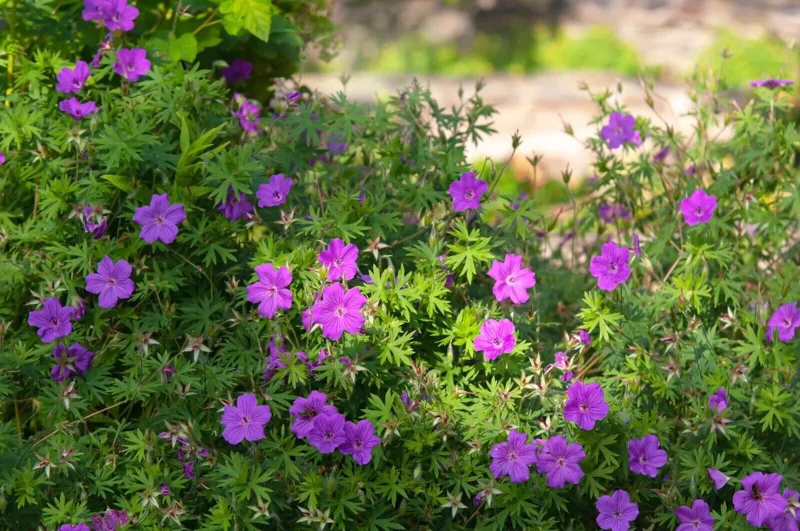
3 Cranesbill Wild Geranium Organic Maculatums Bare Roots | Wildflower for Outdoor Garden
Sold 116 products
Original price was: $21.99.$9.99Current price is: $9.99.
Sold 114 products
Original price was: $28.99.$17.99Current price is: $17.99.
Sold 110 products
Original price was: $63.99.$28.99Current price is: $28.99.
Sold 108 products
Original price was: $28.99.$17.99Current price is: $17.99.RELATED posts
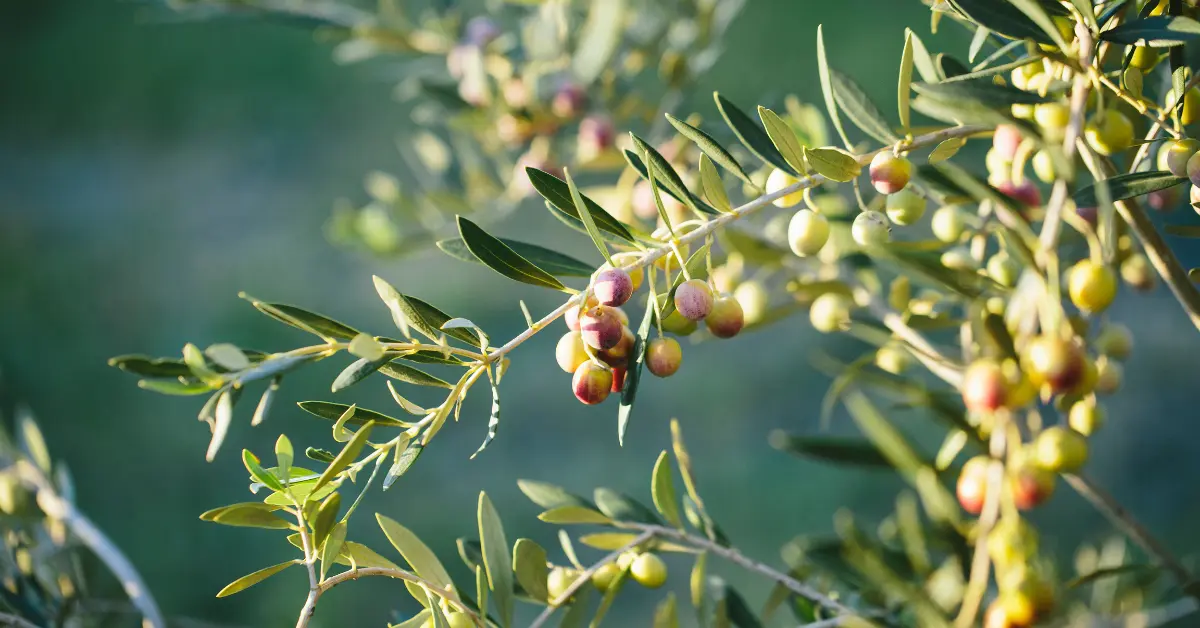
How to Grow Arbequina Olive Trees: The Ultimate Guide to Your Own Olive Grove
Arbequina Olive Tree (Olea europaea ‘Arbequina’) – the ultimate Mediterranean plant that brings a touch [...]
Oct
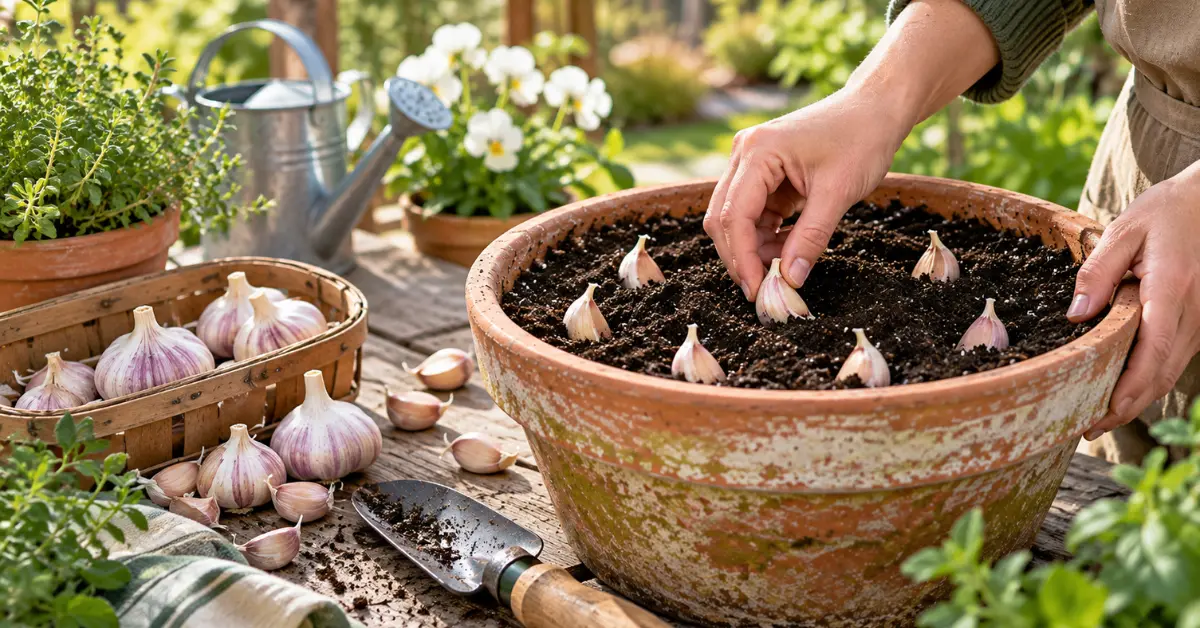
Growing Garlic in Containers This Fall: A Complete Guide for Beginners
If you’ve ever wanted to pop fresh, aromatic garlic cloves straight from your own patio [...]
Sep
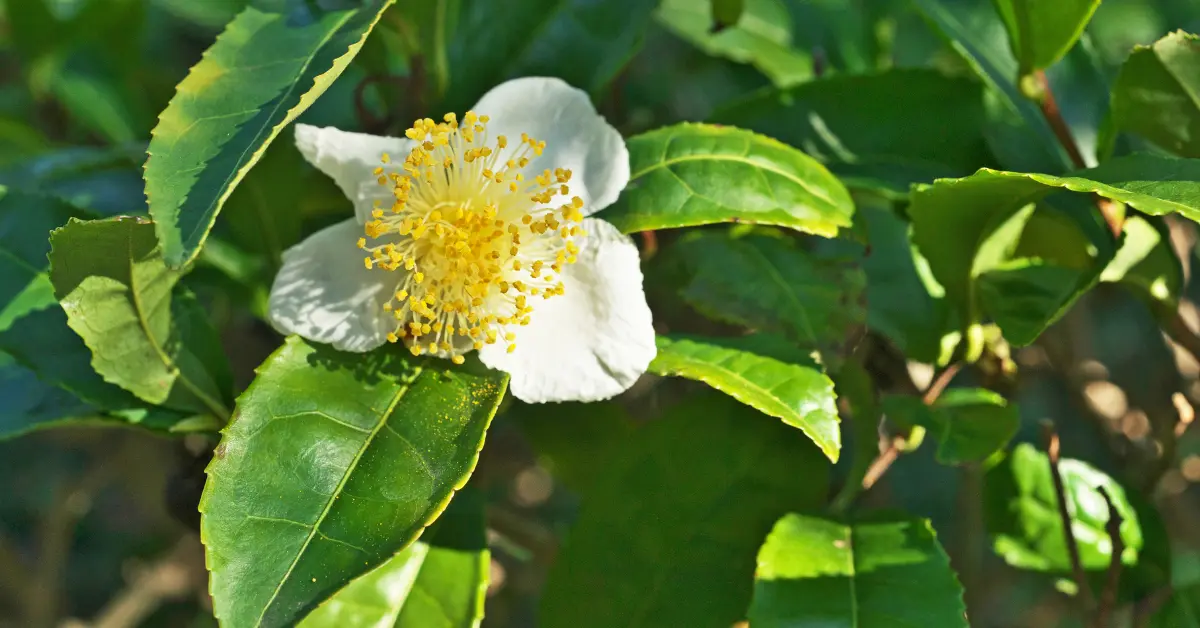
Growing Camellia Sinensis (Tea Plants) in Containers: A Complete Guide for Beginners
If you’ve ever wanted to sip a steaming, homegrown cup of fresh green, black, or [...]
Aug
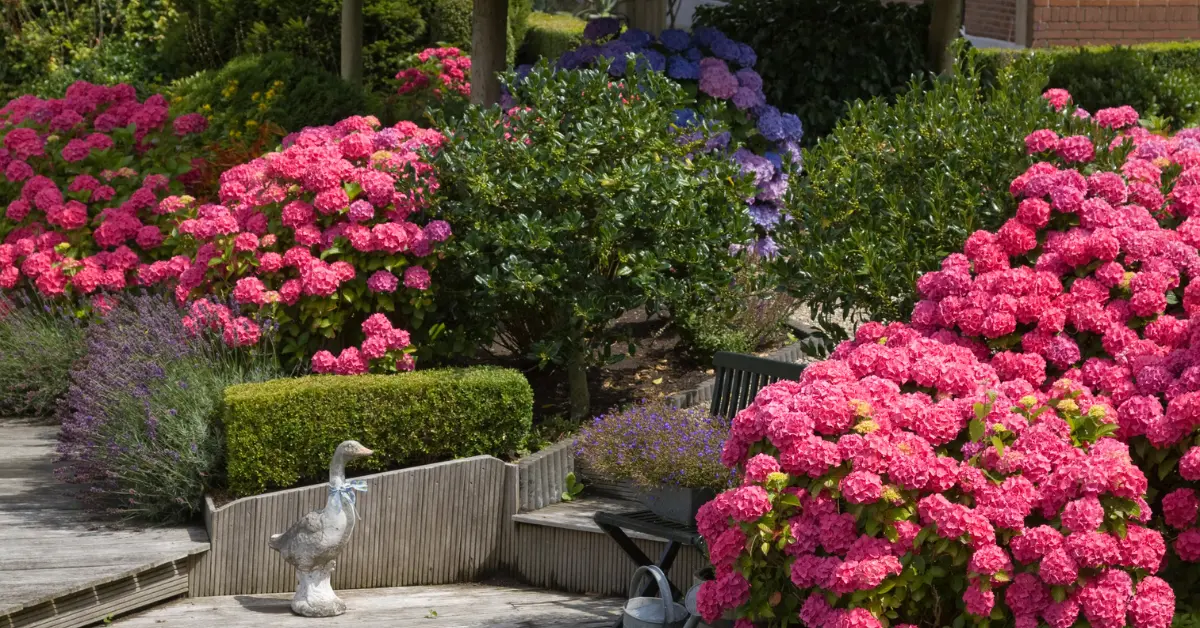
6 Best Shrubs to Plant in August You Must Try
Have you ever walked through a nursery late in the summer, admired the vibrant shrubs [...]
Aug
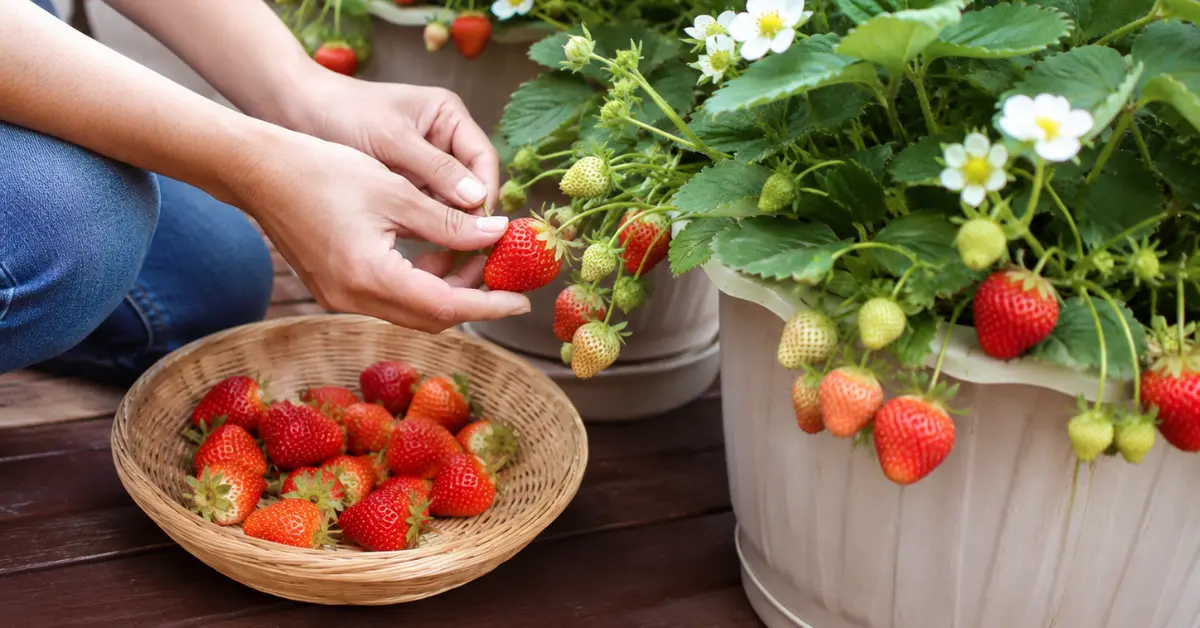
Growing Everbearing Strawberries in Containers: A Complete Guide for Beginners
Want to grow sweet, fresh strawberries but do not have a large garden? Everbearing strawberries [...]
Aug
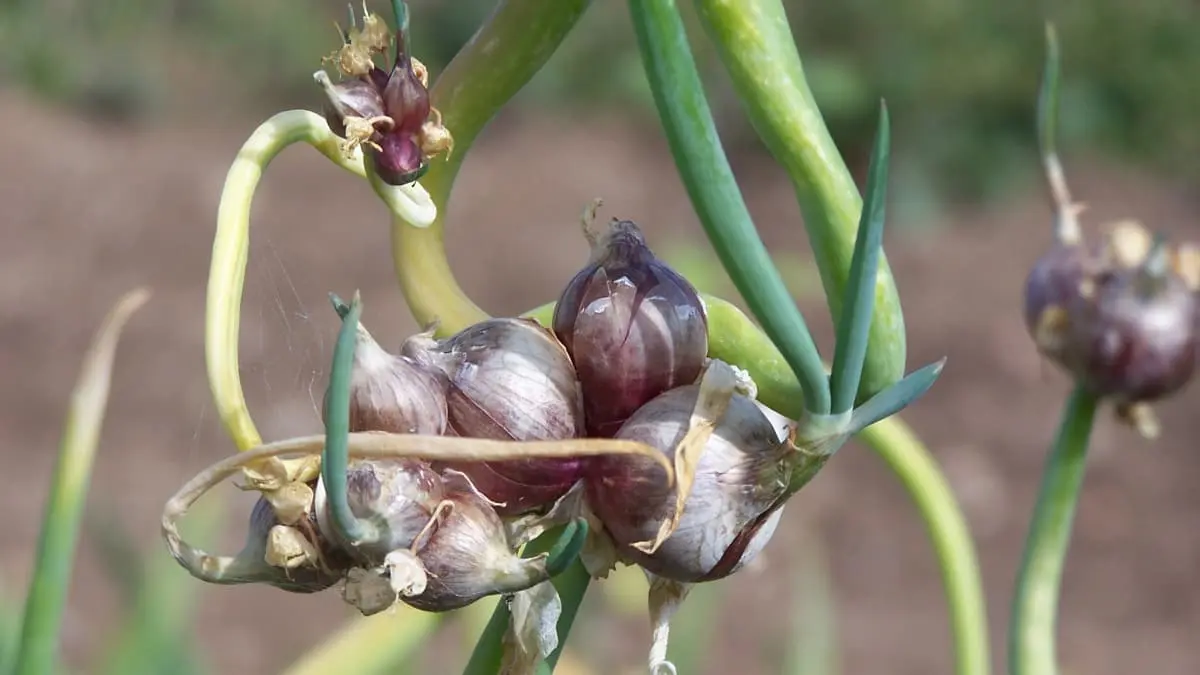
Growing Egyptian Walking Onions in Containers: A Complete Guide for Beginners
If you’re looking for a hardy, no-fuss perennial onion that keeps on giving year after [...]
Jul
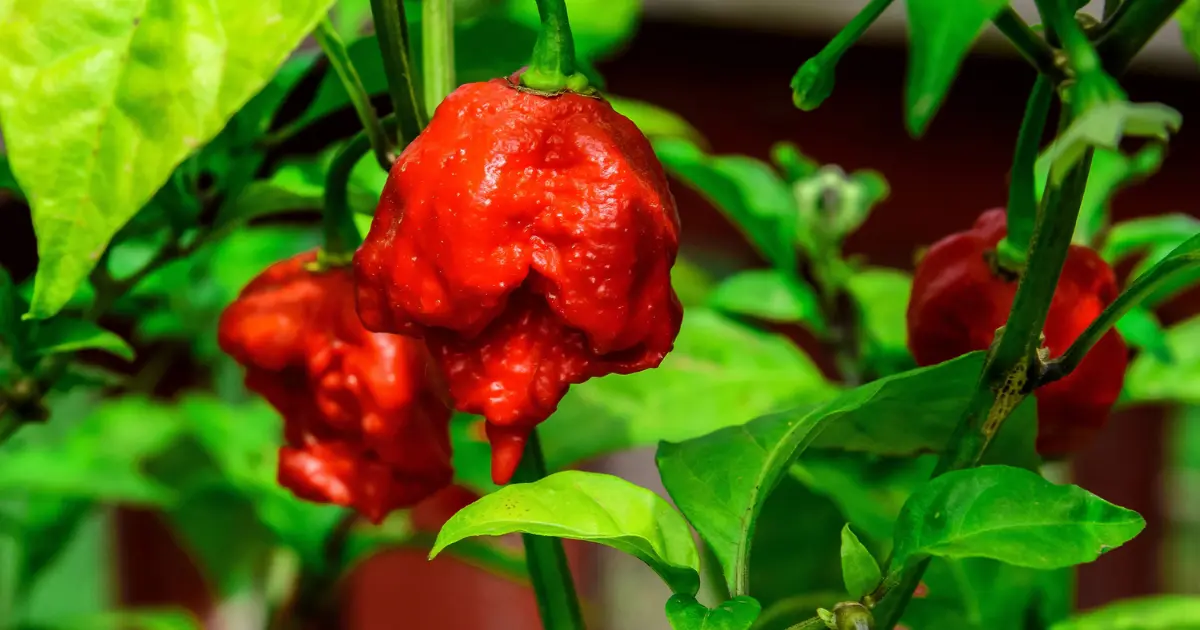
Growing Carolina Reaper Peppers in Pots: A Complete Guide for Beginners
If you’ve ever wanted to add some serious, record-breaking heat to your home cooking, you’ve [...]
May
Growing Curry Leaf Plant in Pots: A Complete Guide for Beginners
If you’re a fan of authentic South Asian cuisine, you already know that nothing compares [...]
May
Reviews
There are no reviews yet.