
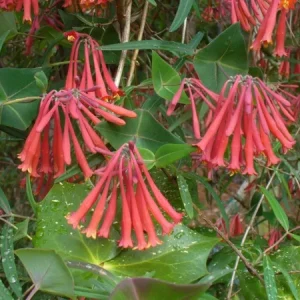
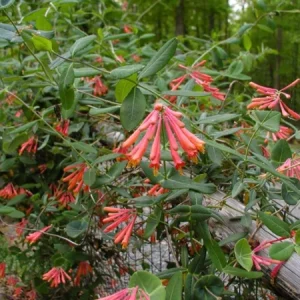
Coral Honeysuckle Live Plant – Lonicera sempervirens – 4 inch Pot – Outdoor Vine
Original price was: $65.98.$32.99Current price is: $32.99.
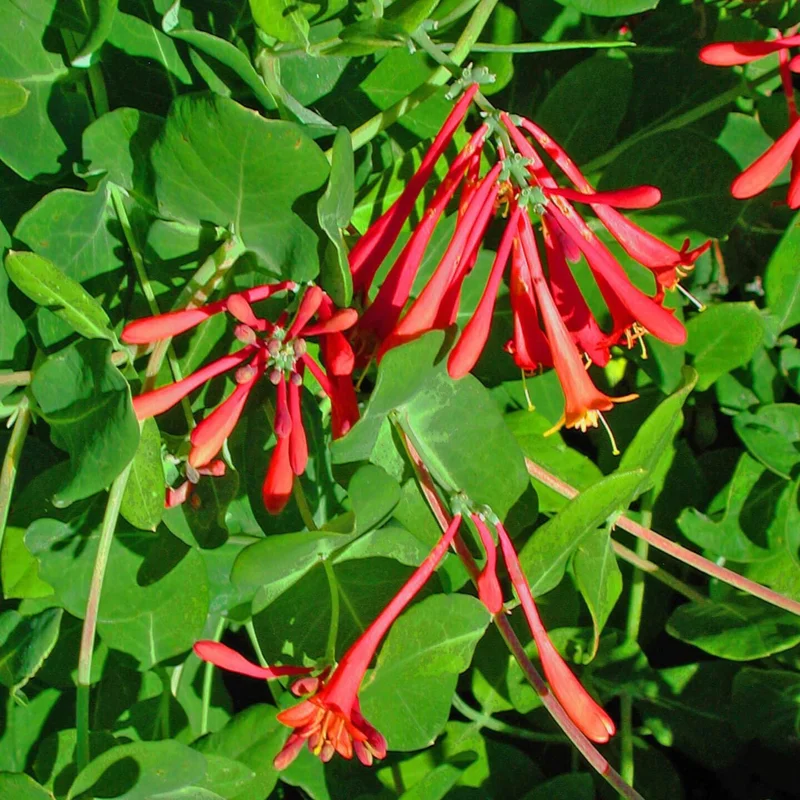
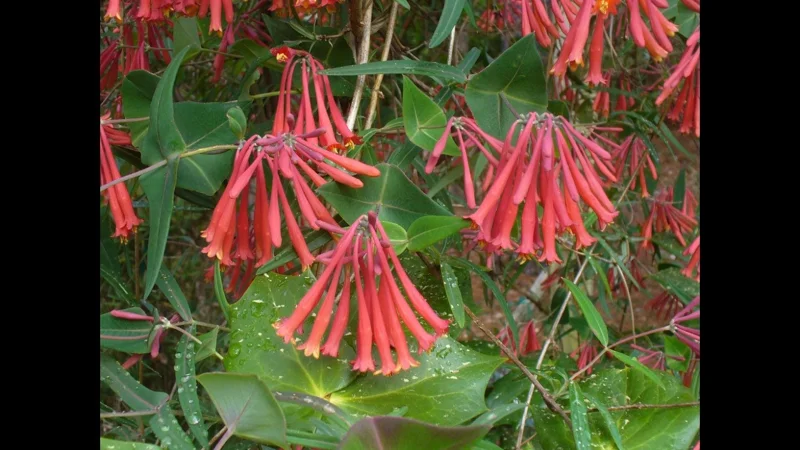
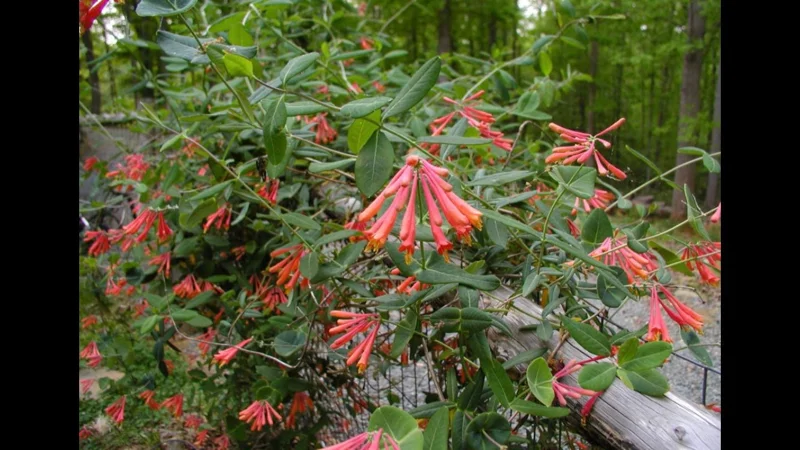
Add a burst of color to your garden with a beautiful coral honeysuckle live plant. This vibrant Lonicera sempervirens vine is a hummingbird magnet, offering stunning red-orange blooms. Perfect for trellises or fences, it’s a low-maintenance, drought-tolerant addition to any outdoor space.
Estimated arrival
Oct 16
Oct 21 - Oct 23
Oct 26 - Oct 30

Reasonable Price
We offer reasonable price

Support 24/7
Contact us 24 hrs a day

100% Money Back
You've 30 days to Return

Payment Secure
100% secure payment
Overview
Introduce a splash of vibrant color and a haven for pollinators to your garden with this exquisite coral honeysuckle live plant. Also known by its botanical name, Lonicera sempervirens, and often referred to as trumpet honeysuckle, this vigorous climbing vine is a true spectacle. Originating from the southeastern United States, this native honeysuckle is cherished for its brilliant tubular flowers, which typically range from vivid coral to deep red, often with yellow throats. Unlike some non-native honeysuckle species, coral honeysuckle live plant is non-invasive and provides significant ecological benefits, attracting hummingbirds, butterflies, and other beneficial insects. This live 4-inch plant is ready to be transplanted into your garden, offering a head start on creating a breathtaking, wildlife-friendly landscape. Its rapid growth and stunning floral display make it an ideal choice for covering fences, arbors, trellises, or even as a groundcover.
The beauty of coral honeysuckle live plant extends beyond its striking appearance; it’s also remarkably resilient and adaptable. Thriving in a variety of conditions, it’s an excellent choice for gardeners seeking a low-maintenance yet high-impact plant. Its evergreen or semi-evergreen foliage provides year-round interest in milder climates, while its vibrant blooms continue to emerge from spring through fall, ensuring a prolonged period of color and activity in your garden. This vine quickly establishes itself, transforming ordinary spaces into extraordinary natural showcases. Whether you’re an experienced horticulturist or a budding green thumb, the ease of care and the stunning visual reward of this Lonicera sempervirens will make it a cherished addition to your outdoor sanctuary. Invest in this living jewel and watch your garden come alive with color and life.
Key Benefits
The coral honeysuckle live plant offers a multitude of advantages for any garden enthusiast, combining aesthetic appeal with ecological benefits and ease of care. Its unique characteristics make it a standout choice for adding structure, color, and life to your outdoor spaces. Here are some of the key benefits you can expect from this remarkable vine:
-
Attracts Pollinators: The tubular, nectar-rich flowers of the coral honeysuckle live plant are an irresistible draw for hummingbirds, butterflies, and beneficial insects. Planting this vine contributes significantly to local biodiversity and supports pollinator populations, making your garden a vibrant ecosystem.
-
Stunning, Long-Lasting Blooms: Enjoy a prolonged flowering season from spring through fall, showcasing brilliant coral-red to orange blooms. These showy flowers add a dramatic burst of color that can brighten up any garden setting for months on end.
-
Drought Tolerant: Once established, Lonicera sempervirens vine is remarkably drought-tolerant, requiring minimal supplemental watering. This makes it an excellent choice for water-wise gardening and for areas experiencing dry spells, reducing your garden’s water consumption.
-
Low Maintenance: This native vine is exceptionally easy to care for, requiring little more than occasional pruning to maintain its shape and vigor. Its robust nature means less fuss and more enjoyment for the gardener, allowing you to appreciate its beauty without constant upkeep.
-
Versatile Growth Habit: The climbing nature of trumpet honeysuckle care makes it perfect for a variety of landscaping uses. Train it to grow on arbors, pergolas, fences, or trellises, or allow it to sprawl as an attractive groundcover, adding vertical interest or lush texture wherever it grows.
-
Non-Invasive Native Plant: Unlike some other honeysuckle varieties, Lonicera sempervirens is a well-behaved native species that won’t aggressively take over your garden. It provides all the beauty and benefits without the ecological concerns associated with invasive plants.
-
Evergreen to Semi-Evergreen Foliage: In warmer climates, the lush green foliage of the red honeysuckle plant remains throughout the year, providing continuous visual interest. In cooler zones, it may be semi-evergreen, retaining some leaves during milder winters, ensuring your garden doesn’t look barren.
Plant Care & Growing Tips
Caring for your coral honeysuckle live plant is straightforward, making it an excellent choice for gardeners of all experience levels. To ensure vigorous growth and an abundance of blooms, understanding its basic needs is key. This robust vine thrives in specific conditions that mimic its native habitat. Providing the right environment will guarantee a stunning display of its vibrant flowers and attract delightful visitors like hummingbirds.
Sunlight Requirements: Lonicera sempervirens vine performs best in full sun, meaning at least 6 hours of direct sunlight per day. While it can tolerate partial shade, too much shade will result in fewer flowers and a less dense growth habit. For optimal blooming and healthy foliage, choose a location in your garden that receives ample morning sun and some afternoon shade in hotter climates to prevent leaf scorch. The more sun it gets, the more spectacular its floral show will be.
Watering Schedule and Soil Moisture: During its establishment period, water your coral honeysuckle live plant regularly, ensuring the soil remains consistently moist but not waterlogged. Once established, this vine is remarkably drought-tolerant and requires minimal watering. Water deeply once a week during dry spells, or less frequently if you receive regular rainfall. Always check the soil moisture before watering; the top inch or two should feel dry to the touch before rewatering. Avoid overhead watering, which can encourage fungal diseases.
Soil Type and Drainage Requirements: Trumpet honeysuckle care is adaptable to various soil types, but it prefers well-draining soil with a pH between 6.0 and 7.0. Loamy or sandy soils enriched with organic matter are ideal. Good drainage is crucial to prevent root rot, so if your soil is heavy clay, amend it with compost, perlite, or grit to improve aeration and drainage. Ensure the planting site doesn’t retain standing water after rain.
Temperature Range and USDA Hardiness Zone: This hardy vine is suitable for USDA Hardiness Zones 4 through 9. It can withstand a wide range of temperatures, from chilly winters to hot summers. In colder zones, it may be deciduous, losing its leaves in winter, while in warmer zones, it tends to be evergreen or semi-evergreen. Protecting young plants from extreme winter winds in the coldest zones can be beneficial.
Fertilization Schedule and Type: Red honeysuckle plant generally doesn’t require heavy fertilization. A light application of a balanced, slow-release granular fertilizer in early spring, just as new growth begins, is usually sufficient. Alternatively, you can top-dress the soil with a layer of compost each spring to provide a steady supply of nutrients. Avoid over-fertilizing, especially with high-nitrogen fertilizers, as this can promote leafy growth at the expense of flowers.
Common Problems and Solutions: Hummingbird vine plant is relatively pest and disease resistant. Occasionally, aphids may appear on new growth; these can be dislodged with a strong spray of water or treated with insecticidal soap. Powdery mildew can occur in humid conditions or areas with poor air circulation; ensure good spacing and prune for better airflow if needed. Keep an eye out for leaf spot diseases, which are usually minor and can be managed by removing affected leaves and ensuring good sanitation.
Size & Details
Your coral honeysuckle live plant arrives as a healthy, actively growing specimen in a 4-inch nursery pot, ensuring it’s well-established and ready for transplanting into your garden. At this stage, the plant typically stands between 6 to 12 inches tall, with a developing root system that will quickly take hold in its new environment. Once planted, Lonicera sempervirens is a vigorous grower, capable of reaching impressive mature sizes. It generally grows to a height of 10 to 20 feet, with a spread of 3 to 6 feet, making it an excellent choice for covering large structures or providing dense screening. Its growth rate is considered moderate to fast, meaning you’ll see significant development within the first few seasons.
The plant is shipped with care to minimize stress during transit, arriving with moist soil to ensure its vitality. Expect the first vibrant trumpet-shaped flowers to appear in late spring to early summer, continuing to bloom profusely through fall, especially with adequate sunlight. The fruit produced by the coral honeysuckle live plant are small, red berries that add further ornamental interest and serve as a food source for birds, though they are not typically consumed by humans. This 4-inch potted plant offers a fantastic starting point for establishing a long-lived and beautiful vine in your landscape. Prepare your planting site by amending the soil with organic matter to give it the best possible start.
Frequently Asked Questions
-
Q: How big will my coral honeysuckle live plant get? A: Your coral honeysuckle live plant typically grows to a height of 10 to 20 feet, with a spread of 3 to 6 feet at maturity. It is a vigorous climber that can quickly cover trellises, fences, or arbors, providing significant vertical interest and lush foliage.
-
Q: What size pot does the plant come in? A: The Lonicera sempervirens vine is shipped in a standard 4-inch nursery pot. This size is ideal for a young plant with a well-developed root system, ready for transplanting into your garden or a larger container.
-
Q: Is this an indoor or outdoor plant? A: This coral honeysuckle live plant is primarily an outdoor plant, thriving in garden settings where it can climb and receive ample sunlight. While it can be briefly kept indoors during establishment, it requires outdoor conditions for long-term health and blooming.
-
Q: How much sunlight does it need? A: For optimal growth and prolific blooming, trumpet honeysuckle care requires full sun, meaning at least 6 hours of direct sunlight per day. It can tolerate partial shade, but flower production may be reduced.
-
Q: Is this plant easy to care for? A: Yes, the red honeysuckle plant is known for its low-maintenance nature. Once established, it is drought-tolerant and relatively pest and disease resistant, making it an excellent choice for both beginner and experienced gardeners.
-
Q: What condition will it arrive in? A: Your hummingbird vine plant will arrive as a healthy, actively growing plant in its 4-inch pot, with moist soil. We take great care in packaging to ensure it reaches you in the best possible condition, ready for planting.
-
Q: Can I use coral honeysuckle in cooking? A: While the flowers produce nectar and are attractive to pollinators, the berries of coral honeysuckle live plant are generally considered mildly toxic if ingested by humans. It is primarily grown for its ornamental value and its ability to attract wildlife, not for culinary use.
-
Q: How long until it blooms? A: Depending on when you plant it, your coral honeysuckle live plant can begin to bloom in its first or second year. Established plants typically produce abundant flowers from late spring through fall, providing a long season of color.
-
Q: What’s the minimum temperature it can tolerate? A: Lonicera sempervirens is hardy in USDA Zones 4-9, meaning it can withstand winter temperatures down to approximately -30°F (-34°C). In colder zones, it may lose its leaves, but it will typically return in spring.
-
Q: Does this honeysuckle attract bees? A: Yes, in addition to hummingbirds, the nectar-rich flowers of the coral honeysuckle live plant are also very attractive to various species of bees and butterflies, contributing to the pollination of your garden and surrounding areas.
Be the first to review “Coral Honeysuckle Live Plant – Lonicera sempervirens – 4 inch Pot – Outdoor Vine”
-
USDA Hardiness Zone
USDA Zones 4-9 -
Soil Type
Well-draining soil -
Sunlight Exposure
Full sun to partial shade -
Expected Planting Period
Spring to early summer
People Also Viewd
Sold 134 products
Original price was: $3,536.00.$23.99Current price is: $23.99.
Sold 132 products
Original price was: $27.00.$24.00Current price is: $24.00.
Sold 132 products
Original price was: $89.99.$64.99Current price is: $64.99.
Sold 125 products
Original price was: $86.99.$66.99Current price is: $66.99.
Flower Bulbs
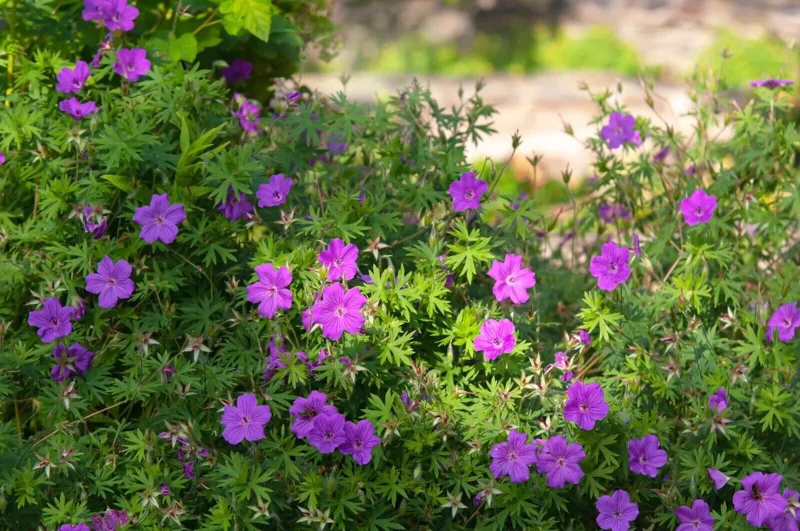
3 Cranesbill Wild Geranium Organic Maculatums Bare Roots | Wildflower for Outdoor Garden
Sold 116 products
Original price was: $21.99.$9.99Current price is: $9.99.
Sold 114 products
Original price was: $28.99.$17.99Current price is: $17.99.
Sold 110 products
Original price was: $63.99.$28.99Current price is: $28.99.
Sold 108 products
Original price was: $28.99.$17.99Current price is: $17.99.RELATED posts
How to Grow Arbequina Olive Trees: The Ultimate Guide to Your Own Olive Grove
Arbequina Olive Tree (Olea europaea ‘Arbequina’) – the ultimate Mediterranean plant that brings a touch [...]
Oct
Growing Garlic in Containers This Fall: A Complete Guide for Beginners
If you’ve ever wanted to pop fresh, aromatic garlic cloves straight from your own patio [...]
Sep
Growing Camellia Sinensis (Tea Plants) in Containers: A Complete Guide for Beginners
If you’ve ever wanted to sip a steaming, homegrown cup of fresh green, black, or [...]
Aug
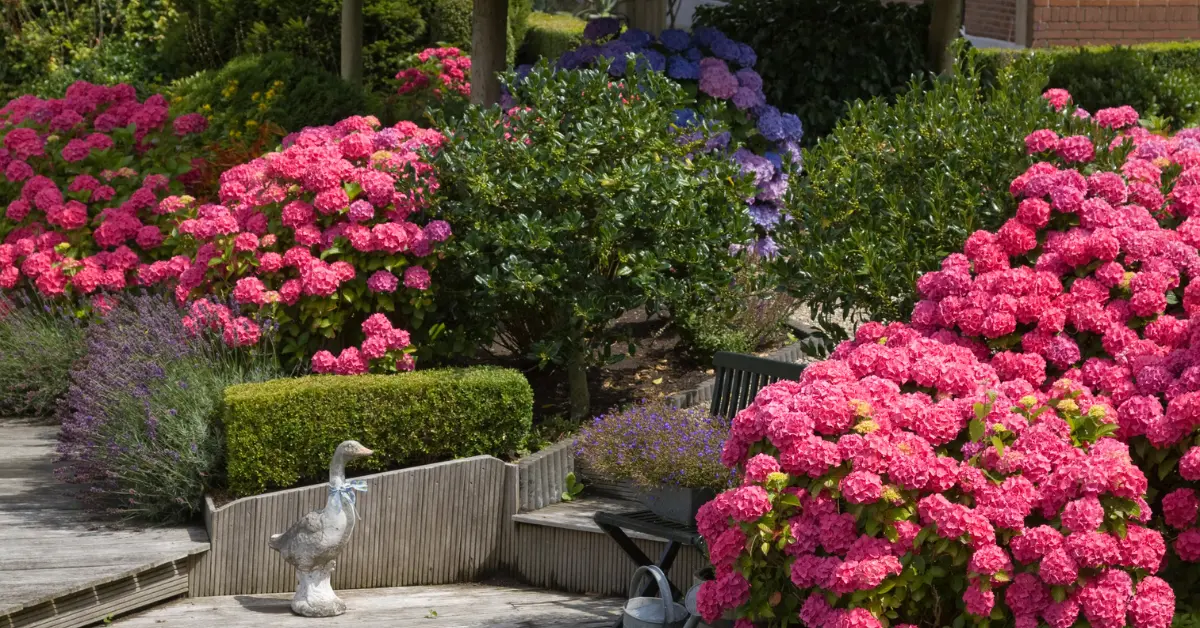
6 Best Shrubs to Plant in August You Must Try
Have you ever walked through a nursery late in the summer, admired the vibrant shrubs [...]
Aug
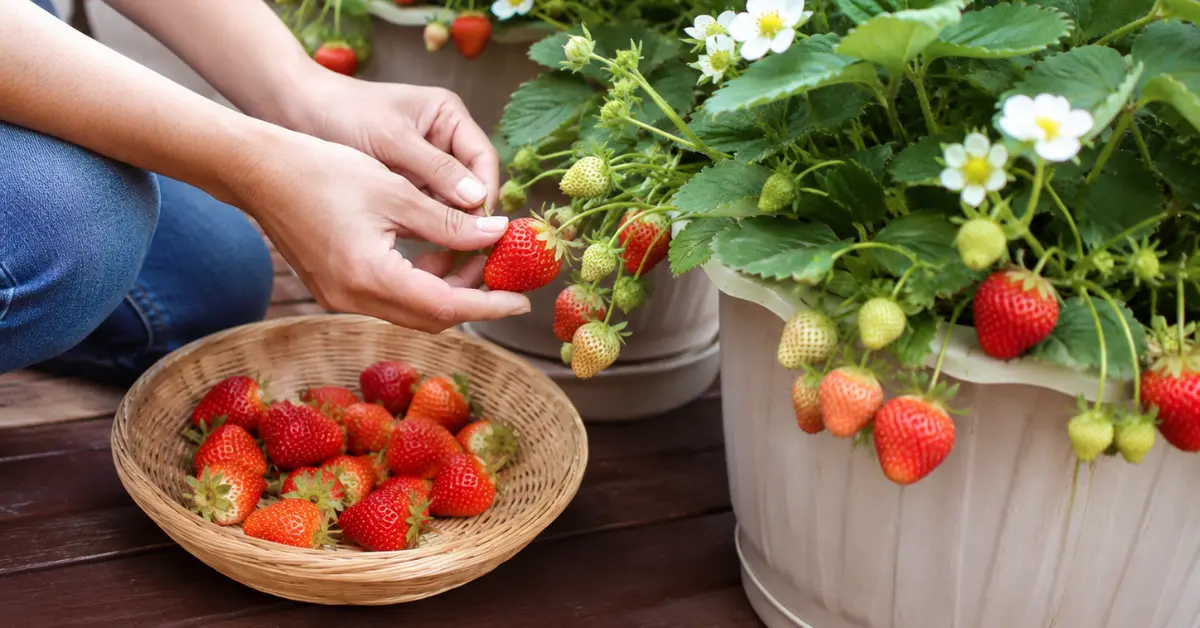
Growing Everbearing Strawberries in Containers: A Complete Guide for Beginners
Want to grow sweet, fresh strawberries but do not have a large garden? Everbearing strawberries [...]
Aug
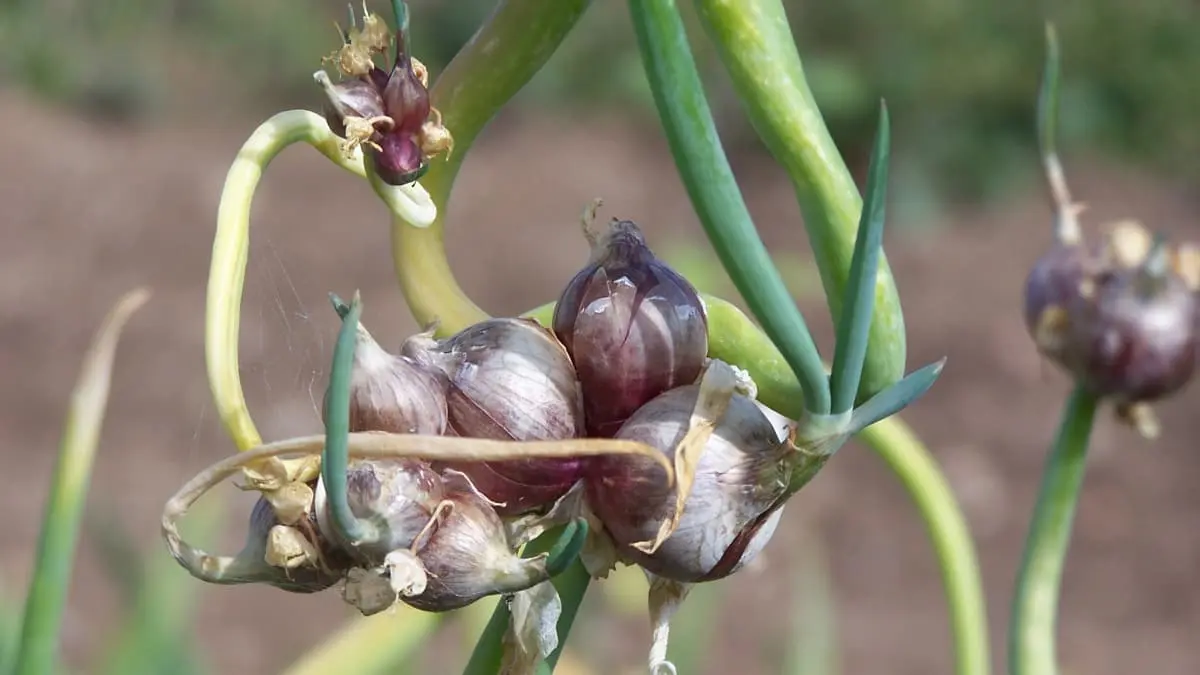
Growing Egyptian Walking Onions in Containers: A Complete Guide for Beginners
If you’re looking for a hardy, no-fuss perennial onion that keeps on giving year after [...]
Jul
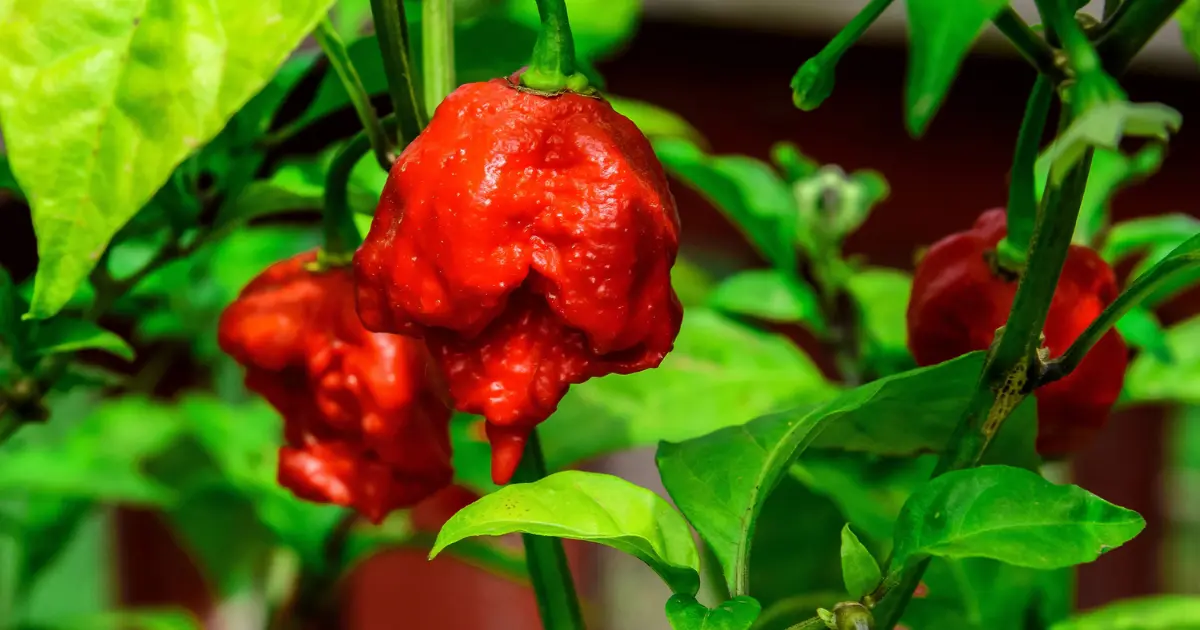
Growing Carolina Reaper Peppers in Pots: A Complete Guide for Beginners
If you’ve ever wanted to add some serious, record-breaking heat to your home cooking, you’ve [...]
May
Growing Curry Leaf Plant in Pots: A Complete Guide for Beginners
If you’re a fan of authentic South Asian cuisine, you already know that nothing compares [...]
May
Reviews
There are no reviews yet.