
Organic Lemon Verbena Live Plant – Aromatic Culinary Herb
Original price was: $51.99.$25.99Current price is: $25.99.
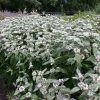
Cultivate your own aromatic garden with this organic lemon verbena live plant. Known for its strong citrus scent and flavor, it’s perfect for teas, cooking, and potpourri.
- Fragrant and flavorful herb
- Easy to grow and maintain
- Adds a refreshing aroma to your space
Estimated arrival
Oct 16
Oct 21 - Oct 23
Oct 26 - Oct 30

Reasonable Price
We offer reasonable price

Support 24/7
Contact us 24 hrs a day

100% Money Back
You've 30 days to Return

Payment Secure
100% secure payment
Overview
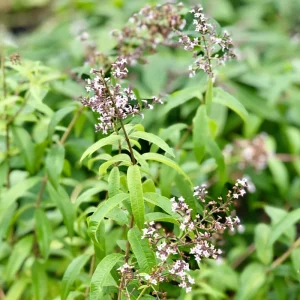
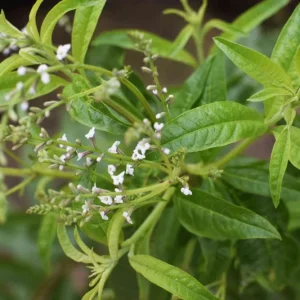
Immerse yourself in the delightful world of herbs with our premium organic lemon verbena live plant. This exquisite herb, scientifically known as Aloysia citrodora, is celebrated for its incredibly potent and refreshing lemon scent, far surpassing that of many other citrus-scented plants. Originating from South America, organic lemon verbena live plant has found its way into gardens and kitchens worldwide, cherished for both its aromatic qualities and its culinary versatility. It arrives as a healthy, vibrant starter plant, ready to thrive in your garden or a pot on your patio. Whether you’re an experienced gardener or a beginner, this plant offers a rewarding growing experience, filling your surroundings with its invigorating fragrance.
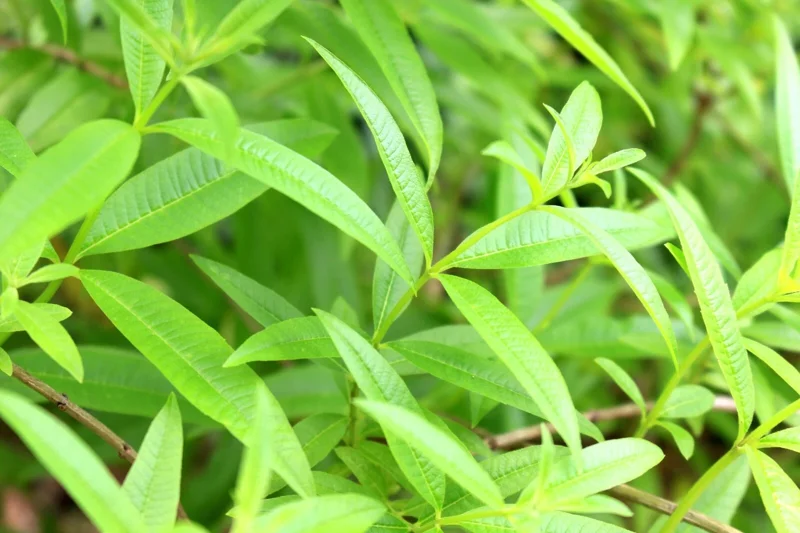
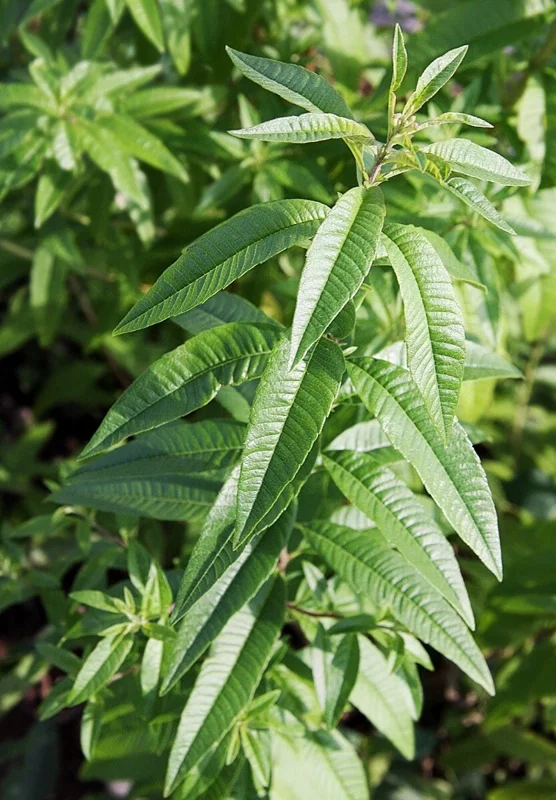
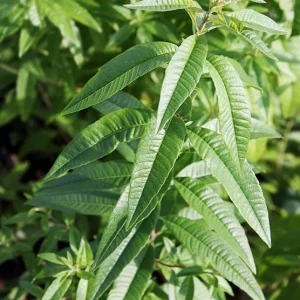
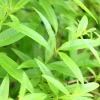
This live plant is carefully nurtured to ensure it establishes well in its new home, providing you with a continuous supply of fresh, aromatic leaves. Its slender, bright green leaves are visually appealing and release an intense lemon fragrance with just a gentle touch. Beyond its beauty, lemon verbena is a powerhouse of flavor, making it an indispensable addition to any herb collection. Experience the joy of growing your own fragrant herbs with this exceptional organic lemon verbena live plant.
Key Benefits
Growing your own organic lemon verbena live plant offers a multitude of benefits, from enhancing your culinary creations to providing a soothing aromatic presence. This versatile herb enriches your life in many ways:
- Exceptional Aroma and Flavor: The primary draw of lemon verbena is its intense, pure lemon fragrance and flavor. It is often described as a more refined and less acidic lemon taste than actual lemons, making it perfect for teas, desserts, and savory dishes.
- Culinary Versatility: Fresh or dried leaves can be used to infuse flavor into fish, poultry, salad dressings, marinades, jams, and baked goods. It makes a delightful herbal tea, known for its calming properties.
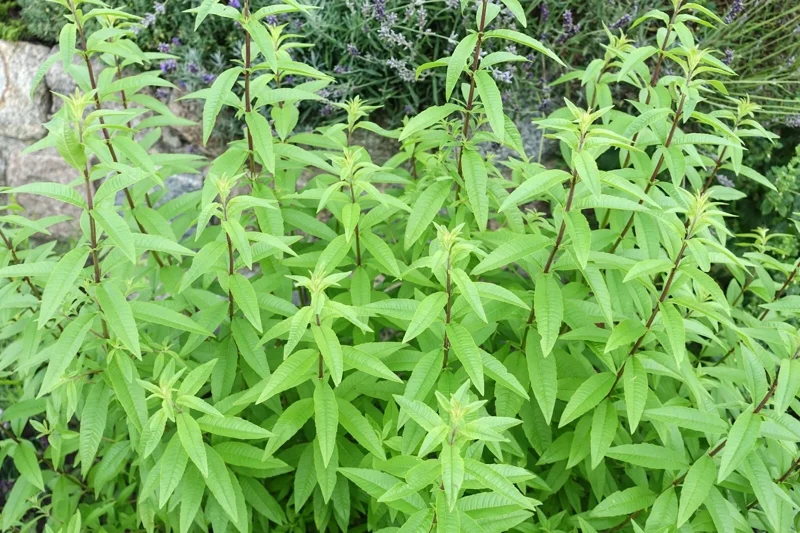
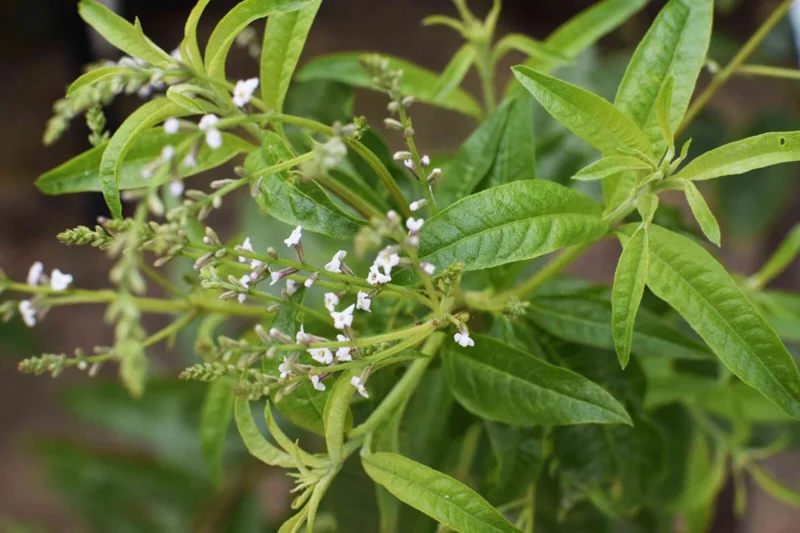
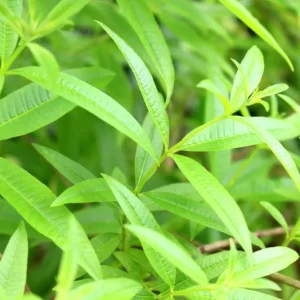
- Aesthetic Appeal: With its bright green, lance-shaped leaves and delicate flowers, the plant adds a touch of elegance and natural beauty to any garden bed, container, or patio.
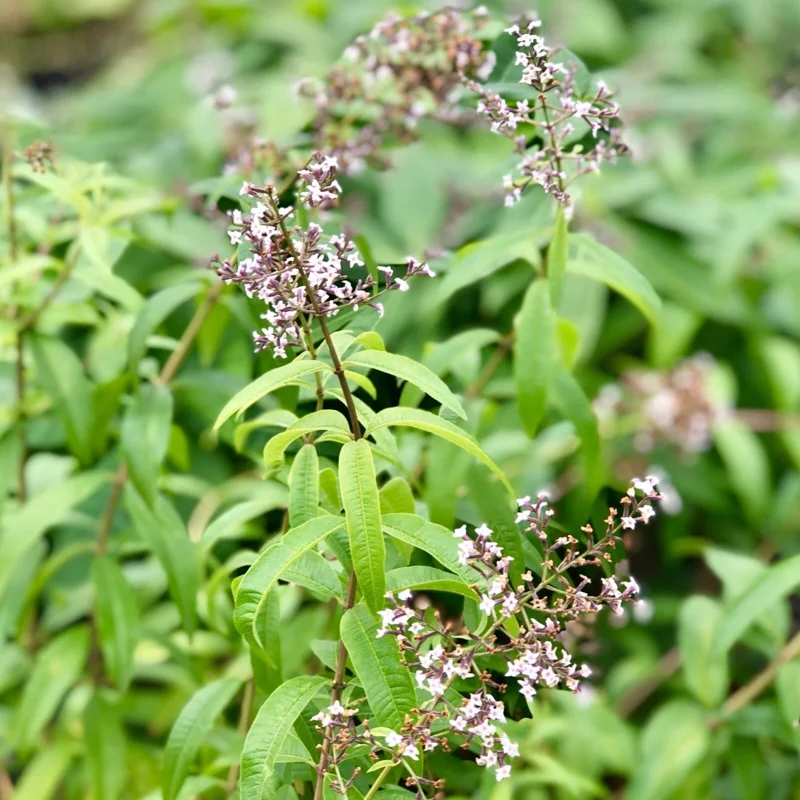
- Attracts Pollinators: The small, white to pale purple flowers of lemon verbena attract beneficial pollinators like bees and butterflies to your garden, contributing to a healthy ecosystem.
- Potential Wellness Benefits: Traditionally, lemon verbena has been used for its calming and digestive properties. Its essential oil is also used in aromatherapy for relaxation.
- Easy to Grow: This herb is relatively low-maintenance and forgiving, making it an excellent choice for gardeners of all skill levels. With proper care, you can enjoy abundant harvests.
- Natural Pest Repellent: The strong scent of aromatic lemon verbena can help deter some common garden pests, acting as a natural companion plant.
Plant Care & Growing Tips
Caring for your organic lemon verbena live plant is straightforward and rewarding, ensuring a bountiful supply of its fragrant leaves. This herb thrives in conditions that mimic its native South American habitat.
Sunlight: Lemon verbena requires ample sunlight to flourish. Plant it in a location that receives at least 6-8 hours of direct sunlight per day. While it can tolerate some afternoon shade in very hot climates, full sun is generally best for maximizing its aromatic oil production.
Watering: Consistent moisture is key, especially during the growing season. Water thoroughly when the top inch of soil feels dry to the touch. Avoid overwatering, as this can lead to root rot. Ensure good drainage. In containers, you may need to water more frequently than in garden beds. Reduce watering in winter when the plant goes dormant.
Soil: This plant prefers well-draining soil with a neutral to slightly acidic pH (6.5-7.0). A good quality potting mix amended with some organic matter works well for container growing. For garden beds, ensure the soil is not too heavy or compacted. The right soil is crucial to help you grow lemon verbena successfully.
Temperature and Hardiness: Lemon verbena is a tender perennial, typically hardy in USDA zones 8-10. In colder climates (zones 7 and below), it’s best grown in containers and brought indoors before the first frost, or treated as an annual. It thrives in warm temperatures and does not tolerate freezing conditions well. Protect it from cold drafts if overwintering indoors.
Fertilization: Feed your lemon verbena herb lightly during the growing season (spring and summer) with a balanced liquid fertilizer every 4-6 weeks. Avoid over-fertilizing, as this can reduce the intensity of its fragrance. A slow-release granular fertilizer can also be incorporated into the soil at the beginning of the growing season.
Pruning: Regular pruning encourages bushier growth and more leaf production. Pinch back the tips of young plants to promote branching. You can harvest leaves throughout the growing season. In late fall, before bringing indoors or in early spring, prune back woody stems to about 6 inches to encourage new growth. This practice is vital for strong lemon verbena plant care.
Pests and Diseases: Lemon verbena is generally pest-resistant, but occasionally you might encounter spider mites, especially if grown indoors or in dry conditions. Inspect plants regularly and treat any infestations with insecticidal soap. Ensure good air circulation to prevent fungal issues.
Size & Details
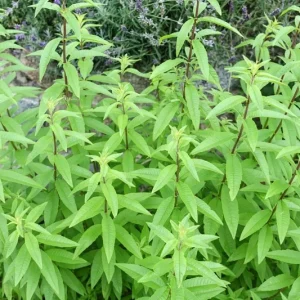
This organic lemon verbena live plant is shipped as a healthy starter plant, typically 4-6 inches tall, nestled in a 2.5-inch or 4-inch nursery pot. It is well-rooted and ready for transplanting into a larger container or directly into your garden. With optimal growing conditions, lemon verbena can reach a mature height of 3-5 feet and a spread of 2-3 feet in a single growing season when grown in the ground. When container-grown, its size can be managed through regular pruning, making it a compact and manageable aromatic lemon verbena specimen. Expect a moderate to fast growth rate, providing you with fresh leaves throughout the warm months.
The plant will begin producing fragrant leaves shortly after establishment, with peak aroma developing as it matures. While it may produce small, delicate flowers, it is primarily grown for its foliage. This herb is shipped securely to ensure it arrives in excellent condition, ready for you to continue its journey to a thriving, fragrant addition to your home or garden.
Frequently Asked Questions
- Q: How big does this organic lemon verbena live plant get? A: In ideal outdoor conditions, it can grow 3-5 feet tall and 2-3 feet wide. When grown in containers or colder climates, its size can be managed with regular pruning, typically staying smaller.
- Q: What size pot does it come in? A: This starter plant typically arrives in a 2.5-inch or 4-inch nursery pot, providing a healthy root system ready for transplanting.
- Q: Is this an indoor or outdoor plant? A: Lemon verbena thrives outdoors in full sun during warm months. In colder climates (below USDA Zone 8), it should be brought indoors during winter or treated as an annual. It can be grown indoors year-round with sufficient light.
- Q: How much sunlight does it need? A: For best growth and fragrance, your organic lemon verbena live plant requires at least 6-8 hours of direct sunlight per day.
- Q: Is this plant easy to care for? A: Yes, lemon verbena is considered an easy-to-care-for herb, suitable for beginners. Its main requirements are plenty of sun, consistent watering, and well-draining soil. Following a good lemon verbena plant care routine will ensure success.
- Q: What condition will it arrive in? A: Your plant will arrive healthy and well-packaged, carefully secured to minimize stress during transit, ready for immediate planting.
- Q: Can I use lemon verbena in cooking? A: Absolutely! The leaves of lemon verbena herb are highly prized for their intense lemon flavor, perfect for teas, desserts, poultry, fish, and refreshing beverages.
- Q: Is it pet-safe? A: While generally considered non-toxic, it’s always best to monitor pets around new plants and consult a veterinarian if ingestion occurs.
- Q: How long until it blooms? A: Lemon verbena typically blooms in late summer to early fall with small, inconspicuous white to pale purple flowers. The plant is primarily grown for its fragrant foliage.
- Q: Will it survive winter in my zone? A: If you live in USDA zones 8-10, it can survive winter outdoors with some protection. In colder zones, it must be brought indoors or grown as an annual. This is crucial when you try to grow lemon verbena in varying climates.
Be the first to review “Organic Lemon Verbena Live Plant – Aromatic Culinary Herb”
-
USDA Hardiness Zone
USDA zones 8-10 (as perennial), treat as annual or bring indoors in colder zones -
Soil Type
Well-draining, slightly acidic to neutral soil -
Sunlight Exposure
Full sun (6-8+ hours direct sunlight) -
Expected Planting Period
Spring to early summer (after last frost)
People Also Viewd


Sold 134 products
Original price was: $3,536.00.$23.99Current price is: $23.99.

Sold 132 products
Original price was: $27.00.$24.00Current price is: $24.00.

Sold 132 products
Original price was: $89.99.$64.99Current price is: $64.99.

Sold 125 products
Original price was: $86.99.$66.99Current price is: $66.99.

Flower Bulbs
3 Cranesbill Wild Geranium Organic Maculatums Bare Roots | Wildflower for Outdoor Garden
Sold 116 products
Original price was: $21.99.$9.99Current price is: $9.99.

Sold 114 products
Original price was: $28.99.$17.99Current price is: $17.99.

Sold 110 products
Original price was: $63.99.$28.99Current price is: $28.99.
Sold 108 products
Original price was: $28.99.$17.99Current price is: $17.99.RELATED posts
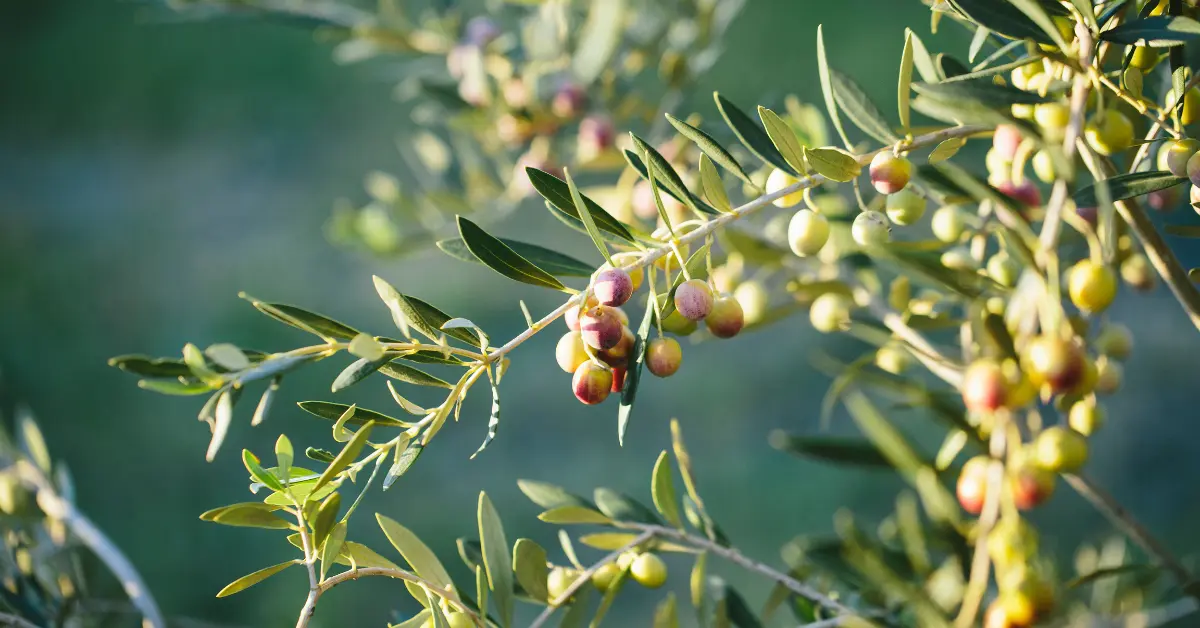
How to Grow Arbequina Olive Trees: The Ultimate Guide to Your Own Olive Grove
Arbequina Olive Tree (Olea europaea ‘Arbequina’) – the ultimate Mediterranean plant that brings a touch [...]
Oct
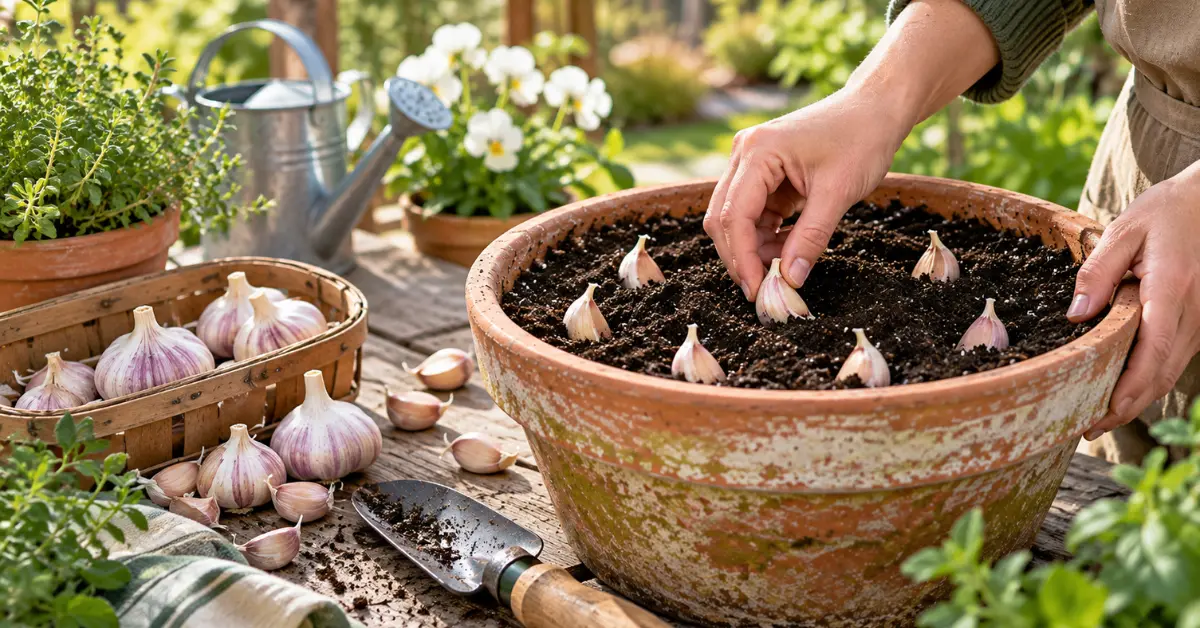
Growing Garlic in Containers This Fall: A Complete Guide for Beginners
If you’ve ever wanted to pop fresh, aromatic garlic cloves straight from your own patio [...]
Sep
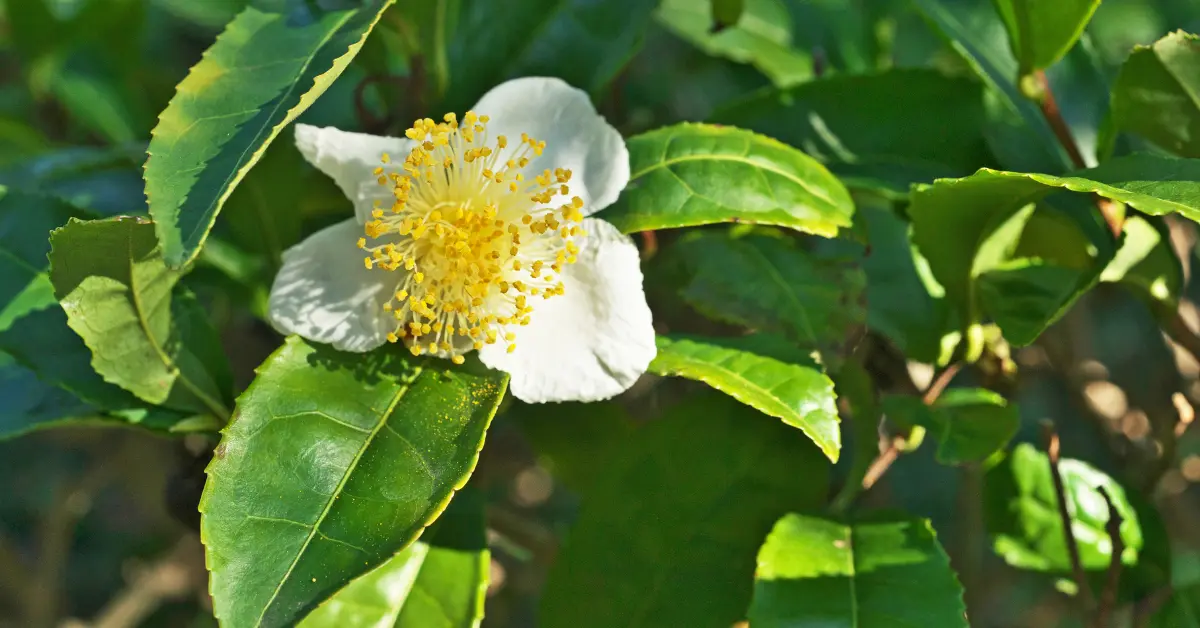
Growing Camellia Sinensis (Tea Plants) in Containers: A Complete Guide for Beginners
If you’ve ever wanted to sip a steaming, homegrown cup of fresh green, black, or [...]
Aug
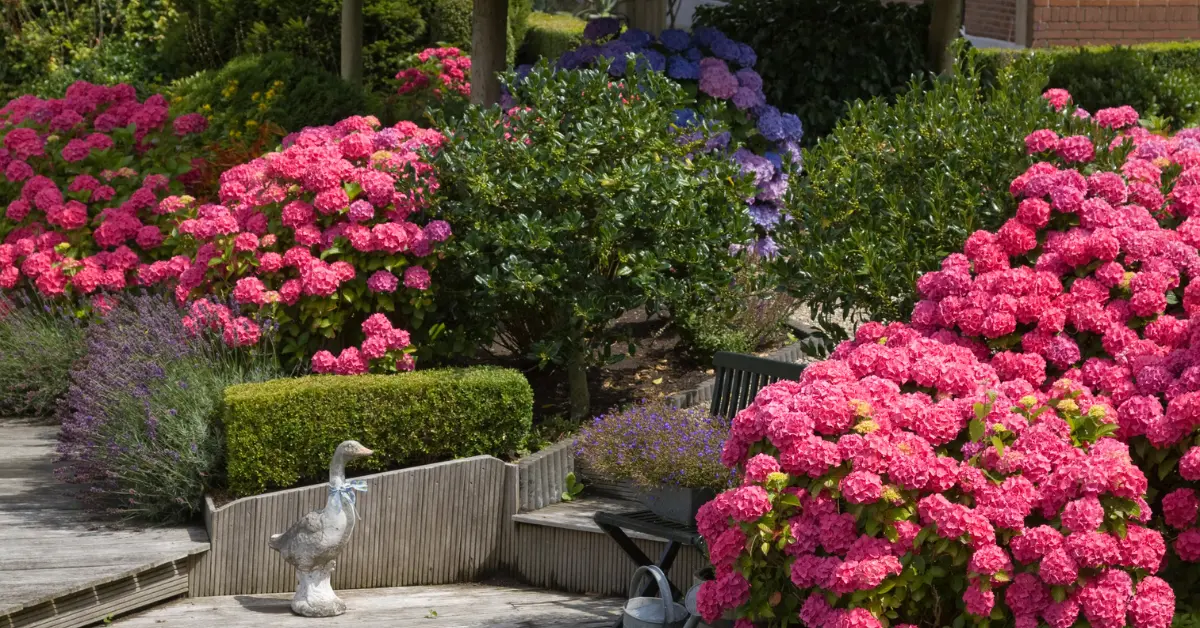
6 Best Shrubs to Plant in August You Must Try
Have you ever walked through a nursery late in the summer, admired the vibrant shrubs [...]
Aug
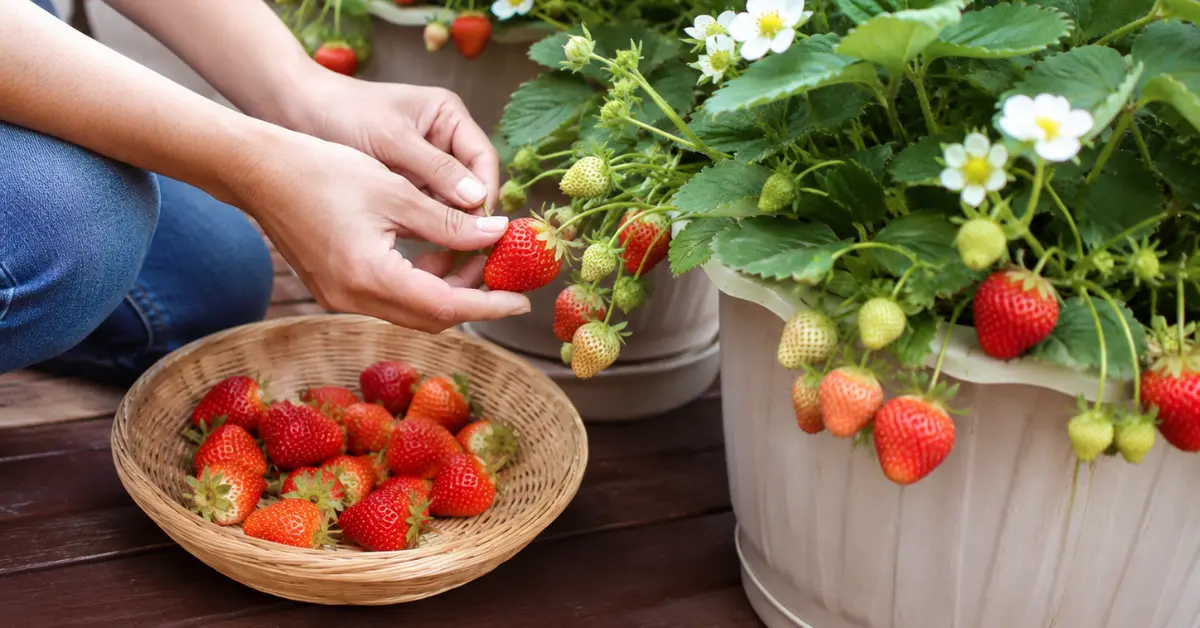
Growing Everbearing Strawberries in Containers: A Complete Guide for Beginners
Want to grow sweet, fresh strawberries but do not have a large garden? Everbearing strawberries [...]
Aug
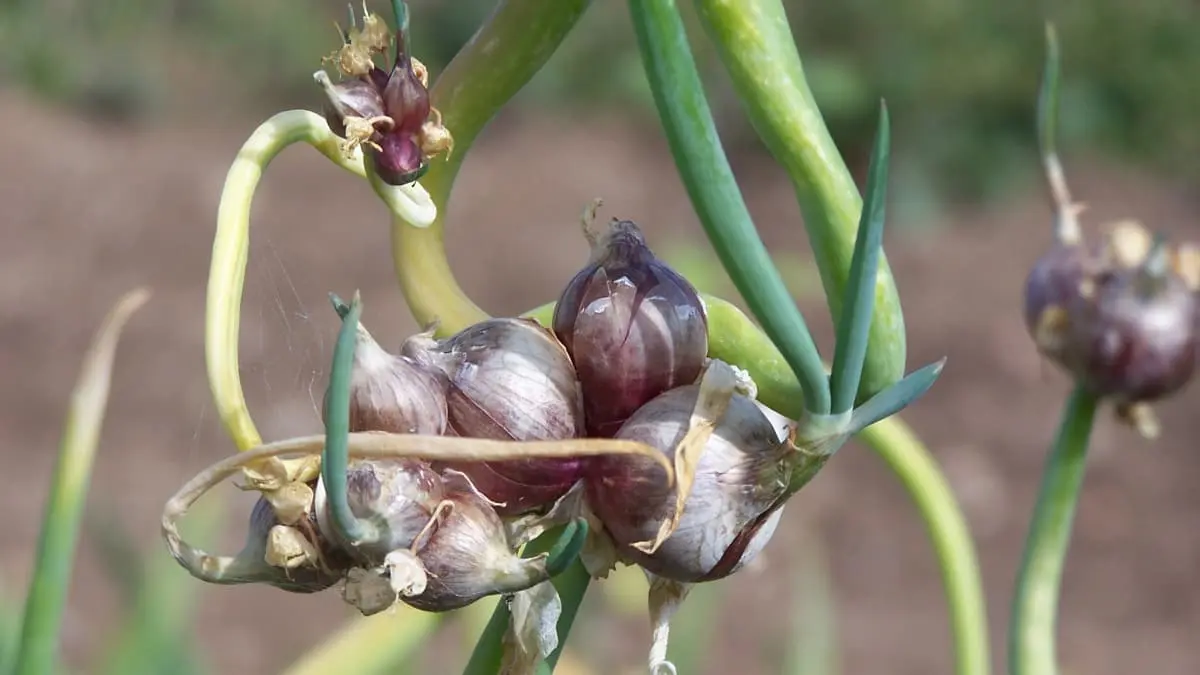
Growing Egyptian Walking Onions in Containers: A Complete Guide for Beginners
If you’re looking for a hardy, no-fuss perennial onion that keeps on giving year after [...]
Jul
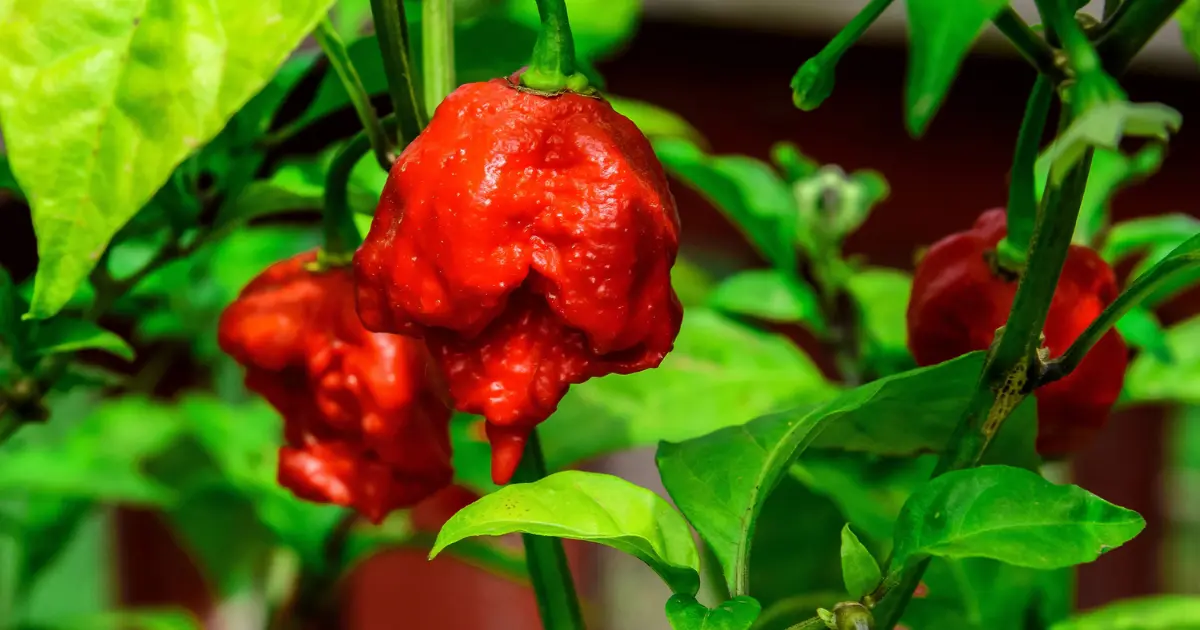
Growing Carolina Reaper Peppers in Pots: A Complete Guide for Beginners
If you’ve ever wanted to add some serious, record-breaking heat to your home cooking, you’ve [...]
May
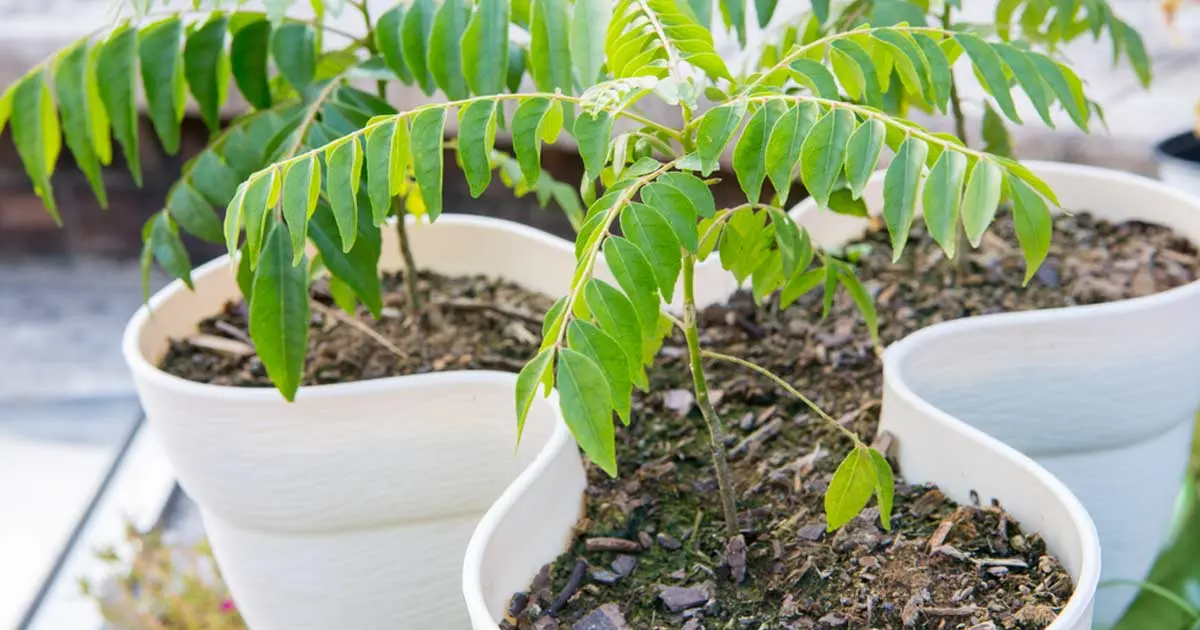
Growing Curry Leaf Plant in Pots: A Complete Guide for Beginners
If you’re a fan of authentic South Asian cuisine, you already know that nothing compares [...]
May
Reviews
There are no reviews yet.