

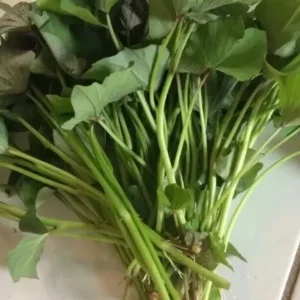

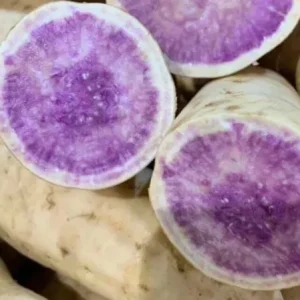
Okinawa & Radiosa Sweet Potato Slips – 10 Live Cuttings for Planting
Original price was: $92.00.$44.99Current price is: $44.99.
Start your own delicious and nutritious sweet potato plant harvest with this vibrant bundle. You’ll receive 5 Okinawa sweet potato slips and 5 Radiosa sweet potato slips, totaling 10 live cuttings ready for planting. These healthy sweet potato slips are perfect for gardeners seeking a rewarding and productive crop. Enjoy the unique flavors and benefits of two distinct sweet potato varieties.
Estimated arrival
Oct 17
Oct 22 - Oct 24
Oct 27 - Oct 31

Reasonable Price
We offer reasonable price

Support 24/7
Contact us 24 hrs a day

100% Money Back
You've 30 days to Return

Payment Secure
100% secure payment
Overview
Embark on a rewarding gardening journey with our premium selection of sweet potato slips. This exclusive offering provides you with a total of 10 live cuttings, comprising 5 high-quality Okinawa sweet potato slips and 5 robust Radiosa sweet potato slips. Sweet potatoes are a staple crop known for their versatility, nutritional value, and ease of cultivation, making them an excellent choice for both novice and experienced gardeners. These live plant cuttings are carefully selected to ensure vigorous growth and a bountiful harvest of delicious tubers. Growing your own sweet potatoes allows you to enjoy fresh, organic produce right from your garden, enhancing your meals with their natural sweetness and rich texture. Prepare to transform your garden into a productive edible landscape with these ready-to-plant slips.
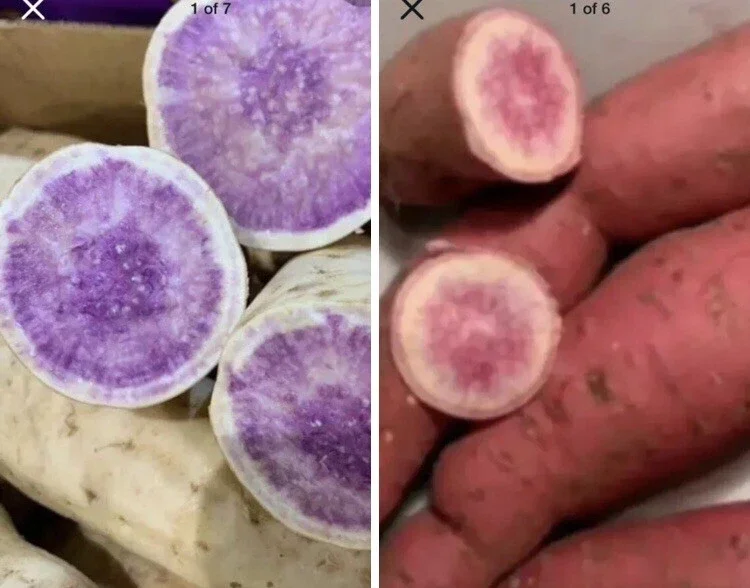
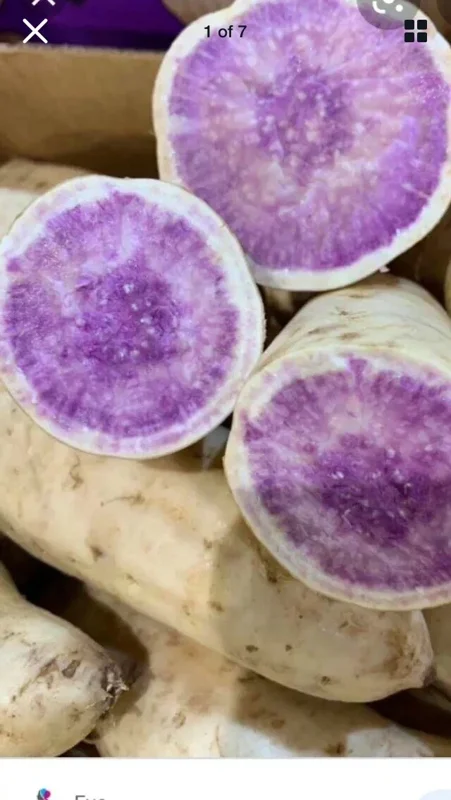
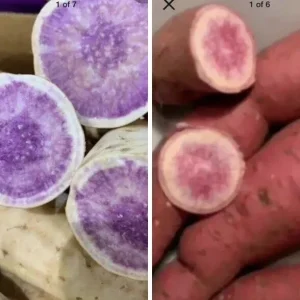
The Okinawa sweet potato is celebrated for its striking purple flesh, which is not only visually appealing but also packed with antioxidants. The Radiosa sweet potato offers a classic orange flesh, known for its exceptional flavor and smooth texture. By planting these sweet potato slips, you’re not just growing food; you’re cultivating a healthier lifestyle and connecting with the earth. These cuttings represent the first step towards a successful sweet potato crop, promising a harvest that is both satisfying and delicious. Get ready to experience the joy of growing your own nutrient-rich vegetables.
Key Benefits
Cultivating these sweet potato slips offers a multitude of advantages for your garden and your plate. Here are some of the key benefits:
- Dual Variety Harvest: Receive both Okinawa sweet potato and Radiosa sweet potato slips, providing a diverse harvest of purple and orange-fleshed tubers. This variety adds culinary flexibility and visual interest to your dishes.
- Nutrient-Rich Produce: Both varieties are known for being highly nutritious. Okinawa sweet potatoes are rich in anthocyanins, powerful antioxidants, while Radiosa sweet potatoes are excellent sources of beta-carotene and vitamin A, contributing to overall health.
- Easy to Grow: Sweet potatoes are relatively low-maintenance once established, making them suitable for gardeners of all experience levels. These sweet potato slips are designed to root quickly and grow vigorously.
- High Yield Potential: With proper care, a small number of slips can produce a significant harvest of tubers, offering an abundant supply of fresh sweet potatoes for your family.
- Versatile Culinary Use: The distinct flavors and textures of Okinawa and Radiosa sweet potatoes make them perfect for a wide range of culinary applications, from baking and roasting to mashing and frying.
- Adaptable to Various Climates: Sweet potatoes thrive in warm climates but can also be grown successfully in cooler regions with appropriate timing and care, extending their reach to many gardeners looking to grow sweet potatoes.
- Sustainable Gardening: Growing your own sweet potatoes reduces your carbon footprint and provides a sustainable source of food, fostering a deeper connection to your food system.
Plant Care & Growing Tips
To ensure a successful harvest of your sweet potato plant, proper care and attention to growing conditions are essential. Sweet potatoes are warm-season crops and thrive in conditions that mimic their tropical origins. They need a long, warm growing season, typically 90 to 120 days of frost-free weather, to produce well-developed tubers. For optimal results, plant your sweet potato slips after all danger of frost has passed and the soil temperature has consistently reached 60°F (15°C) or warmer, usually late spring to early summer.
Sunlight: Sweet potato plants require full sun, meaning at least 6-8 hours of direct sunlight per day. Choose a location in your garden that receives ample sun throughout the day. While they can tolerate partial shade, tuber production may be reduced. Watering: Consistent moisture is crucial, especially during the first few weeks after planting and during tuber development. Water deeply once or twice a week, or more frequently during dry spells. Avoid overwatering, as this can lead to rot. Once established, sweet potatoes are relatively drought-tolerant but will produce better with regular watering. Soil Type: Sweet potatoes prefer loose, well-draining, sandy loam soil with a pH between 5.5 and 6.5. Heavy clay soils should be amended with organic matter like compost to improve drainage and aeration, which is vital for tuber expansion. Fertilization: A balanced fertilizer can be applied at planting, but avoid excessive nitrogen, which promotes leafy growth at the expense of tuber development. A fertilizer higher in phosphorus and potassium is beneficial for root crops. Temperature: Ideal growing temperatures are between 65-80°F (18-27°C). They are sensitive to cold, so protect them from any late spring or early fall frosts. Pest and Disease: Sweet potatoes are generally hardy, but keep an eye out for pests like sweet potato weevils or diseases like fusarium wilt. Good garden hygiene and crop rotation can help prevent issues. Regularly checking your sweet potato plant will help you address any problems quickly.
Size & Details
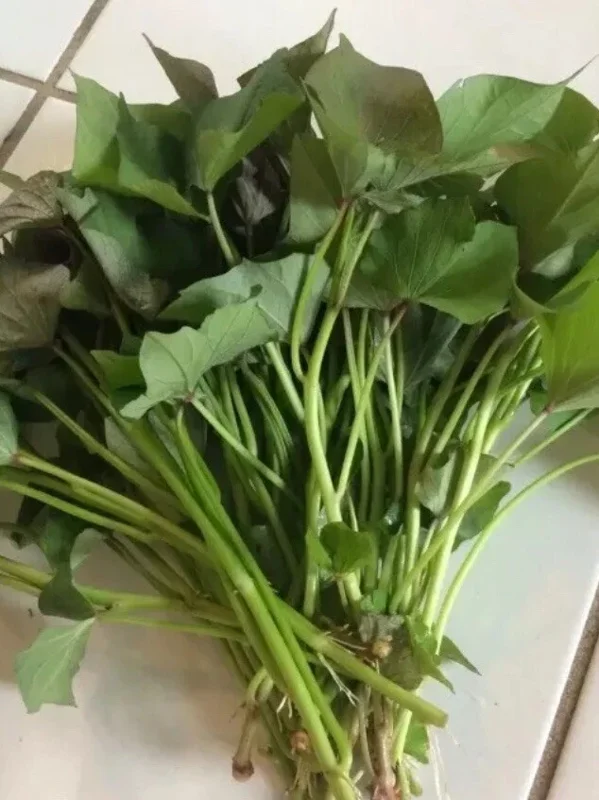
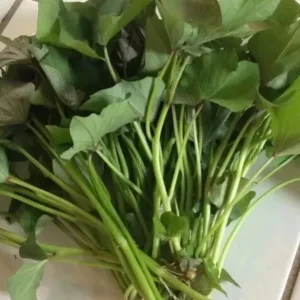
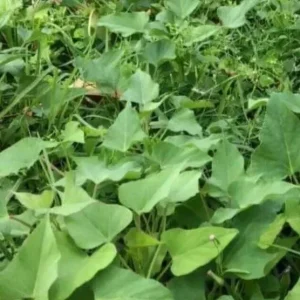
This offering includes 10 individual sweet potato slips, consisting of 5 vigorous Okinawa sweet potato slips and 5 healthy Radiosa sweet potato slips. Each slip is a young cutting, typically 6-10 inches in length, ready for immediate planting upon arrival. These unrooted cuttings are carefully selected to ensure they have several nodes (growth points) along the stem, from which roots and new shoots will emerge. When planting, bury the slips deep enough so that at least half of the stem, including several nodes, is underground. This encourages robust root development and tuber formation. The expected growth rate is rapid in warm conditions, with vines spreading quickly to cover the ground. Tubers typically mature within 90-120 days after planting, depending on the variety and local climate. This collection provides a fantastic opportunity to grow sweet potatoes of distinct flavors and colors in your home garden.
Frequently Asked Questions
- Q: How big do these sweet potato plants get? A: Sweet potato vines can spread quite extensively, often reaching 6-10 feet in length. The tubers themselves will vary in size, with mature Okinawa and Radiosa sweet potatoes typically weighing between 0.5 to 2 pounds each, depending on growing conditions and harvest time.
- Q: What size pot do I need to grow sweet potatoes? A: If growing in containers, opt for large pots or grow bags, at least 15-20 gallons in size, to allow sufficient space for tuber development. A wider container is generally better than a deeper one for a healthy sweet potato plant.
- Q: Is this an indoor or outdoor plant? A: Sweet potatoes are primarily outdoor plants cultivated for their tubers. While the vines can be grown indoors as an ornamental, you will not get a tuber harvest without outdoor growing conditions that allow for a long, warm season.
- Q: How much sunlight does a sweet potato plant need? A: For optimal tuber production and healthy growth, a sweet potato plant requires at least 6-8 hours of direct full sun per day. More sunlight generally leads to a better harvest.
- Q: Is this plant easy to care for? Is it good for beginners? A: Yes, sweet potatoes are considered relatively easy to grow and are an excellent choice for beginner gardeners. They are forgiving plants, especially when provided with warm temperatures, adequate sunlight, and consistent moisture.
- Q: What condition will the sweet potato slips arrive in? A: Your sweet potato slips will arrive as fresh, unrooted cuttings, carefully packaged to ensure their vitality during transit. They will be ready for immediate planting upon arrival to minimize stress and encourage quick rooting.
- Q: When is the best time to plant sweet potato slips? A: The best time to plant your sweet potato slips is in late spring or early summer, after all danger of frost has passed and the soil temperature has warmed consistently to at least 60°F (15°C).
- Q: Will these sweet potato varieties survive winter in my zone? A: Sweet potatoes are tender perennials typically grown as annuals in most temperate climates. They will not survive cold winter temperatures or frost. In USDA zones 9-11, they may be perennial, but in other zones, you will need to replant each year to grow sweet potatoes.
- Q: What is the difference between Okinawa and Radiosa sweet potatoes? A: The main difference lies in their flesh color and subtle flavor profiles. Okinawa sweet potato has vibrant purple flesh and a slightly drier, nuttier taste, while Radiosa sweet potato has classic orange flesh, known for its moist texture and sweeter flavor.
- Q: Can I grow sweet potatoes in raised beds? A: Absolutely! Raised beds are an excellent option for growing sweet potatoes, as they allow for better control over soil quality, drainage, and temperature, often leading to earlier harvests and healthier plants.
Be the first to review “Okinawa & Radiosa Sweet Potato Slips – 10 Live Cuttings for Planting”
-
USDA Hardiness Zone
USDA zones 8-11 (as annuals in cooler zones) -
Soil Type
Well-draining, sandy loam soil -
Sunlight Exposure
Full sun (6-8+ hours daily) -
Expected Planting Period
Late spring to early summer
People Also Viewd


Sold 134 products
Original price was: $3,536.00.$23.99Current price is: $23.99.

Sold 132 products
Original price was: $27.00.$24.00Current price is: $24.00.

Sold 132 products
Original price was: $89.99.$64.99Current price is: $64.99.

Sold 125 products
Original price was: $86.99.$66.99Current price is: $66.99.

Flower Bulbs
3 Cranesbill Wild Geranium Organic Maculatums Bare Roots | Wildflower for Outdoor Garden
Sold 116 products
Original price was: $21.99.$9.99Current price is: $9.99.

Sold 114 products
Original price was: $28.99.$17.99Current price is: $17.99.

Sold 110 products
Original price was: $63.99.$28.99Current price is: $28.99.
Sold 108 products
Original price was: $28.99.$17.99Current price is: $17.99.RELATED posts
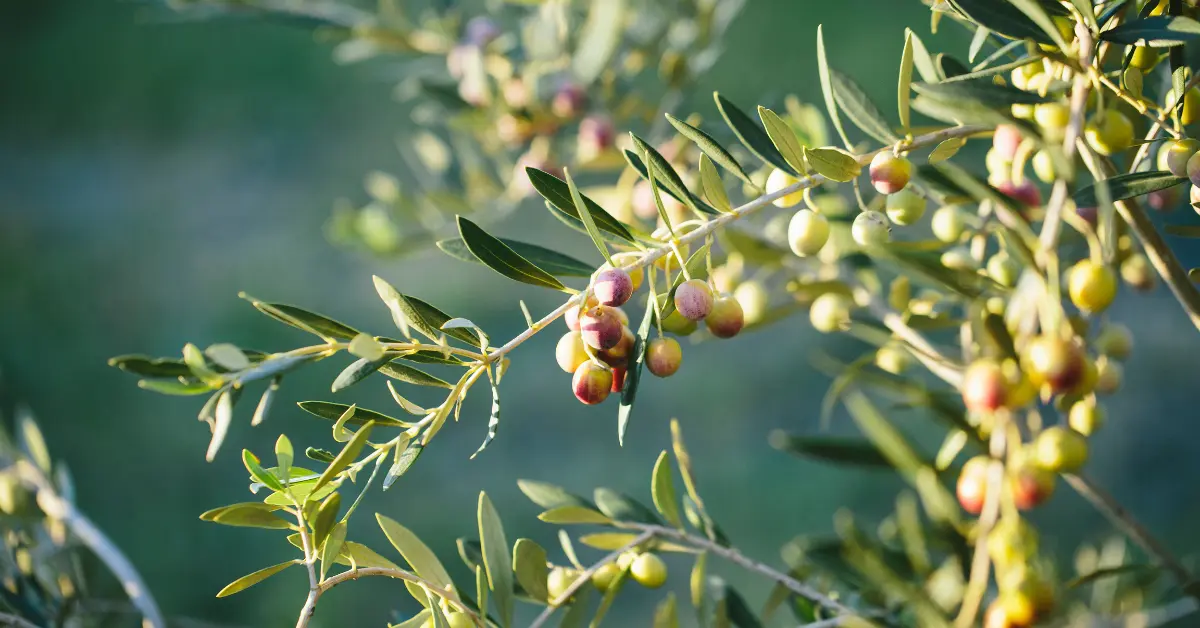
How to Grow Arbequina Olive Trees: The Ultimate Guide to Your Own Olive Grove
Arbequina Olive Tree (Olea europaea ‘Arbequina’) – the ultimate Mediterranean plant that brings a touch [...]
Oct
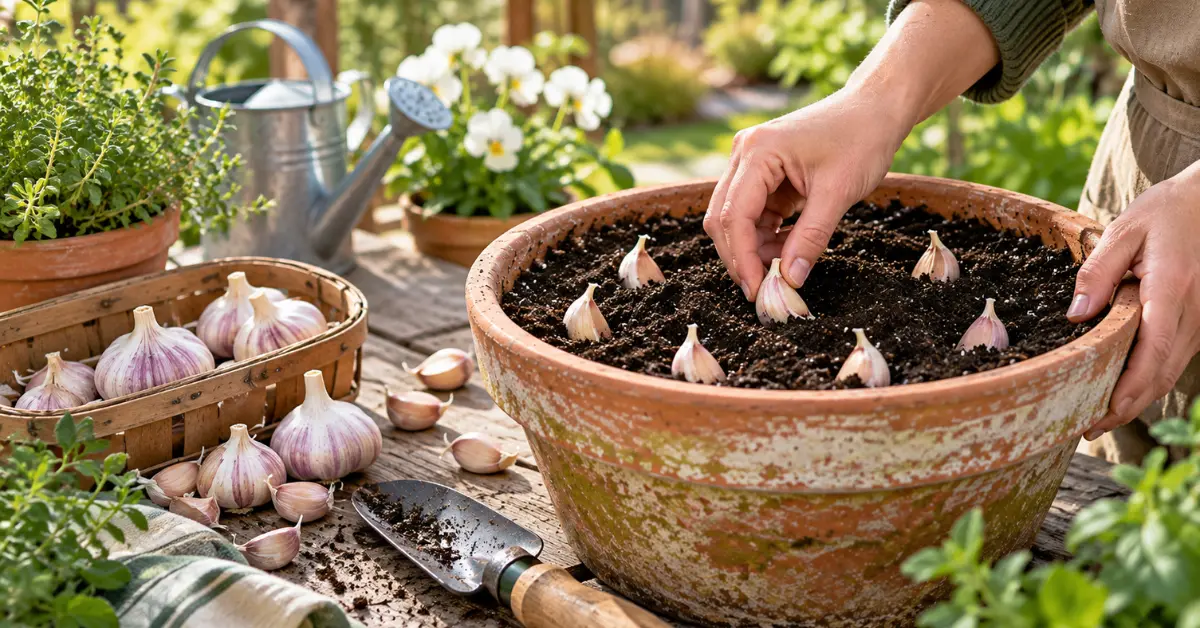
Growing Garlic in Containers This Fall: A Complete Guide for Beginners
If you’ve ever wanted to pop fresh, aromatic garlic cloves straight from your own patio [...]
Sep
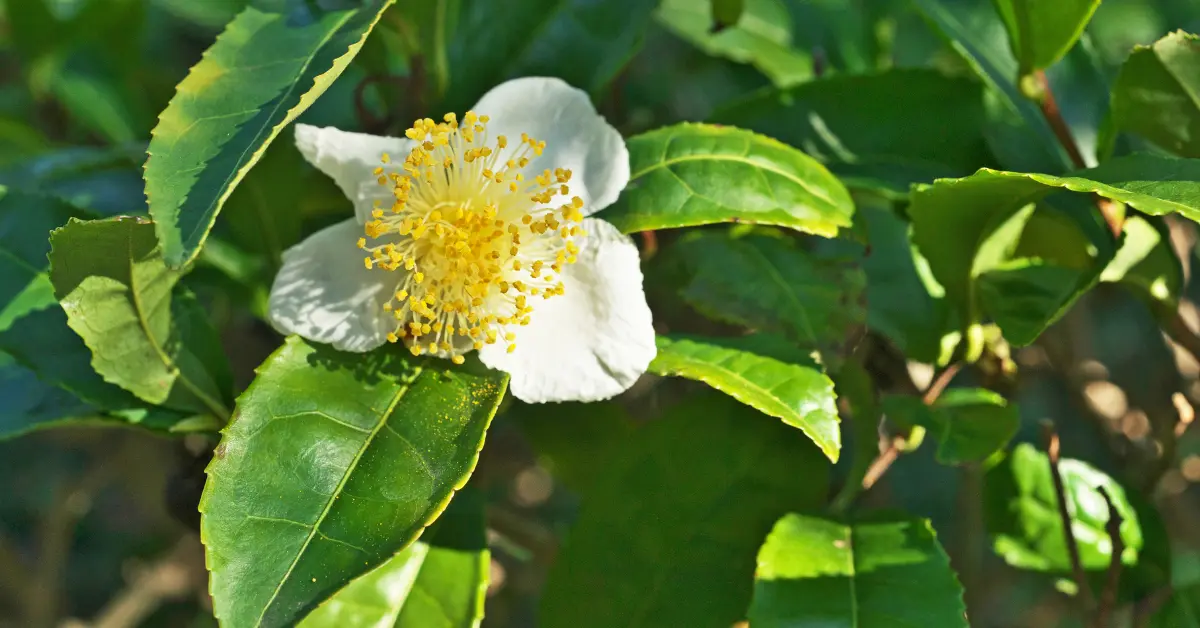
Growing Camellia Sinensis (Tea Plants) in Containers: A Complete Guide for Beginners
If you’ve ever wanted to sip a steaming, homegrown cup of fresh green, black, or [...]
Aug

6 Best Shrubs to Plant in August You Must Try
Have you ever walked through a nursery late in the summer, admired the vibrant shrubs [...]
Aug

Growing Everbearing Strawberries in Containers: A Complete Guide for Beginners
Want to grow sweet, fresh strawberries but do not have a large garden? Everbearing strawberries [...]
Aug
Growing Egyptian Walking Onions in Containers: A Complete Guide for Beginners
If you’re looking for a hardy, no-fuss perennial onion that keeps on giving year after [...]
Jul
Growing Carolina Reaper Peppers in Pots: A Complete Guide for Beginners
If you’ve ever wanted to add some serious, record-breaking heat to your home cooking, you’ve [...]
May
Growing Curry Leaf Plant in Pots: A Complete Guide for Beginners
If you’re a fan of authentic South Asian cuisine, you already know that nothing compares [...]
May



Reviews
There are no reviews yet.