
2 Orange Milkweed Live Plants 4-7 Inch Tall – Asclepias Tuberosa, Butterfly Weed, Pollinator Garden
Original price was: $59.99.$24.99Current price is: $24.99.
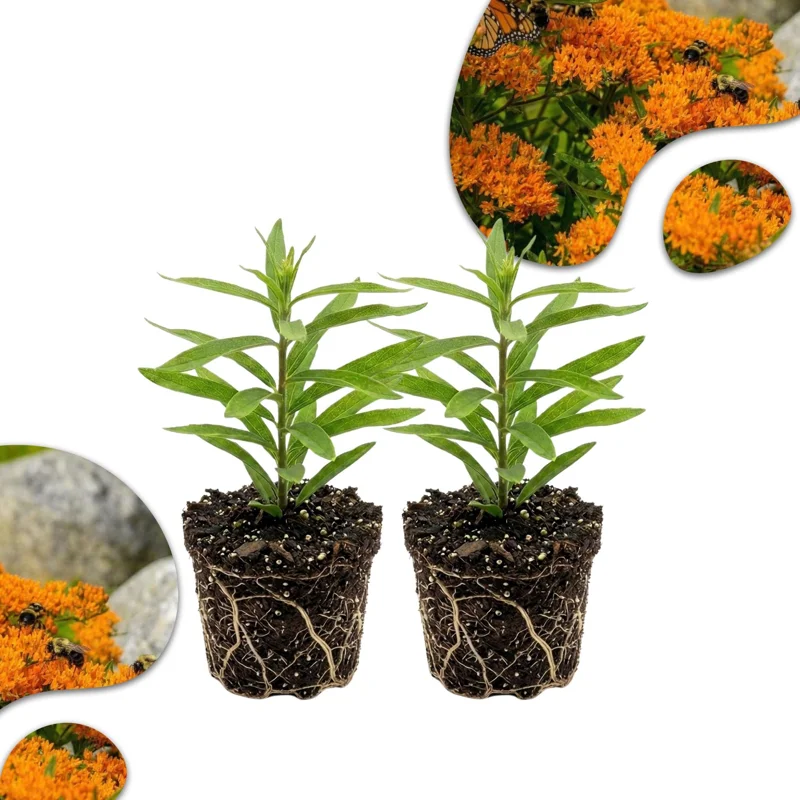
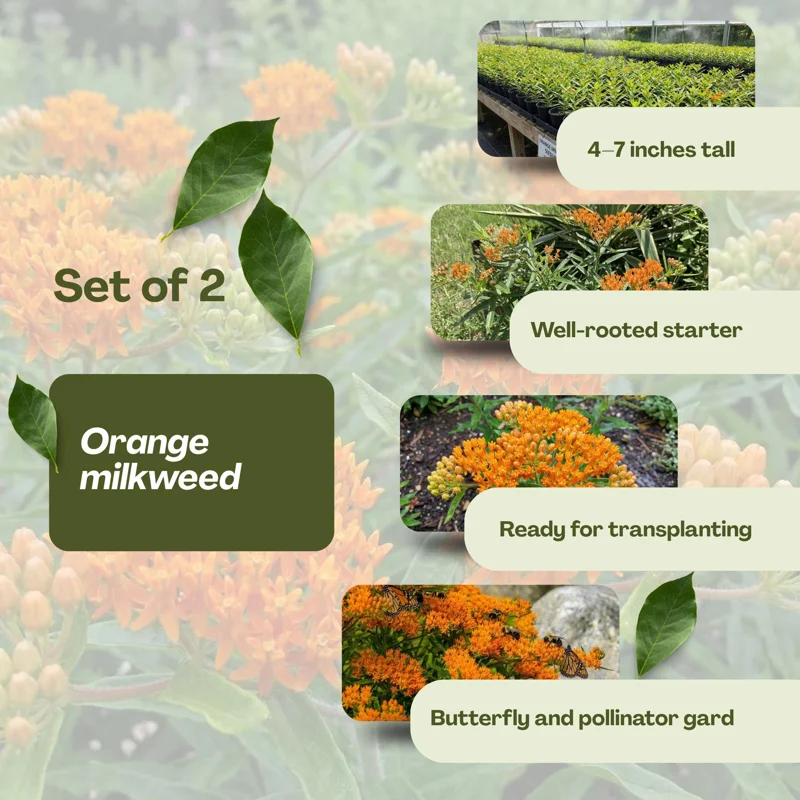
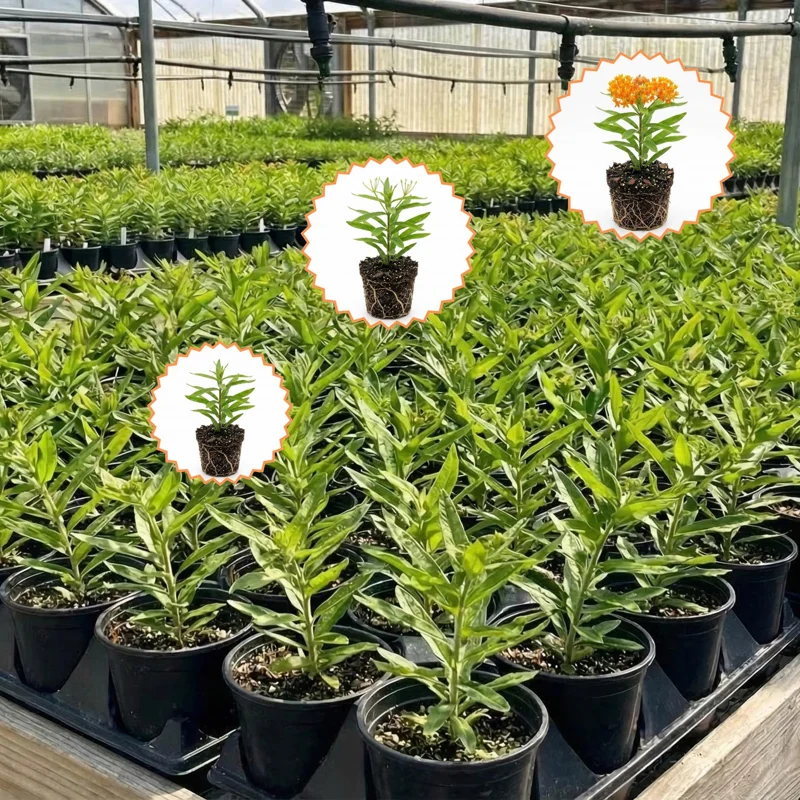
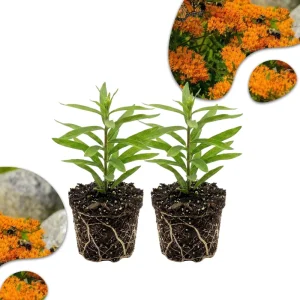
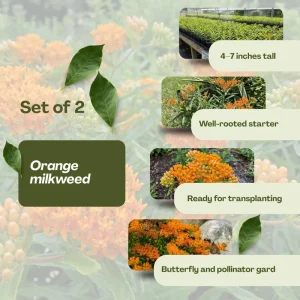
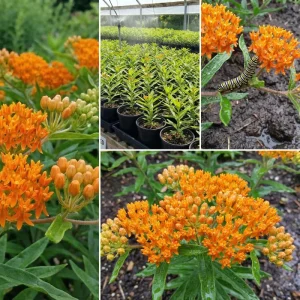
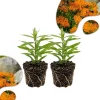
Bring life and color to your garden with this 2-pack of orange milkweed live plant (Asclepias tuberosa). These 4-7 inch tall rooted starters are ideal for attracting butterflies, bees, and other pollinators, making them a perfect addition to any pollinator garden plants or natural landscape. Enjoy vibrant orange blooms and support local wildlife with these easy-to-grow perennials.
Estimated arrival
Oct 02
Oct 07 - Oct 09
Oct 12 - Oct 16

Reasonable Price
We offer reasonable price

Support 24/7
Contact us 24 hrs a day

100% Money Back
You've 30 days to Return

Payment Secure
100% secure payment
Overview
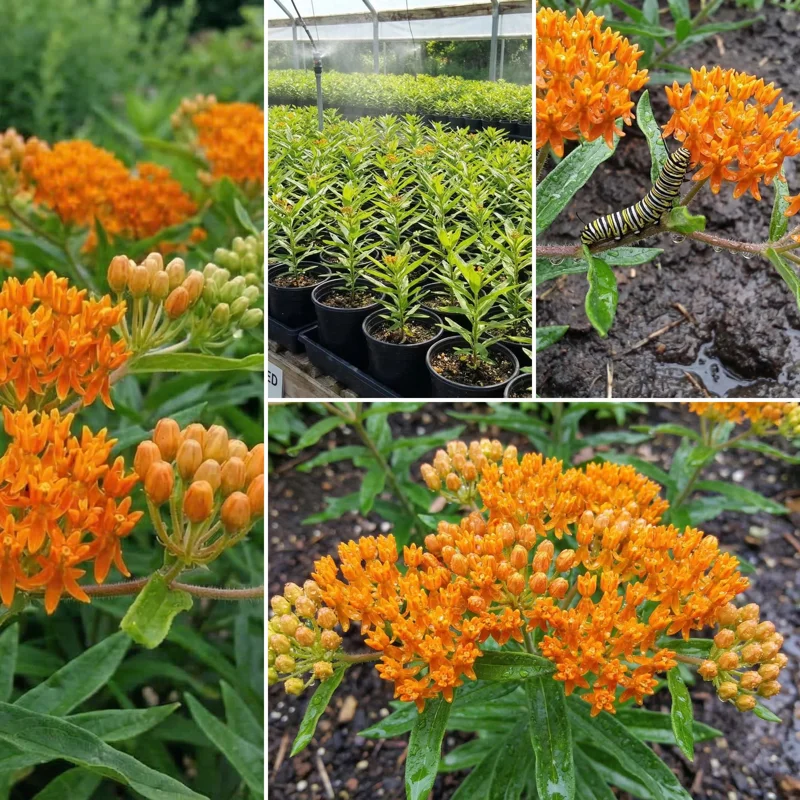
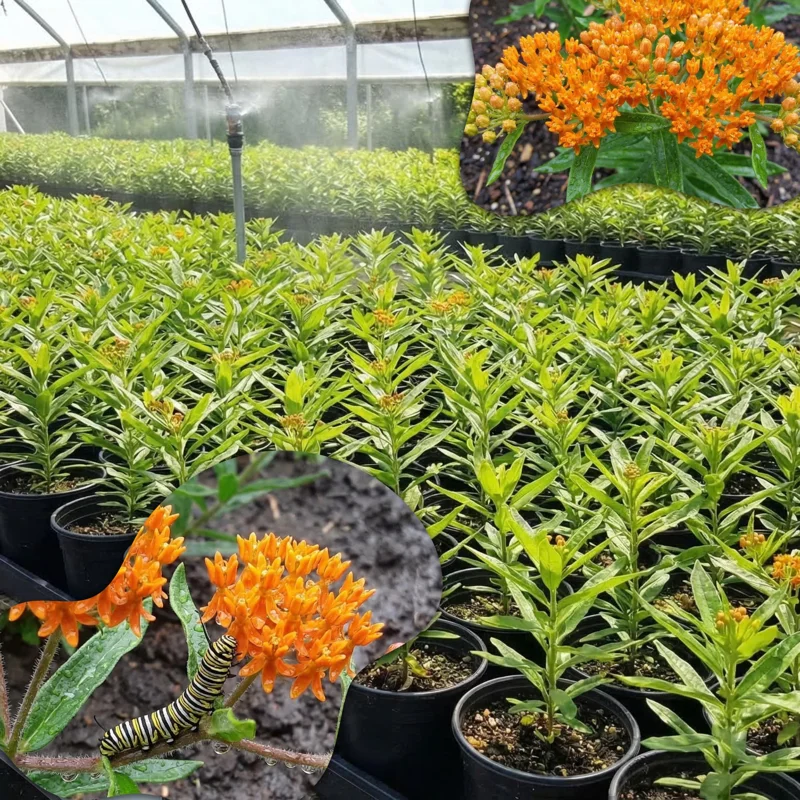
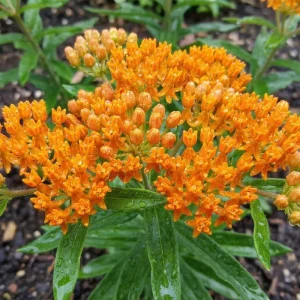
Introduce a splash of vibrant color and essential ecological support to your garden with the orange milkweed live plant. This offering includes two healthy, rooted starters of Asclepias tuberosa, commonly known as Butterfly Weed, each measuring 4-7 inches tall. Orange milkweed live plant is a crucial host plant for monarch butterfly caterpillars and a prolific nectar source for a wide array of pollinators, including bees and other butterflies. Its striking bright orange flowers provide a long-lasting display from summer through fall, making it a standout feature in any garden bed, border, or container. Unlike some other milkweed varieties, Asclepias tuberosa is clumping and non-invasive, integrating beautifully into diverse garden designs. This hardy perennial is native to a large portion of North America, ensuring it’s well-adapted to various climates and conditions, and is an excellent choice for those looking to create a thriving wildlife habitat.
Key Benefits
Adding orange milkweed live plant to your landscape offers numerous advantages, from enhancing biodiversity to providing visual appeal. This plant is not only beautiful but also plays a vital role in supporting local ecosystems.
- Supports Pollinators: As a primary host plant for monarch butterfly caterpillars and a rich nectar source, the asclepias tuberosa plant is indispensable for attracting and sustaining butterflies, bees, and other beneficial insects. Its presence helps boost local pollinator populations.
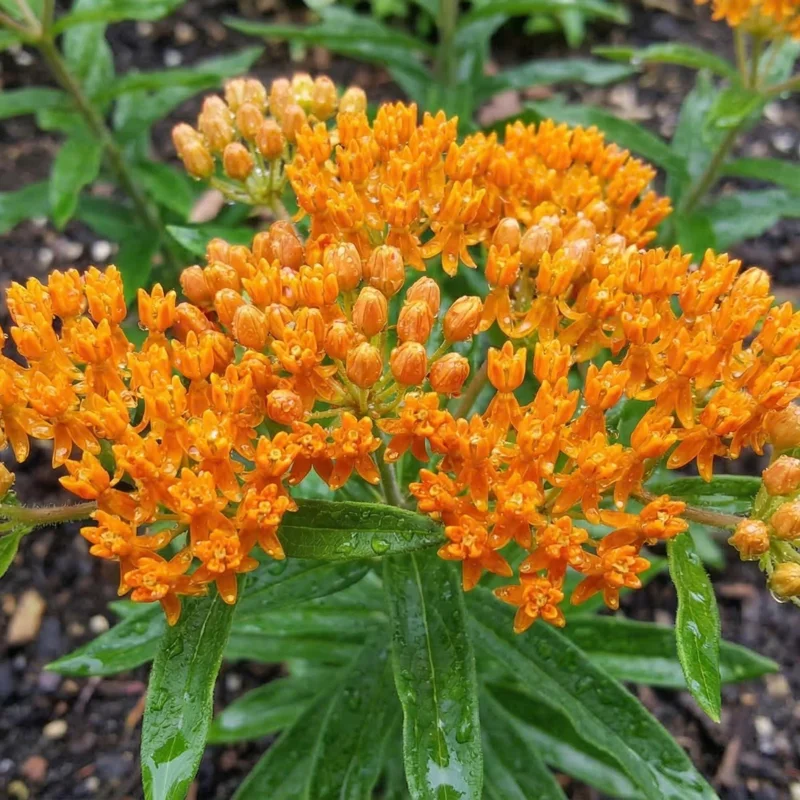
- Vibrant Garden Color: The bright orange flowers provide a brilliant and long-lasting display, adding an eye-catching element to your garden from early summer into autumn. These bold blooms make it a focal point in any garden design.
- Drought Tolerant: Once established, butterfly weed plant is remarkably drought-tolerant, requiring minimal watering. This makes it an excellent choice for xeriscaping or gardens in areas with low rainfall, reducing water consumption.
- Low Maintenance Perennial: This hardy perennial returns year after year with little fuss. It’s an easy-care plant that thrives with minimal intervention, making it perfect for both novice and experienced gardeners.
- Native Plant: Being a native species, Asclepias tuberosa is well-adapted to local conditions, requiring less intervention and naturally fitting into the regional ecosystem. Native plants support local wildlife more effectively than non-native alternatives.
- Ideal for Pollinator Gardens: Specifically suited for creating dedicated pollinator garden plants, this milkweed helps establish a vibrant and healthy ecosystem right in your backyard, contributing to environmental conservation efforts.
- Deer Resistant: Generally, deer tend to avoid milkweed, making it a good option if deer are a concern in your area. This ensures your garden remains intact and flourishing.
Plant Care & Growing Tips
Caring for your orange milkweed live plant is straightforward, especially since it’s a native and resilient species. Providing the right conditions will ensure a thriving plant that attracts numerous pollinators. For optimal growth, ensure your asclepias tuberosa plant receives plenty of sunlight.
Sunlight Requirements: Orange milkweed thrives in full sun, meaning it needs at least 6-8 hours of direct sunlight per day. Plant it in an area of your garden that receives ample sun exposure throughout the day for the best flowering and overall health. While it can tolerate some partial shade, flowering may be reduced. Water: This plant prefers low to moderate water once established. It is crucial to have well-draining soil, as milkweed does not tolerate wet feet. Water regularly during its first growing season to help establish a strong root system. After establishment, it becomes quite drought-tolerant and will only need supplemental watering during prolonged dry spells. Soil Type: Asclepias tuberosa prefers average to dry, well-draining soil. It can tolerate a variety of soil types, including sandy, rocky, and clay soils, as long as drainage is good. Amending heavy clay soils with organic matter or sand can improve drainage. Hardiness Zones: This perennial is hardy in USDA zones 3–9, making it suitable for a wide range of climates across the US. It will die back to the ground in winter and re-emerge in spring. Fertilization: Generally, milkweed plant care does not require heavy fertilization. If your soil is poor, a light application of a balanced, slow-release fertilizer in early spring can be beneficial. Avoid over-fertilizing, which can lead to lush foliage but fewer flowers. Pest and Disease: Orange milkweed is generally resistant to most pests and diseases. Aphids can occasionally be an issue, but they usually don’t cause significant damage and can be managed with a strong spray of water. This is a very resilient plant, making it a great addition to any garden.
Size & Details
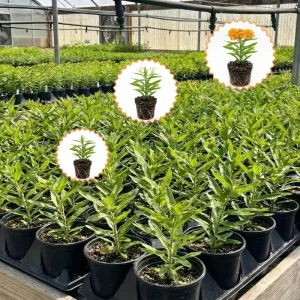
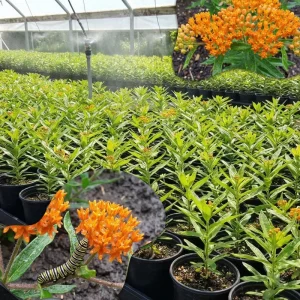
This offering includes two orange milkweed live plant starters, each carefully rooted and measuring approximately 4–7 inches tall at the time of shipment. These young plants are shipped in starter pots or plugs, ensuring they arrive healthy and ready for transplanting into your garden or larger containers. Asclepias tuberosa typically grows to an upright perennial, reaching a mature height of 1-3 feet and spreading about 1-2 feet wide. It has a moderate growth rate, establishing well within its first year and producing abundant blooms in subsequent seasons. The vibrant orange flowers appear in clusters, creating a stunning visual impact. These plants are ideal for creating a naturalized look in your garden, contributing to the beauty and biodiversity of your outdoor space. Expect these plants to attract a variety of beneficial insects, making your garden a lively hub of activity.
Frequently Asked Questions
- Q: How big will the orange milkweed live plant get? A: This plant typically grows to a mature height of 1-3 feet tall and spreads about 1-2 feet wide. It’s an upright perennial that forms attractive clumps.
- Q: Is this an indoor or outdoor plant? A: This is primarily an outdoor perennial plant, native to North America. It thrives in full sun conditions in garden beds, borders, or large outdoor containers.
- Q: How much sunlight does the asclepias tuberosa plant need? A: Orange milkweed requires full sun, which means at least 6-8 hours of direct sunlight per day, for optimal growth and flowering.
- Q: Is this plant easy to care for? A: Yes, butterfly weed plant is known for being low-maintenance, especially once established. It’s drought-tolerant and generally resistant to pests and diseases, making it suitable for gardeners of all skill levels.
- Q: What condition will the plants arrive in? A: The plants are shipped as live, rooted starters in plugs, typically 4-7 inches tall. They are carefully packaged to ensure they arrive healthy and ready for planting.
- Q: When is the best time to plant pollinator garden plants like milkweed? A: The best time to plant orange milkweed starters is in spring after the last frost, or in early fall. This allows the plants to establish their root systems before extreme temperatures.
- Q: Will it survive winter in my zone? A: Yes, Asclepias tuberosa is hardy in USDA Zones 3–9. It will die back to the ground in winter and re-emerge from its roots in spring, making it a reliable perennial in these regions.
- Q: What type of soil does milkweed prefer? A: This plant prefers well-draining soil and can tolerate a variety of soil types, including sandy or rocky soils. Good drainage is key to preventing root rot.
- Q: How often should I water my milkweed plant care during establishment? A: During its first growing season, water regularly to keep the soil consistently moist but not waterlogged. Once established, it becomes very drought-tolerant and requires minimal watering.
- Q: How does this plant help pollinators? A: Orange milkweed is a crucial host plant for monarch butterfly caterpillars, providing their sole food source. Its vibrant flowers also offer abundant nectar for adult monarch butterflies, other butterflies, and various bee species.
Be the first to review “2 Orange Milkweed Live Plants 4-7 Inch Tall – Asclepias Tuberosa, Butterfly Weed, Pollinator Garden”
-
USDA Hardiness Zone
3–9 -
Soil Type
Well-draining soil -
Sunlight Exposure
Full sun -
Expected Planting Period
Spring to early summer
People Also Viewd
Sold 134 products
Original price was: $3,536.00.$23.99Current price is: $23.99.
Sold 132 products
Original price was: $27.00.$24.00Current price is: $24.00.
Sold 132 products
Original price was: $89.99.$64.99Current price is: $64.99.

Sold 125 products
Original price was: $86.99.$66.99Current price is: $66.99.
Flower Bulbs
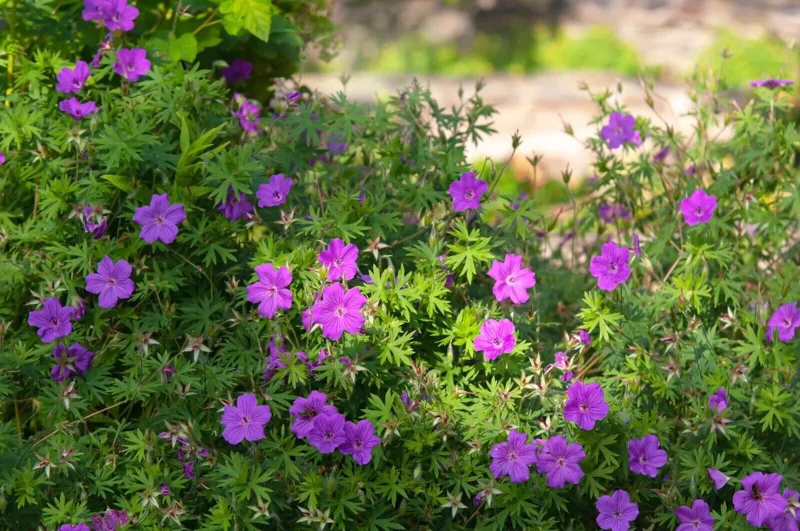
3 Cranesbill Wild Geranium Organic Maculatums Bare Roots | Wildflower for Outdoor Garden
Sold 116 products
Original price was: $21.99.$9.99Current price is: $9.99.
Sold 114 products
Original price was: $28.99.$17.99Current price is: $17.99.
Sold 110 products
Original price was: $63.99.$28.99Current price is: $28.99.
Sold 108 products
Original price was: $28.99.$17.99Current price is: $17.99.RELATED posts
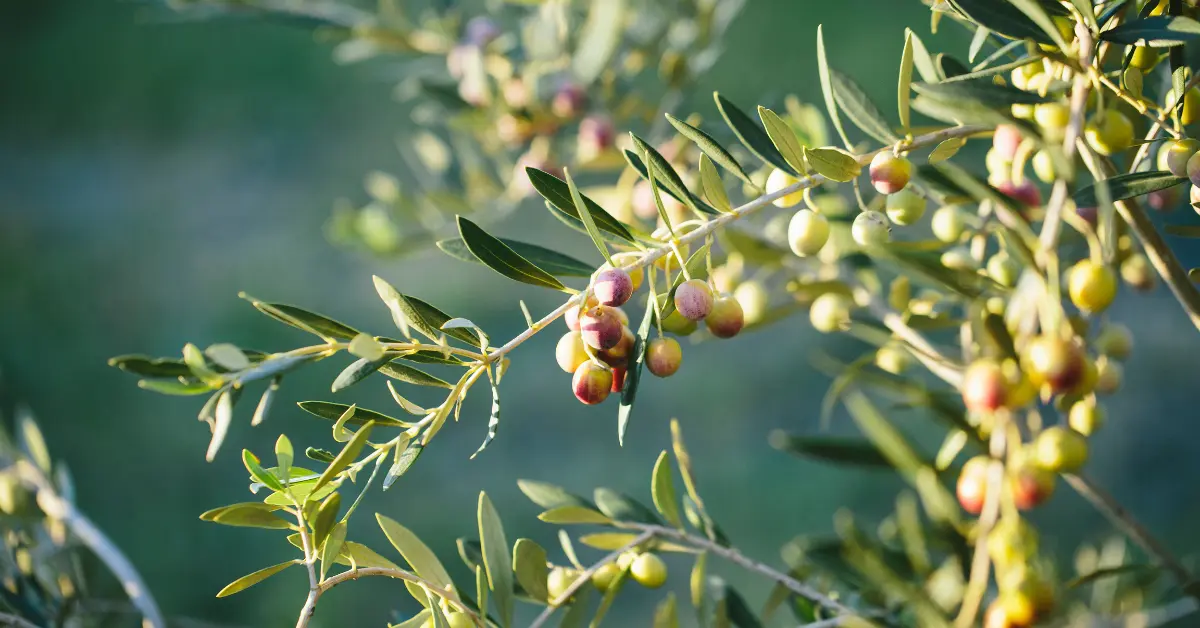
How to Grow Arbequina Olive Trees: The Ultimate Guide to Your Own Olive Grove
Arbequina Olive Tree (Olea europaea ‘Arbequina’) – the ultimate Mediterranean plant that brings a touch [...]
Oct
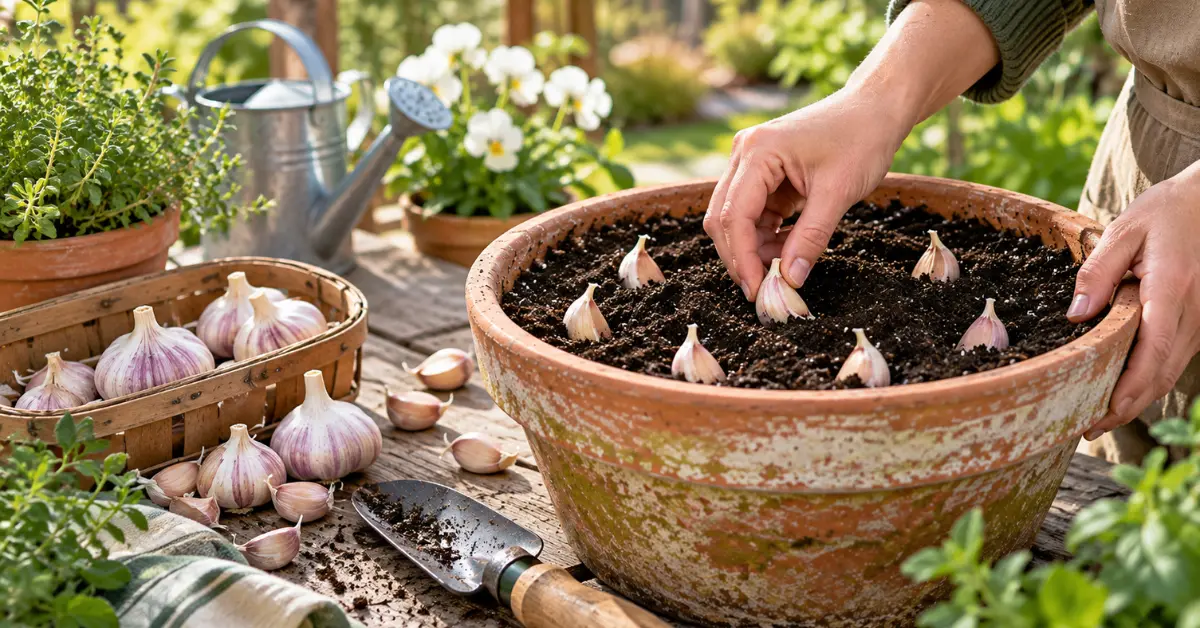
Growing Garlic in Containers This Fall: A Complete Guide for Beginners
If you’ve ever wanted to pop fresh, aromatic garlic cloves straight from your own patio [...]
Sep
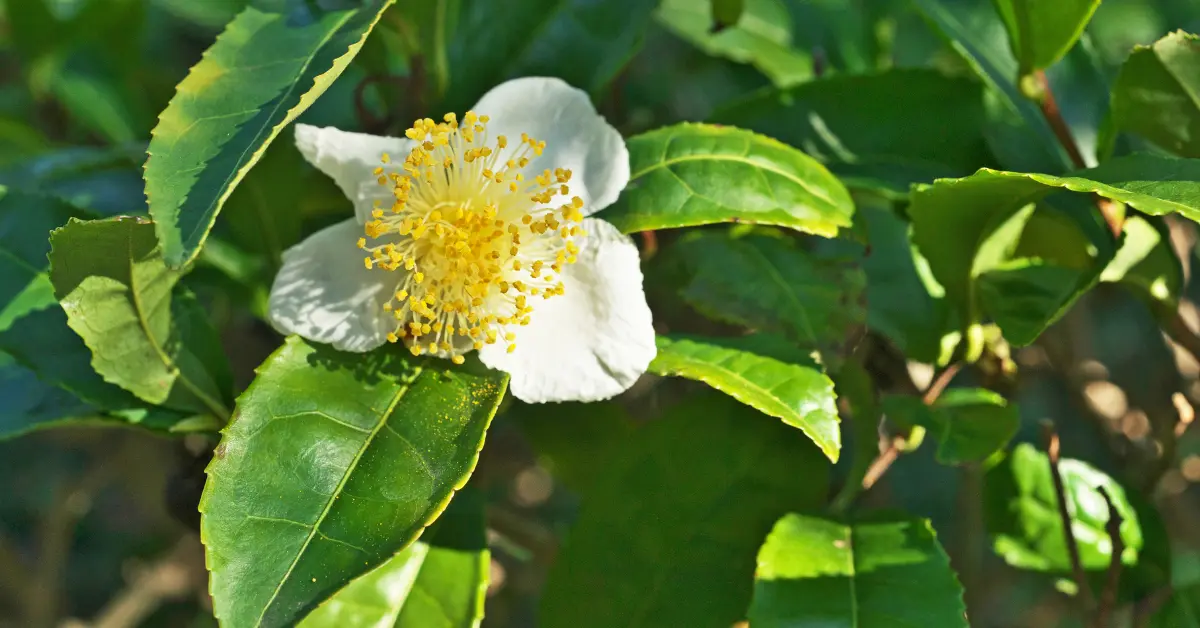
Growing Camellia Sinensis (Tea Plants) in Containers: A Complete Guide for Beginners
If you’ve ever wanted to sip a steaming, homegrown cup of fresh green, black, or [...]
Aug
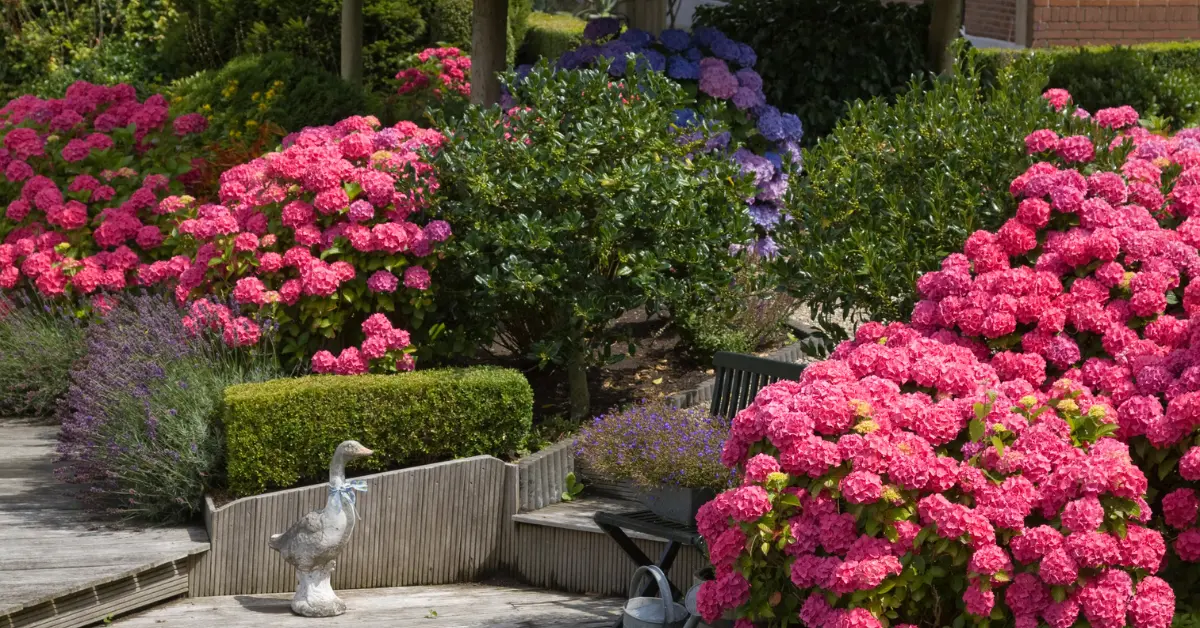
6 Best Shrubs to Plant in August You Must Try
Have you ever walked through a nursery late in the summer, admired the vibrant shrubs [...]
Aug
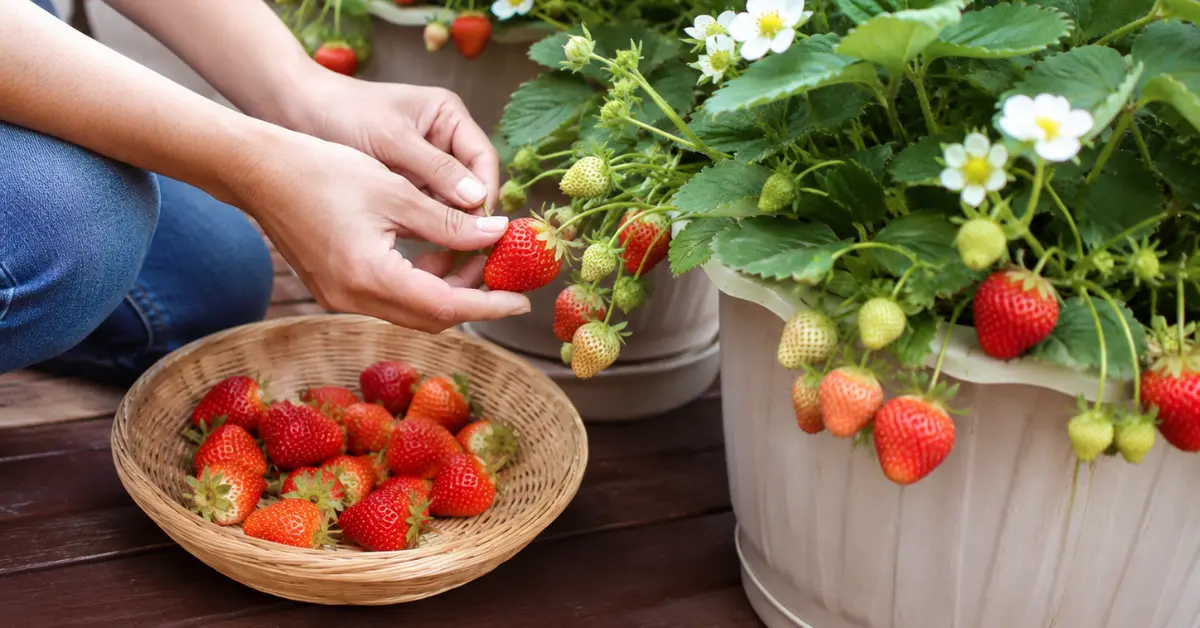
Growing Everbearing Strawberries in Containers: A Complete Guide for Beginners
Want to grow sweet, fresh strawberries but do not have a large garden? Everbearing strawberries [...]
Aug
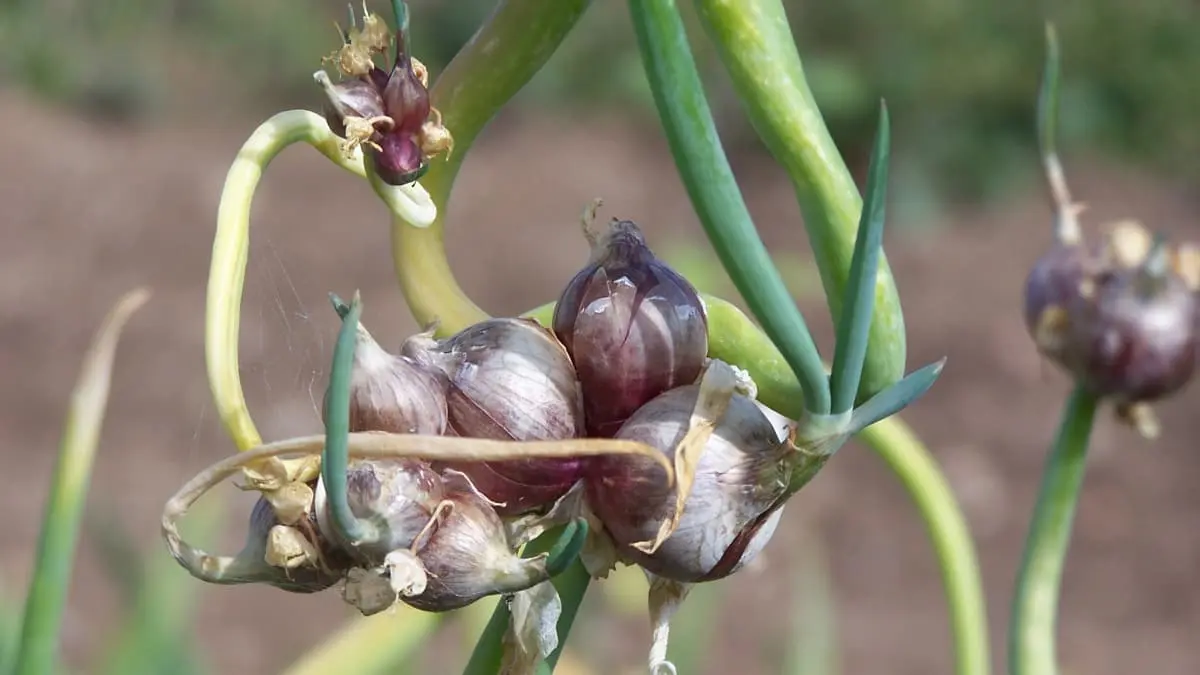
Growing Egyptian Walking Onions in Containers: A Complete Guide for Beginners
If you’re looking for a hardy, no-fuss perennial onion that keeps on giving year after [...]
Jul
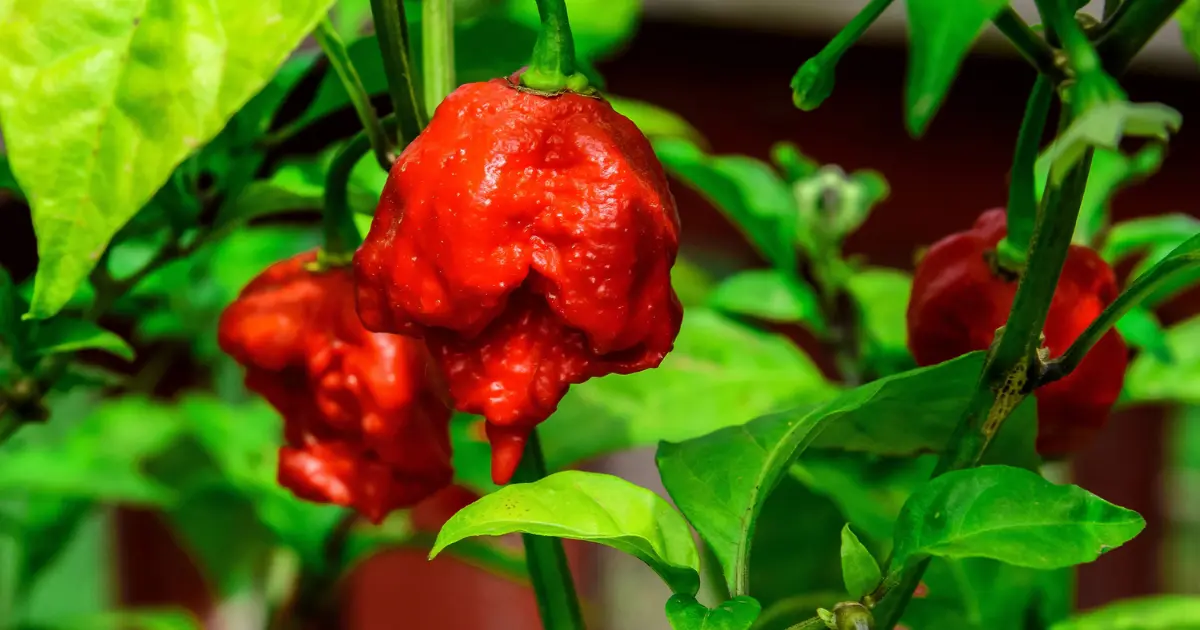
Growing Carolina Reaper Peppers in Pots: A Complete Guide for Beginners
If you’ve ever wanted to add some serious, record-breaking heat to your home cooking, you’ve [...]
May
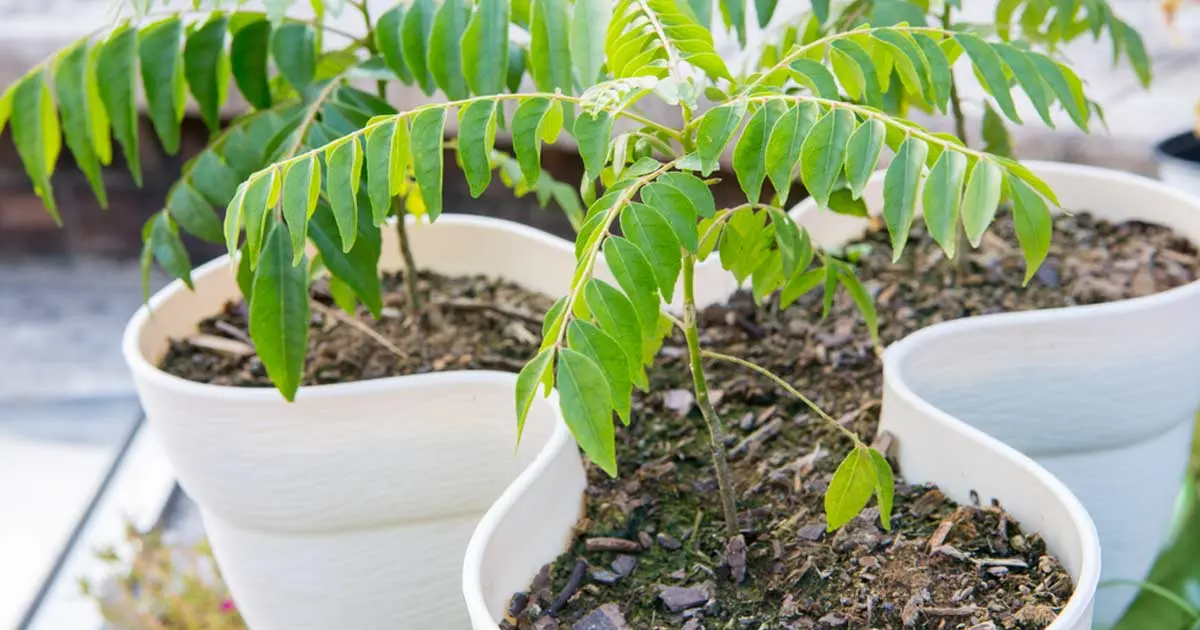
Growing Curry Leaf Plant in Pots: A Complete Guide for Beginners
If you’re a fan of authentic South Asian cuisine, you already know that nothing compares [...]
May
Reviews
There are no reviews yet.