
3 Live Lemon Balm Plug Plants – Fresh Scent Herb, Indoor/Outdoor Starter
Original price was: $72.59.$37.59Current price is: $37.59.
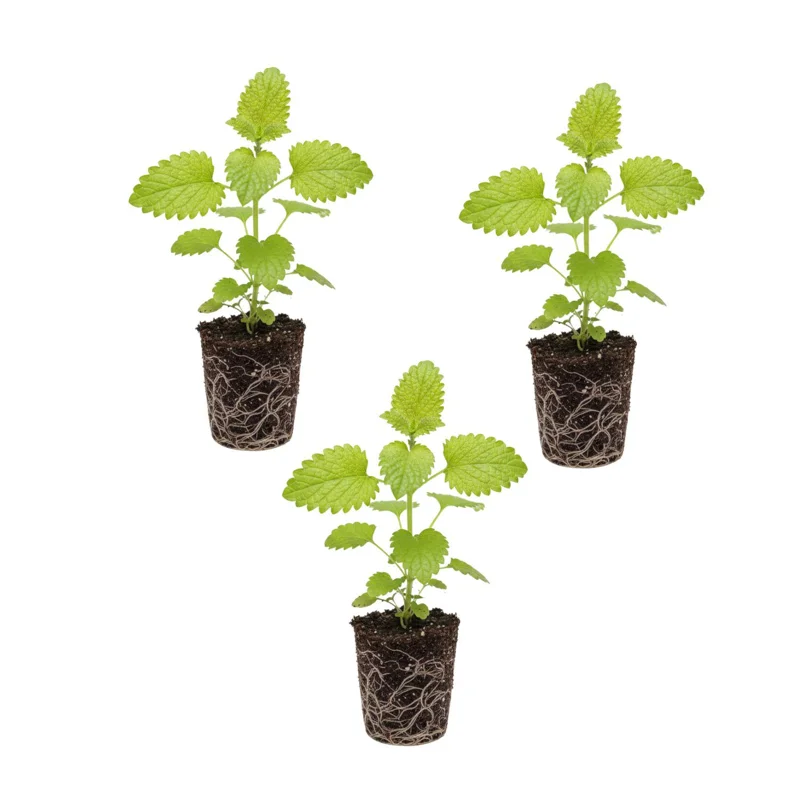
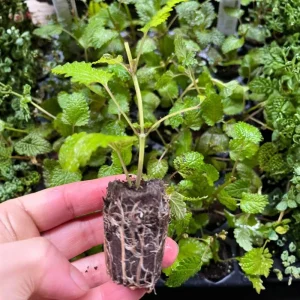
Bring a touch of freshness to your home with these 3 live lemon balm plug plants. Known for their delightful fresh lemon scent herb, these easy-to-grow starters are perfect for both indoor and outdoor spaces. Enjoy the calming aroma and vibrant green foliage of this versatile herb.
Estimated arrival
Oct 06
Oct 11 - Oct 13
Oct 16 - Oct 20

Reasonable Price
We offer reasonable price

Support 24/7
Contact us 24 hrs a day

100% Money Back
You've 30 days to Return

Payment Secure
100% secure payment
Overview
Introduce a refreshing aroma and calming presence to your living space with this offering of lemon balm live plant plugs. These three vibrant starter plants, scientifically known as Melissa officinalis, are renowned for their distinct fresh lemon scent herb, which is released with just a gentle touch of their soft green leaves. Lemon balm has been cherished for centuries, not only for its pleasant fragrance but also for its various uses, from culinary applications to aromatic infusions. These young plants are an excellent choice for anyone looking to cultivate a fragrant herb garden, whether on a windowsill, balcony, or in an outdoor garden bed. They are shipped as healthy plug plants, ready to be potted and nurtured into lush, aromatic shrubs.
Cultivating lemon balm starter plant plugs is a rewarding experience, offering both aesthetic beauty and practical benefits. The clean, calm scent of lemon balm can help create a serene atmosphere in any room. These resilient plants adapt well to various environments, making them suitable for both novice and experienced gardeners. Imagine plucking fresh leaves for a soothing tea or adding a zesty note to your favorite dishes. Our lemon balm live plant plugs provide a solid foundation for a thriving herb collection, promising growth and aromatic delight for seasons to come.
Key Benefits
Embrace the many advantages of incorporating this wonderful herb into your home and garden. The lemon balm live plant offers a unique combination of aesthetic appeal, aromatic pleasure, and ease of care, making it a truly beneficial addition to any plant collection. Its versatility ensures you’ll find countless ways to enjoy its presence.
- Delightful Aroma: Experience the uplifting and calming fragrance of fresh lemon balm. Just brushing against the leaves releases a clean, bright lemon scent that can help reduce stress and improve mood, making it a perfect aromatherapy plant for your home.
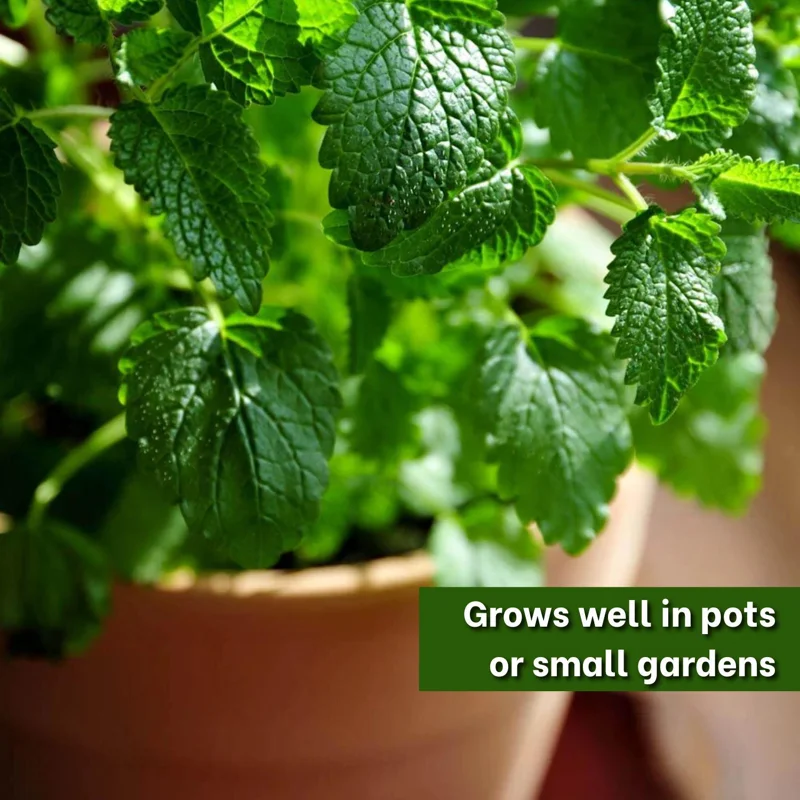
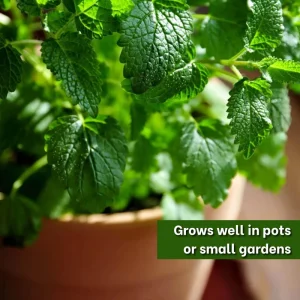
- Versatile Growth: These plants thrive in various settings, growing equally well indoors in pots or outdoors in garden beds. They are adaptable to different light conditions, making them a flexible choice for almost any location you choose.
- Easy to Maintain: Ideal for beginners, lemon balm starter plant requires minimal care. It’s forgiving of minor neglect and bounces back quickly, making it a low-stress addition to your plant collection.
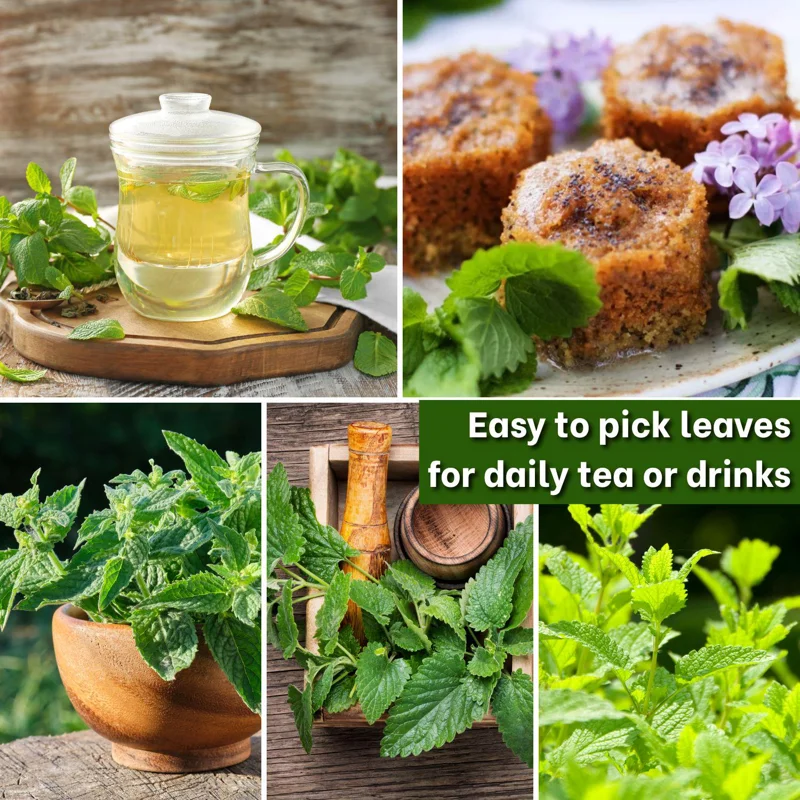
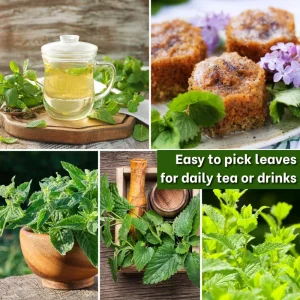
- Culinary & Medicinal Uses: Beyond its scent, lemon balm leaves can be used to make refreshing teas, add flavor to salads, or infuse beverages. Historically, it has also been used for its calming and digestive properties.
- Attractive Foliage: The soft green leaves provide a lush, vibrant appearance that enhances any decor. Its bushy growth habit adds natural beauty to windowsills, kitchen corners, or outdoor patios.
- Beginner-Friendly: If you’re new to gardening, learning to grow lemon balm indoors or outdoors is a fantastic starting point. Its resilience and straightforward needs build confidence while providing beautiful results.
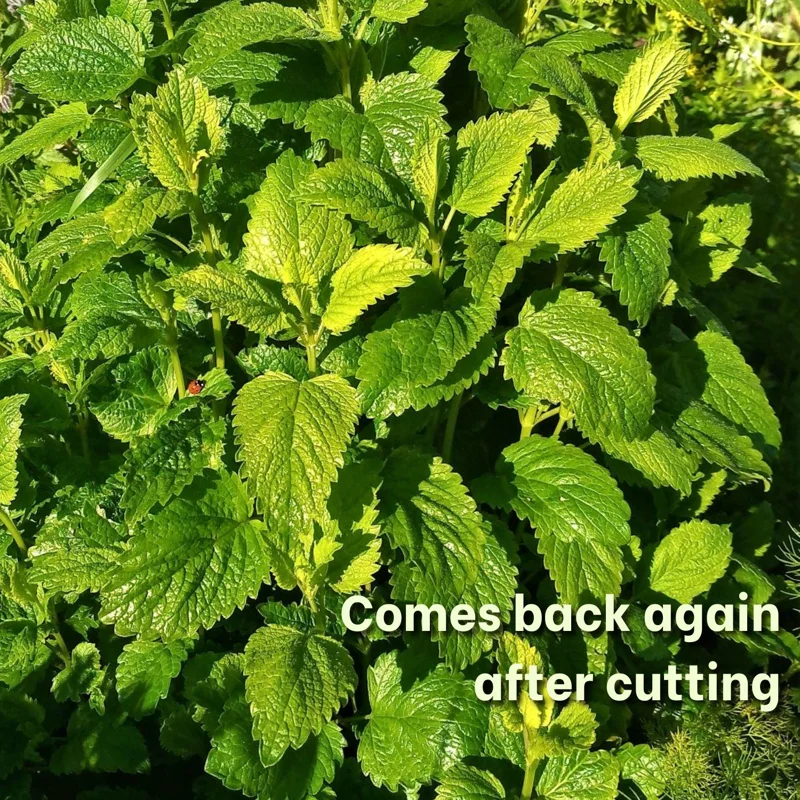
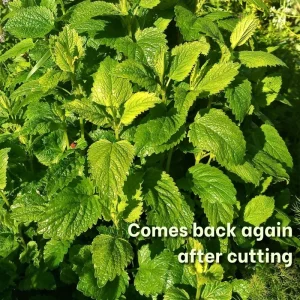
- Trimmable & Regrows: This herb can be regularly trimmed to encourage bushier growth and provide a continuous supply of fresh leaves. It quickly regrows, ensuring a steady harvest and a tidy plant.
Plant Care & Growing Tips
Caring for your lemon balm live plant plugs is straightforward, ensuring a healthy and aromatic herb for your enjoyment. Understanding its basic needs for light, water, and soil will help your plants thrive, whether you choose to keep them indoors or plant them in an outdoor garden. This hardy herb is known for its resilience, making it a great choice for gardeners of all skill levels.
For optimal growth, lemon balm starter plant prefers bright light to light sun. If growing indoors, place it near a window that receives several hours of direct morning sun or bright, indirect light throughout the day. Outdoors, a spot with partial shade, especially during the hottest parts of the afternoon, is ideal to prevent leaf scorch. Keep the soil lightly moist, but avoid overwatering, which can lead to root rot. Allow the top inch of soil to dry out slightly between waterings. Good drainage is crucial, so ensure your pot has drainage holes and use a well-draining potting mix. A general-purpose potting mix with some added perlite or sand works well.
Lemon balm is tolerant of a range of temperatures but thrives best in moderate conditions. It is generally hardy in USDA zones 4-9, meaning it can often overwinter outdoors in many regions. If growing indoors, protect it from extreme temperature fluctuations and cold drafts. Fertilize sparingly; a balanced liquid fertilizer diluted to half strength every 4-6 weeks during the growing season (spring and summer) is usually sufficient. Pruning is beneficial for encouraging bushier growth and preventing the plant from becoming leggy. Regularly pinch back the stems, especially after flowering, to maintain its shape and promote new leaf production. Watch out for common pests like aphids, though lemon balm is generally quite resistant. If you notice any, a gentle insecticidal soap can usually resolve the issue. Knowing how to provide proper lemon balm care will ensure your plants remain vigorous and fragrant.
Size & Details
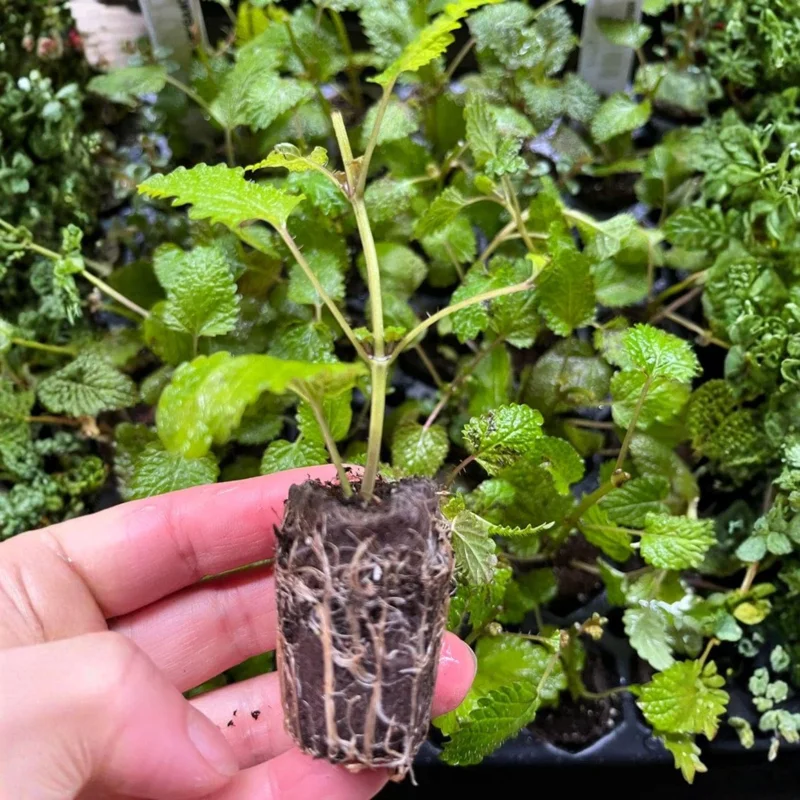
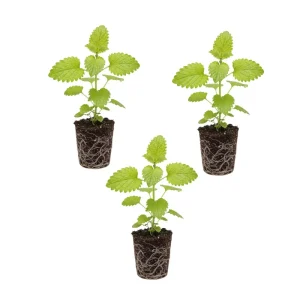
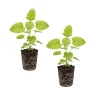
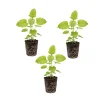
This offering includes 3 live lemon balm plug plants, each ready to be transplanted into a larger pot or directly into your garden. Plug plants are young, established seedlings, providing a robust start for your herb garden. While specific dimensions can vary slightly upon arrival, these plugs are typically 1-2 inches tall and come with a healthy root system, ensuring a smooth transition to their new home. When fully mature, a lemon balm plant can reach a height of 18-24 inches and spread equally wide, forming a dense, bushy mound of fragrant foliage. Its growth rate is moderate to fast, especially in ideal conditions, allowing you to enjoy a substantial plant within a few months.
These plants are shipped carefully packaged to minimize stress during transit, ensuring they arrive in optimal condition. They are ideal for growing in small to medium pots, making them perfect for windowsills, kitchen countertops, or balcony gardens. For outdoor planting, ensure sufficient space for their mature size. The leaves are a vibrant, soft green, providing a fresh and clean appearance. Expect to see significant growth and an abundance of aromatic leaves throughout the spring and summer months, providing a continuous supply of this delightful fresh lemon scent herb.
Frequently Asked Questions
- Q: How big do these lemon balm plug plants get? A: Each plug plant is typically 1-2 inches tall upon arrival. With proper lemon balm care, a mature plant can grow to be 18-24 inches tall and wide, forming a lovely bushy herb.
- Q: Is this an indoor or outdoor plant? A: This lemon balm live plant is highly versatile and thrives both indoors as a potted plant and outdoors in garden beds. It adapts well to various environments.
- Q: How much sunlight does lemon balm need? A: Lemon balm prefers bright light to light sun. Indoors, place it near a bright window. Outdoors, it does best with morning sun and some afternoon shade, especially in hot climates.
- Q: Is this plant easy to care for? Is it good for beginners? A: Yes, lemon balm is considered a very easy-to-care-for herb and is an excellent choice for beginners. Its resilience and forgiving nature make it a joy to grow.
- Q: What condition will the 3 live lemon balm plug plants arrive in? A: The plug plants are carefully packaged to ensure they arrive healthy, with an established root system, ready for transplanting into your desired pot or garden location.
- Q: Can I use fresh lemon balm leaves in cooking or for tea? A: Absolutely! The leaves of this fresh lemon scent herb are perfect for making soothing teas, adding a citrusy flavor to salads, desserts, or infusing beverages.
- Q: When is the best time to plant these lemon balm plugs? A: These plugs can be planted year-round indoors. If planting outdoors, spring after the last frost is generally the best time, allowing them to establish before summer heat.
- Q: What kind of soil does lemon balm prefer? A: Lemon balm thrives in well-draining soil. A standard potting mix for containers or rich, loamy garden soil amended with compost works well.
- Q: Will this lemon balm starter plant survive winter? A: Lemon balm is perennial in USDA zones 4-9 and can often overwinter outdoors in these regions. In colder zones, it may die back but often returns in spring, or it can be brought indoors.
- Q: How often should I water my lemon balm? A: Keep the soil lightly moist. Allow the top inch of soil to dry out slightly between waterings to prevent overwatering and root rot.
Be the first to review “3 Live Lemon Balm Plug Plants – Fresh Scent Herb, Indoor/Outdoor Starter”
-
USDA Hardiness Zone
USDA zones 4-9 -
Soil Type
Well-draining potting mix -
Sunlight Exposure
Bright light or light sun -
Expected Planting Period
Year-round indoors, spring to early summer outdoors
People Also Viewd


Sold 134 products
Original price was: $3,536.00.$23.99Current price is: $23.99.

Sold 132 products
Original price was: $27.00.$24.00Current price is: $24.00.

Sold 132 products
Original price was: $89.99.$64.99Current price is: $64.99.

Sold 125 products
Original price was: $86.99.$66.99Current price is: $66.99.

Flower Bulbs
3 Cranesbill Wild Geranium Organic Maculatums Bare Roots | Wildflower for Outdoor Garden
Sold 116 products
Original price was: $21.99.$9.99Current price is: $9.99.

Sold 114 products
Original price was: $28.99.$17.99Current price is: $17.99.

Sold 110 products
Original price was: $63.99.$28.99Current price is: $28.99.
Sold 108 products
Original price was: $28.99.$17.99Current price is: $17.99.RELATED posts
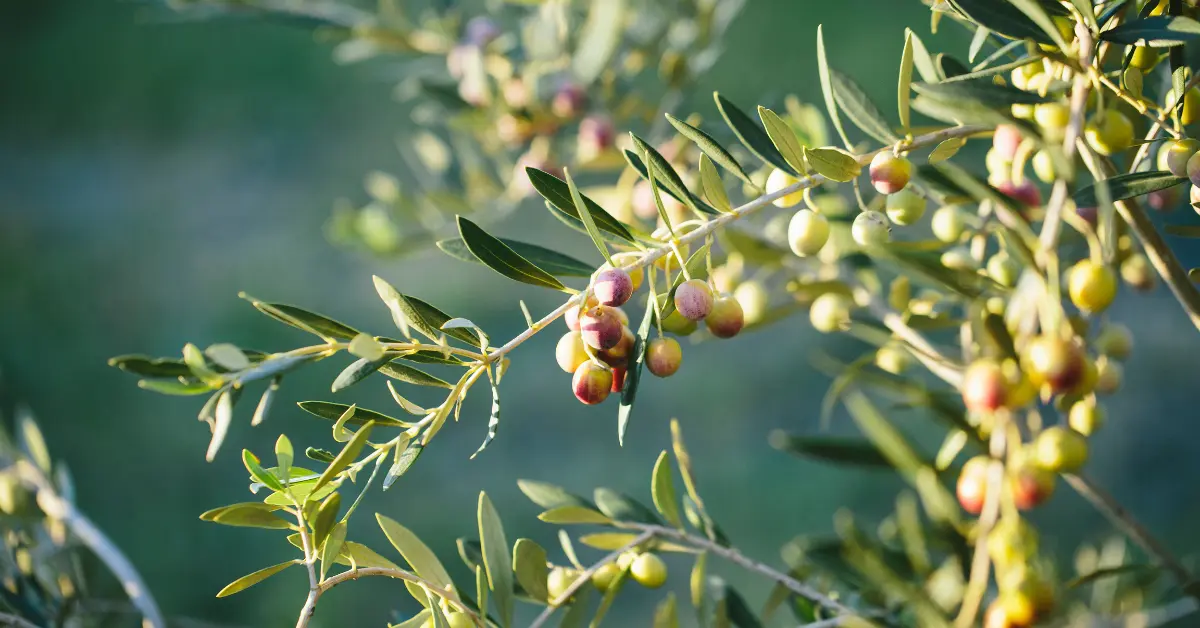
How to Grow Arbequina Olive Trees: The Ultimate Guide to Your Own Olive Grove
Arbequina Olive Tree (Olea europaea ‘Arbequina’) – the ultimate Mediterranean plant that brings a touch [...]
Oct
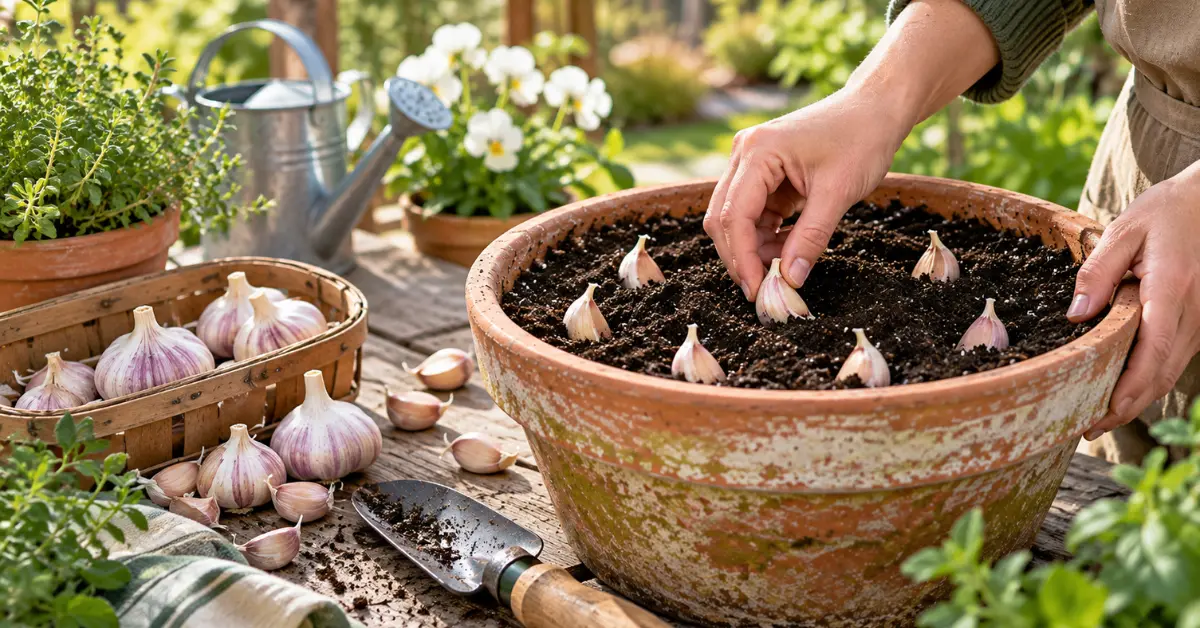
Growing Garlic in Containers This Fall: A Complete Guide for Beginners
If you’ve ever wanted to pop fresh, aromatic garlic cloves straight from your own patio [...]
Sep
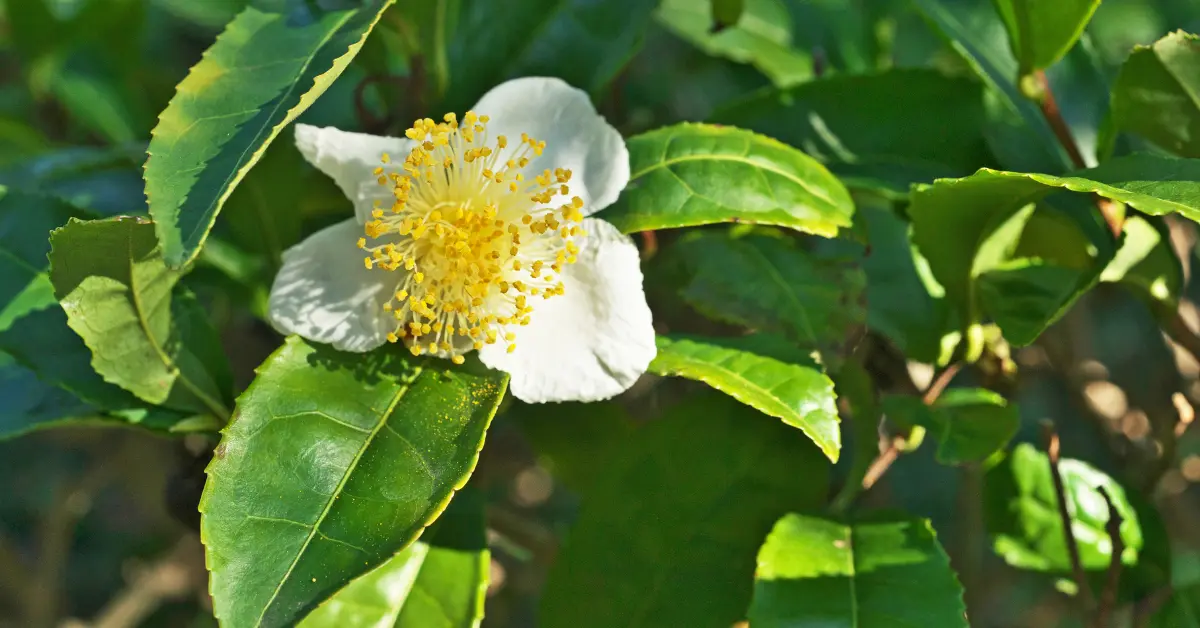
Growing Camellia Sinensis (Tea Plants) in Containers: A Complete Guide for Beginners
If you’ve ever wanted to sip a steaming, homegrown cup of fresh green, black, or [...]
Aug
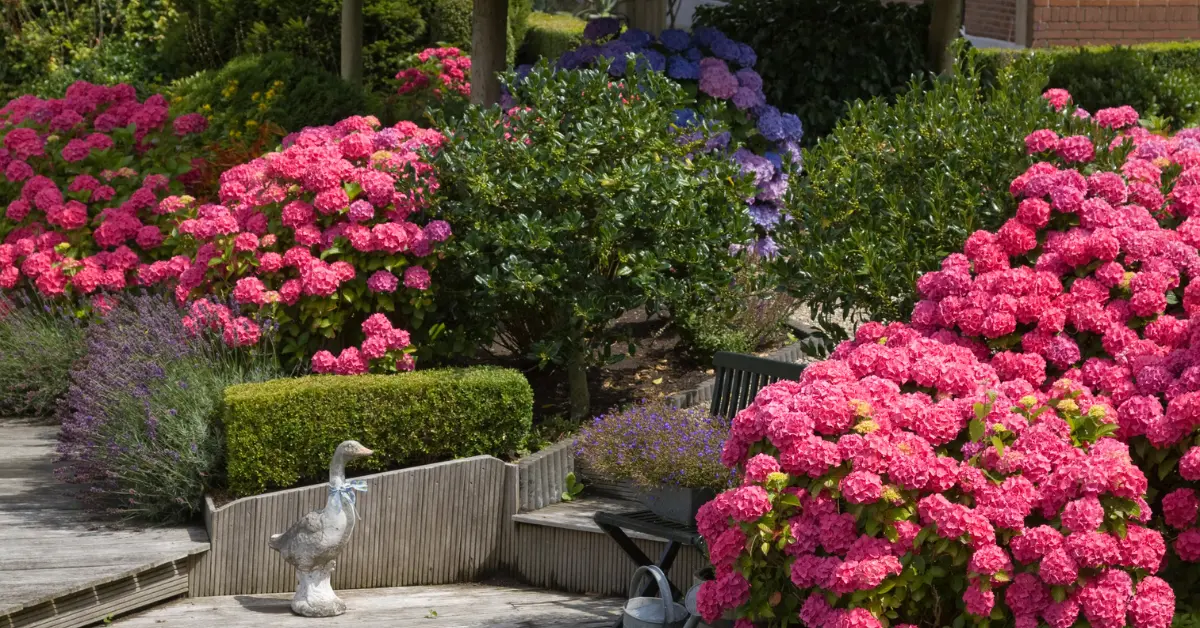
6 Best Shrubs to Plant in August You Must Try
Have you ever walked through a nursery late in the summer, admired the vibrant shrubs [...]
Aug
Growing Everbearing Strawberries in Containers: A Complete Guide for Beginners
Want to grow sweet, fresh strawberries but do not have a large garden? Everbearing strawberries [...]
Aug
Growing Egyptian Walking Onions in Containers: A Complete Guide for Beginners
If you’re looking for a hardy, no-fuss perennial onion that keeps on giving year after [...]
Jul
Growing Carolina Reaper Peppers in Pots: A Complete Guide for Beginners
If you’ve ever wanted to add some serious, record-breaking heat to your home cooking, you’ve [...]
May
Growing Curry Leaf Plant in Pots: A Complete Guide for Beginners
If you’re a fan of authentic South Asian cuisine, you already know that nothing compares [...]
May
Reviews
There are no reviews yet.