
400 Mix Double Hollyhock Flower Seeds for Planting – Alcea Rosea
Original price was: $36.98.$16.98Current price is: $16.98.
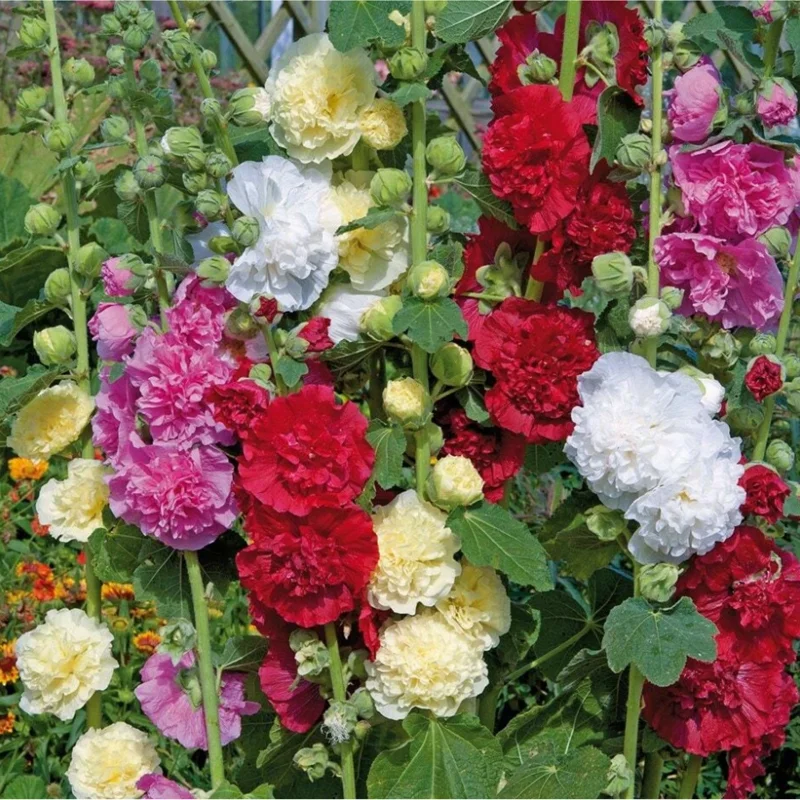
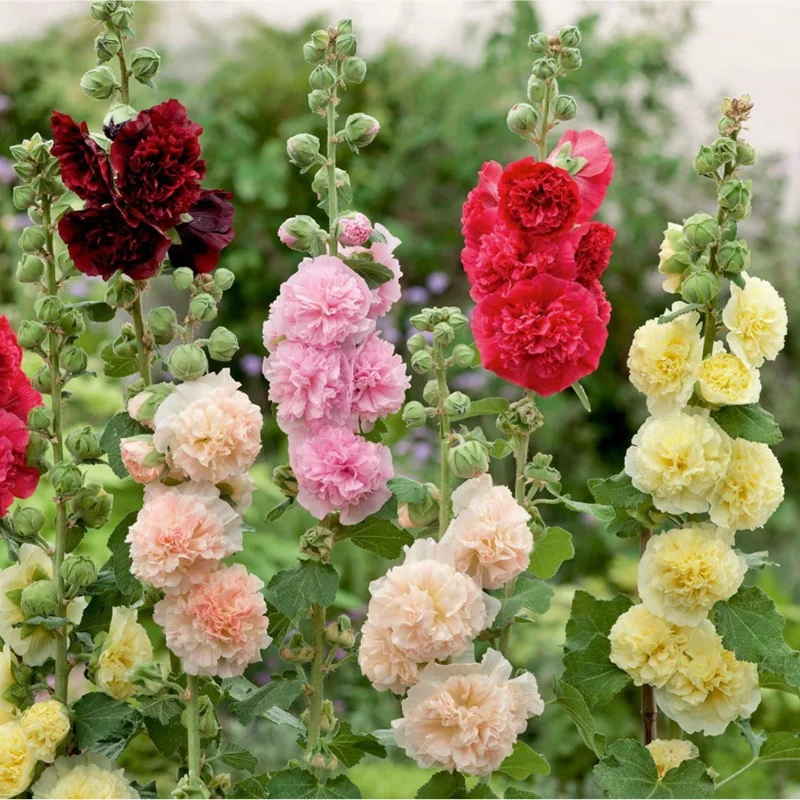
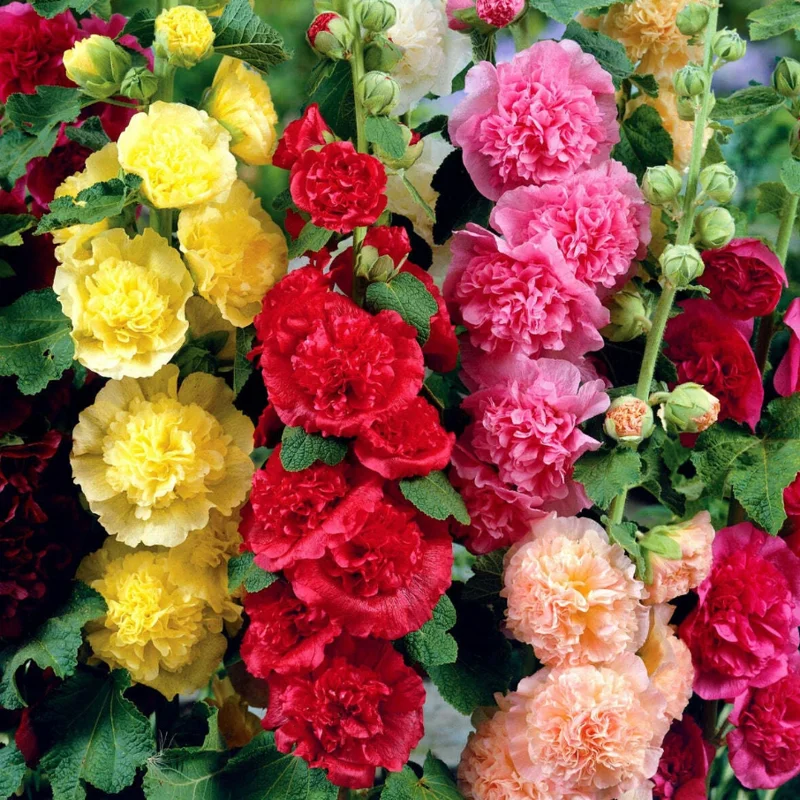
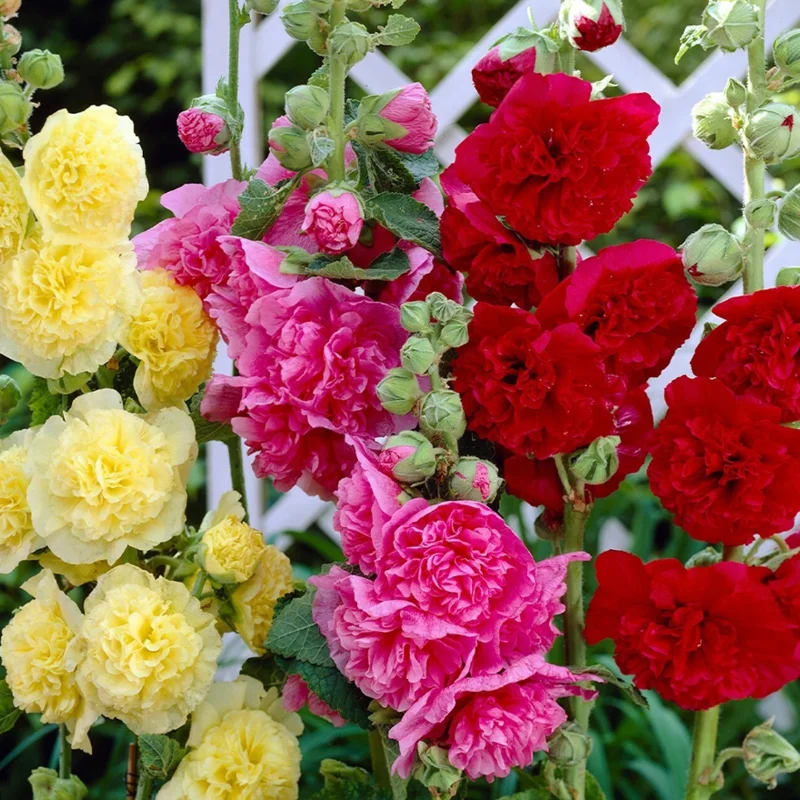
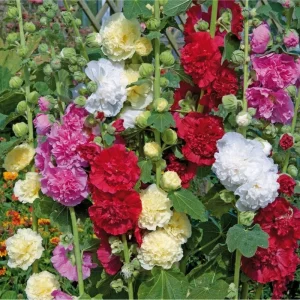
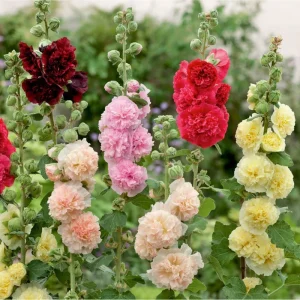
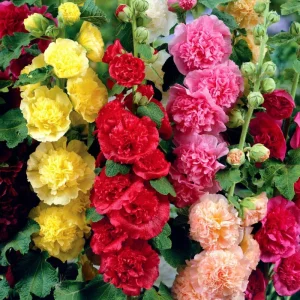
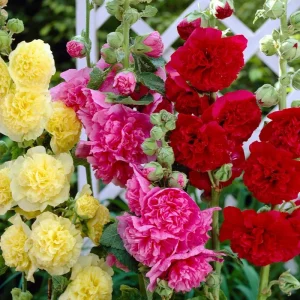
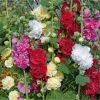
Cultivate stunning garden displays with our 400 mix double hollyhock seeds. These Alcea Rosea seeds produce magnificent, full-petaled blooms, perfect for adding vertical interest and vibrant color to any outdoor space. Ideal for both novice and experienced gardeners looking to plant hollyhock seeds and enjoy their classic charm.
Estimated arrival
Oct 11
Oct 16 - Oct 18
Oct 21 - Oct 25

Reasonable Price
We offer reasonable price

Support 24/7
Contact us 24 hrs a day

100% Money Back
You've 30 days to Return

Payment Secure
100% secure payment
Overview
Transform your garden into a vibrant showcase with our premium selection of double hollyhock seeds. This generous mix provides approximately 400 mix double hollyhock seeds, ensuring a spectacular display of these classic cottage garden favorites. Hollyhocks, scientifically known as Alcea Rosea, are renowned for their tall, stately stalks adorned with numerous large, showy flowers. Our mix features double-petaled varieties, offering a fuller, more luxurious appearance than traditional single blooms. These exceptional Alcea Rosea seeds are perfect for creating dramatic backdrops, accenting fences, or adding a touch of old-world charm to your flower beds. Growing hollyhocks from seed is a rewarding experience, leading to robust plants that return year after year, gracing your landscape with their impressive stature and abundant blossoms.
Each seed in this collection holds the promise of a beautiful, towering flower, reaching impressive heights and becoming a focal point in any garden design. Whether you’re an experienced gardener or just starting, these hollyhock flower seeds offer an accessible way to cultivate a truly stunning floral presence. With proper care and a little patience, you’ll soon be enjoying the majestic beauty of these beloved biennials or short-lived perennials.
Key Benefits
Plant hollyhock seeds and unlock a myriad of benefits for your garden and local ecosystem. These magnificent plants offer more than just beauty; they provide lasting value and joy.
- Stunning Visual Impact: Double hollyhocks create a dramatic vertical element in any garden, with their tall spikes covered in lush, full-petaled flowers. They draw the eye upward, adding depth and grandeur to your landscape.
- Attracts Pollinators: The vibrant blooms of Alcea Rosea seeds are a magnet for bees, butterflies, and hummingbirds, contributing to the health and biodiversity of your garden ecosystem.
- Classic Cottage Garden Charm: These flowers are quintessential elements of traditional cottage gardens, evoking a sense of nostalgia and timeless beauty. They pair wonderfully with other classic perennials.
- Easy to Grow from Seed: Even beginners will find success with growing hollyhocks. The seeds are relatively easy to germinate and establish, offering a cost-effective way to fill large spaces with color.
- Versatile Garden Use: Perfect for back borders, along fences, or as a striking focal point, these double hollyhock seeds adapt well to various garden designs and can even be grown in large containers.
- Long Blooming Season: Enjoy a prolonged period of bloom from early summer through fall, providing continuous color and interest in your garden.
- Self-Seeding Tendency: Hollyhocks often self-seed, ensuring a continuous display of new plants in subsequent years, though the double varieties may revert to single forms over time.
Plant Care & Growing Tips
Successfully growing hollyhocks from our 400 mix double hollyhock seeds requires attention to a few key factors, ensuring robust growth and abundant blooms. Hollyhocks are generally low-maintenance once established, making them a gardener’s delight.
Sunlight Requirements: Hollyhocks thrive in areas that receive at least 6 hours of direct sunlight per day. Full sun is crucial for maximizing flower production and preventing leggy growth. While they can tolerate partial shade, flowering may be reduced, and the plants might stretch more in search of light. When you plant hollyhock seeds, choose a location with ample sun exposure for the best results.
Watering Schedule and Soil Moisture: Keep the soil consistently moist but not waterlogged, especially during germination and establishment. Once mature, hollyhocks are somewhat drought-tolerant but will benefit from regular watering during dry spells. Avoid overhead watering to prevent fungal diseases; instead, water at the base of the plant. Good drainage is essential to prevent root rot.
Soil Type and Drainage Requirements: Hollyhocks prefer fertile, well-draining soil with a neutral to slightly alkaline pH. Amend heavy clay soils with organic matter like compost to improve drainage and fertility. Sandy soils can be improved by adding compost to retain moisture and nutrients. When growing hollyhocks, ensure the soil allows water to pass through readily.
Temperature Range and USDA Hardiness Zone: These plants are typically grown as biennials or short-lived perennials. They are generally hardy in USDA Zones 3-8, meaning they can withstand winter temperatures in these regions. In warmer climates (Zones 9+), they may struggle in intense summer heat and might be better grown as annuals. Optimal germination occurs at soil temperatures between 70-75°F (21-24°C).
Fertilization Schedule and Type: If your soil is rich, hollyhocks may not need much extra fertilizer. However, if growth seems slow or flowers are sparse, you can apply a balanced, all-purpose fertilizer in spring as new growth emerges. Avoid excessive nitrogen, which can lead to lush foliage but fewer flowers. A slow-release granular fertilizer or a liquid feed applied once a month during the growing season is usually sufficient for these Alcea Rosea seeds.
Common Problems and Solutions: Hollyhocks are susceptible to rust, a fungal disease that appears as orange-brown spots on leaves. To minimize rust, ensure good air circulation, avoid overhead watering, and remove affected leaves promptly. Planting resistant varieties and maintaining good garden hygiene can also help. Slugs and snails can also be an issue for young seedlings; use appropriate organic controls if necessary. Staking taller varieties can prevent stems from falling over in wind or heavy rain.
Size & Details
This product includes approximately 400 mix double hollyhock seeds, providing a generous quantity for extensive planting or multiple seasons of enjoyment. When mature, hollyhock plants typically reach impressive heights of 5 to 8 feet, and sometimes even taller, creating a dramatic vertical accent in the garden. Their width can range from 1 to 2 feet, depending on variety and growing conditions. The large, double flowers can measure 3 to 6 inches across, forming dense spikes of color. These hollyhock flower seeds are shipped in a protective packet, ensuring their viability upon arrival.
From the time you plant hollyhock seeds, you can expect germination within 10-14 days under ideal conditions. As biennials, they typically establish foliage in the first year and then bloom profusely in the second year. In some cases, if planted early enough, they may bloom in their first year. The blooming season extends from early summer through fall, offering a long period of vibrant color. These plants are known for their fast growth rate, quickly developing into substantial garden features. Each seed offers the potential for a magnificent, long-stemmed bloom that adds classic beauty to your outdoor space.
Frequently Asked Questions
- Q: How big do these hollyhock plants get? A: These double hollyhock seeds typically grow into plants that reach an impressive height of 5 to 8 feet tall, with some varieties potentially exceeding this. They can spread about 1 to 2 feet wide, creating a substantial presence in your garden.
- Q: How much sunlight do hollyhocks need? A: Hollyhocks require at least 6 hours of direct sunlight per day to thrive and produce the most abundant blooms. Choosing a full sun location is essential for successful growing hollyhocks.
- Q: Is it easy to plant hollyhock seeds for beginners? A: Yes, plant hollyhock seeds are considered relatively easy to grow, making them suitable for beginner gardeners. They have basic requirements for sunlight, water, and soil, and germinate readily.
- Q: What condition will the seeds arrive in? A: The 400 mix double hollyhock seeds will arrive in a sealed packet designed to protect them and maintain their viability until you are ready to plant them.
- Q: When is the best time to plant hollyhock seeds? A: The best time to plant hollyhock seeds is in late spring or early summer after the last frost, or in late summer/early fall for blooms the following year. They can also be started indoors 6-8 weeks before the last frost.
- Q: What type of soil is best for Alcea Rosea seeds? A: Alcea Rosea seeds prefer fertile, well-draining soil with a neutral to slightly alkaline pH. Good drainage is crucial to prevent root issues.
- Q: Will hollyhocks come back every year? A: Hollyhocks are typically biennials or short-lived perennials. This means they usually grow foliage the first year and bloom the second. They often self-seed, creating new plants and giving the impression of returning year after year, especially with these hollyhock flower seeds.
- Q: Are these single or double flower hollyhocks? A: This mix is specifically for double hollyhock seeds, meaning the flowers will have many layers of petals, giving them a full, ruffled appearance.
- Q: Do these hollyhocks attract pollinators? A: Yes, the vibrant and abundant flowers produced from these double hollyhock seeds are very attractive to various pollinators, including bees, butterflies, and hummingbirds, enriching your garden’s ecosystem.
- Q: How long does it take for hollyhock seeds to germinate? A: Under optimal conditions (consistent moisture and warmth around 70-75°F or 21-24°C), you can expect these hollyhock flower seeds to germinate within 10-14 days after planting.
Be the first to review “400 Mix Double Hollyhock Flower Seeds for Planting – Alcea Rosea”
-
USDA Hardiness Zone
USDA Zones 3-8 -
Soil Type
Fertile, well-draining soil -
Sunlight Exposure
Full sun (at least 6 hours direct sunlight) -
Expected Planting Period
Late spring to early summer or late summer/early fall
People Also Viewd


Sold 134 products
Original price was: $3,536.00.$23.99Current price is: $23.99.

Sold 132 products
Original price was: $27.00.$24.00Current price is: $24.00.

Sold 132 products
Original price was: $89.99.$64.99Current price is: $64.99.

Sold 125 products
Original price was: $86.99.$66.99Current price is: $66.99.

Flower Bulbs
3 Cranesbill Wild Geranium Organic Maculatums Bare Roots | Wildflower for Outdoor Garden
Sold 116 products
Original price was: $21.99.$9.99Current price is: $9.99.

Sold 114 products
Original price was: $28.99.$17.99Current price is: $17.99.

Sold 110 products
Original price was: $63.99.$28.99Current price is: $28.99.
Sold 108 products
Original price was: $28.99.$17.99Current price is: $17.99.RELATED posts
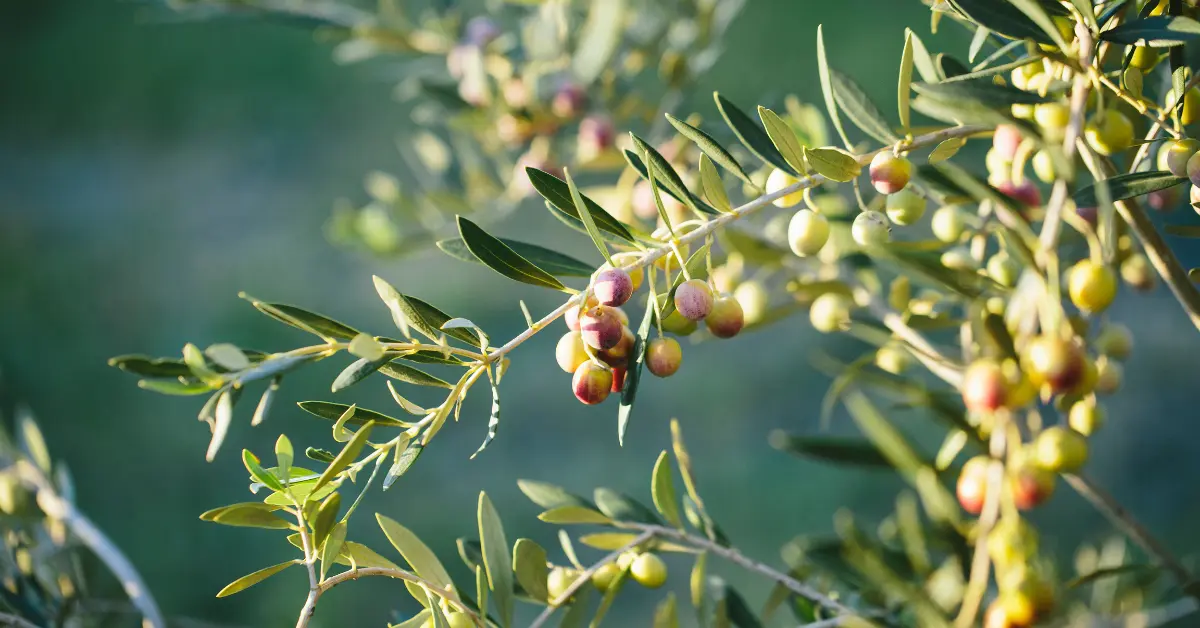
How to Grow Arbequina Olive Trees: The Ultimate Guide to Your Own Olive Grove
Arbequina Olive Tree (Olea europaea ‘Arbequina’) – the ultimate Mediterranean plant that brings a touch [...]
Oct
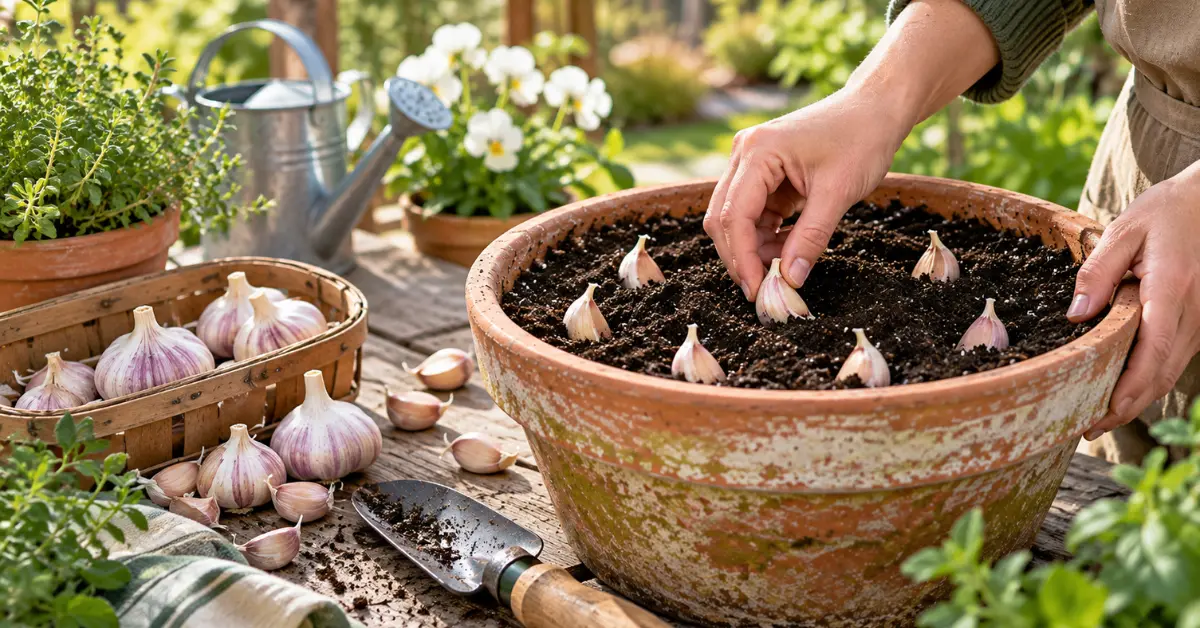
Growing Garlic in Containers This Fall: A Complete Guide for Beginners
If you’ve ever wanted to pop fresh, aromatic garlic cloves straight from your own patio [...]
Sep
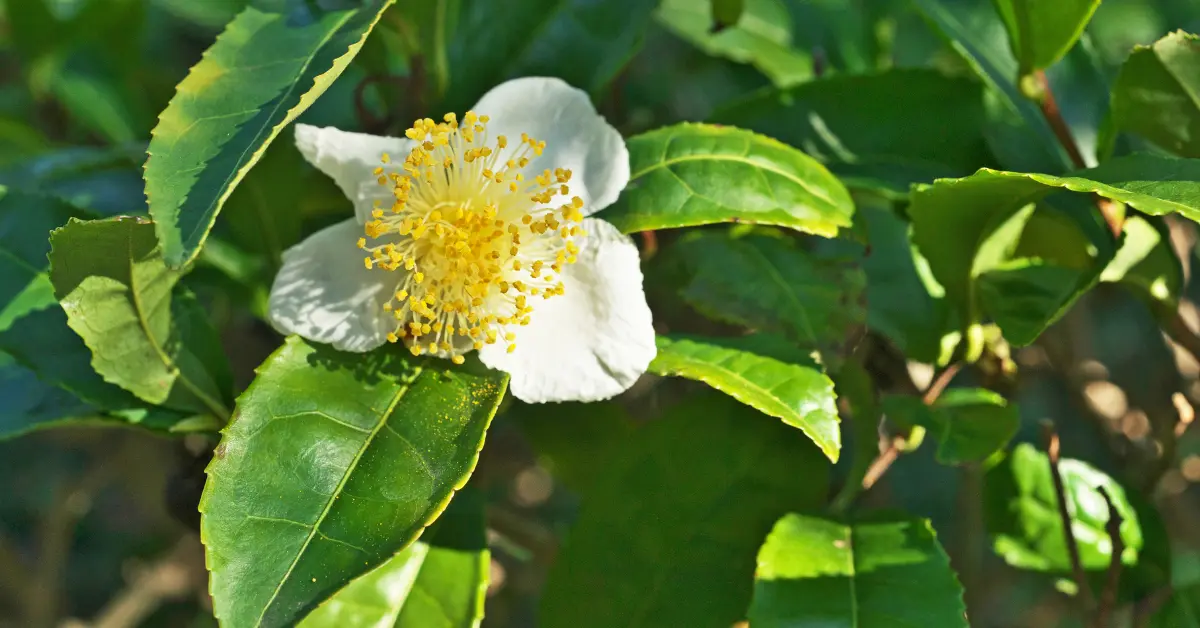
Growing Camellia Sinensis (Tea Plants) in Containers: A Complete Guide for Beginners
If you’ve ever wanted to sip a steaming, homegrown cup of fresh green, black, or [...]
Aug
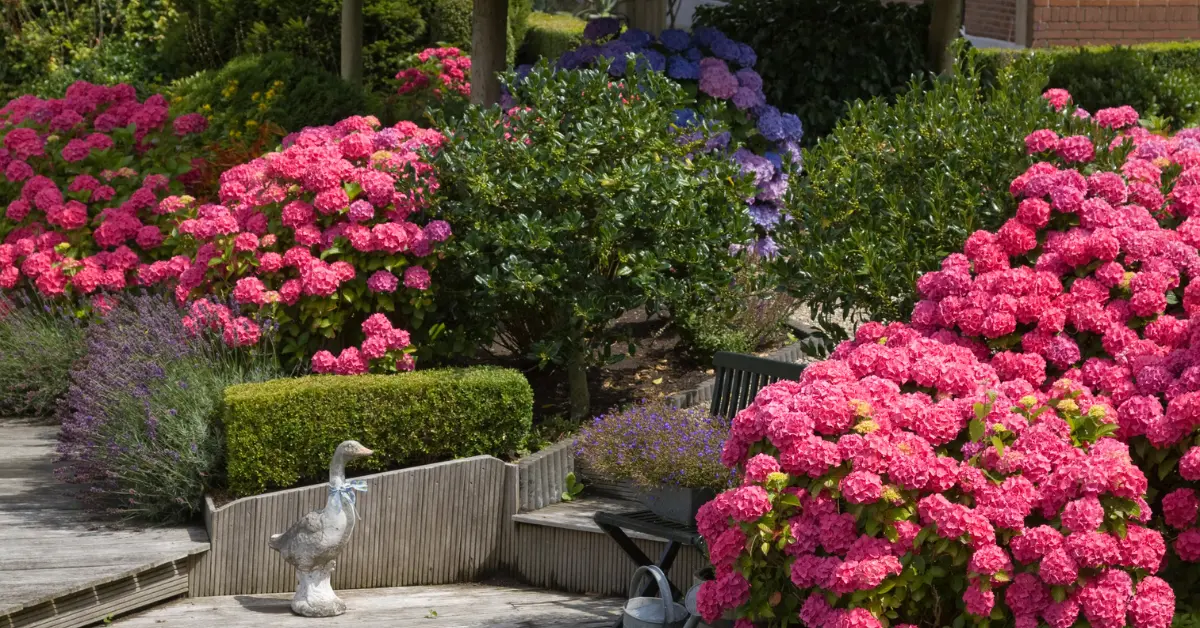
6 Best Shrubs to Plant in August You Must Try
Have you ever walked through a nursery late in the summer, admired the vibrant shrubs [...]
Aug
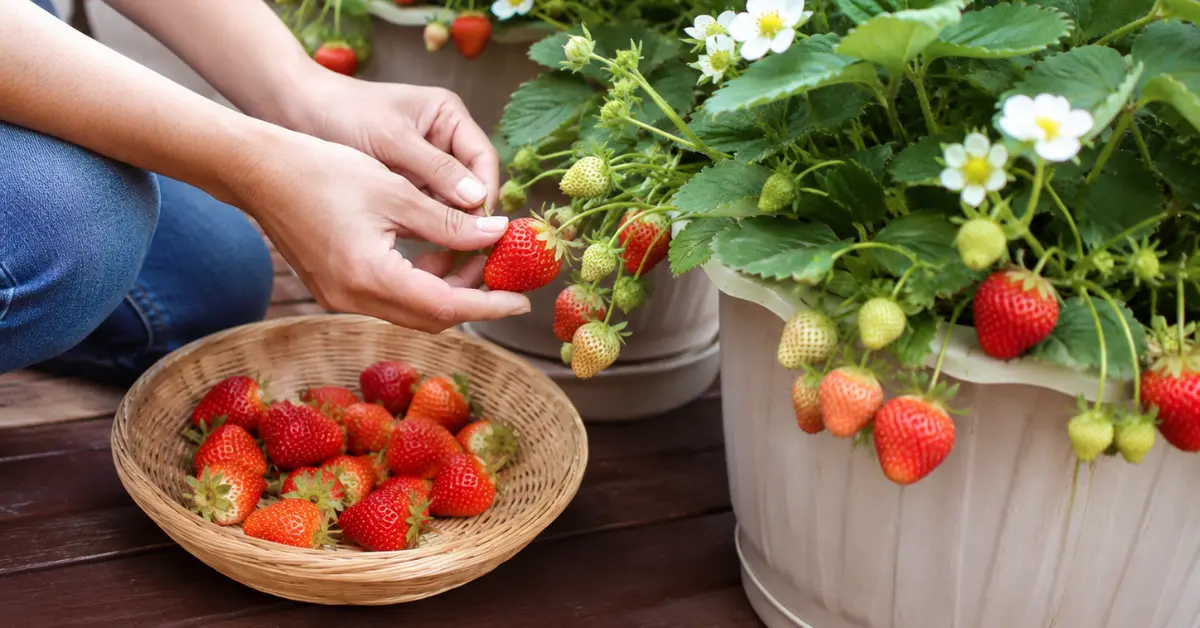
Growing Everbearing Strawberries in Containers: A Complete Guide for Beginners
Want to grow sweet, fresh strawberries but do not have a large garden? Everbearing strawberries [...]
Aug
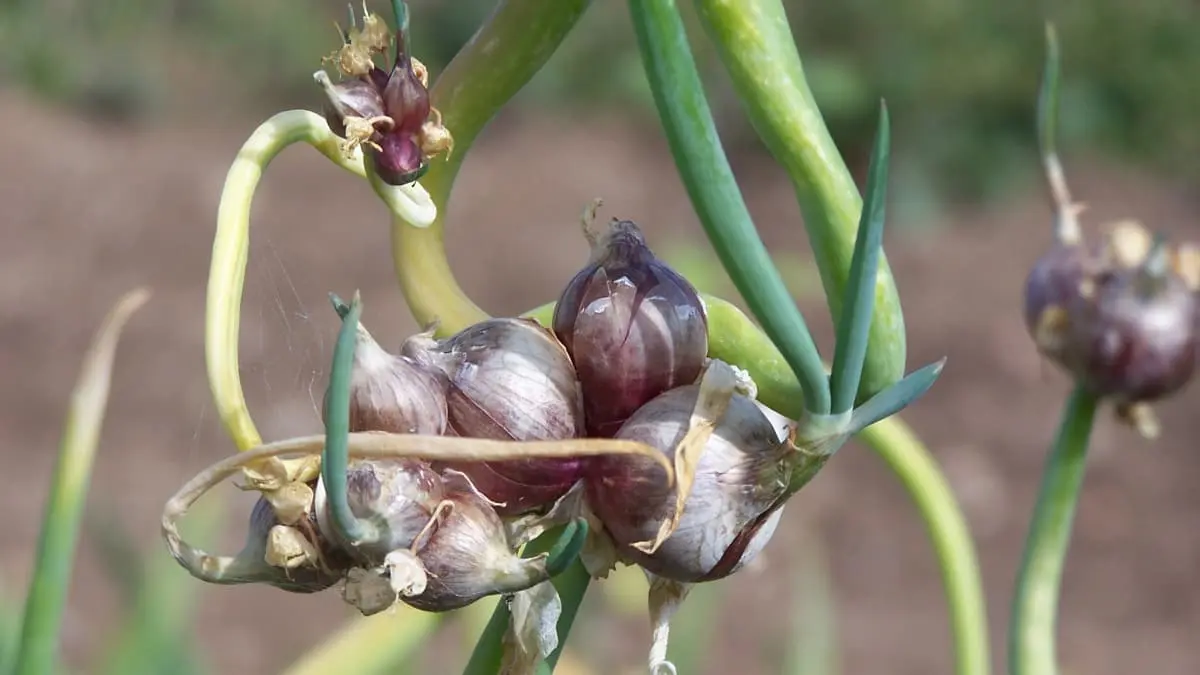
Growing Egyptian Walking Onions in Containers: A Complete Guide for Beginners
If you’re looking for a hardy, no-fuss perennial onion that keeps on giving year after [...]
Jul
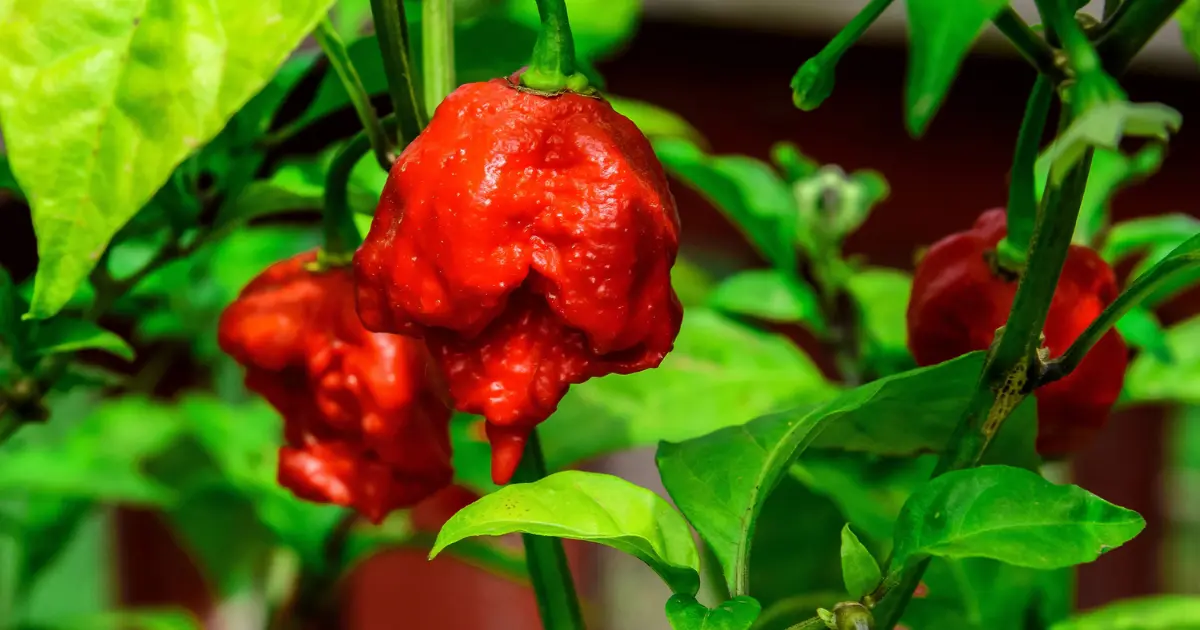
Growing Carolina Reaper Peppers in Pots: A Complete Guide for Beginners
If you’ve ever wanted to add some serious, record-breaking heat to your home cooking, you’ve [...]
May
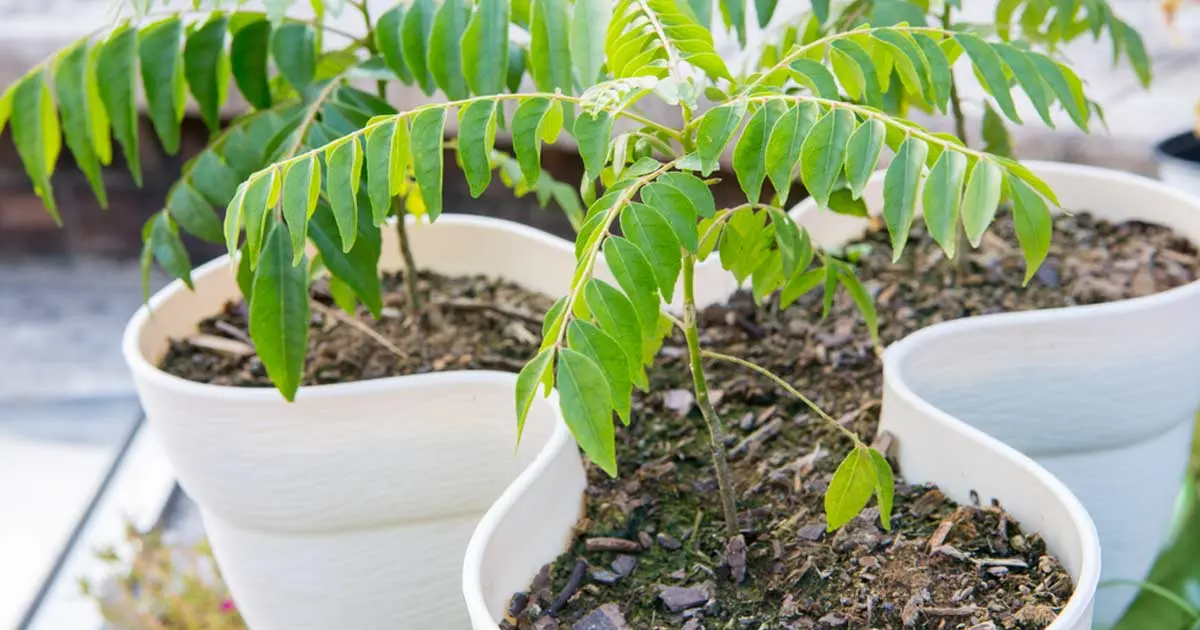
Growing Curry Leaf Plant in Pots: A Complete Guide for Beginners
If you’re a fan of authentic South Asian cuisine, you already know that nothing compares [...]
May
Reviews
There are no reviews yet.