
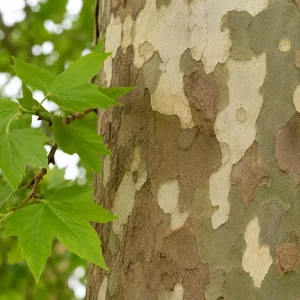
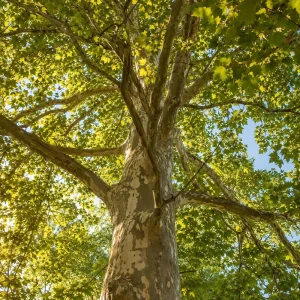
American Sycamore Live Tree Plant – 6-12 Inch Tall – Quart Pot – Outdoor
Original price was: $40.99.$20.99Current price is: $20.99.
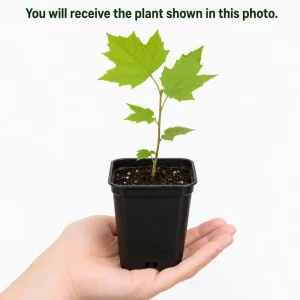
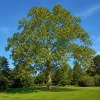
Bring the beauty of nature to your landscape with this American Sycamore live plant. Standing 6-12 inches tall in a quart pot, this young tree is ready for planting in your home garden. Known for its striking bark and large leaves, the American Sycamore tree care is straightforward for a rewarding outdoor addition.
Estimated arrival
Oct 22
Oct 27 - Oct 29
Nov 01 - Nov 05

Reasonable Price
We offer reasonable price

Support 24/7
Contact us 24 hrs a day

100% Money Back
You've 30 days to Return

Payment Secure
100% secure payment
Overview
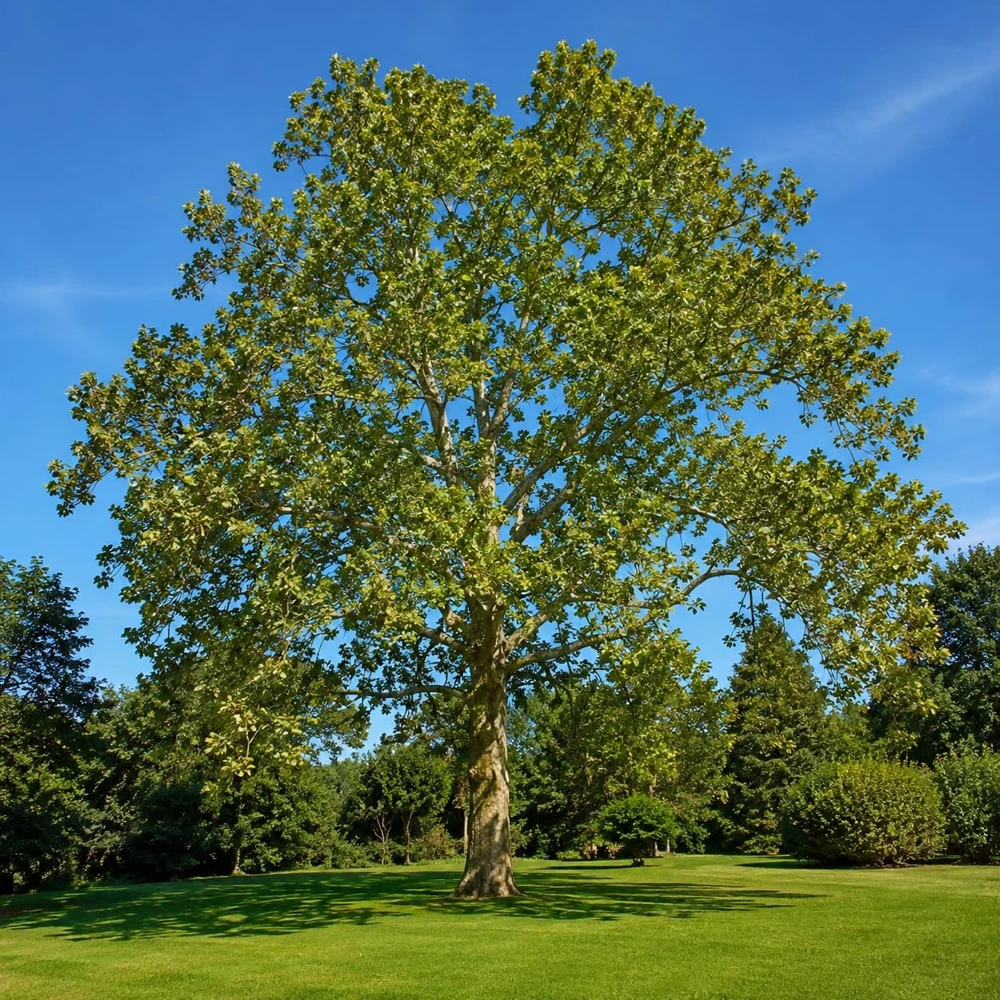
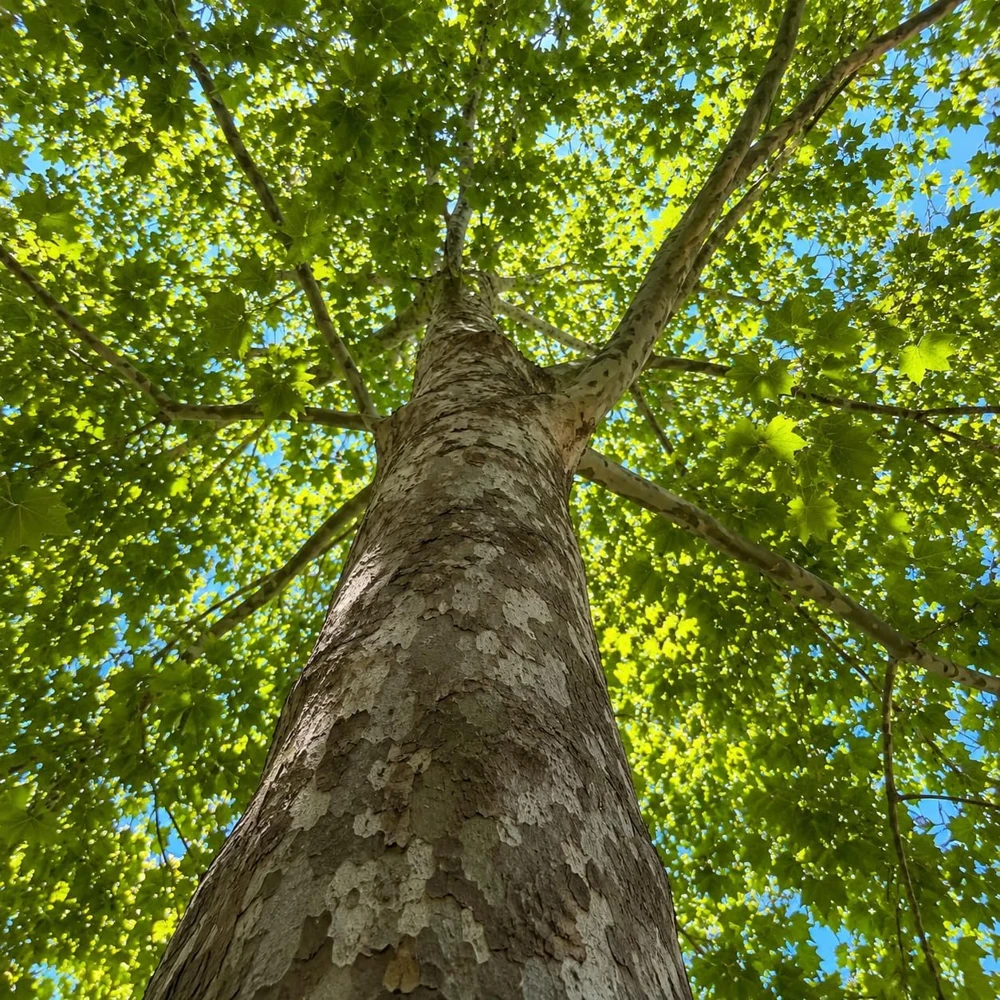
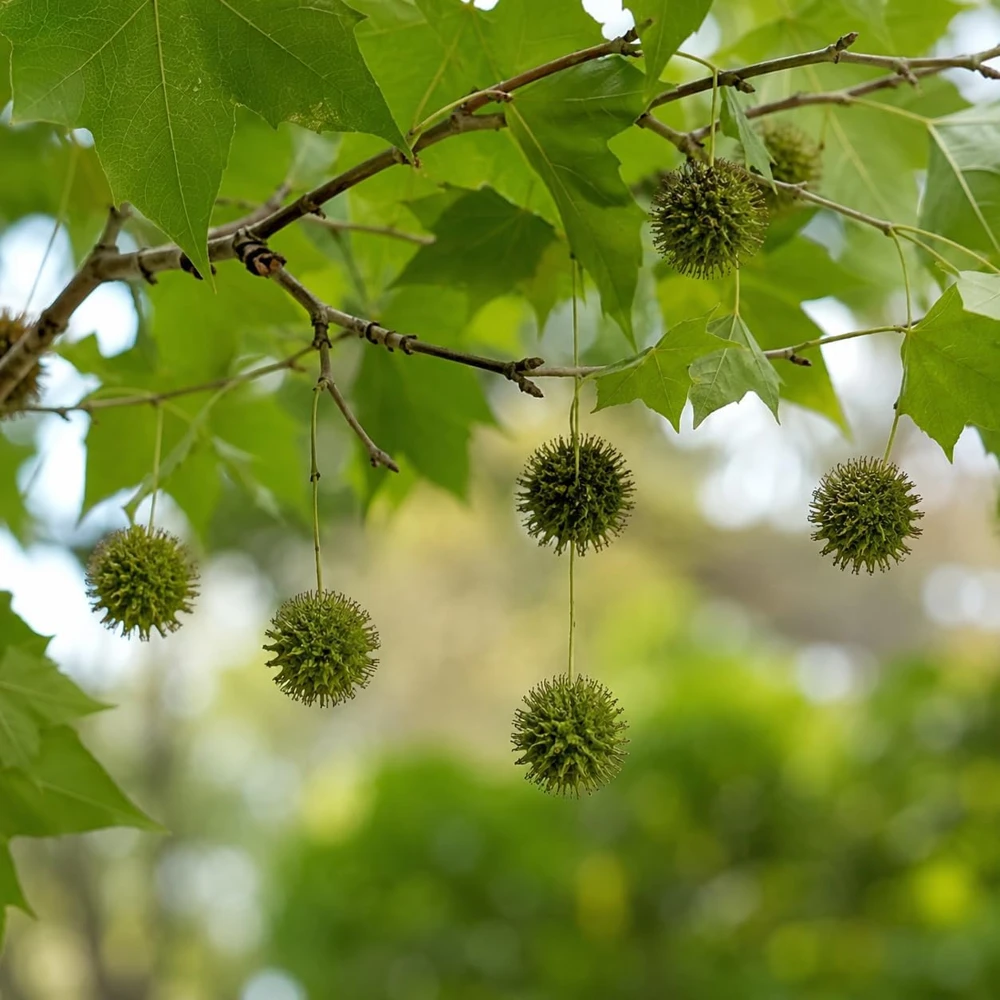
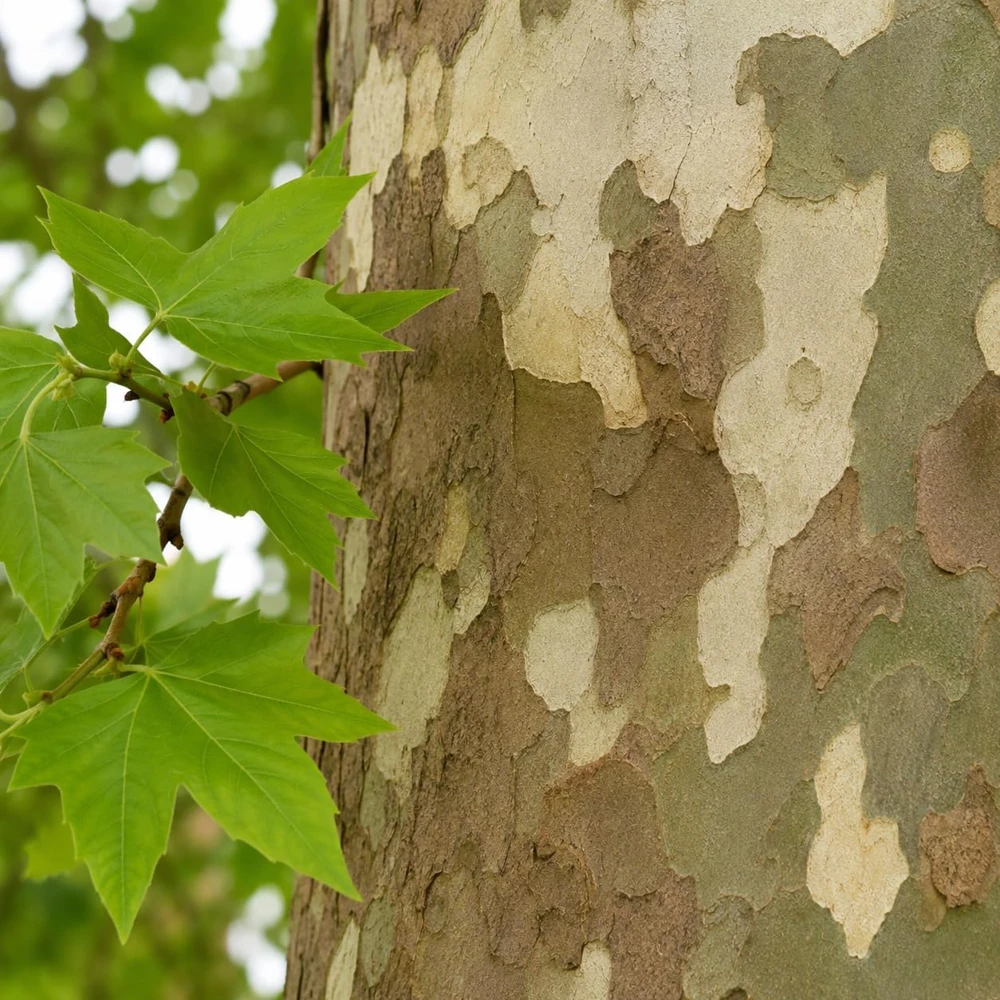
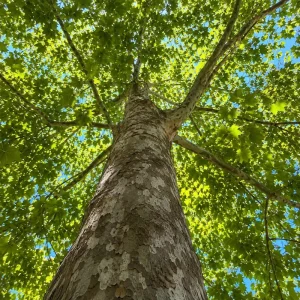
Introduce a majestic presence to your garden with an American Sycamore live plant. This deciduous tree, scientifically known as Platanus occidentalis, is a fast-growing native species renowned for its distinctive exfoliating bark, which peels away to reveal patches of white, green, and brown, creating a striking visual interest year-round. Our young American Sycamore live plant is supplied at a height of 6-12 inches in a quart pot, making it an ideal size for establishing in your home garden. It’s a fantastic choice for those looking to cultivate a significant shade tree or a prominent landscape feature. The American Sycamore live plant is celebrated for its resilience and adaptability, thriving in a variety of conditions once established. Whether you’re enhancing a large yard or beginning a new landscaping project, this sycamore offers both beauty and ecological benefits, providing habitat and food for local wildlife.
The American Sycamore is also commonly referred to as Buttonwood or Plane Tree. Its large, maple-like leaves provide dense shade in the summer, turning a lovely yellow-brown in the fall. This particular offering is for a young, vigorous specimen, ready to be nurtured into a grand centerpiece. Its rapid growth rate means you won’t have to wait long to enjoy its full splendor, making it a popular choice for those seeking impactful results in their gardening endeavors. Embrace the opportunity to grow a piece of American natural heritage right in your own backyard with this robust sapling.
Key Benefits
Choosing an American Sycamore live plant for your garden offers a multitude of advantages, enhancing both the aesthetic and ecological value of your property. Its unique characteristics make it a standout selection for various landscape designs.
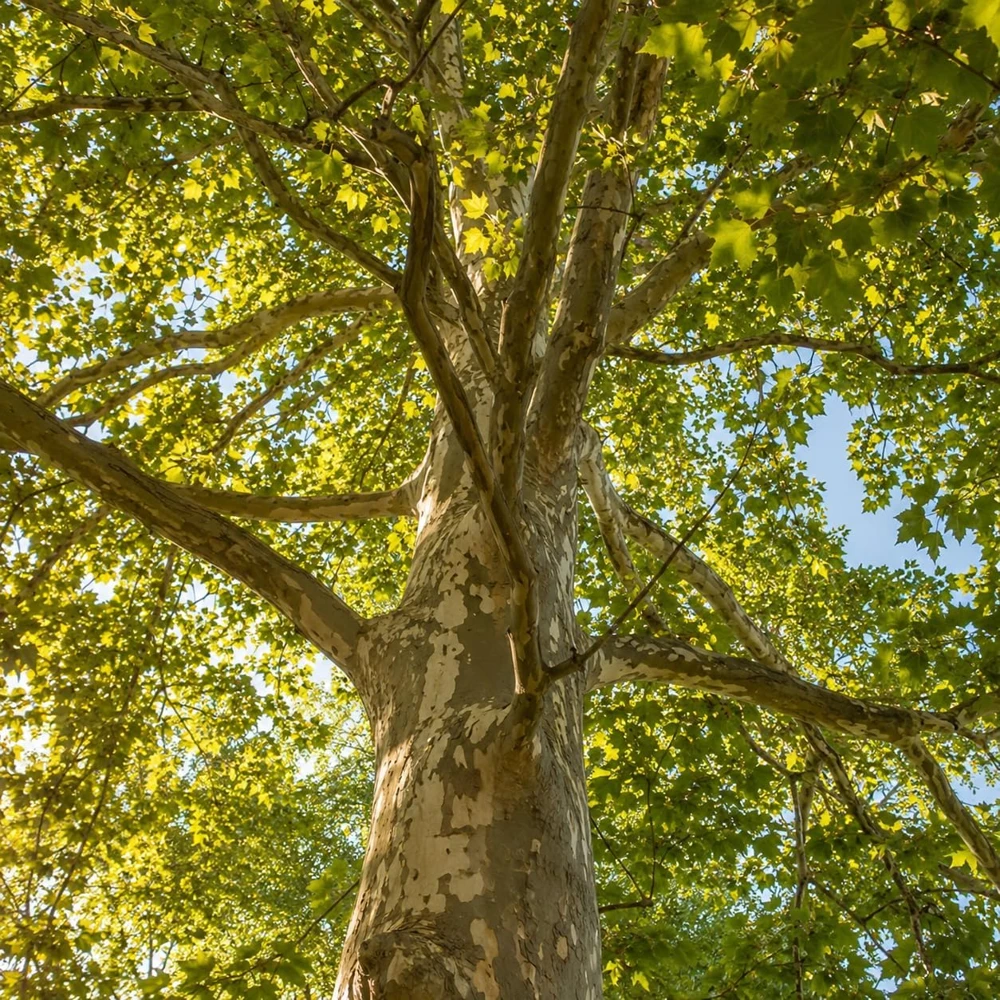
- Exceptional Shade Provider: The large canopy of a mature American Sycamore offers abundant shade, significantly cooling your outdoor spaces during hot summer months and potentially reducing energy costs for your home.
- Distinctive Ornamental Value: The striking, peeling bark of the American Sycamore live plant provides year-round visual interest, especially in winter when its unique patterns are most visible. This makes it a captivating focal point in any garden.
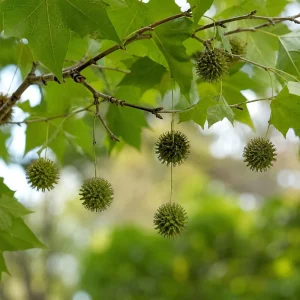
- Wildlife Habitat: This tree provides valuable shelter and nesting sites for a variety of birds and small animals, contributing positively to local biodiversity. Its seeds also serve as a food source for wildlife.
- Fast Growth Rate: Known for its relatively rapid growth, an American Sycamore tree for garden will establish quickly, allowing you to enjoy its benefits sooner compared to slower-growing species.
- Adaptability and Resilience: The American Sycamore is highly adaptable to various soil types and urban conditions, making it a robust and reliable choice for many different environments.
- Erosion Control: Its extensive root system helps to stabilize soil, making it an excellent choice for planting along riverbanks or in areas prone to erosion.
- Long Lifespan: A healthy Platanus occidentalis plant can live for centuries, becoming a legacy tree that enhances your property for generations to come.
Plant Care & Growing Tips
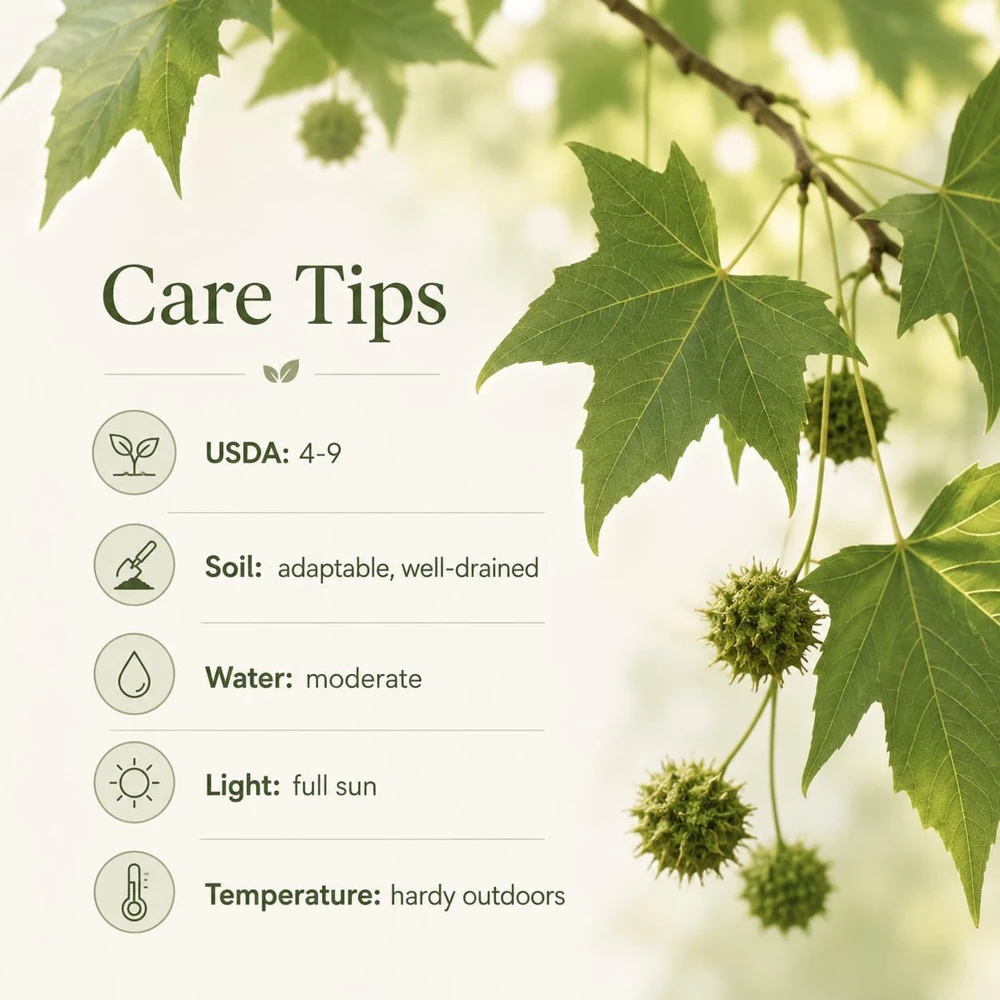
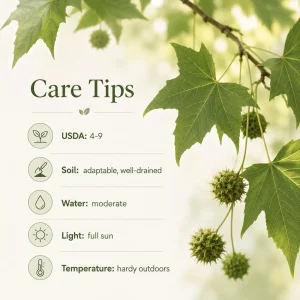
Proper American Sycamore tree care ensures a healthy and thriving specimen. This tree is relatively low-maintenance once established, but providing the right conditions from the start will promote vigorous growth. For sunlight, the American Sycamore thrives in full sun, meaning it requires at least 6 hours of direct sunlight per day. While it can tolerate some partial shade, optimal growth and health are achieved in sunnier locations. When it comes to watering, young plants should be watered regularly to keep the soil consistently moist, especially during dry spells, until they are well-established. Once mature, the tree is quite drought-tolerant, though supplemental watering during prolonged dry periods can be beneficial. The ideal soil for a Sycamore tree for garden is well-draining, moist, and deep. It is adaptable to a wide range of soil types, including clay, loam, and sand, but prefers slightly acidic to neutral pH levels. Good drainage is crucial to prevent root rot.
Fertilization is generally not necessary for established American Sycamores growing in healthy soil. However, for young trees or those in poor soil, a balanced, slow-release tree fertilizer can be applied in early spring. Follow product instructions carefully to avoid over-fertilization. The Platanus occidentalis plant is hardy in USDA Zones: 4–9, indicating its resilience to cold temperatures. It can tolerate temperatures between 50 and 90 degrees Fahrenheit, but its dormant state in winter allows it to withstand much colder conditions. Pruning should be done in late winter or early spring while the tree is dormant. Focus on removing dead, damaged, or crossing branches to maintain a strong structure and good air circulation. Regular inspection for pests and diseases, though generally resistant, can help address any issues promptly. Providing ample space for growth is also key, as this can become a large shade tree.
Size & Details
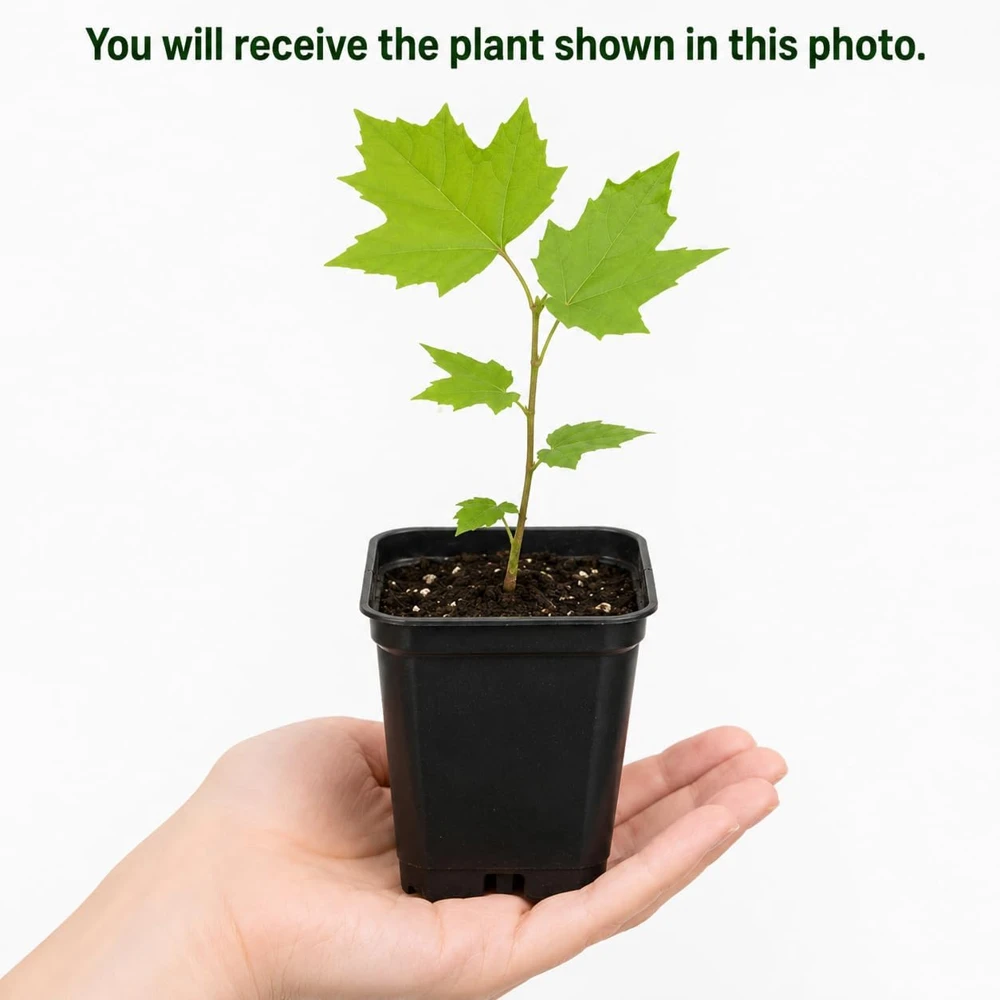
This offering is for one American Sycamore live plant, measuring approximately 6-12 inches tall from the base of the plant to the tip of its highest growth. It comes rooted in a quart-sized nursery pot, providing a healthy start for transplanting into your garden. The young tree is typically shipped dormant during the winter months, which is a natural and healthy state for deciduous trees, ensuring minimal transplant shock and robust spring growth. Once established, the American Sycamore live plant is known for its rapid growth rate, potentially adding several feet in height each year. A mature large shade tree can reach heights of 75-100 feet or more with a spread of 50-70 feet, making it a significant landscape feature. Expect the tree to begin leafing out in spring, with blooming typically occurring in spring as well, though the flowers are inconspicuous. Its ultimate size and impressive canopy make it a focal point for any property and a true Sycamore tree for garden enthusiasts.
Frequently Asked Questions
- Q: How big does this American Sycamore live plant get? A: This particular American Sycamore live plant is currently 6-12 inches tall. When mature, it can grow into a very large shade tree, typically reaching heights of 75-100 feet or more with a spread of 50-70 feet, making it an impressive landscape feature.
- Q: Is this an indoor or outdoor plant? A: The American Sycamore is an outdoor tree. It is a deciduous species that requires significant space to grow and thrives best when planted directly in the ground in a garden or landscape setting.
- Q: How much sunlight does an American Sycamore tree need? A: An American Sycamore tree for garden requires full sun exposure, meaning at least 6 hours of direct sunlight per day, for optimal growth and health. It can tolerate some partial shade but prefers sunny locations.
- Q: Is this plant easy to care for? A: Yes, once established, the American Sycamore live plant is considered relatively easy to care for. It’s quite adaptable and resilient, though young trees require consistent watering to get started.
- Q: What condition will the American Sycamore live plant arrive in? A: Your Platanus occidentalis plant will arrive as a healthy, young sapling in a quart pot. During winter, it will be dormant, which is a natural and healthy state for deciduous trees, ready to sprout new growth in spring.
- Q: When is the best time to plant an American Sycamore? A: The best time to plant an American Sycamore is in early spring or fall, allowing the tree to establish its root system before the stress of summer heat or winter cold.
- Q: Will this Sycamore tree survive winter in my zone? A: Yes, the American Sycamore is very hardy and suitable for USDA Zones: 4–9, meaning it can tolerate a wide range of winter temperatures within these zones. It is naturally dormant in winter.
- Q: What’s the minimum temperature this plant can tolerate? A: As a hardy tree in USDA Zones 4-9, the American Sycamore can withstand significant freezing temperatures when dormant. It generally thrives in temperatures between 50 and 90 degrees Fahrenheit during its active growing season.
- Q: What kind of soil is best for an American Sycamore? A: The American Sycamore is adaptable to various soil types but prefers deep, moist, well-draining soil. It can tolerate clay, loam, or sandy soils, and even urban conditions.
- Q: Why is it called a large shade tree? A: The American Sycamore develops a very broad and dense canopy at maturity, providing extensive shade, which is why it’s often referred to as a large shade tree. Its large leaves contribute to this dense coverage.
Be the first to review “American Sycamore Live Tree Plant – 6-12 Inch Tall – Quart Pot – Outdoor”
-
USDA Hardiness Zone
4–9 -
Soil Type
Well-draining soil -
Sunlight Exposure
Full sun -
Expected Planting Period
Spring or Fall
People Also Viewd


Sold 134 products
Original price was: $3,536.00.$23.99Current price is: $23.99.

Sold 132 products
Original price was: $27.00.$24.00Current price is: $24.00.

Sold 132 products
Original price was: $89.99.$64.99Current price is: $64.99.

Sold 125 products
Original price was: $86.99.$66.99Current price is: $66.99.

Flower Bulbs
3 Cranesbill Wild Geranium Organic Maculatums Bare Roots | Wildflower for Outdoor Garden
Sold 116 products
Original price was: $21.99.$9.99Current price is: $9.99.

Sold 114 products
Original price was: $28.99.$17.99Current price is: $17.99.
Sold 110 products
Original price was: $63.99.$28.99Current price is: $28.99.
Sold 108 products
Original price was: $28.99.$17.99Current price is: $17.99.RELATED posts
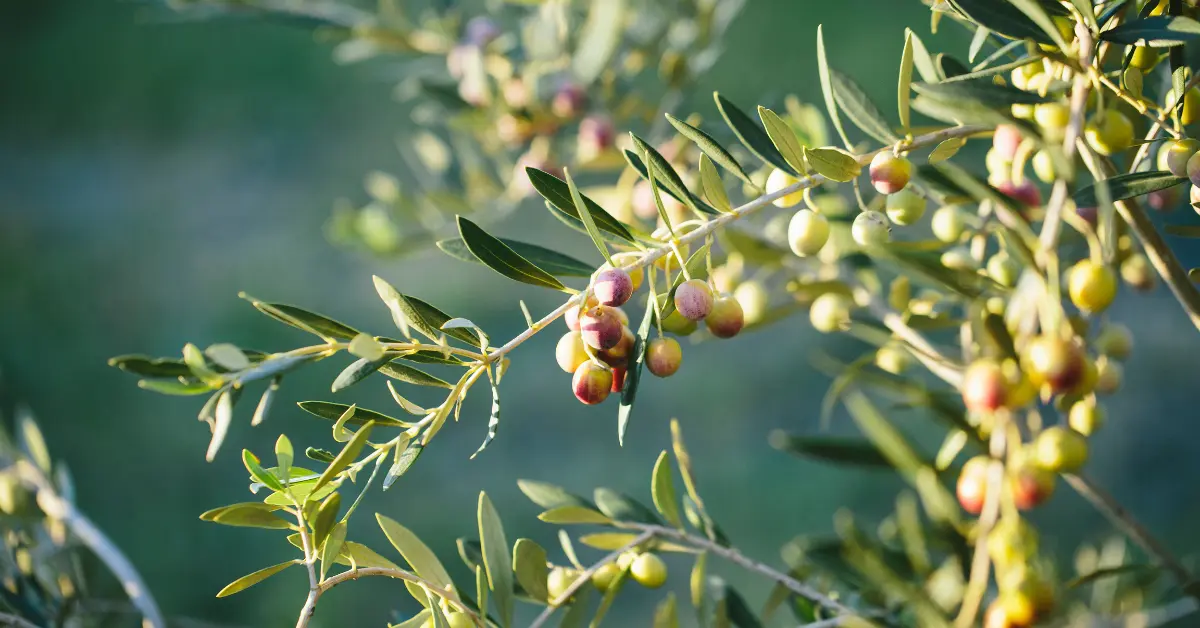
How to Grow Arbequina Olive Trees: The Ultimate Guide to Your Own Olive Grove
Arbequina Olive Tree (Olea europaea ‘Arbequina’) – the ultimate Mediterranean plant that brings a touch [...]
Oct
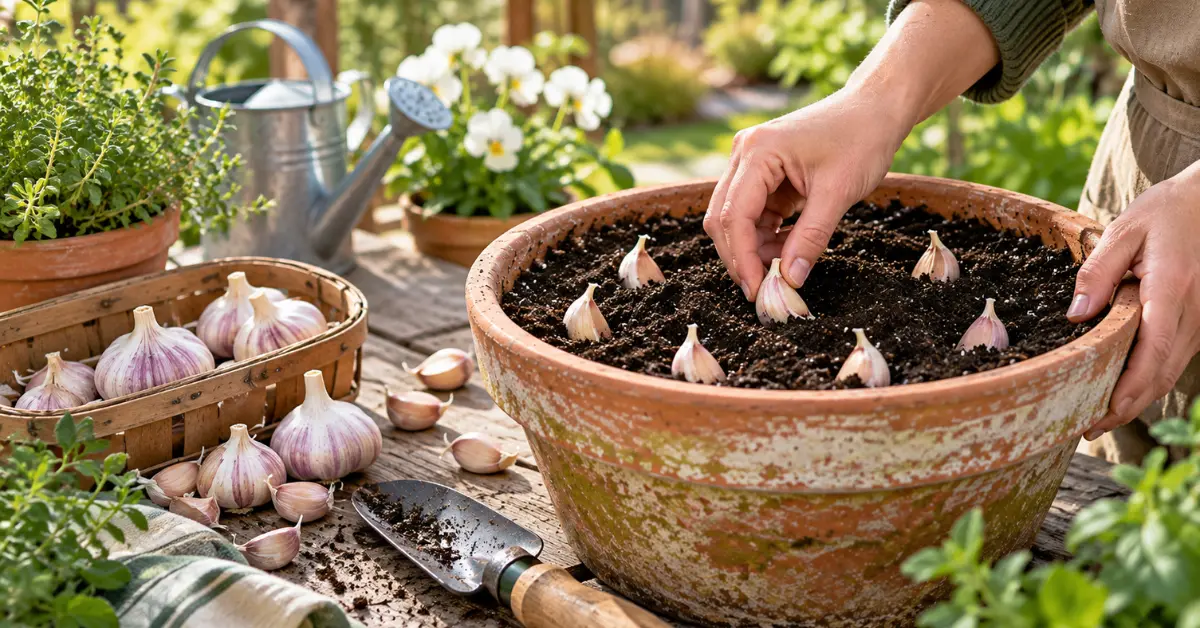
Growing Garlic in Containers This Fall: A Complete Guide for Beginners
If you’ve ever wanted to pop fresh, aromatic garlic cloves straight from your own patio [...]
Sep
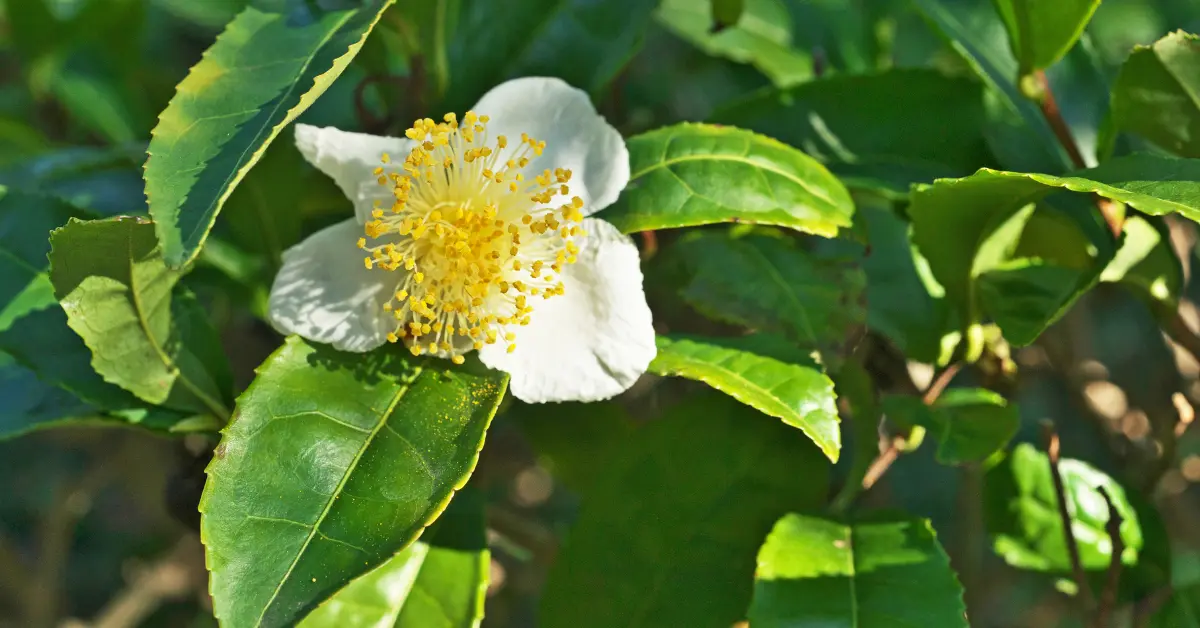
Growing Camellia Sinensis (Tea Plants) in Containers: A Complete Guide for Beginners
If you’ve ever wanted to sip a steaming, homegrown cup of fresh green, black, or [...]
Aug
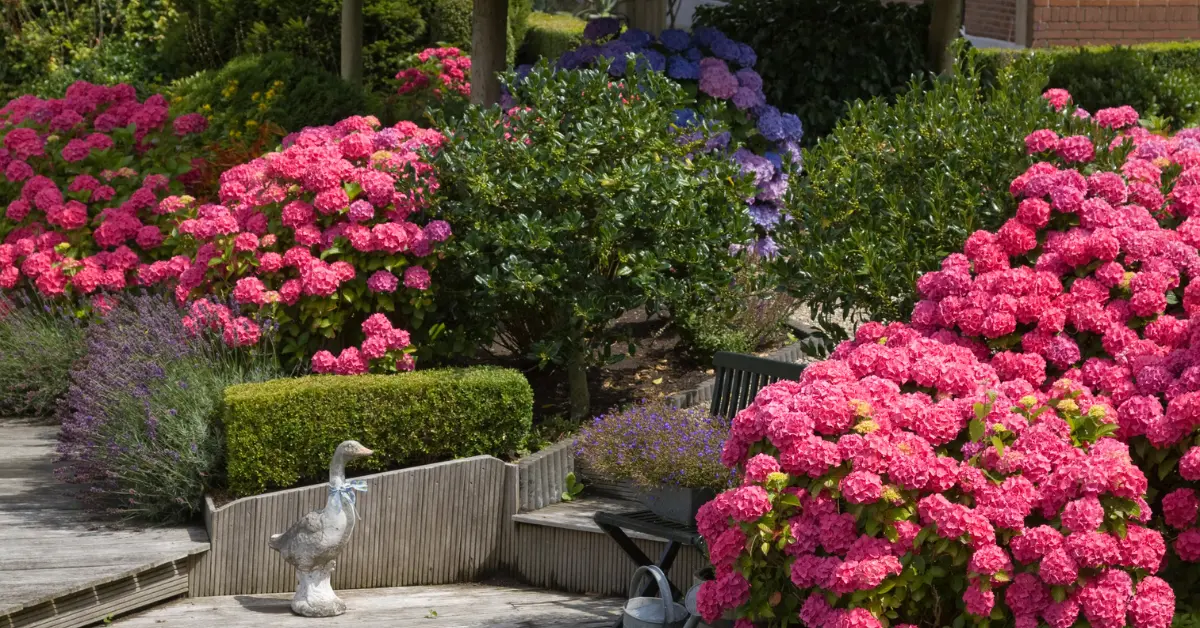
6 Best Shrubs to Plant in August You Must Try
Have you ever walked through a nursery late in the summer, admired the vibrant shrubs [...]
Aug
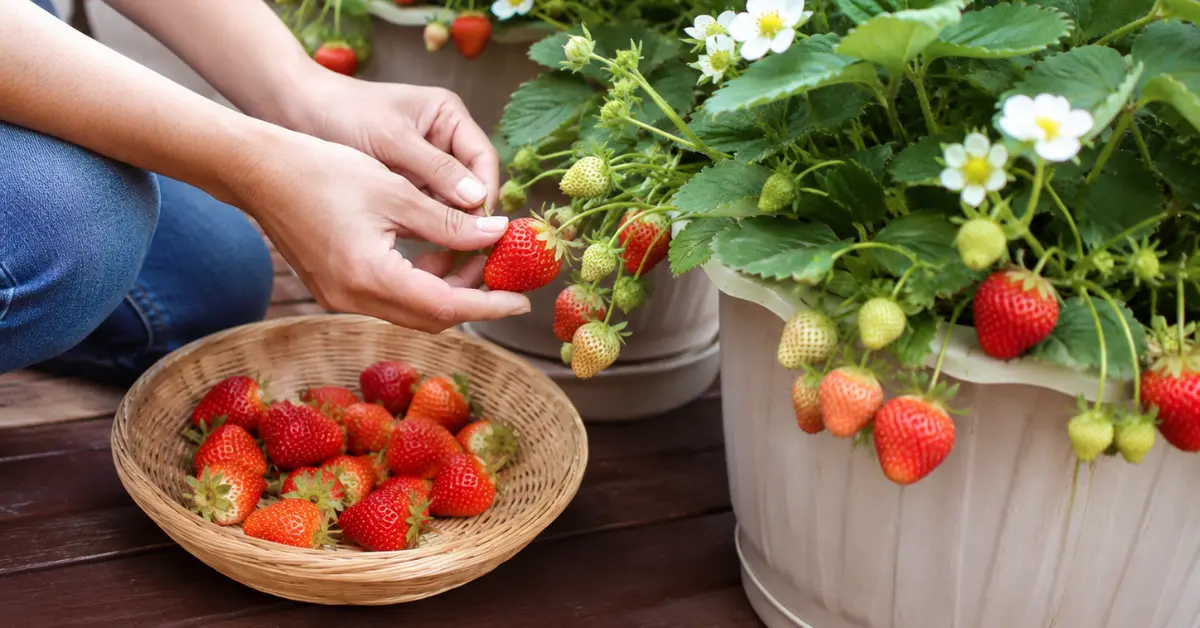
Growing Everbearing Strawberries in Containers: A Complete Guide for Beginners
Want to grow sweet, fresh strawberries but do not have a large garden? Everbearing strawberries [...]
Aug
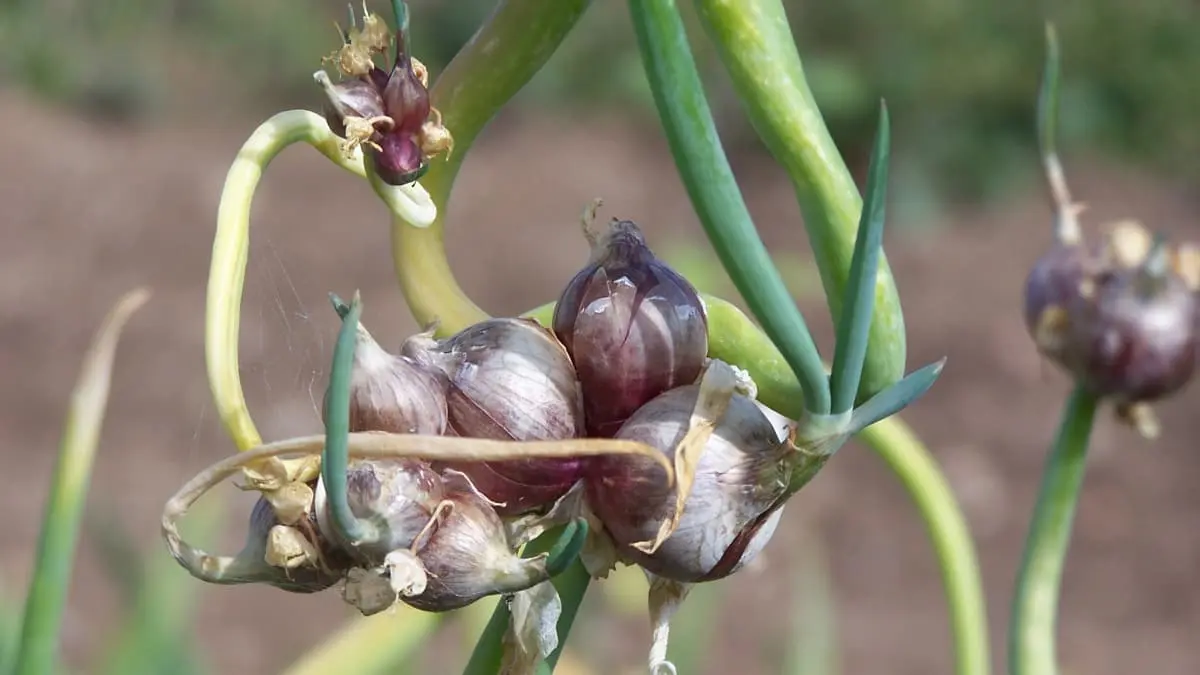
Growing Egyptian Walking Onions in Containers: A Complete Guide for Beginners
If you’re looking for a hardy, no-fuss perennial onion that keeps on giving year after [...]
Jul
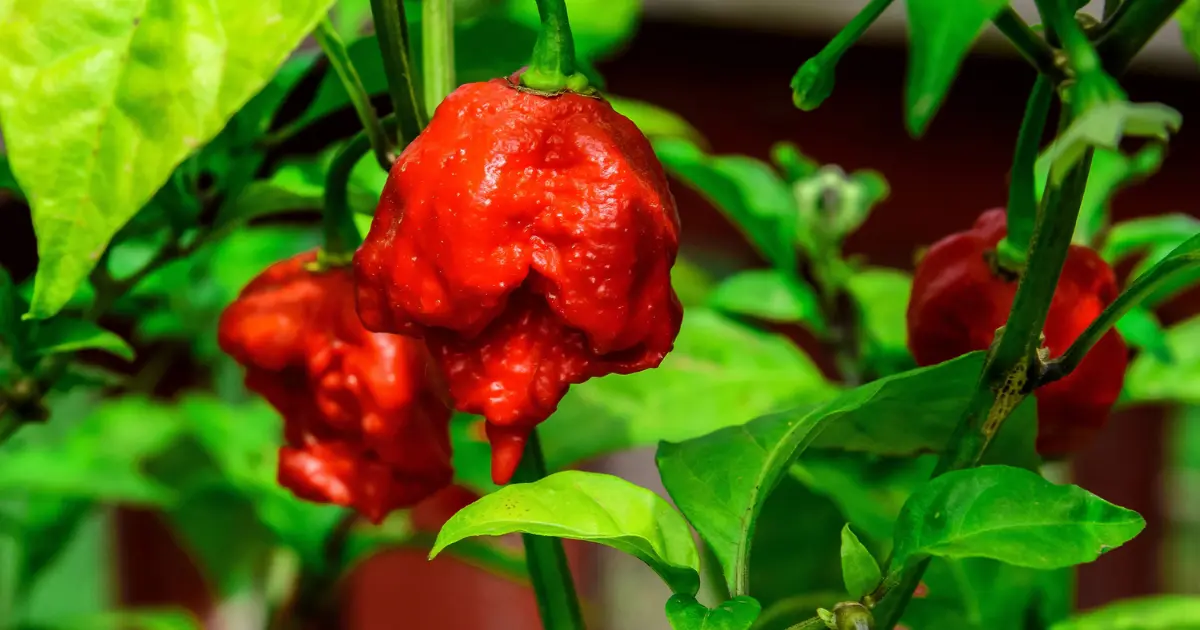
Growing Carolina Reaper Peppers in Pots: A Complete Guide for Beginners
If you’ve ever wanted to add some serious, record-breaking heat to your home cooking, you’ve [...]
May
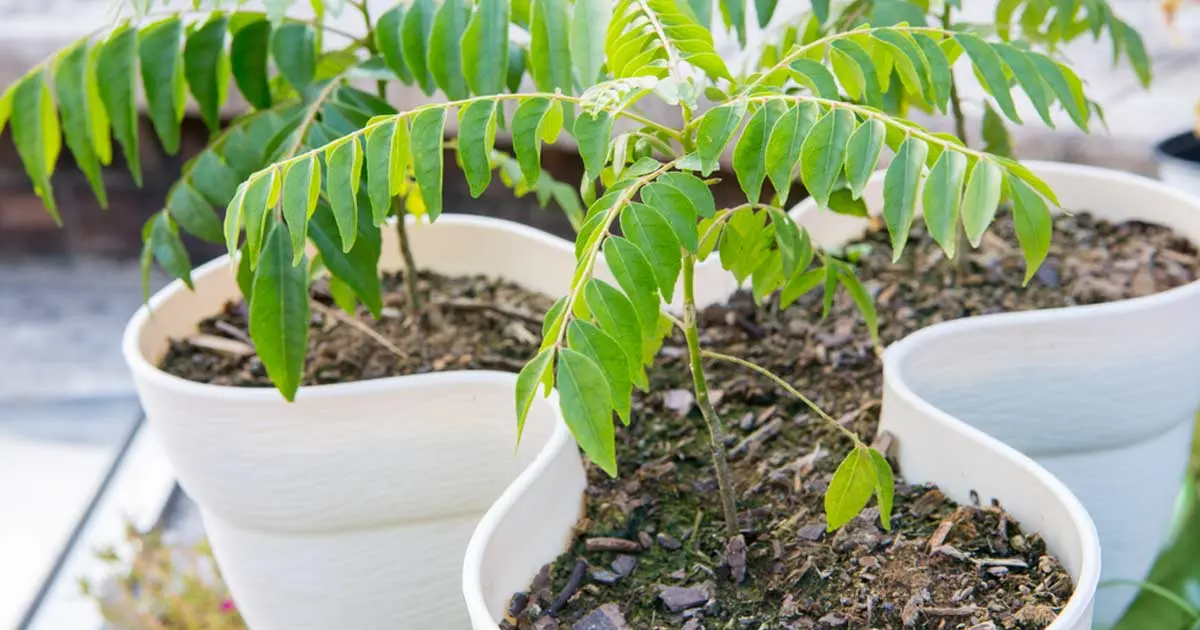
Growing Curry Leaf Plant in Pots: A Complete Guide for Beginners
If you’re a fan of authentic South Asian cuisine, you already know that nothing compares [...]
May
Reviews
There are no reviews yet.