
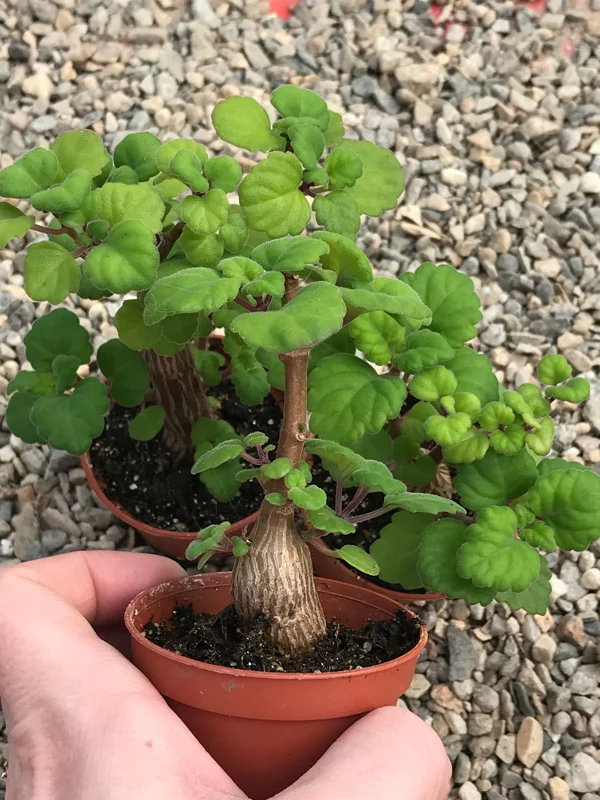
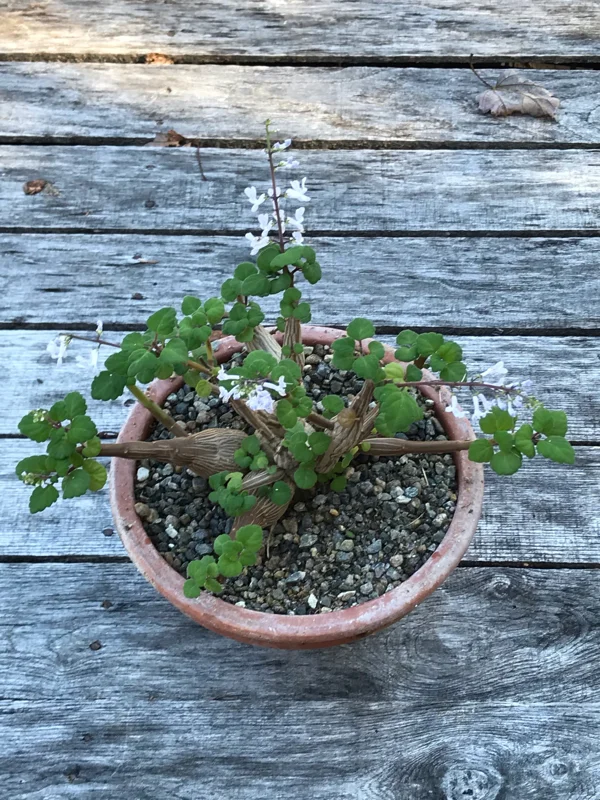
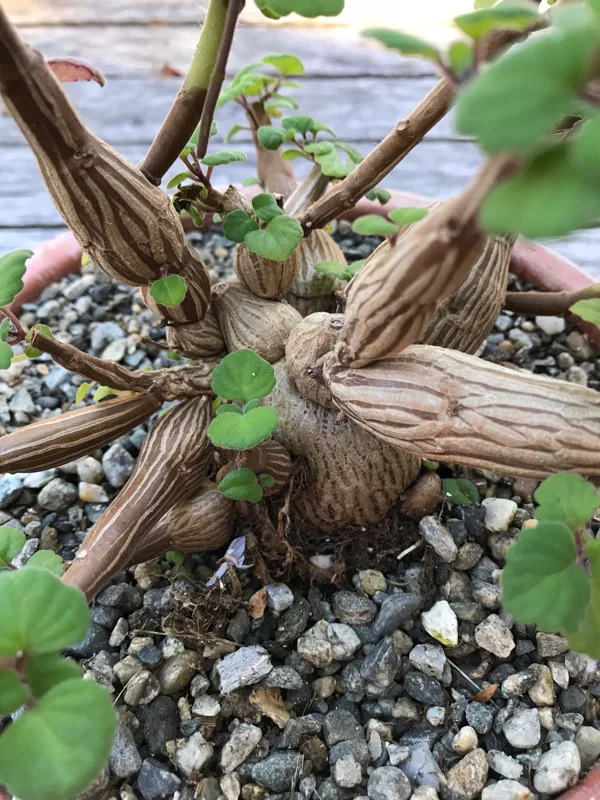
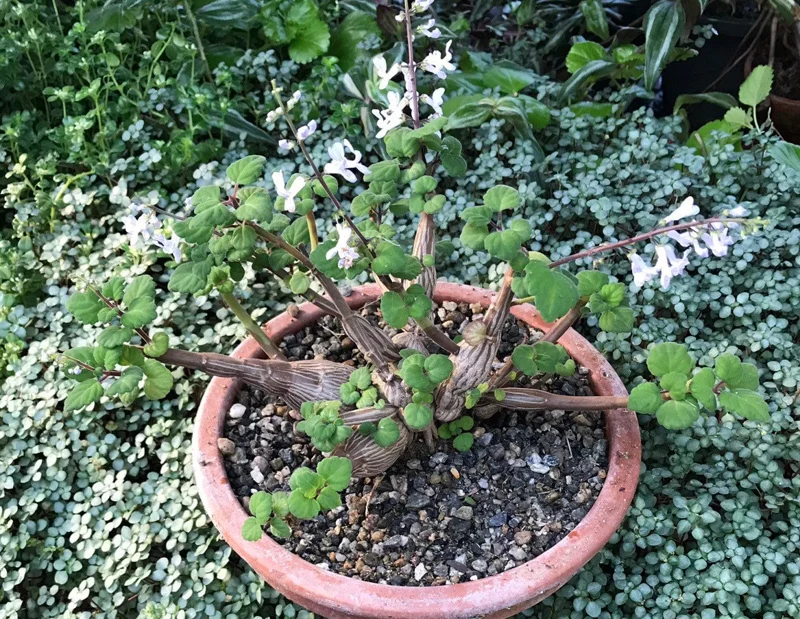
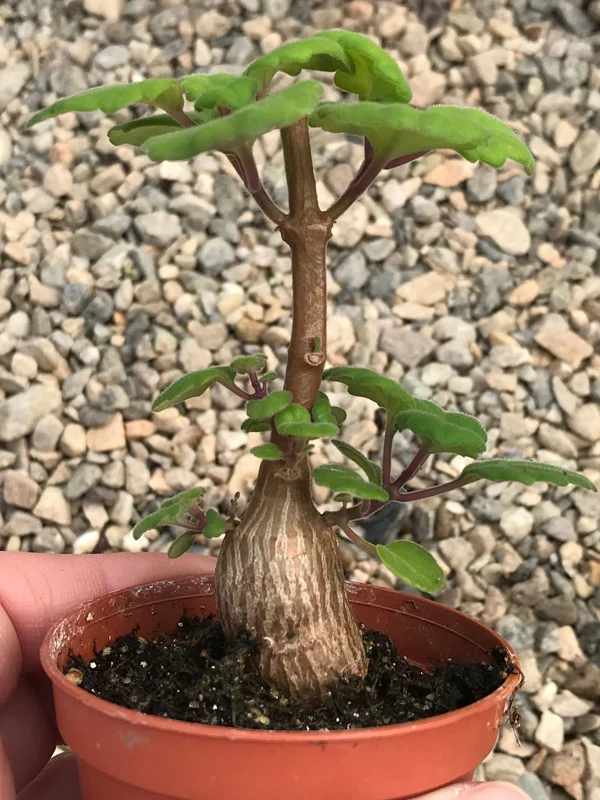
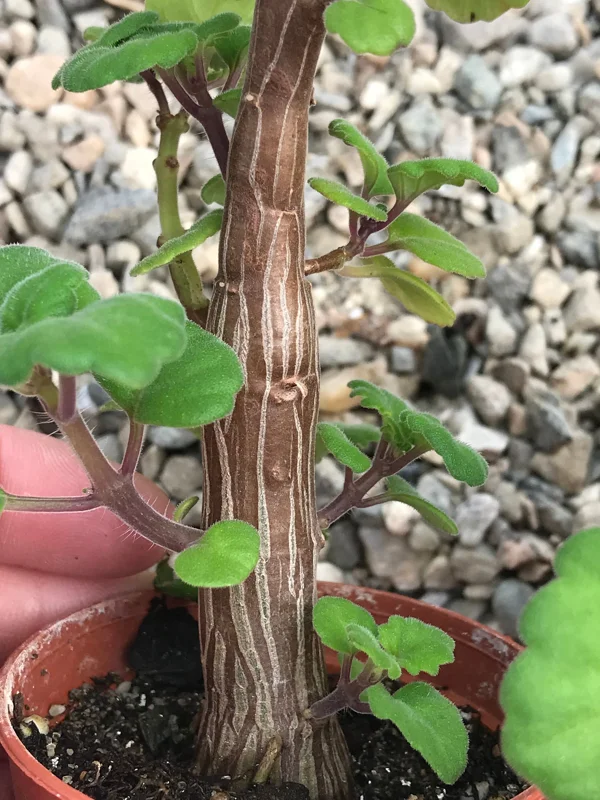
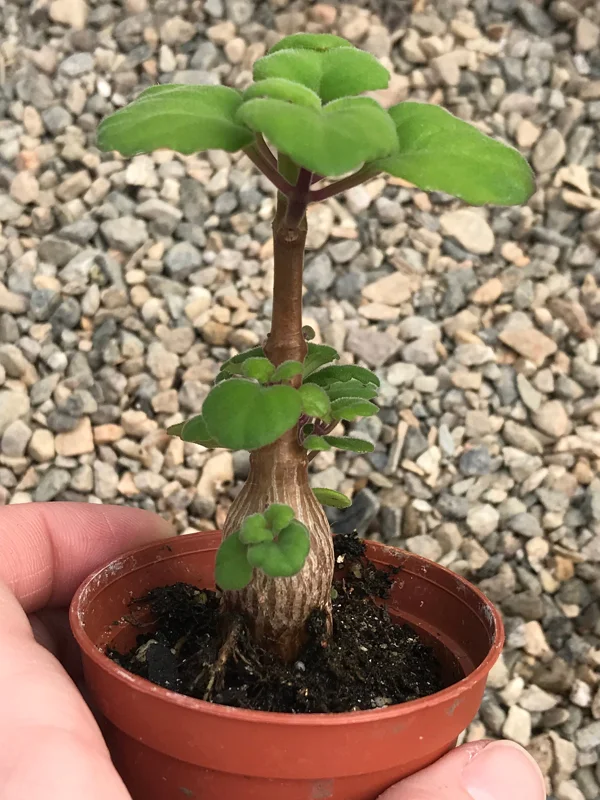
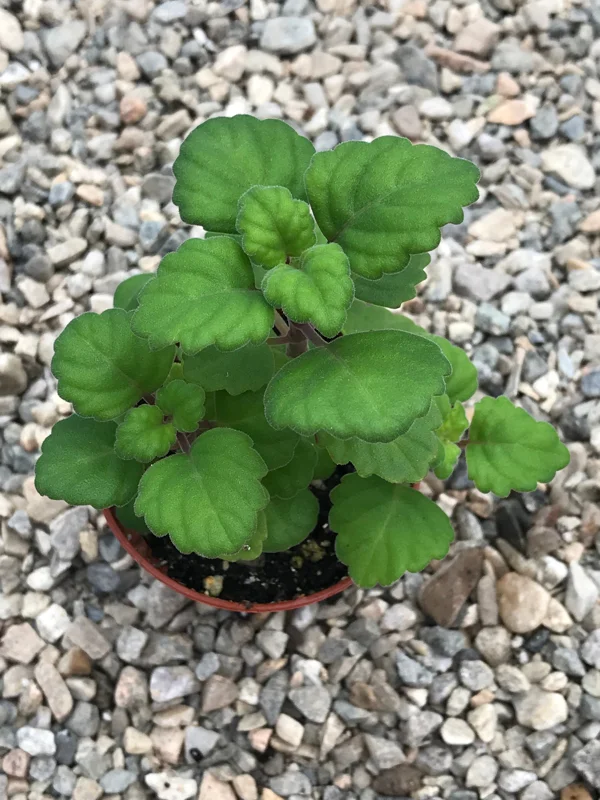
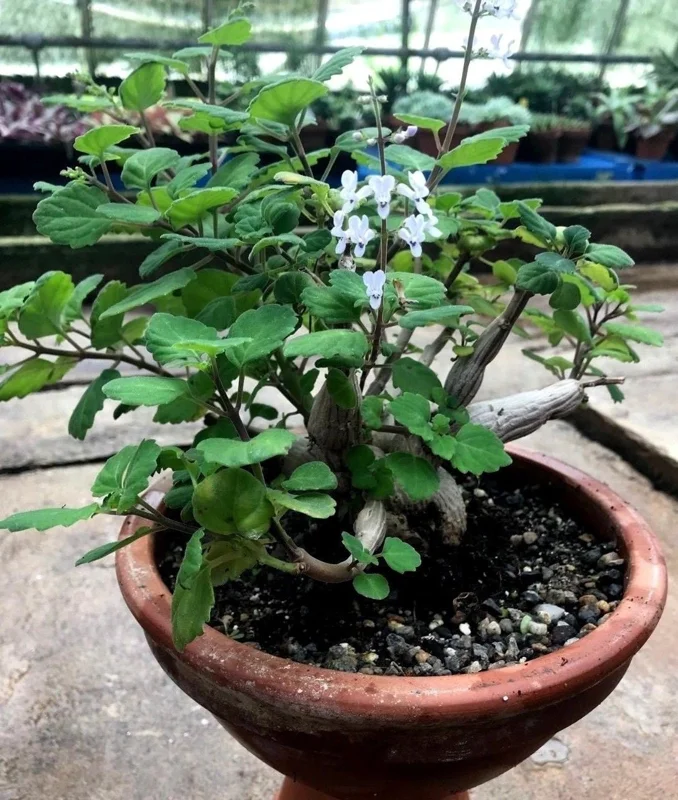
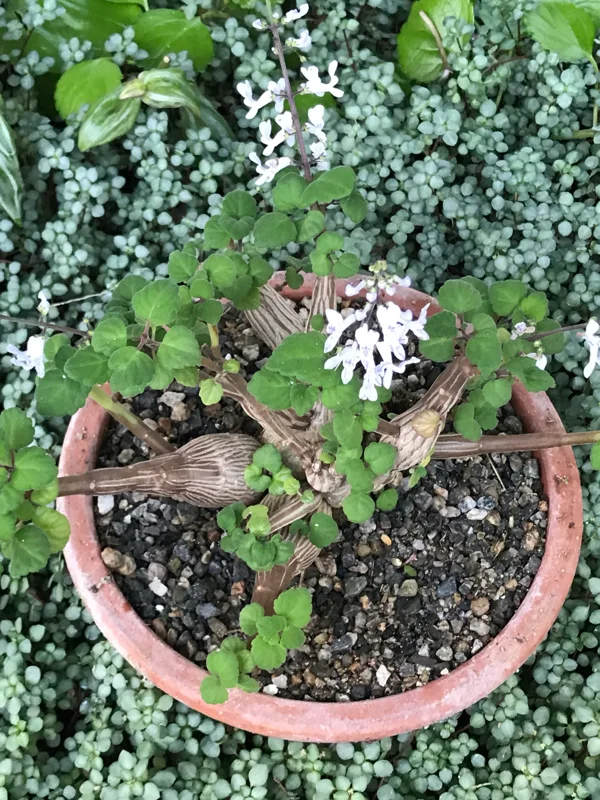
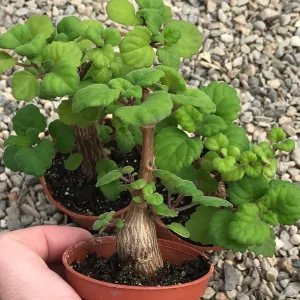
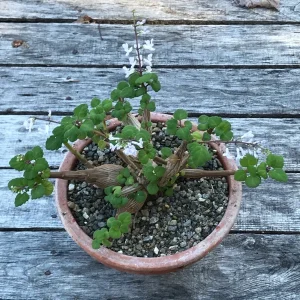
Bonsai Mint Plectranthus Ernstii Caudex Live Plant – Caudex Succulent – Indoor/Outdoor
Original price was: $55.98.$27.99Current price is: $27.99.
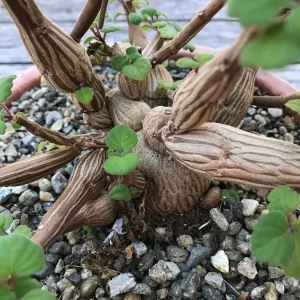
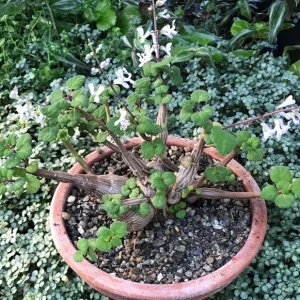
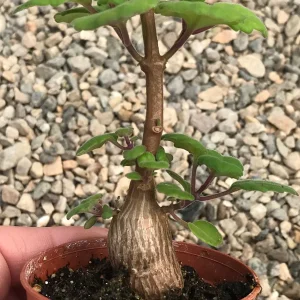
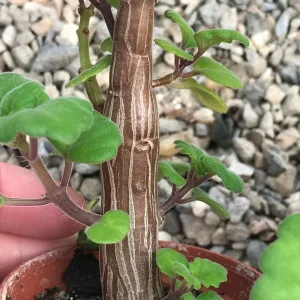
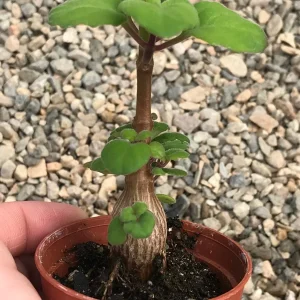
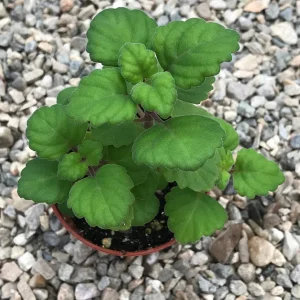
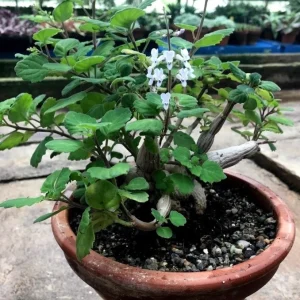
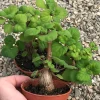
Bring home a fascinating bonsai mint live plant, the unique Plectranthus Ernstii Caudex. This striking succulent features a swollen, woody caudex base and aromatic, mint-scented foliage. Ideal for collectors and enthusiasts seeking an easy-care, conversation-starting houseplant.
Estimated arrival
Oct 11
Oct 16 - Oct 18
Oct 21 - Oct 25

Reasonable Price
We offer reasonable price

Support 24/7
Contact us 24 hrs a day

100% Money Back
You've 30 days to Return

Payment Secure
100% secure payment
Overview
Introducing the captivating bonsai mint live plant, scientifically known as Plectranthus Ernstii Caudex. This remarkable succulent stands out with its prominent, swollen caudex, a natural water-storage organ that gives it the appearance of a miniature tree or ancient rock formation. Originating from South Africa, this plant is cherished by succulent and caudex collectors for its unique aesthetic and relatively easy care. Beyond its intriguing structure, the foliage of Plectranthus Ernstii emits a pleasant, minty aroma when touched, adding an aromatic dimension to its appeal. It’s a truly distinctive specimen that brings a touch of the exotic and the artistic to any indoor plant collection, making it a perfect focal point or an interesting addition to a diverse plant display.
The Plectranthus Ernstii Caudex is a true botanical marvel, often sought after by those who appreciate unusual houseplants. Its ability to thrive in various conditions, coupled with its striking form, makes it a rewarding plant for both novice and experienced plant parents. Embrace the charm of this living sculpture and enjoy its unique presence in your home or office. This bonsai mint live plant is not only a decorative piece but also a conversation starter, inviting curiosity and admiration from all who encounter it.
Key Benefits
The bonsai mint live plant offers a range of benefits that extend beyond its striking appearance, making it a valuable addition to your plant collection. Its unique characteristics contribute to both aesthetic appeal and ease of care.
- Unique Ornamental Appeal: The most prominent benefit is its distinctive, swollen caudex, which provides an artistic and sculptural element. This natural bonsai-like form makes it a captivating centerpiece or accent plant, adding an exotic touch to any space.
- Aromatic Foliage: When brushed or gently touched, the leaves of Plectranthus Ernstii release a pleasant, mint-like fragrance. This natural aroma can subtly enhance the ambiance of a room, providing a refreshing scent without being overpowering.
- Low Maintenance & Drought Tolerant: As a succulent, the Plectranthus Ernstii Caudex is incredibly forgiving and requires minimal watering. Its caudex stores water, allowing it to withstand periods of drought, making it an excellent choice for busy individuals or those new to plant care.
- Compact Growth Habit: This plant maintains a relatively small and manageable size, making it ideal for windowsills, desks, shelves, or terrariums. Its compact nature ensures it won’t outgrow its space quickly, perfect for urban living or limited areas.
- Collector’s Item: Due to its unusual form and relatively uncommon status, the bonsai mint live plant is highly prized by collectors of rare and unique succulents and caudiciform plants. It adds significant value and interest to a specialized plant collection.
- Versatile Placement: While primarily an indoor plant in most climates, it can also thrive outdoors in warm, frost-free regions or as a seasonal patio plant, offering flexibility in its display.
- Conversation Starter: Its unusual appearance naturally draws attention and sparks curiosity, making it a fantastic conversation piece in any home or office setting.
Plant Care & Growing Tips
Caring for your bonsai mint live plant, the Plectranthus Ernstii Caudex, is relatively straightforward, especially if you understand its succulent nature. Providing the right conditions will ensure its distinctive caudex continues to thrive and its aromatic foliage remains vibrant. Understanding plectranthus ernstii care is key to a healthy, long-lived plant.
Sunlight Requirements: This plant thrives in bright, indirect light. A south or west-facing window with some protection from intense midday sun is ideal indoors. If grown outdoors, partial shade during the hottest part of the day is recommended to prevent scorching. Aim for at least 4-6 hours of bright light daily. Watering Schedule: As a caudex succulent, it is drought-tolerant. Water thoroughly when the soil is completely dry, then allow it to dry out again before the next watering. Overwatering is the most common cause of problems, leading to caudex rot. Reduce watering significantly in winter when the plant’s growth slows. Soil Type and Drainage: Use a well-draining succulent or cactus potting mix. A mix of potting soil, perlite, and coarse sand or pumice works well. Excellent drainage is crucial to prevent root and caudex rot. Ensure the pot has drainage holes. Temperature Range and USDA Hardiness Zone: Plectranthus Ernstii prefers warm temperatures, ideally between 65-80°F (18-27°C). It is not frost-tolerant and should be protected from temperatures below 50°F (10°C). It is generally grown as an indoor plant in most regions, but can be grown outdoors year-round in USDA Zones 10-11. Fertilization Schedule: Fertilize sparingly during the growing season (spring and summer) with a diluted liquid fertilizer formulated for succulents or general houseplants, at half strength. Avoid fertilizing in fall and winter. Common Problems and Solutions: Watch for signs of overwatering like a soft or mushy caudex, which indicates rot. If caught early, repotting into fresh, dry soil after trimming affected areas might save it. Pests like mealybugs or spider mites can occasionally occur; treat with insecticidal soap or neem oil. Ensuring proper air circulation also helps prevent fungal issues.
Size & Details
The Plectranthus Ernstii Caudex, offered as a bonsai mint live plant, typically exhibits a compact and unique growth habit. While exact dimensions can vary, most specimens will feature a prominent, woody caudex that can range from 1 to 3 inches in diameter, gradually thickening with age. The overall height of the plant, including its foliage, usually stays within 6 to 12 inches, making it perfectly suited for tabletops, windowsills, or as part of a succulent arrangement. The growth rate is moderate, allowing enthusiasts to appreciate its development over time without it quickly outgrowing its space. This plant is shipped as a live, established potted plant, ready to be placed in your preferred location. It will arrive in a nursery pot, typically 2-4 inches, providing a healthy root system and a well-formed caudex.
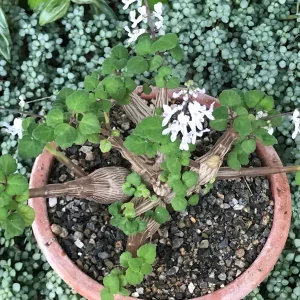
When mature, the Plectranthus Ernstii can develop into a true specimen plant, showcasing intricate branching from its caudex. It’s a fantastic choice for those looking for unusual houseplants that offer both visual intrigue and ease of care. While it doesn’t typically produce showy flowers, its unique form and aromatic leaves are its main attractions. Expect this plant to be a delightful addition to your collection for many years with proper caudex succulent care.
Frequently Asked Questions
- Q: How big does this plant get? A: The bonsai mint live plant typically grows to an overall height of 6 to 12 inches, with its distinctive caudex usually maturing to 1 to 3 inches in diameter. Its compact size makes it ideal for indoor spaces.
- Q: Is this an indoor or outdoor plant? A: Plectranthus Ernstii Caudex is primarily grown as an indoor plant in most climates due to its sensitivity to cold. It can be grown outdoors year-round in warm, frost-free regions (USDA Zones 10-11) or as a seasonal patio plant.
- Q: How much sunlight does it need? A: It thrives in bright, indirect light. Indoors, place it near a south or west-facing window, protected from harsh midday sun. Outdoors, partial shade is recommended during the hottest hours.
- Q: Is this plant easy to care for? A: Yes, this plant is considered relatively easy to care for, especially for those familiar with succulents. The most important aspect of plectranthus ernstii care is avoiding overwatering.
- Q: What condition will it arrive in? A: Your bonsai mint live plant will arrive as a healthy, established plant in a nursery pot, with its roots and caudex carefully protected for transit. It will be ready for display or repotting.
- Q: How often should I water my caudex succulent? A: Water thoroughly only when the soil is completely dry to the touch. Due to its water-storing caudex, it is very drought-tolerant, and overwatering is its biggest enemy.
- Q: Does this plant have a scent? A: Yes, the foliage of the Plectranthus Ernstii Caudex releases a pleasant, mint-like aroma when its leaves are gently brushed or touched. This adds to its unique appeal as an aromatic foliage plant.
- Q: What kind of soil is best for a caudex succulent? A: A well-draining succulent or cactus potting mix is essential. You can create your own by mixing regular potting soil with perlite and coarse sand or pumice to ensure excellent drainage.
- Q: Is this plant suitable for beginners? A: Yes, with attention to its watering needs, the bonsai mint live plant can be a rewarding choice for beginners interested in unique and low-maintenance succulents.
- Q: Can I propagate Plectranthus Ernstii? A: Yes, it can be propagated from stem cuttings, which will root relatively easily. However, cuttings will not form the prominent caudex naturally; the caudex develops over time from seedlings.
Be the first to review “Bonsai Mint Plectranthus Ernstii Caudex Live Plant – Caudex Succulent – Indoor/Outdoor”
-
USDA Hardiness Zone
USDA zones 10-11 (outdoors) or indoor cultivation -
Soil Type
Well-draining succulent or cactus mix -
Sunlight Exposure
Bright, indirect light -
Expected Planting Period
Year-round indoors
People Also Viewd
Sold 134 products
Original price was: $3,536.00.$23.99Current price is: $23.99.
Sold 132 products
Original price was: $27.00.$24.00Current price is: $24.00.
Sold 132 products
Original price was: $89.99.$64.99Current price is: $64.99.

Sold 125 products
Original price was: $86.99.$66.99Current price is: $66.99.
Flower Bulbs
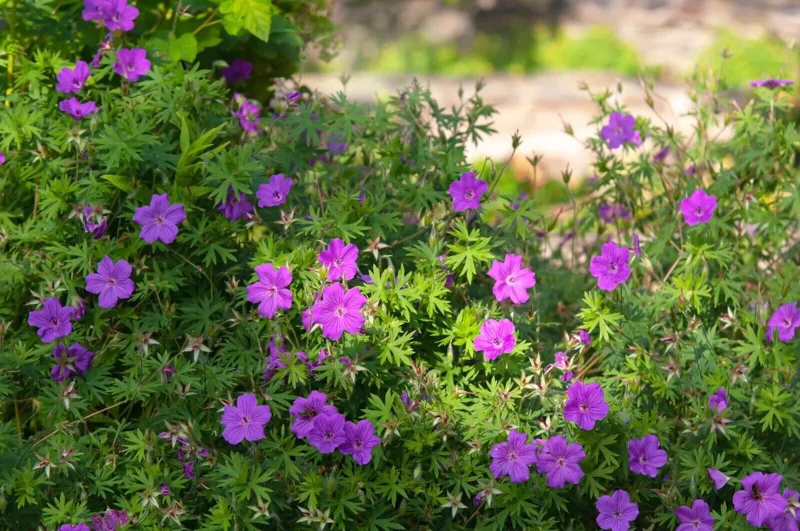
3 Cranesbill Wild Geranium Organic Maculatums Bare Roots | Wildflower for Outdoor Garden
Sold 116 products
Original price was: $21.99.$9.99Current price is: $9.99.
Sold 114 products
Original price was: $28.99.$17.99Current price is: $17.99.
Sold 110 products
Original price was: $63.99.$28.99Current price is: $28.99.
Sold 108 products
Original price was: $28.99.$17.99Current price is: $17.99.RELATED posts
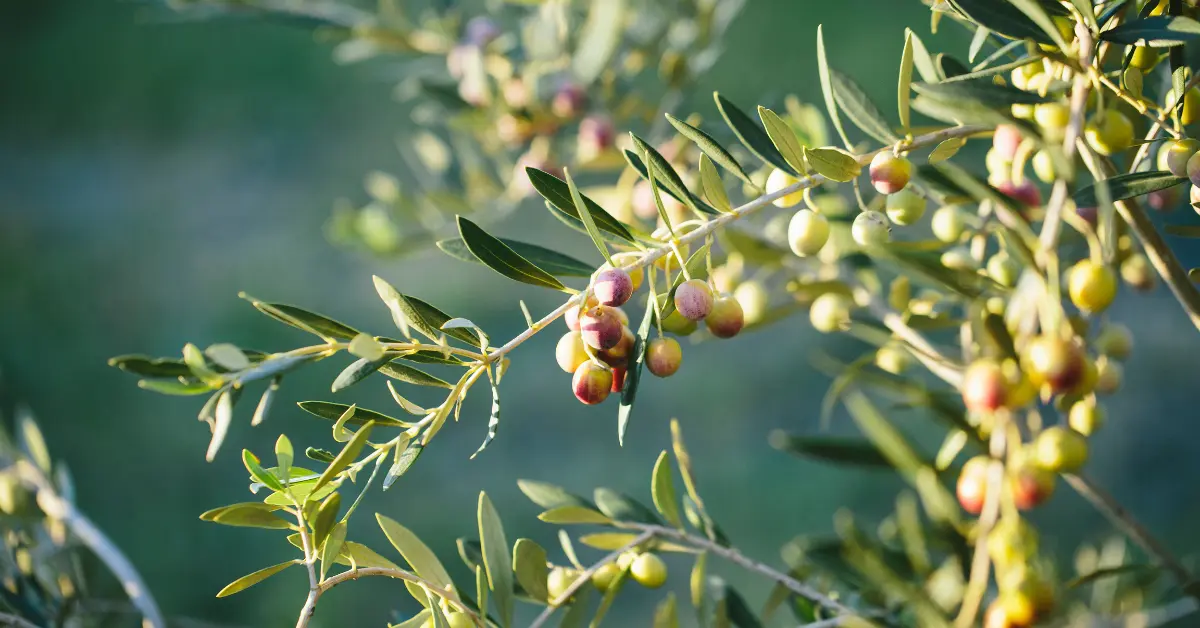
How to Grow Arbequina Olive Trees: The Ultimate Guide to Your Own Olive Grove
Arbequina Olive Tree (Olea europaea ‘Arbequina’) – the ultimate Mediterranean plant that brings a touch [...]
Oct
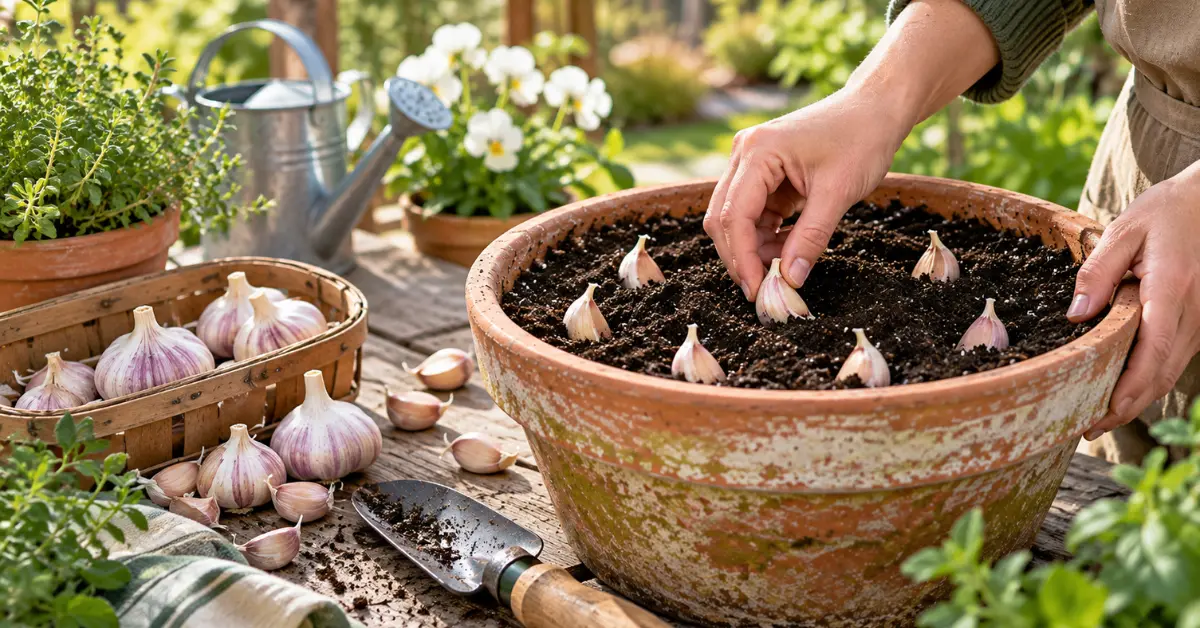
Growing Garlic in Containers This Fall: A Complete Guide for Beginners
If you’ve ever wanted to pop fresh, aromatic garlic cloves straight from your own patio [...]
Sep
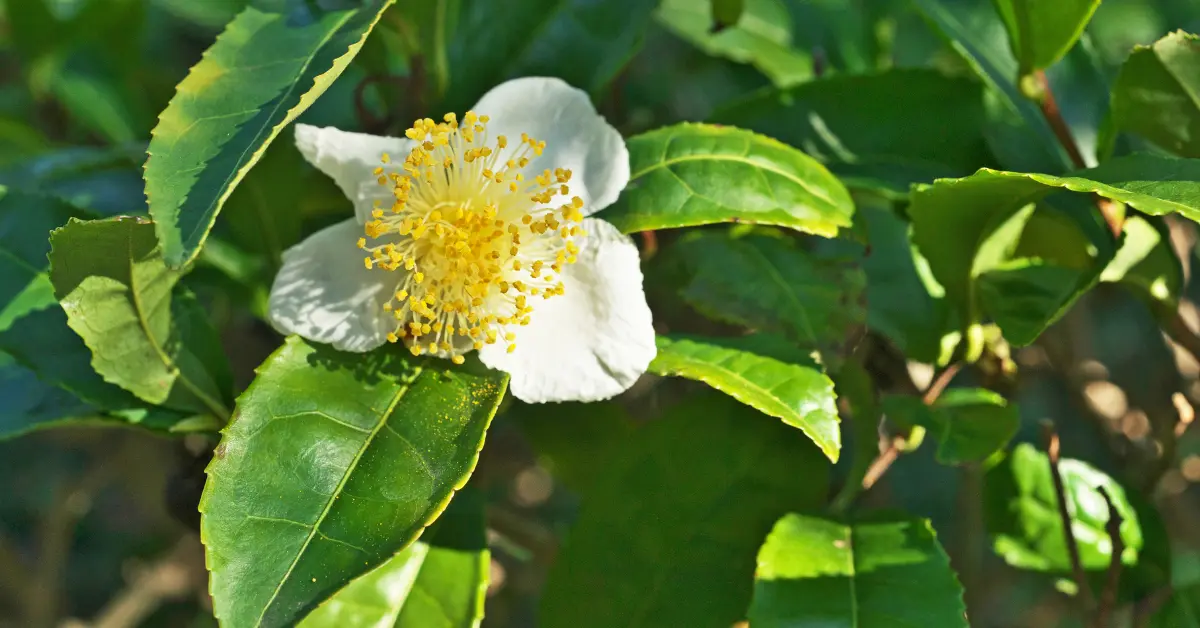
Growing Camellia Sinensis (Tea Plants) in Containers: A Complete Guide for Beginners
If you’ve ever wanted to sip a steaming, homegrown cup of fresh green, black, or [...]
Aug
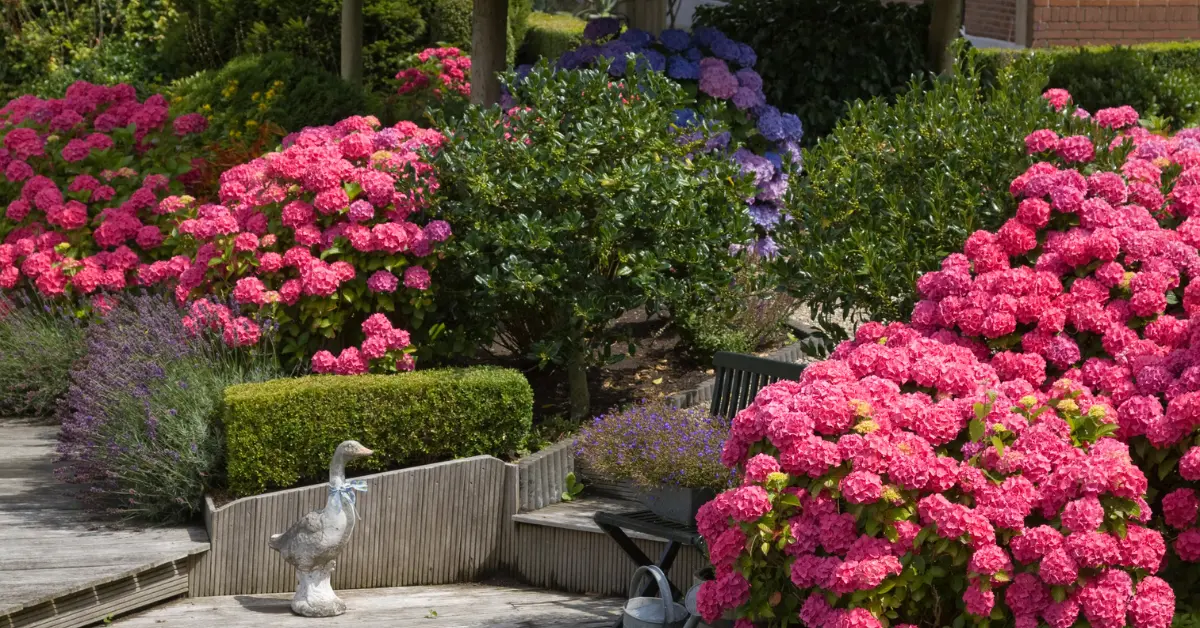
6 Best Shrubs to Plant in August You Must Try
Have you ever walked through a nursery late in the summer, admired the vibrant shrubs [...]
Aug
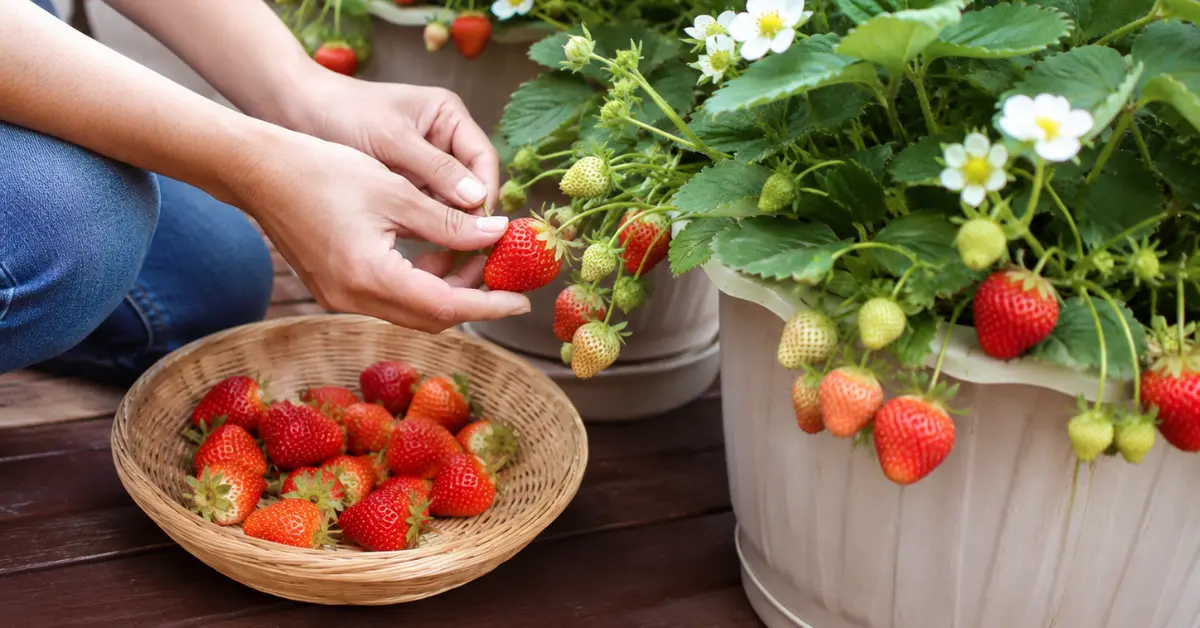
Growing Everbearing Strawberries in Containers: A Complete Guide for Beginners
Want to grow sweet, fresh strawberries but do not have a large garden? Everbearing strawberries [...]
Aug
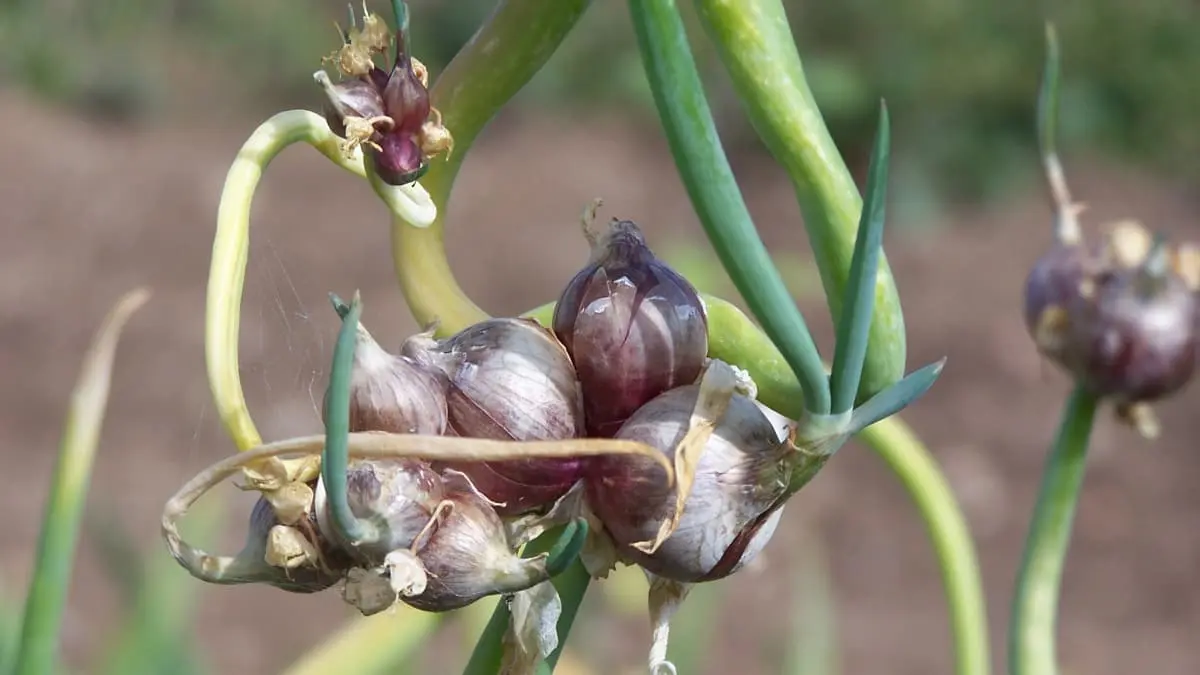
Growing Egyptian Walking Onions in Containers: A Complete Guide for Beginners
If you’re looking for a hardy, no-fuss perennial onion that keeps on giving year after [...]
Jul
Growing Carolina Reaper Peppers in Pots: A Complete Guide for Beginners
If you’ve ever wanted to add some serious, record-breaking heat to your home cooking, you’ve [...]
May
Growing Curry Leaf Plant in Pots: A Complete Guide for Beginners
If you’re a fan of authentic South Asian cuisine, you already know that nothing compares [...]
May
Reviews
There are no reviews yet.