
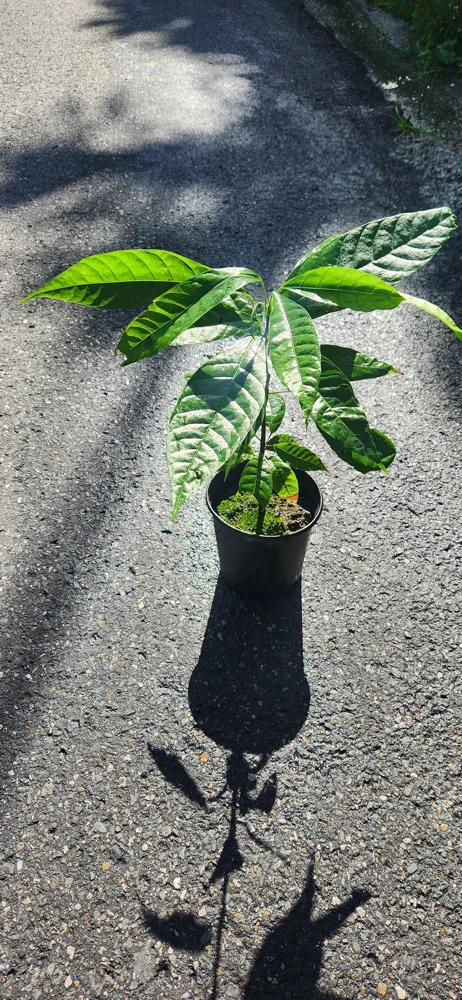
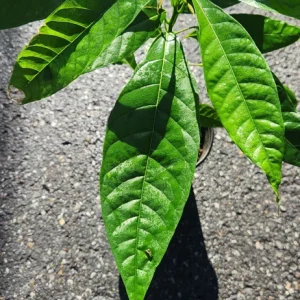
Cacao Tree Live Plant (Theobroma Cacao) – 2-3 ft Tall – Tropical Fruit Tree
Original price was: $134.60.$84.60Current price is: $84.60.
Cultivate your own chocolate at home with this cacao tree live plant. Standing 2-3 feet tall, this Theobroma cacao plant is ready to thrive in warm climates, bringing a unique tropical touch to your garden or patio. Perfect for those who dream of making their own chocolate from scratch.
Estimated arrival
Sep 15
Sep 20 - Sep 22
Sep 25 - Sep 29

Reasonable Price
We offer reasonable price

Support 24/7
Contact us 24 hrs a day

100% Money Back
You've 30 days to Return

Payment Secure
100% secure payment
Overview
Embark on an exciting horticultural journey by cultivating your very own cacao tree live plant. This tropical marvel, scientifically known as Theobroma cacao plant, is the source of the world’s beloved chocolate. Imagine the satisfaction of harvesting your own cacao beans and crafting homemade chocolate right from your backyard or patio. Our healthy, vibrant cacao saplings are 2-3 feet tall, making them an ideal size for establishing in your tropical garden or a warm, sheltered spot. This remarkable tree not only provides the raw ingredients for chocolate but also adds an exotic, lush aesthetic to any landscape. Growing your own cacao tree live plant is a rewarding experience, connecting you directly to the origins of one of the planet’s most cherished treats.
The Theobroma cacao plant is a fascinating species, originating from the rainforests of Central and South America. It thrives in warm, humid conditions, making it suitable for USDA zones 10-11, or as a container plant in cooler regions where it can be brought indoors during colder months. These young trees are carefully nurtured to ensure they are robust and ready to grow, promising a fruitful future for the patient gardener. Discover the joy and sustainability of producing your own cacao with this exquisite tropical fruit tree.
Key Benefits
Bringing a cacao tree live plant into your home or garden offers a multitude of unique benefits, extending beyond just the promise of chocolate. This plant is a true conversation starter and an educational tool, demonstrating the journey from bean to bar. Cultivating a Theobroma cacao plant fosters a connection to nature and sustainable practices.
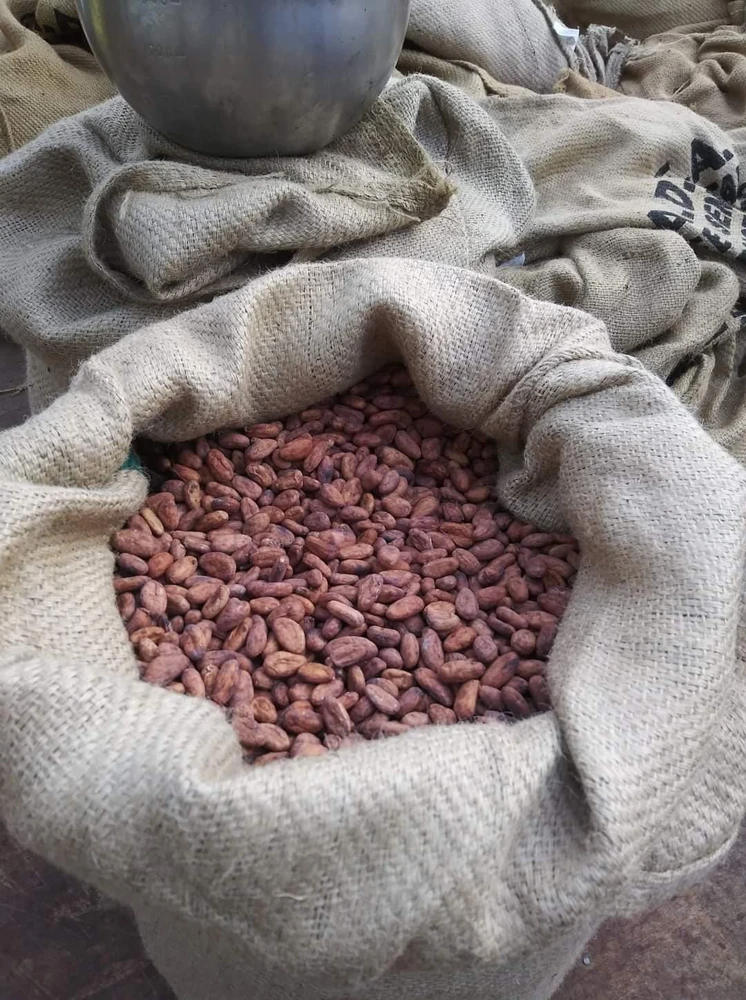
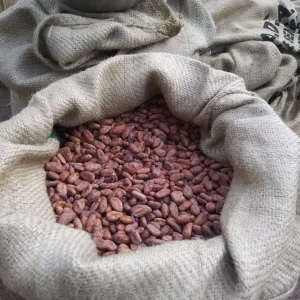
- Homegrown Chocolate Source: The most exciting benefit is the potential to harvest your own cacao beans, the essential ingredient for homemade chocolate, cocoa powder, and cacao nibs. This allows for a truly farm-to-table experience with a unique tropical fruit.
- Exotic Tropical Aesthetic: With its large, glossy green leaves, the cacao tree live plant adds a lush, tropical ambiance to any environment. It transforms a patio or garden into a vibrant, verdant paradise, enhancing visual appeal.
- Educational Experience: Growing cacao provides an incredible opportunity to learn about tropical agriculture, plant biology, and the complex process of chocolate production. It’s a fantastic project for families and gardening enthusiasts alike.
- Promotes Sustainability: By growing your own cacao, you contribute to sustainable practices, reducing reliance on industrial farming and gaining control over the quality and ethics of your chocolate source. It’s a step towards self-sufficiency.
- Air Purification: Like many leafy plants, the Theobroma cacao plant helps improve air quality by converting carbon dioxide into oxygen, contributing to a healthier indoor or outdoor environment.
- Unique Gift Idea: A cacao tree live plant makes an extraordinary and memorable gift for gardeners, foodies, or anyone fascinated by tropical plants and the origins of chocolate. It’s a gift that keeps on giving.
- Therapeutic Gardening: Engaging in the care of a tropical plant like cacao can be a relaxing and rewarding hobby, offering stress relief and a sense of accomplishment as it grows and flourishes.
Plant Care & Growing Tips
Proper care is crucial for the successful growth of your cacao tree live plant. These trees thrive in specific conditions that mimic their native rainforest environment. For optimal growth, provide consistent warmth, high humidity, and protection from strong winds. The ideal temperature range is between 65-85°F (18-29°C), and they are not tolerant of frost. If you live outside of USDA zones 10-11, consider growing your Theobroma cacao plant in a large container that can be moved indoors during cooler months. Ensure the indoor environment maintains adequate humidity, possibly with a humidifier or by misting the leaves regularly.
Sunlight Requirements: Cacao trees prefer partial shade, especially when young. In their natural habitat, they grow as understory trees, protected by the canopy of larger trees. Provide 4-6 hours of indirect sunlight daily. Direct, intense afternoon sun can scorch their leaves. If growing indoors, place it near a window with bright, indirect light, or use a grow light. Cacao plant care also involves ensuring consistent light without harsh exposure.
Watering Schedule & Soil Moisture: These plants require consistently moist, but not waterlogged, soil. Water thoroughly when the top inch of soil feels dry to the touch. Reduce watering slightly during cooler, less active periods. Good drainage is essential to prevent root rot. Never let the plant sit in standing water. Regular misting or placing the pot on a pebble tray with water can help maintain the high humidity levels they love.
Soil Type & Drainage: A rich, well-draining, slightly acidic to neutral soil (pH 6.0-7.0) is ideal. A mix of peat moss, perlite, and good quality potting soil works well. Ensure the pot has drainage holes. Cacao plant care emphasizes a soil that retains moisture but allows excess water to escape freely. Regularly check the soil moisture to ensure it’s not too dry or too wet.
Fertilization: Feed your cacao tree live plant with a balanced, slow-release fertilizer every 2-3 months during the growing season (spring and summer). Alternatively, use a liquid fertilizer diluted to half strength every 2-4 weeks. Reduce fertilization in fall and winter. Organic compost or worm castings can also be incorporated into the soil for a natural nutrient boost.
Size & Details
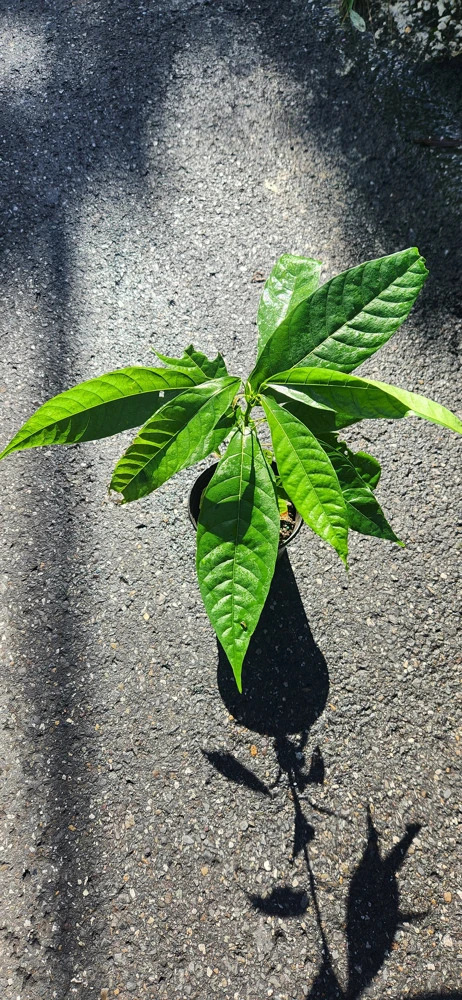
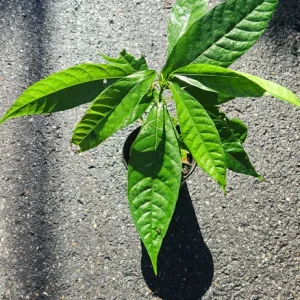
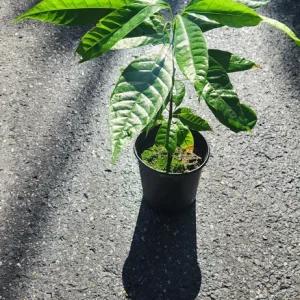
This offering is for a vibrant cacao tree live plant, typically standing between 2-3 feet tall from the base of the pot to the tip of the foliage. These young trees are grown from seed or cuttings and are well-rooted, ready for transplanting into a larger container or directly into the ground in appropriate climates. The plant is shipped in a nursery pot, carefully packaged to ensure its safe arrival. The growth rate of a Theobroma cacao plant is moderate, and with optimal conditions, it can reach mature heights of 15-25 feet in its natural environment, though it can be kept smaller in containers or with pruning. While it can take several years for the tree to begin producing fruit (typically 3-5 years from planting), the journey of nurturing a tropical fruit tree is incredibly rewarding.
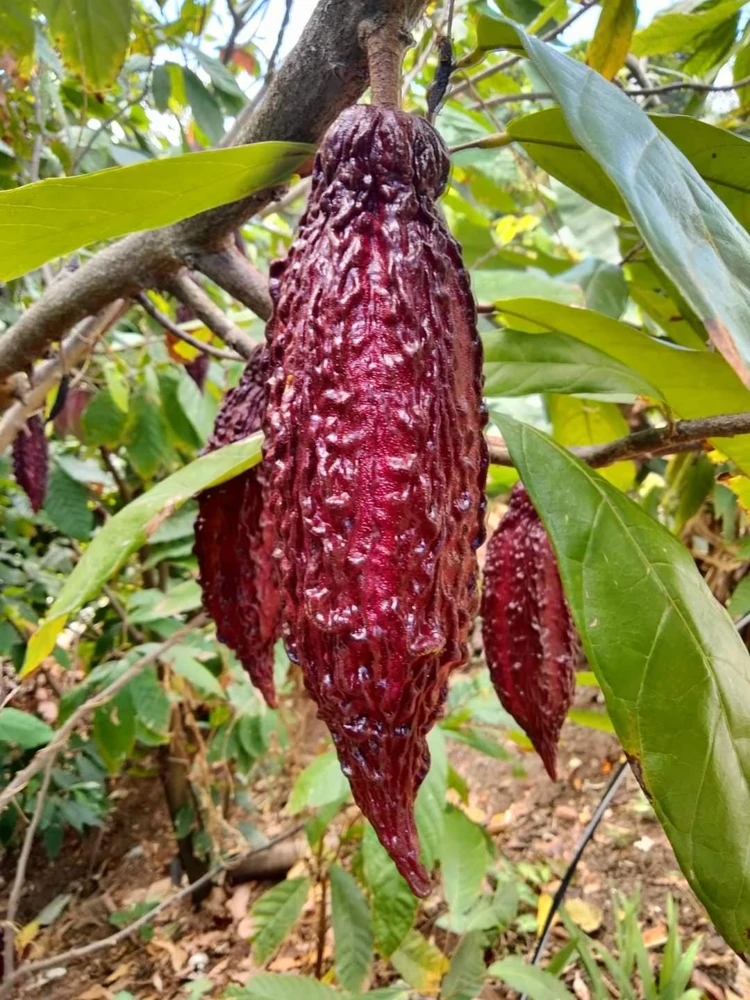
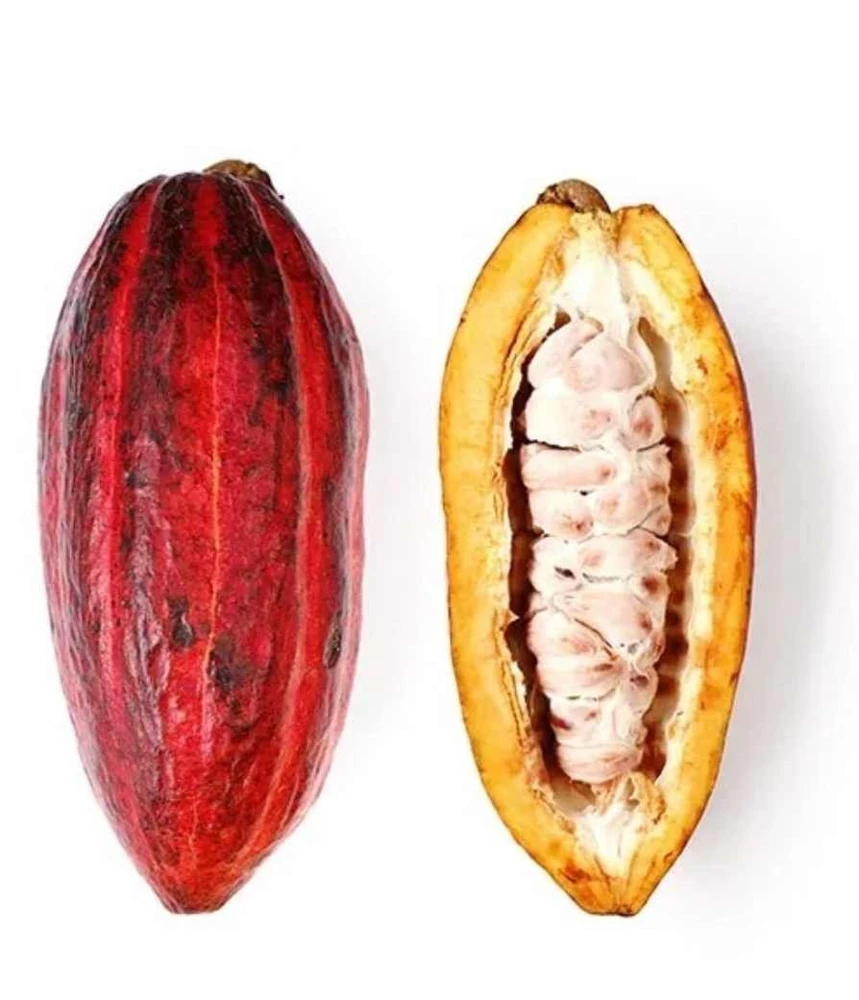
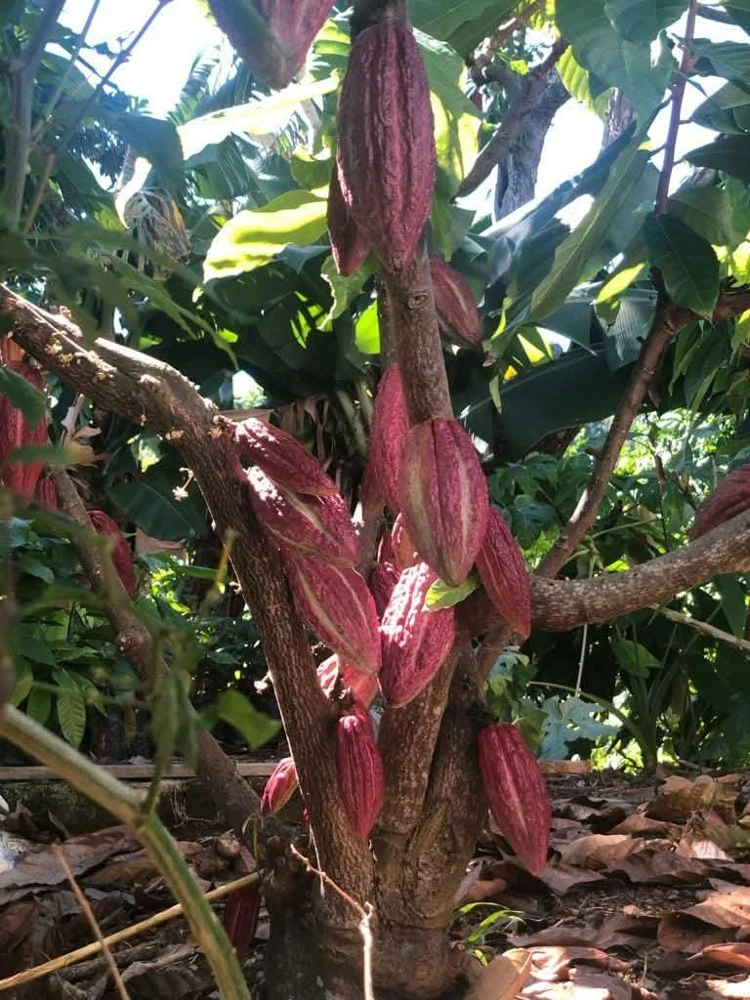
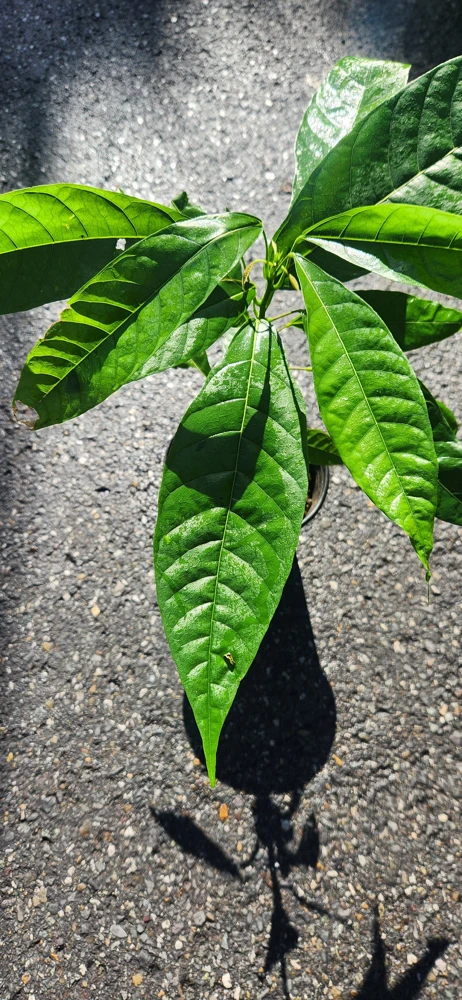
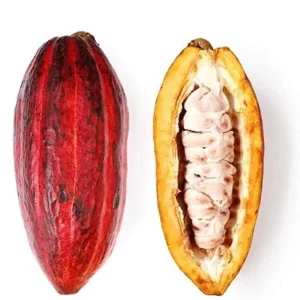
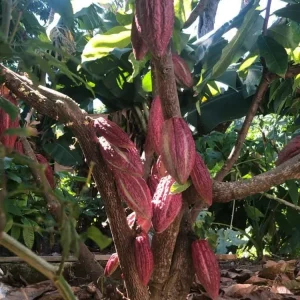
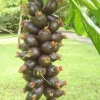
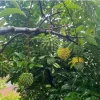
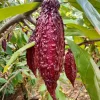
Expected mature width can range from 10-20 feet, forming a dense, bushy canopy. The leaves are large, elliptical, and glossy green, providing a lush, ornamental appeal even before fruiting. The pods, when they appear, are a striking feature, changing color from green to yellow, orange, or red as they ripen. This particular specimen is a young plant, focused on establishing a strong root system and healthy foliage, promising future yields of delicious cacao beans for those interested in how to grow your own chocolate.
Frequently Asked Questions
- Q: How big does this plant get? A: This cacao tree live plant is currently 2-3 feet tall. In ideal outdoor conditions, mature trees can reach 15-25 feet, but they can be maintained at a smaller size in containers with proper pruning.
- Q: Is this an indoor or outdoor plant? A: The Theobroma cacao plant is a tropical species best suited for outdoor planting in USDA Zones 10-11. In cooler climates, it can be grown as an indoor houseplant or moved indoors during colder months.
- Q: How much sunlight does it need? A: Cacao trees prefer partial shade, receiving 4-6 hours of bright, indirect sunlight daily. Avoid harsh, direct afternoon sun, which can scorch the leaves.
- Q: Is this plant easy to care for? A: While not the easiest plant for beginners, with consistent warmth, high humidity, and proper watering, cacao plant care can be manageable. It requires attention to its specific tropical needs.
- Q: What condition will it arrive in? A: Your cacao tree live plant will arrive carefully packaged in a nursery pot, healthy and ready for transplanting. We take great care to ensure the plant is protected during transit.
- Q: How long until it produces fruit? A: A Theobroma cacao plant typically begins to produce fruit (cacao pods) within 3-5 years after planting, given optimal growing conditions and maturity.
- Q: What’s the best way to maintain humidity for this tropical fruit tree? A: To maintain high humidity, regularly mist the leaves, use a pebble tray with water beneath the pot, or place the plant near a humidifier, especially when growing indoors.
- Q: Can I really make chocolate from this plant? A: Yes! Once your cacao tree live plant produces mature pods, you can harvest the beans, ferment, dry, roast, and grind them to make your own chocolate, allowing you to truly grow your own chocolate.
- Q: What type of soil is best for a cacao tree? A: A rich, well-draining, slightly acidic to neutral soil mix is best. Consider a blend of good quality potting soil with peat moss and perlite to ensure proper drainage and moisture retention.
- Q: Is this plant susceptible to pests? A: Like all plants, cacao trees can be susceptible to common houseplant pests like spider mites or mealybugs, especially indoors. Regular inspection and appropriate organic pest control methods are recommended for good cacao plant care.
Be the first to review “Cacao Tree Live Plant (Theobroma Cacao) – 2-3 ft Tall – Tropical Fruit Tree”
-
USDA Hardiness Zone
USDA Zones 10-11 (or indoor cultivation) -
Soil Type
Rich, well-draining, slightly acidic to neutral soil -
Sunlight Exposure
Partial shade / Bright indirect light -
Expected Planting Period
Year-round indoors; Spring to early summer outdoors in tropical zones
People Also Viewd


Sold 134 products
Original price was: $3,536.00.$23.99Current price is: $23.99.

Sold 131 products
Original price was: $27.00.$24.00Current price is: $24.00.

Sold 130 products
Original price was: $89.99.$64.99Current price is: $64.99.

Sold 125 products
Original price was: $86.99.$66.99Current price is: $66.99.

Flower Bulbs
3 Cranesbill Wild Geranium Organic Maculatums Bare Roots | Wildflower for Outdoor Garden
Sold 116 products
Original price was: $21.99.$9.99Current price is: $9.99.

Sold 114 products
Original price was: $28.99.$17.99Current price is: $17.99.

Sold 110 products
Original price was: $63.99.$28.99Current price is: $28.99.
Sold 108 products
Original price was: $28.99.$17.99Current price is: $17.99.RELATED posts
Growing Camellia Sinensis (Tea Plants) in Containers: A Complete Guide for Beginners
If you’ve ever wanted to sip a steaming, homegrown cup of fresh green, black, or [...]
Aug
6 Best Shrubs to Plant in August You Must Try
Have you ever walked through a nursery late in the summer, admired the vibrant shrubs [...]
Aug
Growing Everbearing Strawberries in Containers: A Complete Guide for Beginners
Want to grow sweet, fresh strawberries but do not have a large garden? Everbearing strawberries [...]
Aug
Growing Egyptian Walking Onions in Containers: A Complete Guide for Beginners
If you’re looking for a hardy, no-fuss perennial onion that keeps on giving year after [...]
Jul
Growing Carolina Reaper Peppers in Pots: A Complete Guide for Beginners
If you’ve ever wanted to add some serious, record-breaking heat to your home cooking, you’ve [...]
May
Growing Curry Leaf Plant in Pots: A Complete Guide for Beginners
If you’re a fan of authentic South Asian cuisine, you already know that nothing compares [...]
May
5 Tips for Growing Carolina Reaper Peppers to Get the Spiciest Harvest Ever
Holding the record for one of the world’s hottest peppers, the Reaper isn’t just a [...]
May
Best Fertilizers for Zoysia Grass in 2026: Get a Lush Lawn
As we enter the new year, the time has come to think about how we [...]
Apr
Reviews
There are no reviews yet.