
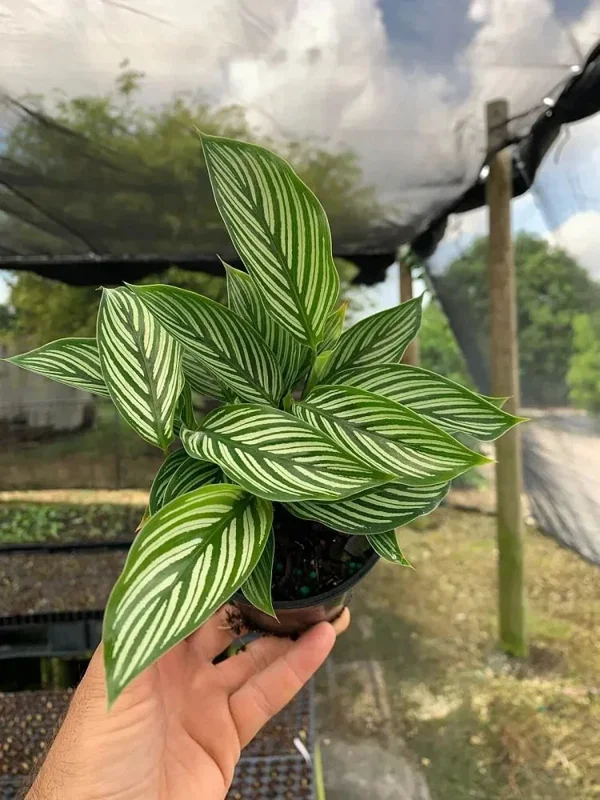
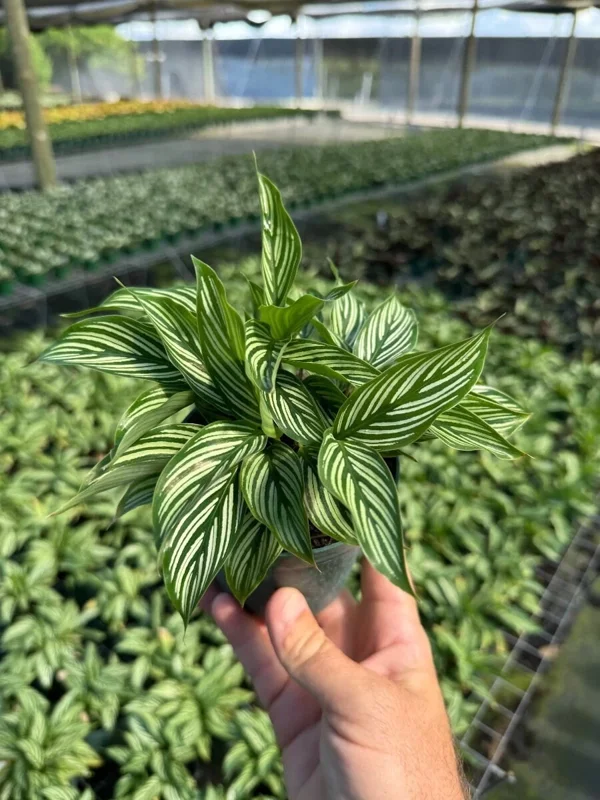
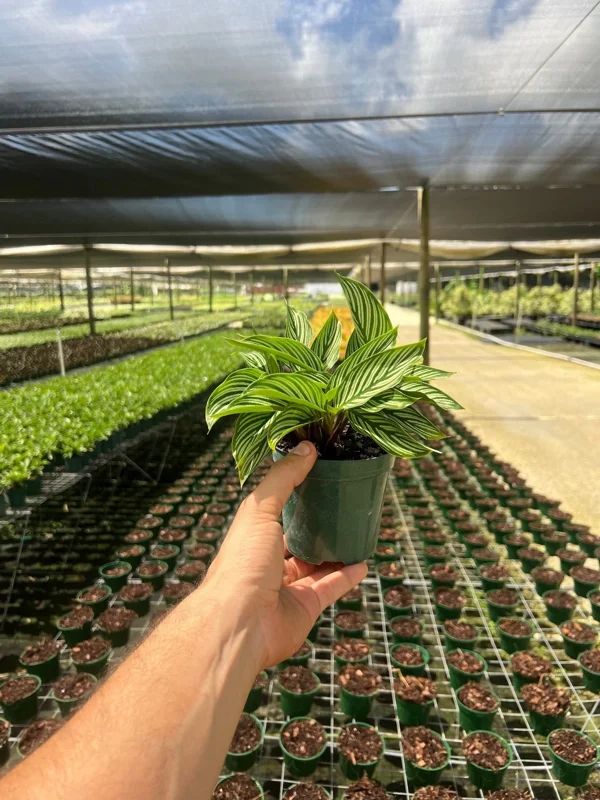
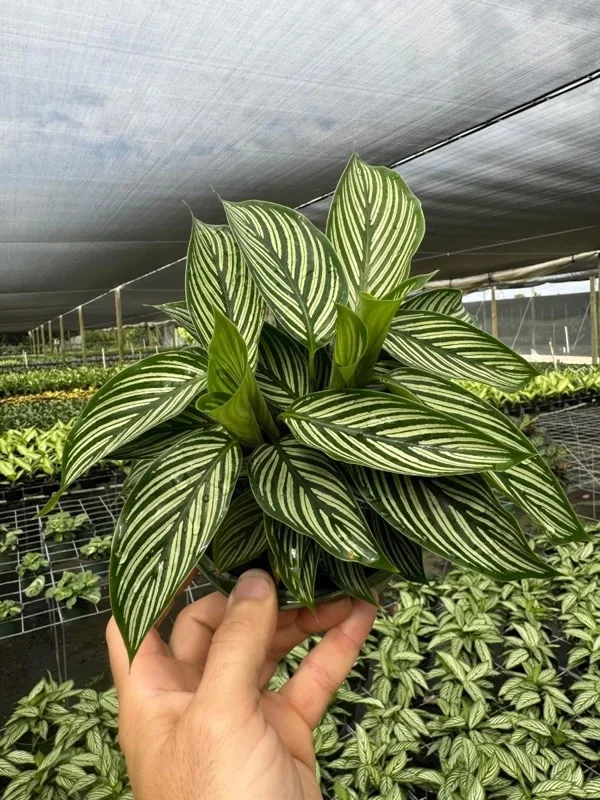
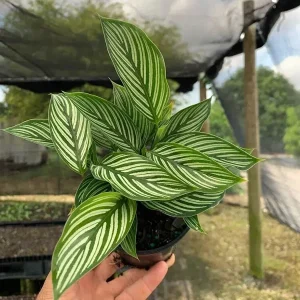

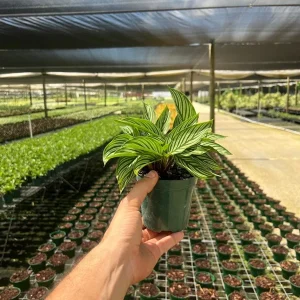
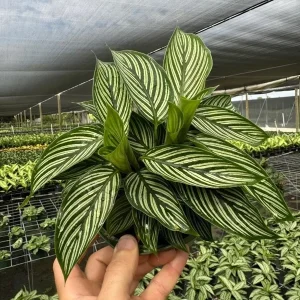
Calathea Vittata Pinstripe Prayer Plant – Live Houseplant in 4 inch Pot
Original price was: $39.99.$19.99Current price is: $19.99.
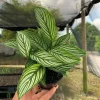
Bring home the exquisite Calathea Vittata Pinstripe Prayer Plant, a stunning live tropical houseplant known for its distinct pinstripe foliage. Perfect for adding a touch of exotic elegance to any indoor space, this 4-inch potted plant thrives with proper care.
Estimated arrival
Oct 11
Oct 16 - Oct 18
Oct 21 - Oct 25

Reasonable Price
We offer reasonable price

Support 24/7
Contact us 24 hrs a day

100% Money Back
You've 30 days to Return

Payment Secure
100% secure payment
Overview
The Calathea Vittata Pinstripe Prayer Plant is a captivating addition to any indoor plant collection, renowned for its striking foliage and unique characteristics. As a live tropical houseplant, it brings a touch of the Amazon rainforest into your home. This particular variety, Calathea Vittata, features slender, elongated leaves with a base color of deep green, beautifully contrasted by delicate, bright green to white pinstripes that run parallel to the veins. Its common name, “Prayer Plant,” comes from its fascinating nyctinastic movement, where the leaves fold upwards at night, resembling hands clasped in prayer, and unfurl again by day.
Native to the tropical regions of South America, the Calathea Vittata Pinstripe Prayer Plant thrives in warm, humid environments, making it an ideal choice for indoor settings where consistent conditions can be maintained. Its vibrant appearance makes it a popular choice for plant enthusiasts looking for an eye-catching focal point. This plant is not only beautiful but also non-toxic to pets, offering peace of mind for pet owners. If you’re searching for a distinctive and elegant indoor plant, the Calathea Vittata Pinstripe Prayer Plant is an excellent choice.
Key Benefits
The Calathea Vittata Pinstripe Prayer Plant offers numerous benefits beyond its undeniable aesthetic appeal, making it a valuable addition to your indoor landscape. Its unique characteristics contribute to a healthier and more visually stimulating indoor environment.
- Stunning Visual Appeal: The intricate pinstripe patterns on its dark green leaves create a captivating display, adding a sophisticated and exotic touch to any room. This plant is a true conversation starter and an artistic living decor piece.
- Air Purification Qualities: Like many houseplants, the Calathea Vittata Pinstripe Prayer Plant contributes to improved indoor air quality by filtering out common toxins, promoting a fresher and healthier living space.
- Unique Leaf Movement: Experience the mesmerizing daily rhythm of the plant as its leaves fold up at night and spread open during the day, a fascinating behavior that earns it the name “Prayer Plant.” This dynamic quality adds an engaging element to its presence.
- Pet-Friendly Nature: This beautiful indoor foliage plant is non-toxic to cats and dogs, allowing you to enjoy its beauty without worrying about the safety of your beloved pets.
- Enhances Humidity: As a tropical plant, it naturally releases moisture into the air, subtly contributing to higher humidity levels in its immediate surroundings, which can be beneficial in dry indoor environments.
- Therapeutic Presence: Caring for and observing this vibrant plant can be a calming and rewarding experience, offering a small escape and connection to nature within your home.
Plant Care & Growing Tips
Caring for your Calathea Vittata Pinstripe Prayer Plant requires attention to detail, but with the right environment, it will flourish and bring continuous beauty. These tropical plants thrive in conditions that mimic their native rainforest habitat.
Sunlight Requirements: The Calathea Vittata plant prefers bright, indirect light. Direct sunlight can scorch its delicate leaves, causing them to fade or develop brown spots. An east-facing window is often ideal, or a few feet away from a south or west-facing window where it receives filtered light. Avoid placing it in very low light conditions, as this can diminish the vibrancy of its pinstripes and slow its growth.
Watering Schedule and Soil Moisture: Consistent moisture is key for a healthy pinstripe prayer plant care routine. Water thoroughly when the top inch of soil feels dry to the touch. Do not let the plant sit in standing water, as this can lead to root rot. Conversely, allowing the soil to dry out completely can cause leaf edges to crisp. Use filtered, distilled, or rainwater, as Calatheas are sensitive to the chlorine and fluoride found in tap water, which can cause leaf tip burn. Ensure excellent drainage.
Soil Type and Drainage Requirements: A well-draining, moisture-retentive potting mix is best. A mix formulated for tropical plants or a combination of peat moss, perlite, and a small amount of bark works well. The soil should be rich in organic matter. Good drainage is crucial to prevent waterlogging while retaining enough moisture for the plant’s needs.
Temperature Range and USDA Hardiness Zone: Maintain consistent temperatures between 65-80°F (18-27°C). Avoid sudden temperature fluctuations and cold drafts, which can shock the plant. As a tropical houseplant, it is not tolerant of cold and is best grown indoors year-round. It corresponds to USDA zones 10-11 if grown outdoors in a protected environment, but it’s primarily an indoor plant.
Fertilization Schedule and Type: Fertilize your Calathea Vittata Pinstripe Prayer Plant every 2-4 weeks during the growing season (spring and summer) with a balanced liquid fertilizer diluted to half strength. Reduce or cease fertilization during fall and winter when the plant’s growth slows. Over-fertilization can lead to fertilizer burn on the leaves.
Humidity: High humidity is vital for Calatheas. Aim for 60% or higher. You can increase humidity by misting the leaves daily, using a pebble tray with water, or placing a humidifier nearby. Brown, crispy leaf edges are often a sign of insufficient humidity.
Size & Details
This offering is for a vibrant Calathea Vittata Pinstripe Prayer Plant, provided as a healthy live indoor foliage plant in a convenient 4-inch nursery pot. At the time of shipment, the plant typically stands approximately 6-8 inches tall from the base of the pot to the top of its foliage, making it a perfect size for desks, shelves, or small accent tables. The plant is well-rooted and established, ready to thrive in its new home.
With proper care, the Calathea Vittata plant can grow to a mature height of 1-2 feet and a similar spread, forming a lush, bushy specimen. Its growth rate is moderate, allowing you to enjoy its development over time. It will arrive carefully packaged to ensure minimal stress during transit, ready for you to unbox and place in your desired location. Repotting may be needed every 1-2 years as the plant grows, moving to a pot that is 1-2 inches larger in diameter.
Frequently Asked Questions
- Q: How big does this plant get? A: The Calathea Vittata Pinstripe Prayer Plant typically grows to a mature height of 1 to 2 feet (30-60 cm) and can achieve a similar spread, forming a beautiful, lush bush. Its size makes it suitable for various indoor spaces.
- Q: Is this an indoor or outdoor plant? A: This is primarily an indoor foliage plant. While it enjoys warm, humid conditions, it is not cold-hardy and thrives best in a controlled indoor environment where temperatures and humidity can be consistently maintained.
- Q: How much sunlight does it need? A: The Calathea Vittata Pinstripe Prayer Plant prefers bright, indirect light. Direct sunlight can damage its leaves, causing them to bleach or burn. An east-facing window or a spot a few feet away from a brighter window is ideal.
- Q: Is this plant easy to care for? A: Calatheas are considered moderately challenging. They require consistent humidity, specific watering practices (avoiding tap water), and protection from drafts. With attention to these details, its pinstripe prayer plant care can be very rewarding.
- Q: What condition will it arrive in? A: Your live tropical houseplant will arrive healthy, well-packaged, and actively growing in its 4-inch nursery pot. We take great care to ensure it reaches you in excellent condition, ready to flourish in your home.
- Q: Can I use tap water for my Calathea Vittata plant? A: It’s best to avoid using tap water for your Calathea. These plants are sensitive to the chemicals often found in municipal water, such as chlorine and fluoride, which can cause browning of the leaf tips and edges. Distilled, filtered, or rainwater is preferred.
- Q: Is the Calathea Vittata Pinstripe Prayer Plant pet-safe? A: Yes, this beautiful indoor foliage plant is considered non-toxic to pets, including cats and dogs, according to the ASPCA. You can enjoy its beauty without concern for your furry friends.
- Q: How often should I fertilize my Calathea? A: During the spring and summer growing seasons, fertilize every 2-4 weeks with a diluted liquid fertilizer. Reduce or stop fertilizing during the fall and winter months when the plant’s growth naturally slows down.
- Q: Why are the leaves of my Calathea curling or browning? A: Curling leaves often indicate insufficient watering or low humidity. Brown, crispy leaf edges are typically a sign of low humidity or sensitivity to chemicals in tap water. Adjust your pinstripe prayer plant care accordingly.
- Q: What is the ideal humidity level for this plant? A: The Calathea Vittata Pinstripe Prayer Plant thrives in high humidity, ideally 60% or more. Consider using a humidifier, pebble tray, or misting regularly to maintain optimal humidity levels around the plant.
Be the first to review “Calathea Vittata Pinstripe Prayer Plant – Live Houseplant in 4 inch Pot”
-
USDA Hardiness Zone
USDA zones 10-11 (indoors primarily) -
Soil Type
Well-draining, moisture-retentive potting mix -
Sunlight Exposure
Bright indirect light -
Expected Planting Period
Year-round indoors
People Also Viewd

Sold 134 products
Original price was: $3,536.00.$23.99Current price is: $23.99.
Sold 132 products
Original price was: $27.00.$24.00Current price is: $24.00.
Sold 132 products
Original price was: $89.99.$64.99Current price is: $64.99.

Sold 125 products
Original price was: $86.99.$66.99Current price is: $66.99.
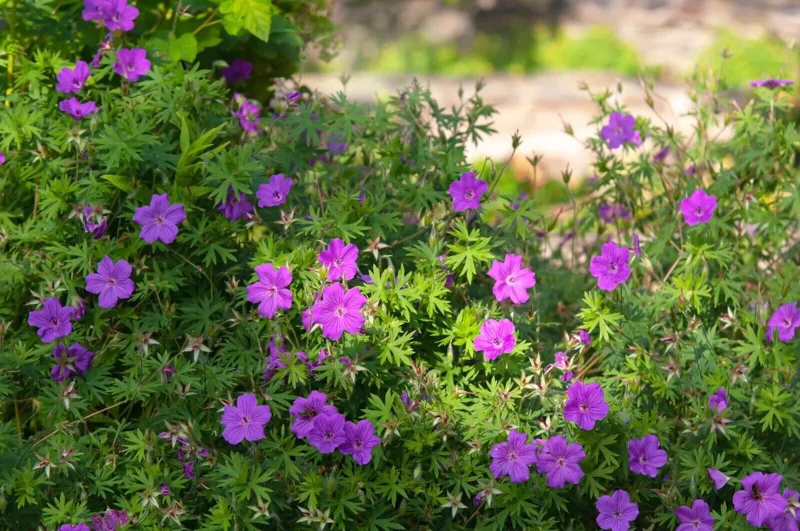
Flower Bulbs
3 Cranesbill Wild Geranium Organic Maculatums Bare Roots | Wildflower for Outdoor Garden
Sold 116 products
Original price was: $21.99.$9.99Current price is: $9.99.
Sold 114 products
Original price was: $28.99.$17.99Current price is: $17.99.
Sold 110 products
Original price was: $63.99.$28.99Current price is: $28.99.
Sold 108 products
Original price was: $28.99.$17.99Current price is: $17.99.RELATED posts
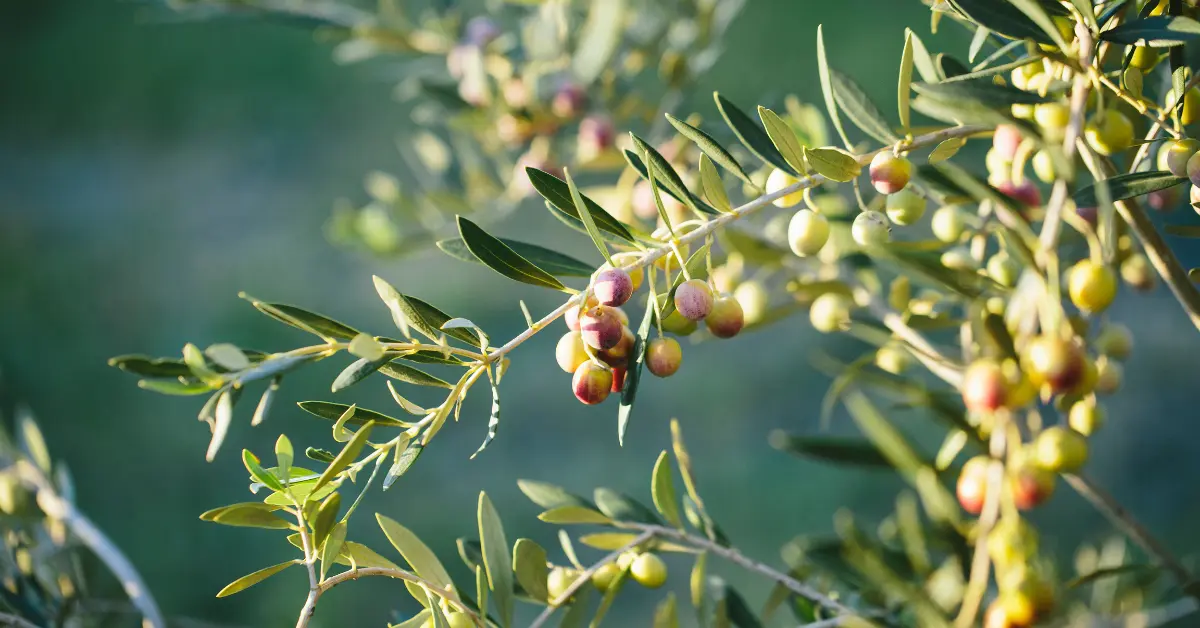
How to Grow Arbequina Olive Trees: The Ultimate Guide to Your Own Olive Grove
Arbequina Olive Tree (Olea europaea ‘Arbequina’) – the ultimate Mediterranean plant that brings a touch [...]
Oct
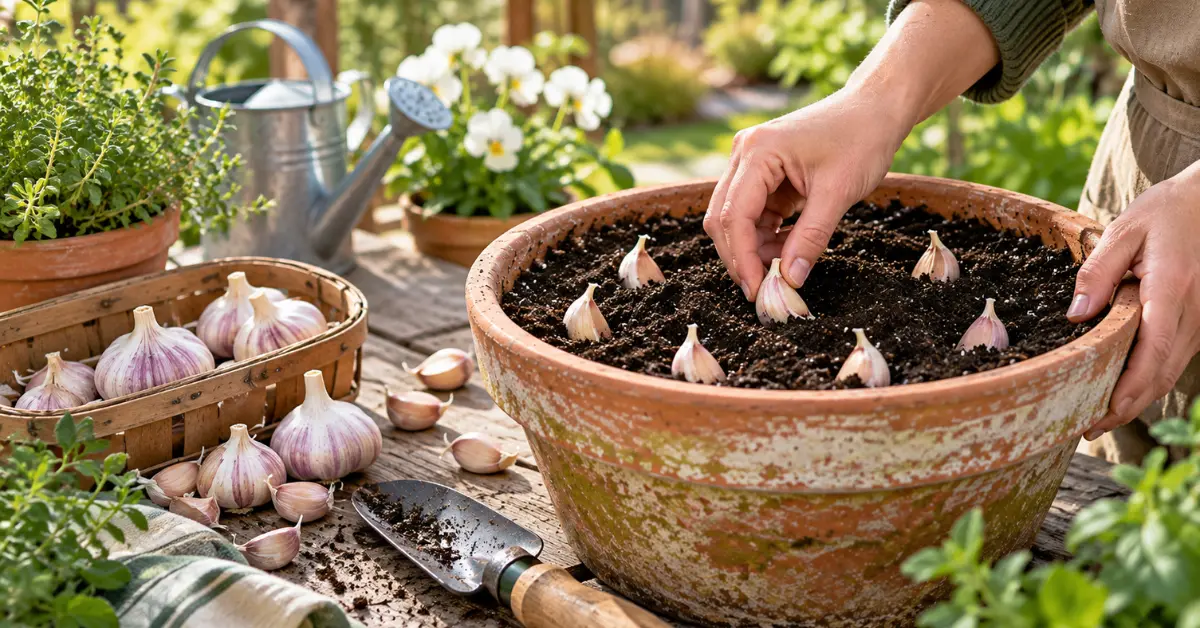
Growing Garlic in Containers This Fall: A Complete Guide for Beginners
If you’ve ever wanted to pop fresh, aromatic garlic cloves straight from your own patio [...]
Sep
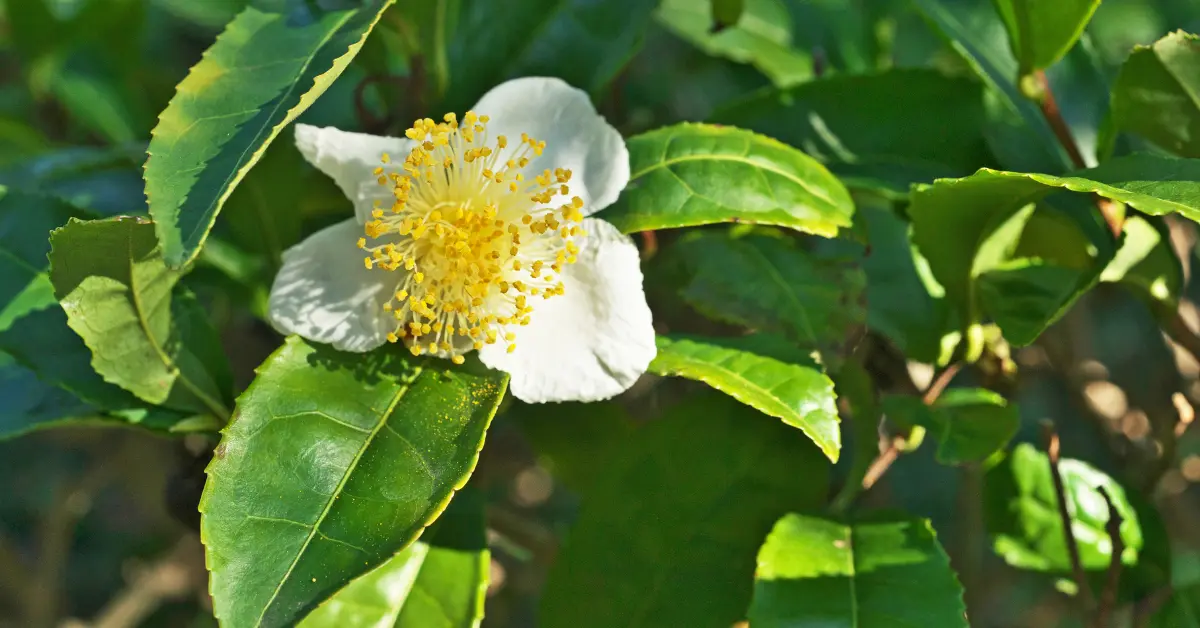
Growing Camellia Sinensis (Tea Plants) in Containers: A Complete Guide for Beginners
If you’ve ever wanted to sip a steaming, homegrown cup of fresh green, black, or [...]
Aug
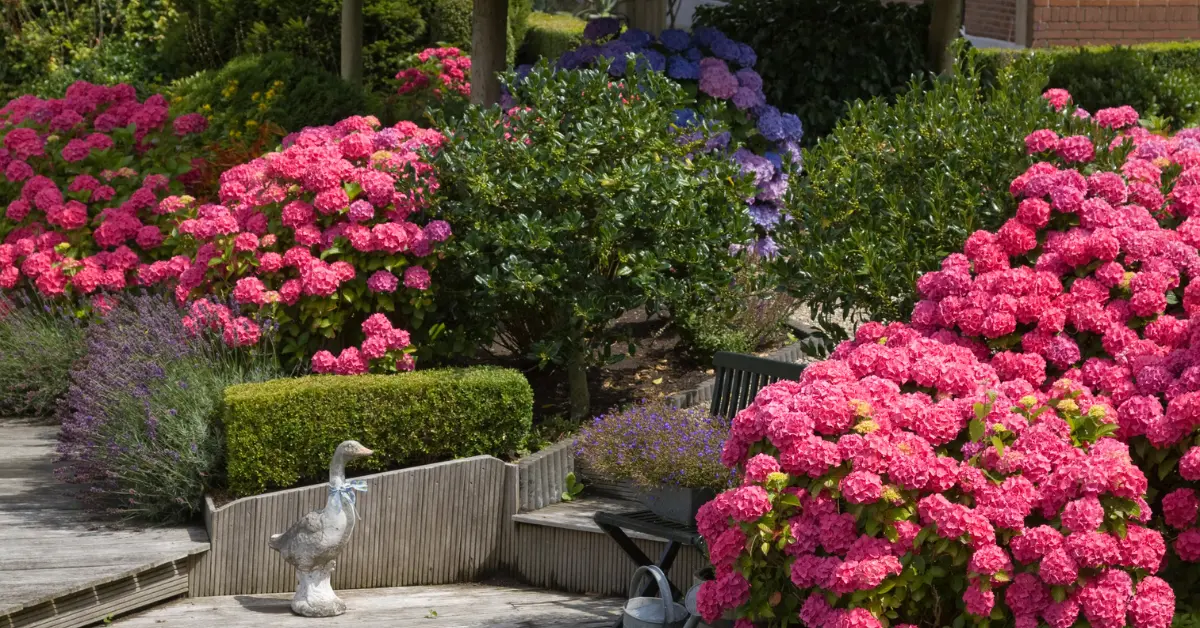
6 Best Shrubs to Plant in August You Must Try
Have you ever walked through a nursery late in the summer, admired the vibrant shrubs [...]
Aug

Growing Everbearing Strawberries in Containers: A Complete Guide for Beginners
Want to grow sweet, fresh strawberries but do not have a large garden? Everbearing strawberries [...]
Aug
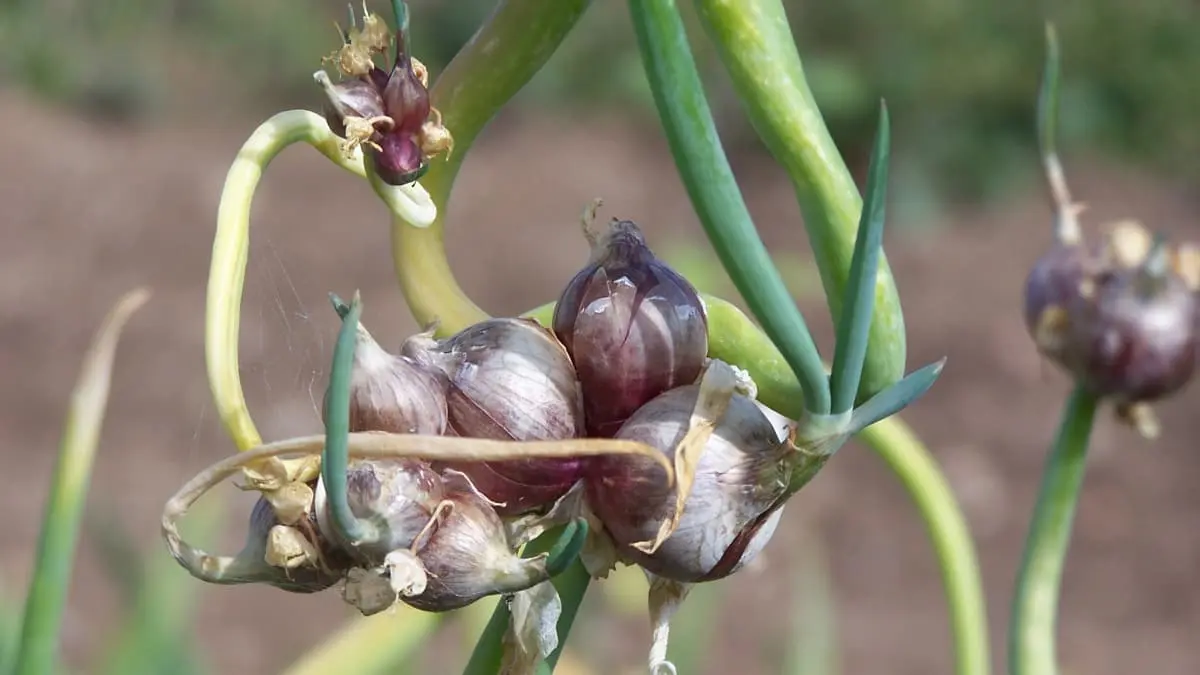
Growing Egyptian Walking Onions in Containers: A Complete Guide for Beginners
If you’re looking for a hardy, no-fuss perennial onion that keeps on giving year after [...]
Jul
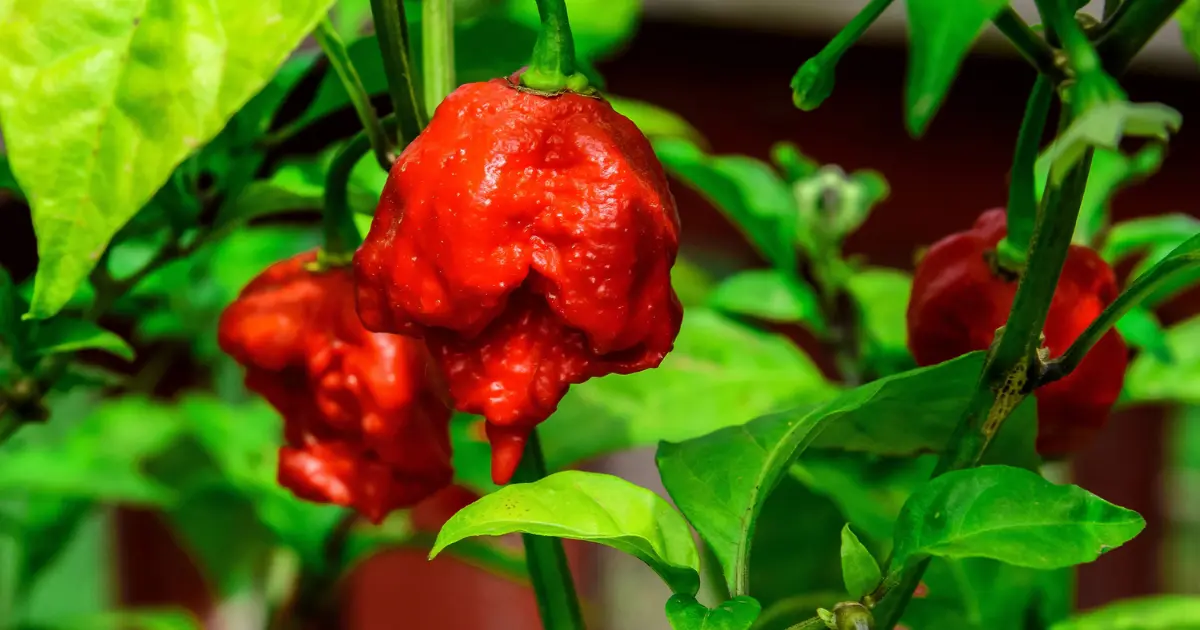
Growing Carolina Reaper Peppers in Pots: A Complete Guide for Beginners
If you’ve ever wanted to add some serious, record-breaking heat to your home cooking, you’ve [...]
May
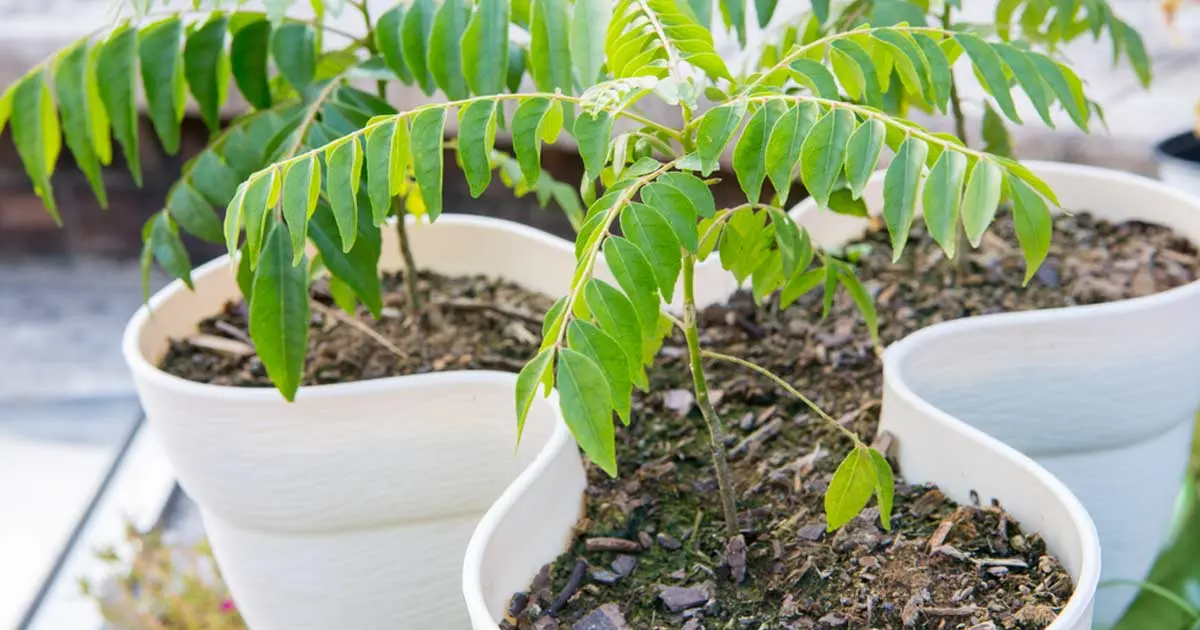
Growing Curry Leaf Plant in Pots: A Complete Guide for Beginners
If you’re a fan of authentic South Asian cuisine, you already know that nothing compares [...]
May

Reviews
There are no reviews yet.