
Carlos Muscadine Grape Plant – Live Grapevine – 4-6 Inch Tall – Outdoor Fruit
Original price was: $45.99.$17.99Current price is: $17.99.
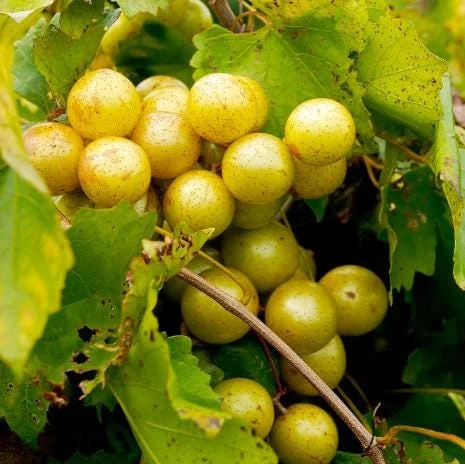
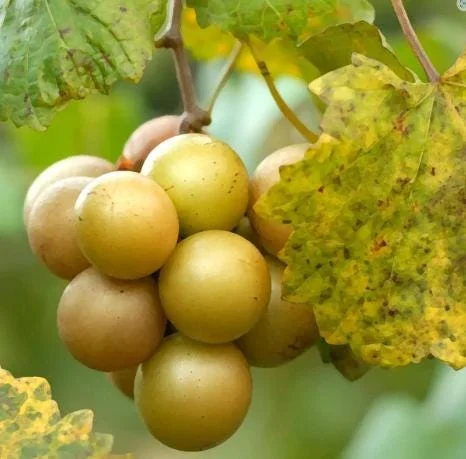
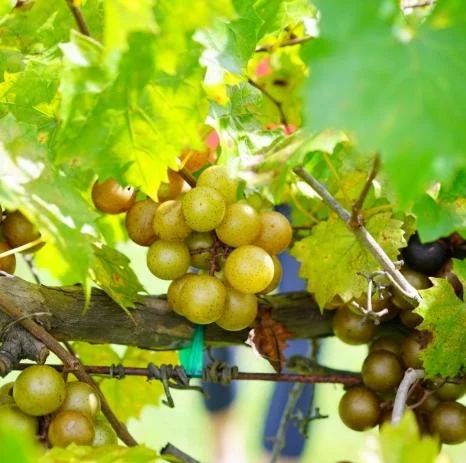
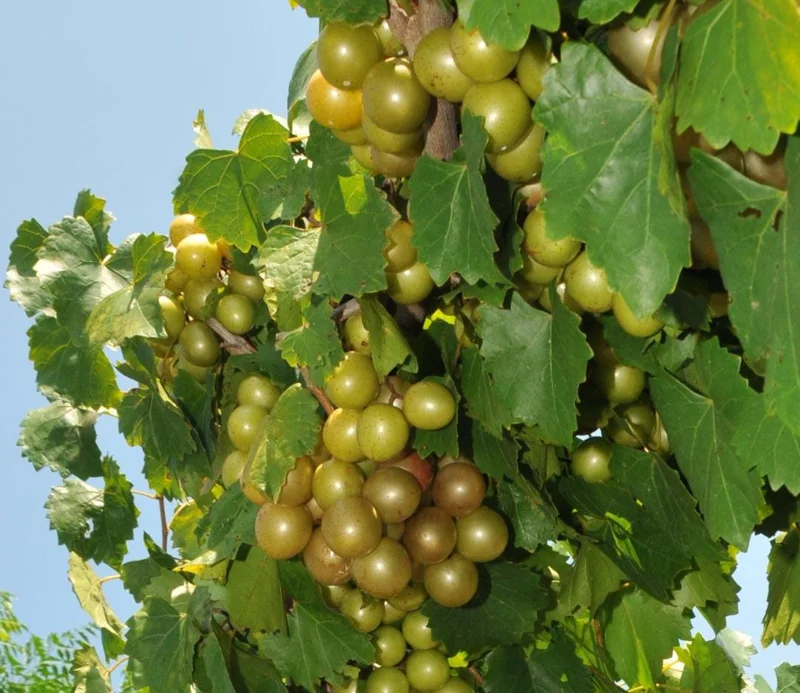
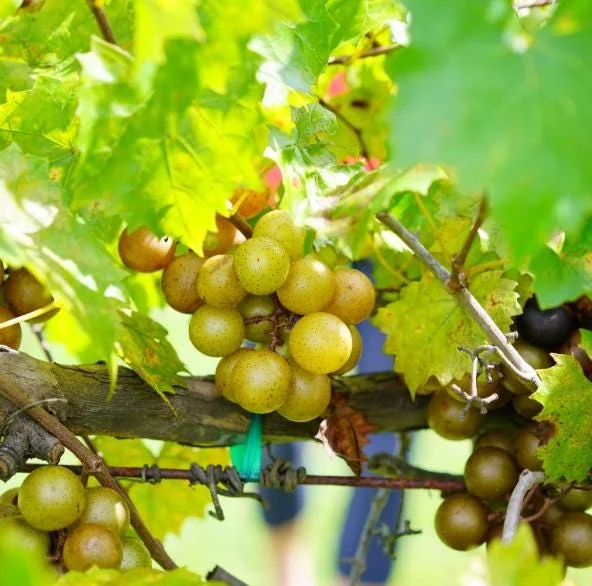
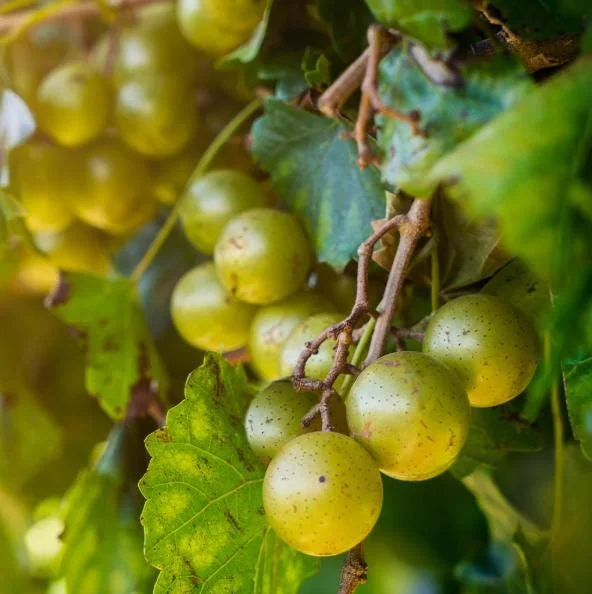
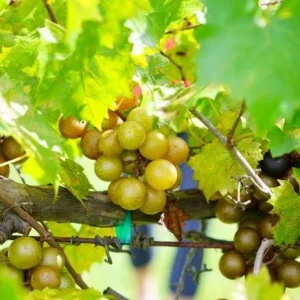
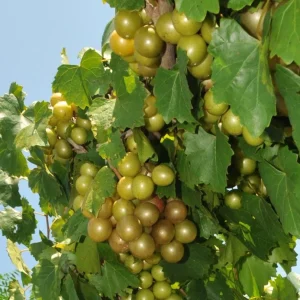
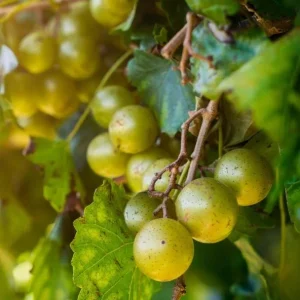
Cultivate your own sweet, juicy grapes with a Carlos Muscadine Grape Plant. This well-rooted outdoor grape plant, 4-6 inches tall, is ready for planting in your home garden, promising delicious bronze fruit.
Estimated arrival
Jul 18
Jul 23 - Jul 25
Jul 28 - Aug 01

Reasonable Price
We offer reasonable price

Support 24/7
Contact us 24 hrs a day

100% Money Back
You've 30 days to Return

Payment Secure
100% secure payment
Overview
Bring the joy of homegrown fruit to your garden with the Carlos Muscadine Grape Plant. This live, well-rooted grapevine is known for its vigorous growth and abundant production of sweet, bronze-colored grapes. The ‘Carlos’ variety is a popular choice among muscadines, cherished for its medium to large round fruit with a delightful balance of sweetness and a slightly thick, nutritious skin. Perfect for fresh eating, making juice, or even wine, this outdoor grape plant is an excellent addition for both novice and experienced gardeners looking to cultivate their own fruit. Shipped as a well-established plant, typically 4-6 inches tall, it’s ready to thrive in your landscape.
Muscadine grapes (Vitis rotundifolia) are native to the southeastern United States, making them exceptionally well-suited for warm, humid climates. The ‘Carlos’ muscadine is a self-fertile variety, meaning you only need one plant to produce fruit, though planting multiple varieties can sometimes enhance yield. Its robust nature and delicious fruit make it a rewarding choice for any home orchard or edible landscape.
Key Benefits
The Carlos Muscadine Grape Plant offers a multitude of benefits for the home gardener, extending beyond just its delicious fruit:
- Abundant Fruit Production: Enjoy a generous harvest of sweet, bronze muscadine grapes, perfect for fresh eating, preserves, and juice. This variety is known for its reliable and heavy yields once established.
- Disease Resistance: Muscadines, including ‘Carlos’, are naturally more resistant to many common grape diseases and pests than European grape varieties, making them a lower-maintenance option for organic or natural gardening.
- Self-Fertile Variety: As a self-fertile plant, you only need one Carlos Muscadine Grape Plant to produce fruit, simplifying the planting process and ensuring a harvest without needing a separate pollinator.
- Versatile Culinary Use: The grapes can be enjoyed fresh, juiced, or used in jellies, jams, and wine. Their distinct flavor profile adds a unique touch to various recipes.
- Attractive Landscape Addition: Beyond its fruit, the vigorous vines provide lush green foliage, making it an attractive addition to arbors, pergolas, or fences, offering both beauty and shade.
- Adaptable to Various Soils: While preferring well-draining soil, muscadines are quite adaptable and can tolerate a range of soil conditions, making them suitable for many garden types.
- Long-Lived and Productive: With proper care, a muscadine vine can produce delicious fruit for many years, becoming a long-term asset to your garden.
Plant Care & Growing Tips
Caring for your Carlos Muscadine Grape Plant is relatively straightforward, especially given its hardy nature. Muscadines thrive in USDA Zones 7 to 10. For optimal growth and fruit production, select a site that receives full sun to bright direct light, meaning at least 6-8 hours of direct sunlight per day. Adequate sunlight is crucial for fruit development and sweetness.
When it comes to soil, this outdoor grape plant prefers well-draining sandy or loamy soil. While adaptable, avoid heavy clay soils that retain too much water, as this can lead to root rot. If your soil is heavy, amend it with organic matter like compost to improve drainage. Water regularly during the plant’s establishment phase, typically the first year after planting. Once mature, muscadines are quite drought-tolerant, but moderate watering during dry spells, especially when fruit is developing, will promote better yields. Ideal temperatures for growth are between 70°F and 90°F. Pruning is essential for maintaining vine health and maximizing fruit production; typically, dormant pruning in late winter is recommended to establish a strong framework and remove old wood.
Fertilize your muscadine vine in early spring before new growth begins, using a balanced fertilizer or one formulated for fruit-bearing plants. Avoid high-nitrogen fertilizers after the initial growth period, as this can promote excessive foliage at the expense of fruit. Watch for common pests like grape leaf skeletonizers or diseases like black rot, though muscadines are generally more resistant than other grape varieties. Proper air circulation and sanitation can help prevent most issues. Understanding muscadine grapevine care will ensure a healthy and productive plant for years to come.
Size & Details
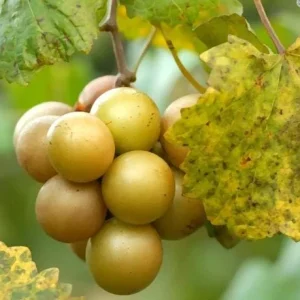
This offering is for one Carlos Muscadine Grape Plant, shipped as a live, well-rooted plant. You will receive a plant that is typically 4-6 inches tall, ready for immediate planting in your garden or a larger pot. The plant is shipped without a pot, with its roots carefully protected for transit, ensuring a smooth transition to your soil. As a vigorous vine, the ‘Carlos’ muscadine will grow rapidly once established, capable of reaching lengths of 15-20 feet or more, especially when provided with a sturdy trellis or arbor for support. Fruit production typically begins 2-3 years after planting, with full maturity and heavy yields reached in 4-5 years. The grapes are medium to large, round, and bronze-colored, ripening in late summer to early fall, depending on your specific climate and growing conditions. This plant is a fantastic choice for those interested in growing muscadine grapes in their home garden.
Frequently Asked Questions
- Q: How big does this plant get? A: The Carlos Muscadine Grape Plant is a vigorous vine that can grow quite large, typically reaching lengths of 15-20 feet or more with proper support and pruning. Its spread will depend on how it’s trained.
- Q: Is this an indoor or outdoor plant? A: This is an outdoor grape plant, specifically bred for outdoor cultivation in suitable USDA hardiness zones. It requires full sun and ample space to thrive and produce fruit.
- Q: How much sunlight does it need? A: The ‘Carlos’ muscadine requires at least 6-8 hours of direct sunlight per day to ensure healthy growth and optimal fruit production. Full sun is essential for sweet grapes.
- Q: Is this plant easy to care for? A: Yes, muscadines are generally considered easier to care for than many other grape varieties due to their natural disease resistance and adaptability. Basic muscadine grapevine care involves proper planting, watering, pruning, and occasional fertilization.
- Q: What condition will it arrive in? A: Your Carlos Muscadine Grape Plant will arrive as a live, well-rooted plant, typically 4-6 inches tall, with its roots protected for transit. It will be ready for planting upon arrival.
- Q: How long until it produces fruit? A: Under ideal conditions, you can expect your muscadine plant to begin producing fruit within 2-3 years after planting, with significant yields typically starting in 4-5 years.
- Q: When is the best time to plant a muscadine? A: The best time to plant muscadine grapes is in late winter or early spring, after the danger of hard frost has passed, allowing the plant ample time to establish before the summer heat.
- Q: Can I use the grapes for making wine? A: Yes, ‘Carlos’ muscadine grapes are a popular choice for making homemade wine, as well as juices, jellies, and fresh eating. Their unique flavor lends itself well to various culinary uses.
- Q: What USDA zones are suitable for growing muscadine grapes? A: The Carlos Muscadine Grape Plant thrives in USDA Hardiness Zones 7 to 10, where it can tolerate the climate conditions necessary for growth and fruit development.
- Q: Do I need more than one plant for fruit? A: No, the ‘Carlos’ variety is self-fertile, meaning a single plant is sufficient to produce fruit. However, planting multiple varieties can sometimes enhance cross-pollination and yield.
Be the first to review “Carlos Muscadine Grape Plant – Live Grapevine – 4-6 Inch Tall – Outdoor Fruit”
-
USDA Hardiness Zone
7 to 10 -
Soil Type
Well-draining sandy or loamy soil -
Sunlight Exposure
Full sun to bright direct light -
Expected Planting Period
Spring
People Also Viewd


Sold 133 products
Original price was: $3,536.00.$23.99Current price is: $23.99.

Sold 130 products
Original price was: $27.00.$24.00Current price is: $24.00.

Sold 128 products
Original price was: $89.99.$64.99Current price is: $64.99.

Sold 125 products
Original price was: $86.99.$66.99Current price is: $66.99.

Flower Bulbs
3 Cranesbill Wild Geranium Organic Maculatums Bare Roots | Wildflower for Outdoor Garden
Sold 116 products
Original price was: $21.99.$9.99Current price is: $9.99.

Sold 114 products
Original price was: $28.99.$17.99Current price is: $17.99.

Sold 109 products
Original price was: $63.99.$28.99Current price is: $28.99.
Sold 108 products
Original price was: $28.99.$17.99Current price is: $17.99.RELATED posts
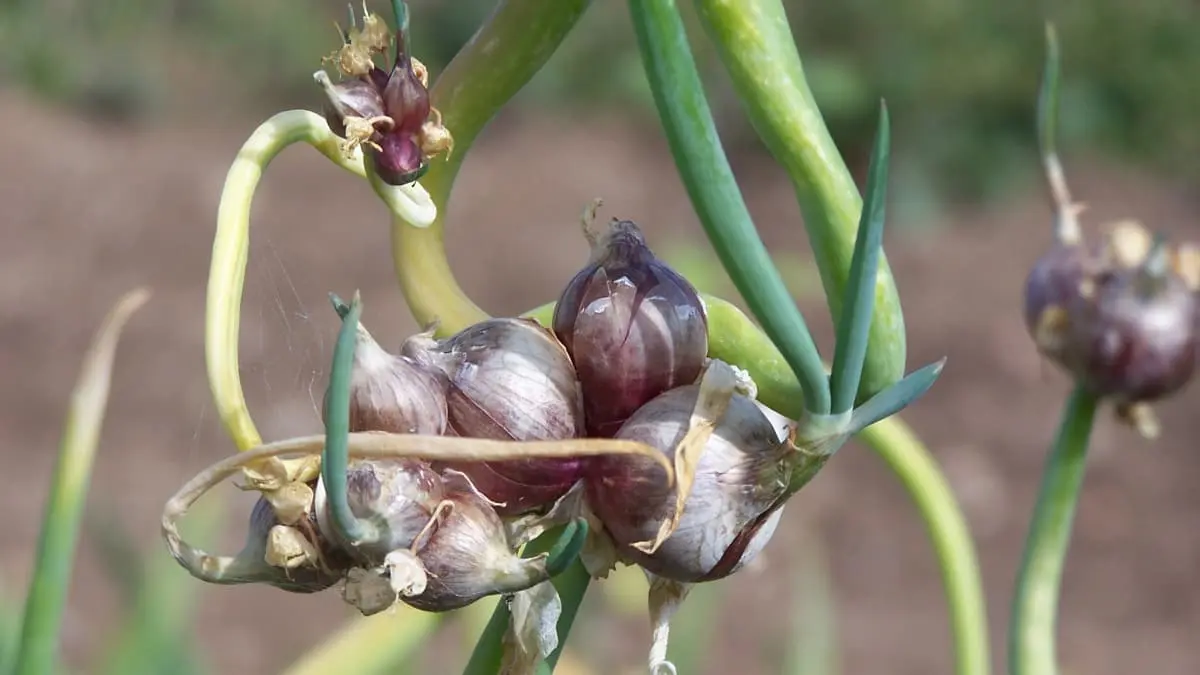
Growing Egyptian Walking Onions in Containers: A Complete Guide for Beginners
If you’re looking for a hardy, no-fuss perennial onion that keeps on giving year after [...]
Jul
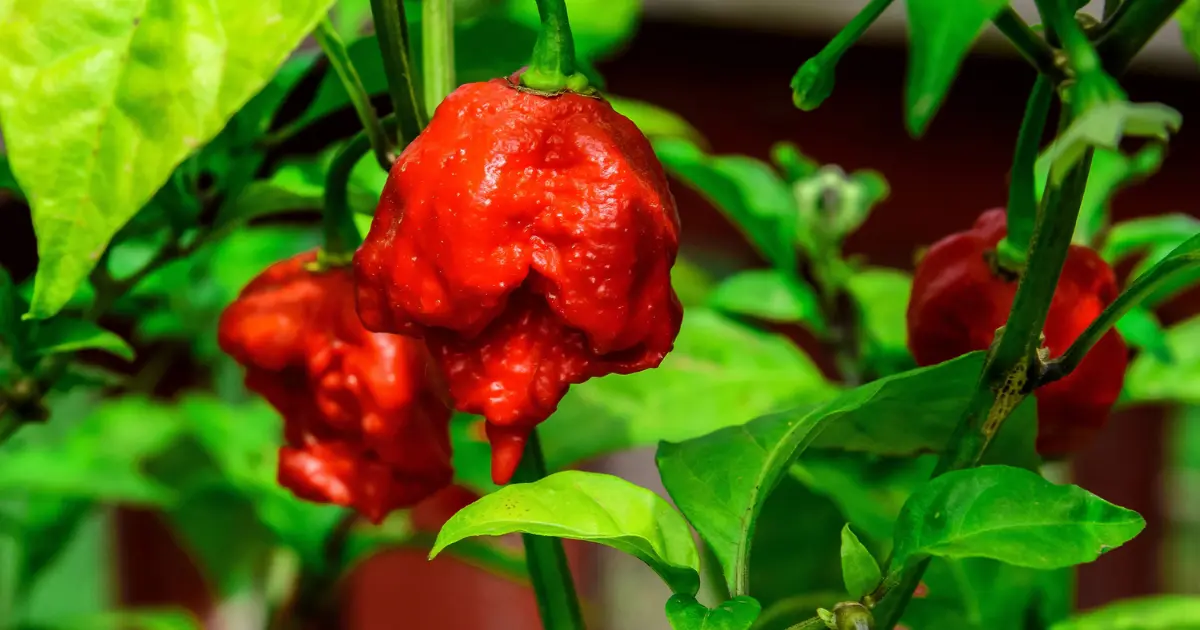
Growing Carolina Reaper Peppers in Pots: A Complete Guide for Beginners
If you’ve ever wanted to add some serious, record-breaking heat to your home cooking, you’ve [...]
May
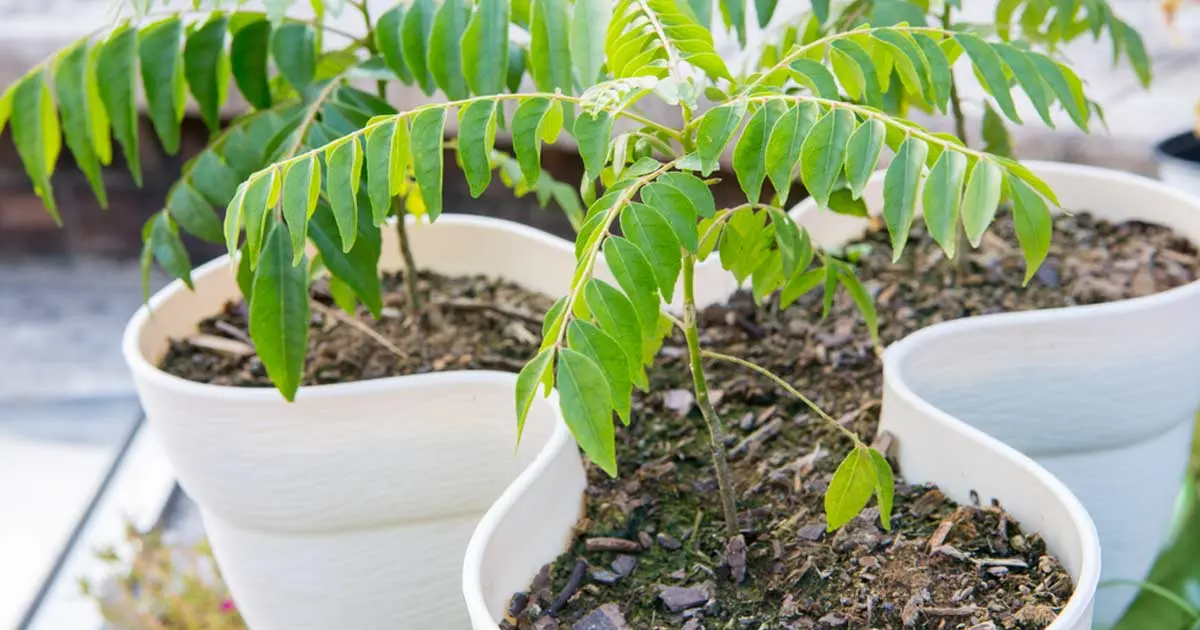
Growing Curry Leaf Plant in Pots: A Complete Guide for Beginners
If you’re a fan of authentic South Asian cuisine, you already know that nothing compares [...]
May
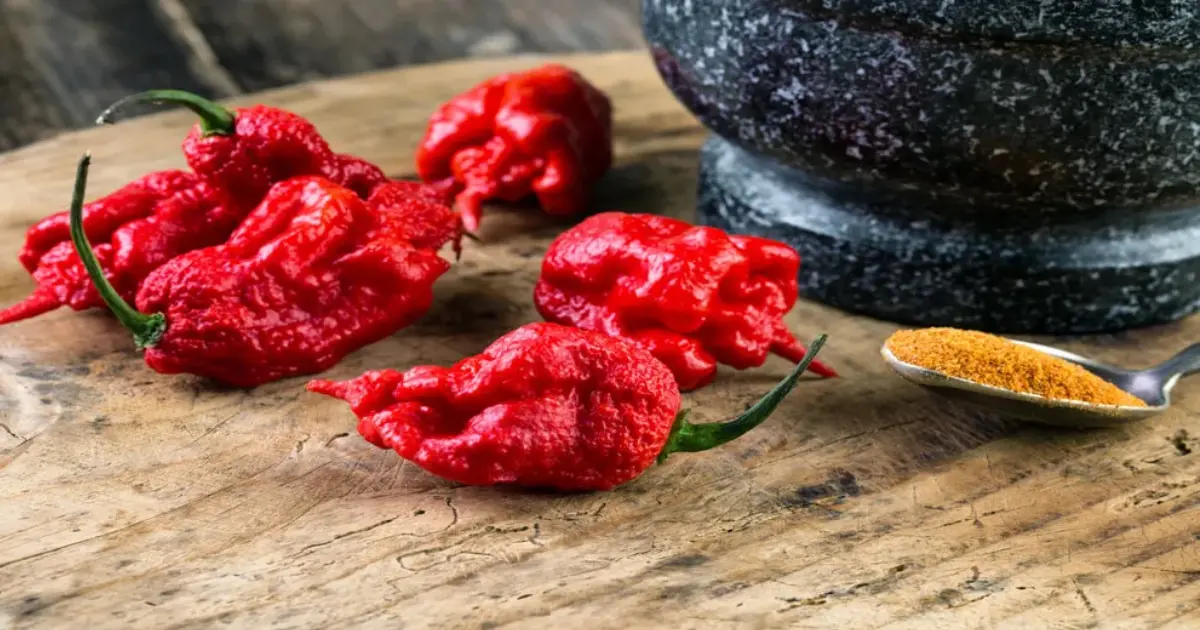
5 Tips for Growing Carolina Reaper Peppers to Get the Spiciest Harvest Ever
Holding the record for one of the world’s hottest peppers, the Reaper isn’t just a [...]
May
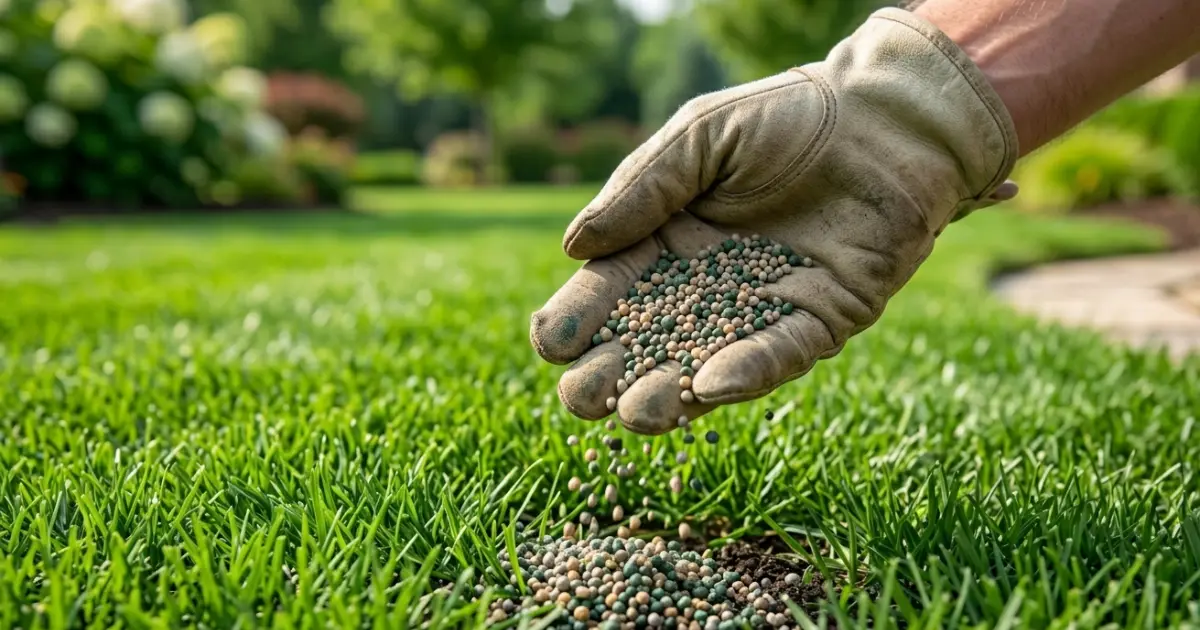
Best Fertilizers for Zoysia Grass in 2026: Get a Lush Lawn
As we enter the new year, the time has come to think about how we [...]
Apr
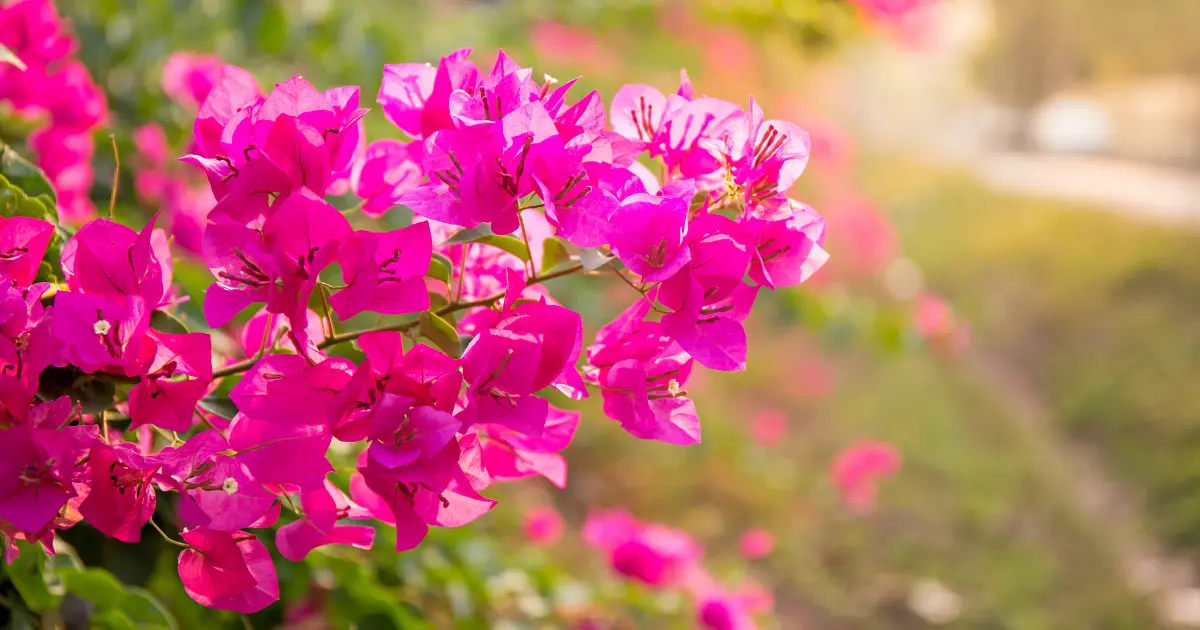
Bougainvillea Plant Care Tips: 7 Secrets to Explosive Blooms!
Are you staring at a bougainvillea that is all lush green leaves but hasn’t shown [...]
Apr
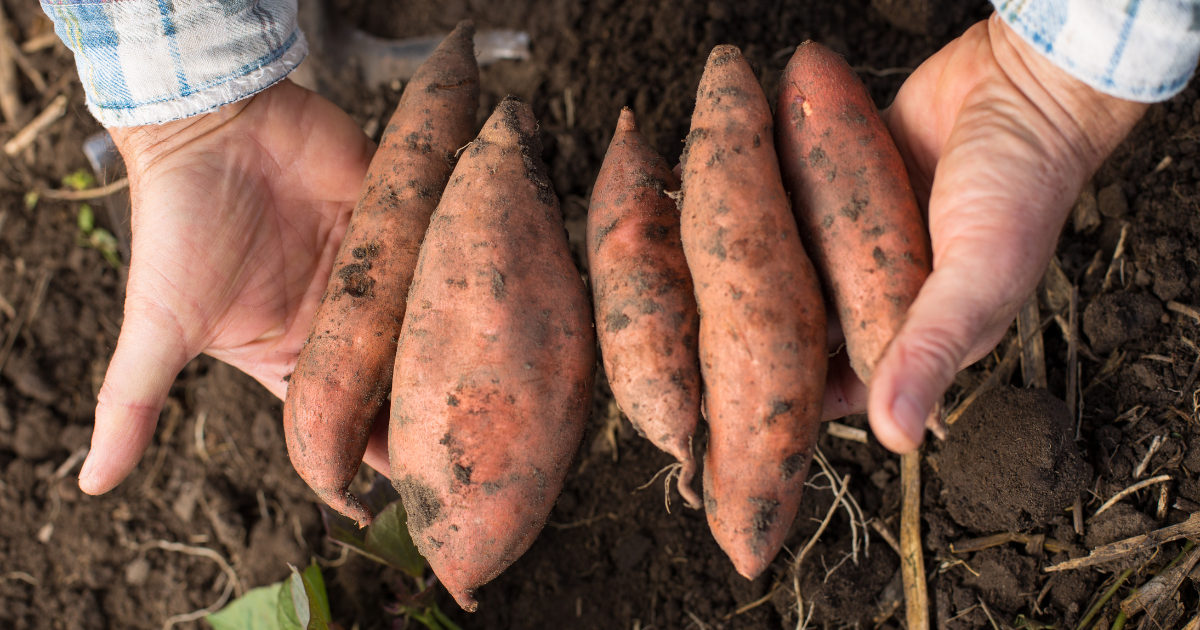
5 Tips for Growing Sweet Potatoes to Get the Biggest Sweet Potato Harvest Ever
If you are a fan of sweet potatoes, then these tips for growing sweet potatoes [...]
Apr
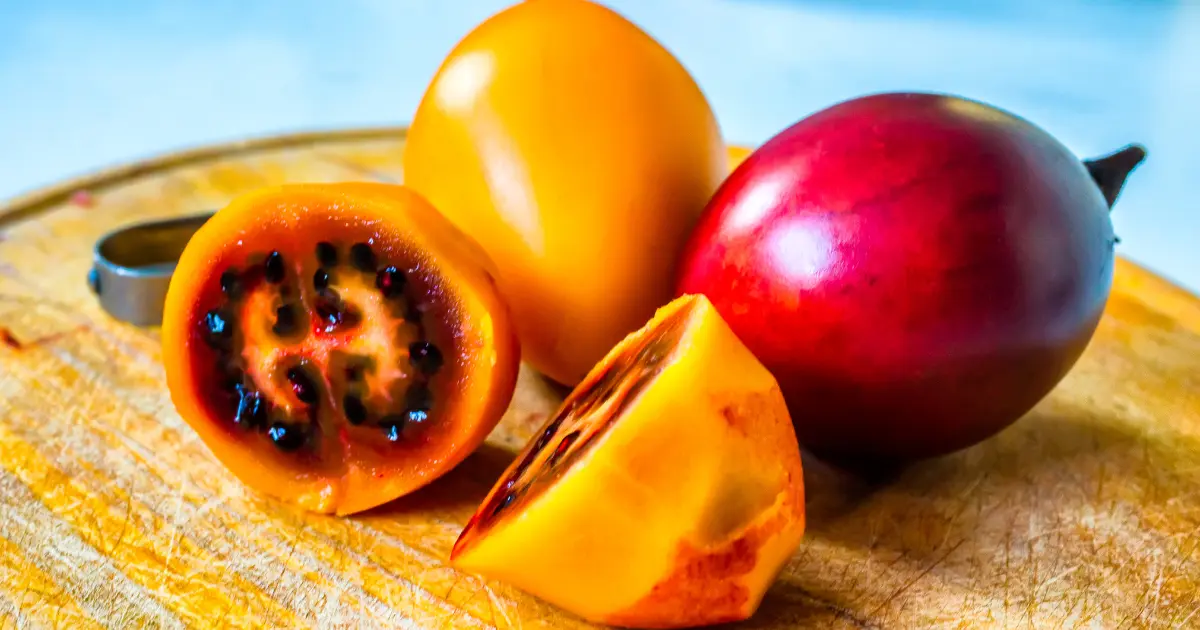
Tamarillo Tree Guide: Flavor, Texture & How to Eat Tree Tomatoes
The humble tomato is a kitchen staple we all know and love, but it rarely [...]
Apr


Reviews
There are no reviews yet.