
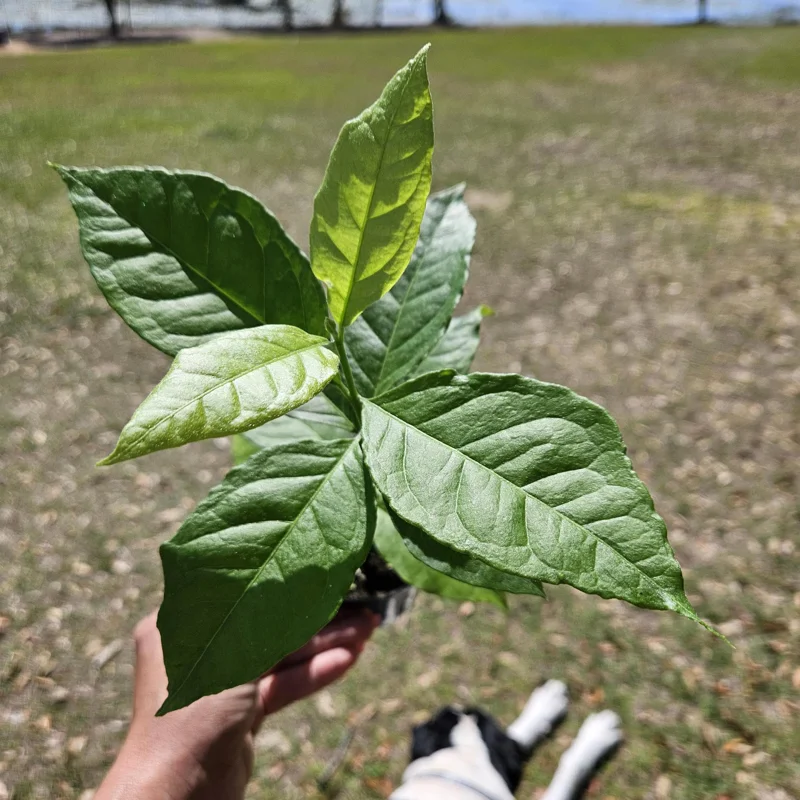
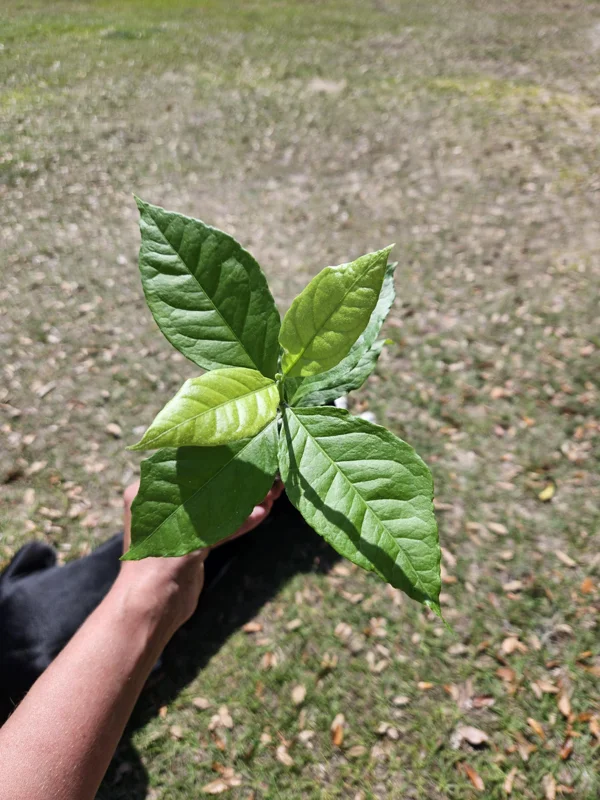
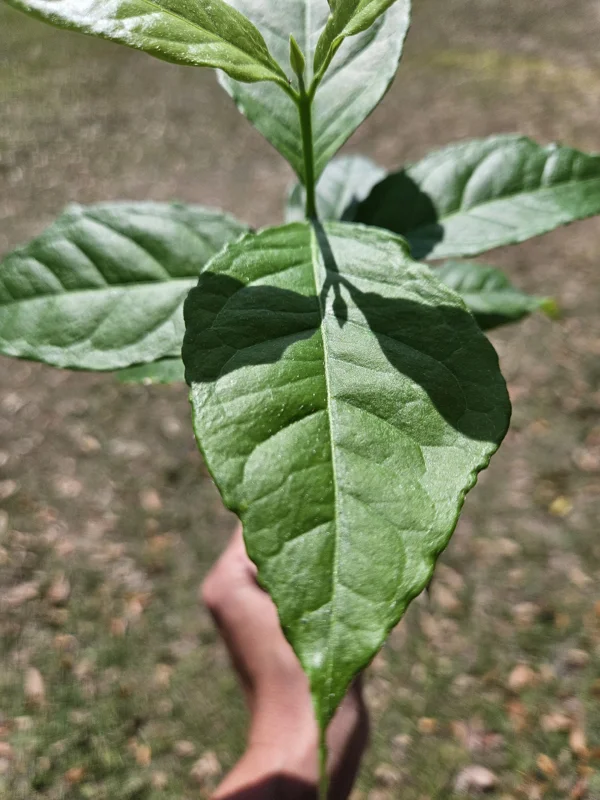
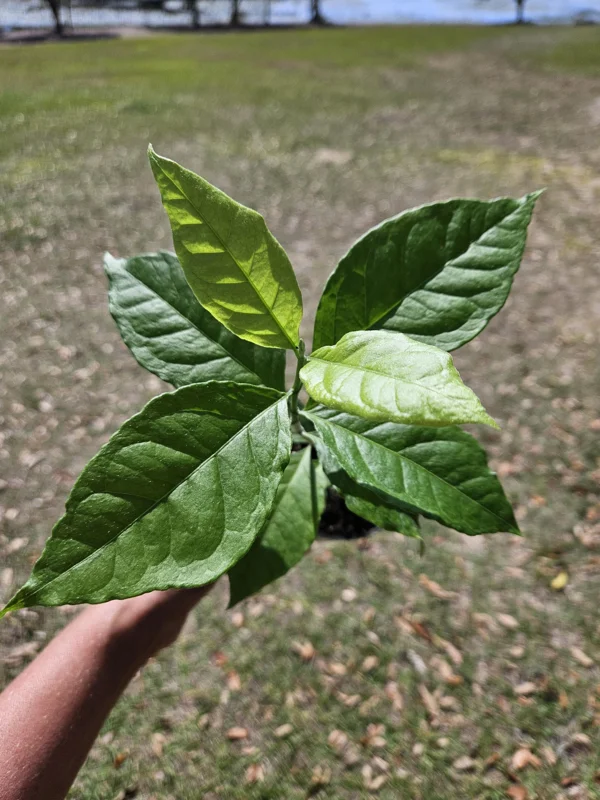
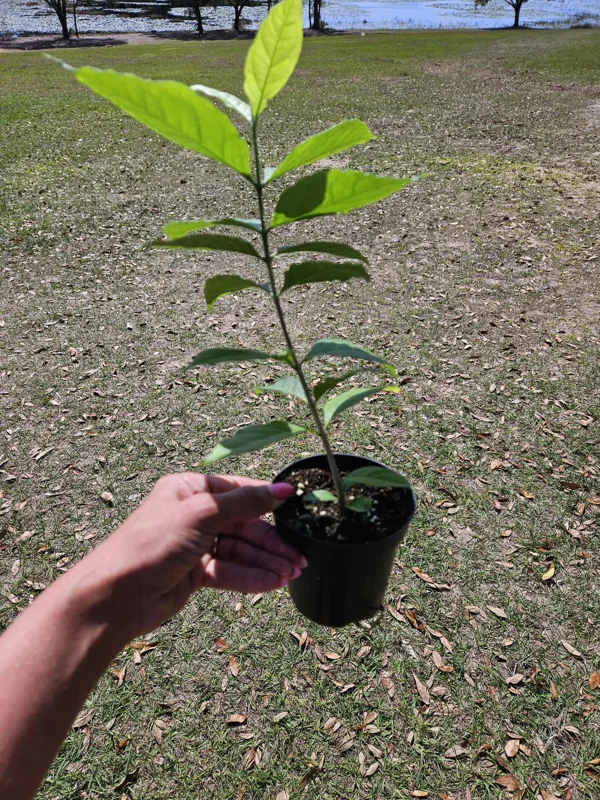

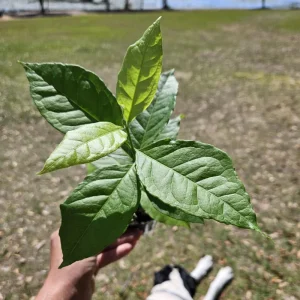
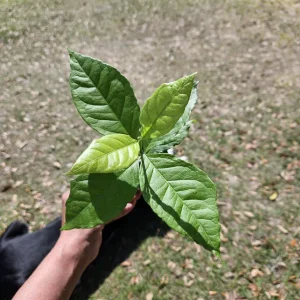
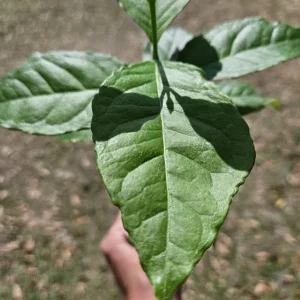
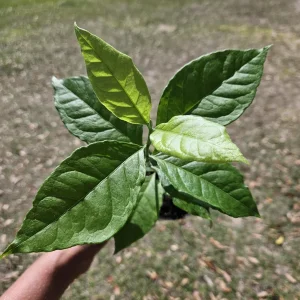
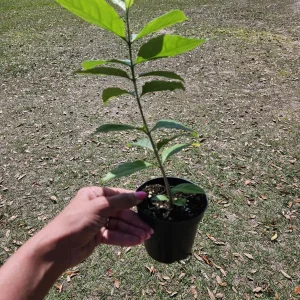

Peanut Butter Tree Live Plant – Bunchosia argentea, 4 Inch Pot, Tropical
Price range: $56.01 through $64.99
Bring home a unique peanut butter tree live plant (Bunchosia argentea) in a 4 inch pot. This tropical plant is known for its distinctive fruit, offering an exotic addition to your garden or patio. A delightful conversation starter and a rewarding plant to grow for enthusiasts of unusual fruiting varieties.
Estimated arrival
Jul 19
Jul 24 - Jul 26
Jul 29 - Aug 02

Reasonable Price
We offer reasonable price

Support 24/7
Contact us 24 hrs a day

100% Money Back
You've 30 days to Return

Payment Secure
100% secure payment
Overview
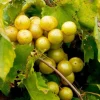
Introducing the remarkable peanut butter tree live plant, scientifically known as Bunchosia argentea. This fascinating tropical specimen is renowned for its distinctive fruit, often said to taste remarkably like peanut butter, offering a truly unique culinary experience. Originating from South America, the bunchosia argentea plant is a medium-sized shrub or small tree that can thrive in warm climates. When mature, it produces small, orange-red fruits that are prized for their unusual flavor and creamy texture. This live plant comes in a 4 inch nursery pot, ready to be nurtured and integrated into your collection of exotic plants. Whether you’re a seasoned gardener looking for something out of the ordinary or a curious enthusiast eager to try growing your own tropical fruits, the peanut butter tree live plant is an excellent choice that promises both beauty and a delicious reward.
Key Benefits
The peanut butter tree live plant offers a variety of benefits, making it a desirable addition to any garden or plant collection, especially for those interested in edible landscaping and unique flora.
- Unique Fruit Production: The primary benefit is its ability to produce delicious fruits that genuinely taste like peanut butter. This makes it an exciting and novel addition for adventurous eaters and home chefs.
- Exotic Appeal: With its lush foliage and bright orange-red fruits, the bunchosia argentea plant adds a distinctive tropical aesthetic to any setting, creating a focal point in your garden or patio.
- Rewarding Growing Experience: Cultivating this unusual fruit tree provides a satisfying challenge for gardeners. Watching the plant mature and bear its unique fruit is a truly gratifying experience.
- Conversation Starter: Its unusual name and even more unusual fruit make the peanut butter tree live plant an instant conversation starter, perfect for entertaining guests and sharing with friends.
- Adaptable Growth: While preferring warm climates, this plant can be grown in containers in cooler zones, allowing it to be moved indoors during colder months, extending its reach to a wider range of gardeners.
- Potential Health Benefits: Like many fruits, the peanut butter fruit is likely to contain vitamins and antioxidants, contributing to a healthy diet.
- Attracts Wildlife: The fruits can also attract local birds and other wildlife, adding to the biodiversity of your garden ecosystem.
Plant Care & Growing Tips
Caring for your peanut butter tree live plant involves understanding its tropical origins and providing an environment that mimics its natural habitat. This plant thrives in warm, humid conditions and requires specific attention to sunlight, watering, and soil. For optimal growth and fruit production, aim to provide a consistent and nurturing environment.
The bunchosia argentea plant prefers full sun to partial shade. In hotter climates, some afternoon shade can prevent leaf scorch, but generally, 6-8 hours of direct sunlight per day is ideal for fruit development. When grown indoors, place it near a south-facing window or use supplemental grow lights. It requires consistently moist, but not waterlogged, soil. Water thoroughly when the top inch of soil feels dry to the touch, and reduce watering slightly during cooler, dormant periods. Good drainage is crucial to prevent root rot. The ideal soil for a peanut butter fruit tree is well-draining, rich in organic matter, and slightly acidic to neutral (pH 6.0-7.0). A high-quality potting mix amended with compost or perlite works well for container-grown plants. This tropical species is sensitive to cold and should be protected from temperatures below 35°F (2°C). It is generally hardy in USDA Zones 9-11 outdoors. In colder zones, grow it in a container so it can be brought indoors during winter. Fertilize every 2-3 months during the growing season (spring and summer) with a balanced, slow-release fertilizer or a liquid feed formulated for tropical fruit plants. Watch out for common pests like aphids and spider mites, and treat with organic insecticidal soap if necessary. Pruning can be done to maintain shape and size, and to encourage more fruit production.
Size & Details
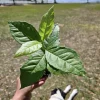
Your peanut butter tree live plant arrives in a 4 inch nursery pot, providing a healthy start for this unique tropical specimen. At this stage, the plant typically stands between 6 to 12 inches tall, with established roots ready for transplanting into a larger container or directly into the ground in appropriate climates. The Bunchosia argentea is a moderately fast grower under ideal conditions, capable of reaching heights of 10-15 feet as a small tree or shrub when mature in the ground, though it can be kept smaller through pruning in containers. The plant will begin producing its distinctive orange-red fruits, often described as tasting like peanut butter fruit tree, within 2-3 years, depending on care and growing conditions. Each plant is carefully selected to ensure you receive a vibrant and thriving specimen, ready to bring an exotic flair to your home or garden.
Frequently Asked Questions
- Q: How big does this plant get? A: When grown in the ground in tropical climates, the peanut butter tree live plant can reach 10-15 feet tall. In a container, its size can be managed through pruning, typically staying much smaller, around 4-8 feet.
- Q: What size pot does it come in? A: This bunchosia argentea plant is shipped in a 4 inch nursery pot, providing a good foundation for its initial growth.
- Q: Is this an indoor or outdoor plant? A: The peanut butter fruit tree is a tropical plant best suited for outdoor growth in USDA Zones 9-11. In colder climates, it can be grown outdoors during warm months and brought indoors as a houseplant for winter.
- Q: How much sunlight does it need? A: It thrives in full sun to partial shade, ideally receiving 6-8 hours of direct sunlight daily for best fruit production.
- Q: Is this plant easy to care for? A: While it requires specific conditions like warm temperatures and consistent moisture, it is considered moderately easy to care for, especially for those with experience with tropical plants.
- Q: What condition will it arrive in? A: Your tropical fruit plant will arrive as a healthy, live plant, carefully packaged to ensure its safe journey and ready for planting.
- Q: Is it shipped in soil? A: Yes, the plant is shipped securely in its 4 inch nursery pot with soil, preventing root disturbance during transit.
- Q: How long until it blooms and fruits? A: Under optimal conditions, the exotic plant for sale will typically begin to flower and produce fruit within 2-3 years of planting.
- Q: Can the fruit really be eaten? A: Yes, the fruit of the Bunchosia argentea is edible and known for its unique flavor resembling peanut butter, though it is usually consumed fresh.
- Q: What’s the minimum temperature this plant can tolerate? A: The peanut butter tree is sensitive to cold and should be protected from temperatures below 35°F (2°C) to prevent damage or death.
| Winter Shipping Option | Plant And Heat Pack, Plant Only |
|---|
Be the first to review “Peanut Butter Tree Live Plant – Bunchosia argentea, 4 Inch Pot, Tropical”
-
USDA Hardiness Zone
USDA zones 9-11 (outdoors) or indoors -
Soil Type
Well-draining, rich in organic matter, slightly acidic to neutral -
Sunlight Exposure
Full sun to partial shade -
Expected Planting Period
Year-round indoors or spring-summer outdoors in warm climates
People Also Viewd
Sold 133 products
Original price was: $3,536.00.$23.99Current price is: $23.99.
Sold 130 products
Original price was: $27.00.$24.00Current price is: $24.00.
Sold 128 products
Original price was: $89.99.$64.99Current price is: $64.99.

Sold 125 products
Original price was: $86.99.$66.99Current price is: $66.99.
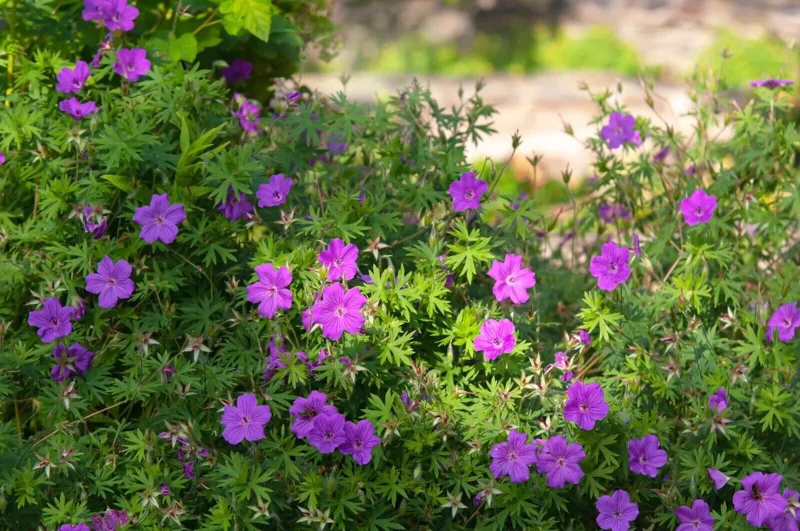
Flower Bulbs
3 Cranesbill Wild Geranium Organic Maculatums Bare Roots | Wildflower for Outdoor Garden
Sold 116 products
Original price was: $21.99.$9.99Current price is: $9.99.
Sold 114 products
Original price was: $28.99.$17.99Current price is: $17.99.
Sold 109 products
Original price was: $63.99.$28.99Current price is: $28.99.
Sold 108 products
Original price was: $28.99.$17.99Current price is: $17.99.RELATED posts
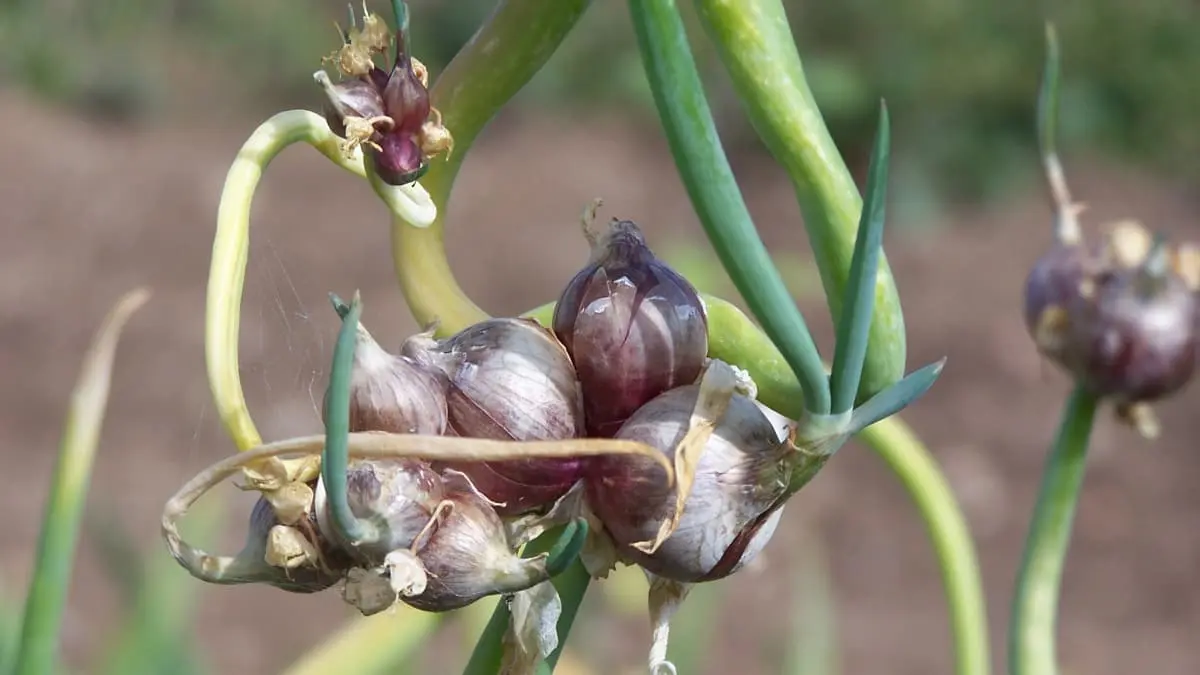
Growing Egyptian Walking Onions in Containers: A Complete Guide for Beginners
If you’re looking for a hardy, no-fuss perennial onion that keeps on giving year after [...]
Jul
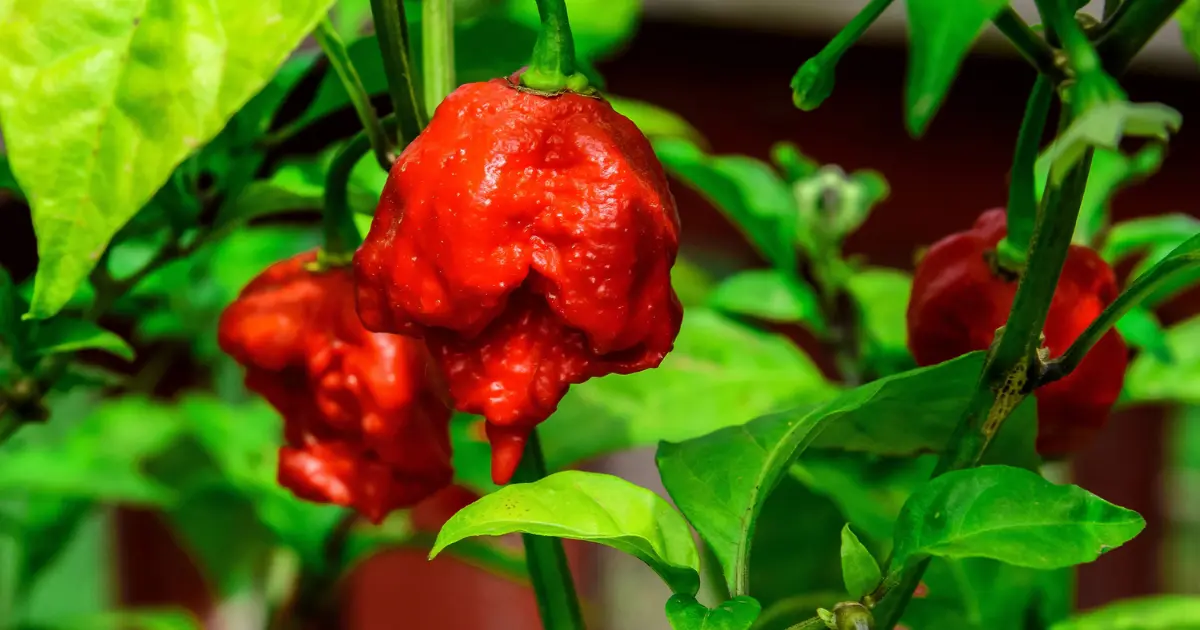
Growing Carolina Reaper Peppers in Pots: A Complete Guide for Beginners
If you’ve ever wanted to add some serious, record-breaking heat to your home cooking, you’ve [...]
May
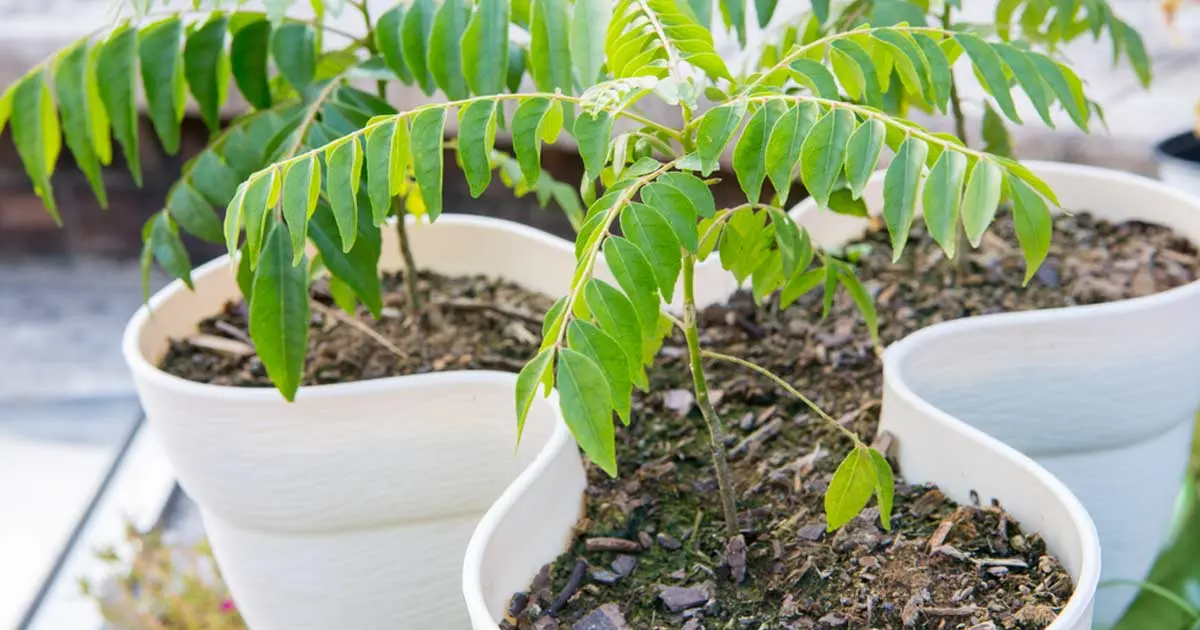
Growing Curry Leaf Plant in Pots: A Complete Guide for Beginners
If you’re a fan of authentic South Asian cuisine, you already know that nothing compares [...]
May
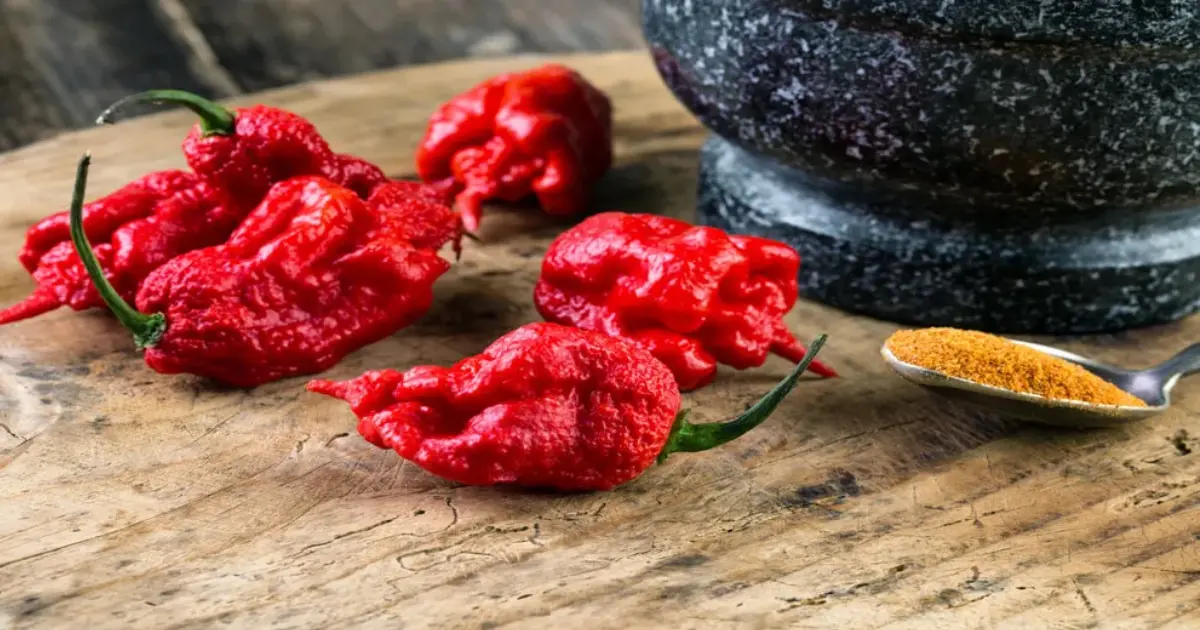
5 Tips for Growing Carolina Reaper Peppers to Get the Spiciest Harvest Ever
Holding the record for one of the world’s hottest peppers, the Reaper isn’t just a [...]
May
Best Fertilizers for Zoysia Grass in 2026: Get a Lush Lawn
As we enter the new year, the time has come to think about how we [...]
Apr
Bougainvillea Plant Care Tips: 7 Secrets to Explosive Blooms!
Are you staring at a bougainvillea that is all lush green leaves but hasn’t shown [...]
Apr
5 Tips for Growing Sweet Potatoes to Get the Biggest Sweet Potato Harvest Ever
If you are a fan of sweet potatoes, then these tips for growing sweet potatoes [...]
Apr
Tamarillo Tree Guide: Flavor, Texture & How to Eat Tree Tomatoes
The humble tomato is a kitchen staple we all know and love, but it rarely [...]
Apr
Reviews
There are no reviews yet.