
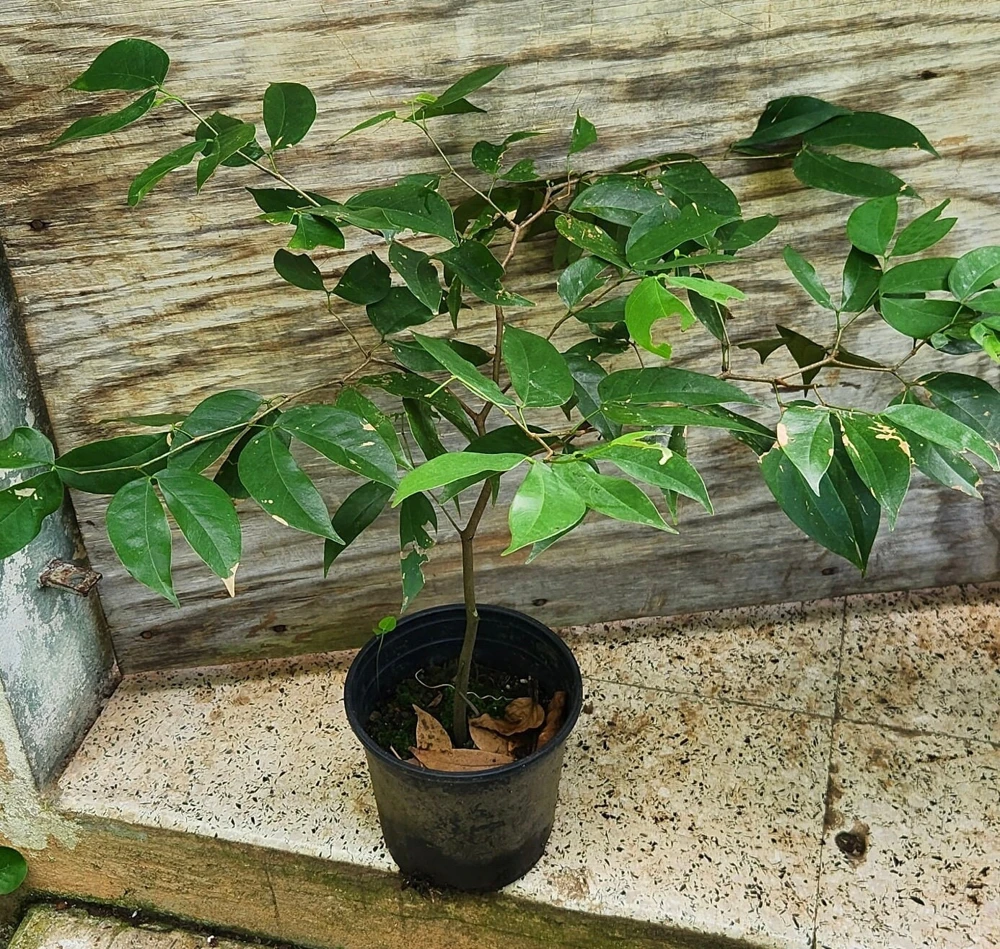
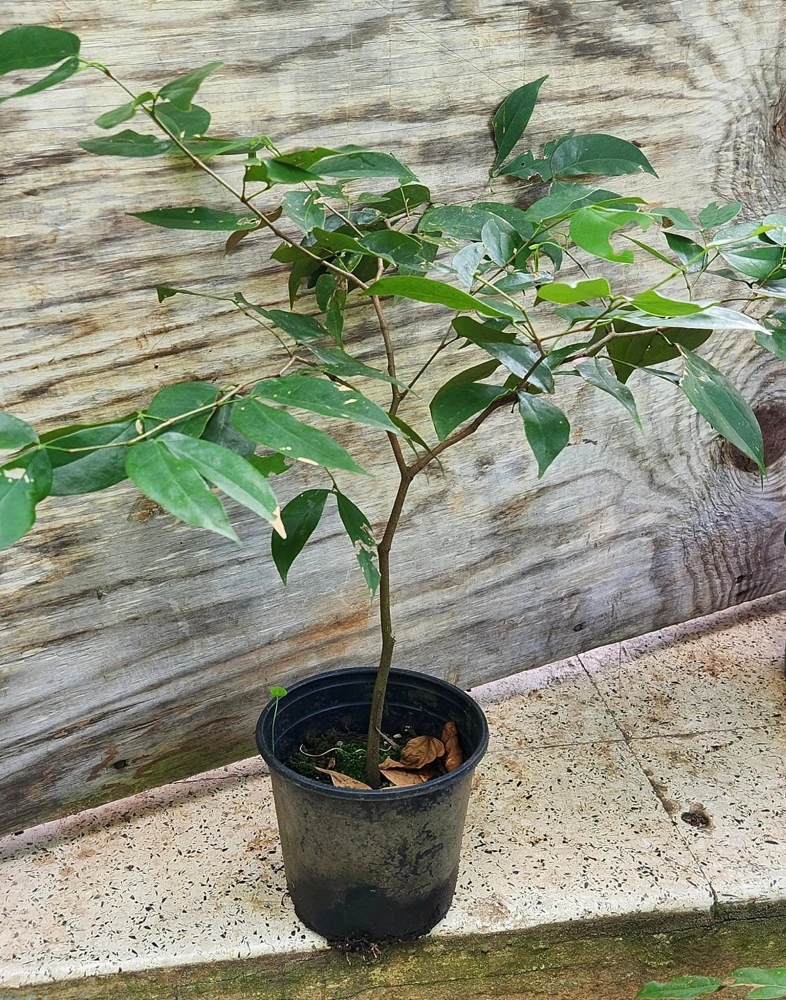
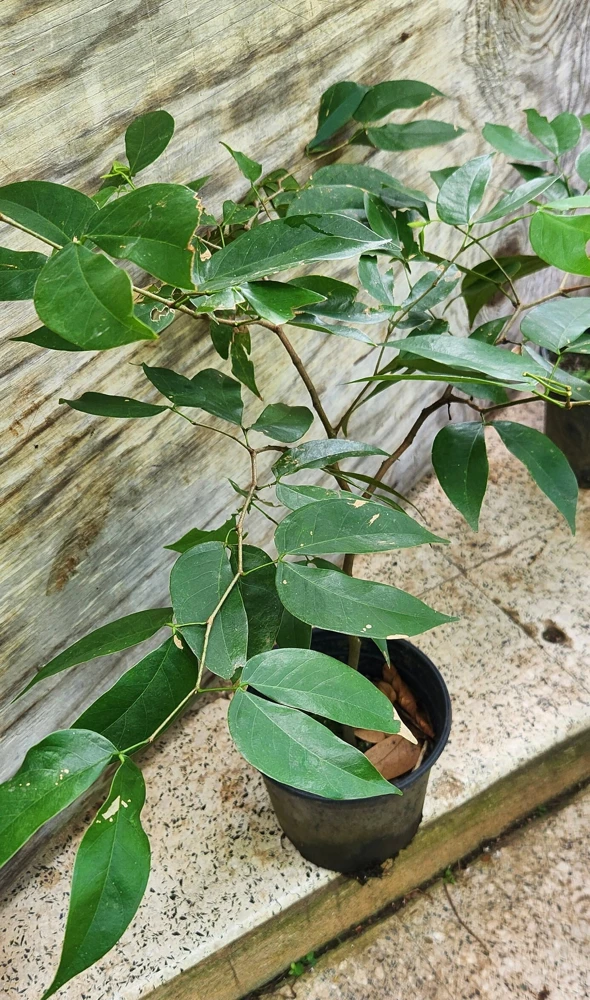
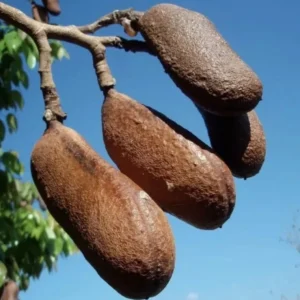
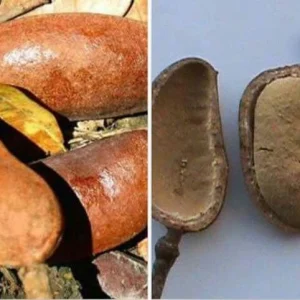
Carob Live Tree 12-18 inch Ceratonia siliqua – Edible Pods, Outdoor
Original price was: $122.00.$72.00Current price is: $72.00.
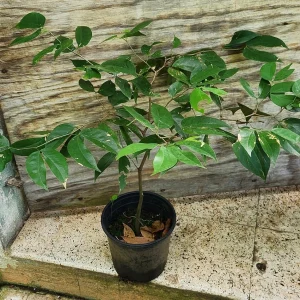
Cultivate your own carob live tree (Ceratonia siliqua), measuring 12-18 inches tall. This resilient tree is known for its delicious, edible pods and drought-tolerant nature, making it an excellent addition to your garden or landscape in suitable climates.
Estimated arrival
Sep 14
Sep 19 - Sep 21
Sep 24 - Sep 28

Reasonable Price
We offer reasonable price

Support 24/7
Contact us 24 hrs a day

100% Money Back
You've 30 days to Return

Payment Secure
100% secure payment
Overview
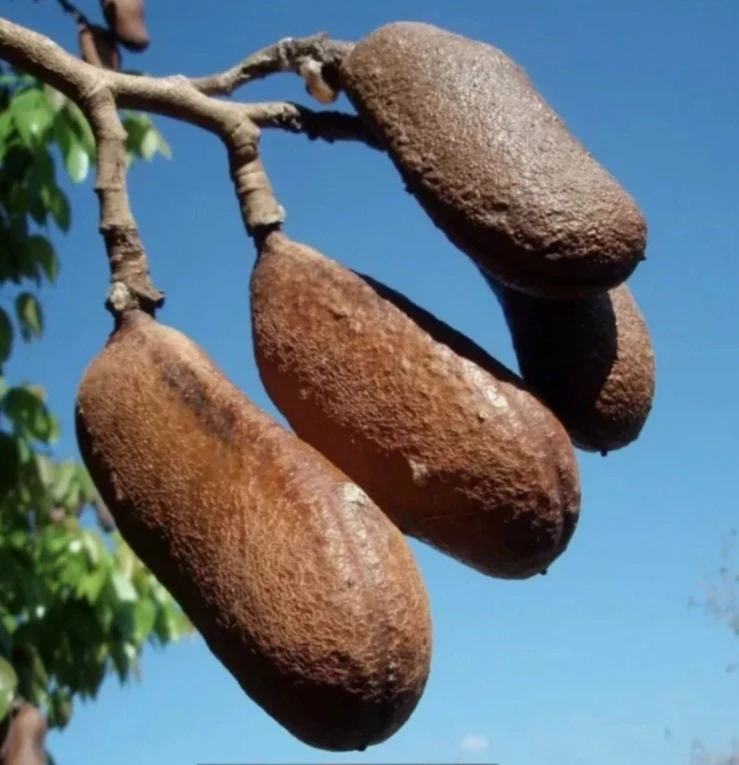
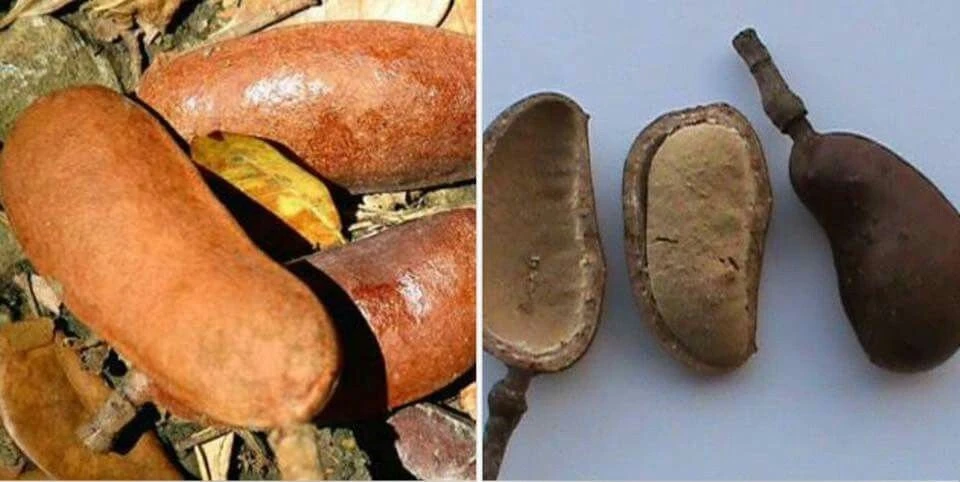
Bring the ancient and versatile carob live tree (Ceratonia siliqua) into your garden. This young tree, standing 12-18 inches tall, offers a unique opportunity to cultivate a plant with historical significance and modern appeal. Often referred to as Algarrobo, the carob tree is a robust evergreen native to the Mediterranean region, celebrated for its ornamental value and its highly prized edible pods. These pods, which ripen to a rich brown color, can reach up to 10 cm long and contain a sweet, fibrous pulp that has been used for centuries as a food source and a chocolate substitute. Growing your own Ceratonia siliqua plant allows you to enjoy fresh carob pods and the beauty of its dense, dark green foliage.
The carob live tree is a low-maintenance, drought-tolerant species once established, making it an excellent choice for sustainable gardening in warm climates. Its attractive appearance and practical uses make it a rewarding plant for both novice and experienced gardeners. Discover the joy of nurturing this remarkable tree from a young age and anticipate its future harvests of healthful, delicious carob pods.
Key Benefits
The carob live tree offers a multitude of benefits, from its ecological resilience to its culinary contributions. It’s a truly rewarding plant to cultivate:
- Edible Pods: The primary benefit of growing a carob tree is its production of sweet, edible pods. These pods are a natural source of fiber, vitamins, and minerals, often used as a healthy alternative to chocolate or as a sweetener in various recipes. Learning how to process edible carob pods is a delightful culinary adventure.
- Drought Tolerance: Once established, the Ceratonia siliqua is remarkably drought-tolerant, requiring minimal watering. This makes it an ideal choice for xeriscaping or gardens in arid and semi-arid regions, contributing to water conservation efforts.
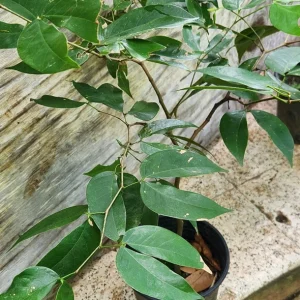
- Evergreen Foliage: The tree boasts dense, dark green, leathery leaves that provide year-round visual interest and shade. Its attractive canopy makes it a beautiful specimen tree for any landscape.
- Low Maintenance: Carob trees are generally easy to care for, requiring little pruning or specialized attention once mature. This makes the carob live tree a great option for gardeners seeking a productive yet undemanding plant.
- Soil Improvement: As a legume, the carob tree can help fix nitrogen in the soil, improving its fertility and benefiting surrounding plants. This natural soil enrichment contributes to a healthier garden ecosystem.
- Wildlife Attraction: The pods can attract local wildlife, providing a food source for various animals, though protection may be needed for your harvest.
- Long Lifespan: Carob trees are known for their longevity, often living for hundreds of years. Planting a Ceratonia siliqua plant is an investment that can be enjoyed for generations.
Plant Care & Growing Tips
To successfully grow carob tree, it’s important to provide the right conditions, particularly during its establishment phase. Carob trees thrive in full sun, requiring at least 6-8 hours of direct sunlight per day to ensure robust growth and abundant pod production. They are best suited for outdoor planting in Mediterranean-like climates. While young trees may appreciate some protection from the harshest afternoon sun in very hot regions, mature trees are quite tolerant of intense heat.
When it comes to watering, the carob live tree is remarkably adaptable. During its first year, consistent watering is crucial to help it establish a strong root system. Water deeply once or twice a week, allowing the top few inches of soil to dry out between waterings. Once established, carob trees are highly drought-tolerant and can survive on natural rainfall in many regions, though occasional deep watering during extended dry periods will promote better pod yield. For optimal growth, ensure the tree is planted in well-draining soil to prevent root rot, which is a common issue for many fruit-bearing trees.
Carob trees prefer well-draining, slightly alkaline to neutral soils, though they can tolerate a wide range of soil types, including sandy and rocky soils, as long as drainage is good. They are not heavy feeders; a balanced, slow-release fertilizer can be applied in spring, particularly for young trees or those struggling to establish. Pruning is generally minimal, focused on removing dead or diseased branches and shaping the tree for structural integrity. The carob tree care is relatively straightforward, making it a good choice for those seeking a productive tree without extensive maintenance requirements. Protect young trees from severe frost if you live in a borderline climate, though mature trees are more resilient.
Size & Details
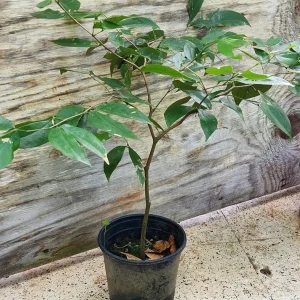
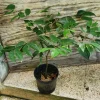
This offering is for a carob live tree, measuring approximately 12-18 inches in height upon arrival. This size represents a young, actively growing specimen, ready for transplanting into your garden or a larger container. Carob trees are slow to moderate growers, typically adding 12-24 inches of height per year under ideal conditions. Mature carob trees can reach impressive heights of 30-50 feet with a similar spread, forming a broad, attractive canopy. They are long-lived trees, often bearing fruit for many decades.
Your Ceratonia siliqua plant will arrive well-packaged, usually in a nursery pot with its root ball intact, ensuring minimal stress during transit. While the tree will begin producing pods, it generally takes 6-8 years for a carob tree to reach maturity and start yielding a significant crop of edible carob pods. The tree is dioecious, meaning male and female flowers are on separate trees; for fruit production, both male and female trees (or a self-fertile variety, if available) are needed, or grafting can be used. This specific tree’s sex is unknown at this young stage. Expect a robust and healthy plant, ready to thrive in its new home.
Frequently Asked Questions
- Q: How big does this carob live tree get? A: This particular carob live tree measures 12-18 inches upon arrival. Mature carob trees can reach heights of 30-50 feet with a similar spread, providing substantial shade and a bountiful harvest.
- Q: Is this an indoor or outdoor plant? A: The carob live tree is primarily an outdoor plant. It thrives in warm, Mediterranean climates and requires full sun exposure to grow properly and produce pods. It is not suitable for long-term indoor cultivation.
- Q: How much sunlight does it need? A: Your Ceratonia siliqua plant needs at least 6-8 hours of direct sunlight per day. Full sun exposure is crucial for its health, growth, and the development of edible carob pods.
- Q: Is this carob tree easy to care for? A: Yes, once established, the carob live tree is considered very low-maintenance. It is drought-tolerant and doesn’t require extensive pruning or fertilization, making carob tree care relatively easy.
- Q: What condition will it arrive in? A: Your carob live tree will arrive carefully packaged, typically in a nursery pot with its root ball protected, ensuring it reaches you in a healthy, ready-to-plant condition.
- Q: How long until it produces edible carob pods? A: Carob trees typically take 6-8 years to mature and begin producing a significant crop of pods. Patience is key when growing this long-lived tree.
- Q: Will it survive winter in my zone? A: Carob trees are hardy in USDA Zones 9-11. If your region experiences temperatures below 20°F (-6°C), winter protection or container growing with overwintering indoors may be necessary for the young carob live tree.
- Q: What type of soil does it prefer? A: This tree prefers well-draining soil, ranging from sandy to rocky, with a pH that is slightly alkaline to neutral. Good drainage is more critical than soil richness.
- Q: Is the carob tree self-pollinating? A: Carob trees are typically dioecious, meaning male and female flowers are on separate trees. For fruit production, you generally need both a male and female tree, or a self-fertile variety, though the sex of a young tree is hard to determine.
- Q: Can I use carob pods in cooking? A: Absolutely! The sweet pulp of edible carob pods can be ground into flour, used as a chocolate substitute, or eaten raw. It’s a versatile and nutritious ingredient.
Be the first to review “Carob Live Tree 12-18 inch Ceratonia siliqua – Edible Pods, Outdoor”
-
USDA Hardiness Zone
USDA Zones 9-11 -
Soil Type
Well-draining, sandy to rocky soil -
Sunlight Exposure
Full sun -
Expected Planting Period
Spring to early summer
People Also Viewd
Sold 134 products
Original price was: $3,536.00.$23.99Current price is: $23.99.
Sold 131 products
Original price was: $27.00.$24.00Current price is: $24.00.
Sold 130 products
Original price was: $89.99.$64.99Current price is: $64.99.

Sold 125 products
Original price was: $86.99.$66.99Current price is: $66.99.
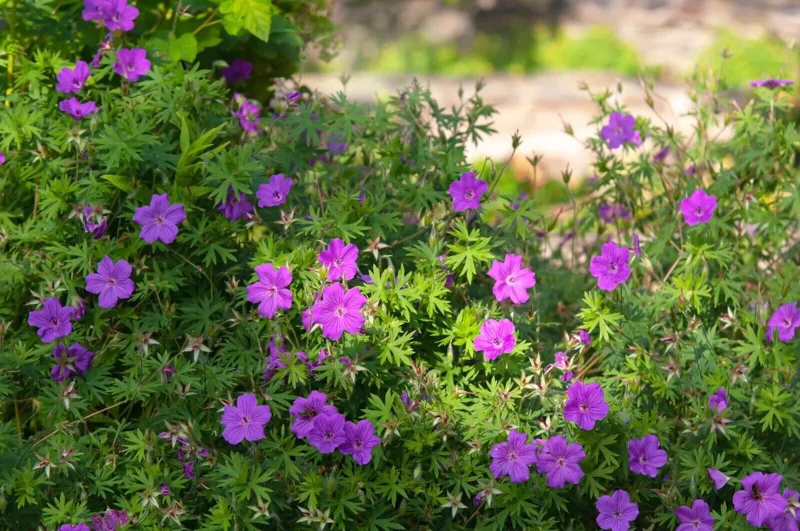
Flower Bulbs
3 Cranesbill Wild Geranium Organic Maculatums Bare Roots | Wildflower for Outdoor Garden
Sold 116 products
Original price was: $21.99.$9.99Current price is: $9.99.
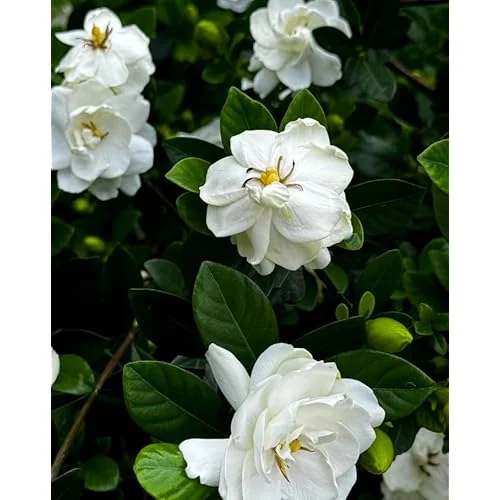
Sold 114 products
Original price was: $28.99.$17.99Current price is: $17.99.
Sold 110 products
Original price was: $63.99.$28.99Current price is: $28.99.
Sold 108 products
Original price was: $28.99.$17.99Current price is: $17.99.RELATED posts
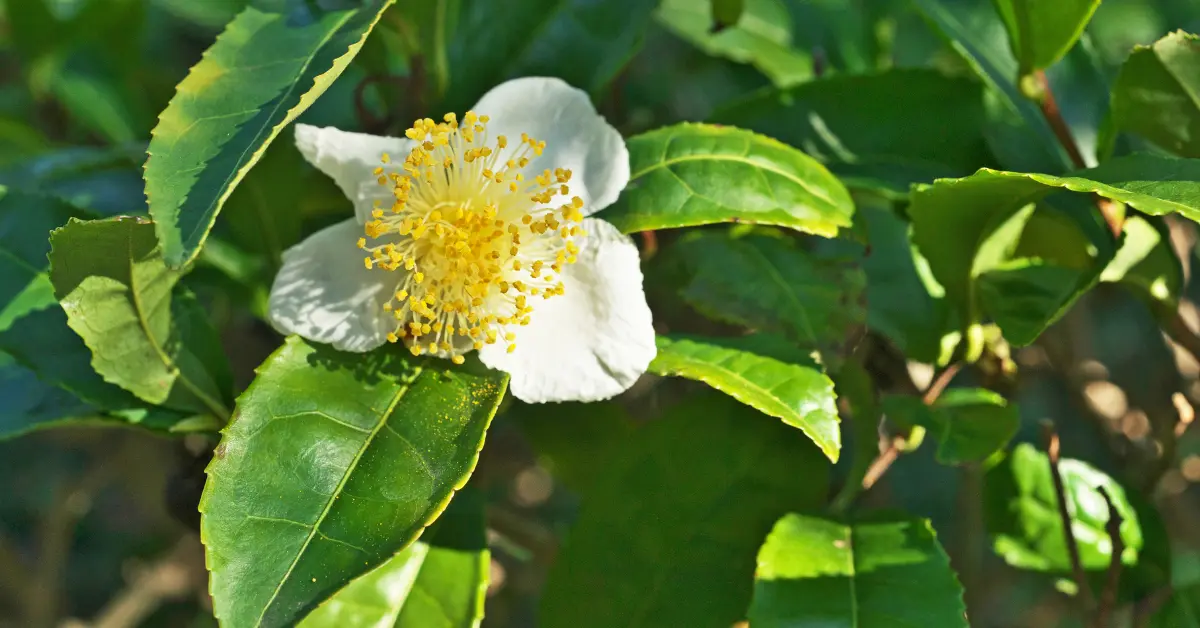
Growing Camellia Sinensis (Tea Plants) in Containers: A Complete Guide for Beginners
If you’ve ever wanted to sip a steaming, homegrown cup of fresh green, black, or [...]
Aug
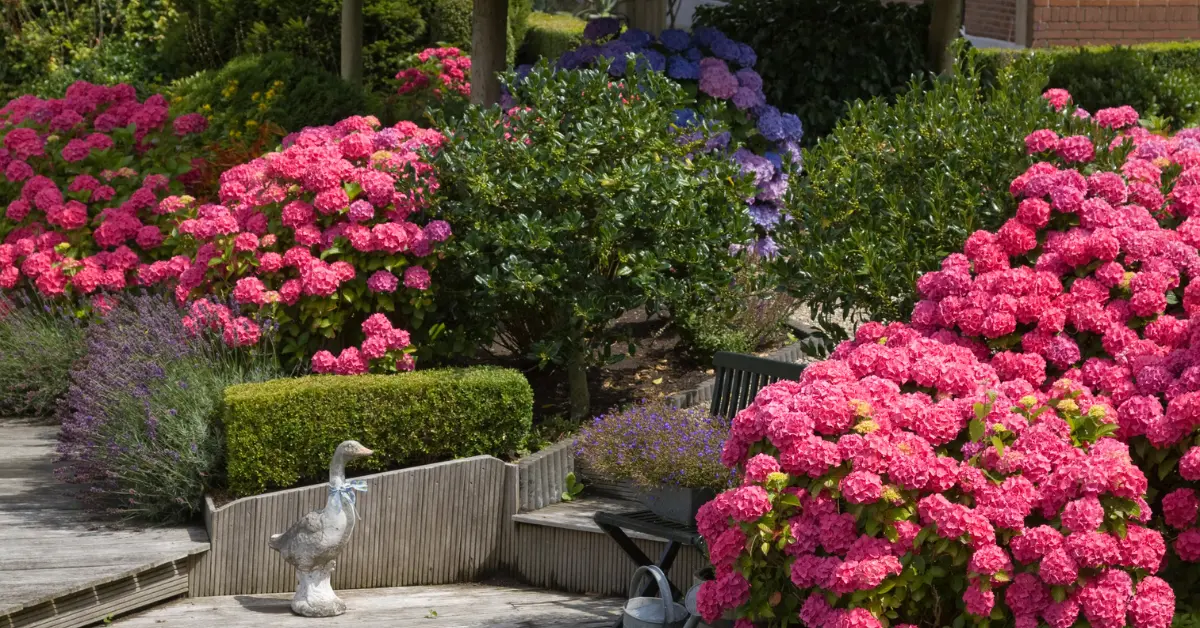
6 Best Shrubs to Plant in August You Must Try
Have you ever walked through a nursery late in the summer, admired the vibrant shrubs [...]
Aug
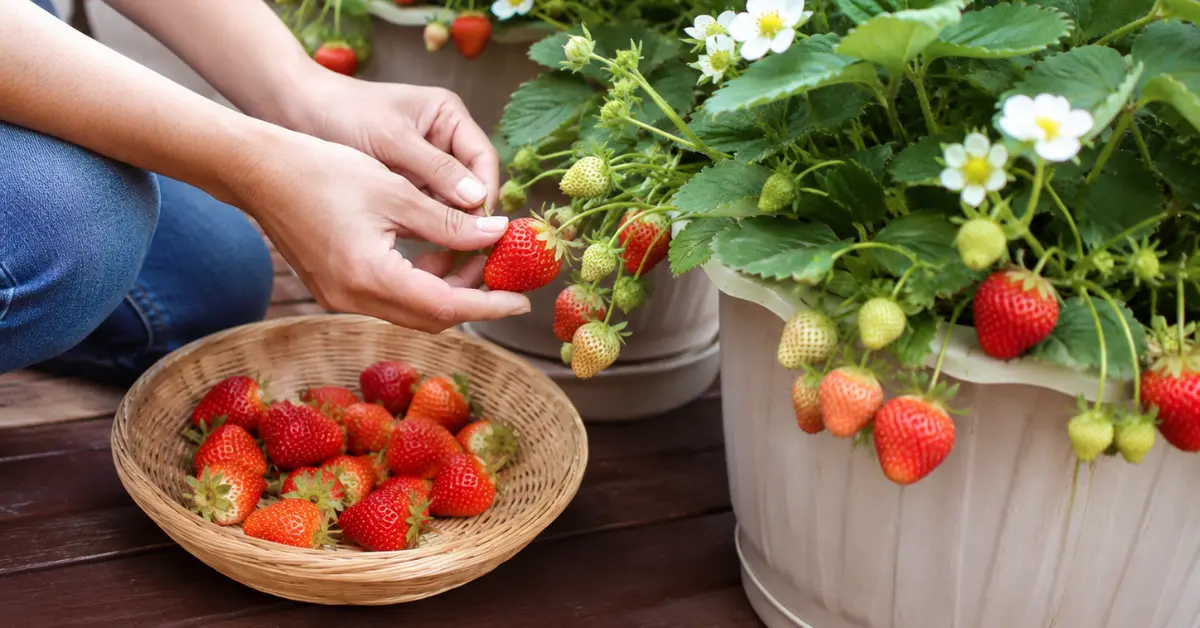
Growing Everbearing Strawberries in Containers: A Complete Guide for Beginners
Want to grow sweet, fresh strawberries but do not have a large garden? Everbearing strawberries [...]
Aug
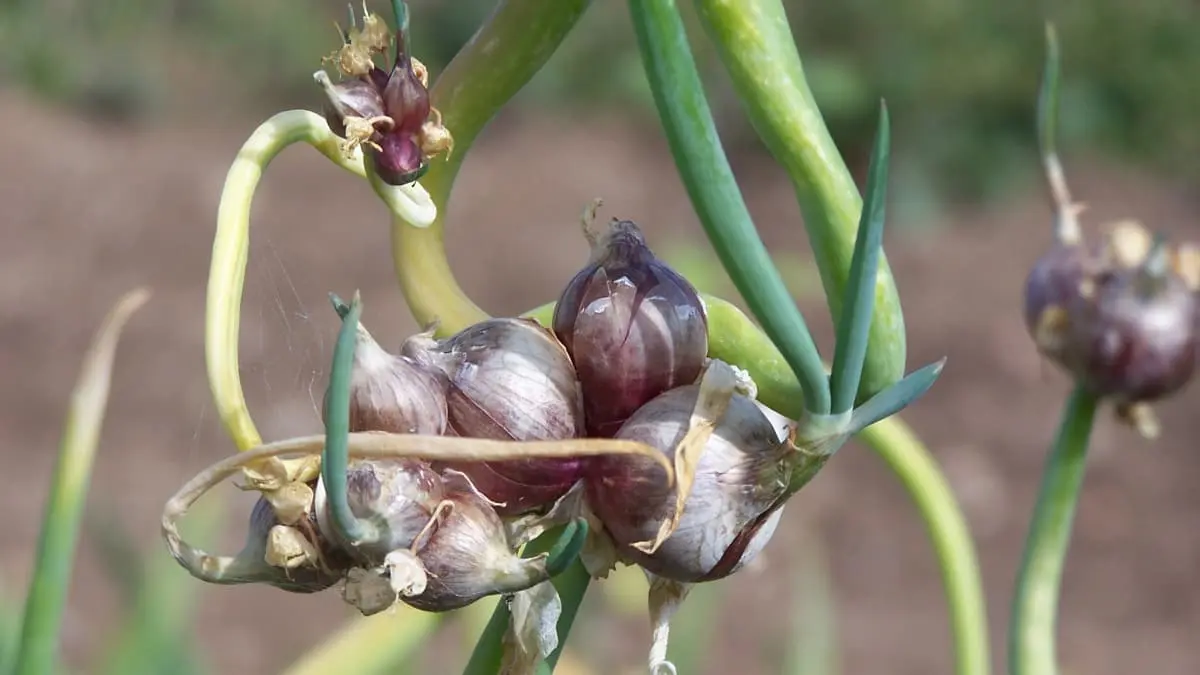
Growing Egyptian Walking Onions in Containers: A Complete Guide for Beginners
If you’re looking for a hardy, no-fuss perennial onion that keeps on giving year after [...]
Jul
Growing Carolina Reaper Peppers in Pots: A Complete Guide for Beginners
If you’ve ever wanted to add some serious, record-breaking heat to your home cooking, you’ve [...]
May
Growing Curry Leaf Plant in Pots: A Complete Guide for Beginners
If you’re a fan of authentic South Asian cuisine, you already know that nothing compares [...]
May
5 Tips for Growing Carolina Reaper Peppers to Get the Spiciest Harvest Ever
Holding the record for one of the world’s hottest peppers, the Reaper isn’t just a [...]
May
Best Fertilizers for Zoysia Grass in 2026: Get a Lush Lawn
As we enter the new year, the time has come to think about how we [...]
Apr
Reviews
There are no reviews yet.