

Coral Berry Live Plant 1 Gallon – Callicarpa – Outdoor Ornamental Shrub
Original price was: $85.98.$42.99Current price is: $42.99.
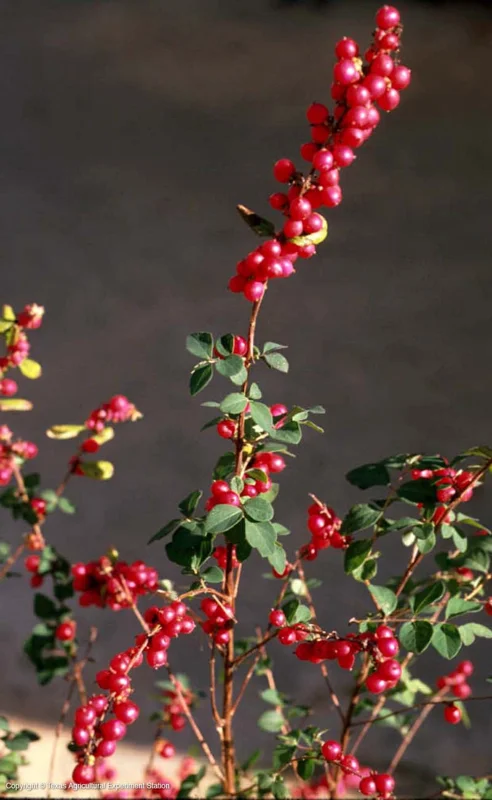
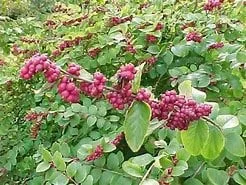
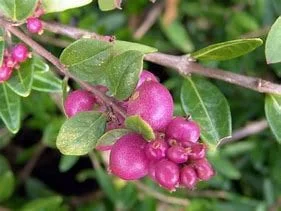
Add year-round interest to your landscape with a beautiful coral berry live plant. This 1 gallon Callicarpa shrub produces striking purple berries in fall and winter, providing a vibrant display and attracting wildlife. Ideal for hedges, borders, or as a specimen plant, this hardy ornamental thrives outdoors.
Estimated arrival
Oct 11
Oct 16 - Oct 18
Oct 21 - Oct 25

Reasonable Price
We offer reasonable price

Support 24/7
Contact us 24 hrs a day

100% Money Back
You've 30 days to Return

Payment Secure
100% secure payment
Overview
Introduce a splash of vibrant color to your garden with the stunning coral berry live plant. Also known as Beautyberry, or by its botanical name Callicarpa, this deciduous shrub is celebrated for its spectacular clusters of metallic purple berries that adorn its branches in late summer and persist through winter. Often grown as a purple berry shrub, the coral berry live plant offers an exceptional visual appeal, especially when many other plants have faded for the season. This particular offering is a healthy, established 1 gallon Callicarpa, ready to be planted in your garden or landscape. Perfect for adding texture and year-round interest, the Coral Berry is a resilient and low-maintenance option for both experienced gardeners and beginners alike.
The unique coloration of the berries makes the coral berry live plant a standout choice for ornamental planting. Beyond its aesthetic charm, this plant also serves as a valuable food source for birds during the colder months, making it a wonderful addition for wildlife enthusiasts. Whether you’re looking to create a vibrant border, a natural hedge, or a captivating focal point, the Callicarpa plant is an excellent choice. Its adaptability to various soil conditions and its relatively quick growth rate further enhance its appeal as a versatile and rewarding garden resident. Embrace the beauty of nature with this exquisite and hardy shrub.
Key Benefits
The coral berry live plant offers a multitude of benefits that make it an exceptional choice for any garden. From its striking appearance to its ecological value, this plant is sure to enhance your outdoor space in many ways. Discover why the 1 gallon Callicarpa is a must-have for your landscape:
- Stunning Winter Interest: The most prominent feature of the coral berry live plant is its prolific display of iridescent purple berries. These berries emerge in late summer and persist throughout fall and into winter, providing a much-needed burst of color when most other plants are dormant. This makes it an ideal choice for extending seasonal garden appeal.
- Attracts Wildlife: The vibrant berries are not just beautiful; they are also a crucial food source for various bird species, especially during the lean winter months. Planting a beautyberry bush helps support local wildlife and brings lively activity to your garden.
- Low Maintenance & Hardy: The Callicarpa plant care requirements are minimal, making it suitable for gardeners of all skill levels. It’s known for its robust nature, tolerating a range of soil types and environmental conditions once established, requiring little intervention beyond basic pruning.
- Versatile Landscape Use: This ornamental shrub is incredibly adaptable. It can be used effectively as a specimen plant, in mixed shrub borders, as an informal hedge, or even in mass plantings to create a dramatic visual impact. Its upright, arching habit adds graceful structure to any design.
- Drought Tolerant: Once established, the coral berry live plant exhibits good drought tolerance, reducing the need for frequent watering. This makes it an eco-friendly option for water-wise gardening and suitable for regions with drier climates.
- Deer Resistant: While not completely deer-proof, Callicarpa is generally considered to be deer-resistant, meaning deer tend to browse it less frequently than other plants, allowing it to thrive in areas where deer are a concern.
- Beautiful Foliage: In addition to its berries, the beautyberry bush also features attractive green foliage throughout the spring and summer, which turns to shades of yellow and purple in the fall, adding another layer of seasonal interest before the berries take center stage.
Plant Care & Growing Tips
Proper Callicarpa plant care ensures a healthy, vibrant shrub with abundant berries. The coral berry live plant is relatively easy to care for, making it a rewarding addition to most gardens. Understanding its basic needs will help you maximize its ornamental value and ensure its longevity in your landscape.
When it comes to sunlight, the coral berry live plant thrives best in full sun to partial shade. For the most prolific berry production, aim for at least 6 hours of direct sunlight per day. While it can tolerate some shade, too much shade may result in fewer berries and a more open, leggy growth habit. As for watering, young plants require consistent moisture to establish a strong root system. Once mature, the beautyberry bush is quite drought-tolerant, but it will perform best with regular watering during prolonged dry spells. Ensure the soil is well-draining to prevent root rot.
The coral berry live plant is adaptable to a wide range of soil types, including clay, loam, and sand, as long as it is well-drained. It prefers slightly acidic to neutral soil pH. Amending heavy clay soils with organic matter can improve drainage and aeration. Fertilization is generally not heavily required; an annual application of a balanced, slow-release granular fertilizer in early spring is usually sufficient if your soil is poor. Pruning is best done in late winter or early spring before new growth emerges, as the plant produces berries on new wood. You can prune to shape the plant, remove dead or damaged branches, or rejuvenate older shrubs by cutting them back hard to about 6-12 inches from the ground. This encourages vigorous new growth and abundant berry production, contributing to a stunning ornamental berry plant display.
Size & Details
This offering is for a healthy coral berry live plant, typically shipped in a 1 gallon Callicarpa nursery pot. At the time of shipment, the plant will have a well-developed root system and stand approximately 12-24 inches tall, depending on the season and growth stage. The beautyberry bush is a moderately fast-growing shrub, capable of reaching a mature height of 4-8 feet and a similar spread, forming an attractive, rounded shape. Its growth rate allows it to establish quickly in the garden, providing visual impact within a few seasons. Expect the first clusters of those iconic purple berry shrub fruits to appear in late summer to early fall, with peak coloration and abundance in the cooler months. The plant is typically shipped actively growing during the warmer months and dormant during winter, ensuring it arrives ready for successful planting.
Frequently Asked Questions
- Q: How big does this coral berry live plant get? A: A mature coral berry live plant typically reaches a height and spread of 4-8 feet, forming a lovely rounded shrub. Its size can be managed with annual pruning to fit your garden space.
- Q: Is this an indoor or outdoor plant? A: The coral berry live plant is an outdoor ornamental shrub. It thrives in garden beds, borders, and as a hedge, providing seasonal interest with its vibrant berries and foliage.
- Q: How much sunlight does the Callicarpa plant need? A: For optimal berry production and health, the 1 gallon Callicarpa prefers full sun (at least 6 hours of direct sunlight daily). It can tolerate partial shade, but berry display may be less abundant.
- Q: Is this plant easy to care for? A: Yes, the beautyberry bush is known for being relatively low maintenance. Once established, it is quite hardy and drought-tolerant, making Callicarpa plant care straightforward for most gardeners.
- Q: What condition will the coral berry live plant arrive in? A: Your coral berry live plant will arrive well-packaged in its 1-gallon nursery pot, with a healthy root system. It will be ready for planting in your garden, typically actively growing or dormant depending on the season.
- Q: When is the best time to plant a beautyberry bush? A: The best time to plant a beautyberry bush is in spring or early fall. This allows the plant sufficient time to establish its root system before the stress of summer heat or winter cold.
- Q: Will this ornamental berry plant survive winter in my zone? A: The ornamental berry plant, Callicarpa, is generally hardy in USDA Zones 5-8, meaning it can withstand winter temperatures in these regions. Check your specific USDA zone to ensure compatibility.
- Q: What type of soil does a purple berry shrub prefer? A: A purple berry shrub like the Coral Berry is adaptable to various soil types but prefers well-draining soil. It can tolerate clay, loam, or sandy soils, but avoid areas with standing water.
- Q: Do I need multiple coral berry plants for berries? A: While a single coral berry live plant will produce berries, planting multiple Beautyberry shrubs can enhance cross-pollination and often leads to a more abundant and spectacular berry display.
- Q: Is the coral berry plant toxic to pets or humans? A: The berries of the coral berry live plant are generally considered mildly toxic if ingested by humans and pets, potentially causing stomach upset. It’s best to keep them out of reach of small children and animals.
Be the first to review “Coral Berry Live Plant 1 Gallon – Callicarpa – Outdoor Ornamental Shrub”
-
USDA Hardiness Zone
USDA zones 5-8 -
Soil Type
Well-draining soil -
Sunlight Exposure
Full sun to partial shade -
Expected Planting Period
Spring to early fall
People Also Viewd


Sold 134 products
Original price was: $3,536.00.$23.99Current price is: $23.99.

Sold 132 products
Original price was: $27.00.$24.00Current price is: $24.00.

Sold 132 products
Original price was: $89.99.$64.99Current price is: $64.99.

Sold 125 products
Original price was: $86.99.$66.99Current price is: $66.99.

Flower Bulbs
3 Cranesbill Wild Geranium Organic Maculatums Bare Roots | Wildflower for Outdoor Garden
Sold 116 products
Original price was: $21.99.$9.99Current price is: $9.99.

Sold 114 products
Original price was: $28.99.$17.99Current price is: $17.99.
Sold 110 products
Original price was: $63.99.$28.99Current price is: $28.99.
Sold 108 products
Original price was: $28.99.$17.99Current price is: $17.99.RELATED posts
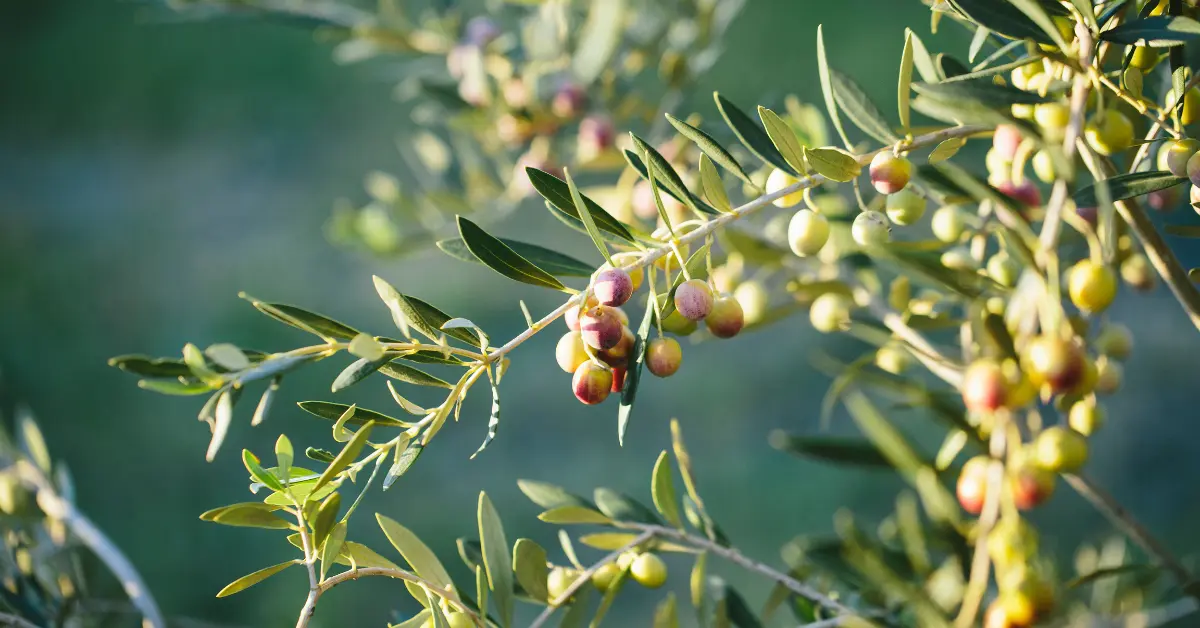
How to Grow Arbequina Olive Trees: The Ultimate Guide to Your Own Olive Grove
Arbequina Olive Tree (Olea europaea ‘Arbequina’) – the ultimate Mediterranean plant that brings a touch [...]
Oct
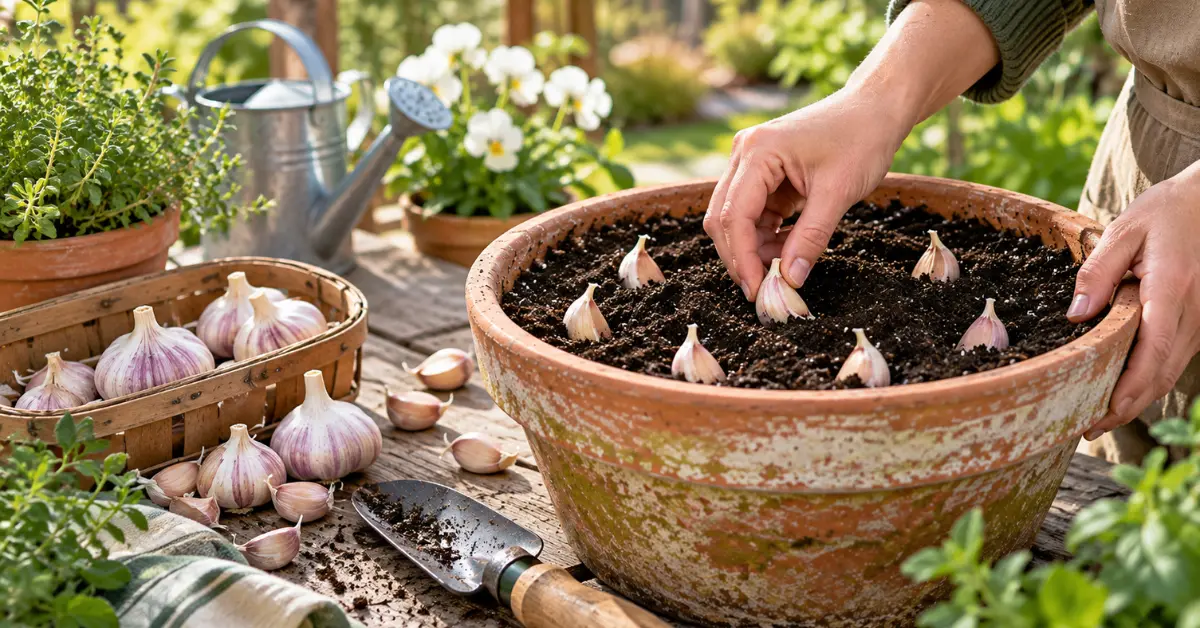
Growing Garlic in Containers This Fall: A Complete Guide for Beginners
If you’ve ever wanted to pop fresh, aromatic garlic cloves straight from your own patio [...]
Sep
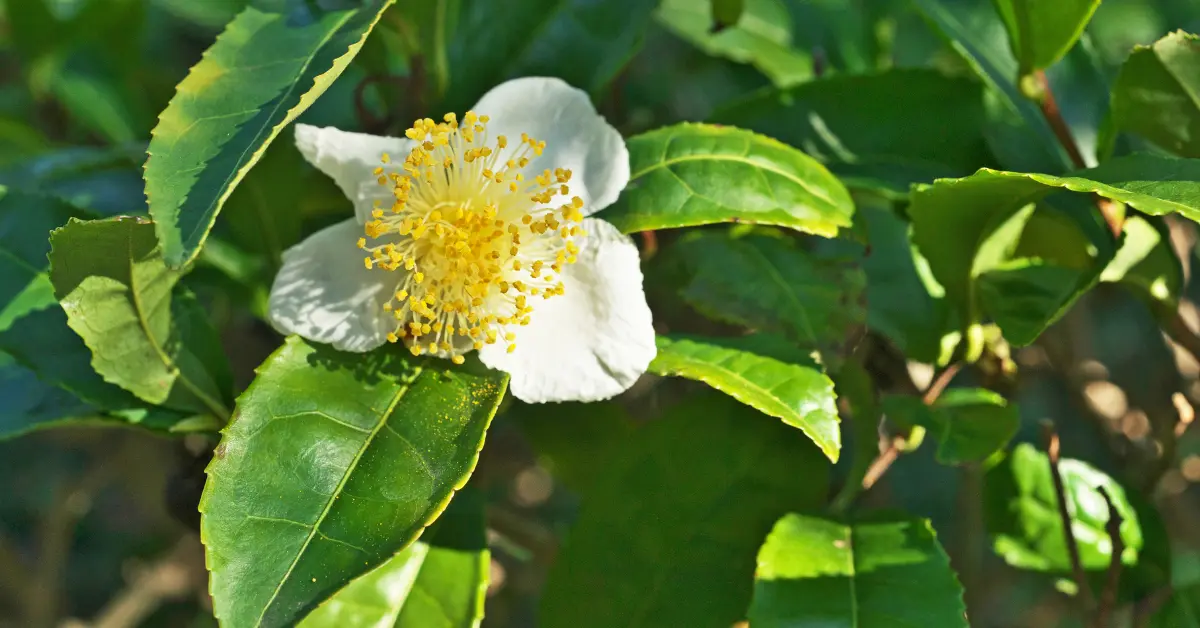
Growing Camellia Sinensis (Tea Plants) in Containers: A Complete Guide for Beginners
If you’ve ever wanted to sip a steaming, homegrown cup of fresh green, black, or [...]
Aug
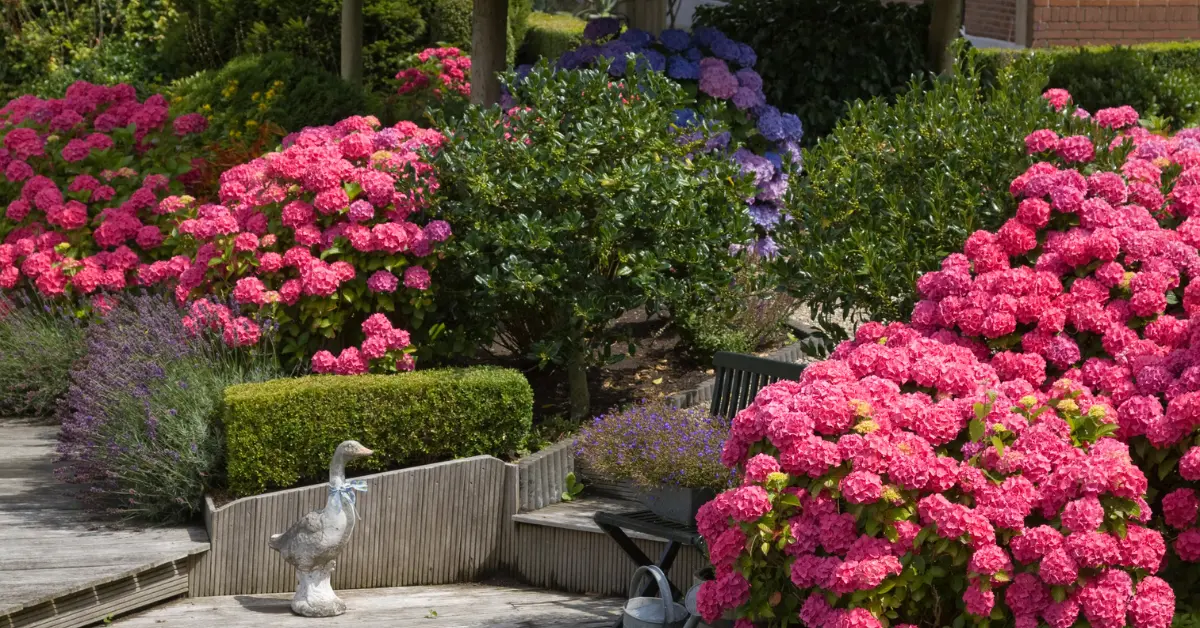
6 Best Shrubs to Plant in August You Must Try
Have you ever walked through a nursery late in the summer, admired the vibrant shrubs [...]
Aug
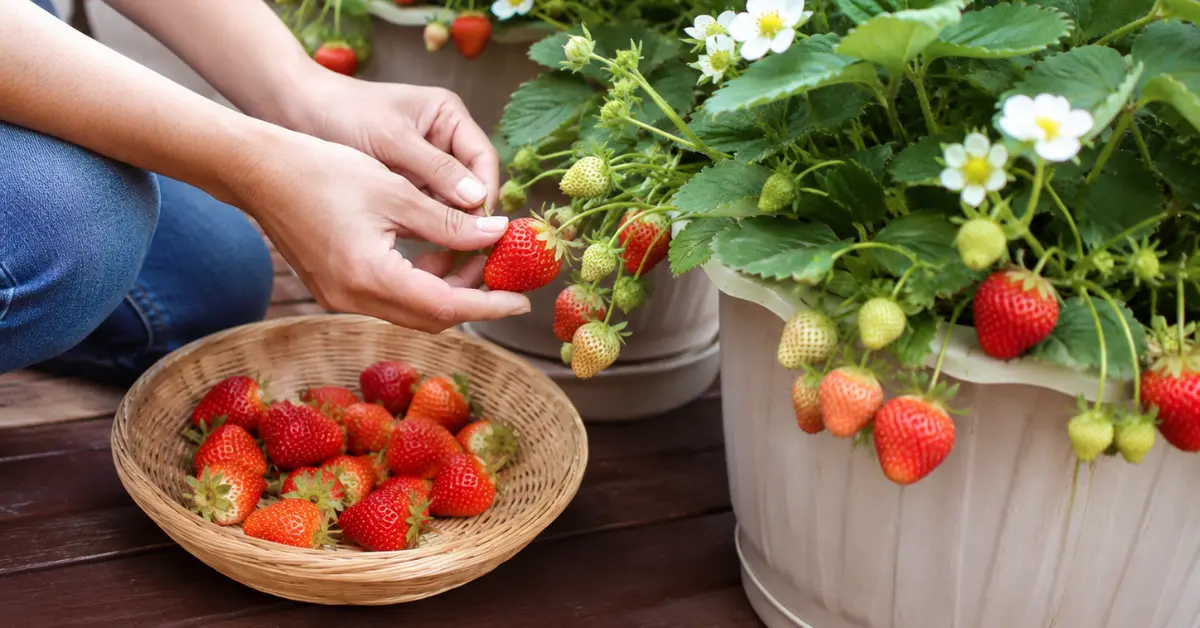
Growing Everbearing Strawberries in Containers: A Complete Guide for Beginners
Want to grow sweet, fresh strawberries but do not have a large garden? Everbearing strawberries [...]
Aug
Growing Egyptian Walking Onions in Containers: A Complete Guide for Beginners
If you’re looking for a hardy, no-fuss perennial onion that keeps on giving year after [...]
Jul
Growing Carolina Reaper Peppers in Pots: A Complete Guide for Beginners
If you’ve ever wanted to add some serious, record-breaking heat to your home cooking, you’ve [...]
May
Growing Curry Leaf Plant in Pots: A Complete Guide for Beginners
If you’re a fan of authentic South Asian cuisine, you already know that nothing compares [...]
May


Reviews
There are no reviews yet.