
Crassula Succulent Plant – Live Trailing Pink Flower, 2 inch Pot, Indoor
Original price was: $46.25.$26.25Current price is: $26.25.
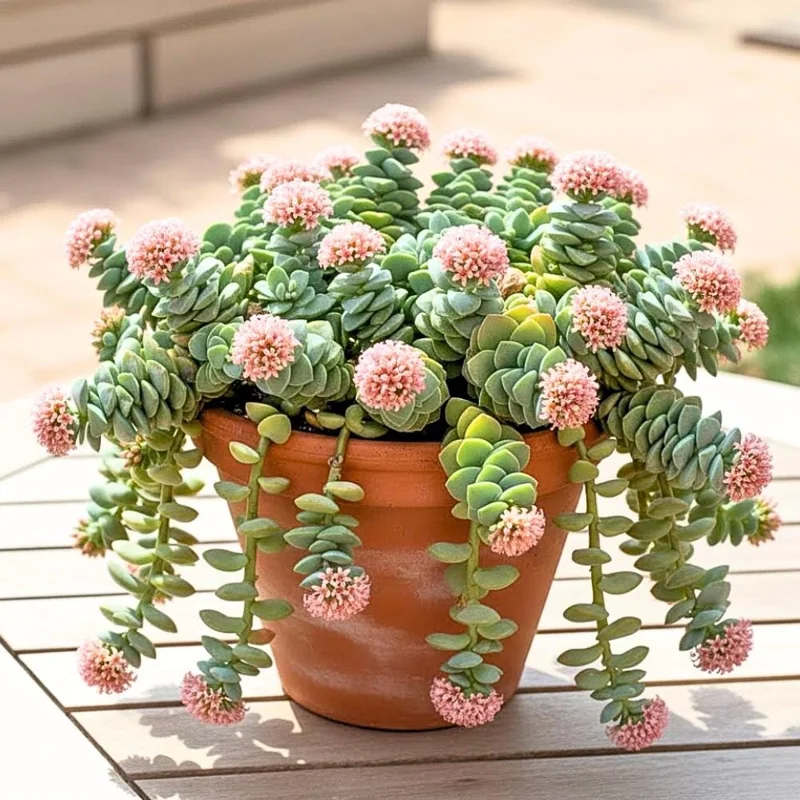
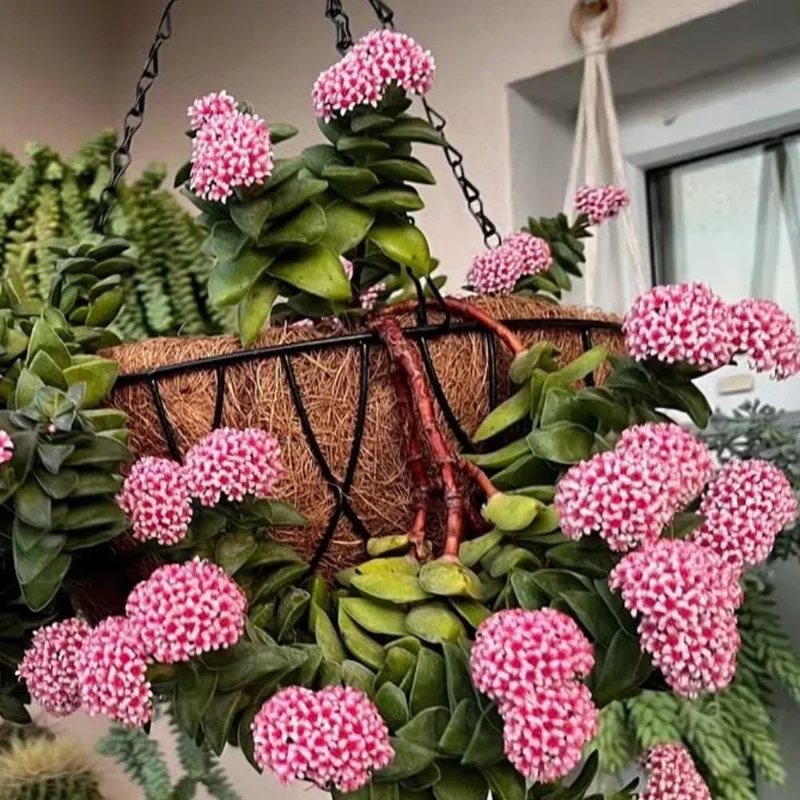
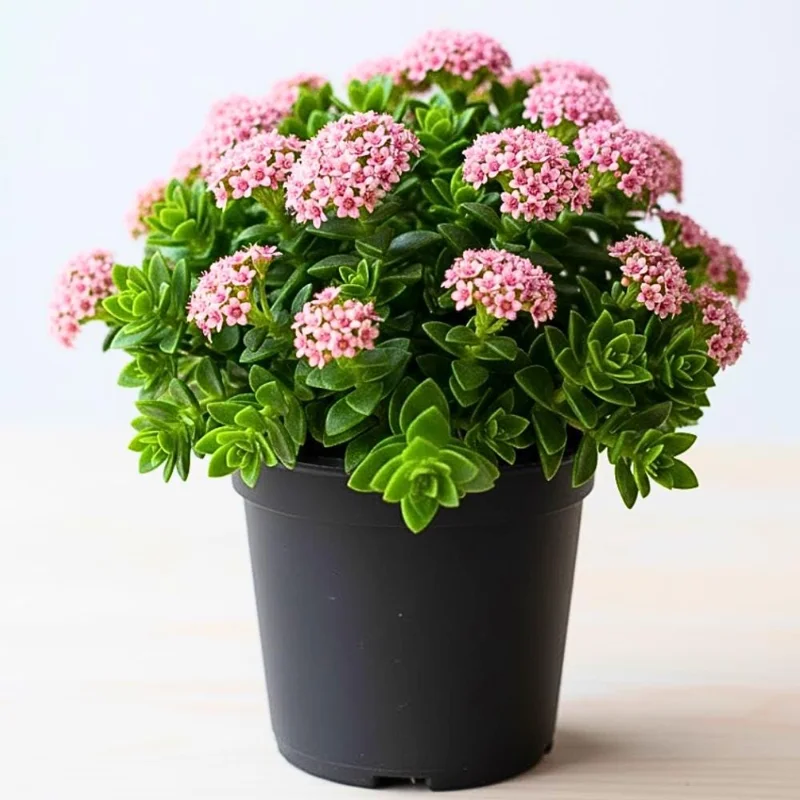
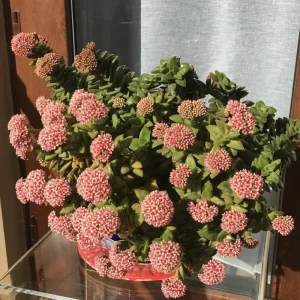
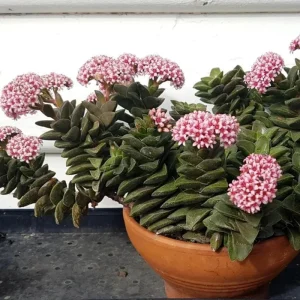
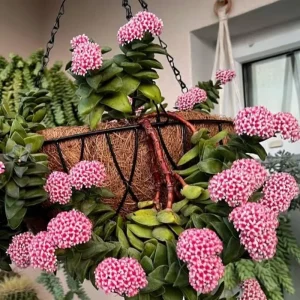
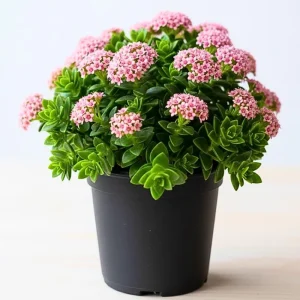
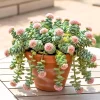
Bring home a beautiful Crassula succulent plant, known for its charming trailing stems and potential for delicate pink flowers. This trailing succulent is perfect for shelves and hanging planters, thriving indoors with bright light.
Estimated arrival
Jul 18
Jul 23 - Jul 25
Jul 28 - Aug 01

Reasonable Price
We offer reasonable price

Support 24/7
Contact us 24 hrs a day

100% Money Back
You've 30 days to Return

Payment Secure
100% secure payment
Overview
The Crassula succulent plant is a delightful addition to any indoor plant collection, celebrated for its unique trailing growth habit and compact stems. This particular offering is a live plant, ready to bring natural elegance to your home or office. Commonly recognized for its resilience and ease of care, Crassula is an excellent choice for both beginner and experienced plant enthusiasts. Under optimal conditions, this plant can surprise you with small, delicate pink flowers, adding a splash of color to its green foliage. Its stems gracefully extend as it matures, making it ideal for various decorative displays where its trailing nature can be showcased.
Known for its distinctive appearance, the Crassula succulent plant is often referred to by its genus name, Crassula, encompassing a wide variety of succulent species. This specific variety promises a charming aesthetic with its green leaves and potential for beautiful blooms. Cultivating a Crassula succulent plant is a rewarding experience, as it adapts well to indoor environments and provides continuous visual interest with its evolving form.
Key Benefits
Choosing a Crassula succulent plant offers numerous advantages for plant lovers, combining aesthetic appeal with practical benefits. Its unique characteristics make it a standout choice for enhancing indoor spaces.
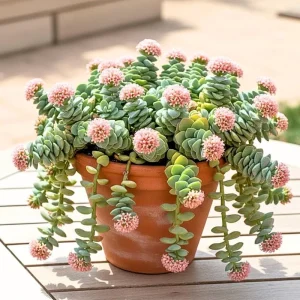
- Elegant Trailing Growth: The Crassula’s stems develop a beautiful trailing habit, making it perfect for hanging baskets, elevated shelves, or as a graceful spiller in mixed arrangements. This natural growth pattern adds dynamic visual interest to your decor.
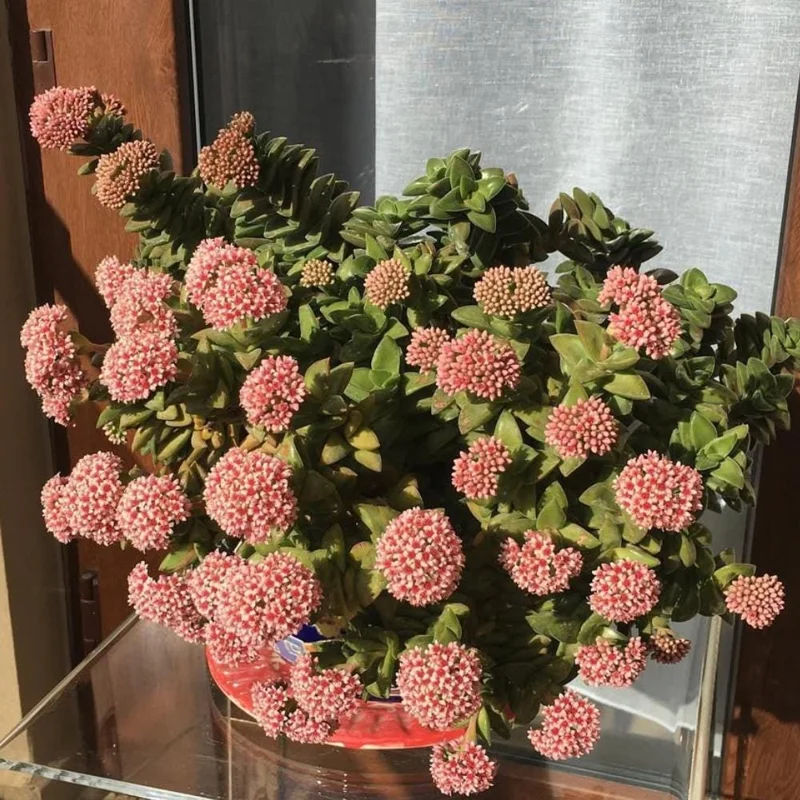
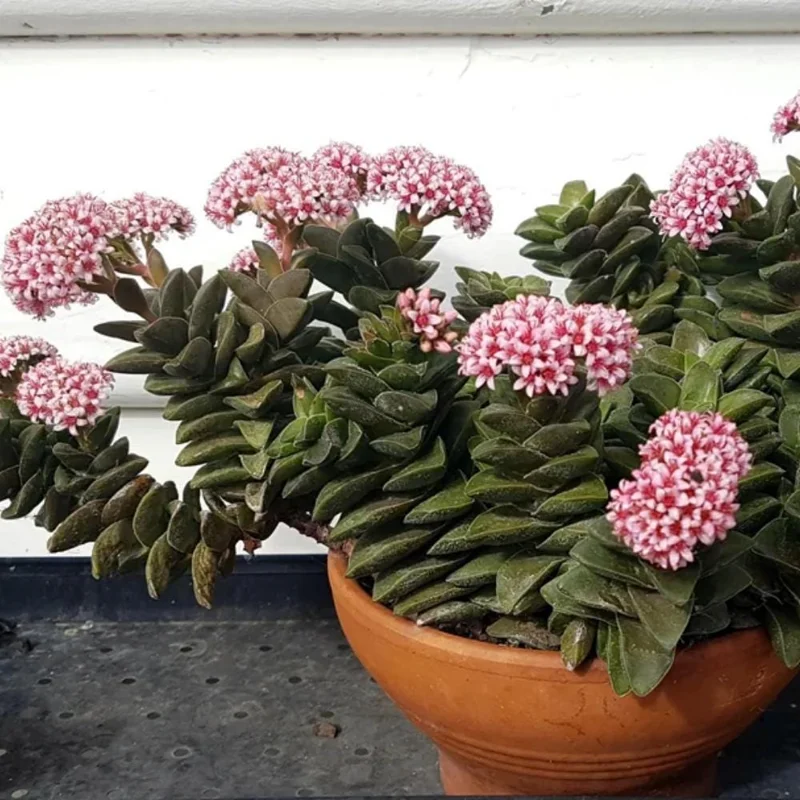
- Charming Pink Flowers: With proper care and favorable conditions, this succulent can produce small, delicate pink flowers. These blooms provide a lovely contrast to its green foliage, adding an unexpected touch of beauty and color to your indoor garden.
- Compact and Versatile: Its compact nature makes the Crassula succulent plant suitable for smaller spaces, desks, or windowsills. It’s an adaptable plant that can fit into various interior design themes, from minimalist to bohemian.
- Low Maintenance and Drought-Tolerant: As a succulent, the Crassula is inherently low-maintenance and highly drought-tolerant. It requires infrequent watering, making it an ideal choice for busy individuals or those new to plant care.
- Brightens Indoor Spaces: The vibrant green foliage and potential for pink flowers help to enliven and brighten any room. Its presence can create a more inviting and serene atmosphere, contributing to overall well-being.
- Air Purification Qualities: Like many houseplants, the Crassula succulent plant contributes to improved indoor air quality by absorbing certain toxins and releasing oxygen, promoting a healthier living environment.
- Easy Propagation: Crassula succulents are generally easy to propagate from stem cuttings, allowing you to easily expand your collection or share with friends and family, making it a truly rewarding plant to own.
Plant Care & Growing Tips
Caring for your Crassula succulent plant is straightforward, making it a joy for gardeners of all experience levels. Providing the right conditions will ensure healthy growth and encourage its charming pink blooms. For optimal health, bright, indirect light is crucial. Place your Crassula near a south or west-facing window where it can receive several hours of sunlight daily, but avoid harsh, direct midday sun which can scorch its leaves. If natural light is insufficient, a grow light can provide the necessary illumination. Adequate light is also key to encouraging the development of its small pink flowers.
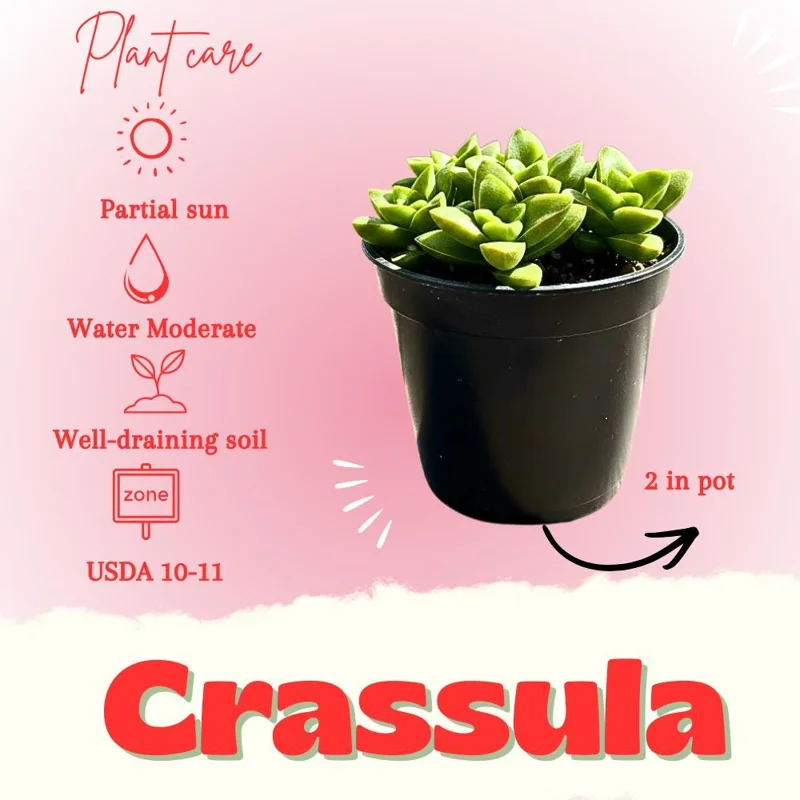
Watering should be done sparingly and thoughtfully. As a succulent, Crassula stores water in its leaves and stems, making it susceptible to overwatering. Allow the soil to dry out completely between waterings, typically every 2-4 weeks depending on environmental conditions. During winter months, reduce watering frequency further. When you do water, do so thoroughly until water drains from the bottom of the pot. Well-draining soil is paramount; a cactus or succulent potting mix is ideal, ensuring excess water does not sit around the roots. This prevents root rot, a common issue for succulents.
The Crassula succulent plant thrives in average room temperatures, generally between 65-75°F (18-24°C). Protect it from cold drafts and temperatures below 50°F (10°C), as it is not frost-tolerant. While it can grow outdoors in USDA zones 9–11, it is primarily enjoyed as an indoor plant in most climates. Fertilize sparingly during the growing season (spring and summer) with a diluted succulent-specific fertilizer, about once a month. Avoid fertilizing in fall and winter when the plant is dormant. Regular inspection for pests like mealybugs or spider mites will help maintain its health. Addressing any issues promptly will ensure your Crassula plant care routine keeps your plant vibrant and beautiful.
Size & Details
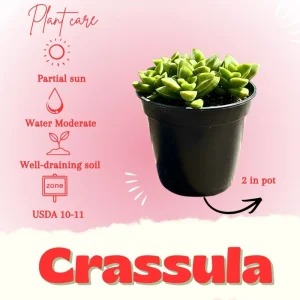
This offering is for a vibrant Crassula succulent plant, grown in a 2 inch pot, suitable for immediate display or planting into a decorative container. The plant exhibits a compact form with developing trailing stems, which will gradually extend as it matures. While exact height and width vary with individual plants, you can expect a healthy, established specimen ready to thrive in its new home. The trailing nature of this plant means its stems will lengthen over time, creating a lovely cascading effect.
Your Crassula succulent plant will arrive as a live, rooted plant, carefully packaged to ensure its safe journey. With proper care, you can expect this plant to grow steadily, offering continuous natural beauty. The potential for delicate pink flowers will typically appear during its blooming period under suitable light and care conditions, adding another layer of charm to its already appealing form. This trailing succulent is a perfect starter size, allowing you to watch it grow and flourish.
Frequently Asked Questions
- Q: How big does this Crassula succulent plant get? A: This Crassula succulent plant is initially compact, grown in a 2-inch pot. Its stems will gradually trail, reaching lengths that vary depending on growing conditions and pot size, creating a beautiful cascading effect.
- Q: Is this an indoor or outdoor plant? A: While this trailing succulent can grow outdoors in USDA zones 9–11, it is primarily cultivated and enjoyed as an indoor houseplant in most regions due to its temperature sensitivity.
- Q: How much sunlight does it need? A: The Crassula succulent plant thrives in bright, indirect light. It should receive several hours of bright light daily, but direct, intense afternoon sun should be avoided to prevent leaf scorching.
- Q: Is this plant easy to care for? A: Yes, this Crassula succulent plant is considered easy to care for, making it an excellent choice for beginners. Its drought tolerance and minimal watering needs contribute to its low-maintenance nature.
- Q: What condition will it arrive in? A: Your Crassula succulent plant will arrive as a live, healthy, rooted plant in its 2-inch nursery pot, carefully packaged to minimize stress during transit.
- Q: How often should I water my Crassula? A: Water your Crassula succulent plant only when the soil has completely dried out. This typically means every 2-4 weeks, but always check the soil moisture before watering to prevent overwatering.
- Q: Can I propagate this trailing succulent? A: Yes, Crassula succulents are generally easy to propagate from stem cuttings. Simply take a cutting, allow it to callus for a few days, and then plant it in well-draining soil.
- Q: When does the Crassula plant bloom? A: Under ideal conditions, including sufficient light and proper care, the Crassula succulent plant may produce small pink flowers during its blooming period, which can vary but often occurs in cooler, brighter months.
- Q: What kind of soil is best for Crassula? A: A well-draining soil mix is essential for this trailing succulent. A specialized cactus or succulent potting mix, or a blend of potting soil with perlite or pumice, works best.
- Q: Is this succulent pet-safe? A: Some Crassula species can be mildly toxic to pets if ingested. It’s always best to keep plants out of reach of curious pets to ensure their safety.
Be the first to review “Crassula Succulent Plant – Live Trailing Pink Flower, 2 inch Pot, Indoor”
-
USDA Hardiness Zone
USDA zones 9–11 (outdoors) / Year-round indoors -
Soil Type
Well-draining succulent potting mix -
Sunlight Exposure
Bright indirect light -
Expected Planting Period
Year-round indoors
People Also Viewd
Sold 133 products
Original price was: $3,536.00.$23.99Current price is: $23.99.
Sold 130 products
Original price was: $27.00.$24.00Current price is: $24.00.
Sold 128 products
Original price was: $89.99.$64.99Current price is: $64.99.

Sold 125 products
Original price was: $86.99.$66.99Current price is: $66.99.
Flower Bulbs
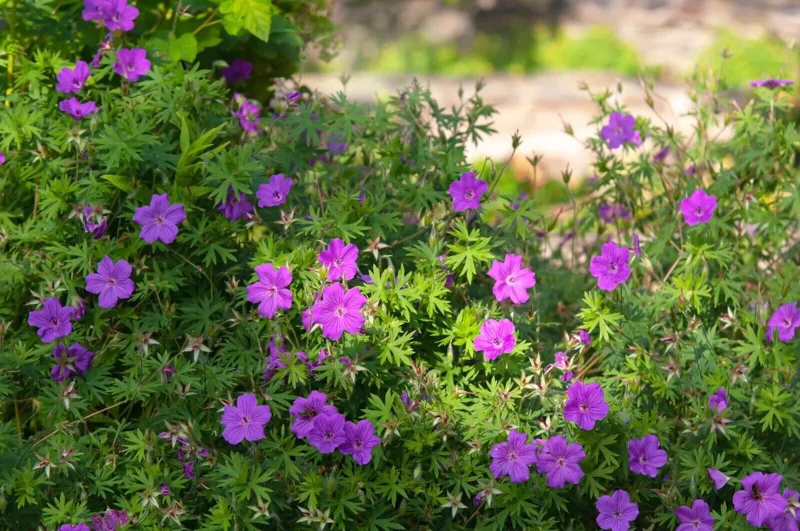
3 Cranesbill Wild Geranium Organic Maculatums Bare Roots | Wildflower for Outdoor Garden
Sold 116 products
Original price was: $21.99.$9.99Current price is: $9.99.
Sold 114 products
Original price was: $28.99.$17.99Current price is: $17.99.
Sold 109 products
Original price was: $63.99.$28.99Current price is: $28.99.
Sold 108 products
Original price was: $28.99.$17.99Current price is: $17.99.RELATED posts
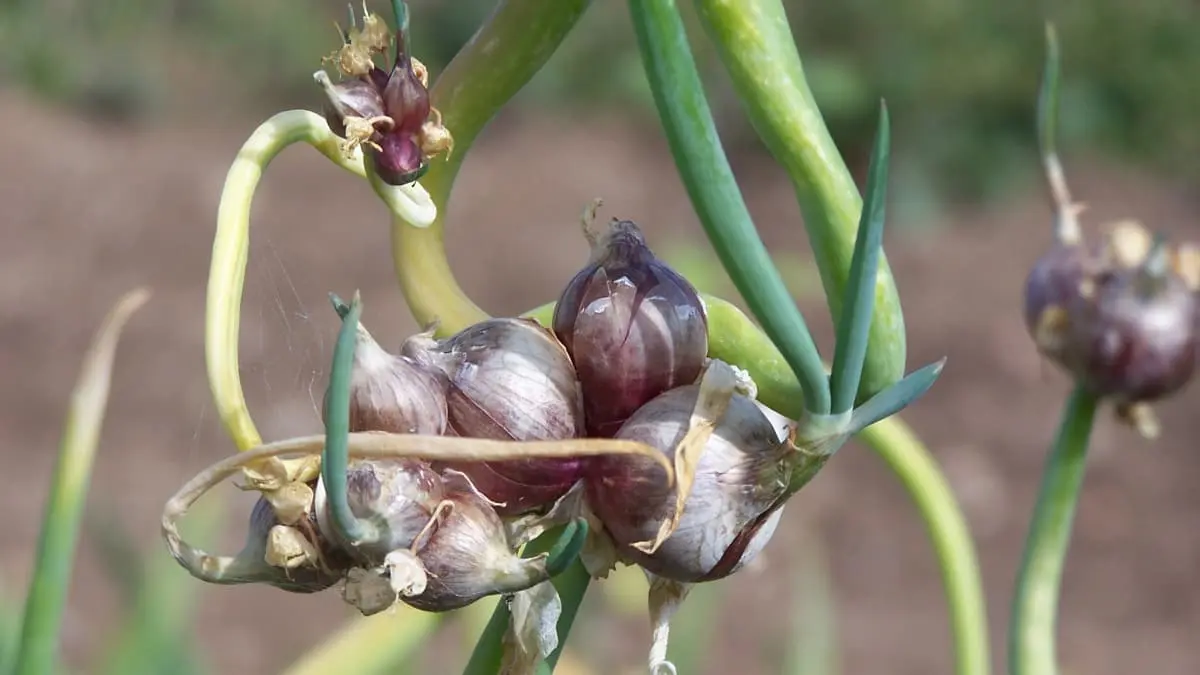
Growing Egyptian Walking Onions in Containers: A Complete Guide for Beginners
If you’re looking for a hardy, no-fuss perennial onion that keeps on giving year after [...]
Jul
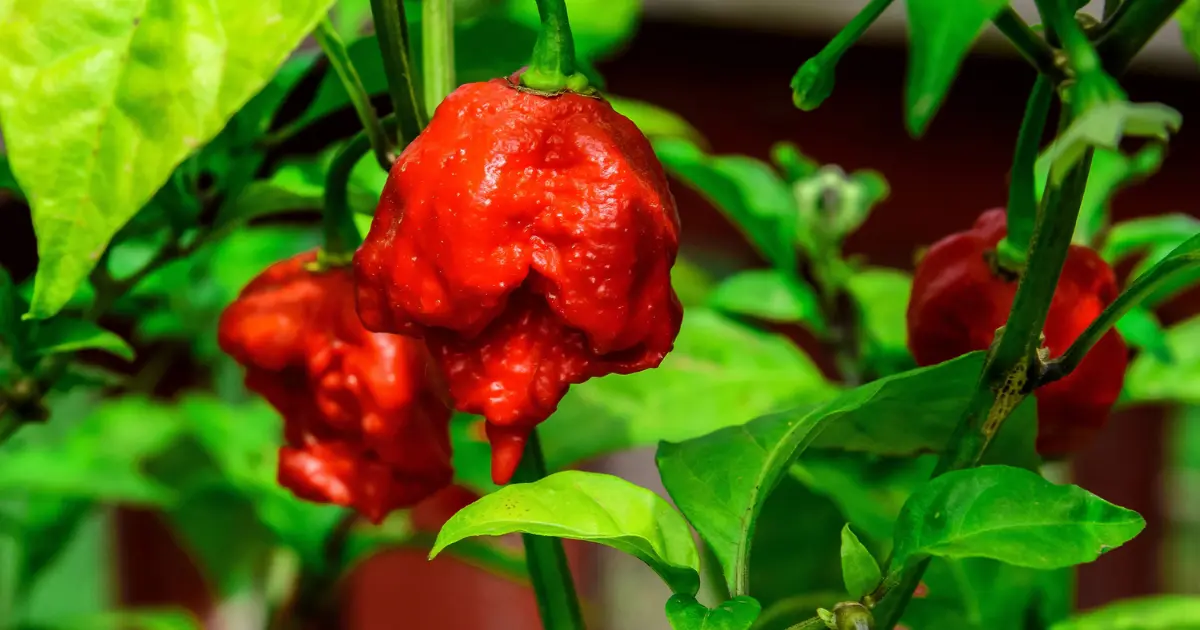
Growing Carolina Reaper Peppers in Pots: A Complete Guide for Beginners
If you’ve ever wanted to add some serious, record-breaking heat to your home cooking, you’ve [...]
May
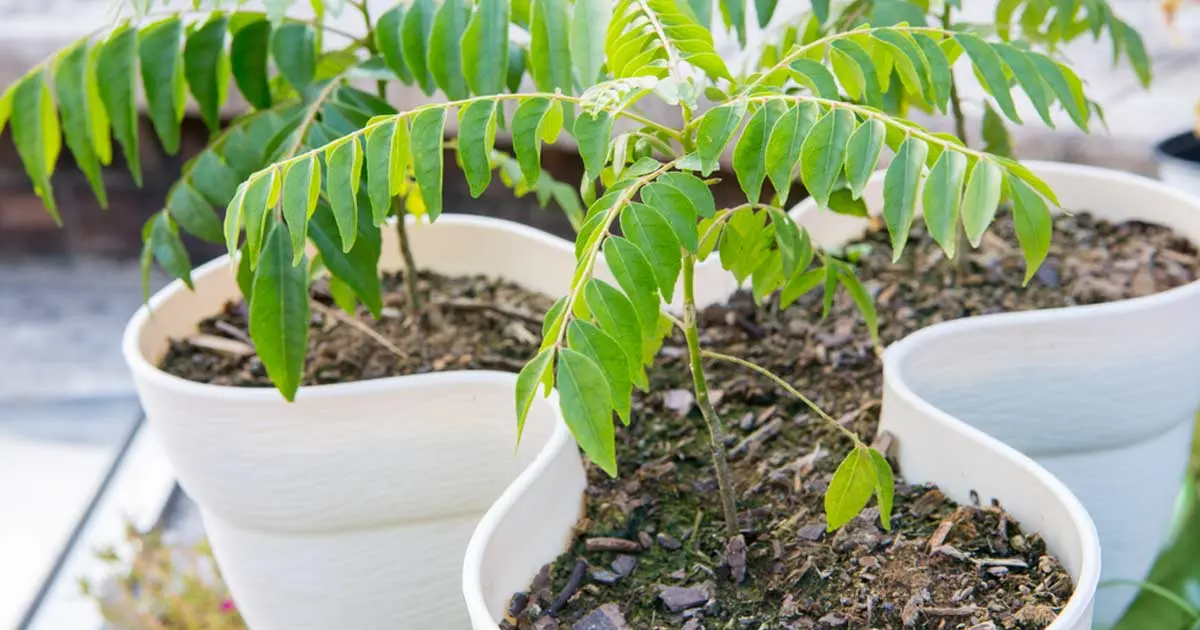
Growing Curry Leaf Plant in Pots: A Complete Guide for Beginners
If you’re a fan of authentic South Asian cuisine, you already know that nothing compares [...]
May
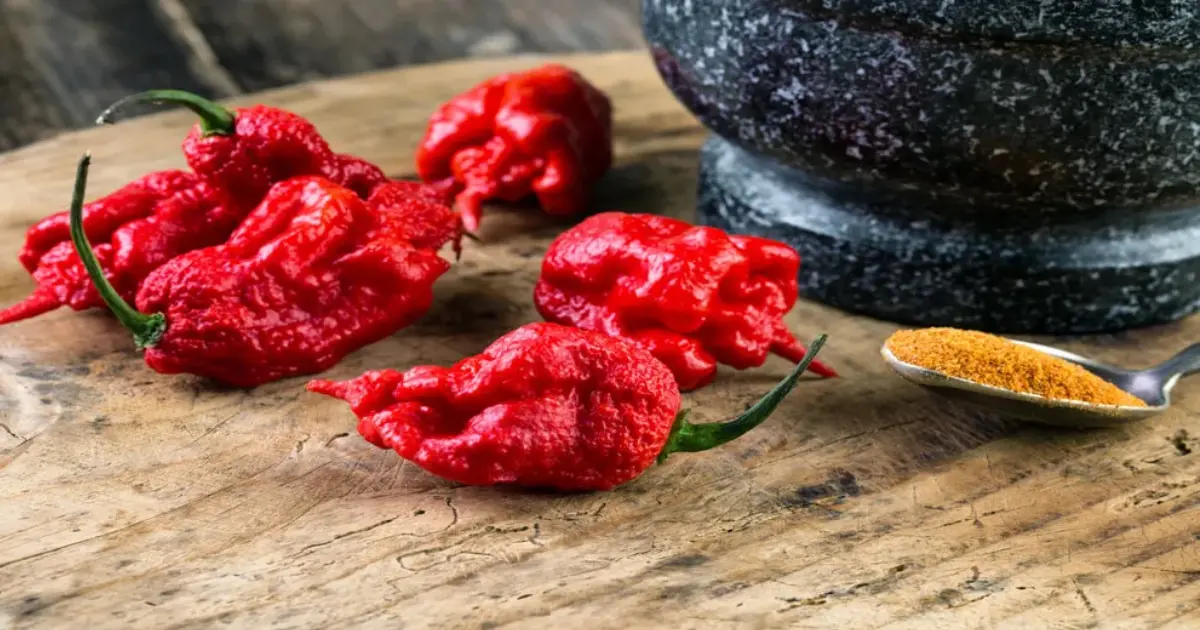
5 Tips for Growing Carolina Reaper Peppers to Get the Spiciest Harvest Ever
Holding the record for one of the world’s hottest peppers, the Reaper isn’t just a [...]
May
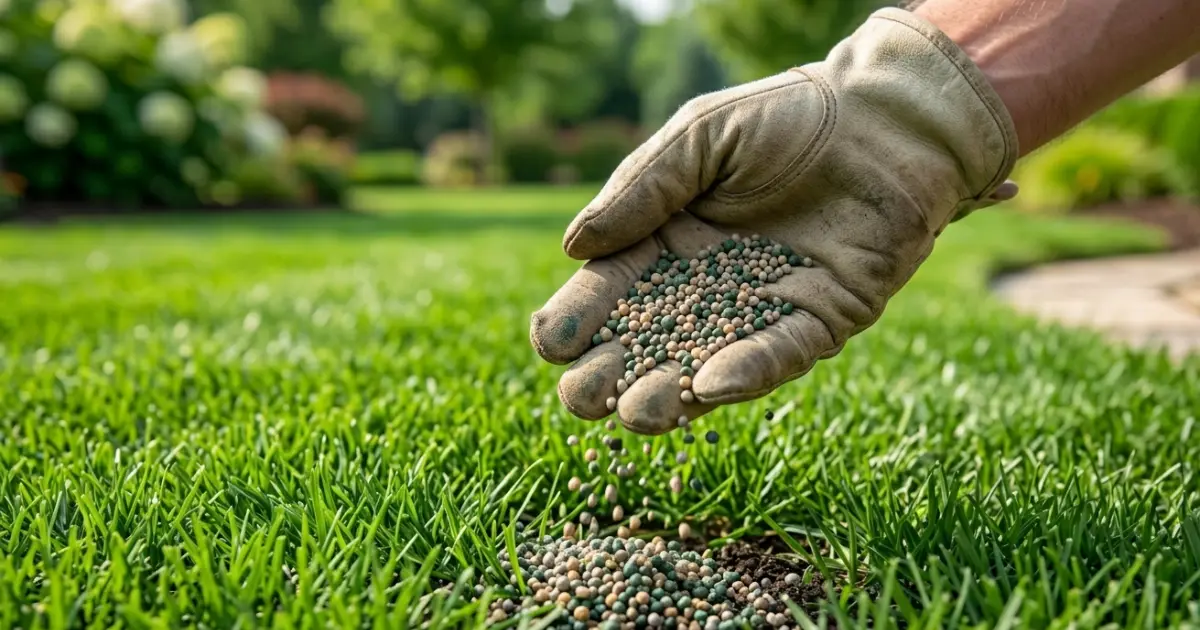
Best Fertilizers for Zoysia Grass in 2026: Get a Lush Lawn
As we enter the new year, the time has come to think about how we [...]
Apr
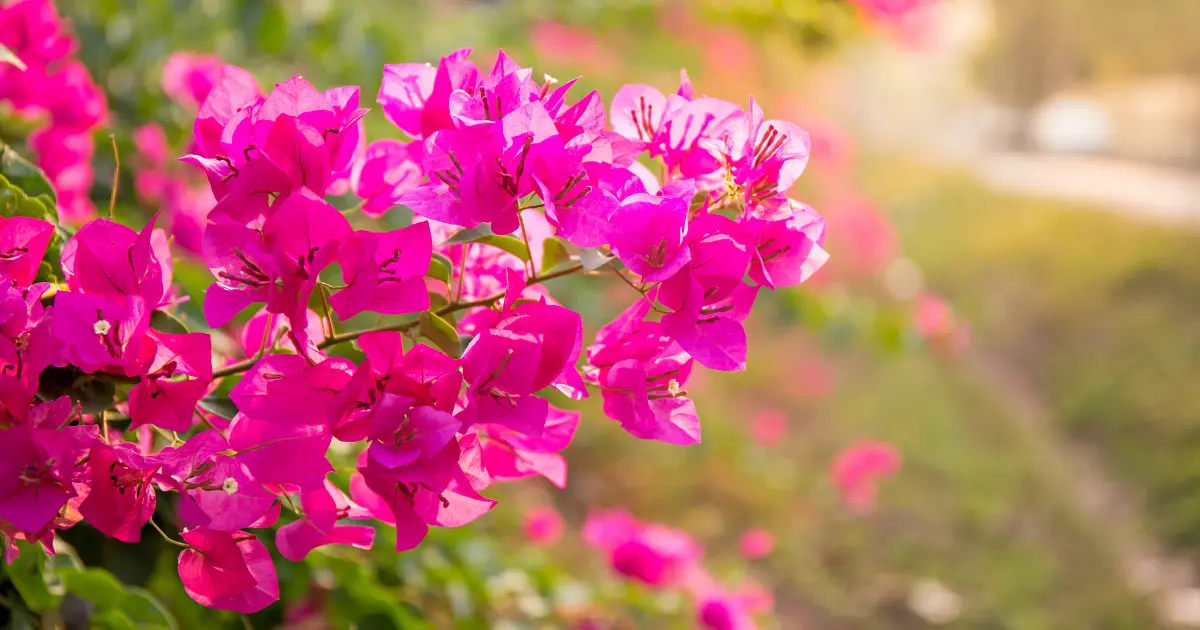
Bougainvillea Plant Care Tips: 7 Secrets to Explosive Blooms!
Are you staring at a bougainvillea that is all lush green leaves but hasn’t shown [...]
Apr
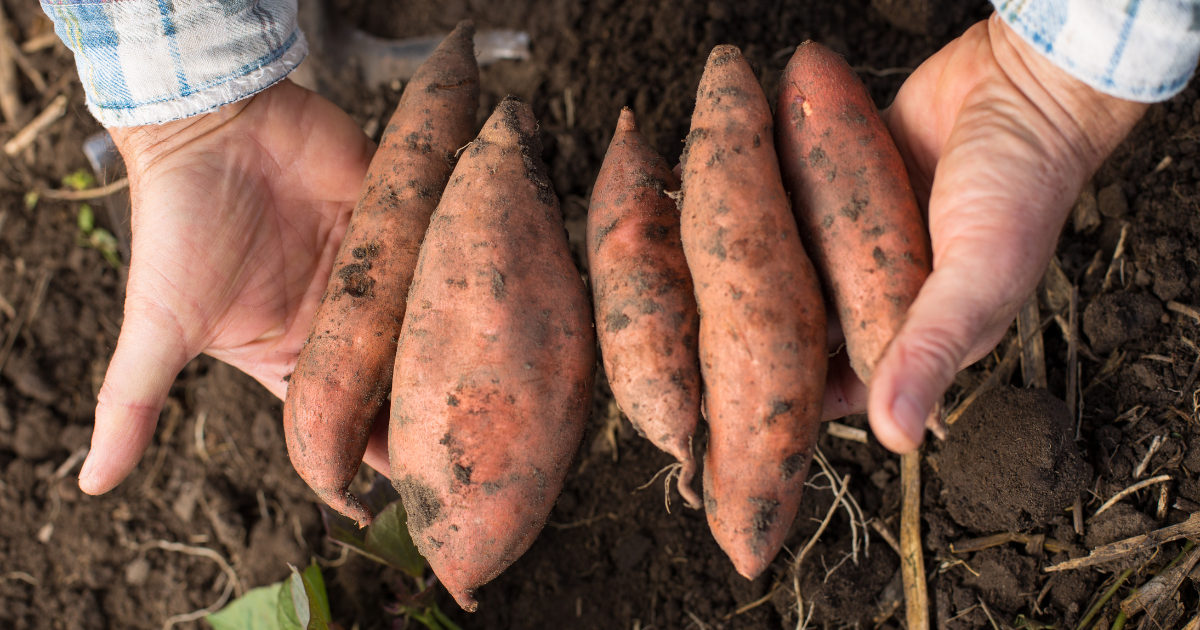
5 Tips for Growing Sweet Potatoes to Get the Biggest Sweet Potato Harvest Ever
If you are a fan of sweet potatoes, then these tips for growing sweet potatoes [...]
Apr
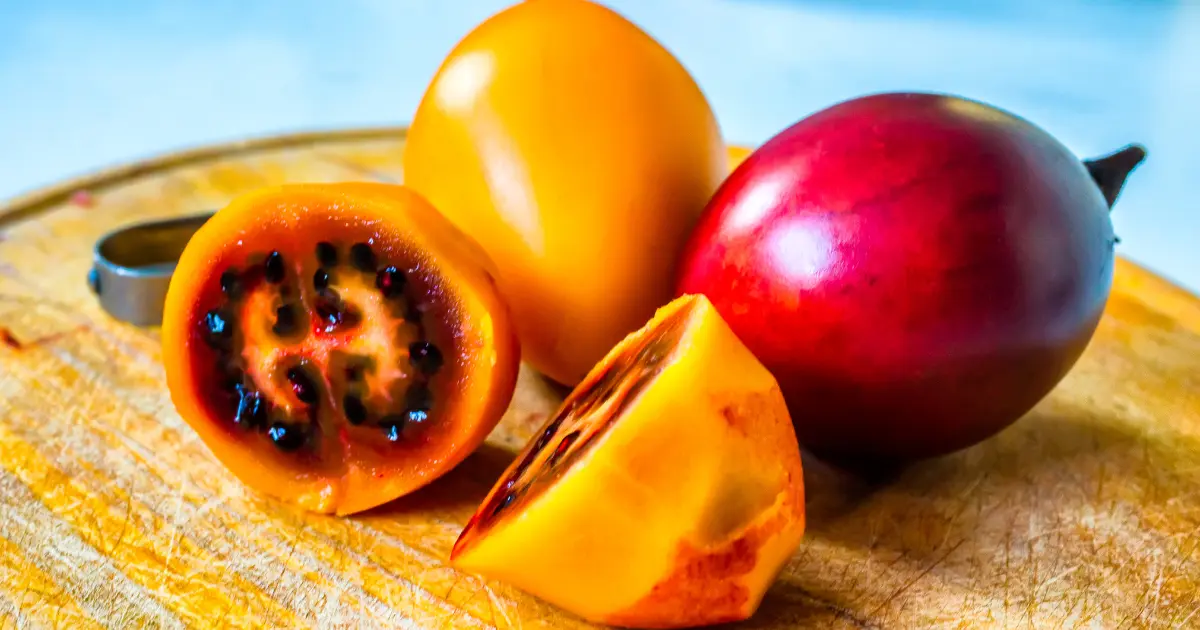
Tamarillo Tree Guide: Flavor, Texture & How to Eat Tree Tomatoes
The humble tomato is a kitchen staple we all know and love, but it rarely [...]
Apr
Reviews
There are no reviews yet.