
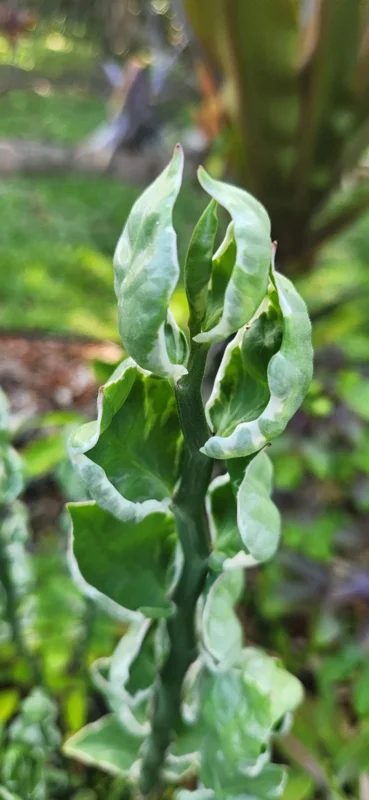
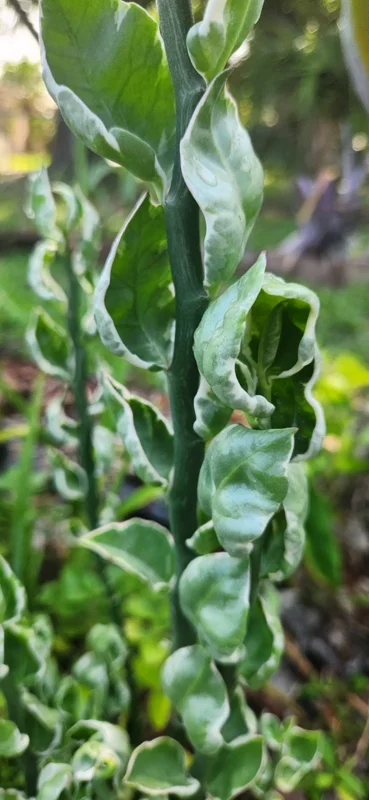
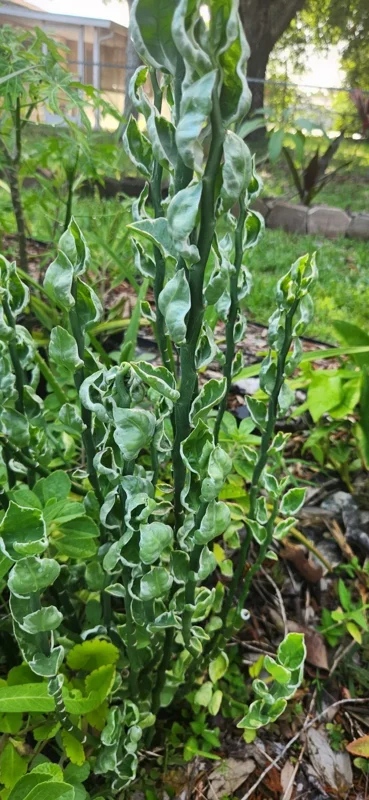
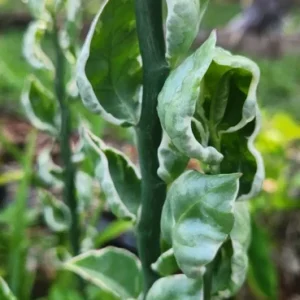
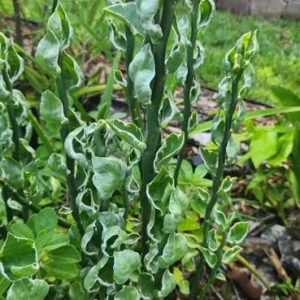
Devil’s Backbone Succulent – Seashell Pink Variegated Live Plant – Euphorbia Tithymaloides
Original price was: $37.98.$18.99Current price is: $18.99.
Bring vibrant color and unique texture to your home with the devil’s backbone live plant. This beautiful seashell pink succulent, also known as Euphorbia tithymaloides, features striking variegated foliage that adds a tropical touch to any indoor space. It’s an easy-care, drought-tolerant option perfect for both beginners and experienced plant enthusiasts.
Estimated arrival
Oct 11
Oct 16 - Oct 18
Oct 21 - Oct 25

Reasonable Price
We offer reasonable price

Support 24/7
Contact us 24 hrs a day

100% Money Back
You've 30 days to Return

Payment Secure
100% secure payment
Overview
Introduce a splash of vibrant color and intriguing form to your indoor plant collection with the devil’s backbone live plant. Also known by its botanical name, Euphorbia tithymaloides, this succulent is celebrated for its distinctive zigzagging stems and eye-catching variegated leaves. The ‘Seashell Pink’ variety, in particular, boasts stunning foliage with shades of green, cream, and delicate pink margins, especially when exposed to ample sunlight. This easy-to-grow, low-maintenance plant is a fantastic choice for those seeking a unique and resilient addition to their home or office.
The devil’s backbone live plant is a tropical succulent that thrives in warm climates, making it an ideal candidate for indoor cultivation in most regions. Its upright growth habit and sculptural appearance add architectural interest to any setting, whether placed on a windowsill, desk, or as part of a larger plant display. This particular variant’s beautiful coloration ensures it stands out, offering year-round visual appeal without demanding constant attention.
Key Benefits
The devil’s backbone live plant offers numerous benefits, making it a popular choice for plant lovers. Its unique aesthetic and straightforward care requirements contribute to its widespread appeal, providing both beauty and ease of maintenance.
- Stunning Variegated Foliage: The ‘Seashell Pink’ variety of devil’s backbone live plant features captivating leaves marbled with green, cream, and beautiful pink hues, especially vibrant in bright light. This natural artistry makes it a living piece of decor.
- Low Maintenance: As a succulent, this plant is inherently drought-tolerant and forgiving of occasional neglect, making it an excellent choice for busy individuals or those new to plant care. It requires minimal watering and infrequent fertilization.
- Unique Growth Habit: Its distinctive zigzagging stems provide an unusual and interesting silhouette, adding architectural interest to any room. This unique form sets it apart from more common houseplants.
- Air Purification: Like many houseplants, the seashell pink succulent contributes to improved indoor air quality by absorbing common household toxins and releasing oxygen.
- Adaptable to Indoor Environments: It thrives in typical indoor conditions, provided it receives sufficient light. It’s well-suited for bright windowsills, sunrooms, or well-lit office spaces.
- Adds Tropical Flair: The vibrant colors and unique structure evoke a tropical ambiance, bringing a touch of an exotic paradise into your home.
- Pest Resistant: Generally, this unique indoor succulent is quite resistant to common houseplant pests, further simplifying its care routine.
Plant Care & Growing Tips
Caring for your devil’s backbone live plant is relatively straightforward, making it a rewarding experience for gardeners of all levels. Proper attention to its basic needs will ensure its vibrant coloration and healthy growth. The right environment is key to helping your euphorbia tithymaloides care thrive and display its best pink hues.
For sunlight, this plant prefers bright, indirect light for at least 4-6 hours daily. Direct, intense afternoon sun can sometimes scorch its delicate variegated leaves, especially in hotter climates, but morning sun is usually beneficial. Inadequate light will result in less vibrant pink coloration and leggy growth. When grown indoors, a south or east-facing window is often ideal. Rotate the plant occasionally to ensure even growth and color development across all sides.
Watering should be done sparingly. Allow the soil to dry out completely between waterings, typically every 2-4 weeks depending on humidity, temperature, and pot size. Overwatering is the most common cause of problems for this pink variegated plant, leading to root rot. When you do water, do so thoroughly until water drains from the bottom of the pot. Ensure your pot has drainage holes. A well-draining soil mix is crucial; a standard succulent or cactus mix works perfectly. The USDA hardiness zone for outdoor planting is typically 9-11, so in most of the US, it is grown as an indoor plant or brought indoors during colder months. Fertilize lightly during the growing season (spring and summer) with a balanced liquid fertilizer diluted to half strength, once every 4-6 weeks. Reduce or stop fertilizing in fall and winter. Temperatures between 65-80°F (18-27°C) are ideal, and it should be protected from temperatures below 50°F (10°C).
Size & Details
Your devil’s backbone live plant will arrive as a healthy, established specimen, ready to thrive in its new home. Typically, these plants can reach heights of 2-3 feet when grown indoors, though they can be pruned to maintain a more compact shape. The growth rate is moderate, allowing you to enjoy its development over time. Each plant is shipped in a nursery pot, ensuring its roots are protected during transit and making it easy for you to transplant into your preferred decorative container upon arrival. While exact dimensions vary by individual plant, you can expect a robust succulent with well-developed stems and distinctive foliage.
When mature, the stems can become somewhat woody at the base, providing a sturdy structure for the vibrant leaves. The ‘Seashell Pink’ variegation becomes most pronounced with optimal light exposure, offering a dynamic display of color. This plant does not typically produce showy flowers indoors, but its foliage is the main attraction. It’s a long-lived succulent that, with proper euphorbia tithymaloides care, will be a cherished part of your collection for many years.
Frequently Asked Questions
- Q: How big does this plant get? A: The devil’s backbone live plant typically grows to about 2-3 feet tall indoors, but it can be pruned to maintain a smaller, bushier form if desired. Its unique zigzag stems contribute to its overall height and spread.
- Q: What size pot does it come in? A: Your seashell pink succulent will be shipped in a standard nursery pot, protecting its root system during transit and making it easy for you to repot into your chosen decorative container.
- Q: Is this an indoor or outdoor plant? A: While it can be grown outdoors in USDA Zones 9-11, the devil’s backbone live plant is most commonly cultivated as an indoor houseplant due to its tropical nature and sensitivity to cold.
- Q: How much sunlight does it need? A: This plant thrives in bright, indirect light for at least 4-6 hours a day. Too little light will diminish its pink variegation, while direct harsh afternoon sun can scorch its leaves.
- Q: Is this plant easy to care for? A: Yes, the devil’s backbone live plant is considered low-maintenance and relatively easy to care for, making it suitable for both beginners and experienced plant enthusiasts. Its succulent nature means it’s forgiving of infrequent watering.
- Q: What condition will it arrive in? A: Your plant will arrive healthy and carefully packaged to ensure its safe journey. It will be a live, established plant ready for you to introduce to its new home.
- Q: Is it pet-safe? A: No, like many Euphorbia species, the devil’s backbone live plant produces a milky sap that can be irritating to skin and toxic if ingested by pets or humans. Keep it out of reach of children and pets.
- Q: How often should I water my pink variegated plant? A: Water only when the soil has completely dried out. This typically means every 2-4 weeks, but always check the soil moisture before watering to prevent overwatering.
- Q: What kind of soil is best for euphorbia tithymaloides care? A: A well-draining soil mix is essential. A commercial succulent or cactus potting mix is ideal, or you can create your own by adding perlite or coarse sand to regular potting soil.
- Q: Does this plant have any other common names? A: Yes, besides Devil’s Backbone, it is also sometimes called Pedilanthus tithymaloides, Redbird Cactus, Slipper Flower, or Zigzag Plant, referring to its distinct stem structure.
Be the first to review “Devil’s Backbone Succulent – Seashell Pink Variegated Live Plant – Euphorbia Tithymaloides”
-
USDA Hardiness Zone
USDA Zones 9-11 (outdoors); commonly grown indoors -
Soil Type
Well-draining succulent or cactus potting mix -
Sunlight Exposure
Bright, indirect light -
Expected Planting Period
Year-round indoors
People Also Viewd


Sold 134 products
Original price was: $3,536.00.$23.99Current price is: $23.99.

Sold 132 products
Original price was: $27.00.$24.00Current price is: $24.00.

Sold 132 products
Original price was: $89.99.$64.99Current price is: $64.99.

Sold 125 products
Original price was: $86.99.$66.99Current price is: $66.99.

Flower Bulbs
3 Cranesbill Wild Geranium Organic Maculatums Bare Roots | Wildflower for Outdoor Garden
Sold 116 products
Original price was: $21.99.$9.99Current price is: $9.99.

Sold 114 products
Original price was: $28.99.$17.99Current price is: $17.99.
Sold 110 products
Original price was: $63.99.$28.99Current price is: $28.99.
Sold 108 products
Original price was: $28.99.$17.99Current price is: $17.99.RELATED posts
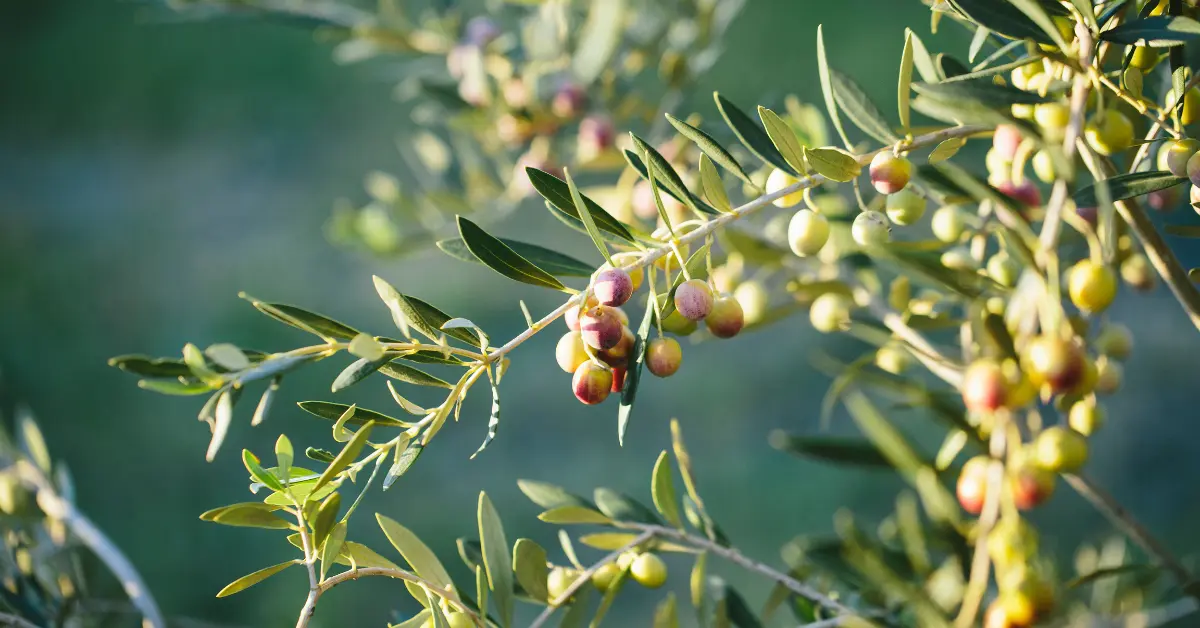
How to Grow Arbequina Olive Trees: The Ultimate Guide to Your Own Olive Grove
Arbequina Olive Tree (Olea europaea ‘Arbequina’) – the ultimate Mediterranean plant that brings a touch [...]
Oct
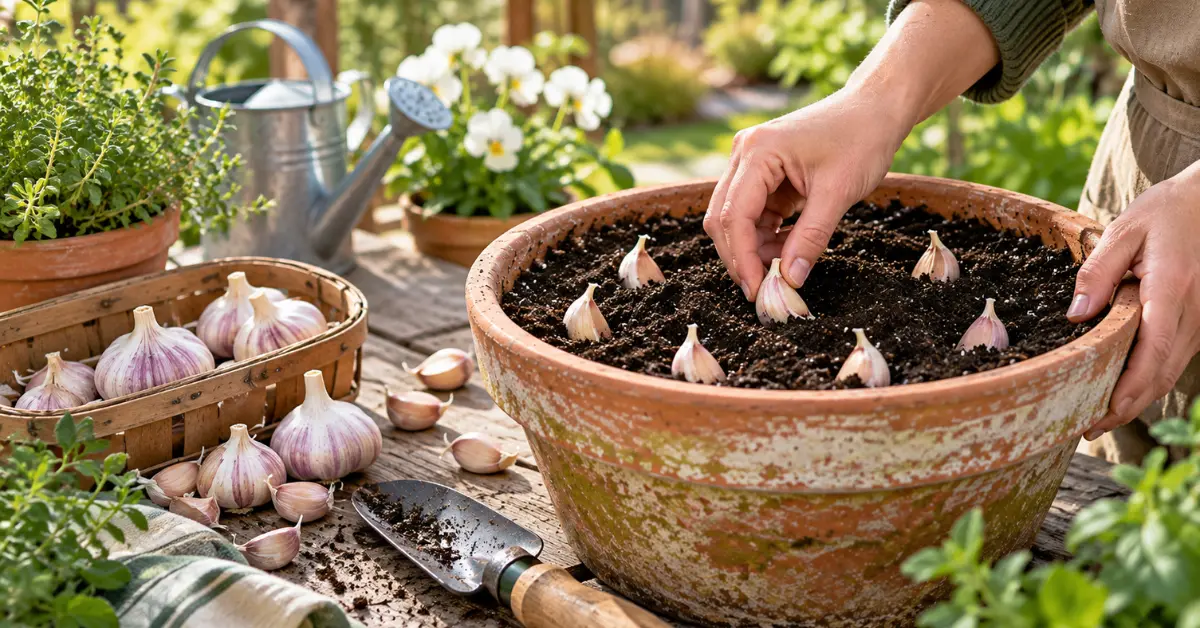
Growing Garlic in Containers This Fall: A Complete Guide for Beginners
If you’ve ever wanted to pop fresh, aromatic garlic cloves straight from your own patio [...]
Sep
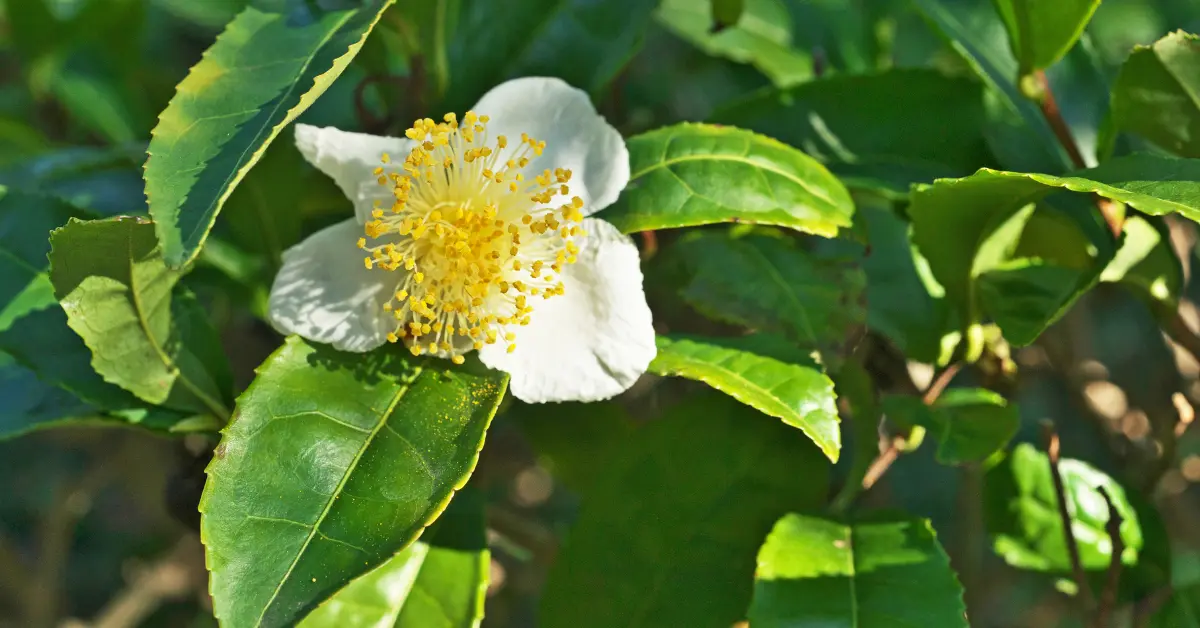
Growing Camellia Sinensis (Tea Plants) in Containers: A Complete Guide for Beginners
If you’ve ever wanted to sip a steaming, homegrown cup of fresh green, black, or [...]
Aug
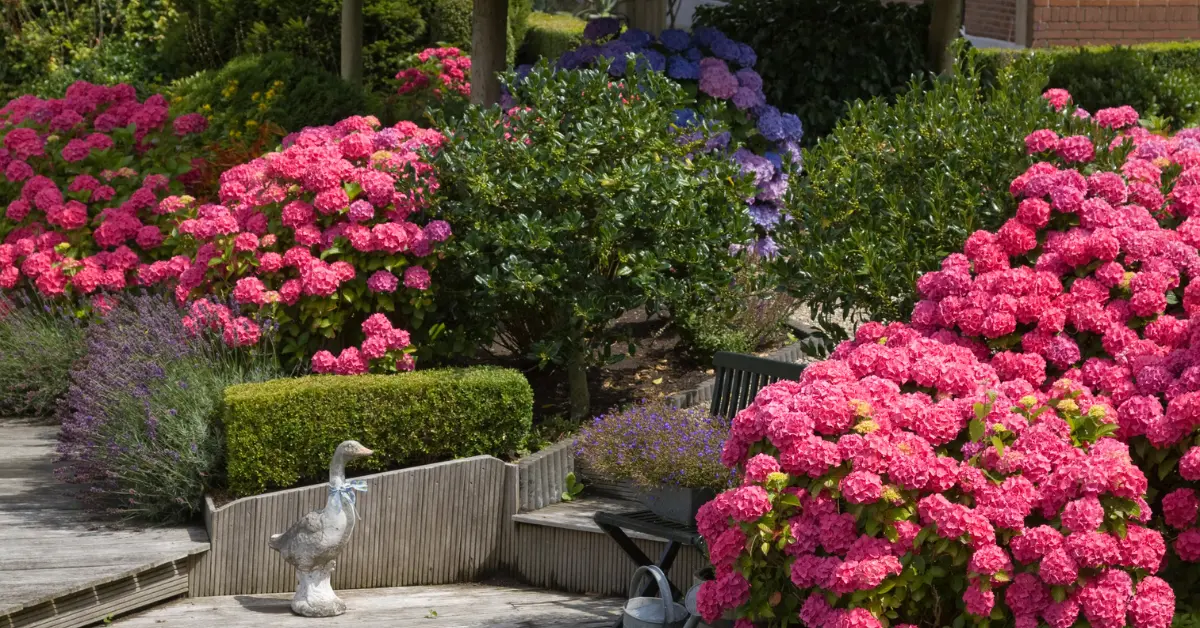
6 Best Shrubs to Plant in August You Must Try
Have you ever walked through a nursery late in the summer, admired the vibrant shrubs [...]
Aug
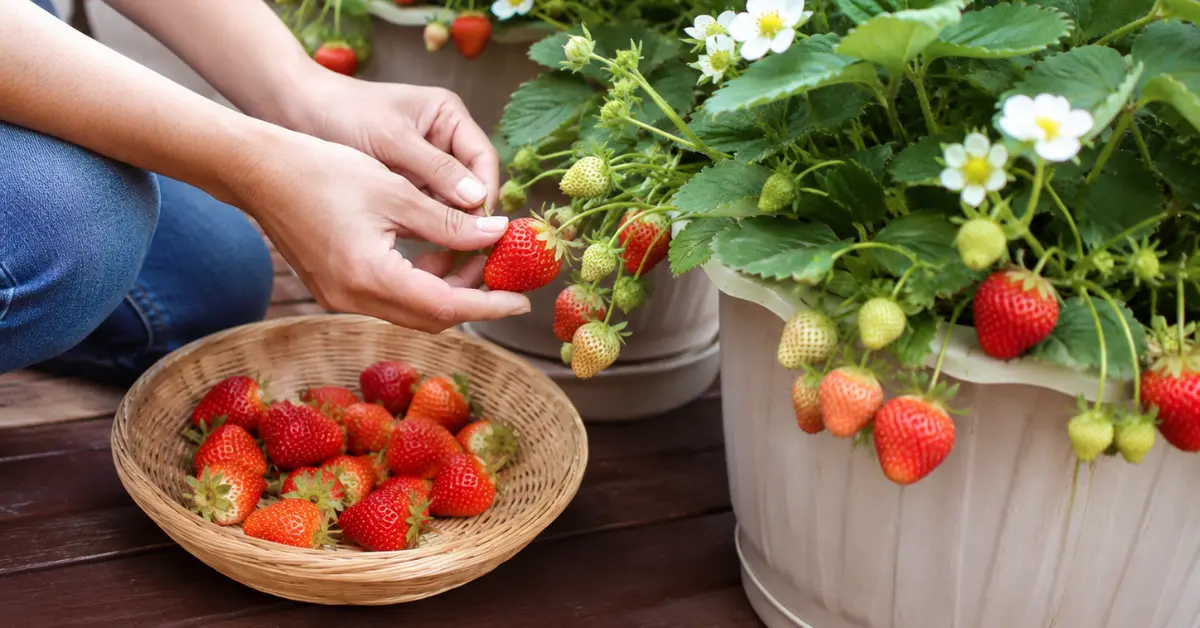
Growing Everbearing Strawberries in Containers: A Complete Guide for Beginners
Want to grow sweet, fresh strawberries but do not have a large garden? Everbearing strawberries [...]
Aug
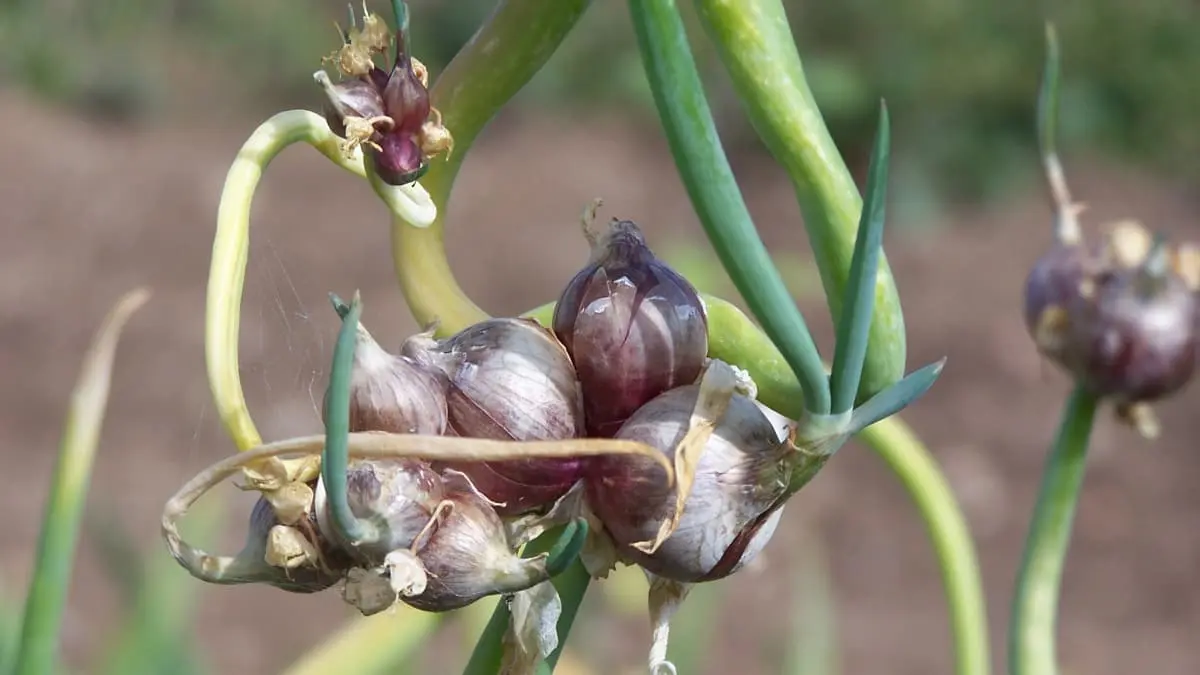
Growing Egyptian Walking Onions in Containers: A Complete Guide for Beginners
If you’re looking for a hardy, no-fuss perennial onion that keeps on giving year after [...]
Jul
Growing Carolina Reaper Peppers in Pots: A Complete Guide for Beginners
If you’ve ever wanted to add some serious, record-breaking heat to your home cooking, you’ve [...]
May
Growing Curry Leaf Plant in Pots: A Complete Guide for Beginners
If you’re a fan of authentic South Asian cuisine, you already know that nothing compares [...]
May

Reviews
There are no reviews yet.