
England Aster Lavender Live Plant Plug, 2-6 Inch Tall, Hardy Perennial Flower
Original price was: $51.39.$16.39Current price is: $16.39.
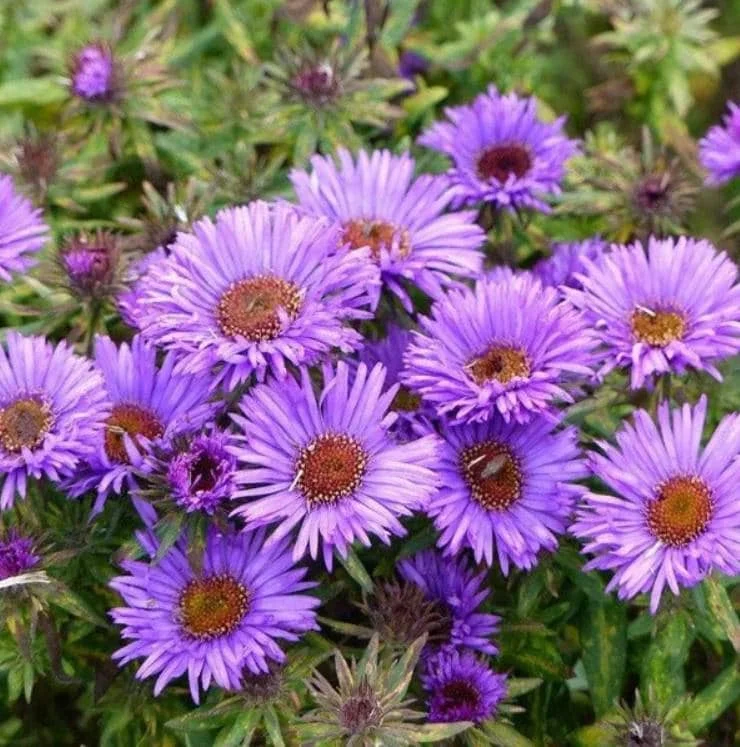
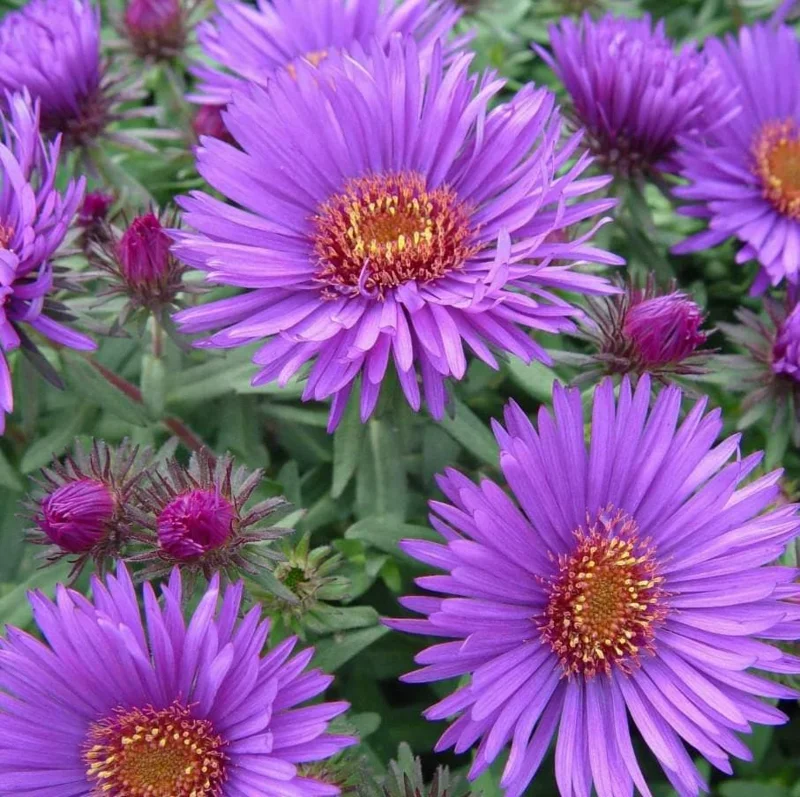
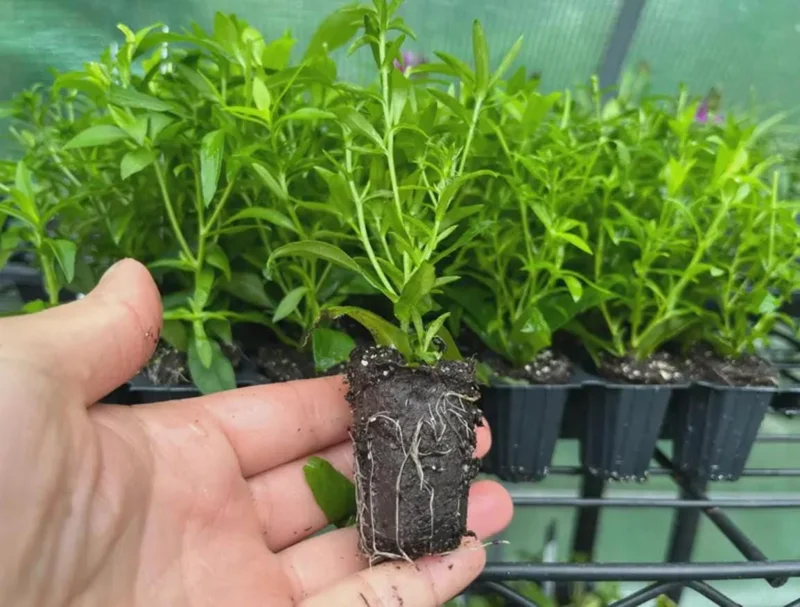
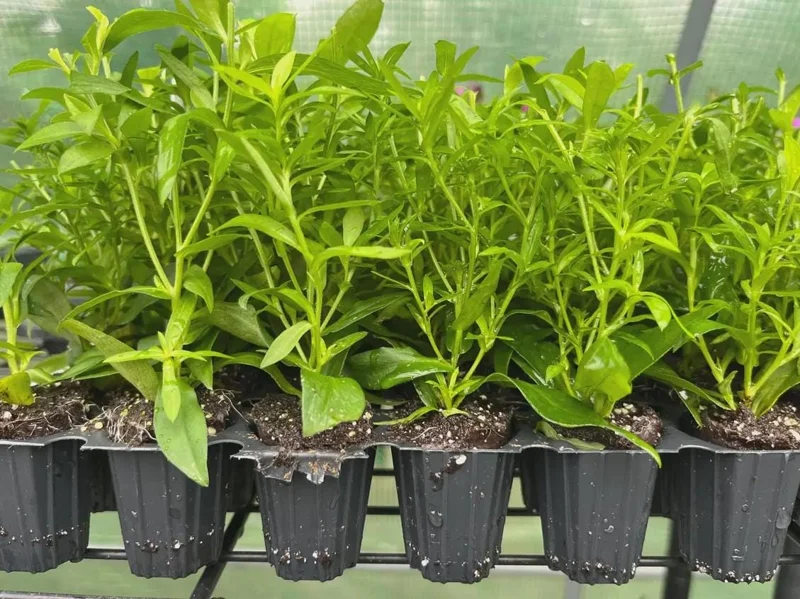
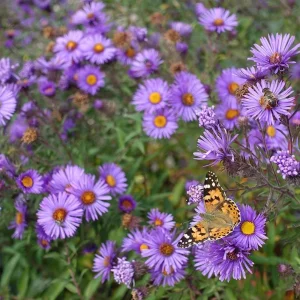
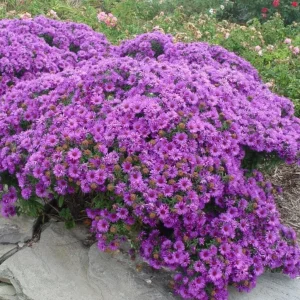
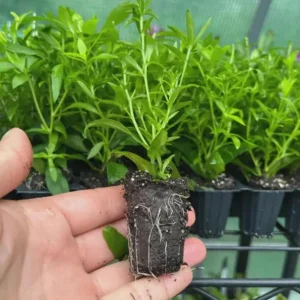
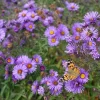
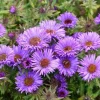
Bring the beauty of late-season blooms to your landscape with an England Aster live plant. This hardy perennial features abundant lavender-purple flowers, ideal for attracting pollinators and enhancing cottage gardens. Each lavender aster plug measures 2-6 inches tall, ready for planting.
Estimated arrival
Sep 17
Sep 22 - Sep 24
Sep 27 - Oct 01

Reasonable Price
We offer reasonable price

Support 24/7
Contact us 24 hrs a day

100% Money Back
You've 30 days to Return

Payment Secure
100% secure payment
Overview
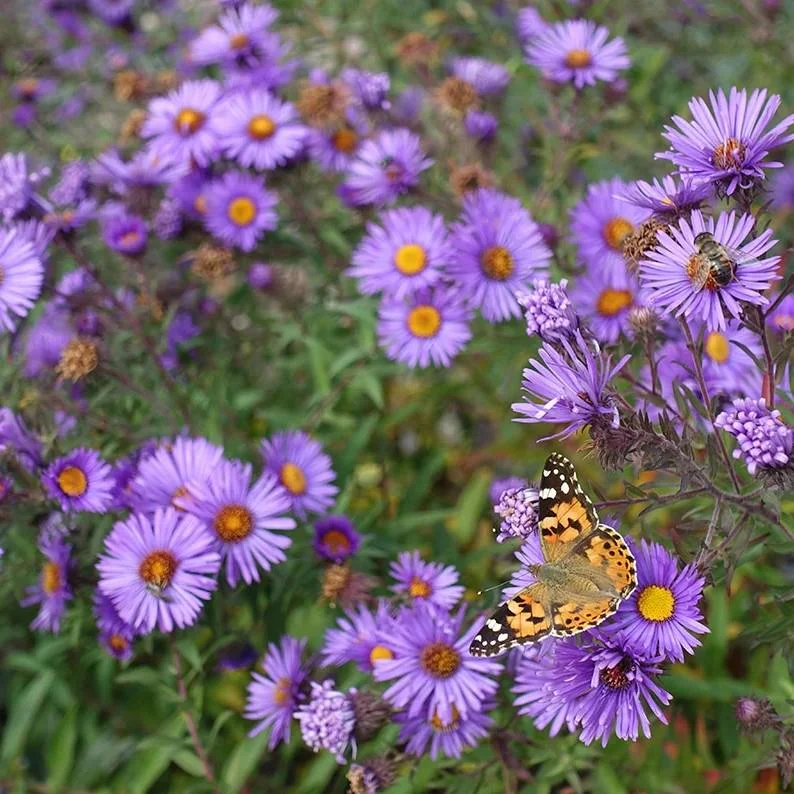
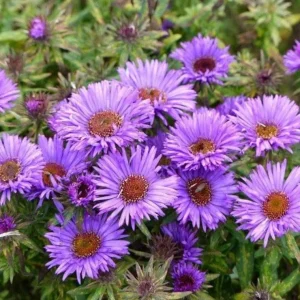
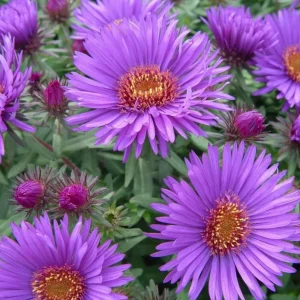
Discover the charm of the England Aster live plant, a robust and beautiful addition to any garden. This hardy perennial, scientifically known as Symphyotrichum novae-angliae, produces a spectacular display of lavender-purple flowers with bright golden centers from late summer through fall. Perfect for extending your garden’s blooming season, this plant is a magnet for bees, butterflies, and other beneficial pollinators, making it an ecological asset. Whether you’re enhancing a wildflower meadow, creating a vibrant border, or adding a touch of classic beauty to a cottage garden, the England Aster live plant delivers reliable, showy blooms year after year. Our young plant plugs are carefully cultivated to ensure a strong start in your garden, ready to establish and flourish.
This particular cultivar, with its striking lavender blooms, offers a delightful splash of color when many other plants are beginning to fade. Native to North America, the England Aster is well-adapted and resilient, thriving in a variety of conditions. It’s an excellent choice for gardeners seeking low-maintenance yet high-impact flora. Embrace the natural elegance and ecological benefits of this wonderful hardy aster, a true garden staple that promises a dazzling late-season spectacle.
Key Benefits
The England Aster live plant offers numerous advantages for both your garden and local ecosystem. Its vibrant blooms and vigorous growth make it a highly desirable choice for diverse landscaping needs, providing beauty and supporting biodiversity.
- Extended Blooming Season: Enjoy a profusion of lavender-purple flowers from late summer into fall (August–October), providing essential color and nectar when many other plants have finished blooming. This late-season show is a highlight for any garden.
- Pollinator Magnet: The abundant, nectar-rich flowers are irresistible to bees, butterflies, and other beneficial insects, making this an excellent pollinator plant. Support local ecosystems by providing a vital food source.
- Hardy and Resilient: As a hardy aster, it tolerates cold winters and adapts to a range of soil types and conditions, thriving in USDA zones 4–8. This makes it a reliable choice for many climates.
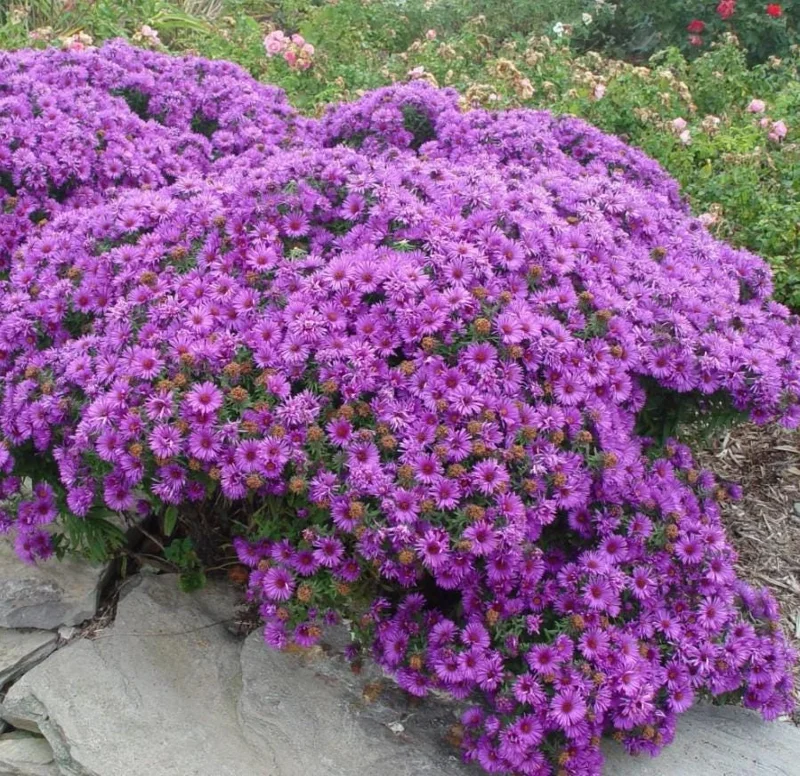
- Versatile Landscape Use: Ideal for cottage gardens, wildflower borders, naturalized landscapes, and cut flower arrangements. Its upright growth habit and dense flowering make a strong visual impact.
- Low Maintenance: Once established, the England Aster live plant is relatively drought-tolerant and requires minimal care, making it perfect for busy gardeners.
- Deer Resistant: Generally not favored by deer, offering a greater chance for your blooms to flourish undisturbed.
- Beautiful Cut Flowers: The long-lasting blooms with golden centers make excellent additions to fresh floral arrangements, bringing the beauty of your garden indoors.
Plant Care & Growing Tips
Caring for your England Aster live plant is straightforward, ensuring a vibrant display for many seasons. These hardy perennials are known for their adaptability, but providing optimal conditions will encourage the most robust growth and abundant flowering. Plant your aster plugs in an area that receives full sun; while partial sun is tolerated, full sun promotes the strongest stems and most prolific blooms. Ensure the soil is well-drained, loamy, and adaptable to clay or sandy conditions, with a pH neutral to slightly acidic. Good drainage is crucial to prevent root rot.
Water regularly during the plant’s establishment phase, keeping the soil consistently moist but never waterlogged. Once mature, the lavender aster becomes quite drought-tolerant, requiring less frequent watering. For best results, plant in spring after the last frost, spacing plants 18–24 inches (45–60 cm) apart to allow for good air circulation and mature growth. Fertilization is generally not heavily required; a balanced, slow-release granular fertilizer applied in early spring can support vigorous growth, but avoid over-fertilizing. Deadhead spent blooms to encourage a longer flowering period and prevent self-seeding if desired. In late fall or early spring, cut the stems back to the ground. Dividing clumps every 2–3 years will help maintain plant vigor and prevent overcrowding. Watch out for powdery mildew in humid conditions; ensuring good air circulation is the best preventative measure.
Size & Details
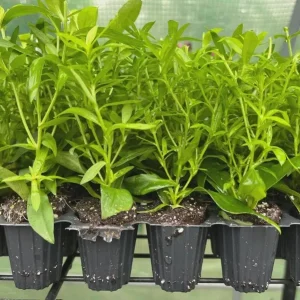
This offering is for a young England Aster live plant plug, typically measuring 2-6 inches tall upon arrival. These hardy seedlings are carefully grown and shipped ready for planting, allowing them to establish quickly in your garden. The mature plants typically reach a height of 3-5 feet (90-150 cm) and spread 2-3 feet (60-90 cm) wide, forming a substantial clump of upright stems. Expect a medium to fast growth rate once planted in favorable conditions. The plants are shipped as live plugs, meaning they come with a well-developed root system and some initial foliage, ensuring a strong start. While initial growth may focus on root development, you can anticipate beautiful lavender blooms from late summer into fall in the first or second year, depending on planting time and growing conditions. The mature Symphyotrichum novae-angliae will provide a striking presence in your garden.
Frequently Asked Questions
- Q: How big does this plant get? A: The England Aster live plant typically grows 3-5 feet tall and spreads 2-3 feet wide at maturity, forming a robust, upright clump. Initial plant plugs are 2-6 inches tall.
- Q: Is this an indoor or outdoor plant? A: This is an outdoor perennial plant, best suited for garden beds, borders, and naturalized areas. It thrives in temperate climates and is hardy in USDA zones 4–8.
- Q: How much sunlight does it need? A: The lavender aster prefers full sun for optimal flowering, meaning at least 6 hours of direct sunlight per day. It can tolerate partial sun, but bloom production may be reduced.
- Q: Is this plant easy to care for? A: Yes, the hardy aster is considered low-maintenance once established. It’s adaptable to various soil types and becomes drought-tolerant, making it suitable for beginners.
- Q: What condition will it arrive in? A: Your England Aster live plant will arrive as a healthy plug with a well-developed root system and some foliage, ready for planting. Some minor wilting during transit is normal and the plant will recover quickly.
- Q: When is the best time to plant? A: The ideal time to plant your England Aster live plant plugs is in the spring after the last frost. You can also plant in early fall to allow roots to establish before winter.
- Q: Will it survive winter in my zone? A: Yes, this specific perennial is very hardy and thrives in USDA zones 4–8, tolerating cold winters and returning reliably each spring.
- Q: Is this a good plant for attracting butterflies? A: Absolutely! The England Aster is an excellent pollinator plant, highly attractive to butterflies, bees, and other beneficial insects, especially during its late-season bloom period.
- Q: What type of soil does it prefer? A: It prefers well-drained, loamy soil but is adaptable to clay or sandy soils. A neutral to slightly acidic pH is ideal. Good drainage is key.
- Q: How often should I water it? A: Water regularly during the first growing season to establish strong roots. Once mature, it is drought-tolerant and requires moderate watering, especially during dry spells. Avoid overwatering.
Be the first to review “England Aster Lavender Live Plant Plug, 2-6 Inch Tall, Hardy Perennial Flower”
-
USDA Hardiness Zone
USDA zones 4–8 -
Soil Type
Well-drained, loamy soil; adaptable to clay or sandy soils -
Sunlight Exposure
Full sun to partial sun -
Expected Planting Period
Spring after last frost
People Also Viewd
Sold 134 products
Original price was: $3,536.00.$23.99Current price is: $23.99.
Sold 131 products
Original price was: $89.99.$64.99Current price is: $64.99.
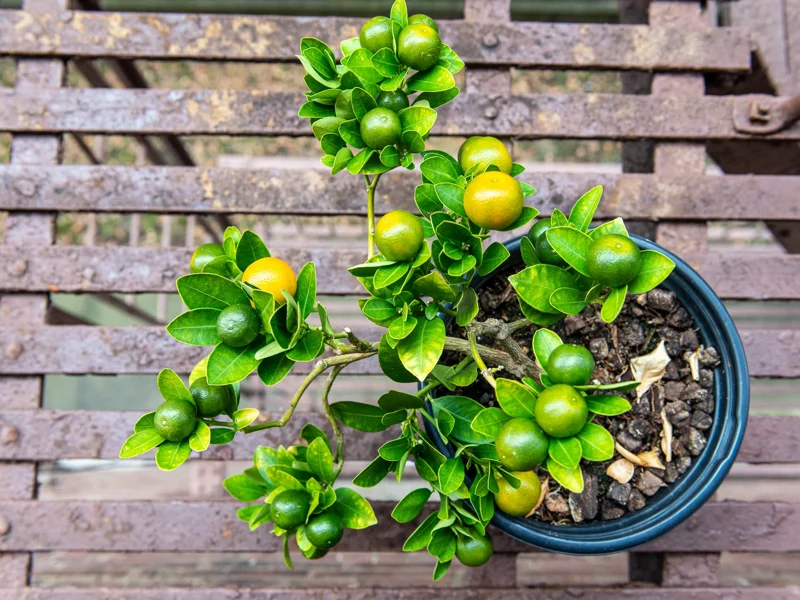
Sold 131 products
Original price was: $27.00.$24.00Current price is: $24.00.

Sold 125 products
Original price was: $86.99.$66.99Current price is: $66.99.
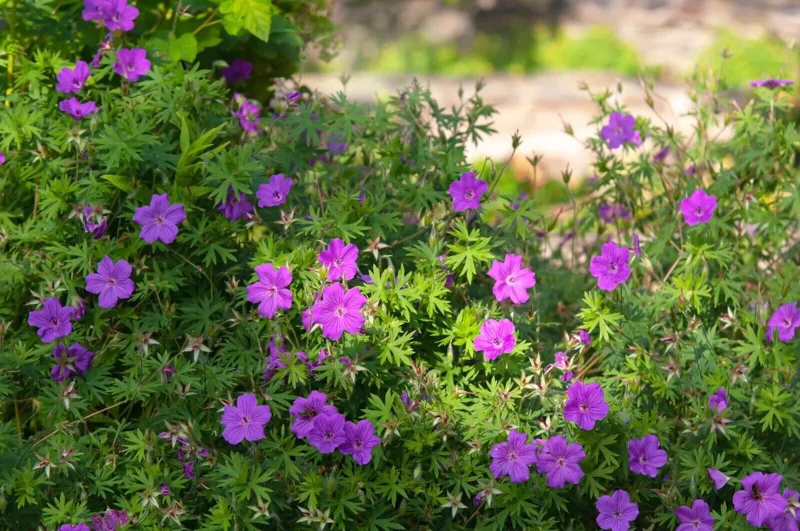
Flower Bulbs
3 Cranesbill Wild Geranium Organic Maculatums Bare Roots | Wildflower for Outdoor Garden
Sold 116 products
Original price was: $21.99.$9.99Current price is: $9.99.
Sold 114 products
Original price was: $28.99.$17.99Current price is: $17.99.
Sold 110 products
Original price was: $63.99.$28.99Current price is: $28.99.
Sold 108 products
Original price was: $28.99.$17.99Current price is: $17.99.RELATED posts
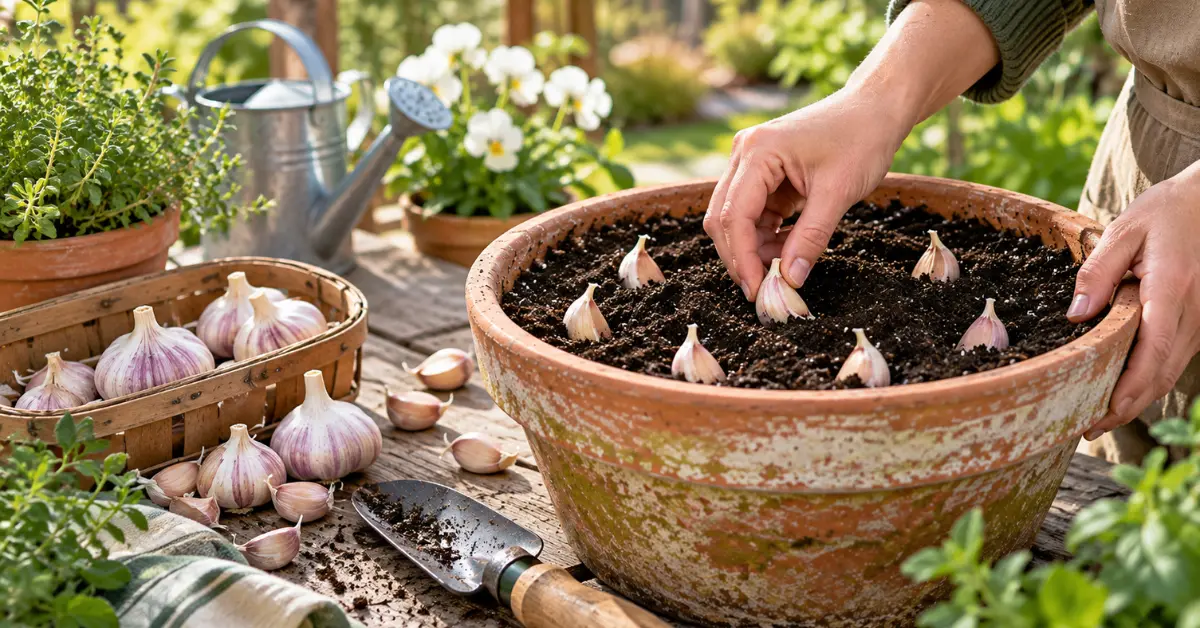
Growing Garlic in Containers This Fall: A Complete Guide for Beginners
If you’ve ever wanted to pop fresh, aromatic garlic cloves straight from your own patio [...]
Sep
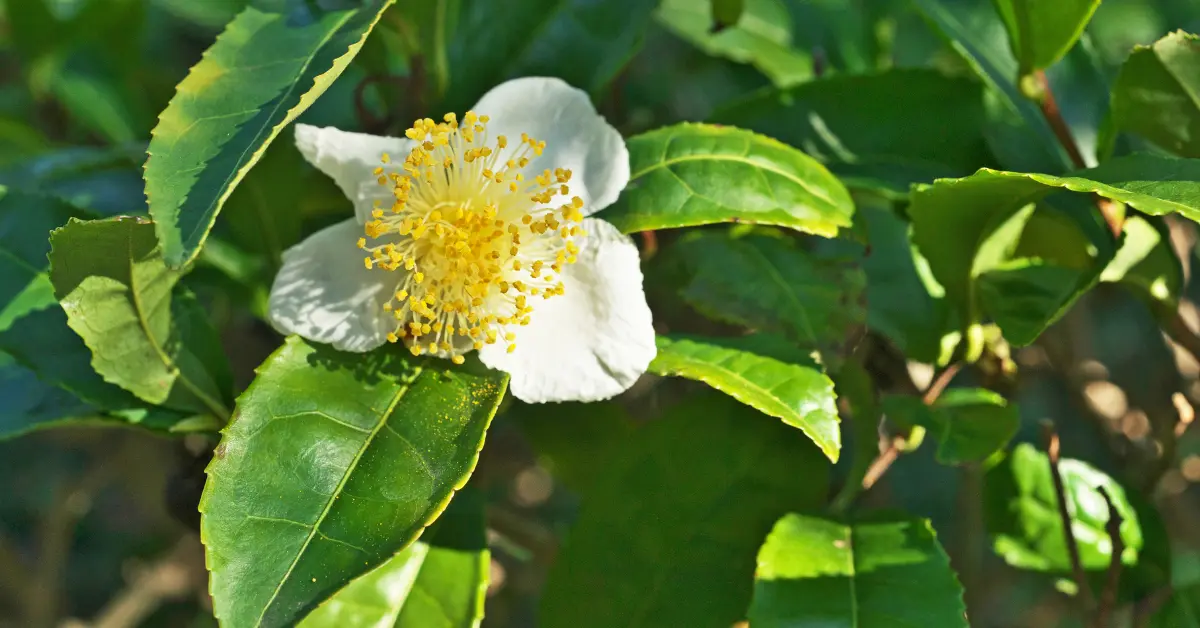
Growing Camellia Sinensis (Tea Plants) in Containers: A Complete Guide for Beginners
If you’ve ever wanted to sip a steaming, homegrown cup of fresh green, black, or [...]
Aug
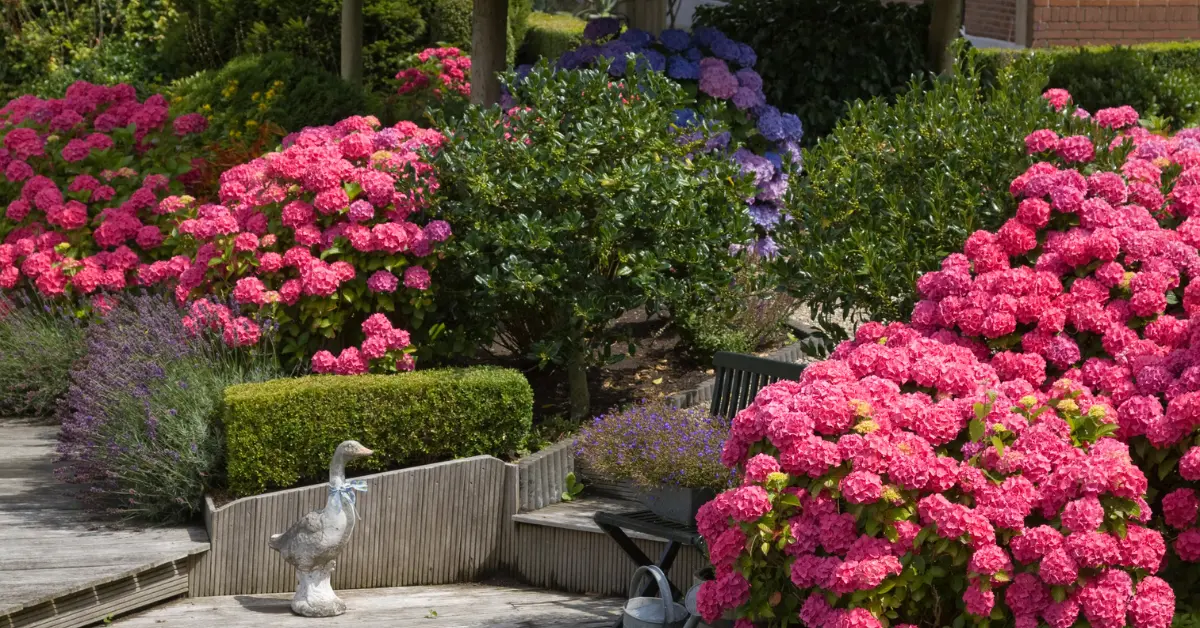
6 Best Shrubs to Plant in August You Must Try
Have you ever walked through a nursery late in the summer, admired the vibrant shrubs [...]
Aug
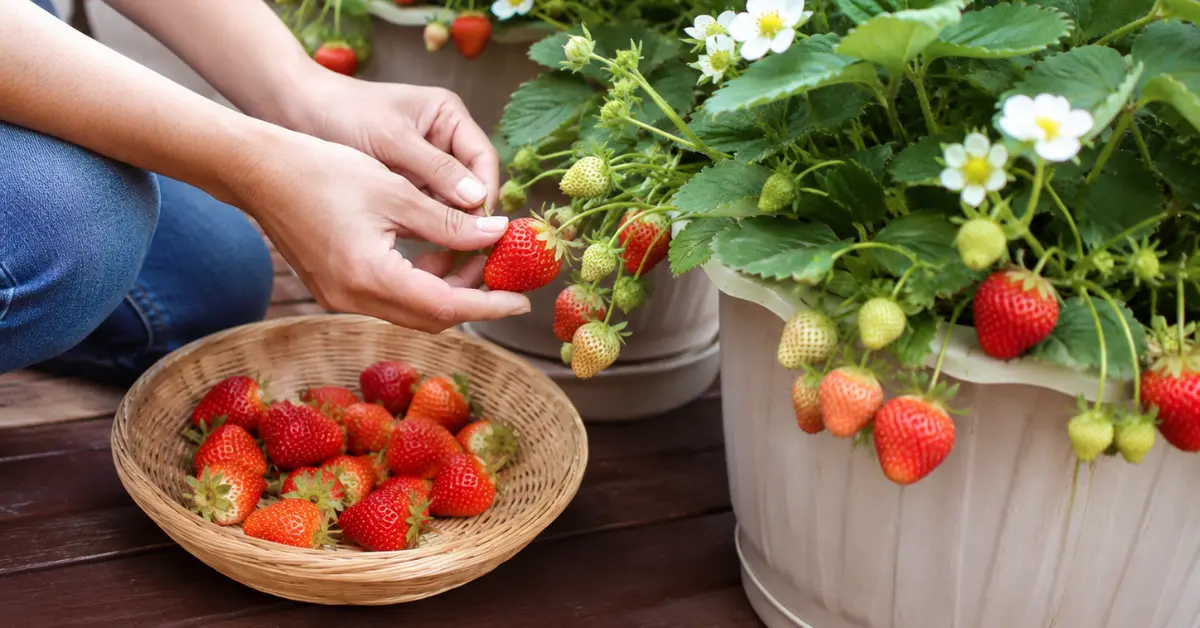
Growing Everbearing Strawberries in Containers: A Complete Guide for Beginners
Want to grow sweet, fresh strawberries but do not have a large garden? Everbearing strawberries [...]
Aug
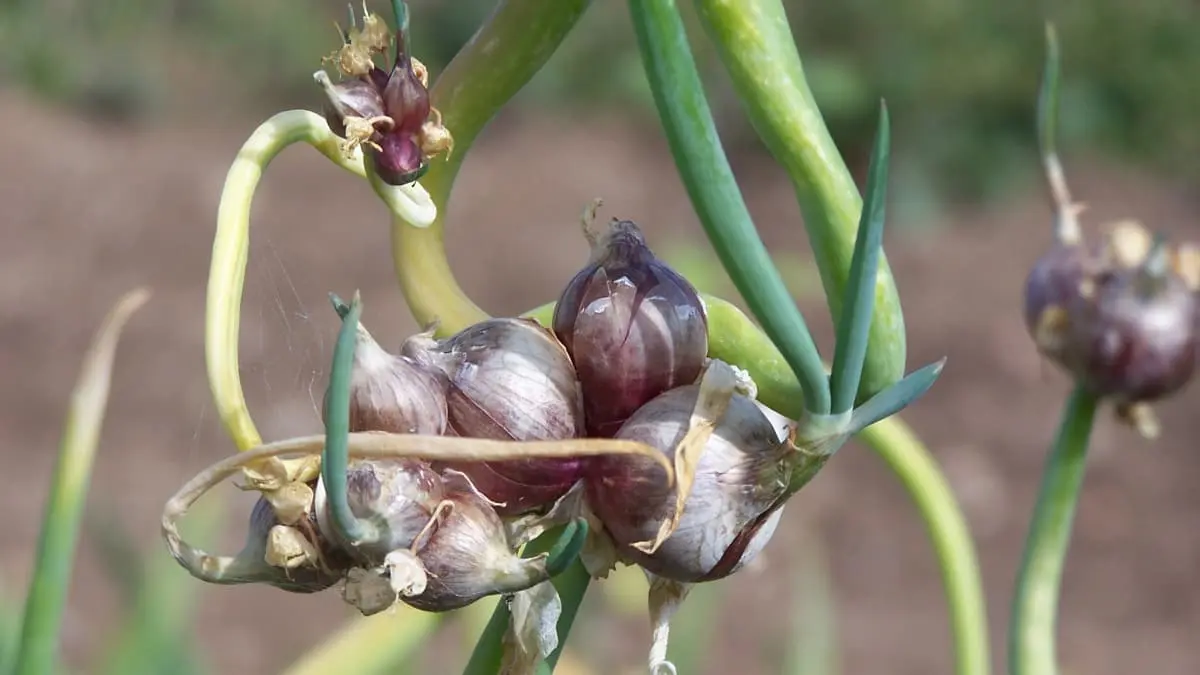
Growing Egyptian Walking Onions in Containers: A Complete Guide for Beginners
If you’re looking for a hardy, no-fuss perennial onion that keeps on giving year after [...]
Jul
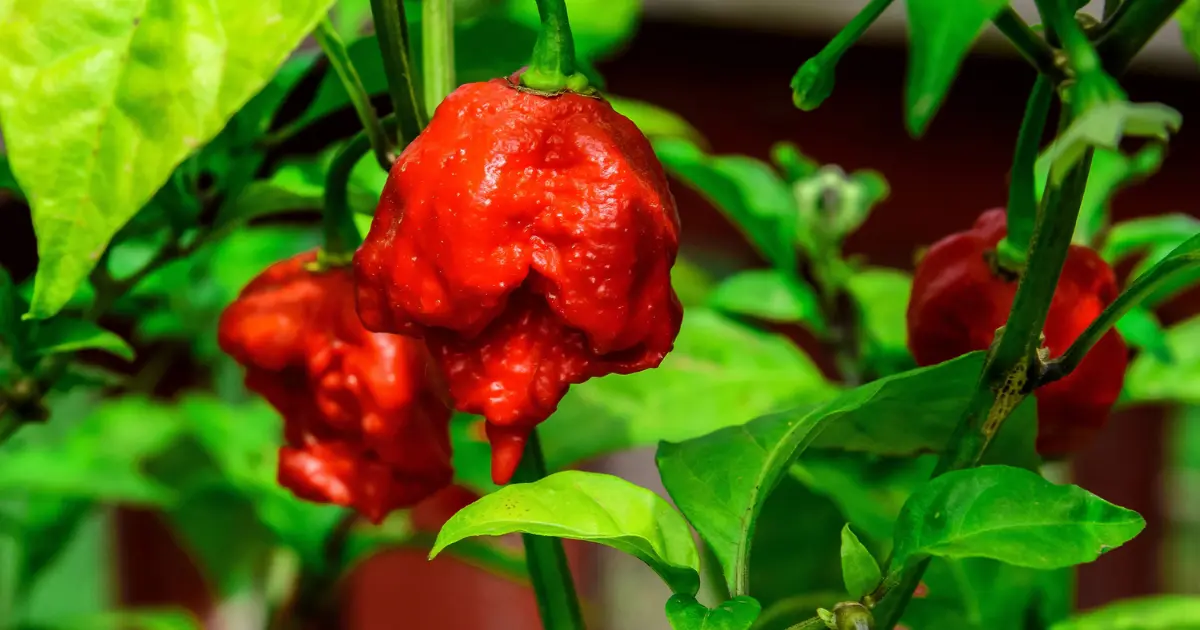
Growing Carolina Reaper Peppers in Pots: A Complete Guide for Beginners
If you’ve ever wanted to add some serious, record-breaking heat to your home cooking, you’ve [...]
May
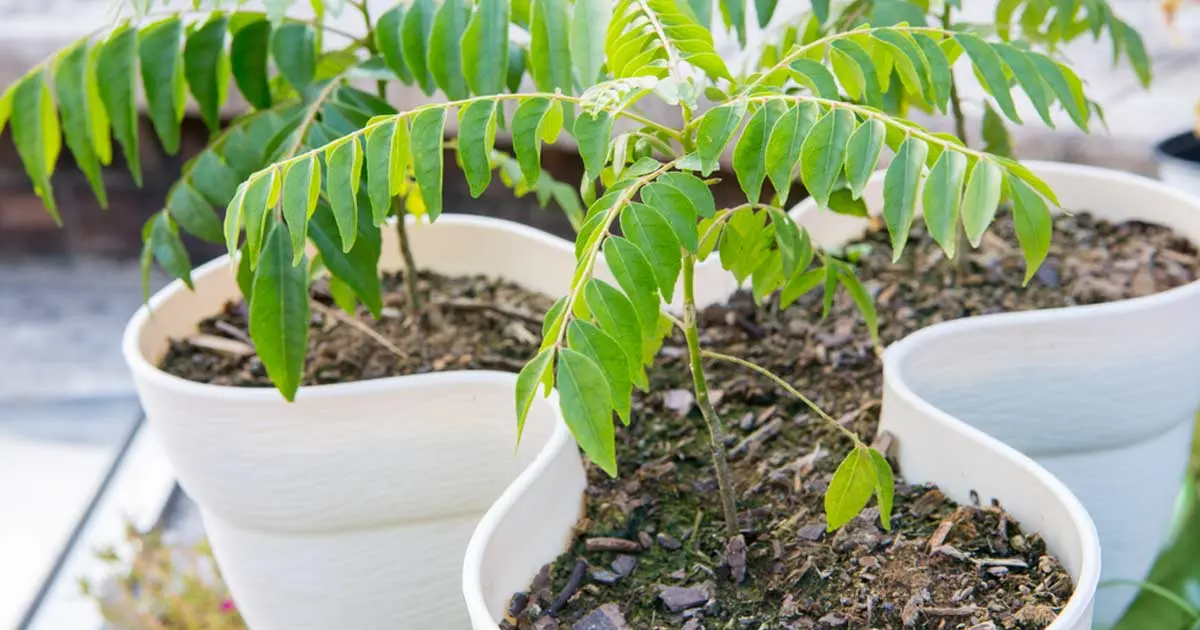
Growing Curry Leaf Plant in Pots: A Complete Guide for Beginners
If you’re a fan of authentic South Asian cuisine, you already know that nothing compares [...]
May
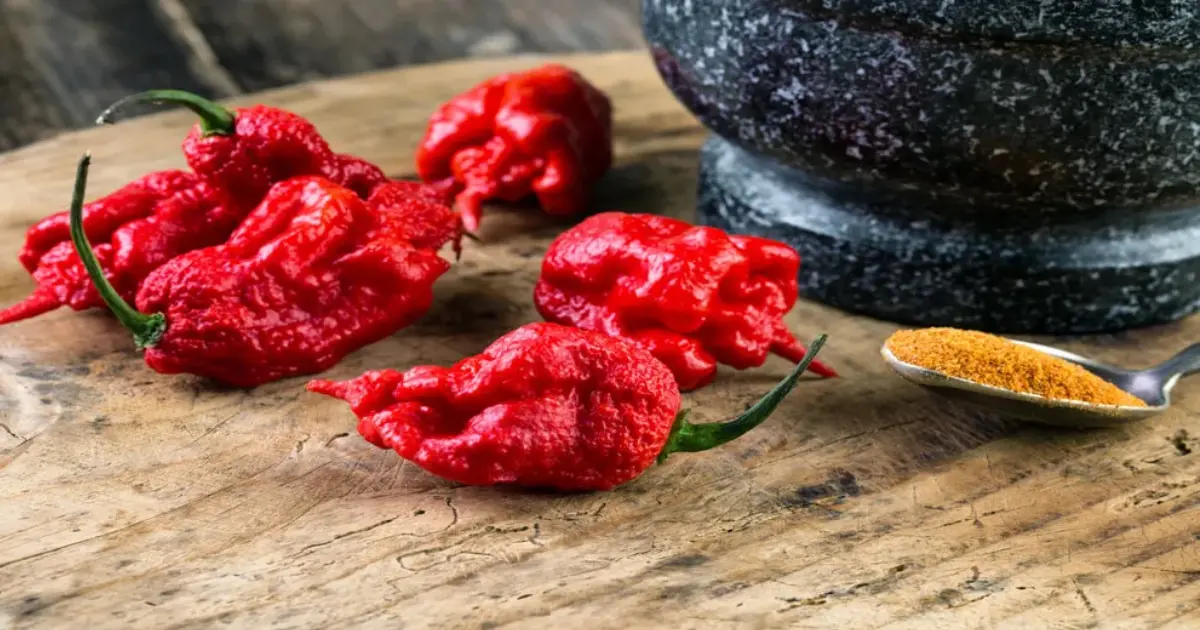
5 Tips for Growing Carolina Reaper Peppers to Get the Spiciest Harvest Ever
Holding the record for one of the world’s hottest peppers, the Reaper isn’t just a [...]
May
Reviews
There are no reviews yet.