
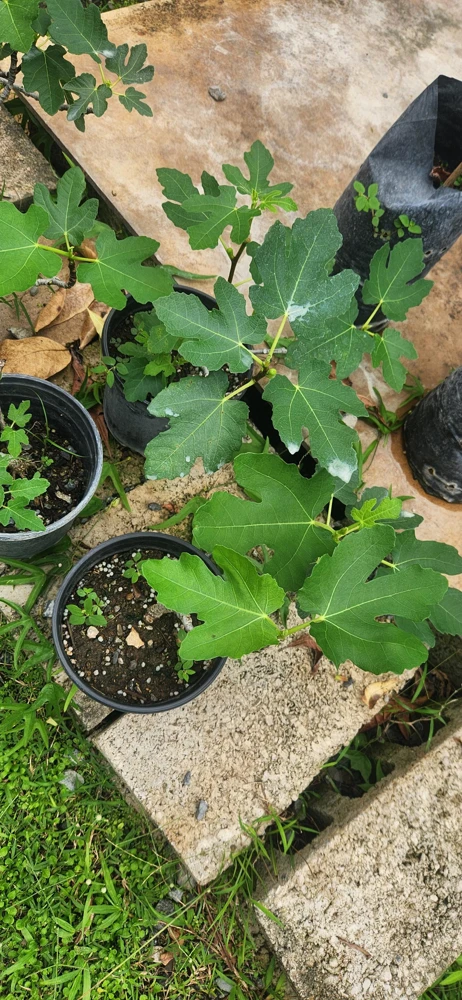
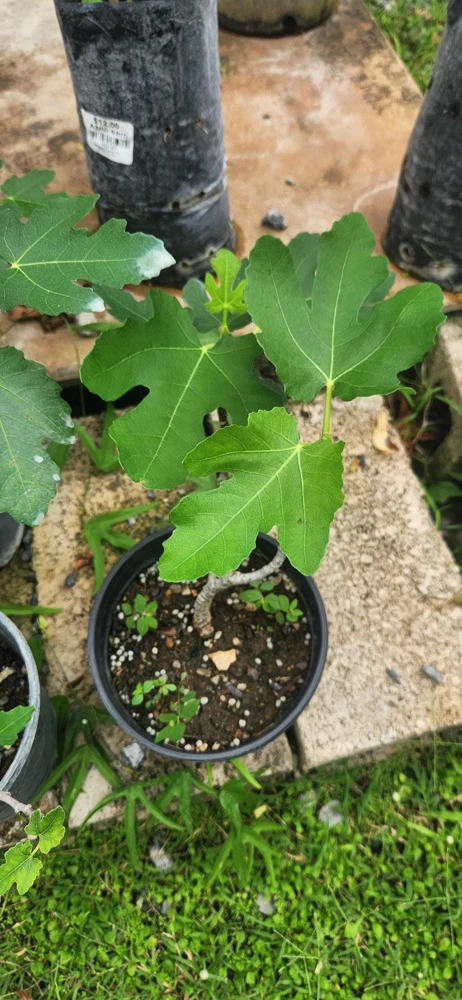
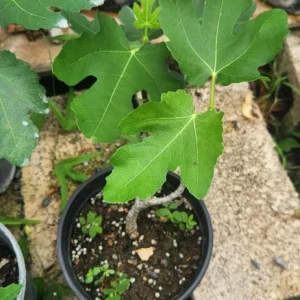
Fig Tree (Ficus carica) Live Plant – Tropical Fruit, 10-24 Inches Tall
Original price was: $136.31.$86.31Current price is: $86.31.
Cultivate your own delicious fruit with a fig tree live plant. This tropical ficus carica plant produces sweet, fleshy figs, perfect for home gardens or container growing. Enjoy fresh, nutritious fruit right from your backyard.
Estimated arrival
Sep 14
Sep 19 - Sep 21
Sep 24 - Sep 28

Reasonable Price
We offer reasonable price

Support 24/7
Contact us 24 hrs a day

100% Money Back
You've 30 days to Return

Payment Secure
100% secure payment
Overview
Bring the taste of the tropics to your home with a fig tree live plant. This beautiful and productive ficus carica plant is renowned for its sweet, succulent fruits, making it a highly sought-after addition to any garden or patio. Figs, scientifically known as Ficus carica, are deciduous trees or large shrubs that can thrive in a variety of climates, though they particularly love warm, sunny environments. Our live fig plant arrives ready to be nurtured, offering the promise of fresh, delicious figs that are far superior to store-bought varieties. Whether you’re an experienced gardener or just starting, a fig tree is a rewarding plant to grow, providing both ornamental beauty and a bountiful harvest.
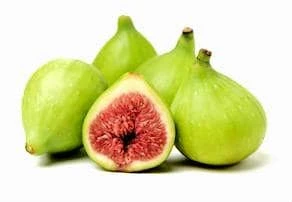
The fruit of the fig tree is distinctive, with a thin skin that varies in color from green to deep purple or black, depending on the variety. Inside, the pulp is dense, fleshy, and boasts an intensely sweet flavor. These trees are relatively low-maintenance once established, making them an excellent choice for home growers looking for a productive and attractive fruit-bearing plant. Experience the joy of harvesting your own figs, perfect for eating fresh, drying, or incorporating into various culinary delights.
Key Benefits
Adding a fig tree to your landscape offers numerous advantages, from fresh produce to aesthetic appeal. Here are some key benefits of cultivating your own fig tree live plant:
-
Delicious Fresh Fruit: Enjoy the unparalleled taste of freshly picked figs, known for their rich, sweet flavor and tender texture. Homegrown figs often taste better than those purchased from stores.
-
Nutrient-Rich Harvest: Figs are packed with fiber, essential minerals like potassium, calcium, and magnesium, and vitamins, contributing to a healthy diet. They are a natural source of energy.
-
Ornamental Value: With their large, lobed leaves and attractive growth habit, fig trees make a beautiful addition to any garden, acting as a focal point or providing lush greenery.
-
Versatile Growing Options: Many fig varieties, including the ficus carica plant, can be grown in the ground in suitable climates or successfully cultivated in large containers, making them adaptable to various living spaces, including patios and balconies.
-
Relatively Low Maintenance: Once established, fig trees are surprisingly resilient and require minimal care, making them suitable for gardeners of all skill levels. This tropical fruit tree is quite forgiving.
-
Culinary Versatility: Fresh figs can be enjoyed on their own, added to salads, desserts, cheeses, or preserved as jams and jellies, offering a wide range of culinary possibilities.
-
Long-Lived & Productive: A well-cared-for fig tree can live for many years, providing a consistent bounty of fruit season after season, making it a valuable long-term investment for your garden.
Plant Care & Growing Tips
Caring for your fig tree live plant is straightforward, especially when you understand its basic needs. Figs thrive in warm, sunny locations. They require at least 6-8 hours of direct sunlight per day to produce the best fruit. In cooler climates, planting them against a south-facing wall can provide extra warmth. When it comes to soil, figs prefer well-draining soil that is rich in organic matter. A slightly alkaline to neutral pH (6.0-7.0) is ideal. Avoid heavy, clay soils that retain too much water, as this can lead to root rot. Good drainage is crucial for the health of your ficus carica plant.
Watering should be consistent, especially during the growing season and when fruits are developing. Young trees need more frequent watering to establish their root system. Once mature, fig trees are relatively drought-tolerant but will produce more and better-quality fruit with regular moisture. Allow the top few inches of soil to dry out between waterings. Fertilize your fig tree in early spring with a balanced fertilizer, and again in mid-summer if needed. Pruning is best done in late winter or early spring while the tree is dormant. Remove any dead, damaged, or crossing branches to improve air circulation and sunlight penetration. Understanding growing fig trees involves recognizing their need for warmth and protection from harsh frosts in colder regions. Many varieties are hardy in USDA zones 8-10, but some can be grown in zone 7 with winter protection. For those in colder zones, growing in containers allows you to move the plant indoors during winter, ensuring its survival and continued fruit production. Proper fig plant care ensures a healthy, productive tree.
Size & Details
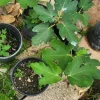
This fig tree live plant typically arrives at a height ranging from 10 to 24 inches, depending on the specific variety and growth stage. It is shipped as a healthy, actively growing plant, ready for transplanting into your garden or a larger container. Fig trees are known for their moderate to fast growth rate, and with proper care, they can quickly establish themselves and begin producing fruit within a few years. The mature size of a fig tree can vary significantly based on the variety, growing conditions, and whether it’s planted in the ground or a pot. In the ground, some varieties can reach heights of 10-30 feet, while container-grown figs are typically kept smaller through pruning, often staying within the 6-10 foot range, making them ideal for patios.
Figs are usually 6 to 7 cm long and 4.5 to 5.5 cm in diameter when mature, though size varies by variety. They are covered with a thin skin that gives color to their exterior, which can range from green to purple or black. The pulp is highly energetic, fleshy, and intensely sweet. Your plant will arrive securely packaged to minimize stress during transit, ensuring it reaches you in optimal condition, ready to thrive in its new home. Expect your tropical fruit tree to begin bearing fruit in 2-3 years, with peak production once it reaches maturity.
Frequently Asked Questions
-
Q: How big does this fig tree get? A: When planted in the ground, fig trees can reach heights of 10-30 feet, depending on the variety. If grown in a container, their size can be managed through pruning, typically staying between 6-10 feet tall.
-
Q: What size pot does a fig tree need? A: For a young fig tree live plant, start with a 5-10 gallon pot. As it grows, you’ll need to re-pot it into a larger container, eventually reaching 15-25 gallons or more for a mature, productive tree.
-
Q: Is this an indoor or outdoor plant? A: Fig trees are primarily outdoor plants that thrive in full sun. In colder climates (below USDA Zone 7-8), they can be grown in containers and moved indoors during winter to protect them from frost.
-
Q: How much sunlight does a fig tree need? A: A ficus carica plant requires at least 6-8 hours of direct sunlight per day to produce the best and most abundant fruit. More sun generally leads to sweeter figs.
-
Q: Is this plant easy to care for? A: Yes, fig trees are considered relatively easy to care for once established. They are quite resilient and forgiving, making them a good choice for both beginner and experienced gardeners interested in growing fig trees.
-
Q: What condition will the fig tree arrive in? A: Your fig tree live plant will arrive as a healthy, actively growing specimen, securely packaged to ensure minimal stress during shipping. It will be ready for immediate planting or transplanting.
-
Q: When is the best time to plant a fig tree? A: The best time to plant a fig tree is in the spring after the last danger of frost has passed, allowing it ample time to establish its root system before winter. For container plants, year-round planting is possible indoors.
-
Q: What is the ideal soil for a fig tree? A: Fig trees prefer well-draining soil that is rich in organic matter. A slightly alkaline to neutral pH (6.0-7.0) is optimal for healthy growth and fruit production. Good drainage is key for proper fig plant care.
-
Q: How long until it bears fruit? A: A young fig tree live plant typically begins bearing fruit within 2-3 years after planting, with fruit production increasing as the tree matures.
-
Q: Will it survive winter in my zone? A: Most fig varieties are hardy in USDA Zones 8-10. Some cold-hardy varieties can survive in Zone 7 with protection. In colder zones, container growing and overwintering indoors is recommended for your tropical fruit tree.
Be the first to review “Fig Tree (Ficus carica) Live Plant – Tropical Fruit, 10-24 Inches Tall”
-
USDA Hardiness Zone
USDA Zones 8-10 (can be grown in containers in colder zones) -
Soil Type
Well-draining, rich in organic matter -
Sunlight Exposure
Full sun (6-8+ hours daily) -
Expected Planting Period
Spring to early summer (or year-round indoors in containers)
People Also Viewd
Sold 134 products
Original price was: $3,536.00.$23.99Current price is: $23.99.
Sold 131 products
Original price was: $27.00.$24.00Current price is: $24.00.
Sold 130 products
Original price was: $89.99.$64.99Current price is: $64.99.

Sold 125 products
Original price was: $86.99.$66.99Current price is: $66.99.
Flower Bulbs
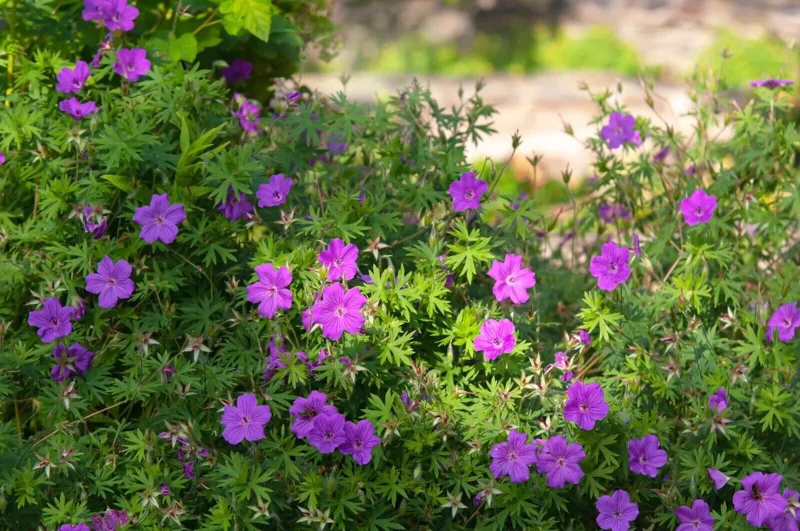
3 Cranesbill Wild Geranium Organic Maculatums Bare Roots | Wildflower for Outdoor Garden
Sold 116 products
Original price was: $21.99.$9.99Current price is: $9.99.
Sold 114 products
Original price was: $28.99.$17.99Current price is: $17.99.

Sold 110 products
Original price was: $63.99.$28.99Current price is: $28.99.
Sold 108 products
Original price was: $28.99.$17.99Current price is: $17.99.RELATED posts
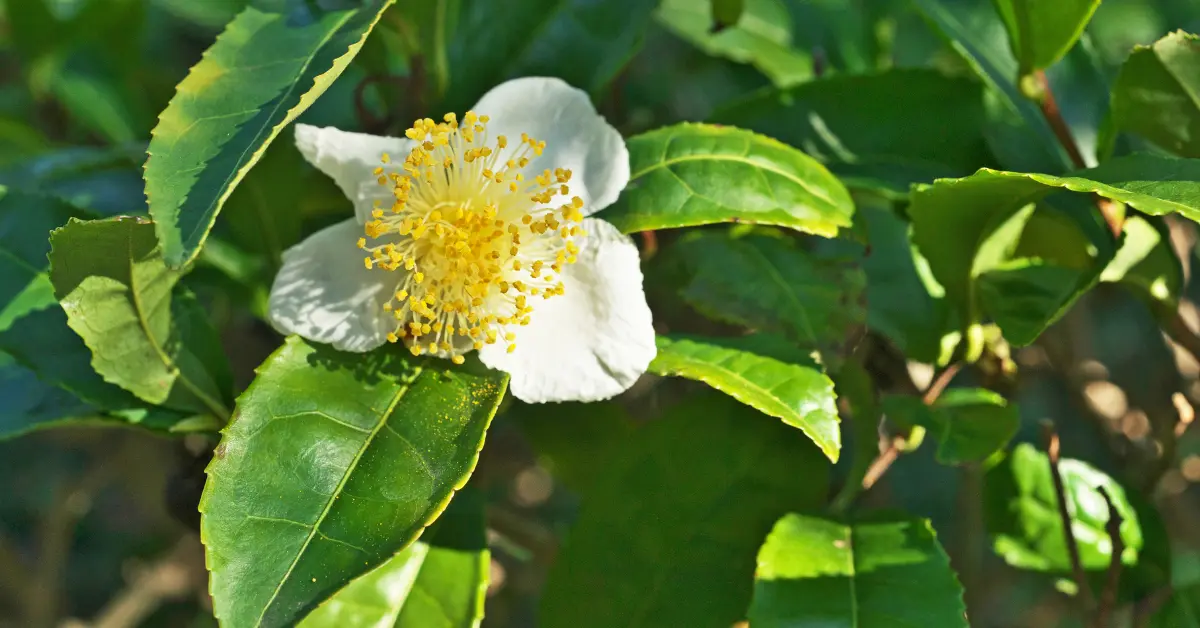
Growing Camellia Sinensis (Tea Plants) in Containers: A Complete Guide for Beginners
If you’ve ever wanted to sip a steaming, homegrown cup of fresh green, black, or [...]
Aug
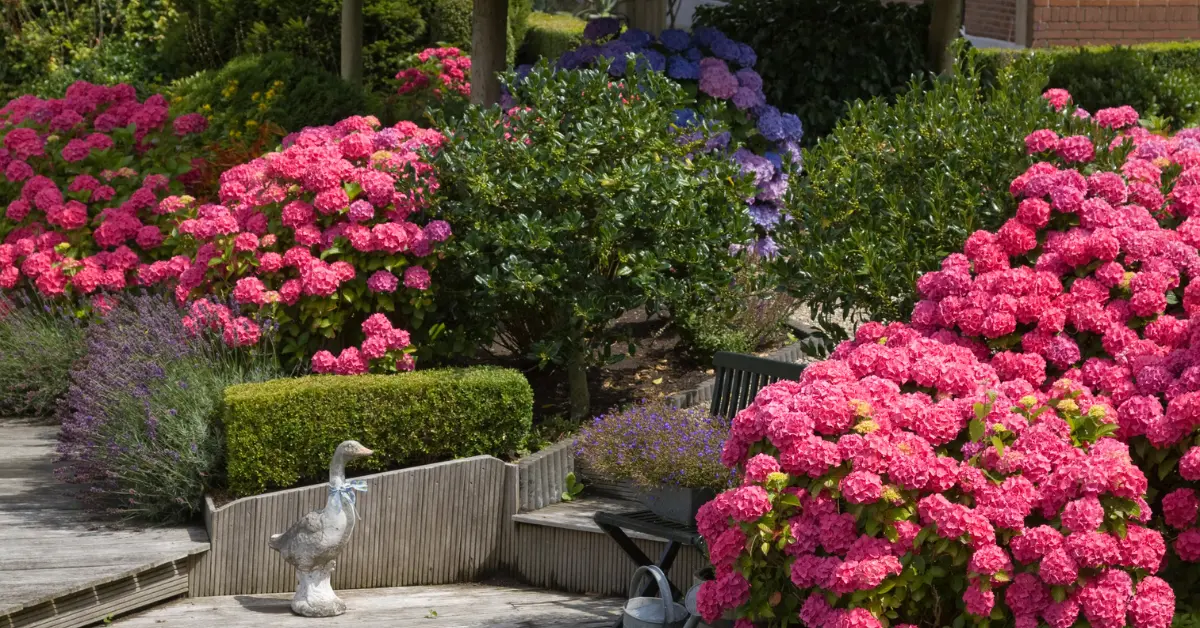
6 Best Shrubs to Plant in August You Must Try
Have you ever walked through a nursery late in the summer, admired the vibrant shrubs [...]
Aug
Growing Everbearing Strawberries in Containers: A Complete Guide for Beginners
Want to grow sweet, fresh strawberries but do not have a large garden? Everbearing strawberries [...]
Aug
Growing Egyptian Walking Onions in Containers: A Complete Guide for Beginners
If you’re looking for a hardy, no-fuss perennial onion that keeps on giving year after [...]
Jul
Growing Carolina Reaper Peppers in Pots: A Complete Guide for Beginners
If you’ve ever wanted to add some serious, record-breaking heat to your home cooking, you’ve [...]
May
Growing Curry Leaf Plant in Pots: A Complete Guide for Beginners
If you’re a fan of authentic South Asian cuisine, you already know that nothing compares [...]
May
5 Tips for Growing Carolina Reaper Peppers to Get the Spiciest Harvest Ever
Holding the record for one of the world’s hottest peppers, the Reaper isn’t just a [...]
May
Best Fertilizers for Zoysia Grass in 2026: Get a Lush Lawn
As we enter the new year, the time has come to think about how we [...]
Apr
Reviews
There are no reviews yet.