
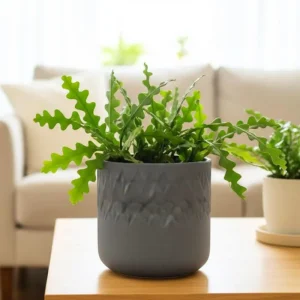
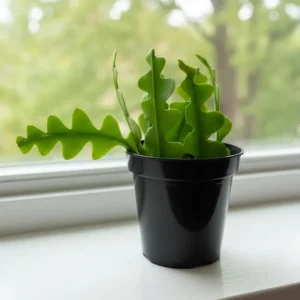
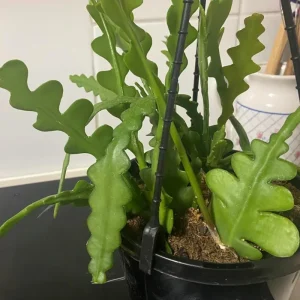
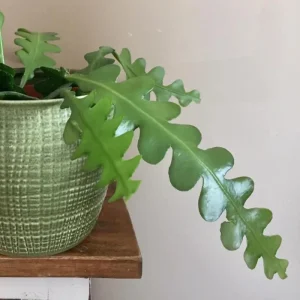
Fishbone Cactus Live Plant – 2 Inch Pot, 4-6 Inch Height, Zig Zag Epiphyllum Anguliger Houseplant
Original price was: $64.09.$29.09Current price is: $29.09.
Discover the unique beauty of the fishbone cactus live plant, a stunning succulent perfect for indoor environments. Its distinctive zigzag foliage makes it an eye-catching addition to any collection, especially in hanging baskets. This easy-to-care-for zig zag cactus houseplant thrives with bright, indirect light.
Estimated arrival
Sep 25
Sep 30 - Oct 02
Oct 05 - Oct 09

Reasonable Price
We offer reasonable price

Support 24/7
Contact us 24 hrs a day

100% Money Back
You've 30 days to Return

Payment Secure
100% secure payment
Overview
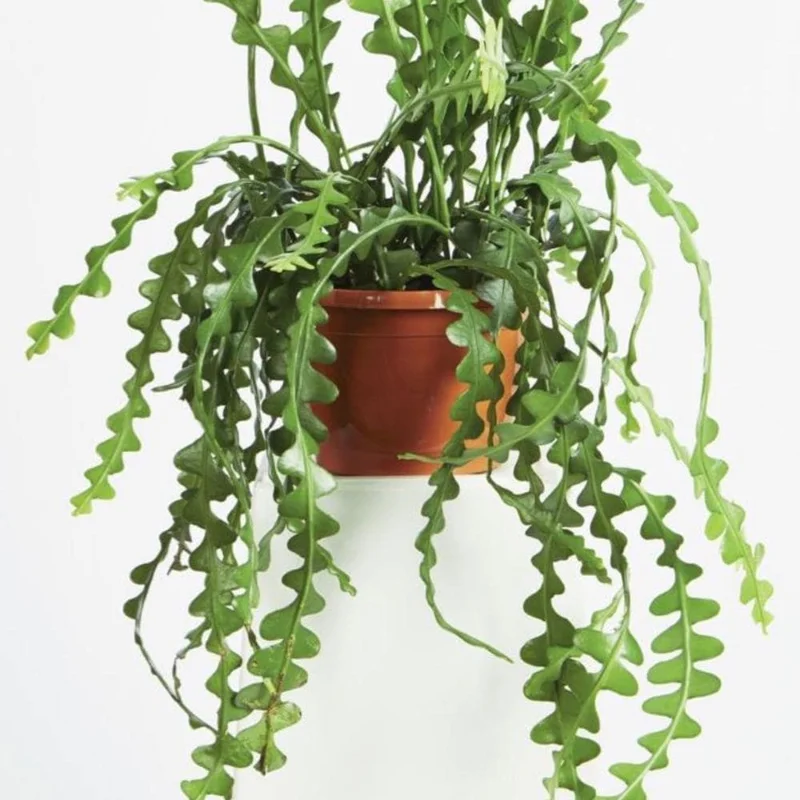
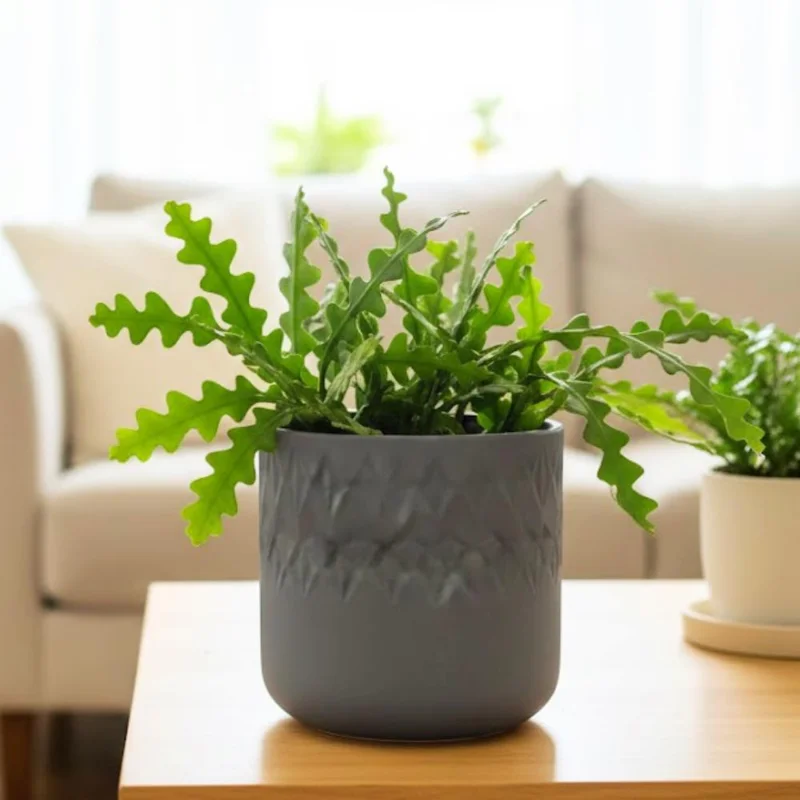
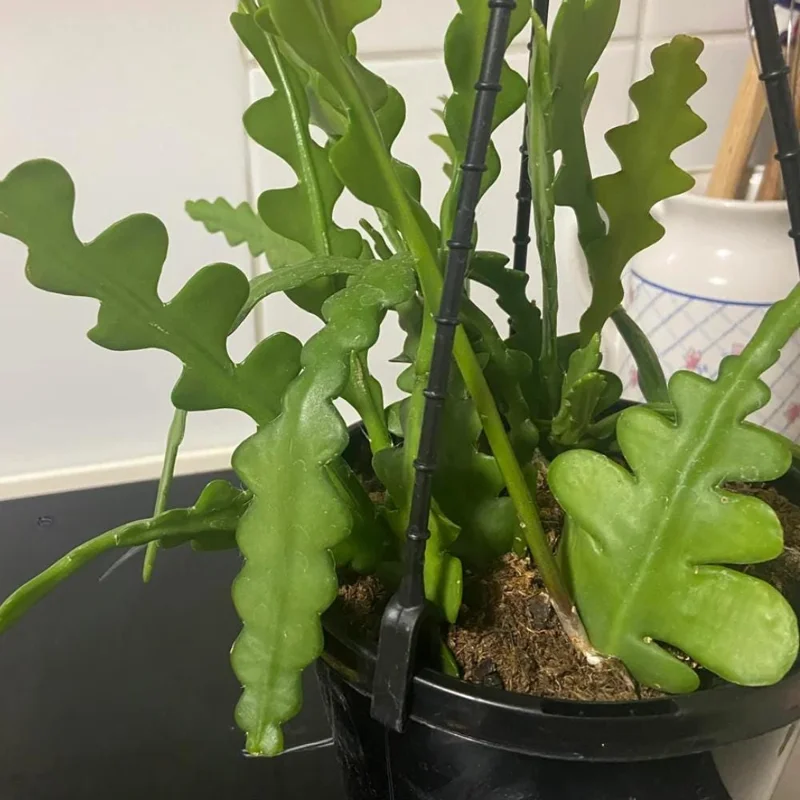
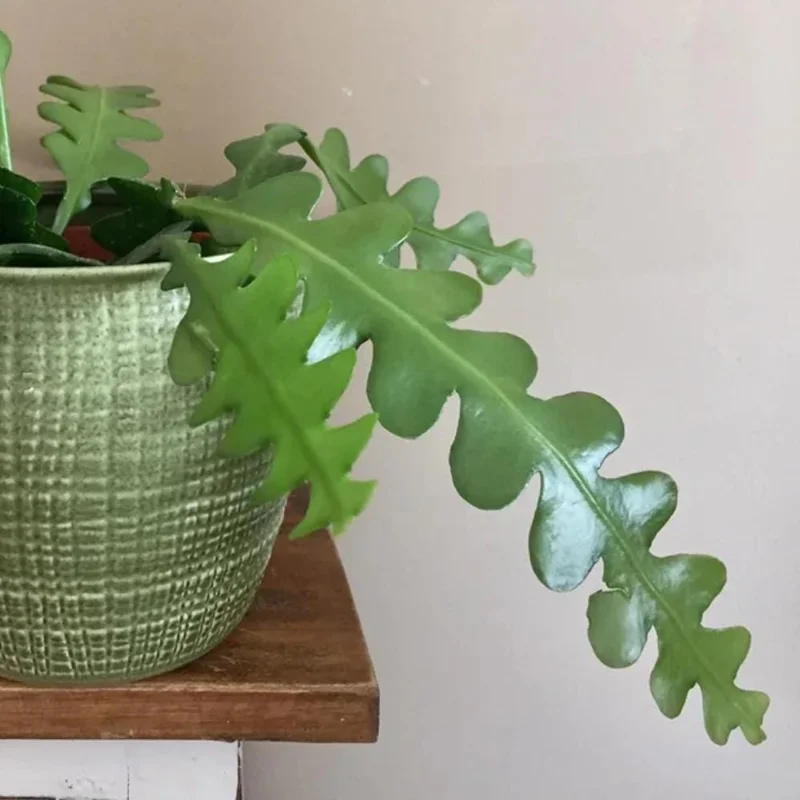
Introduce a touch of exotic flair to your home with the captivating fishbone cactus live plant. Also widely known as the Zig Zag Cactus or Orchid Cactus (Epiphyllum anguliger), this unique succulent is celebrated for its distinctive, deeply lobed stems that resemble a fishbone pattern. Each stem is bright green, slightly glossy, and grows in a beautiful trailing form, making it an exceptional choice for hanging baskets or elevated planters where its foliage can cascade gracefully. This particular specimen comes as a healthy live plant, ready to thrive in your indoor garden. Originating from the tropical rainforests of Mexico, the fishbone cactus live plant is an epiphyte, meaning it naturally grows on other plants rather than in soil, absorbing moisture and nutrients from the air and rain. This fascinating characteristic contributes to its relatively low-maintenance nature as a houseplant.
The allure of the Zig Zag Cactus lies not only in its unusual foliage but also in its potential for stunning, fragrant night-blooming flowers, which typically appear in late summer or fall, adding another layer of charm to this already captivating plant. Even without blooms, its architectural form provides year-round visual interest and a sophisticated touch to any interior design. Its resilience and adaptability make it a popular choice for both seasoned plant enthusiasts and those new to gardening.
Key Benefits
The fishbone cactus live plant offers a multitude of benefits that make it an ideal addition to your home or office. Its distinctive appearance and straightforward care requirements ensure it remains a favorite among plant lovers.
- Unique Aesthetic Appeal: The deeply serrated, zigzag stems create a striking visual texture that stands out from typical houseplants. Its trailing habit makes it perfect for adding vertical interest to your space.
- Low Maintenance: This plant is surprisingly easy to care for, requiring minimal attention once its basic needs are met. It’s a great option for busy individuals or those new to plant care.
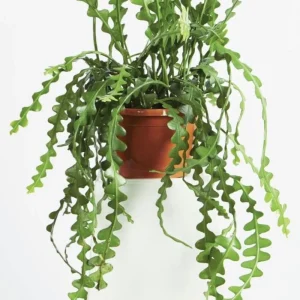
- Ideal for Hanging Baskets: The naturally trailing growth of the Fishbone Cactus makes it perfectly suited for hanging baskets, allowing its unique foliage to drape beautifully and create a lush, living display.
- Air Purifying Qualities: Like many houseplants, the Epiphyllum anguliger contributes to a healthier indoor environment by helping to filter and purify the air, improving overall air quality.
- Potential for Beautiful Blooms: While primarily grown for its foliage, mature plants can produce exquisite, fragrant, night-blooming white or yellow flowers, adding an unexpected and delightful surprise.
- Adaptable to Indoor Conditions: This plant thrives in typical indoor household conditions, adapting well to various light and humidity levels, making it a versatile choice for different rooms.
- Conversation Starter: Its unusual form and distinctive name, zig zag cactus houseplant, often spark curiosity and admiration, making it a wonderful conversation piece in any setting.
Plant Care & Growing Tips
Caring for your fishbone cactus live plant is straightforward, making it an excellent choice for both beginners and experienced plant enthusiasts. Understanding its natural habitat helps in replicating ideal conditions indoors. This plant thrives with bright, indirect light. Place it near an east or west-facing window where it can receive gentle morning or late afternoon sun. Avoid harsh, direct midday sun, which can scorch its delicate stems. While it can tolerate lower light, too little light may result in leggy growth and fewer blooms.
Watering should be consistent but careful. Allow the top inch or two of the soil to dry out completely between waterings. When you water, do so thoroughly until water drains from the bottom of the pot. Reduce watering significantly during the cooler, dormant months (fall and winter). Overwatering is the most common cause of problems for this plant, leading to root rot. The Fishbone Cactus prefers a well-draining soil mix; a standard succulent or cactus mix amended with some peat moss or coir for moisture retention works well. Ensure the pot has drainage holes to prevent water from sitting at the bottom.
Maintain average room temperatures, ideally between 65-80°F (18-27°C). Protect it from cold drafts and temperatures below 50°F (10°C). While it tolerates average household humidity, it appreciates higher humidity, especially in dry environments. You can increase humidity by misting occasionally or placing the pot on a pebble tray with water. Fertilize sparingly during the growing season (spring and summer) with a balanced liquid fertilizer diluted to half strength. Repot only when the plant becomes root-bound, typically every 2-3 years, to ensure the health of your epiphyllum anguliger care routine. This plant is generally pest-resistant, but keep an eye out for common houseplant pests like mealybugs or spider mites.
Size & Details
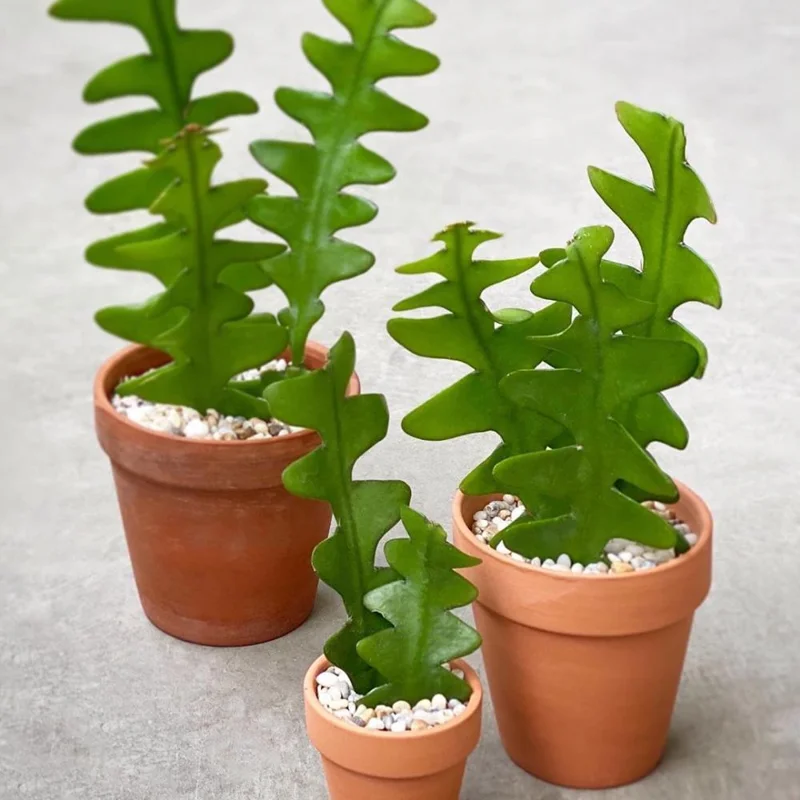
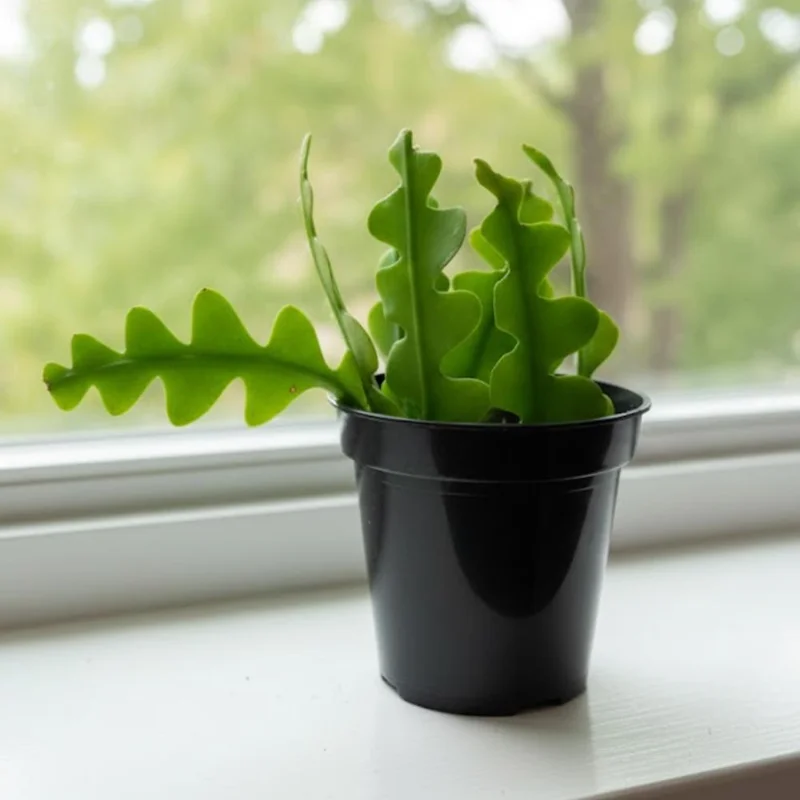
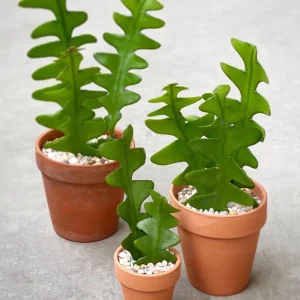
This offering is for one healthy fishbone cactus live plant, shipped in a 2-inch nursery pot. The plant itself typically measures between 4-6 inches in height, with its distinctive zigzag stems already showcasing their unique form. The trailing nature of this cactus means its stems will continue to lengthen and cascade, making it an excellent candidate for a beautiful hanging basket display as it matures. Its growth rate is moderate, allowing you to enjoy its development over time. When fully mature, the stems can reach lengths of several feet, creating an impressive and lush display. This plant is delivered actively growing and well-rooted, ready for you to acclimate to its new home. Ensure it’s placed in a stable environment to encourage continued healthy development.
Frequently Asked Questions
- Q: How big does this plant get? A: This fishbone cactus live plant comes in a 2-inch pot and is typically 4-6 inches tall. Its trailing stems can eventually reach several feet in length, creating a beautiful cascading effect, especially in hanging baskets.
- Q: Is this an indoor or outdoor plant? A: The Fishbone Cactus is primarily grown as an indoor houseplant in most regions. It thrives outdoors in USDA Zones 10-11, but in cooler climates, it must be brought indoors before temperatures drop.
- Q: How much sunlight does it need? A: This cactus prefers bright, indirect light. Avoid harsh, direct sunlight, which can burn its foliage. An east or west-facing window is usually ideal to provide the necessary light without overexposure.
- Q: Is this plant easy to care for? A: Yes, the easy care houseplants like the Fishbone Cactus are considered relatively easy to care for, making them suitable for beginners. The main keys are bright indirect light, well-draining soil, and careful watering to avoid overwatering.
- Q: What condition will it arrive in? A: Your fishbone cactus live plant will arrive well-packaged, actively growing, and rooted in its 2-inch nursery pot. We take great care to ensure it reaches you in excellent condition, ready to be introduced to your home.
- Q: Can I put this plant in a hanging basket? A: Absolutely! The Fishbone Cactus is perfectly suited for hanging baskets due to its naturally trailing and cascading growth habit. Its unique zigzag stems look spectacular when allowed to drape.
- Q: How often should I water my zig zag cactus houseplant? A: Water when the top 1-2 inches of soil feel dry to the touch. During cooler months, reduce watering frequency. Always ensure the pot has good drainage to prevent root rot.
- Q: Is the Epiphyllum Anguliger toxic to pets? A: The Fishbone Cactus (Epiphyllum anguliger) is generally considered non-toxic to pets, making it a safer choice for homes with cats and dogs. However, it’s always best to prevent pets from chewing on plants.
- Q: What type of soil is best for this cactus? A: Use a well-draining soil mix, such as a succulent or cactus potting mix. Adding some perlite or pumice can further improve drainage and aeration, which is crucial for the health of your epiphyllum anguliger care.
- Q: How do I encourage my Fishbone Cactus to bloom? A: To encourage blooms, ensure it receives sufficient bright, indirect light and a period of slightly cooler temperatures (around 50-60°F or 10-15°C) and reduced watering in the fall, mimicking its natural dormant period.
Be the first to review “Fishbone Cactus Live Plant – 2 Inch Pot, 4-6 Inch Height, Zig Zag Epiphyllum Anguliger Houseplant”
-
USDA Hardiness Zone
USDA Zones 10-11 outdoors; grown indoors in cooler regions -
Soil Type
Well-draining soil mix -
Sunlight Exposure
Bright indirect light -
Expected Planting Period
Year-round indoors
People Also Viewd
Sold 134 products
Original price was: $3,536.00.$23.99Current price is: $23.99.
Sold 131 products
Original price was: $27.00.$24.00Current price is: $24.00.
Sold 131 products
Original price was: $89.99.$64.99Current price is: $64.99.

Sold 125 products
Original price was: $86.99.$66.99Current price is: $66.99.
Flower Bulbs
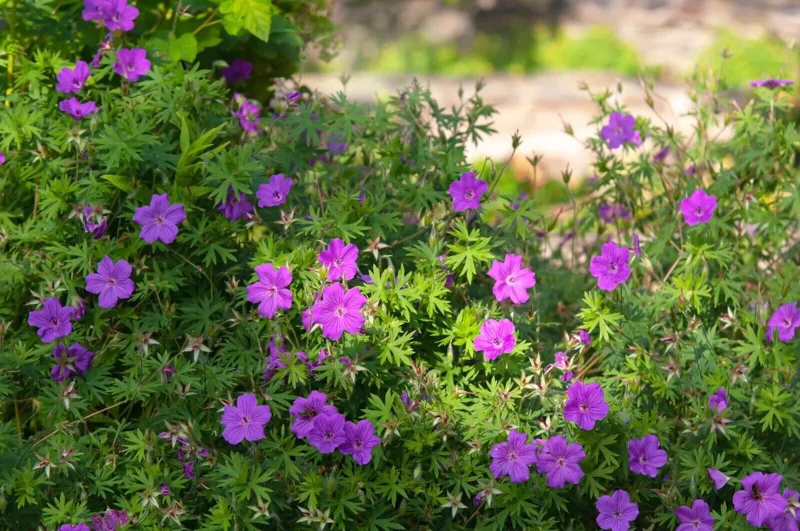
3 Cranesbill Wild Geranium Organic Maculatums Bare Roots | Wildflower for Outdoor Garden
Sold 116 products
Original price was: $21.99.$9.99Current price is: $9.99.
Sold 114 products
Original price was: $28.99.$17.99Current price is: $17.99.
Sold 110 products
Original price was: $63.99.$28.99Current price is: $28.99.
Sold 108 products
Original price was: $28.99.$17.99Current price is: $17.99.RELATED posts
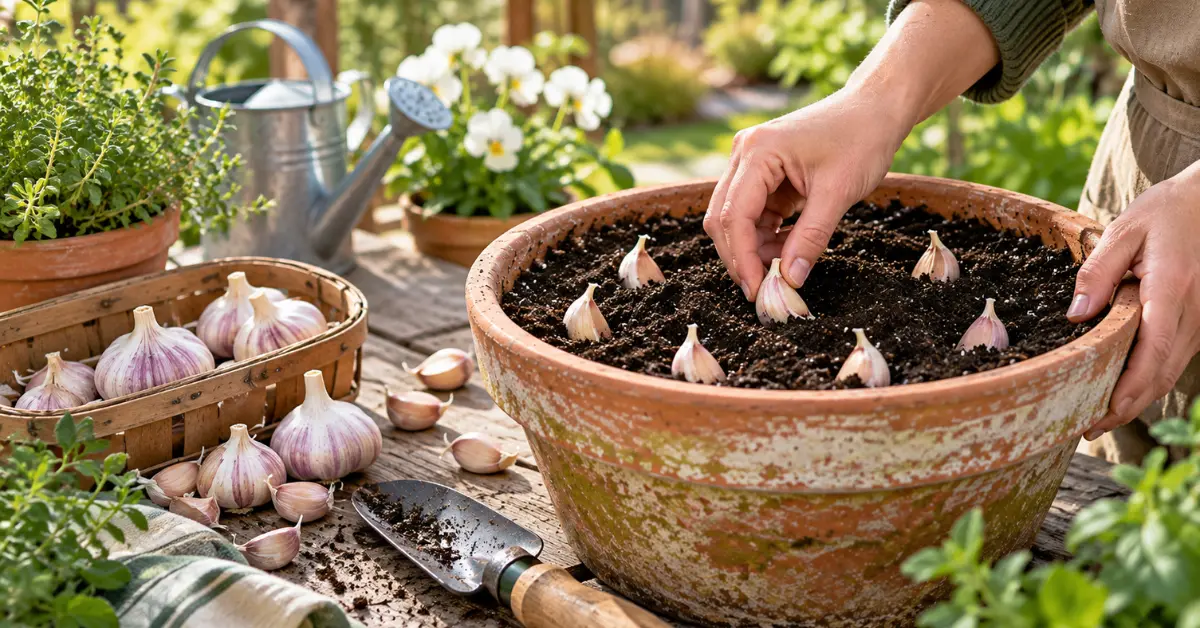
Growing Garlic in Containers This Fall: A Complete Guide for Beginners
If you’ve ever wanted to pop fresh, aromatic garlic cloves straight from your own patio [...]
Sep
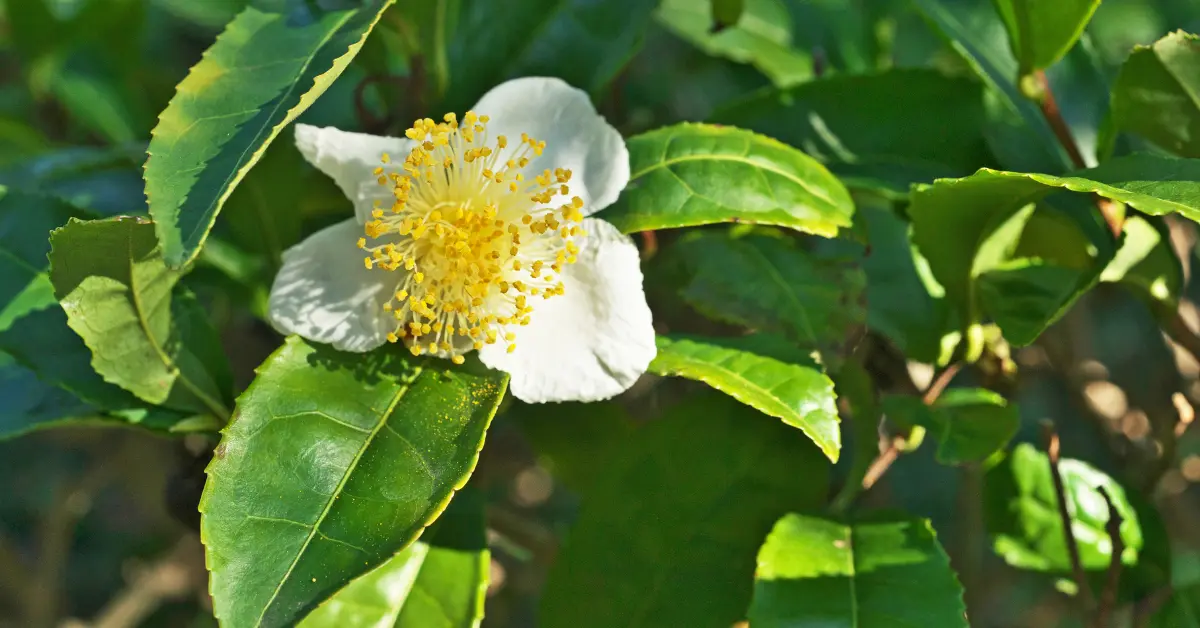
Growing Camellia Sinensis (Tea Plants) in Containers: A Complete Guide for Beginners
If you’ve ever wanted to sip a steaming, homegrown cup of fresh green, black, or [...]
Aug
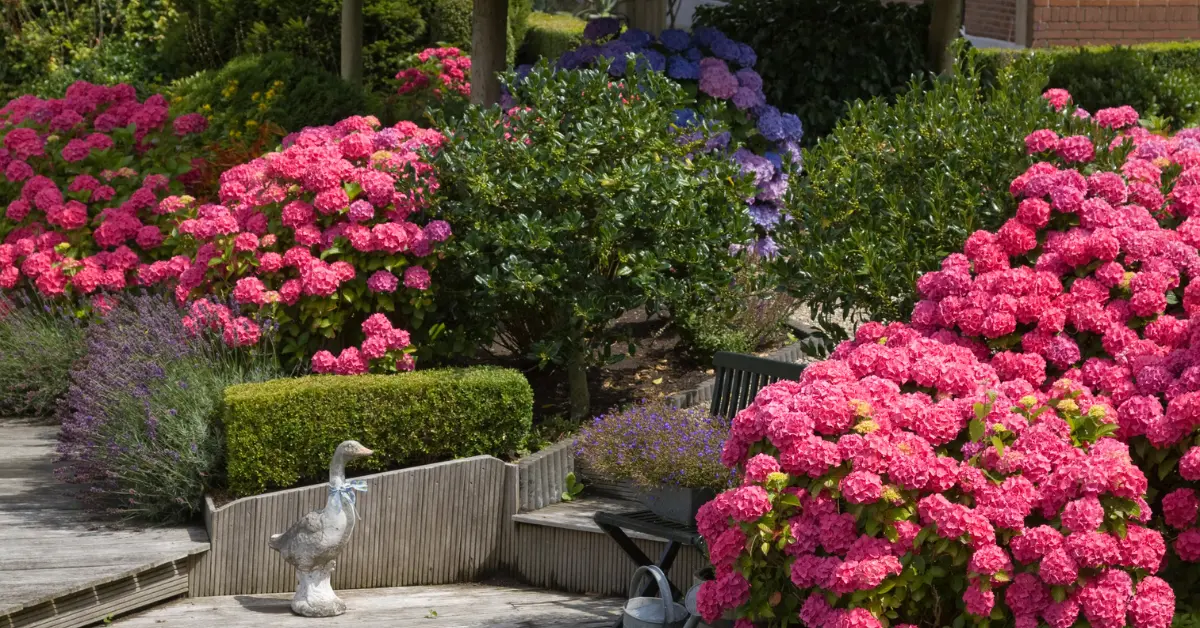
6 Best Shrubs to Plant in August You Must Try
Have you ever walked through a nursery late in the summer, admired the vibrant shrubs [...]
Aug
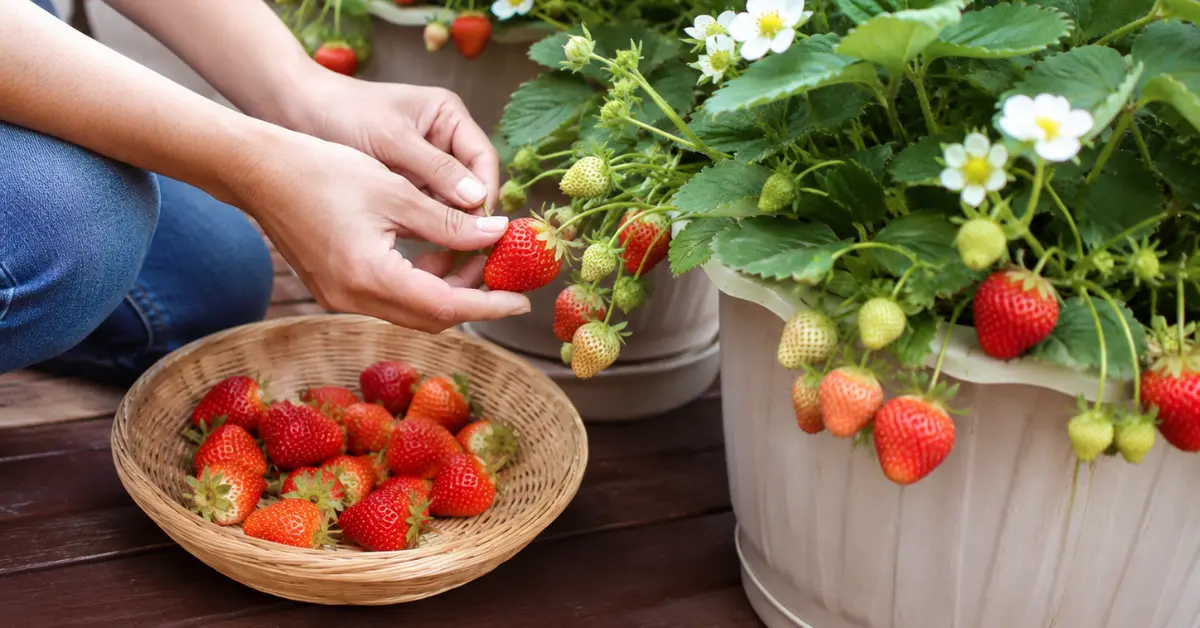
Growing Everbearing Strawberries in Containers: A Complete Guide for Beginners
Want to grow sweet, fresh strawberries but do not have a large garden? Everbearing strawberries [...]
Aug
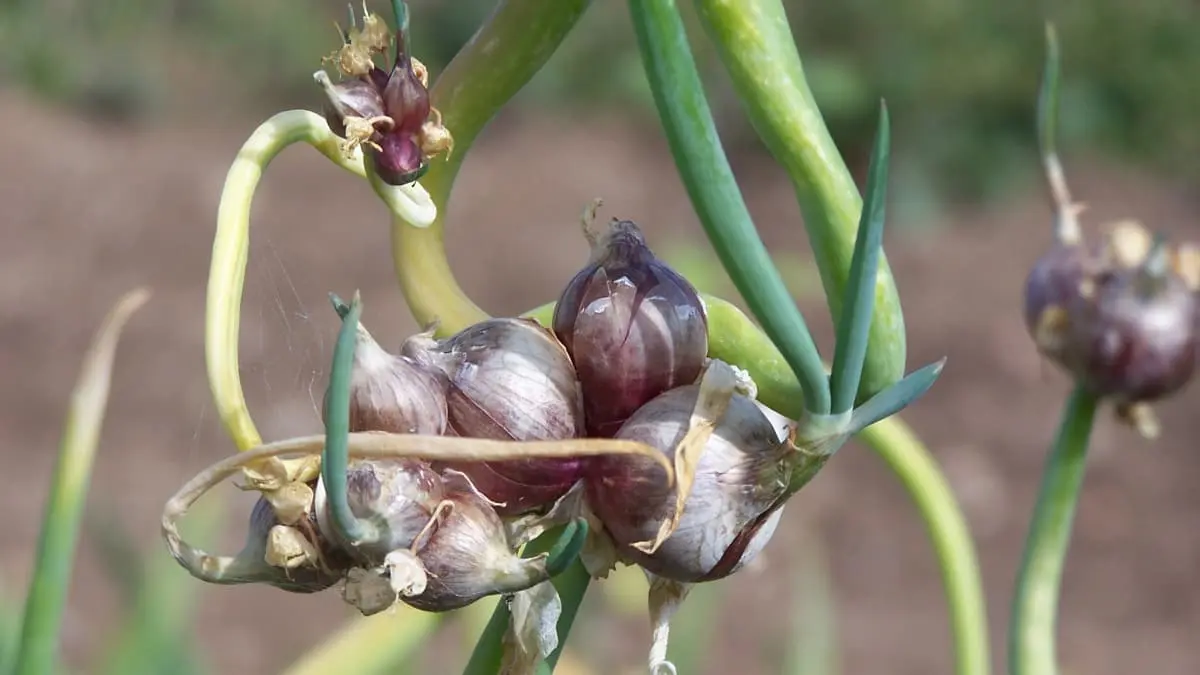
Growing Egyptian Walking Onions in Containers: A Complete Guide for Beginners
If you’re looking for a hardy, no-fuss perennial onion that keeps on giving year after [...]
Jul
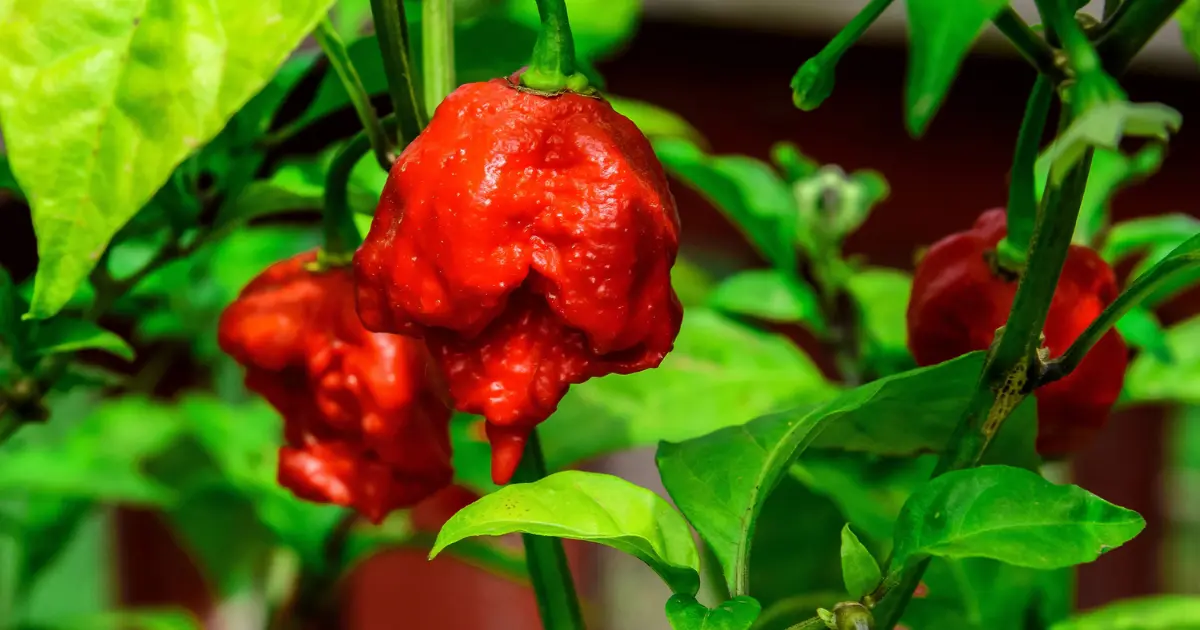
Growing Carolina Reaper Peppers in Pots: A Complete Guide for Beginners
If you’ve ever wanted to add some serious, record-breaking heat to your home cooking, you’ve [...]
May
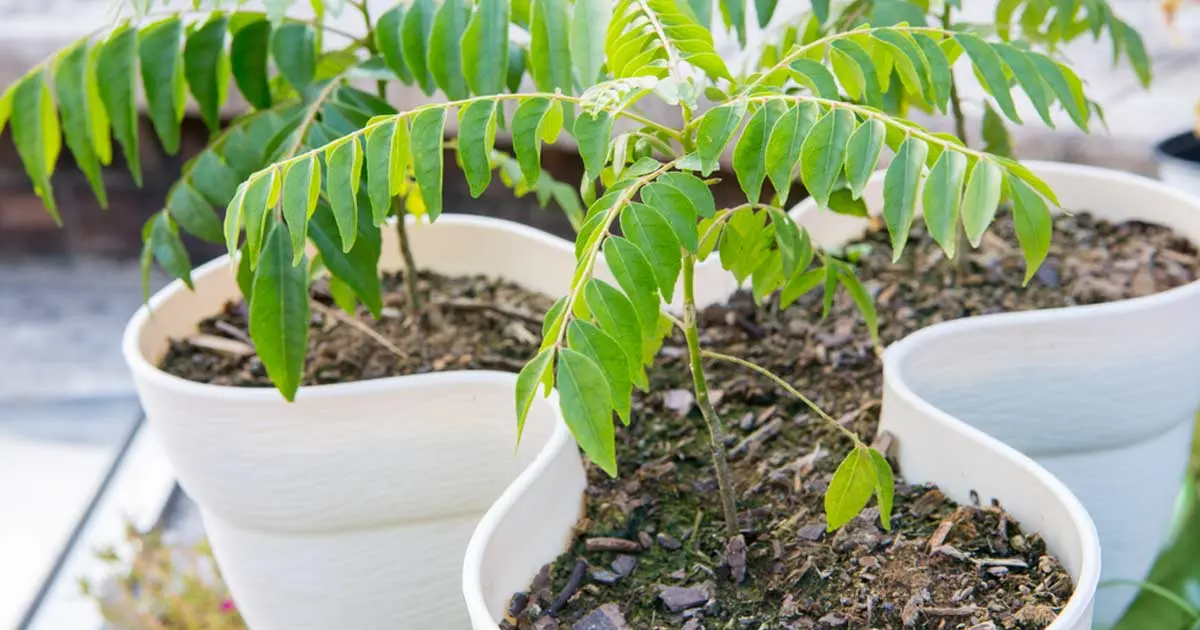
Growing Curry Leaf Plant in Pots: A Complete Guide for Beginners
If you’re a fan of authentic South Asian cuisine, you already know that nothing compares [...]
May
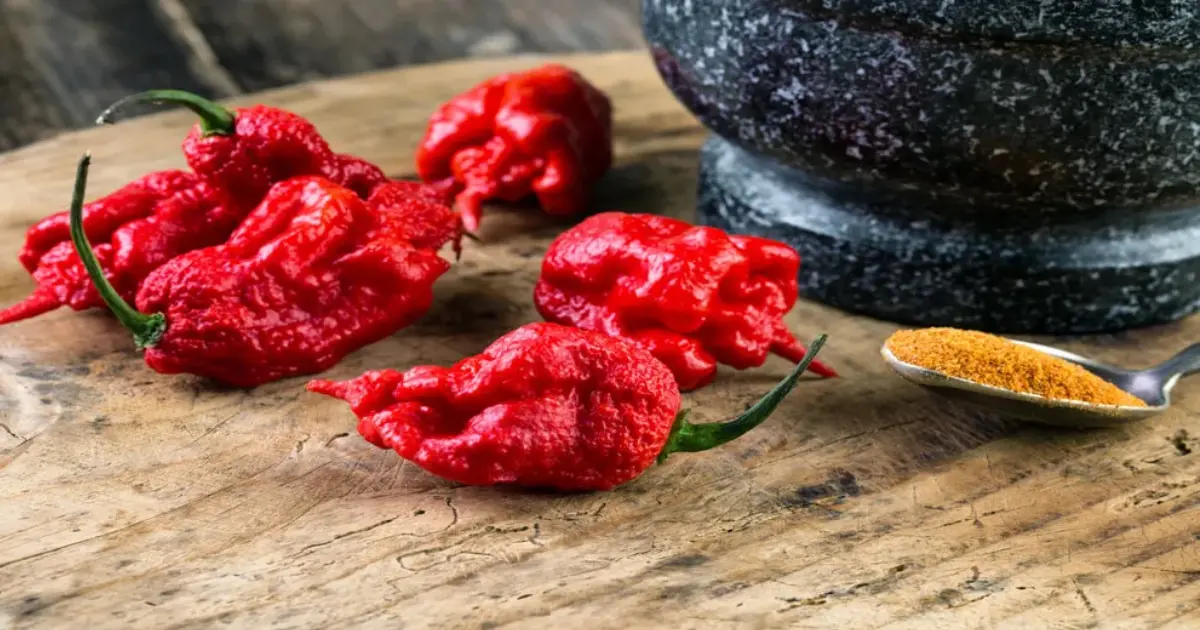
5 Tips for Growing Carolina Reaper Peppers to Get the Spiciest Harvest Ever
Holding the record for one of the world’s hottest peppers, the Reaper isn’t just a [...]
May

Reviews
There are no reviews yet.