
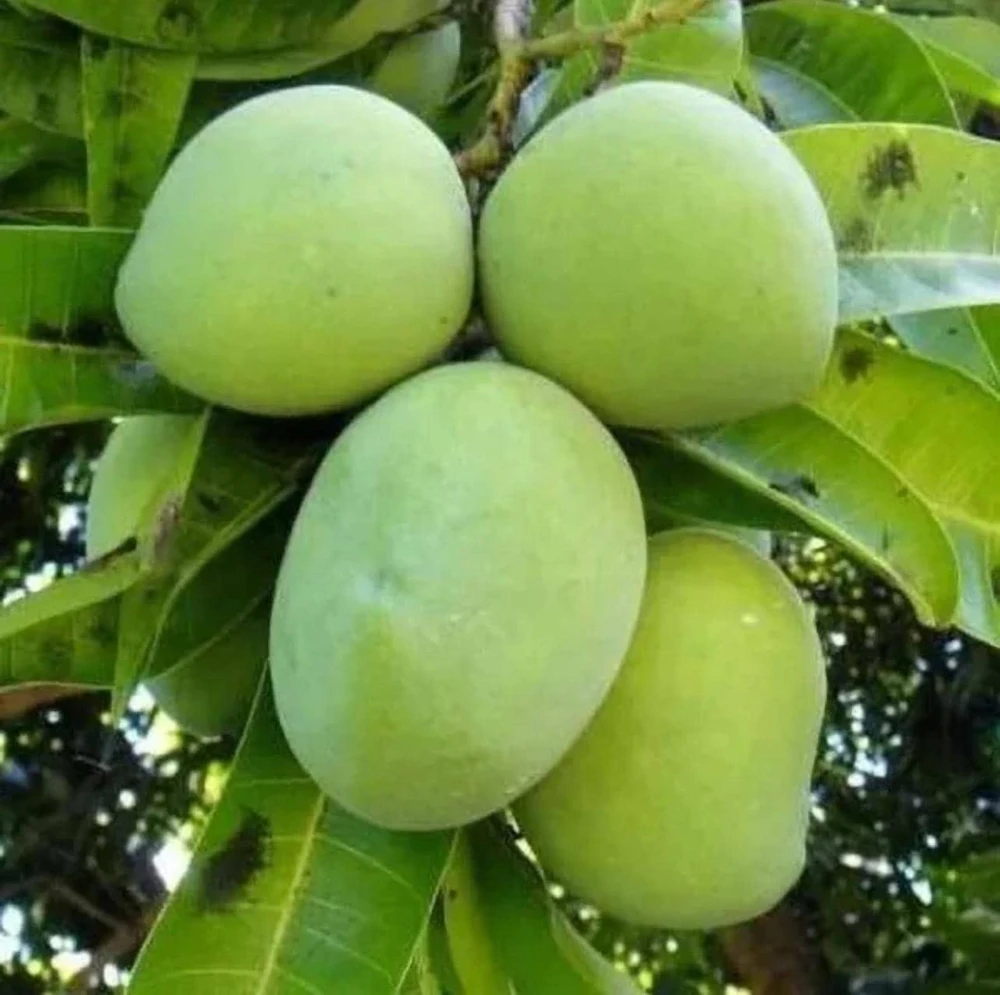
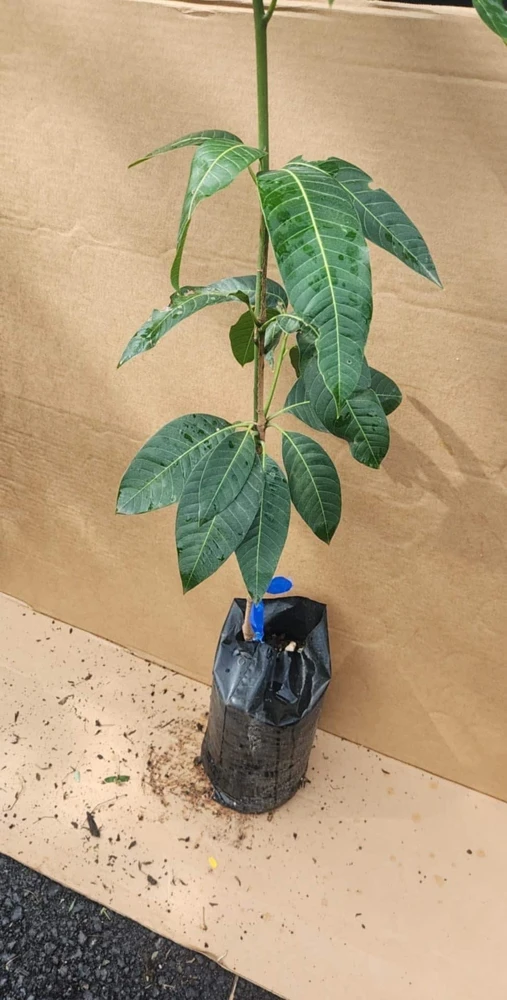
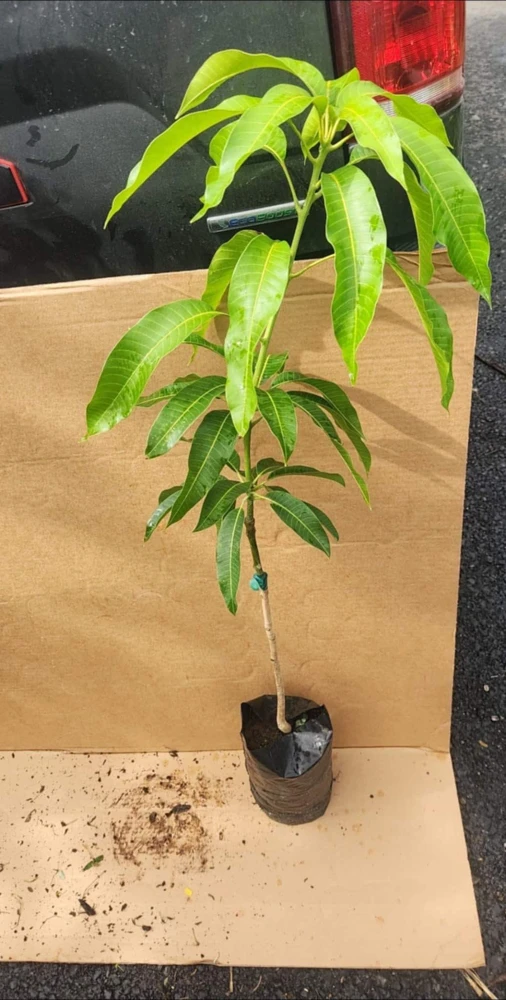
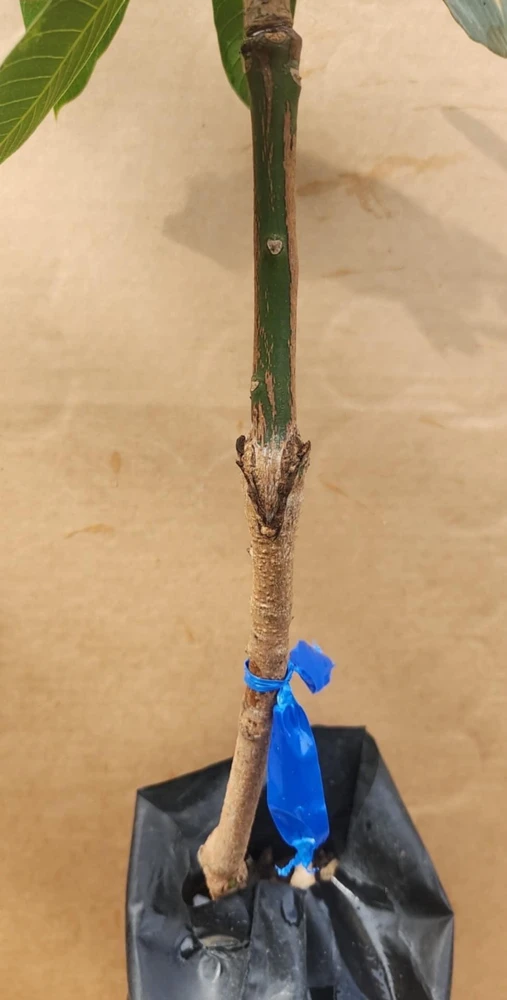
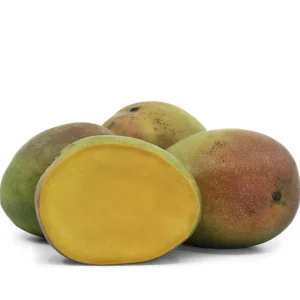
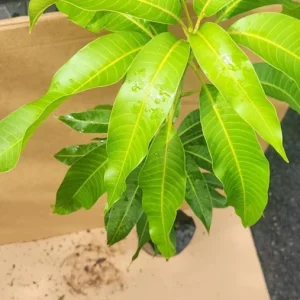
Grafted Kent Mango Tree Live Plant – Tropical Fruit, Fast Growing, 2-3 ft Tall
Original price was: $194.00.$144.00Current price is: $144.00.
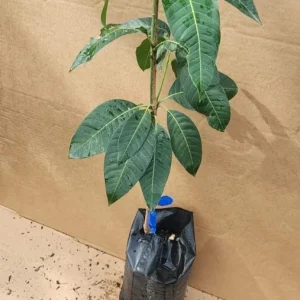
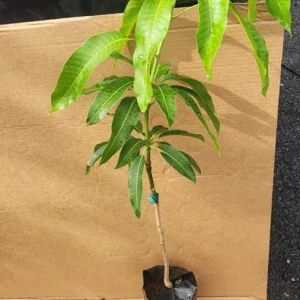
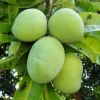
Cultivate your own delicious tropical harvest with this grafted Kent mango tree. This fast growing mango plant reaches 2-3 feet tall, perfect for patios or gardens. Enjoy sweet, juicy fruit much faster than from a seed-grown tree.
Estimated arrival
Sep 14
Sep 19 - Sep 21
Sep 24 - Sep 28

Reasonable Price
We offer reasonable price

Support 24/7
Contact us 24 hrs a day

100% Money Back
You've 30 days to Return

Payment Secure
100% secure payment
Overview
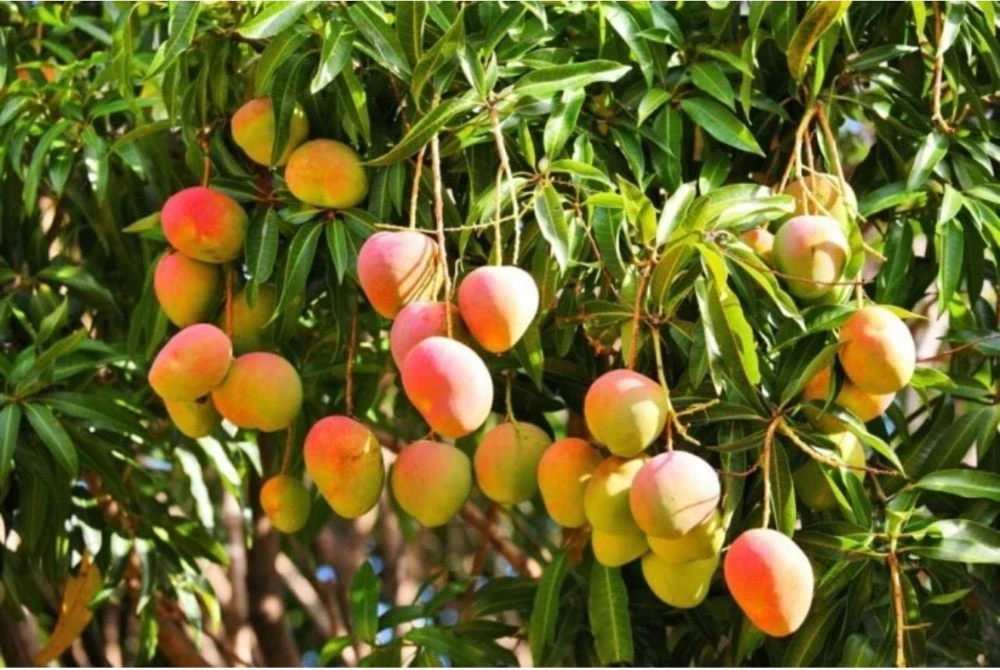
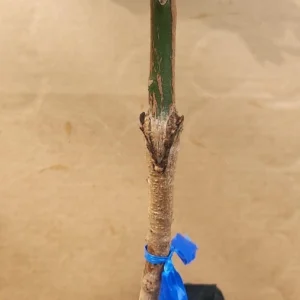
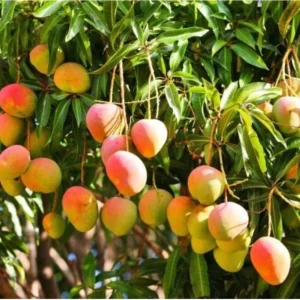
Bring the taste of the tropics to your home with a robust grafted Kent mango tree. This exceptional live plant offers the promise of fresh, sweet mangoes, a true delight for any fruit enthusiast or gardener. Unlike seed-grown mango trees that can take over a decade to produce fruit, our grafted Kent mango tree is engineered for rapid fruiting, potentially yielding delicious mangoes in just 1.5 years. Standing at a convenient 2-3 feet tall upon arrival, this plant is an ideal addition to both spacious gardens and smaller patio settings. The Kent mango variety is renowned for its succulent, fiber-free flesh and rich, sweet flavor, making it a highly sought-after choice for fresh eating, desserts, and culinary creations. Embrace the joy of growing your own tropical bounty with this magnificent tropical fruit tree.
The Kent mango (Mangifera indica ‘Kent’) is celebrated for its vigorous growth and consistent fruit production. Its lush, evergreen foliage provides a beautiful ornamental touch to any landscape, while its ability to thrive in warm climates makes it a perfect specimen for those in suitable USDA zones. This grafted Kent mango tree is a wise investment for anyone looking to enjoy homegrown tropical fruit without the long wait associated with traditional planting methods. It’s a fantastic way to introduce exotic flavors and vibrant greenery into your outdoor or indoor space, depending on your climate.
Key Benefits
Owning a grafted Kent mango tree offers a multitude of advantages, transforming your garden into a productive and beautiful oasis. From fresh fruit to air purification, this plant delivers on many fronts:
- Rapid Fruit Production: Thanks to the grafting process, your mango tree can bear fruit in as little as 1.5 years, significantly faster than seed-grown trees which can take 10-15 years. This means you’ll enjoy fresh mangoes sooner.
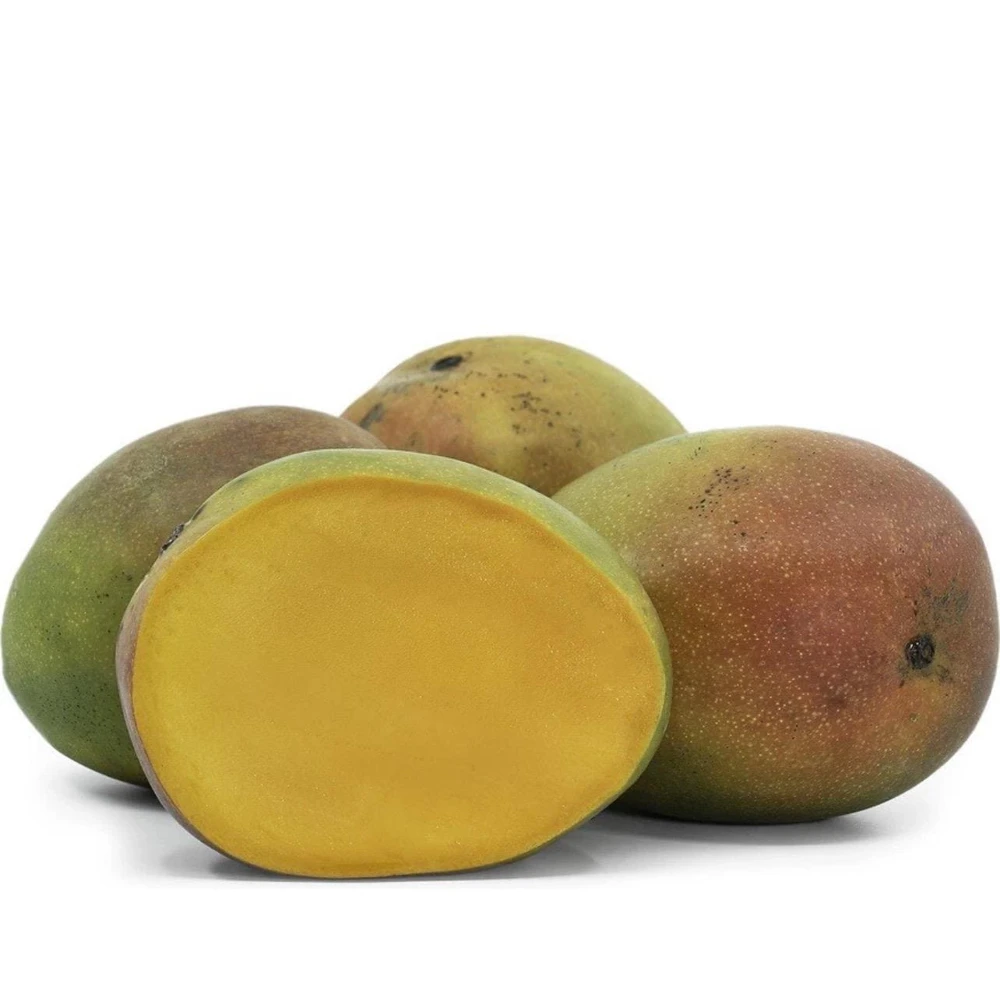
- Delicious Kent Mangoes: The Kent variety is famous for its sweet, juicy, and virtually fiber-free flesh, making it a favorite for eating fresh, making smoothies, or culinary uses like jams and chutneys.
- Ornamental Appeal: With its dense, evergreen foliage, the Kent mango plant adds a lush, tropical aesthetic to your patio, garden, or even as an indoor plant in colder climates.
- Air Purification: Like many plants, the mango tree contributes to healthier indoor and outdoor environments by naturally purifying the air, enhancing the quality of your living space.
- Vigorous Growth: This fast growing mango tree quickly establishes itself, developing into a robust plant that will provide shade and beauty alongside its delicious harvest.
- Adaptable Sizing: Arriving at 2-3 feet tall, it’s a manageable size for planting and can be maintained at a desired height with proper pruning, making it suitable for various garden sizes.
- Homegrown Goodness: Enjoy the satisfaction and superior taste of organic, pesticide-free mangoes harvested directly from your own garden, knowing exactly where your food comes from.
Plant Care & Growing Tips
Caring for your grafted Kent mango tree is a rewarding experience that ensures a bountiful harvest. Mango trees thrive in warm, sunny conditions. For optimal growth and fruit production, plant your tree in a location that receives at least 6-8 hours of direct sunlight daily. If growing in a container, ensure it’s a large pot with excellent drainage, and move it indoors during colder months if you live outside its hardiness zone. This tropical fruit tree prefers consistently moist soil but absolutely hates soggy roots, so well-draining soil is crucial. Water deeply when the top few inches of soil feel dry to the touch, reducing frequency during winter dormancy. Remember, a healthy root system is key to a productive fast growing mango tree.
The ideal soil for a Kent mango plant is a rich, loamy, well-draining mix with a slightly acidic to neutral pH (6.0-7.0). Amend heavy clay soils with organic matter like compost to improve drainage. Fertilize your young mango tree every 2-3 months during the growing season with a balanced fertilizer, gradually transitioning to a fertilizer higher in phosphorus and potassium as it matures and prepares to fruit. Protect young trees from strong winds and frost, especially in their first few years. Pruning should be done after fruiting to maintain shape, improve air circulation, and encourage new growth. Watch out for common pests like aphids and scale, treating them with horticultural oil or insecticidal soap as needed. With proper care, your mango tree for sale will flourish and provide years of delicious fruit.
Size & Details
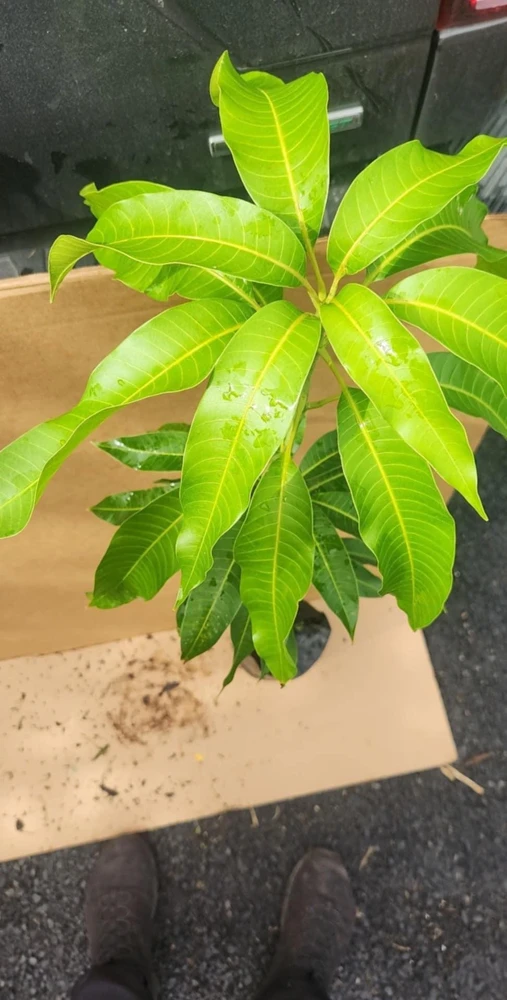
This grafted Kent mango tree arrives as a live plant, typically standing between 2 to 3 feet tall from the base of the rootball to the tip of the highest branch. This size makes it ideal for immediate planting in your garden or a large container. The grafting process ensures that you receive a mature genetic clone of a high-quality Kent mango, accelerating its fruiting timeline significantly compared to a seedling. While individual plants will vary slightly in exact branch structure and leaf density, each tree is carefully selected to match the quality and size described, ensuring a robust start for your tropical fruit cultivation. This fast growing mango variety will continue to grow vigorously, potentially reaching heights of 15-20 feet or more in optimal conditions, though it can be maintained at a smaller, more manageable size through regular pruning. Expect your tree to be ready to produce its first delicious mangoes within approximately 1.5 to 2 years after planting.
Your tropical fruit tree will arrive either bare-root or with some soil around its roots, carefully packaged to ensure its health during transit. Detailed planting and care instructions will be included with your order to guide you through the process of establishing your new tree. The 2-3 ft height refers to the current size, offering a substantial head start for your fruit-growing journey. The vigorous growth habit of the grafted Kent mango tree means you’ll see significant development in its first few seasons, quickly transforming into a productive and attractive addition to your landscape.
Frequently Asked Questions
- Q: How big does this grafted Kent mango tree get? A: This tree typically arrives at 2-3 feet tall. In optimal conditions, it can grow to 15-20 feet or more, but can be kept smaller with proper pruning.
- Q: Is this an indoor or outdoor plant? A: While it is a tropical fruit tree that thrives outdoors in warm climates (USDA Zones 9-11), it can be grown in a large container and brought indoors during colder months in other regions.
- Q: How much sunlight does a Kent mango plant need? A: For best growth and fruit production, your mango tree requires at least 6-8 hours of direct sunlight per day. Choose a sunny, protected location.
- Q: Is this plant easy to care for? A: With adequate sunlight, proper watering, and well-draining soil, caring for a fast growing mango tree is relatively straightforward. Detailed instructions are provided to help you succeed.
- Q: What condition will the mango tree for sale arrive in? A: Your tree will arrive carefully packaged, either bare-root or with some soil, ready for planting. We ensure it is healthy and matches the described size and quality.
- Q: How long until it fruits? A: Because it is a grafted tree, you can expect your grafted Kent mango tree to start producing fruit in approximately 1.5 to 2 years, much faster than seed-grown trees.
- Q: What’s the minimum temperature this tree can tolerate? A: Mango trees are sensitive to cold. They can tolerate brief dips to around 30°F (-1°C) once established, but need protection or to be brought indoors if temperatures consistently fall below 40°F (4°C).
- Q: What kind of soil is best for a tropical fruit tree? A: Well-draining, slightly acidic to neutral soil (pH 6.0-7.0) rich in organic matter is ideal. Avoid heavy clay soils that retain too much water.
- Q: Can I grow this Kent mango plant in a pot? A: Yes, it can be successfully grown in a large container, which is recommended for those in colder climates to allow for easy relocation indoors during winter.
- Q: How often should I water my fast growing mango tree? A: Water deeply when the top 2-3 inches of soil feel dry. Reduce watering during cooler, dormant periods. Consistent moisture is good, but avoid waterlogging.
Be the first to review “Grafted Kent Mango Tree Live Plant – Tropical Fruit, Fast Growing, 2-3 ft Tall”
-
USDA Hardiness Zone
USDA Zones 9-11 (or container grown) -
Soil Type
Well-draining, loamy soil -
Sunlight Exposure
Full sun (6-8+ hours direct light) -
Expected Planting Period
Spring to early summer
People Also Viewd


Sold 134 products
Original price was: $3,536.00.$23.99Current price is: $23.99.

Sold 131 products
Original price was: $27.00.$24.00Current price is: $24.00.

Sold 130 products
Original price was: $89.99.$64.99Current price is: $64.99.

Sold 125 products
Original price was: $86.99.$66.99Current price is: $66.99.

Flower Bulbs
3 Cranesbill Wild Geranium Organic Maculatums Bare Roots | Wildflower for Outdoor Garden
Sold 116 products
Original price was: $21.99.$9.99Current price is: $9.99.

Sold 114 products
Original price was: $28.99.$17.99Current price is: $17.99.
Sold 110 products
Original price was: $63.99.$28.99Current price is: $28.99.
Sold 108 products
Original price was: $28.99.$17.99Current price is: $17.99.RELATED posts
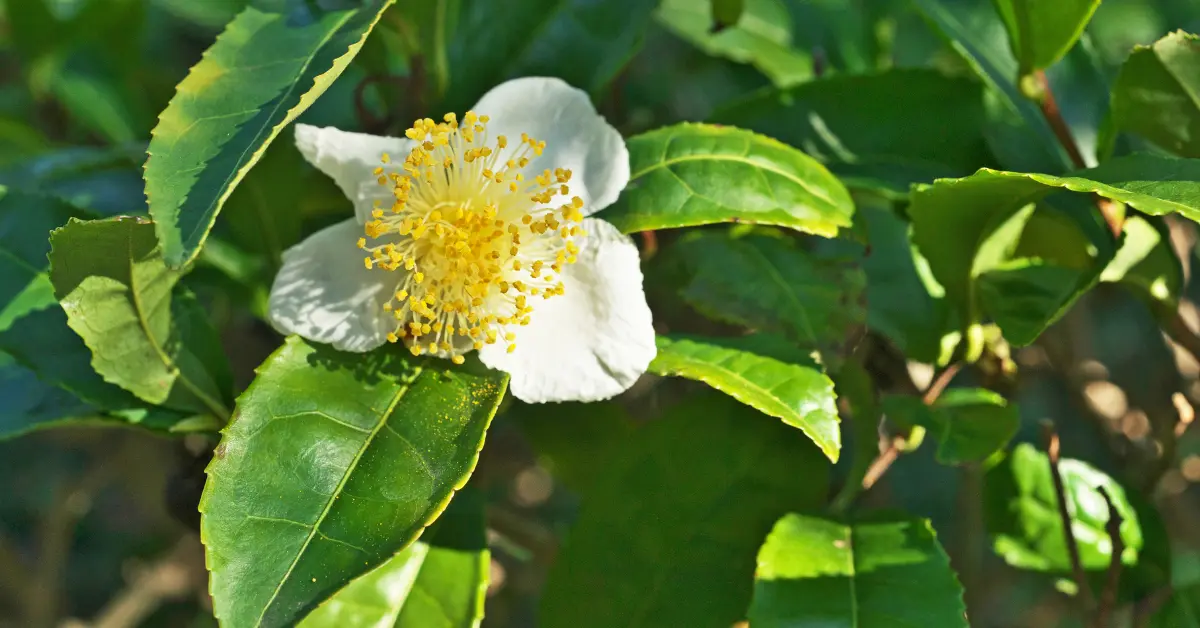
Growing Camellia Sinensis (Tea Plants) in Containers: A Complete Guide for Beginners
If you’ve ever wanted to sip a steaming, homegrown cup of fresh green, black, or [...]
Aug
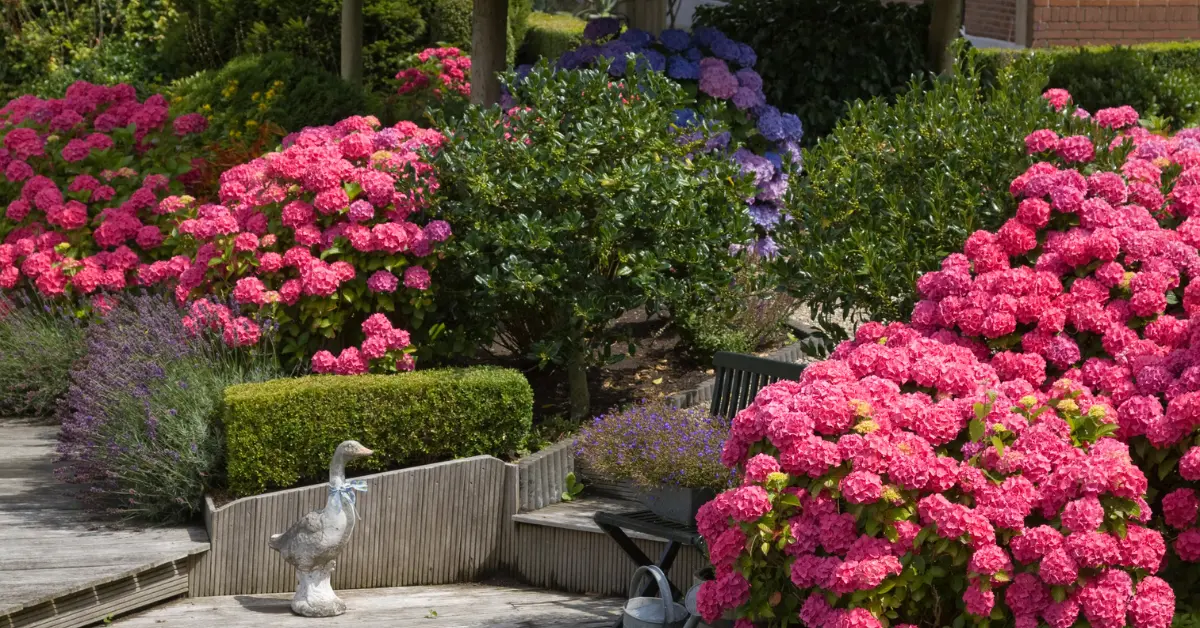
6 Best Shrubs to Plant in August You Must Try
Have you ever walked through a nursery late in the summer, admired the vibrant shrubs [...]
Aug
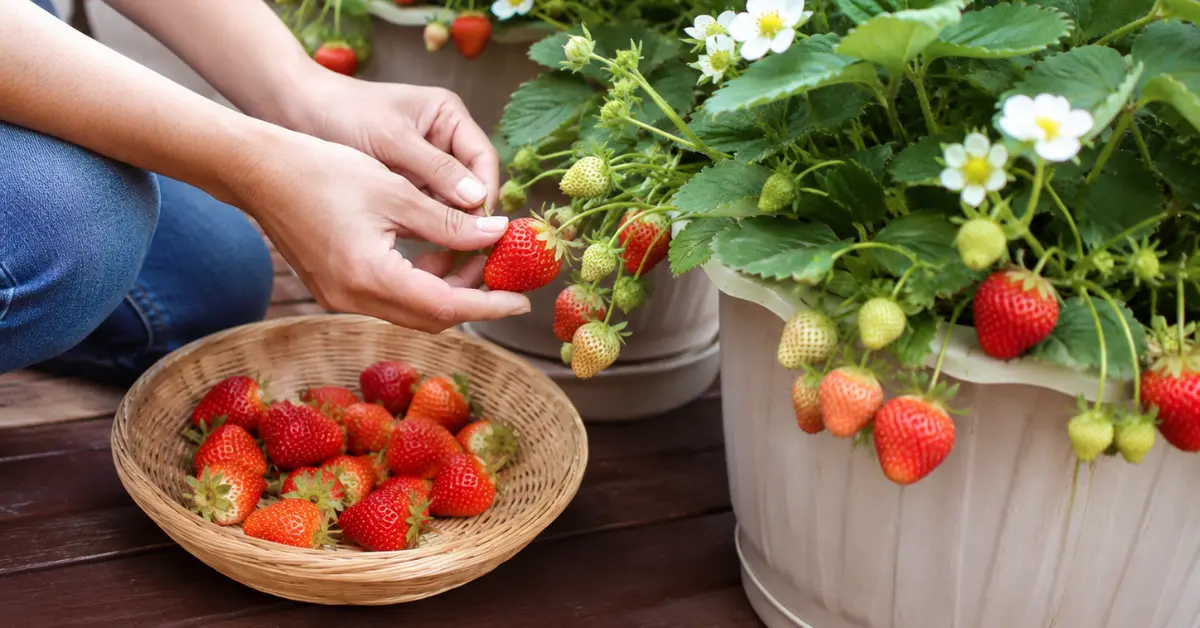
Growing Everbearing Strawberries in Containers: A Complete Guide for Beginners
Want to grow sweet, fresh strawberries but do not have a large garden? Everbearing strawberries [...]
Aug
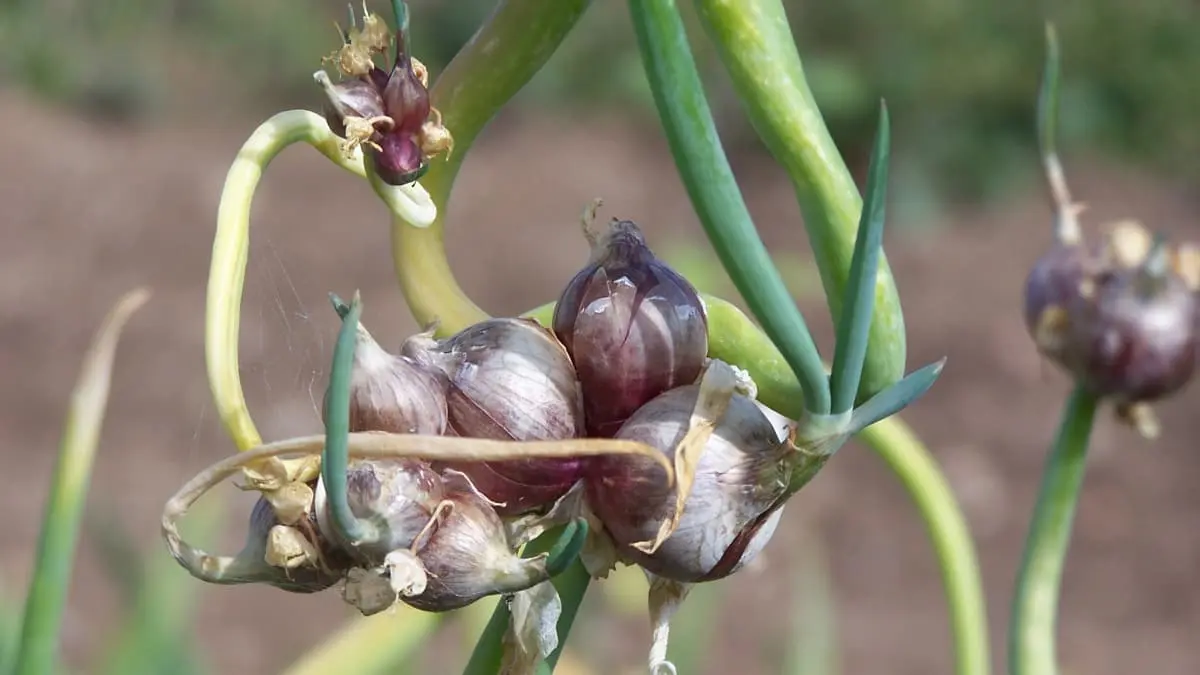
Growing Egyptian Walking Onions in Containers: A Complete Guide for Beginners
If you’re looking for a hardy, no-fuss perennial onion that keeps on giving year after [...]
Jul
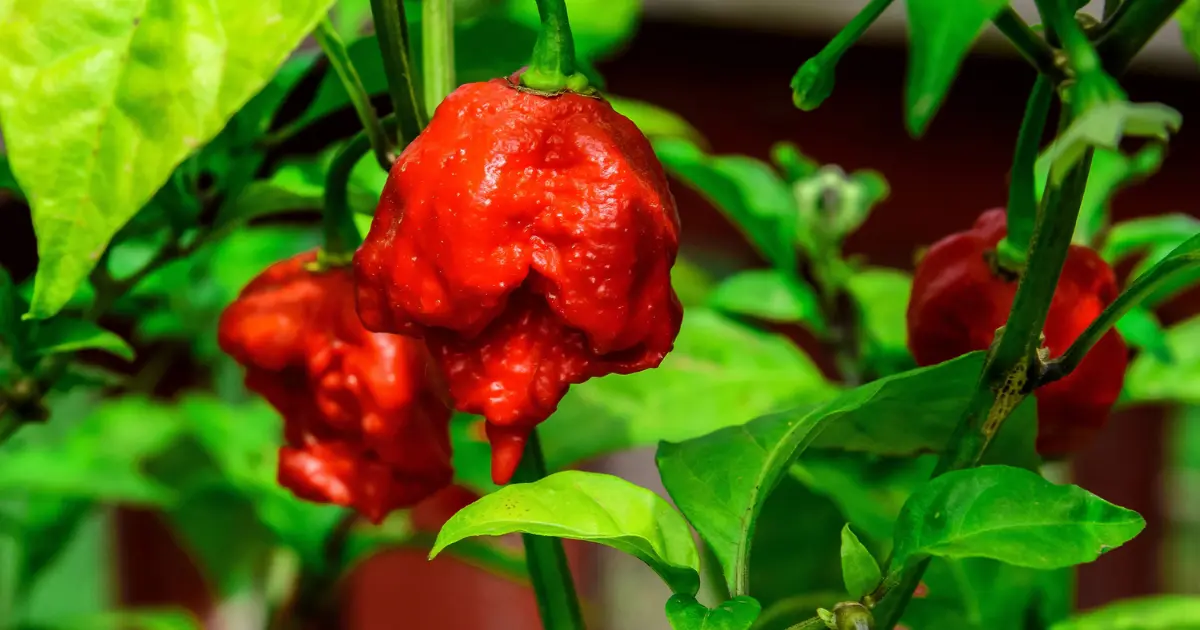
Growing Carolina Reaper Peppers in Pots: A Complete Guide for Beginners
If you’ve ever wanted to add some serious, record-breaking heat to your home cooking, you’ve [...]
May
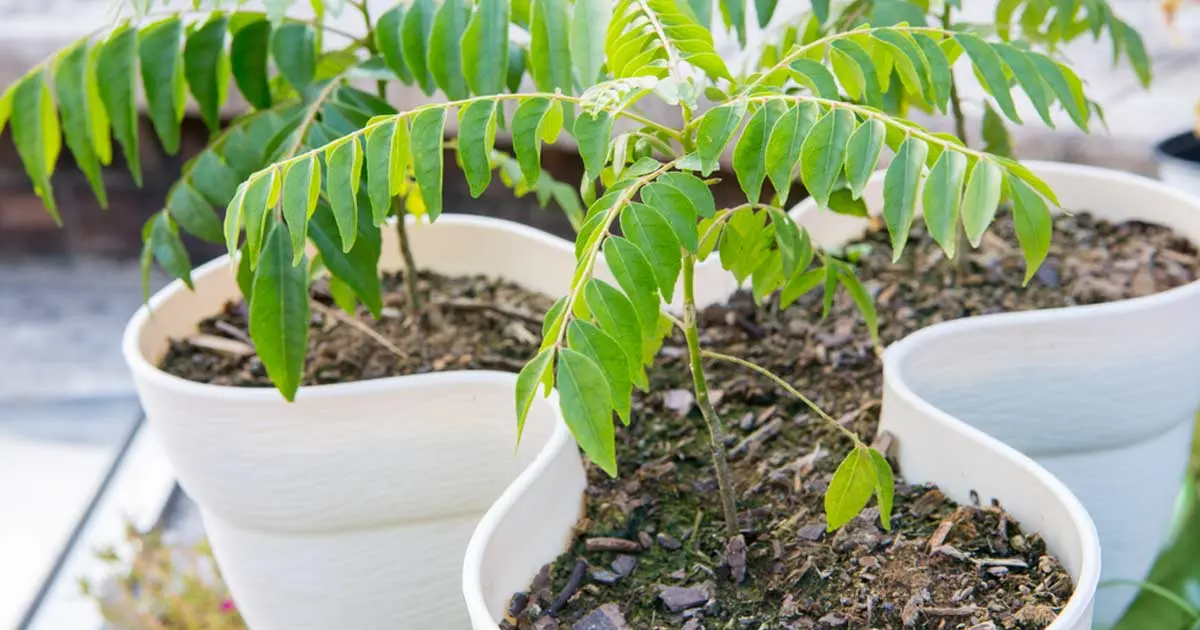
Growing Curry Leaf Plant in Pots: A Complete Guide for Beginners
If you’re a fan of authentic South Asian cuisine, you already know that nothing compares [...]
May
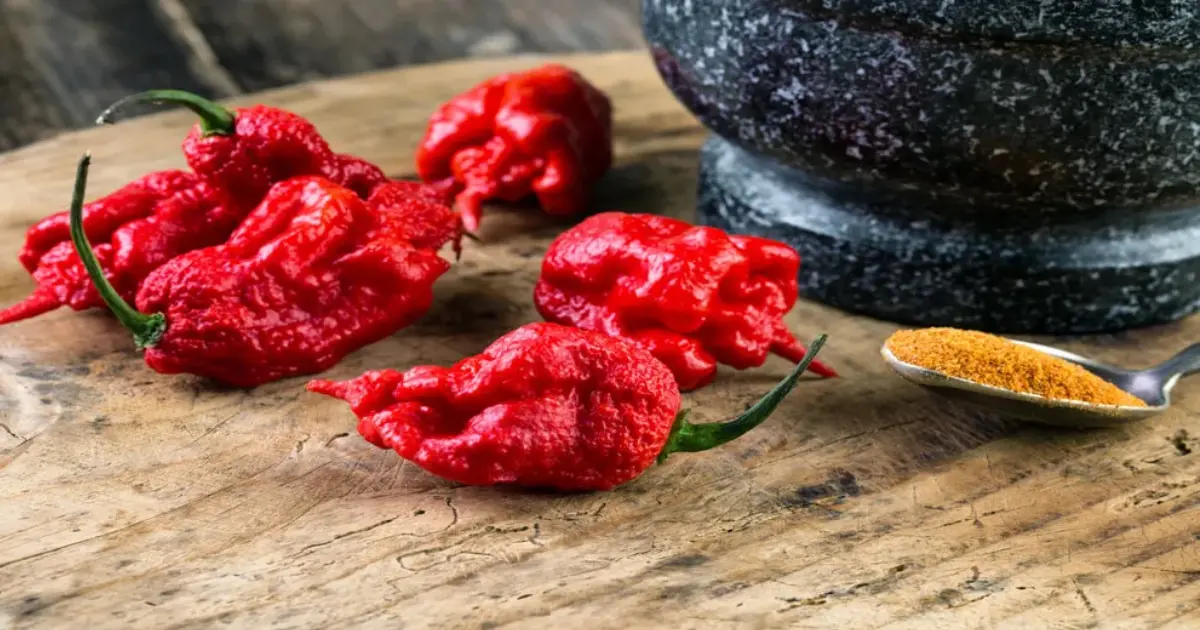
5 Tips for Growing Carolina Reaper Peppers to Get the Spiciest Harvest Ever
Holding the record for one of the world’s hottest peppers, the Reaper isn’t just a [...]
May
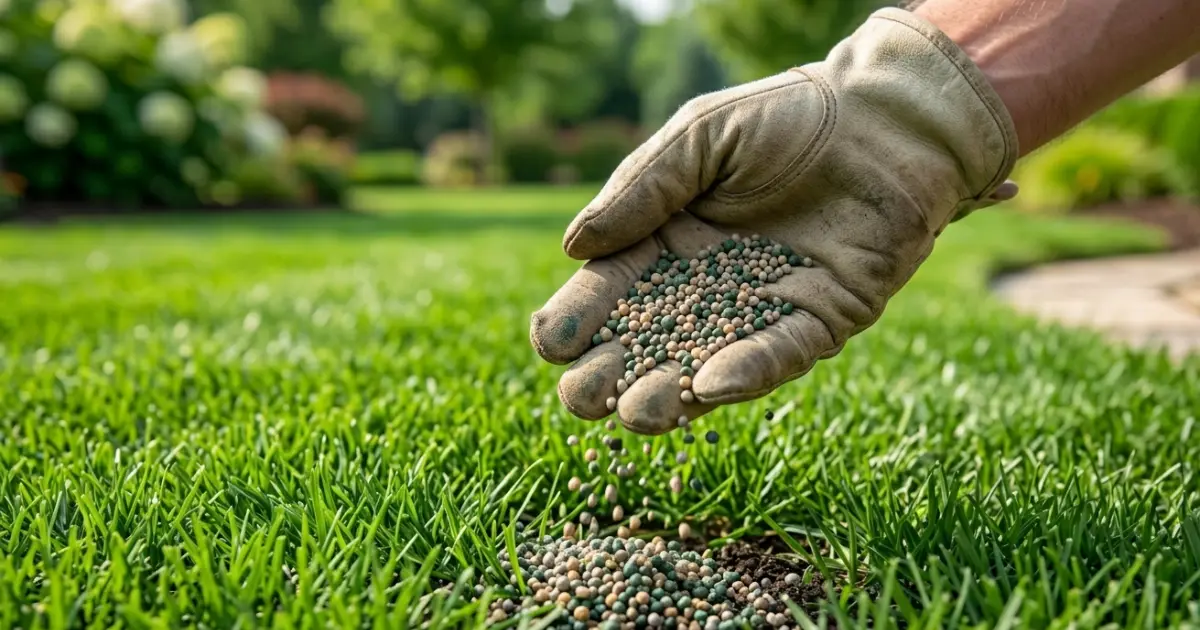
Best Fertilizers for Zoysia Grass in 2026: Get a Lush Lawn
As we enter the new year, the time has come to think about how we [...]
Apr
Reviews
There are no reviews yet.