
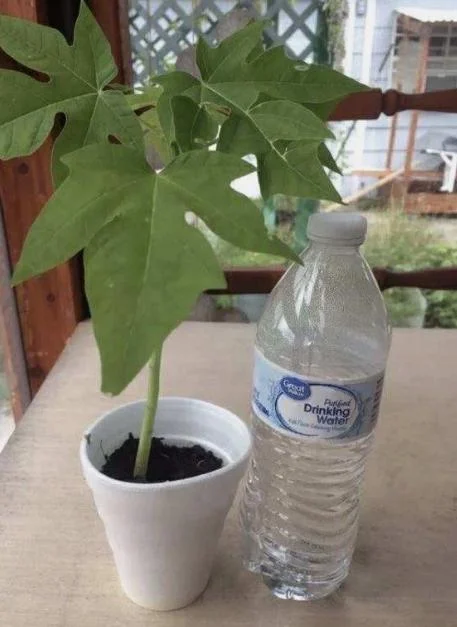
Hawaiian Papaya Live Plant – 5-10″ Tall Tropical Sweet Fruit Tree Starter
Original price was: $43.98.$20.99Current price is: $20.99.
Bring the tropics to your garden with this Hawaiian papaya live plant. This 5-10″ tall, well-rooted starter plant is ready to grow into a sweet, tropical fruit tree. Enjoy fresh, homegrown papaya with minimal effort.
Estimated arrival
Oct 05
Oct 10 - Oct 12
Oct 15 - Oct 19

Reasonable Price
We offer reasonable price

Support 24/7
Contact us 24 hrs a day

100% Money Back
You've 30 days to Return

Payment Secure
100% secure payment
Overview
Embark on a tropical gardening adventure with our premium Hawaiian papaya live plant. This vibrant, well-rooted starter plant, typically 5-10 inches tall, offers the exciting opportunity to cultivate your own delicious, sweet papayas at home. Papaya, scientifically known as Carica papaya, is a fast-growing, evergreen perennial that thrives in warm climates, producing abundant, succulent fruit. Often referred to as the “fruit of the angels” by Christopher Columbus, papaya is renowned for its rich flavor and numerous health benefits. Our Hawaiian papaya live plant is carefully nurtured to ensure it arrives healthy and ready to flourish in your garden or a large container, providing a taste of paradise right from your backyard.
This tropical fruit tree is not just about the delicious fruit; it also adds an exotic, lush aesthetic to any landscape. With its broad, deeply lobed leaves and sturdy trunk, it creates a striking focal point. Whether you’re an experienced gardener or just starting, growing a Hawaiian papaya live plant is a rewarding experience that connects you with nature and offers the satisfaction of harvesting your own sweet, juicy fruit.
Key Benefits
Growing a Hawaiian papaya live plant offers a multitude of advantages, from the joy of fresh produce to enhancing your garden’s appeal. Here are some of the standout benefits:
- Homegrown Sweet Fruit: Enjoy an abundant supply of incredibly sweet and juicy papayas, picked fresh from your own tree. The flavor of homegrown papaya far surpasses store-bought varieties.
- Tropical Garden Aesthetic: The large, palmate leaves and upright growth habit of a sweet papaya tree add an instant tropical feel to your garden, patio, or indoor space if grown in a large pot.
- Nutrient-Rich Harvest: Papayas are packed with vitamins C and A, folate, and powerful antioxidants, contributing to a healthy diet directly from your garden.
- Relatively Fast Growing: Papaya plants are known for their rapid growth, often producing fruit within a year of planting under optimal conditions, making it a highly rewarding plant for eager gardeners.
- Easy to Grow: Despite its exotic nature, this tropical fruit plant is surprisingly resilient and easy to care for, making it suitable for gardeners of all experience levels.
- Versatile Culinary Use: Fresh papaya can be enjoyed in smoothies, fruit salads, desserts, or even savory dishes, offering endless culinary possibilities.
- Supports Local Ecosystems: Growing your own fruit reduces reliance on imported produce and can attract beneficial pollinators to your garden.
Plant Care & Growing Tips
To ensure your Hawaiian papaya live plant thrives, providing the right care is crucial. Papayas are tropical plants and prefer warm, sunny conditions. For sunlight, aim for at least 6-8 hours of direct sunlight per day. In very hot climates, some afternoon shade can be beneficial to prevent leaf scorch. If growing indoors, place it near a south-facing window or use supplemental grow lights to mimic these conditions. Well-draining soil is paramount; a rich, loamy soil with a slightly acidic to neutral pH (6.0-7.0) is ideal. Avoid heavy clay soils that retain too much water, as this can lead to root rot.
Watering should be consistent, especially during dry periods and when the plant is actively growing. Keep the soil consistently moist but never waterlogged. Allow the top inch or two of soil to dry out slightly between waterings. Reduce watering during cooler months or if the plant’s growth slows. Papayas are heavy feeders, so regular fertilization is important. Use a balanced, slow-release fertilizer or a liquid feed high in nitrogen during the growing season (spring and summer), switching to a higher phosphorus and potassium fertilizer once flowering begins to encourage fruit production. Protect your papaya plant care from strong winds, as their shallow root systems can make them susceptible to toppling. In colder regions, consider growing your sweet papaya tree in a large container that can be moved indoors during winter, as they are very sensitive to frost.
Common problems include fungal diseases if humidity is too high or watering is improper, and pests like spider mites or aphids. Regularly inspect your plant and address any issues promptly with organic pest control methods or appropriate fungicides. Pruning is generally minimal, focusing on removing dead or diseased leaves. With proper care, your grow Hawaiian papaya effort will be fruitful.
Size & Details
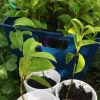
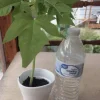
This offering is for a single Hawaiian papaya live plant, typically measuring between 5 to 10 inches tall from the base of the root ball to the top of the foliage. Each plant is well-rooted in a nursery pot, ensuring a healthy start upon arrival. Papaya plants are known for their relatively fast growth, and with optimal conditions, this starter can begin producing fruit within 9-12 months. When mature, a papaya tree can reach heights of 10-20 feet, though container-grown plants will remain smaller. The plant will be shipped securely, with its root ball intact and protected, ready for immediate planting in your garden or a larger container. This small but mighty starter provides a head start on cultivating your own tropical harvest.
Frequently Asked Questions
- Q: How big does this plant get? A: This Hawaiian papaya live plant ships at 5-10 inches tall. Mature trees can reach 10-20 feet in height, but growing in a container will limit its size, making it more manageable for smaller spaces or indoor-outdoor cultivation.
- Q: Is this an indoor or outdoor plant? A: Papaya is a tropical plant best suited for outdoor growth in USDA zones 9-11. In cooler climates, it can be grown outdoors during warm months and brought indoors as a container plant during winter.
- Q: How much sunlight does it need? A: To ensure healthy growth and fruit production, your sweet papaya tree requires at least 6-8 hours of direct sunlight per day. If grown indoors, a south-facing window or grow lights are essential.
- Q: Is this plant easy to care for? A: Yes, papaya plants are considered relatively easy to care for, especially in warm climates. They require consistent watering, plenty of sunlight, and regular fertilization. Following basic papaya plant care guidelines will lead to success.
- Q: What condition will it arrive in? A: Your tropical fruit plant will arrive as a well-rooted, healthy starter plant, carefully packaged to minimize stress during transit. It will be ready to be transplanted into its new home upon arrival.
- Q: How long until it blooms and fruits? A: Under ideal growing conditions, a young papaya plant can start flowering and producing fruit within 9 to 12 months after planting.
- Q: What’s the minimum temperature this plant can tolerate? A: Papaya plants are very sensitive to cold and will suffer damage or die if exposed to temperatures below freezing (32°F or 0°C). They thrive in temperatures between 70-90°F (21-32°C).
- Q: Can I really grow Hawaiian papaya in a pot? A: Absolutely! Papayas can be successfully grown in large containers, especially in regions with cold winters. This allows you to move the plant indoors to protect it from frost and still enjoy fresh grow Hawaiian papaya fruit.
- Q: What type of soil is best for this plant? A: Papayas prefer well-draining, fertile soil with a slightly acidic to neutral pH. A good quality potting mix amended with compost or organic matter is ideal for container growing.
- Q: Is the fruit from this plant sweet? A: Yes, this variety is known for producing incredibly sweet and flavorful papayas, characteristic of the Hawaiian types.
Be the first to review “Hawaiian Papaya Live Plant – 5-10″ Tall Tropical Sweet Fruit Tree Starter”
-
USDA Hardiness Zone
USDA zones 9-11 (outdoor) or container plant -
Soil Type
Well-draining, rich loamy soil -
Sunlight Exposure
Full sun (6-8+ hours direct light) -
Expected Planting Period
Year-round indoors; Spring to early summer outdoors
People Also Viewd
Sold 134 products
Original price was: $3,536.00.$23.99Current price is: $23.99.
Sold 132 products
Original price was: $27.00.$24.00Current price is: $24.00.
Sold 132 products
Original price was: $89.99.$64.99Current price is: $64.99.

Sold 125 products
Original price was: $86.99.$66.99Current price is: $66.99.
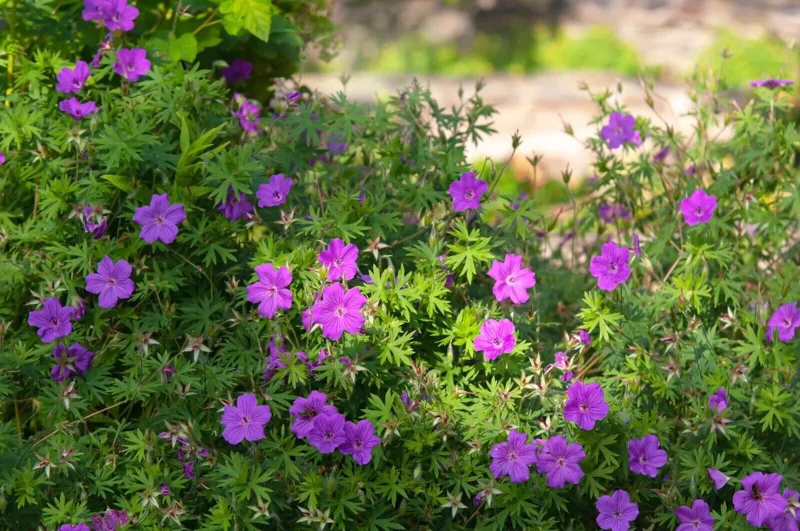
Flower Bulbs
3 Cranesbill Wild Geranium Organic Maculatums Bare Roots | Wildflower for Outdoor Garden
Sold 116 products
Original price was: $21.99.$9.99Current price is: $9.99.
Sold 114 products
Original price was: $28.99.$17.99Current price is: $17.99.
Sold 110 products
Original price was: $63.99.$28.99Current price is: $28.99.
Sold 108 products
Original price was: $28.99.$17.99Current price is: $17.99.RELATED posts
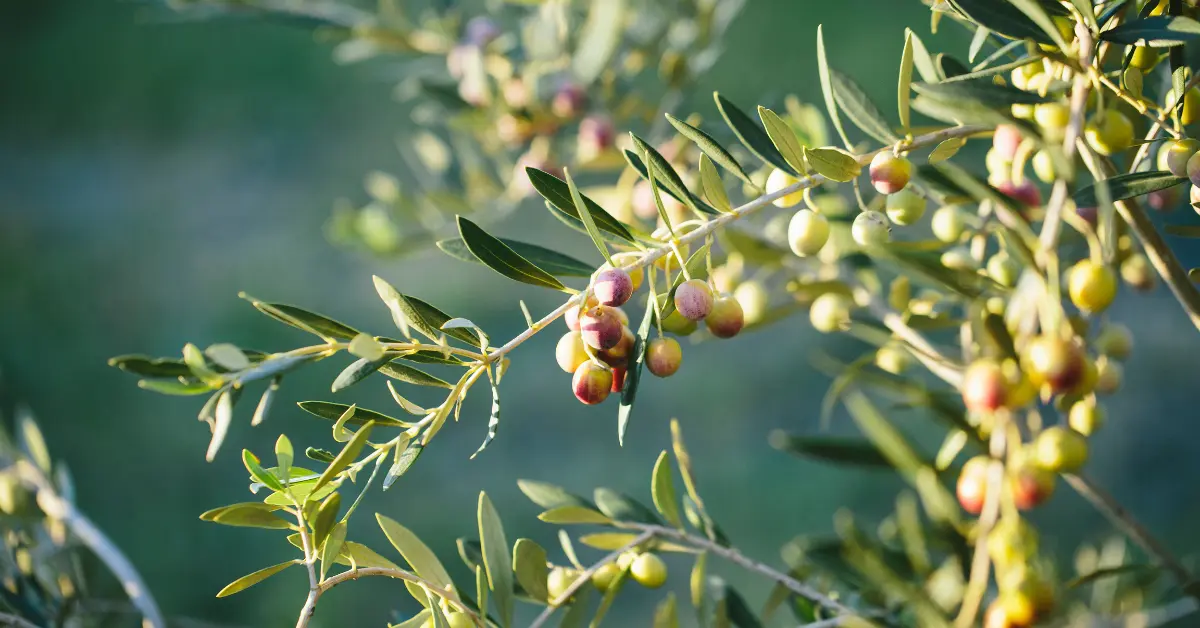
How to Grow Arbequina Olive Trees: The Ultimate Guide to Your Own Olive Grove
Arbequina Olive Tree (Olea europaea ‘Arbequina’) – the ultimate Mediterranean plant that brings a touch [...]
Oct
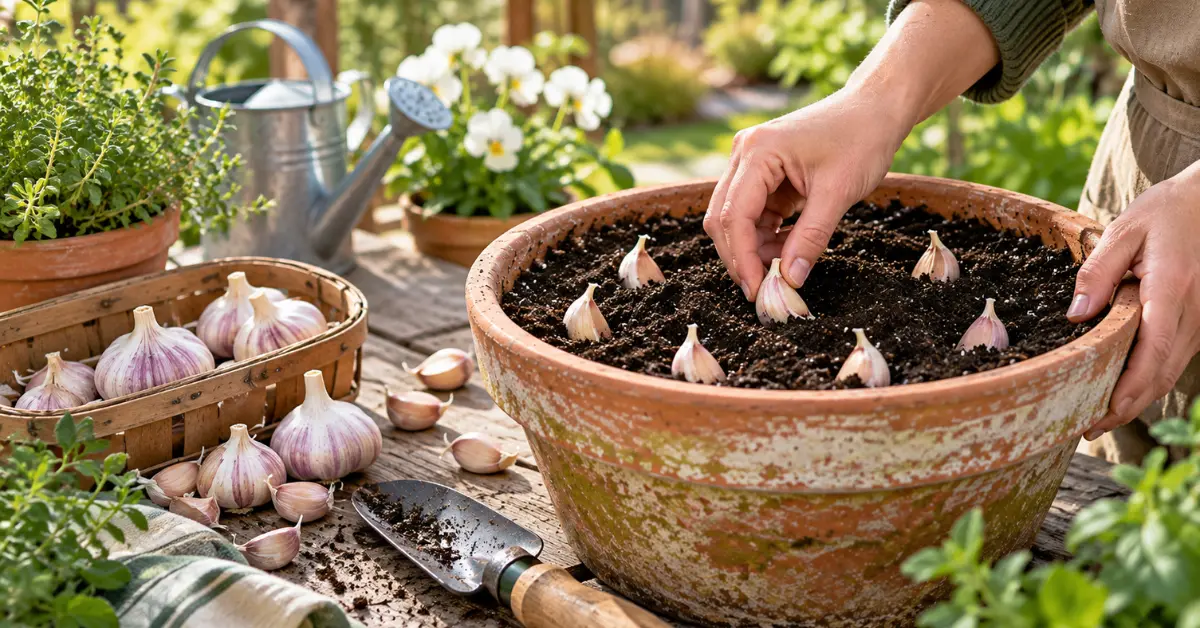
Growing Garlic in Containers This Fall: A Complete Guide for Beginners
If you’ve ever wanted to pop fresh, aromatic garlic cloves straight from your own patio [...]
Sep
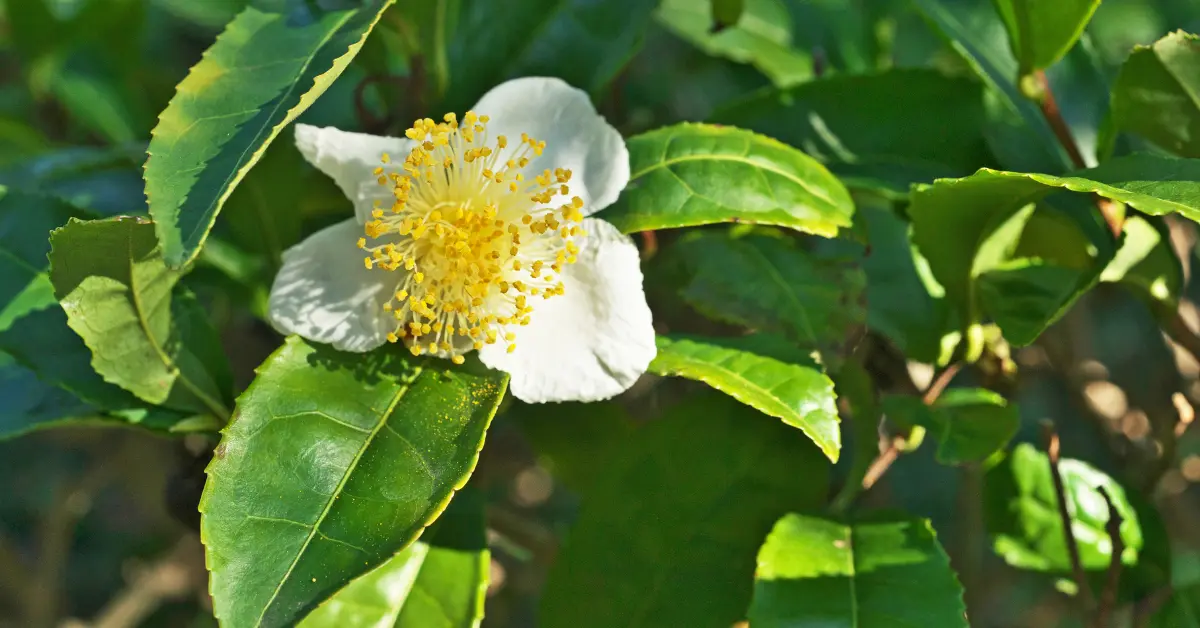
Growing Camellia Sinensis (Tea Plants) in Containers: A Complete Guide for Beginners
If you’ve ever wanted to sip a steaming, homegrown cup of fresh green, black, or [...]
Aug
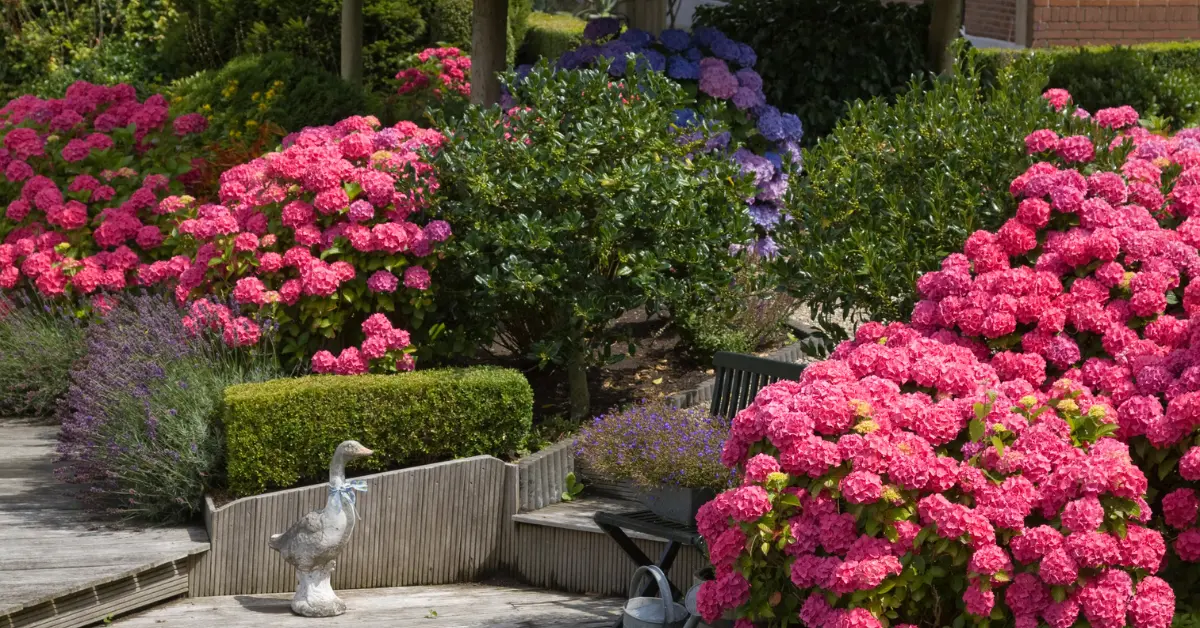
6 Best Shrubs to Plant in August You Must Try
Have you ever walked through a nursery late in the summer, admired the vibrant shrubs [...]
Aug
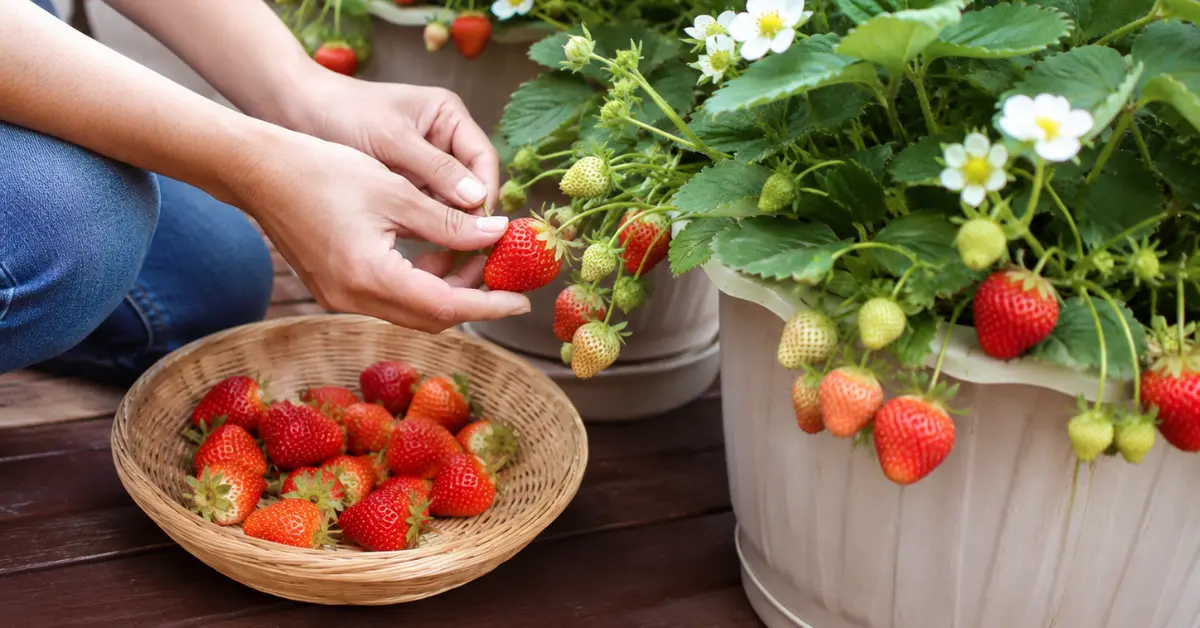
Growing Everbearing Strawberries in Containers: A Complete Guide for Beginners
Want to grow sweet, fresh strawberries but do not have a large garden? Everbearing strawberries [...]
Aug
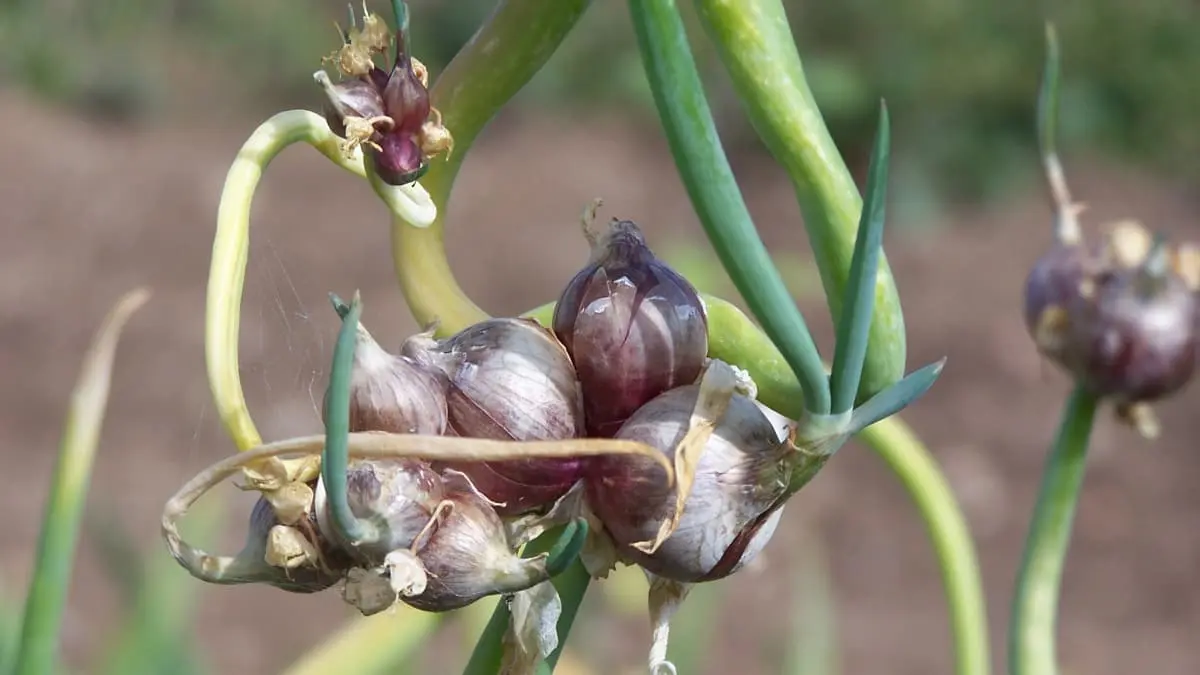
Growing Egyptian Walking Onions in Containers: A Complete Guide for Beginners
If you’re looking for a hardy, no-fuss perennial onion that keeps on giving year after [...]
Jul
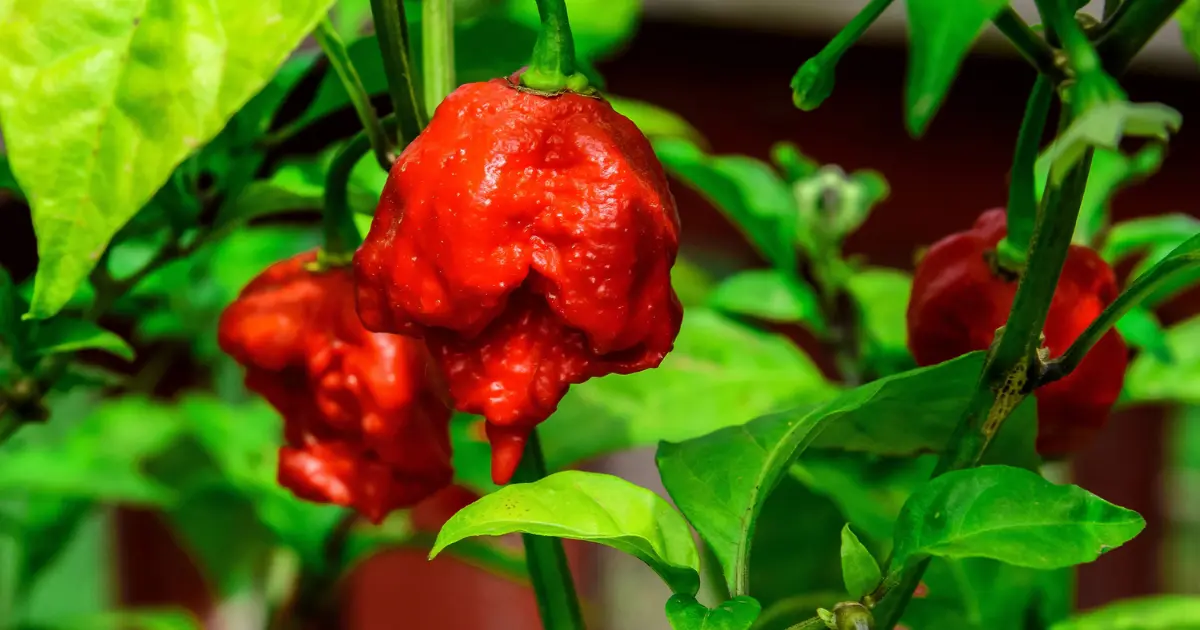
Growing Carolina Reaper Peppers in Pots: A Complete Guide for Beginners
If you’ve ever wanted to add some serious, record-breaking heat to your home cooking, you’ve [...]
May
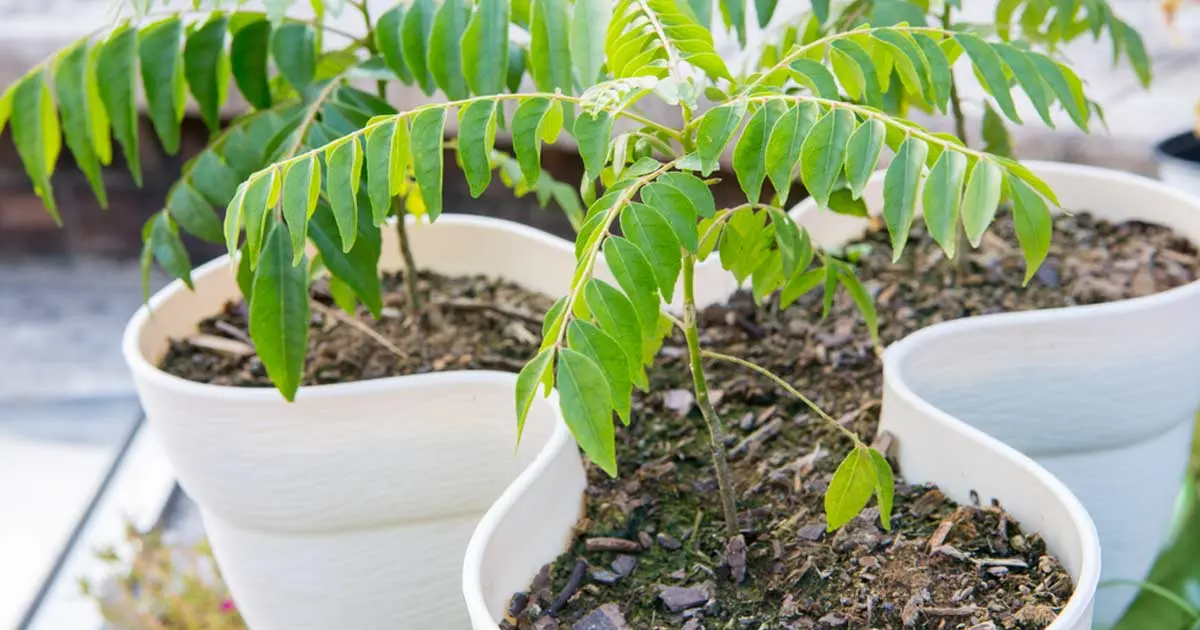
Growing Curry Leaf Plant in Pots: A Complete Guide for Beginners
If you’re a fan of authentic South Asian cuisine, you already know that nothing compares [...]
May
Reviews
There are no reviews yet.