


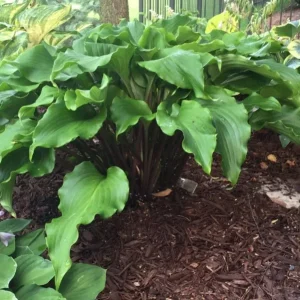

Hosta Peppermint Twist Live Plant – Perennial Shade Garden Plant
Original price was: $126.20.$43.99Current price is: $43.99.
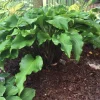
Introduce the captivating hosta peppermint twist live plant to your garden. This unique perennial features striking wavy leaves with a vibrant green and cream variegation, thriving beautifully in shaded areas. Ideal for borders, containers, or woodland gardens, it adds elegant texture and color with minimal effort.
Estimated arrival
Oct 05
Oct 10 - Oct 12
Oct 15 - Oct 19

Reasonable Price
We offer reasonable price

Support 24/7
Contact us 24 hrs a day

100% Money Back
You've 30 days to Return

Payment Secure
100% secure payment
Overview
Transform your shaded garden spaces with the exquisite hosta peppermint twist live plant. This captivating perennial is renowned for its distinctive foliage and robust nature, making it a favorite among gardeners seeking both beauty and resilience. Unlike many plants that require full sun, the ‘Peppermint Twist’ Hosta flourishes in partial to full shade, bringing vibrant life and texture to dimmer corners of your landscape. Its unique wavy leaves display a delightful variegation of green and creamy white, creating a dynamic visual interest that evolves throughout the growing season. As a mature plant, it forms an attractive mound, providing excellent ground cover or a stunning focal point in a container. The Hosta ‘Peppermint Twist’ is not only visually appealing but also a low-maintenance choice for busy gardeners, offering years of enjoyment with proper care.
This particular Hosta variety is celebrated for its vigorous growth and ability to withstand various conditions, as long as its basic needs for moisture and shade are met. The intricate patterns on its leaves and their charming wavy edges make it stand out from other hosta varieties, adding a touch of elegance and whimsy to any garden design. Whether you’re an experienced gardener or just starting, the hosta peppermint twist live plant is an excellent addition, promising lush foliage and a serene ambiance.
Key Benefits
The hosta peppermint twist live plant offers a multitude of advantages, making it a highly desirable choice for enhancing your garden’s aesthetic and ecological value. Its unique characteristics contribute to a vibrant and easy-to-maintain outdoor space:
- Stunning Foliage: The primary draw of the ‘Peppermint Twist’ Hosta is its breathtaking wavy leaves, adorned with a striking variegation of green and cream. This provides continuous visual interest from spring through fall, making it a standout feature in any shaded garden.
- Thrives in Shade: Unlike many flowering plants, this Hosta variety is perfectly adapted to low-light conditions, making it an indispensable asset for brightening up shady borders, under trees, or north-facing garden beds where other plants struggle.
- Low Maintenance: Once established, the hosta peppermint twist live plant requires minimal attention, primarily needing consistent moisture. This makes it an ideal choice for gardeners who desire a beautiful landscape without extensive upkeep.
- Versatile Landscaping: Its mounding habit and attractive foliage make it suitable for a variety of uses, including ground cover, border planting, mass planting, or as an elegant specimen in decorative pots and containers on shaded patios.
- Deer Resistance: While no plant is entirely deer-proof, Hostas are generally less preferred by deer compared to many other garden plants, offering a degree of natural protection for your landscape investment.
- Long-Lived Perennial: As a robust perennial, the ‘Peppermint Twist’ Hosta returns year after year, growing larger and more impressive with each season, providing enduring beauty and value to your garden.
- Slug and Snail Tolerance: While some Hostas are prone to slug and snail damage, the thicker, wavy leaves of this variety tend to offer slightly better resistance, though vigilance is always recommended.
Plant Care & Growing Tips
Proper care is essential to ensure your hosta peppermint twist live plant thrives and displays its full beauty. Hostas are generally forgiving, but understanding their specific needs will lead to the most vibrant and healthy growth. Sunlight is crucial; while they are shade plants, they appreciate some morning sun or dappled light throughout the day. Too much direct, hot afternoon sun can scorch their delicate leaves, causing them to fade or brown, especially in warmer climates. Aim for a location that receives 3-5 hours of morning sun or consistent filtered light. For optimal growth and to maintain the striking variegation, avoid deep, dense shade if possible.
When it comes to watering, Hostas prefer consistently moist, but not waterlogged, soil. During dry spells, especially in the first year after planting, regular watering is critical. Check the soil moisture frequently by feeling the top inch of soil; if it feels dry, it’s time to water thoroughly. Good drainage is paramount to prevent root rot, so ensure your planting site or container has adequate drainage. Fertilize your perennial shade plant in early spring with a balanced slow-release granular fertilizer or a liquid feed, following the product instructions. Avoid over-fertilizing, as this can lead to excessive foliar growth at the expense of root development. Regular division every 3-5 years can rejuvenate older clumps and provide new plants for other areas of your garden. Keep an eye out for common pests like slugs and snails, which can chew holes in the leaves; organic slug baits or hand-picking can help manage them. Learning about hosta plant care specifically for wavy-leaf varieties will ensure long-term health.
Size & Details
The hosta peppermint twist live plant typically grows to a mature size of about 12-18 inches tall with a spread of approximately 24-30 inches, forming an attractive, dense mound of foliage. This medium-sized hosta is ideal for a variety of garden applications, from front borders to underplanting larger shrubs or trees. It is shipped as a healthy, actively growing live plant, ready to be transplanted into your garden or a larger container. The plant will establish quickly and begin to show significant growth within its first season, with its unique wavy leaf hosta characteristics becoming more pronounced as it matures. Expect it to reach its full mature size within 3-5 years, providing an increasingly impressive display each year. This perennial will offer its best performance in USDA Hardiness Zones 3-9, where it can withstand winter temperatures and reliably return in spring.
Frequently Asked Questions
- Q: How big does this hosta peppermint twist live plant get? A: This Hosta variety typically grows to a height of 12-18 inches and spreads about 24-30 inches wide, forming a beautiful, mounding clump when mature.
- Q: Is this an indoor or outdoor plant? A: The ‘Peppermint Twist’ Hosta is primarily an outdoor perennial shade plant. While it can be grown in containers, it thrives best when planted in the ground in shaded garden areas.
- Q: How much sunlight does it need? A: This Hosta prefers partial to full shade. It can tolerate some morning sun but should be protected from harsh afternoon sun to prevent leaf scorch and maintain its vibrant coloration.
- Q: Is this plant easy to care for? A: Yes, Hostas are generally considered low-maintenance plants. Once established, they primarily require consistent moisture and protection from slugs and snails. They are an excellent choice for beginner gardeners.
- Q: What condition will it arrive in? A: Your Hosta ‘Peppermint Twist’ will arrive as a healthy, actively growing live plant, carefully packaged to ensure its safe journey. It will be ready for immediate planting upon arrival.
- Q: What’s the best soil for this wavy leaf hosta? A: Hostas prefer rich, well-draining soil that retains moisture. Amending your garden soil with compost or other organic matter will provide ideal growing conditions.
- Q: When is the best time to plant Hosta ‘Peppermint Twist’? A: Spring or early fall are the best times to plant Hostas, allowing them to establish their root systems before extreme summer heat or winter cold.
- Q: What are some good hosta varieties for shade? A: Besides ‘Peppermint Twist’, other excellent hosta varieties for shade include ‘Patriot’, ‘Frances Williams’, ‘Sum and Substance’, and ‘Halcyon’, each offering unique leaf shapes and colors.
- Q: Is the hosta plant care different for wavy-leaf types? A: While general hosta care applies, wavy-leaf varieties like ‘Peppermint Twist’ often have slightly thicker leaves, which can offer a bit more resistance to slug damage than thinner-leaved varieties.
- Q: Does this plant attract pollinators? A: While Hostas do produce small lavender or white flowers on tall stalks, their primary appeal is their foliage. They may attract some bees, but they are not a primary pollinator plant.
Be the first to review “Hosta Peppermint Twist Live Plant – Perennial Shade Garden Plant”
-
USDA Hardiness Zone
USDA zones 3-9 -
Soil Type
Rich, well-draining soil -
Sunlight Exposure
Partial to full shade -
Expected Planting Period
Spring to early fall
People Also Viewd
Sold 134 products
Original price was: $3,536.00.$23.99Current price is: $23.99.
Sold 132 products
Original price was: $27.00.$24.00Current price is: $24.00.
Sold 132 products
Original price was: $89.99.$64.99Current price is: $64.99.

Sold 125 products
Original price was: $86.99.$66.99Current price is: $66.99.
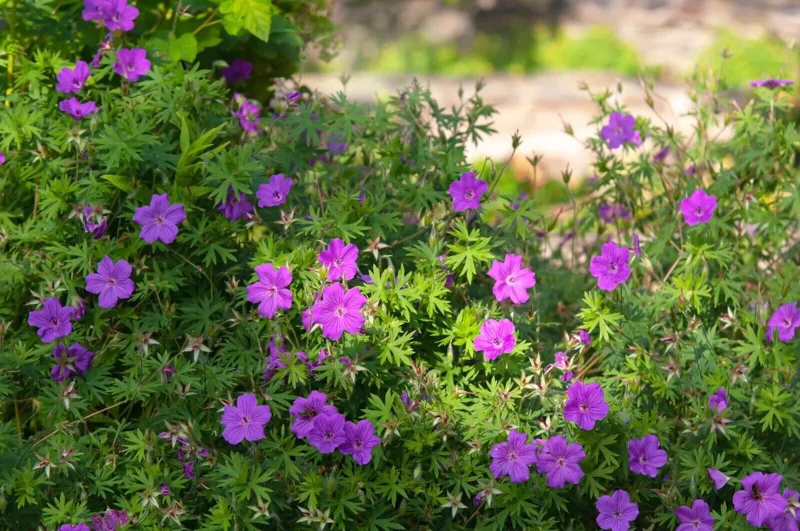
Flower Bulbs
3 Cranesbill Wild Geranium Organic Maculatums Bare Roots | Wildflower for Outdoor Garden
Sold 116 products
Original price was: $21.99.$9.99Current price is: $9.99.
Sold 114 products
Original price was: $28.99.$17.99Current price is: $17.99.
Sold 110 products
Original price was: $63.99.$28.99Current price is: $28.99.
Sold 108 products
Original price was: $28.99.$17.99Current price is: $17.99.RELATED posts
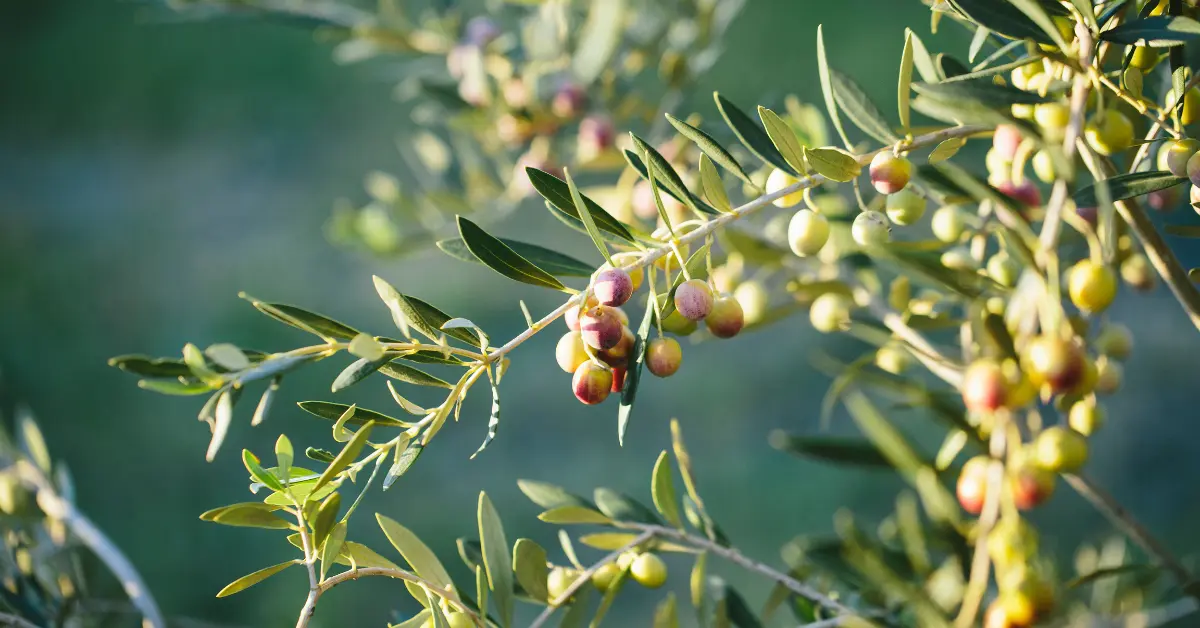
How to Grow Arbequina Olive Trees: The Ultimate Guide to Your Own Olive Grove
Arbequina Olive Tree (Olea europaea ‘Arbequina’) – the ultimate Mediterranean plant that brings a touch [...]
Oct
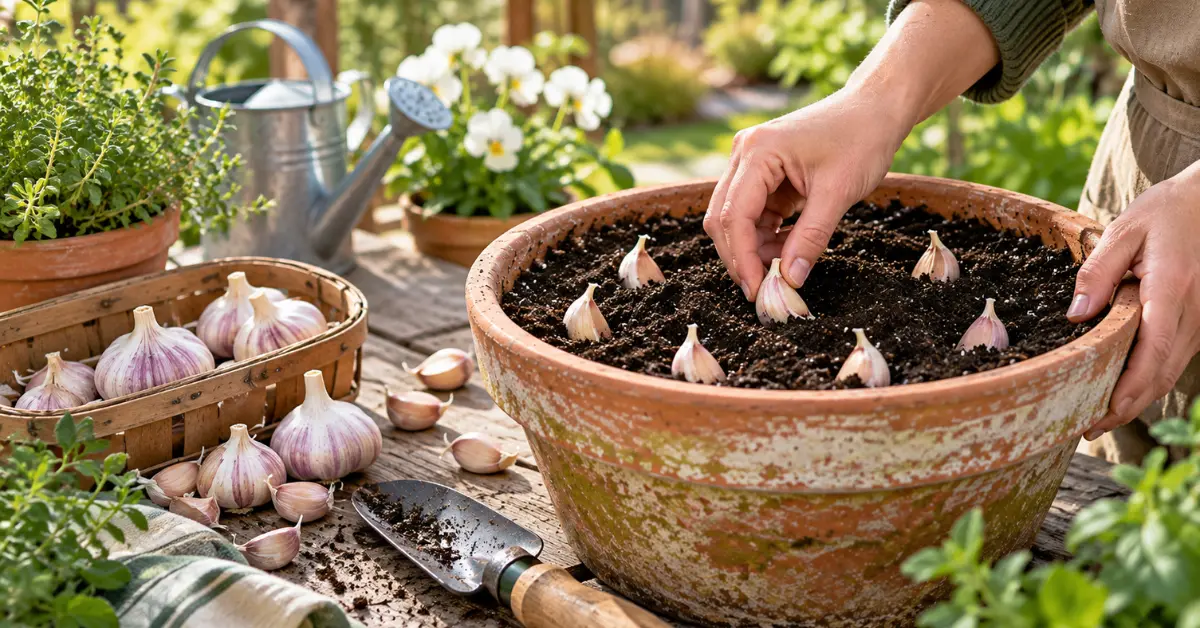
Growing Garlic in Containers This Fall: A Complete Guide for Beginners
If you’ve ever wanted to pop fresh, aromatic garlic cloves straight from your own patio [...]
Sep
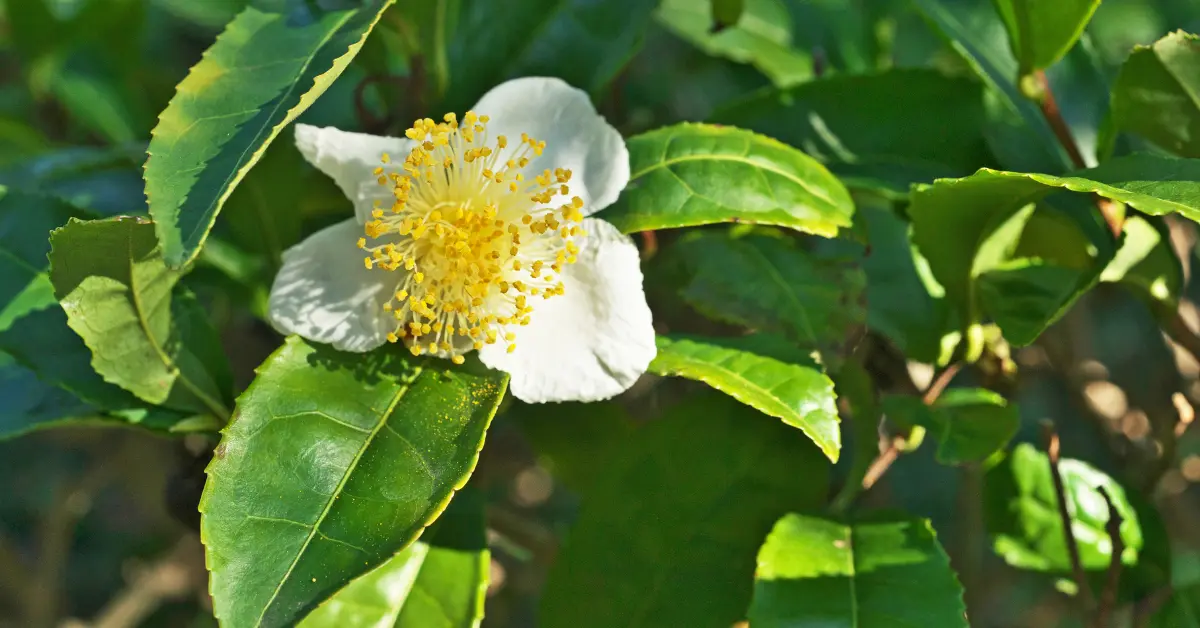
Growing Camellia Sinensis (Tea Plants) in Containers: A Complete Guide for Beginners
If you’ve ever wanted to sip a steaming, homegrown cup of fresh green, black, or [...]
Aug
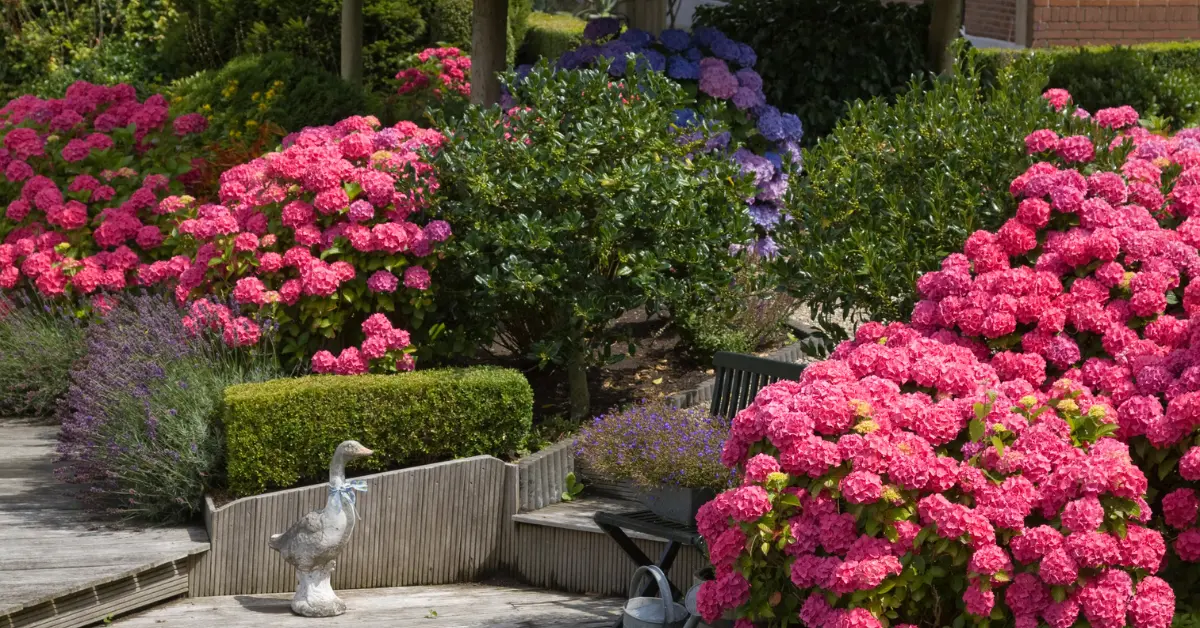
6 Best Shrubs to Plant in August You Must Try
Have you ever walked through a nursery late in the summer, admired the vibrant shrubs [...]
Aug
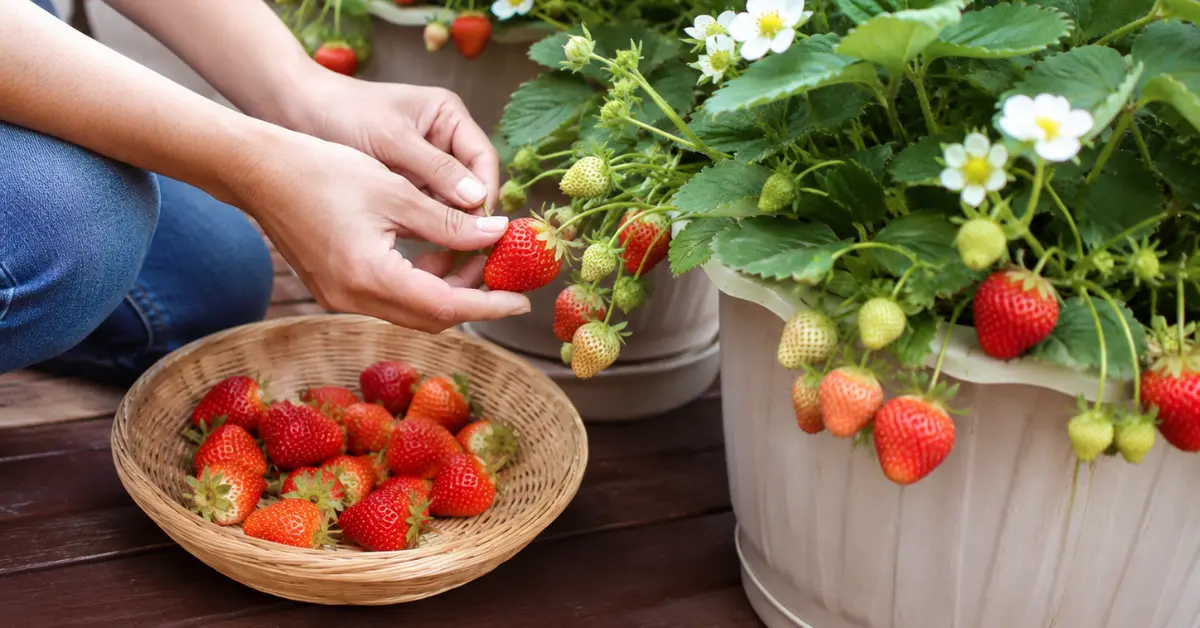
Growing Everbearing Strawberries in Containers: A Complete Guide for Beginners
Want to grow sweet, fresh strawberries but do not have a large garden? Everbearing strawberries [...]
Aug
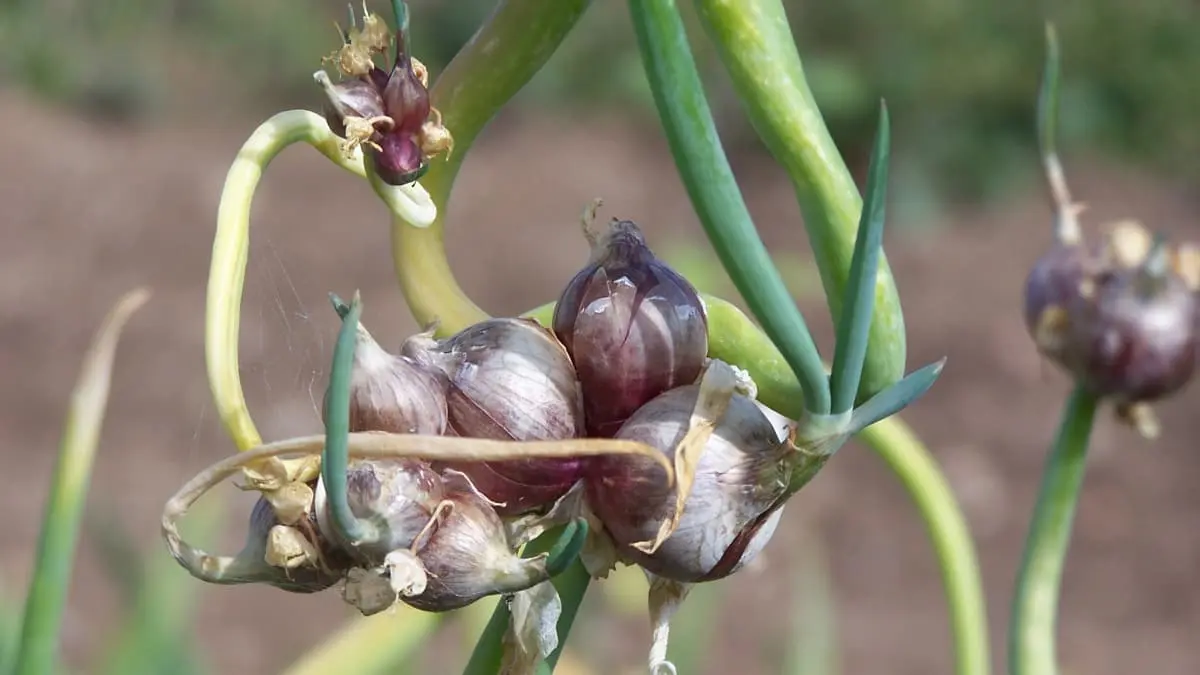
Growing Egyptian Walking Onions in Containers: A Complete Guide for Beginners
If you’re looking for a hardy, no-fuss perennial onion that keeps on giving year after [...]
Jul
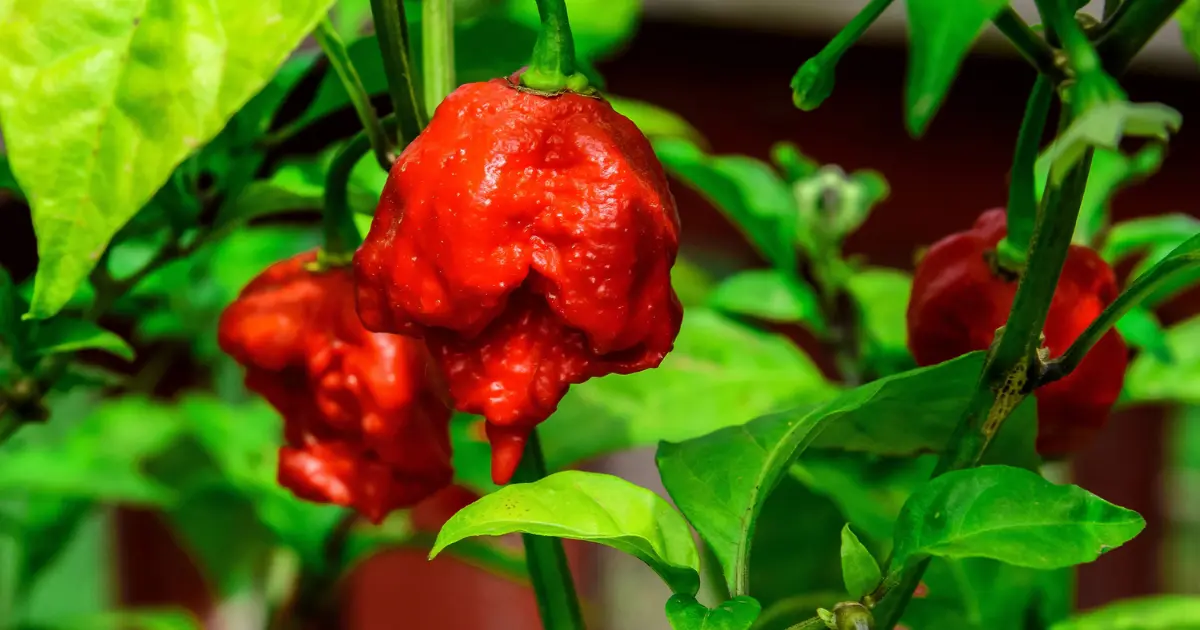
Growing Carolina Reaper Peppers in Pots: A Complete Guide for Beginners
If you’ve ever wanted to add some serious, record-breaking heat to your home cooking, you’ve [...]
May
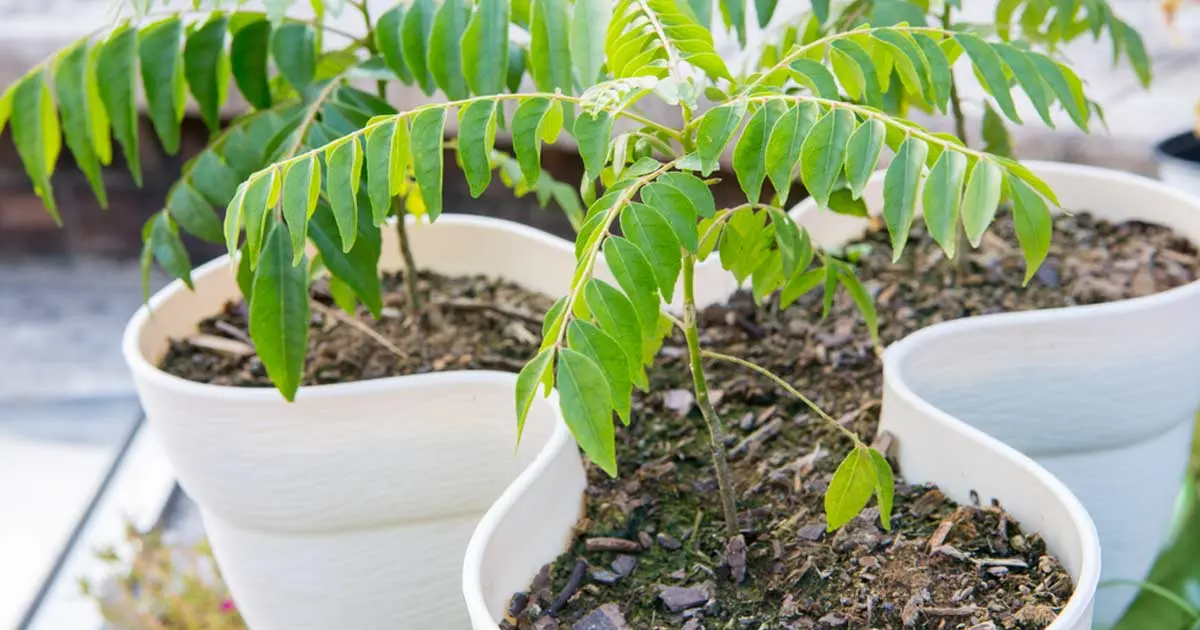
Growing Curry Leaf Plant in Pots: A Complete Guide for Beginners
If you’re a fan of authentic South Asian cuisine, you already know that nothing compares [...]
May

Reviews
There are no reviews yet.