
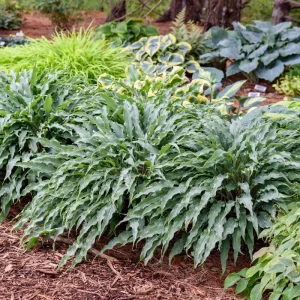
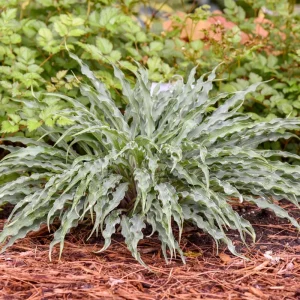
Hosta Silly String Live Plant 5.25 inch Pot – Unique Perennial Shade Plant
Original price was: $116.84.$38.99Current price is: $38.99.
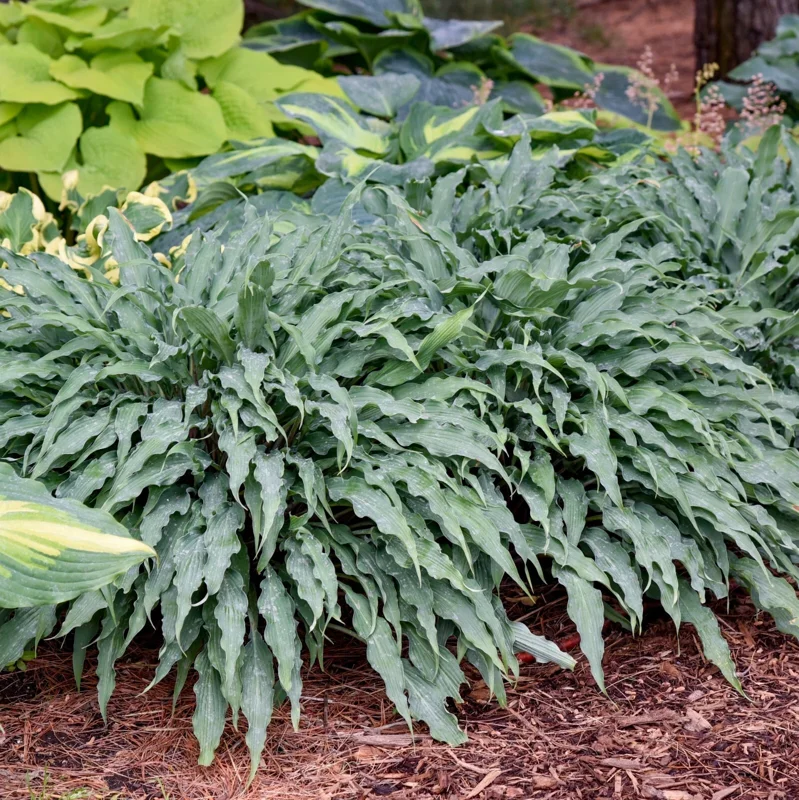
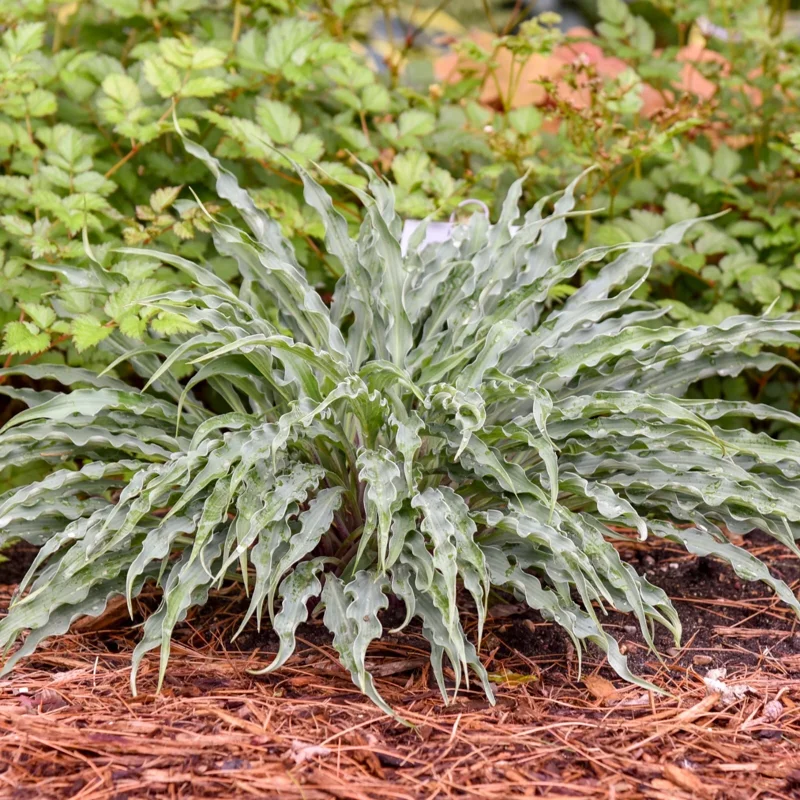
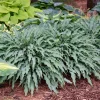
Add a touch of whimsy to your shade garden with the Hosta Silly String live plant. This unique perennial features distinctive, narrow, and often twisted leaves, perfect for creating visual interest. Arrives well-rooted in a 5.25 inch pot, ready to thrive in its new home.
Estimated arrival
Oct 05
Oct 10 - Oct 12
Oct 15 - Oct 19

Reasonable Price
We offer reasonable price

Support 24/7
Contact us 24 hrs a day

100% Money Back
You've 30 days to Return

Payment Secure
100% secure payment
Overview
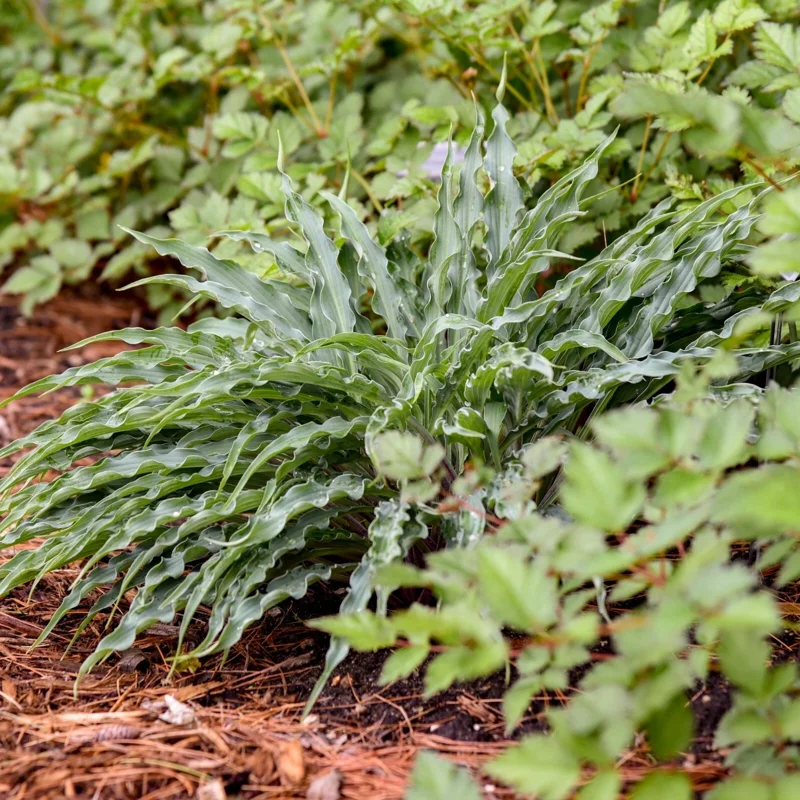
Introduce an element of playful elegance to your garden with the Hosta Silly String live plant. This remarkable perennial is celebrated for its truly unique foliage, which sets it apart from more traditional Hosta varieties. Unlike typical broad-leaved Hostas, ‘Silly String’ boasts slender, often curled or twisted leaves that create a dynamic, almost animated texture. Perfect for shaded areas, this plant offers year-round interest and an intriguing focal point in borders, containers, or woodland gardens. Its distinctive appearance makes it a favorite among collectors seeking unique Hosta varieties and garden enthusiasts looking to add an unusual plant to their landscape. Arriving well-rooted in a 5.25-inch pot, this Hosta Silly String live plant is prepared to establish quickly and grow into a magnificent specimen.
The botanical name for Hosta is Hosta, and ‘Silly String’ is a specific cultivar renowned for its narrow, string-like leaves. These leaves emerge in spring with a vibrant green hue, often developing subtle variegation or streaking as they mature, adding to their ornamental appeal. This plant is a fantastic choice for areas where you want to break up broad-leaf textures or introduce a whimsical touch. It’s a hardy and dependable perennial, returning each year with renewed vigor and charm.
Key Benefits
The Hosta Silly String live plant offers a multitude of benefits, making it an excellent addition to any garden, especially those with shaded conditions. Its unique aesthetic and robust nature contribute to a captivating and low-maintenance landscape.
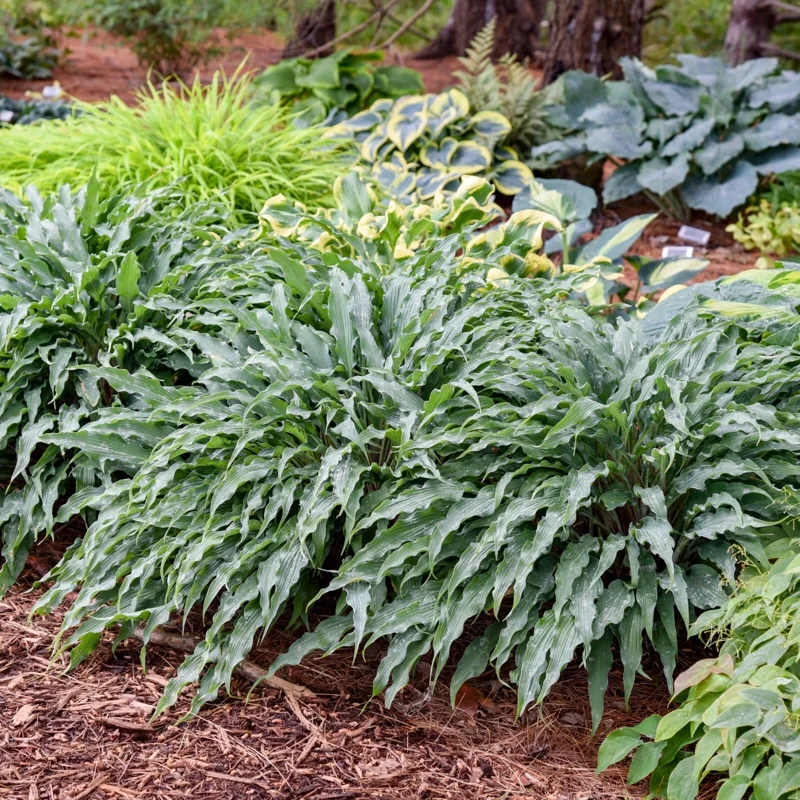
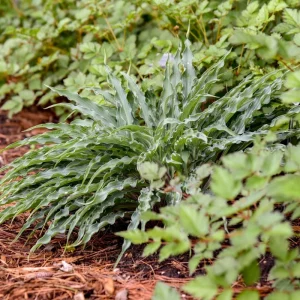
- Unique Visual Appeal: The most striking feature of the Hosta Silly String live plant is its unusual, narrow, and often twisted leaves. This distinctive foliage creates a whimsical and modern look, providing textural contrast to other shade-loving plants and making it a standout specimen in any garden or container.
- Thrives in Shade: This Hosta cultivar is perfectly adapted to thrive in shaded environments, making it an ideal choice for challenging areas under trees, on the north side of buildings, or in dense beds where other plants struggle to grow. It brings life and color to dimly lit spots.
- Low Maintenance Perennial: Once established, the Hosta Silly String live plant requires minimal care, making it perfect for busy gardeners. It’s a hardy perennial that reliably returns year after year, requiring little more than consistent moisture and occasional feeding.
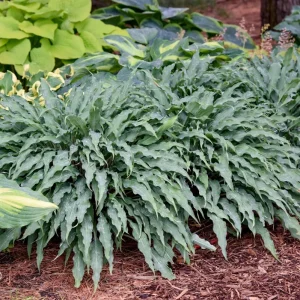
- Versatile Landscaping Plant: Its compact to medium size and unique form allow it to be used in various settings, including mass plantings, border fronts, rock gardens, or as a captivating container plant. It pairs beautifully with ferns, astilbes, and other shade lovers.
- Deer Resistant: While no plant is entirely deer-proof, Hostas, especially those with thicker or more unusual foliage like ‘Silly String’, tend to be less appealing to deer compared to other garden plants, offering some protection in areas with wildlife.
- Long-Lasting Foliage: The attractive foliage remains vibrant and appealing throughout the growing season, from spring until the first hard frost, providing continuous interest and beauty in the garden.
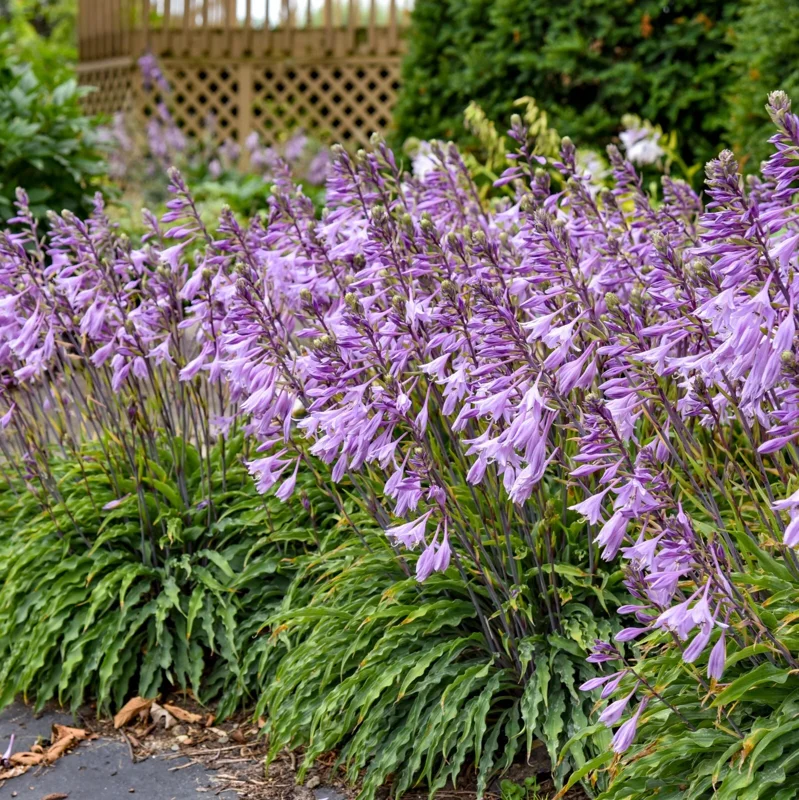
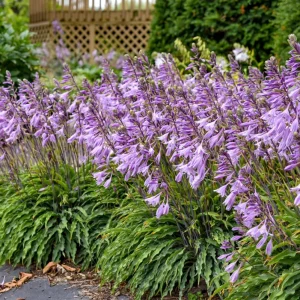
- Attracts Hummingbirds: Although primarily grown for its foliage, Hosta ‘Silly String’ produces delicate lavender-colored flowers on scapes in mid-summer, which can attract hummingbirds and other beneficial pollinators to your garden.
Plant Care & Growing Tips
Caring for your Hosta Silly String live plant is relatively straightforward, ensuring it remains healthy and vibrant for many years. Proper initial planting and consistent care will allow this unique Hosta to flourish and display its unusual leaf Hosta characteristics fully. Understanding its needs for light, water, and soil will contribute significantly to its success in your garden. This shade perennial plants variety is quite resilient once established.
Sunlight Requirements: The ‘Silly String’ Hosta prefers partial to full shade. While it can tolerate a few hours of morning sun, direct afternoon sun should be avoided, as it can scorch the delicate leaves and diminish their vibrant color. An ideal location would be under the canopy of deciduous trees or on the north side of a building where it receives filtered light throughout the day or deep shade. Consistent shade is crucial for preventing leaf burn and maintaining the plant’s unique coloration.
Watering Schedule and Soil Moisture: Hostas are moisture-loving plants and prefer consistently moist, but not waterlogged, soil. Water deeply when the top inch of soil feels dry to the touch, especially during hot, dry periods. Young plants will require more frequent watering as they establish. Reduce watering in late fall as the plant prepares for dormancy. Ensure good drainage to prevent root rot, which can be a common issue if the soil remains waterlogged.
Soil Type and Drainage: This shade perennial plants cultivar thrives in rich, organic, well-draining soil. Amend heavy clay soils with compost or other organic matter to improve drainage and aeration. For sandy soils, adding organic material will help retain moisture. A slightly acidic to neutral pH (6.0-7.0) is generally ideal. Ensure the planting site has good air circulation to deter fungal diseases.
Temperature Range and USDA Hardiness Zone: Hosta ‘Silly String’ is hardy in USDA zones 3-9. It is accustomed to temperate climates with cold winters that allow for a period of dormancy. It tolerates a wide range of temperatures within these zones but appreciates protection from extreme heat, especially when coupled with direct sunlight. Mulching in colder zones can help protect the plant’s crown during winter.
Fertilization Schedule and Type: Fertilize your Hosta in early spring as new growth emerges. Use a balanced, slow-release granular fertilizer or an all-purpose liquid feed diluted to half strength. Avoid over-fertilization, which can lead to lush but weak growth. Organic compost worked into the soil surface each spring can also provide a steady supply of nutrients and improve soil structure. Ensuring proper nutrition helps maintain the health and vigor of your Hosta plant care routine.
Common Problems and Solutions: Slugs and snails are common pests for Hostas. Use slug bait, copper tape, or hand-pick them in the evening. Crown rot can occur in overly wet conditions; ensure good drainage. Leaf nematodes can cause streaking between veins; remove and destroy affected leaves. Proper spacing and good air circulation can help prevent fungal issues like anthracnose.
Size & Details
This Hosta Silly String live plant is shipped well-rooted in a 5.25-inch nursery pot, providing a robust start for your garden. At maturity, ‘Silly String’ typically reaches a height of 10-14 inches with a spread of 18-24 inches, forming an attractive, mounding clump of unique foliage. Its growth rate is moderate, establishing well within the first year and reaching mature size within 3-5 years under optimal growing conditions. The distinctive narrow leaves can grow up to 6-8 inches long, displaying their characteristic twists and curls. This compact to medium size makes it an excellent choice for front borders, small garden spaces, or container plantings where its unusual leaf Hosta form can be appreciated up close.
The plant will arrive with established roots and developing foliage, ready for planting upon arrival. While it will begin to grow immediately, its full characteristic leaf shape and vigor will become more pronounced as it settles into its new environment and passes through its first full growing season. Expect to see its delicate lavender flowers appear on scapes in mid-summer, adding another layer of interest to this already captivating plant. This variety is a reliable performer, offering consistent beauty year after year with minimal intervention, making it a valuable addition to any garden seeking unique Hosta varieties.
Frequently Asked Questions
- Q: How big does this Hosta Silly String live plant get? A: At maturity, the Hosta Silly String live plant typically reaches a height of 10-14 inches and spreads 18-24 inches wide. It forms a compact, mounding clump that showcases its unique foliage beautifully.
- Q: Is this an indoor or outdoor plant? A: While Hostas are primarily grown as outdoor perennial plants, they can be temporarily grown indoors in a bright, cool location. However, for long-term health and proper dormancy, it is best suited as a shade perennial plants for outdoor gardens.
- Q: How much sunlight does the Hosta Silly String need? A: This Hosta thrives in partial to full shade. It should be protected from direct afternoon sun, which can scorch its leaves. Morning sun is generally acceptable, but filtered light or deep shade is ideal for the best leaf coloration and health.
- Q: Is this plant easy to care for? Is it good for beginners? A: Yes, the Hosta Silly String live plant is considered relatively easy to care for once established, making it a great choice for beginners. It requires consistent moisture and protection from harsh sun, but is otherwise quite low maintenance.
- Q: What condition will the Hosta Silly String arrive in? A: Your Hosta will arrive well-rooted in a 5.25-inch nursery pot, with healthy foliage. It is carefully packed to ensure it reaches you in excellent condition, ready for planting.
- Q: When is the best time to plant Hosta Silly String? A: The best time to plant Hosta ‘Silly String’ is in spring or early fall. This allows the plant to establish its root system before the stress of summer heat or winter cold. However, container-grown plants can be planted any time the ground is not frozen.
- Q: Will this Hosta survive winter in my zone? A: Yes, Hosta ‘Silly String’ is hardy in USDA zones 3-9. It is well-adapted to cold winters and will enter a period of dormancy, re-emerging with fresh growth in the spring. Consistent Hosta plant care throughout the year ensures its return.
- Q: What type of soil does this plant prefer? A: This Hosta prefers rich, organic, and well-draining soil. Amending your garden soil with compost will significantly improve its texture, fertility, and drainage, which are crucial for the health of this unique Hosta varieties.
- Q: Do I need to fertilize my Hosta Silly String? A: Fertilize your Hosta in early spring as new growth appears. Use a balanced, slow-release fertilizer or good quality compost to provide essential nutrients for vigorous growth. Avoid over-fertilizing.
- Q: Is the unusual leaf Hosta attractive to pests? A: Like most Hostas, ‘Silly String’ can be attractive to slugs and snails. Regular monitoring and appropriate deterrents, such as slug bait or copper tape, can help manage these pests.
Be the first to review “Hosta Silly String Live Plant 5.25 inch Pot – Unique Perennial Shade Plant”
-
USDA Hardiness Zone
USDA Zones 3-9 -
Soil Type
Rich, organic, well-draining soil -
Sunlight Exposure
Partial to full shade -
Expected Planting Period
Spring to early fall
People Also Viewd


Sold 134 products
Original price was: $3,536.00.$23.99Current price is: $23.99.

Sold 132 products
Original price was: $27.00.$24.00Current price is: $24.00.

Sold 132 products
Original price was: $89.99.$64.99Current price is: $64.99.

Sold 125 products
Original price was: $86.99.$66.99Current price is: $66.99.

Flower Bulbs
3 Cranesbill Wild Geranium Organic Maculatums Bare Roots | Wildflower for Outdoor Garden
Sold 116 products
Original price was: $21.99.$9.99Current price is: $9.99.

Sold 114 products
Original price was: $28.99.$17.99Current price is: $17.99.
Sold 110 products
Original price was: $63.99.$28.99Current price is: $28.99.
Sold 108 products
Original price was: $28.99.$17.99Current price is: $17.99.RELATED posts
How to Grow Arbequina Olive Trees: The Ultimate Guide to Your Own Olive Grove
Arbequina Olive Tree (Olea europaea ‘Arbequina’) – the ultimate Mediterranean plant that brings a touch [...]
Oct
Growing Garlic in Containers This Fall: A Complete Guide for Beginners
If you’ve ever wanted to pop fresh, aromatic garlic cloves straight from your own patio [...]
Sep
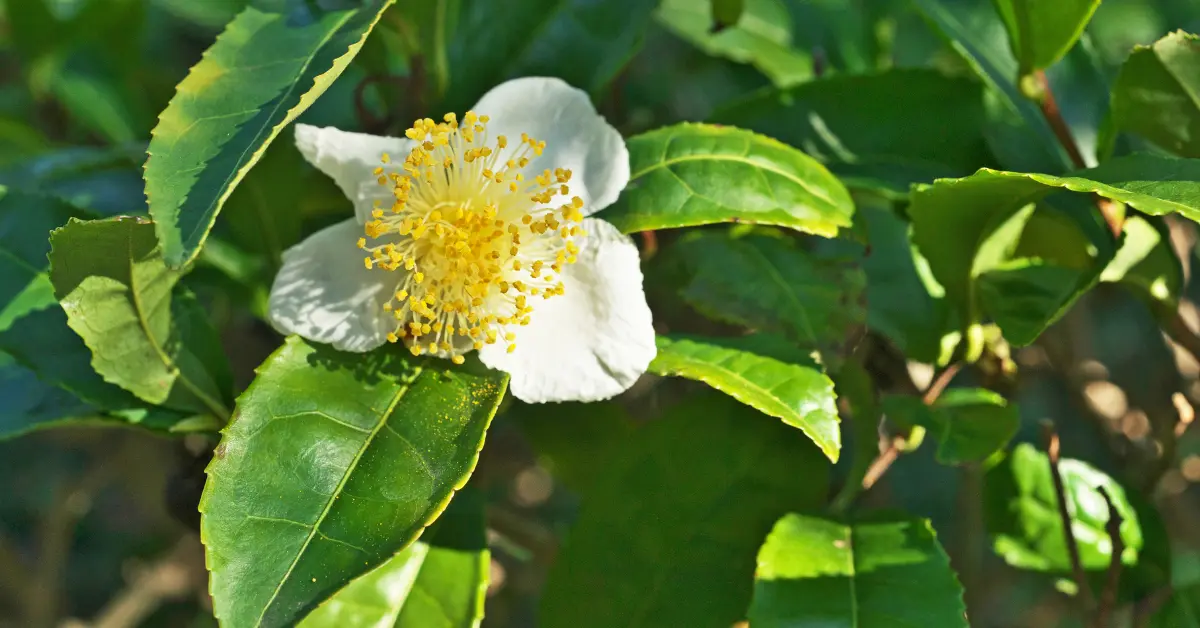
Growing Camellia Sinensis (Tea Plants) in Containers: A Complete Guide for Beginners
If you’ve ever wanted to sip a steaming, homegrown cup of fresh green, black, or [...]
Aug
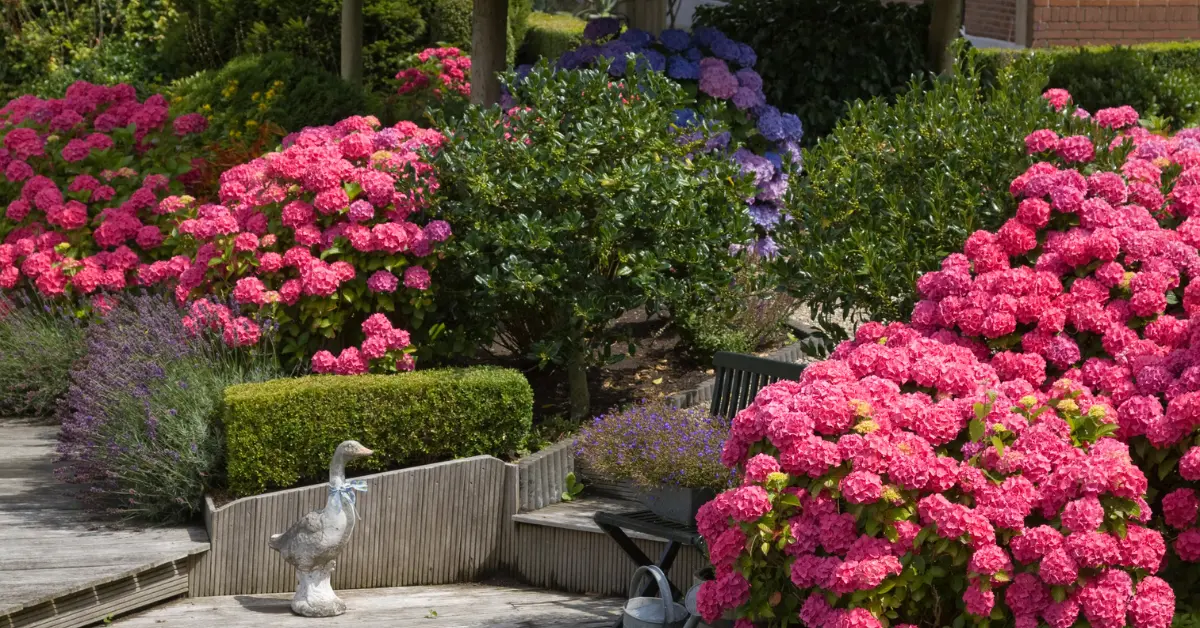
6 Best Shrubs to Plant in August You Must Try
Have you ever walked through a nursery late in the summer, admired the vibrant shrubs [...]
Aug
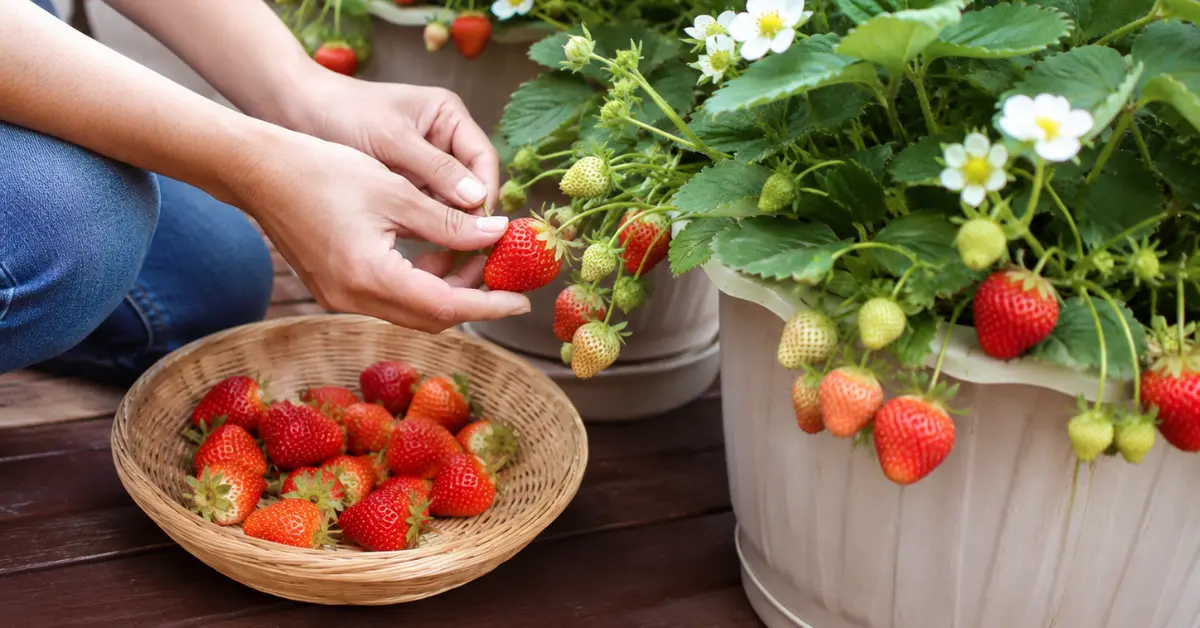
Growing Everbearing Strawberries in Containers: A Complete Guide for Beginners
Want to grow sweet, fresh strawberries but do not have a large garden? Everbearing strawberries [...]
Aug
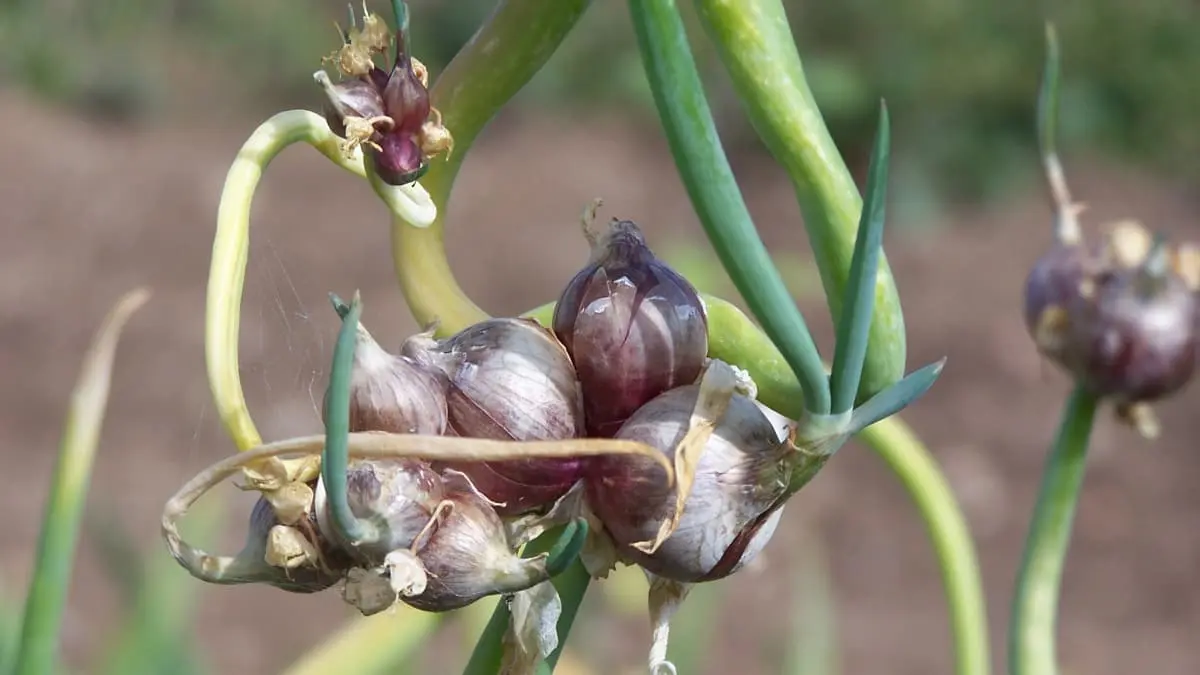
Growing Egyptian Walking Onions in Containers: A Complete Guide for Beginners
If you’re looking for a hardy, no-fuss perennial onion that keeps on giving year after [...]
Jul
Growing Carolina Reaper Peppers in Pots: A Complete Guide for Beginners
If you’ve ever wanted to add some serious, record-breaking heat to your home cooking, you’ve [...]
May
Growing Curry Leaf Plant in Pots: A Complete Guide for Beginners
If you’re a fan of authentic South Asian cuisine, you already know that nothing compares [...]
May
Reviews
There are no reviews yet.