
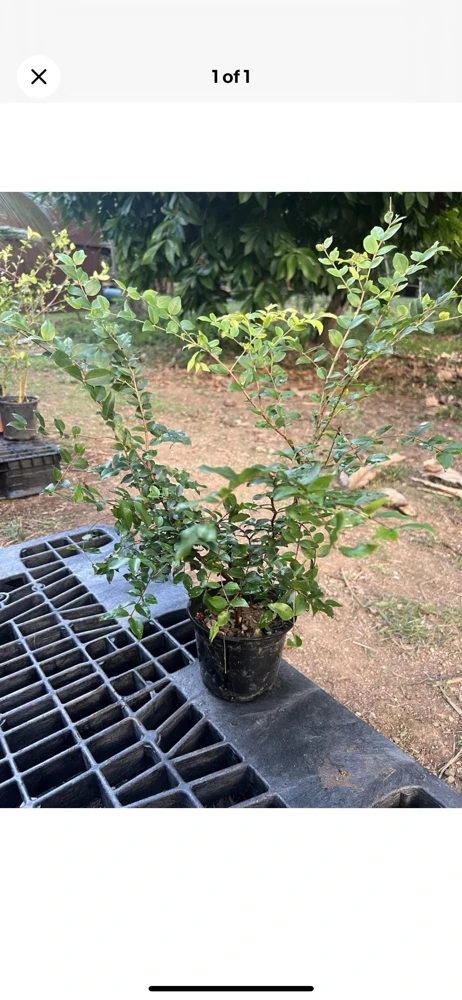
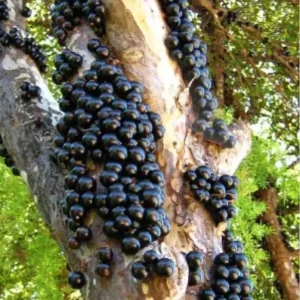
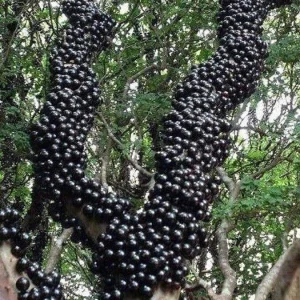
Jaboticaba Sabara Brazilian Grape Live Fruit Tree – 18-28 inches tall
Original price was: $174.20.$124.20Current price is: $124.20.
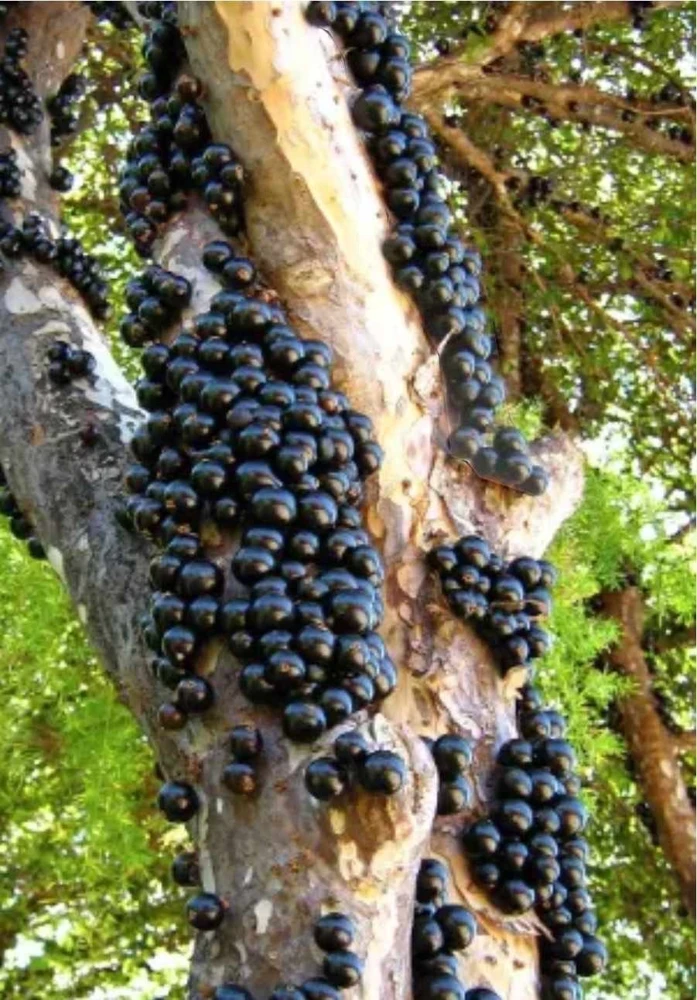
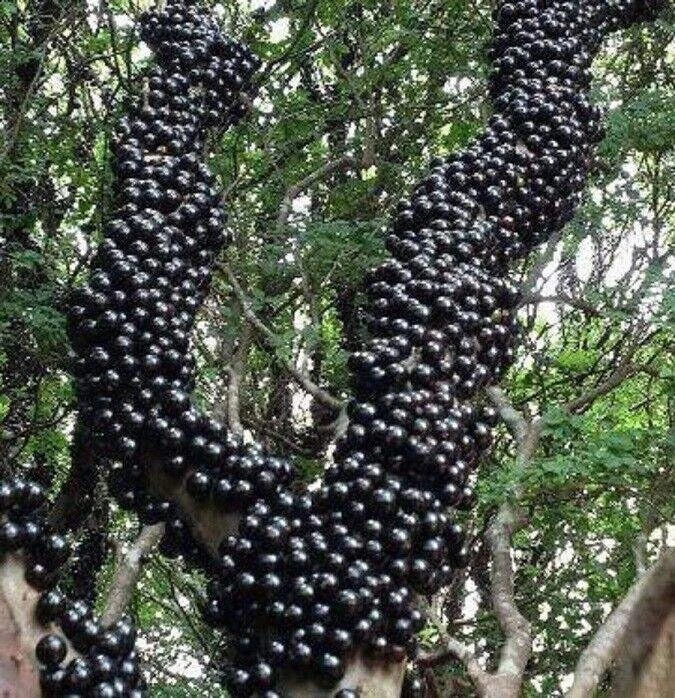
Bring an exotic touch to your garden with the jaboticaba sabara live tree, also known as the brazilian grape plant. This unique fruit tree produces delicious, grape-like berries directly on its trunk, offering both ornamental beauty and edible rewards. Ideal for tropical and subtropical climates, it’s a stunning addition for fresh eating, jams, or wine.
Estimated arrival
Sep 17
Sep 22 - Sep 24
Sep 27 - Oct 01

Reasonable Price
We offer reasonable price

Support 24/7
Contact us 24 hrs a day

100% Money Back
You've 30 days to Return

Payment Secure
100% secure payment
Overview
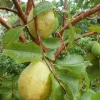
Embark on a unique gardening journey with the jaboticaba sabara live tree, a truly extraordinary specimen for any plant enthusiast. Also known as the Brazilian Grape Tree or Plinia cauliflora, this tropical fruit tree is renowned for its distinctive fruiting habit: its delicious, sweet, grape-like berries grow directly on the trunk and main branches! Native to Brazil, the Jaboticaba is not just a producer of delectable fruit; it’s also an incredibly beautiful ornamental tree, boasting glossy, dark green leaves and smooth, attractive bark. This live fruit tree is a conversation starter, perfect for edible landscaping or as a striking potted plant on your patio. Whether you’re a seasoned gardener or looking for something truly special, the jaboticaba sabara live tree offers an unparalleled experience, blending aesthetic appeal with a bountiful harvest of fresh, exotic fruit.
The Jaboticaba Sabara variety is particularly prized for its sweet flavor and relatively faster fruiting compared to other types. When you purchase a brazilian grape plant, you’re investing in a long-term source of fresh, homegrown fruit that will delight your senses and impress your guests. Its unique growth pattern and delicious yield make it a highly sought-after addition to any garden or edible landscape.
Key Benefits
The jaboticaba sabara live tree offers a multitude of benefits, making it a highly desirable plant for both its aesthetic and edible qualities. Here are some of the key advantages of growing this remarkable fruit tree:
- Unique Fruiting Habit: Experience the wonder of fruit growing directly on the trunk and branches. This unusual characteristic makes the brazilian grape plant a captivating focal point in any garden, drawing attention and sparking curiosity.
- Delicious, Sweet Fruit: Enjoy a continuous supply of fresh, succulent, grape-like berries. These fruits are perfect for eating fresh off the tree, or for making exquisite jams, jellies, wines, and juices, offering a versatile culinary ingredient.
- Ornamental Appeal: Beyond its fruit, the Jaboticaba tree is a beautiful evergreen with dense, glossy foliage and attractive, peeling bark. Its unique form and lush appearance make it an excellent choice for ornamental landscaping, adding tropical elegance to your outdoor space.
- Adaptable Growth: This tree is remarkably adaptable and can thrive in various growing conditions, both in the ground and in large containers. This flexibility makes it suitable for patios, balconies, or smaller gardens where space might be a concern.
- Long Lifespan: A well-cared-for jaboticaba sabara live tree can live for many decades, providing a continuous harvest of fruit for generations. It’s an investment that offers enduring beauty and bounty.
- Relatively Low Maintenance: Once established, the Jaboticaba tree is quite hardy and requires moderate care. With proper watering and occasional feeding, it can flourish and produce abundant fruit with minimal fuss, making jaboticaba fruit tree care manageable for most gardeners.
- Exotic Appeal: Add a touch of the tropics to your home or garden. The exotic nature of the plinia cauliflora for sale makes it a conversation piece and a source of unique flavors not commonly found in local markets.
Plant Care & Growing Tips
Proper jaboticaba fruit tree care is essential to ensure a healthy and productive plant. The Jaboticaba Sabara thrives in warm, humid environments, reminiscent of its native Brazilian habitat. When planting, choose a location with full sun to partial shade. While it can tolerate some shade, more sunlight generally leads to better fruit production. Ensure good air circulation around the tree to prevent fungal issues. If growing in a container, select a large pot (at least 15-20 gallons for mature trees) to accommodate its extensive root system and allow for growth.
The Jaboticaba prefers a slightly acidic, well-draining soil rich in organic matter. A good quality potting mix amended with compost or peat moss works well for container-grown plants. For in-ground planting, amend heavy clay soils with organic material to improve drainage. Consistent moisture is crucial, especially during dry periods and when the tree is fruiting. Do not allow the soil to dry out completely, but also avoid waterlogging, which can lead to root rot. Fertilize your jaboticaba sabara live tree with a balanced, slow-release fertilizer formulated for acid-loving plants, typically every 3-4 months during the growing season. Young trees may benefit from more frequent, lighter applications. Pruning is generally minimal, focused on removing dead or diseased branches and shaping the tree for aesthetic appeal or to manage size, especially for a brazilian grape plant in a container.
The Jaboticaba is somewhat sensitive to cold temperatures, with mature trees tolerating brief dips to around 25-28°F (-4 to -2°C). Young trees are more susceptible to frost damage and should be protected. In colder climates, it’s best grown in a container that can be moved indoors during winter. Pests are generally not a major issue, but keep an eye out for aphids or scale insects. Regular inspection and prompt treatment with organic pest control methods can keep your plinia cauliflora for sale healthy and thriving. Understanding these care requirements will help you cultivate a robust and fruitful unique fruit tree.
Size & Details
Our jaboticaba sabara live tree specimens typically range from 18 to 28 inches in height when shipped, providing a well-established young plant ready for your garden or patio. These trees are grown from seed or propagated vegetatively to ensure robust growth and genetic integrity. The growth rate of a Jaboticaba is considered moderate; young trees can take several years to reach fruiting maturity, though the Sabara variety is known for its relatively quicker fruiting compared to other types. When mature, these trees can reach heights of 10-20 feet in optimal conditions, with a similar spread, forming a dense, rounded canopy. However, they are easily maintained at a smaller size through pruning, especially when grown in containers.
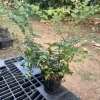
The tree will arrive in a nursery pot, with its root ball intact and protected, ready for transplanting into its permanent location or a larger container. The exact pot size may vary but will be appropriate for the plant’s current height and root development. Expect your brazilian grape plant to begin producing fruit within 3-5 years from planting, though this can vary based on growing conditions and care. The fruits themselves are small, typically 1 inch in diameter, with a dark purple skin and sweet, translucent pulp. This unique fruit tree offers a long season of interest, with multiple flushes of flowers and fruit throughout the year in warm climates.
Frequently Asked Questions
- Q: How big does this Jaboticaba tree get? A: A mature jaboticaba sabara live tree can reach 10-20 feet tall and wide in ideal conditions. However, it can be easily kept smaller through pruning, especially when grown in a container, making it a versatile option for various garden sizes.
- Q: Is this an indoor or outdoor plant? A: The Jaboticaba is primarily an outdoor tropical fruit tree, thriving in USDA zones 9-11. In colder climates, it can be grown as a container plant and brought indoors during winter, making it a flexible brazilian grape plant.
- Q: How much sunlight does it need? A: This tree prefers full sun to partial shade. While it can tolerate some shade, providing at least 6 hours of direct sunlight per day will encourage better growth and fruit production for your jaboticaba fruit tree care.
- Q: Is this plant easy to care for? A: Once established, the Jaboticaba tree is relatively low maintenance. Consistent watering, well-draining soil, and occasional fertilization are key. It’s a rewarding plant for gardeners of all experience levels looking for unique fruit trees.
- Q: What condition will it arrive in? A: Your plinia cauliflora for sale will arrive as a live, healthy plant, typically potted in a nursery container. We take great care in packaging to ensure it reaches you in excellent condition, ready for planting.
- Q: How long until it blooms and fruits? A: Jaboticaba trees grown from seed typically start bearing fruit in 3-5 years, although some varieties can take longer. The Sabara variety is known for its relatively quicker fruiting.
- Q: What is the best soil for a Jaboticaba tree? A: The Jaboticaba thrives in slightly acidic, well-draining soil rich in organic matter. A sandy loam or a good quality potting mix amended with compost is ideal.
- Q: Can I grow the Jaboticaba in a pot? A: Yes, the jaboticaba sabara live tree is an excellent candidate for container growing. Use a large pot (at least 15-20 gallons for mature plants) to allow for adequate root development and easier mobility in colder months.
- Q: Is the fruit edible directly from the tree? A: Absolutely! The fruit of the brazilian grape plant is delicious and sweet when eaten fresh off the tree. It’s also fantastic for making jams, jellies, and wines.
- Q: What are the main pests or diseases to watch out for? A: Jaboticabas are generally quite resistant to pests and diseases. Occasionally, you might encounter aphids or scale insects. Good air circulation and proper watering practices help prevent most issues.
Be the first to review “Jaboticaba Sabara Brazilian Grape Live Fruit Tree – 18-28 inches tall”
-
USDA Hardiness Zone
USDA zones 9–11 -
Soil Type
Slightly acidic, well-draining soil -
Sunlight Exposure
Full sun to partial shade -
Expected Planting Period
Year-round in warm climates; spring to summer in others
People Also Viewd
Sold 134 products
Original price was: $3,536.00.$23.99Current price is: $23.99.
Sold 131 products
Original price was: $27.00.$24.00Current price is: $24.00.
Sold 131 products
Original price was: $89.99.$64.99Current price is: $64.99.

Sold 125 products
Original price was: $86.99.$66.99Current price is: $66.99.
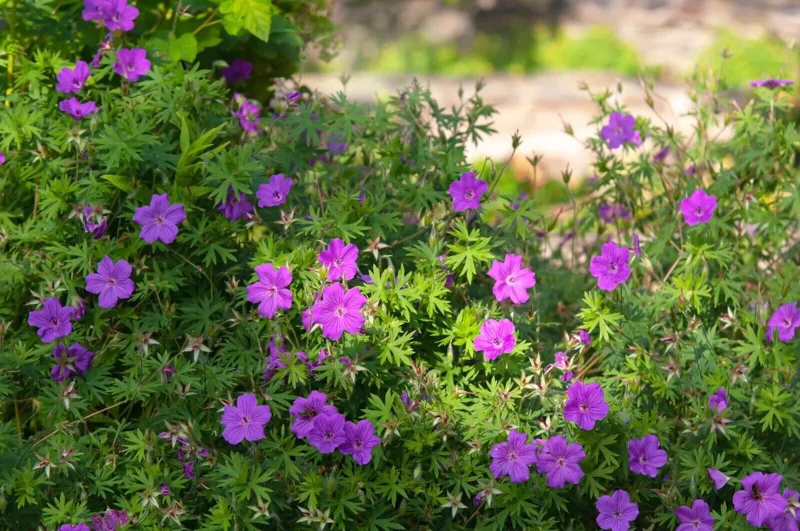
Flower Bulbs
3 Cranesbill Wild Geranium Organic Maculatums Bare Roots | Wildflower for Outdoor Garden
Sold 116 products
Original price was: $21.99.$9.99Current price is: $9.99.
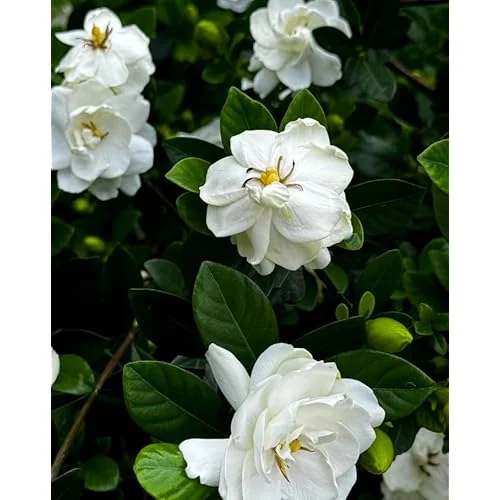
Sold 114 products
Original price was: $28.99.$17.99Current price is: $17.99.

Sold 110 products
Original price was: $63.99.$28.99Current price is: $28.99.
Sold 108 products
Original price was: $28.99.$17.99Current price is: $17.99.RELATED posts
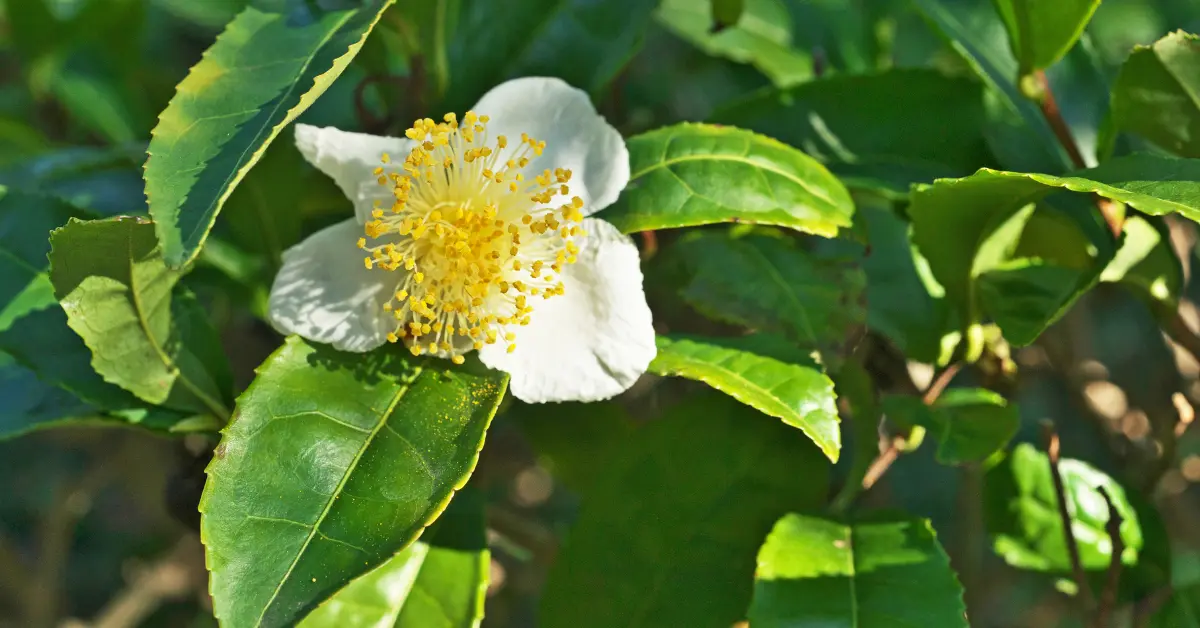
Growing Camellia Sinensis (Tea Plants) in Containers: A Complete Guide for Beginners
If you’ve ever wanted to sip a steaming, homegrown cup of fresh green, black, or [...]
Aug
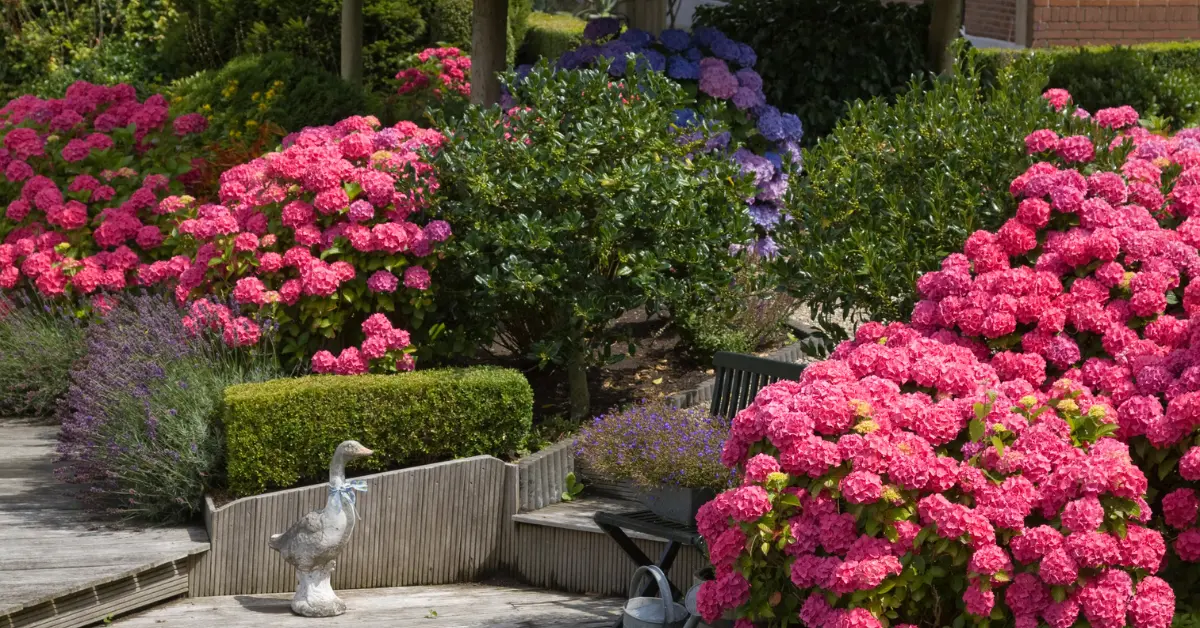
6 Best Shrubs to Plant in August You Must Try
Have you ever walked through a nursery late in the summer, admired the vibrant shrubs [...]
Aug
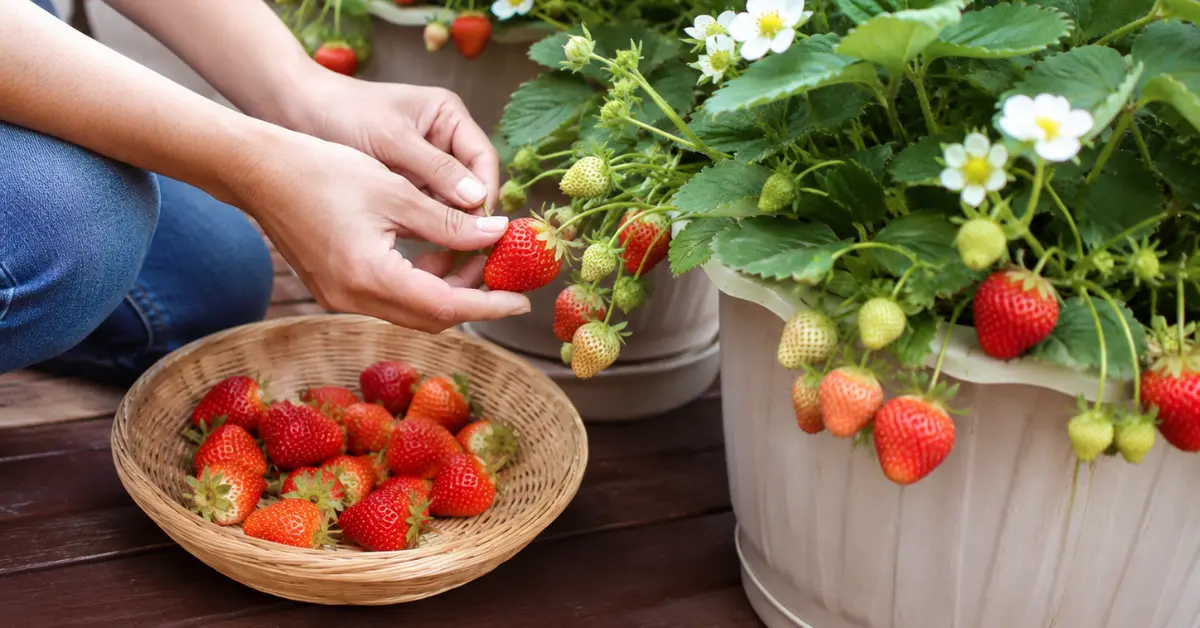
Growing Everbearing Strawberries in Containers: A Complete Guide for Beginners
Want to grow sweet, fresh strawberries but do not have a large garden? Everbearing strawberries [...]
Aug
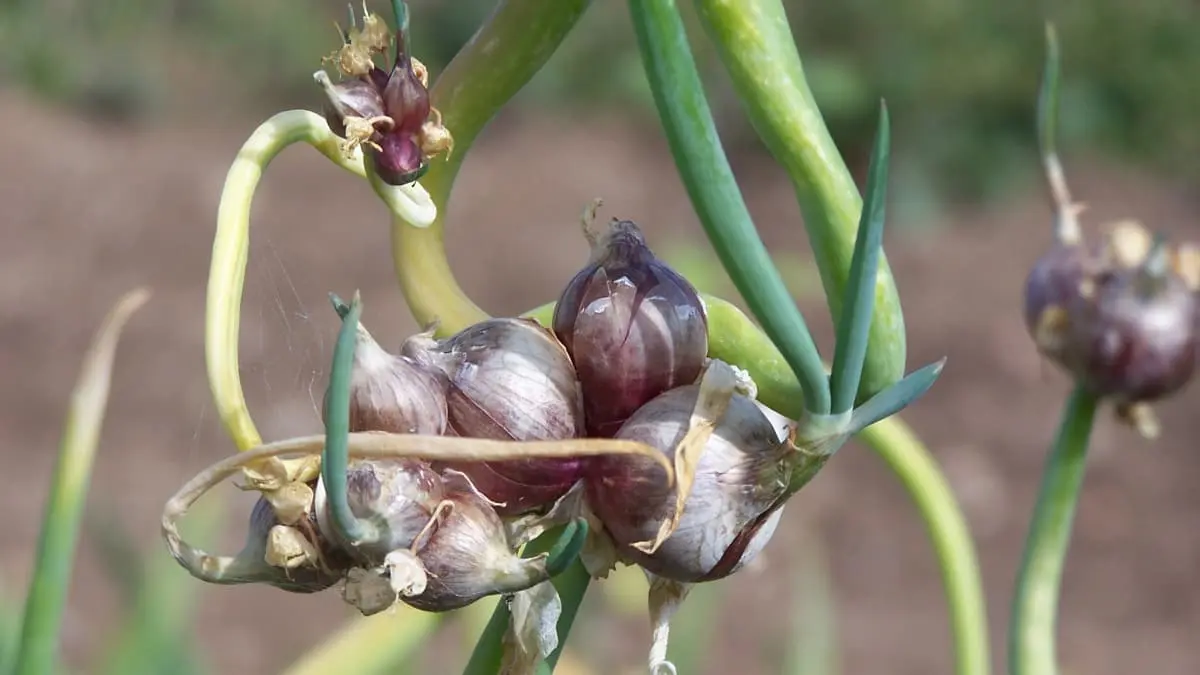
Growing Egyptian Walking Onions in Containers: A Complete Guide for Beginners
If you’re looking for a hardy, no-fuss perennial onion that keeps on giving year after [...]
Jul
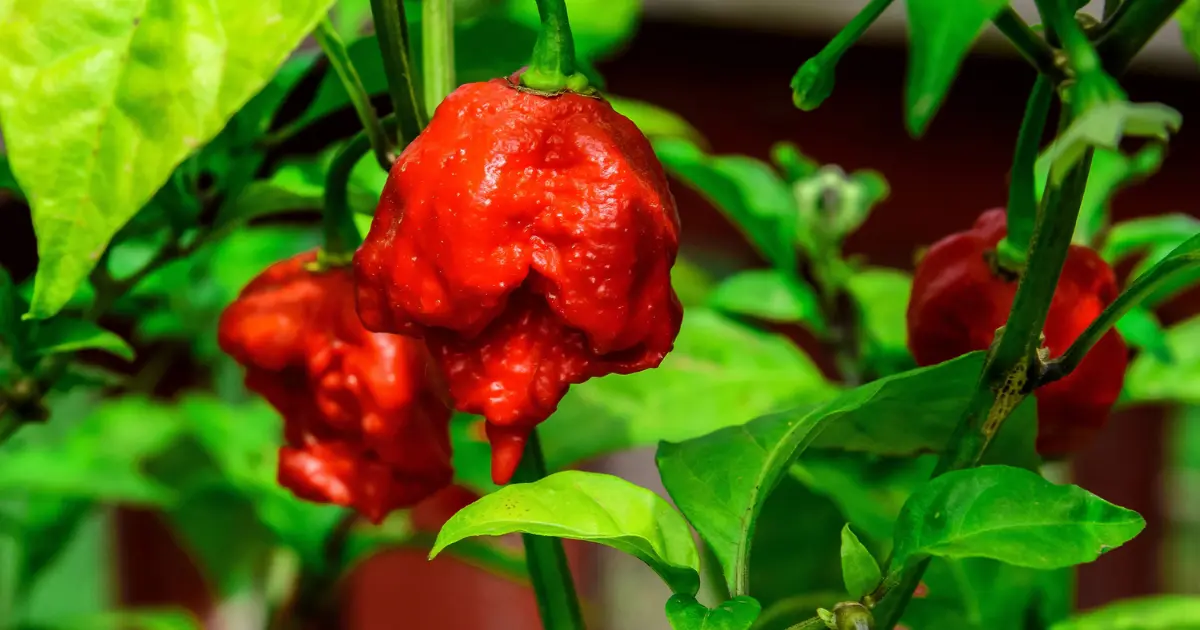
Growing Carolina Reaper Peppers in Pots: A Complete Guide for Beginners
If you’ve ever wanted to add some serious, record-breaking heat to your home cooking, you’ve [...]
May
Growing Curry Leaf Plant in Pots: A Complete Guide for Beginners
If you’re a fan of authentic South Asian cuisine, you already know that nothing compares [...]
May
5 Tips for Growing Carolina Reaper Peppers to Get the Spiciest Harvest Ever
Holding the record for one of the world’s hottest peppers, the Reaper isn’t just a [...]
May
Best Fertilizers for Zoysia Grass in 2026: Get a Lush Lawn
As we enter the new year, the time has come to think about how we [...]
Apr
Reviews
There are no reviews yet.