
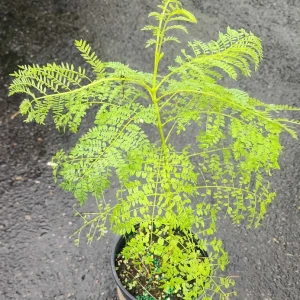
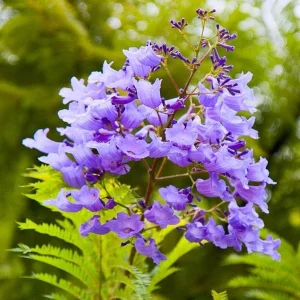
Jacaranda Mimosifolia Live Tree – Blue Jacaranda Plant 2-3 ft Tall – Outdoor
Original price was: $136.40.$86.40Current price is: $86.40.
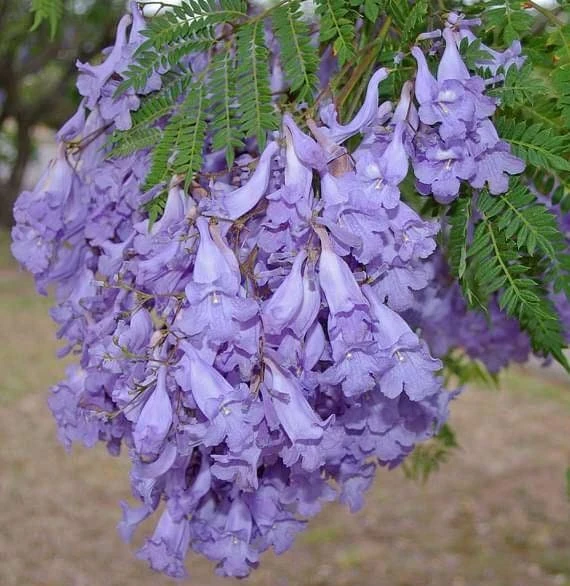
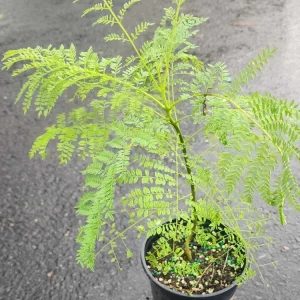
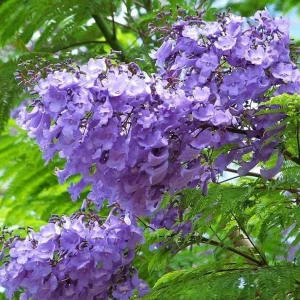
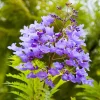
Add a touch of elegance to your landscape with a Jacaranda Mimosifolia tree. This blue Jacaranda plant (2-3 ft tall) is known for its spectacular display of lavender-blue flowers, providing shade and beauty. Ideal for warm climates and full sun.
Estimated arrival
Sep 14
Sep 19 - Sep 21
Sep 24 - Sep 28

Reasonable Price
We offer reasonable price

Support 24/7
Contact us 24 hrs a day

100% Money Back
You've 30 days to Return

Payment Secure
100% secure payment
Overview
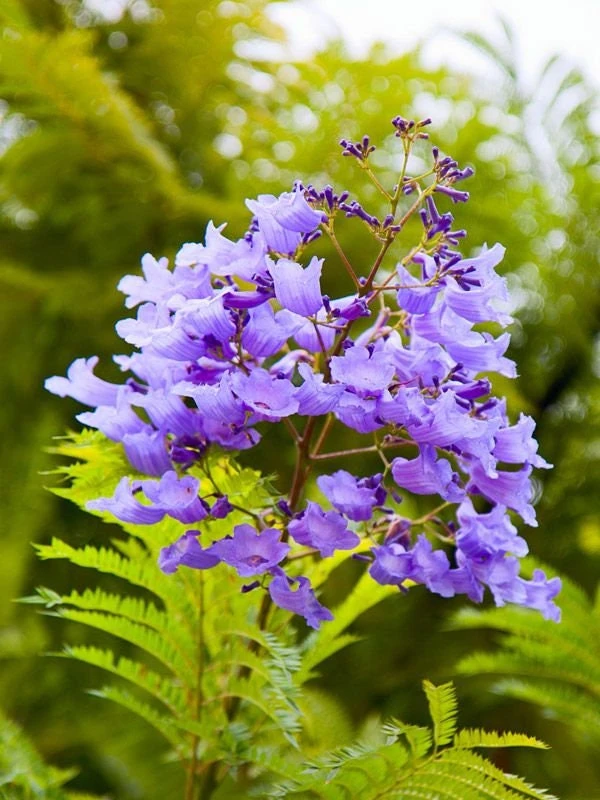
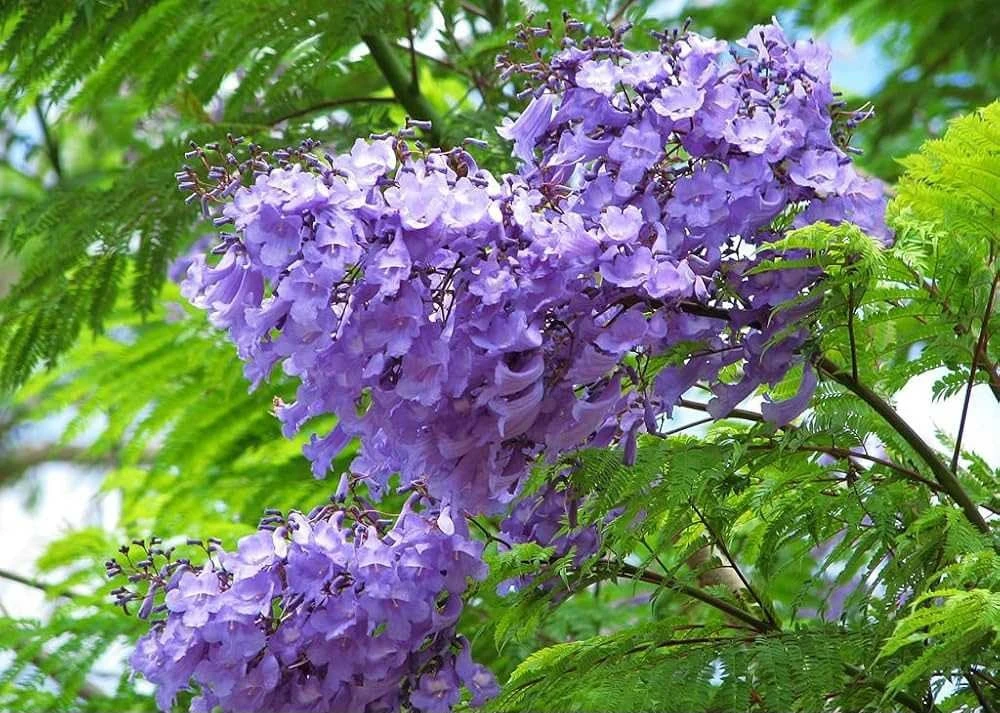
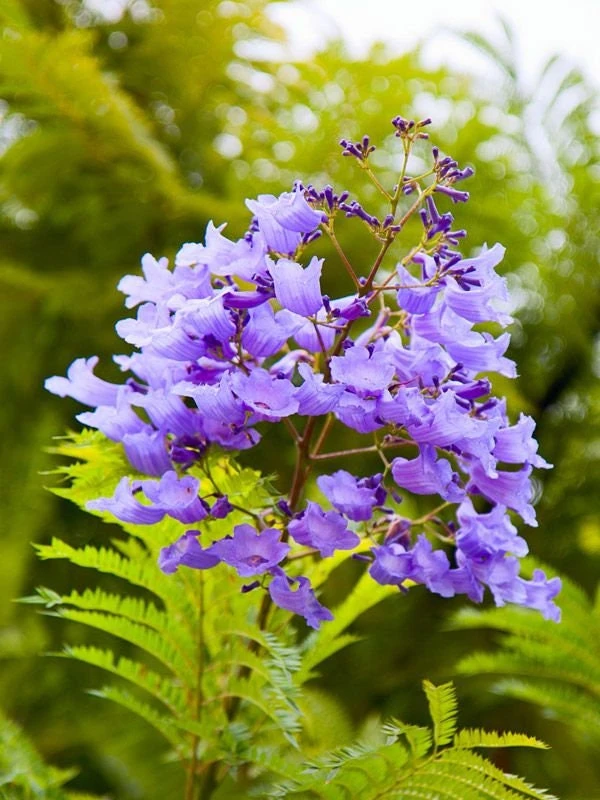
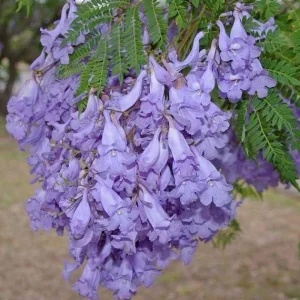
Introduce a breathtaking focal point to your outdoor space with the stunning Jacaranda Mimosifolia tree. This live blue Jacaranda plant, standing 2-3 feet tall, is a fast-growing deciduous tree celebrated for its magnificent clusters of lavender-blue, trumpet-shaped flowers. Originating from South America, the Jacaranda Mimosifolia brings a touch of tropical splendor to any garden or landscape. Its fern-like foliage provides attractive greenery throughout the year, even when not in bloom, making it a valuable addition for continuous aesthetic appeal. Perfect for creating shade and visual interest, this tree is a true showstopper that will transform your garden into a vibrant paradise.
The blue Jacaranda plant thrives in warm, sunny environments, making it an excellent choice for many US climates. Its rapid growth rate means you won’t have to wait long to enjoy its full glory. Whether you’re looking to enhance a large yard, create an avenue of color, or simply add a unique specimen to your collection, the Jacaranda Mimosifolia tree offers unparalleled beauty and a magical ambiance. Prepare to be captivated by its impressive spring and early summer blooms.
Key Benefits
Choosing a Jacaranda Mimosifolia tree for your garden brings a multitude of benefits, combining stunning visual appeal with practical landscape advantages. This remarkable tree is not just beautiful; it’s a dynamic addition that enriches your outdoor living space.
- Spectacular Blooms: Enjoy a breathtaking display of vibrant lavender-blue to purple flowers that emerge in impressive clusters during late spring and early summer. These showy blooms create a carpet of color when they fall, adding a magical touch to your garden.
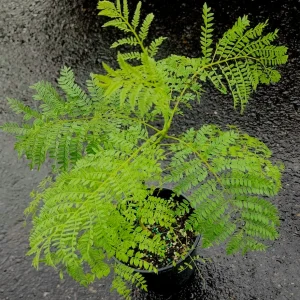
- Attractive Foliage: Beyond its flowers, the blue Jacaranda plant features delicate, fern-like green leaves that provide beauty and texture throughout the growing season, offering continuous visual interest.
- Rapid Growth: This tree grows quickly, allowing you to establish a substantial shade tree and enjoy its mature beauty sooner rather than later. Its fast development makes it a rewarding choice for new landscapes.
- Excellent Shade Provider: As it matures, the Jacaranda Mimosifolia tree develops a broad, spreading canopy, offering ample shade perfect for patios, walkways, or garden seating areas, enhancing comfort during warm months.
- Landscape Versatility: Ideal for a variety of landscape designs, from specimen planting to lining driveways or creating a striking street tree. Its unique form and color make it a standout choice.
- Drought Tolerance: Once established, the growing Jacaranda tree is remarkably tolerant of drought conditions, making it a water-wise choice for sustainable gardening in appropriate climates.
- Attracts Pollinators: The abundant flowers are a magnet for bees and other pollinators, contributing to the biodiversity and health of your garden ecosystem.
Plant Care & Growing Tips
Proper Jacaranda care is essential to ensure your Jacaranda Mimosifolia tree thrives and produces its iconic blooms. This beautiful tree prefers specific conditions to reach its full potential. For optimal growth, plant your Jacaranda in a location that receives full sun, meaning at least 6-8 hours of direct sunlight per day. Adequate sunlight is crucial for robust flowering. Choose a site with well-draining soil, as Jacarandas do not tolerate standing water. A sandy loam or loamy soil enriched with organic matter is ideal. Avoid heavy clay soils that retain too much moisture.
When it comes to watering, young trees require regular, consistent moisture to establish a strong root system. Once mature, the Jacaranda becomes quite drought-tolerant, but occasional deep watering during prolonged dry spells will benefit its health and flowering. Fertilize young trees with a balanced, slow-release granular fertilizer in early spring to encourage growth. Mature trees generally require less fertilization, perhaps once every few years, unless soil nutrients are visibly lacking. Pruning should be done after the flowering season to shape the tree and remove any dead or weak branches. Avoid heavy pruning of lower branches when the tree is young, as this can lead to weaker branch structure.
The Jacaranda Mimosifolia tree is best suited for USDA Hardiness Zones 9-11, where temperatures rarely drop below 20-25°F. In colder zones, it can be grown as a patio plant and brought indoors during winter, though it may not reach its full size or bloom as prolifically. Common problems include aphid infestations, which can usually be managed with insecticidal soap, and root rot if planted in poorly drained soil. By following these growing Jacaranda tips, you can ensure your tree remains healthy and vibrant for years to come.
Size & Details
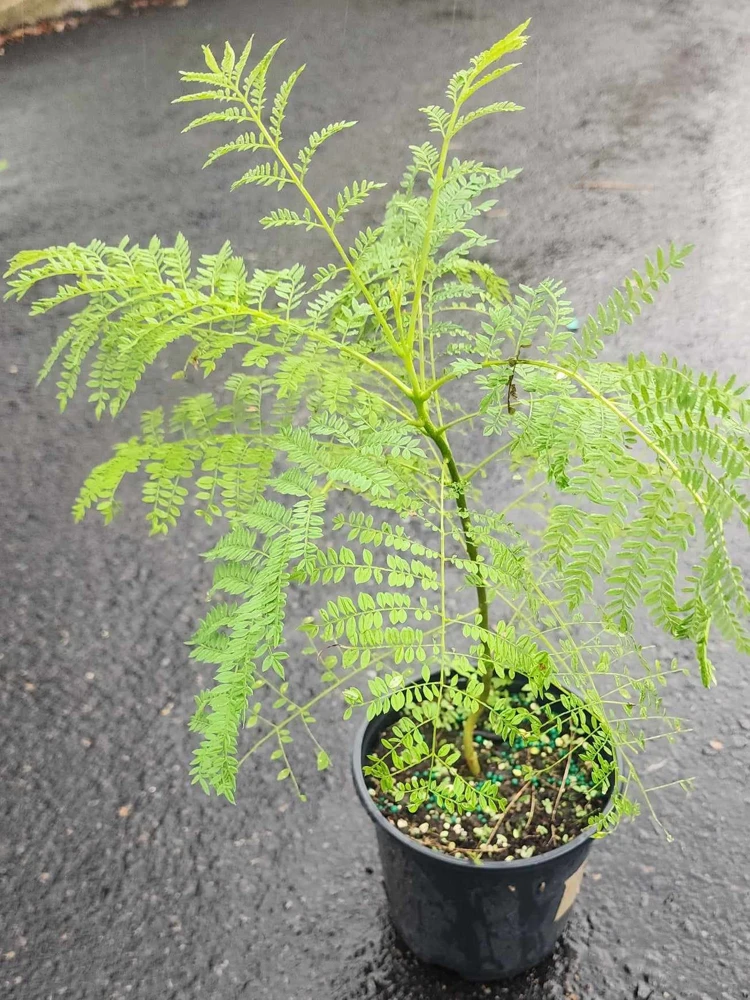
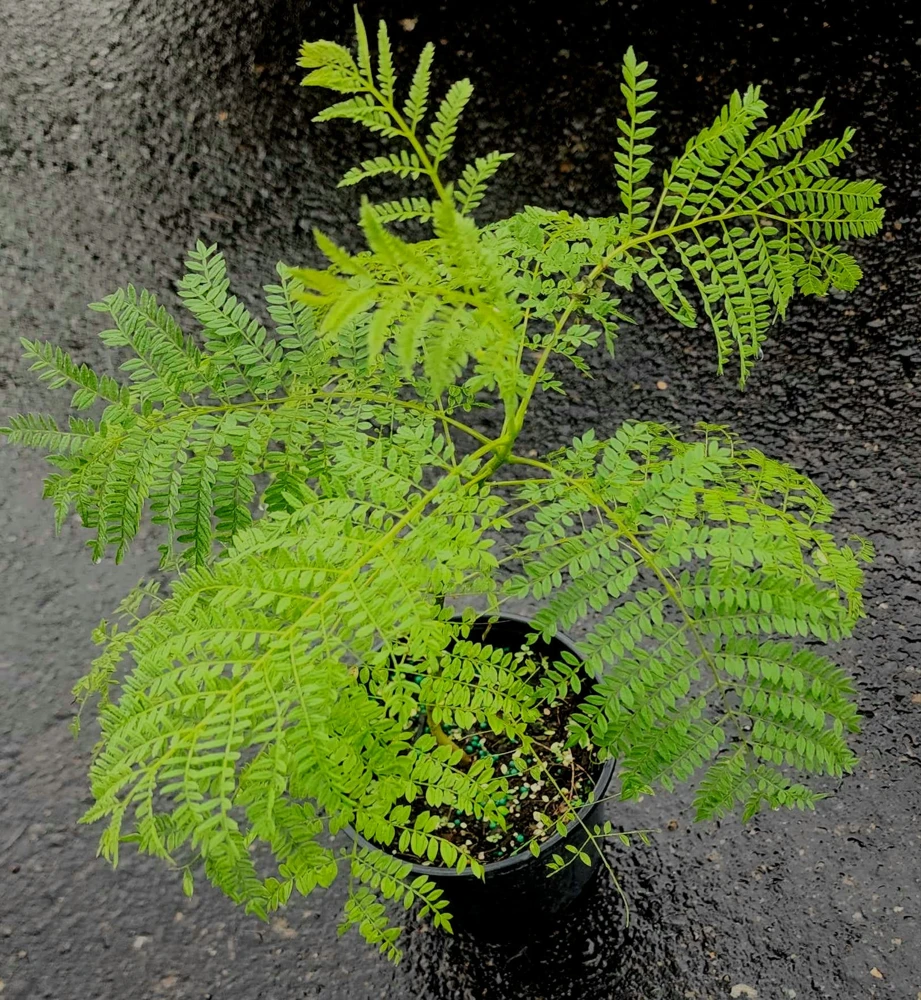
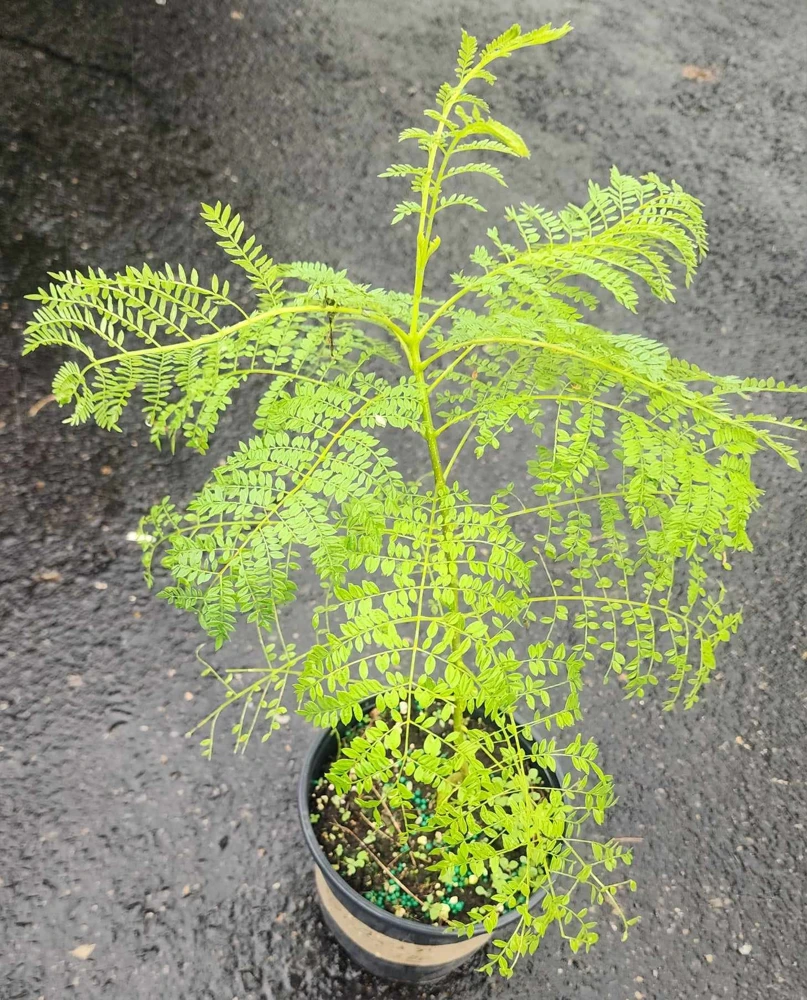
This offering is for a live Jacaranda Mimosifolia tree, typically measuring 2-3 feet in height upon arrival. These young trees are grown in nursery pots, ready for transplanting into your garden. Jacarandas are known for their rapid growth rate, and under ideal conditions, they can quickly establish themselves, adding significant height and spread to your landscape each year. Mature Jacaranda trees can reach impressive heights of 25-50 feet with a similar spread, forming a beautiful, umbrella-shaped canopy. The exact dimensions will vary based on growing conditions and climate.
Your blue Jacaranda plant will arrive carefully packaged to ensure its health during transit. It is a deciduous tree, meaning it will shed its leaves in the cooler months, especially in areas with a distinct winter season. The spectacular lavender-blue flowers typically appear in late spring to early summer, transforming the tree into a vibrant spectacle. This tree is ideal for those looking for an impactful addition to their outdoor space that provides both beauty and shade. Understanding the mature size is key for proper placement in your garden, ensuring it has ample space to flourish and display its full glory.
Frequently Asked Questions
- Q: How big does this Jacaranda Mimosifolia tree get? A: The Jacaranda Mimosifolia tree can reach an impressive height of 25-50 feet and spread just as wide at maturity, providing substantial shade and a stunning visual presence in your landscape.
- Q: Is this an indoor or outdoor plant? A: This is primarily an outdoor tree, best suited for warm climates in USDA Zones 9-11. While young plants can be overwintered indoors in colder regions, it thrives best when planted in the ground outdoors.
- Q: How much sunlight does the blue Jacaranda plant need? A: The blue Jacaranda plant requires full sun, meaning at least 6-8 hours of direct sunlight daily, to ensure vigorous growth and abundant flowering.
- Q: Is this plant easy to care for? A: Once established, Jacaranda care is relatively low-maintenance, especially in appropriate climates. Young trees require more attention with watering and protection from frost.
- Q: What condition will the Jacaranda Mimosifolia tree arrive in? A: Your Jacaranda Mimosifolia tree will arrive as a live, healthy plant, typically 2-3 feet tall, in a nursery pot, ready for planting. We take great care in packaging to ensure safe transit.
- Q: When is the best time to plant a growing Jacaranda tree? A: The best time for growing Jacaranda trees is in the spring or early summer, after the last frost, to allow the tree ample time to establish its root system before winter.
- Q: Will it survive winter in my zone? A: The Jacaranda Mimosifolia is winter hardy in USDA Zones 9-11. If you are in a colder zone, you may need to provide winter protection or grow it in a container that can be moved indoors.
- Q: What kind of soil does this tree prefer? A: This tree prefers well-draining soil, such as sandy loam, and does not tolerate standing water. Good drainage is crucial for preventing root rot.
- Q: How often should I water my outdoor flowering trees? A: Young outdoor flowering trees like the Jacaranda need regular watering to establish. Once mature and established, they are drought-tolerant but will benefit from deep watering during dry periods.
- Q: Does this Jacaranda Mimosifolia tree attract pollinators? A: Yes, the abundant, nectar-rich flowers of the Jacaranda Mimosifolia tree are very attractive to bees and other pollinators, contributing to garden biodiversity.
Be the first to review “Jacaranda Mimosifolia Live Tree – Blue Jacaranda Plant 2-3 ft Tall – Outdoor”
-
USDA Hardiness Zone
USDA Zones 9-11 -
Soil Type
Well-draining soil, sandy loam -
Sunlight Exposure
Full sun -
Expected Planting Period
Spring to early summer
People Also Viewd


Sold 134 products
Original price was: $3,536.00.$23.99Current price is: $23.99.

Sold 131 products
Original price was: $27.00.$24.00Current price is: $24.00.

Sold 130 products
Original price was: $89.99.$64.99Current price is: $64.99.

Sold 125 products
Original price was: $86.99.$66.99Current price is: $66.99.

Flower Bulbs
3 Cranesbill Wild Geranium Organic Maculatums Bare Roots | Wildflower for Outdoor Garden
Sold 116 products
Original price was: $21.99.$9.99Current price is: $9.99.

Sold 114 products
Original price was: $28.99.$17.99Current price is: $17.99.
Sold 110 products
Original price was: $63.99.$28.99Current price is: $28.99.
Sold 108 products
Original price was: $28.99.$17.99Current price is: $17.99.RELATED posts
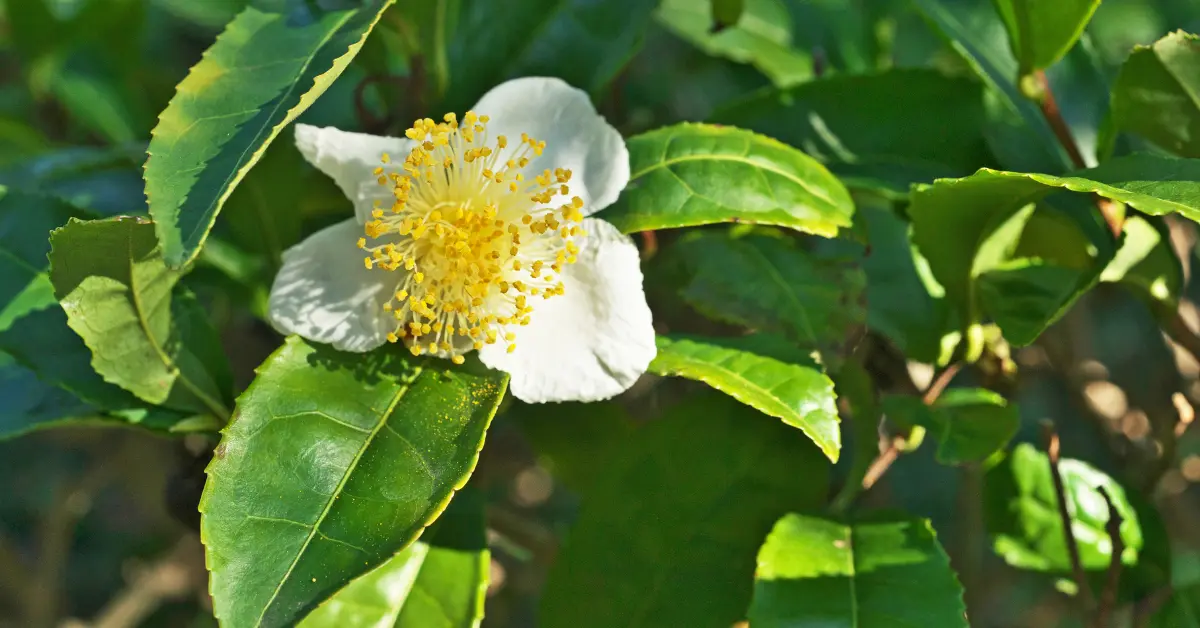
Growing Camellia Sinensis (Tea Plants) in Containers: A Complete Guide for Beginners
If you’ve ever wanted to sip a steaming, homegrown cup of fresh green, black, or [...]
Aug
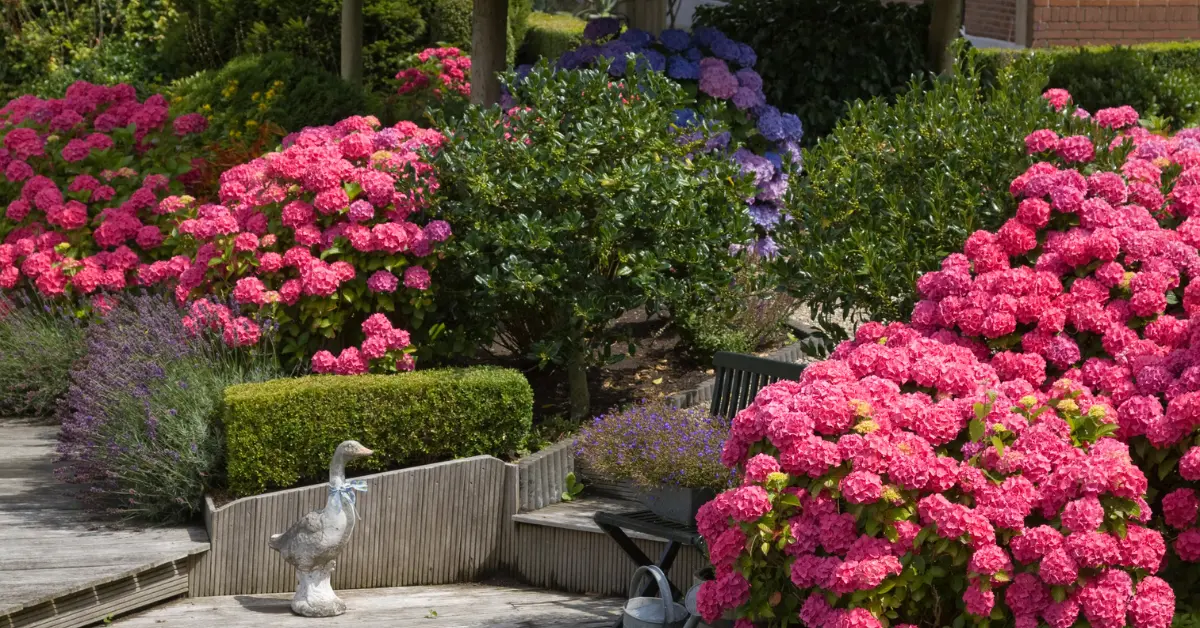
6 Best Shrubs to Plant in August You Must Try
Have you ever walked through a nursery late in the summer, admired the vibrant shrubs [...]
Aug
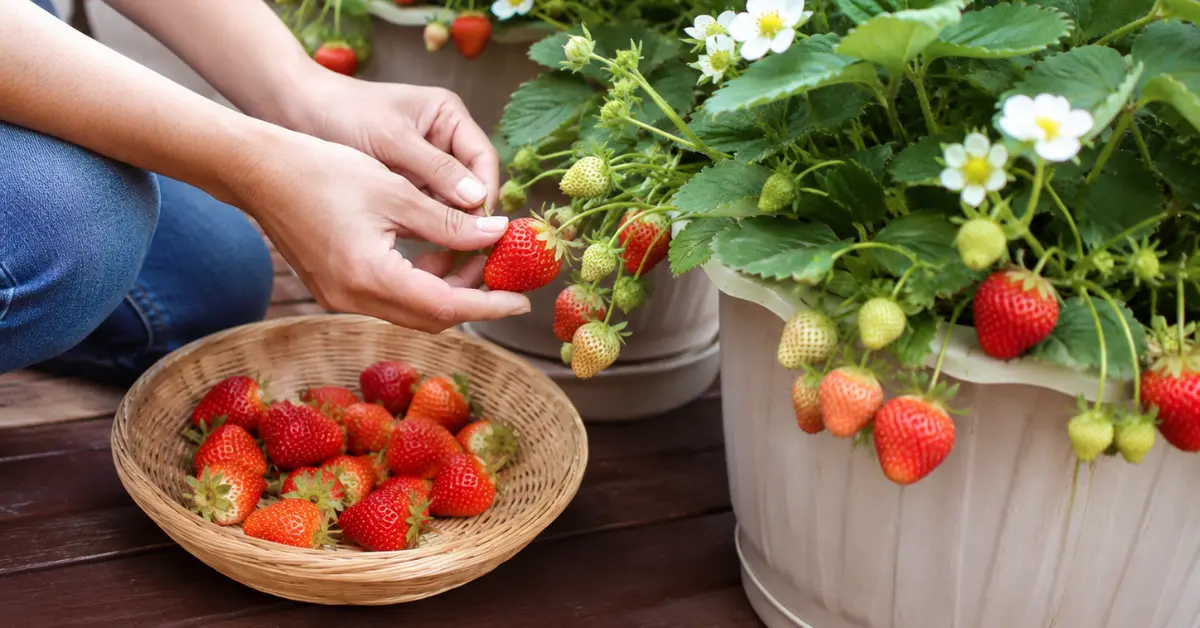
Growing Everbearing Strawberries in Containers: A Complete Guide for Beginners
Want to grow sweet, fresh strawberries but do not have a large garden? Everbearing strawberries [...]
Aug
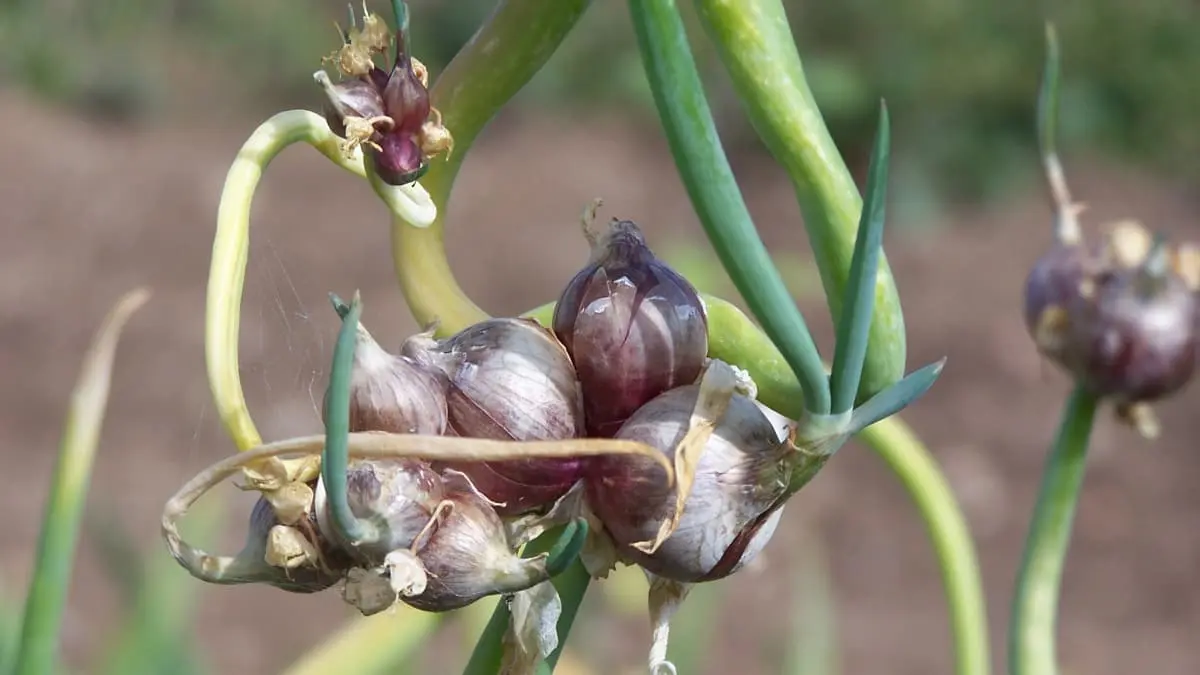
Growing Egyptian Walking Onions in Containers: A Complete Guide for Beginners
If you’re looking for a hardy, no-fuss perennial onion that keeps on giving year after [...]
Jul
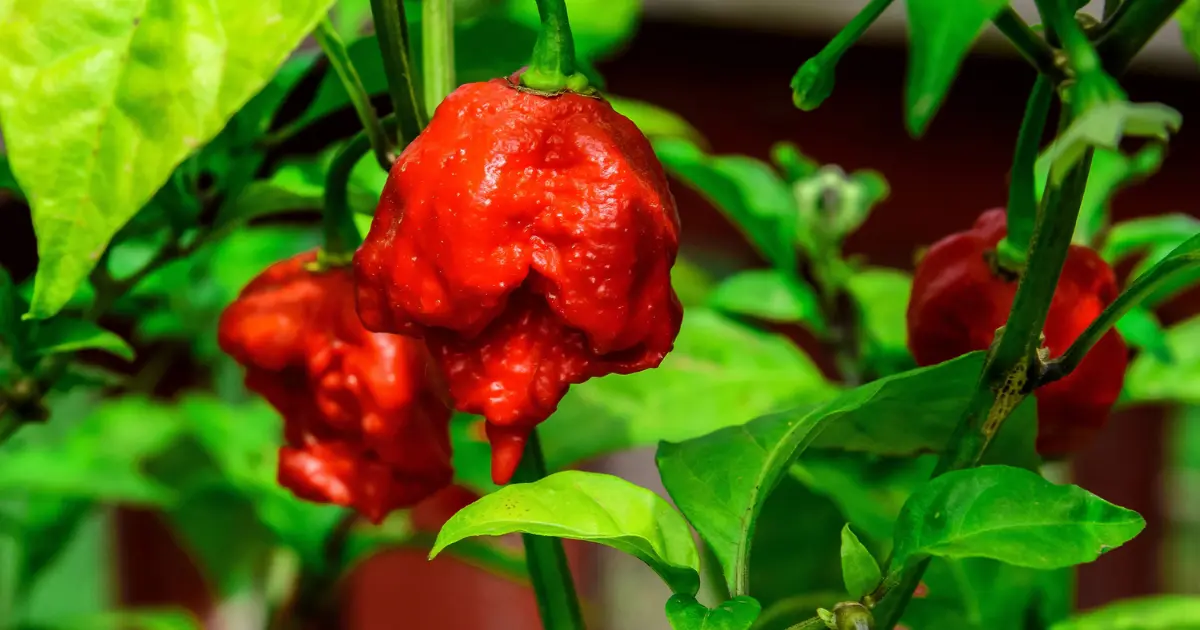
Growing Carolina Reaper Peppers in Pots: A Complete Guide for Beginners
If you’ve ever wanted to add some serious, record-breaking heat to your home cooking, you’ve [...]
May
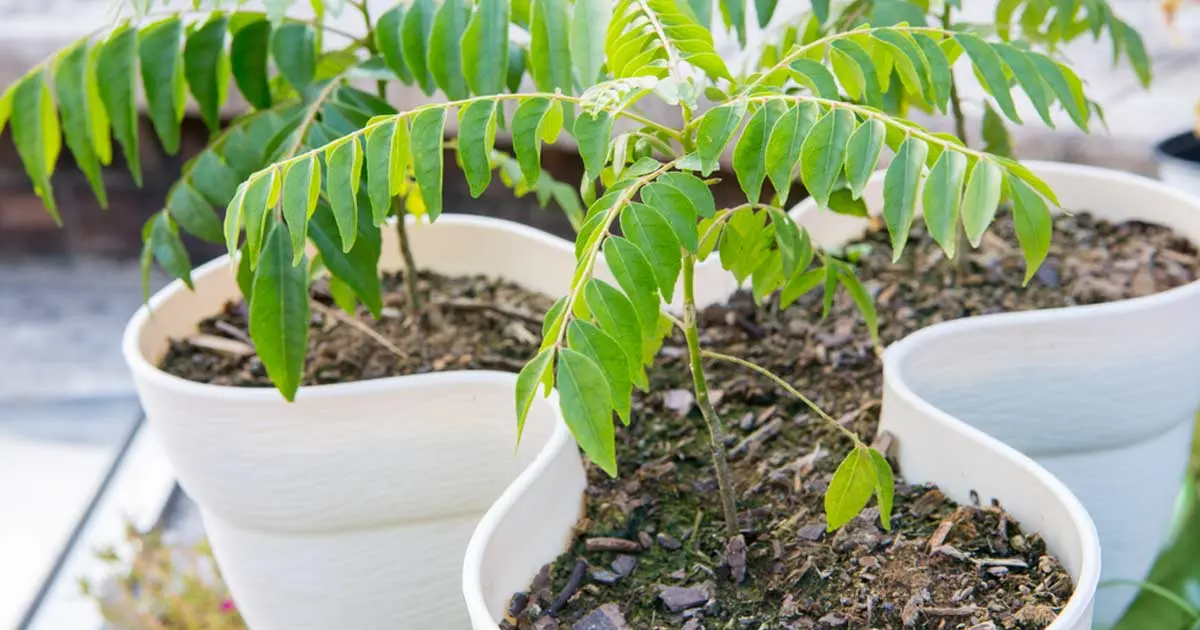
Growing Curry Leaf Plant in Pots: A Complete Guide for Beginners
If you’re a fan of authentic South Asian cuisine, you already know that nothing compares [...]
May
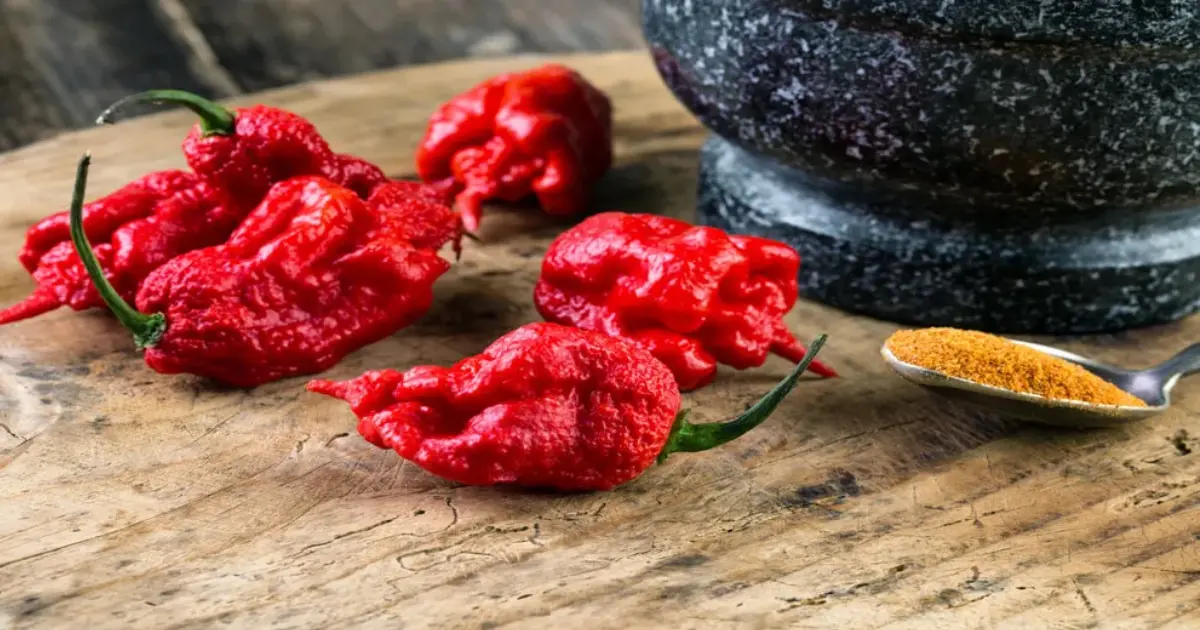
5 Tips for Growing Carolina Reaper Peppers to Get the Spiciest Harvest Ever
Holding the record for one of the world’s hottest peppers, the Reaper isn’t just a [...]
May
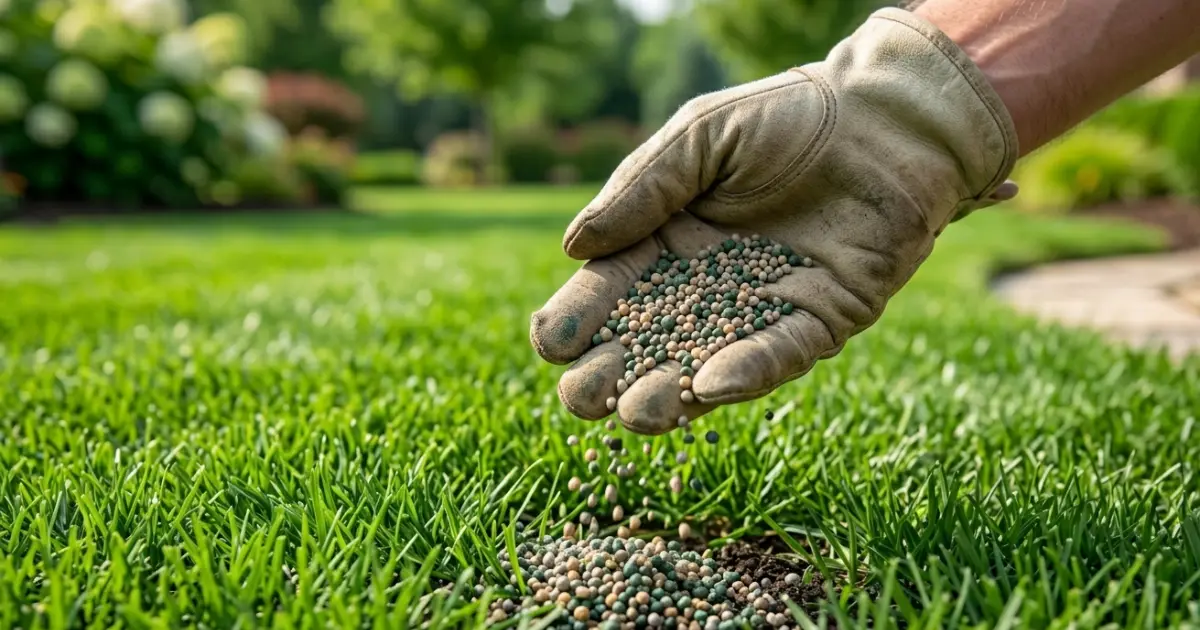
Best Fertilizers for Zoysia Grass in 2026: Get a Lush Lawn
As we enter the new year, the time has come to think about how we [...]
Apr
Reviews
There are no reviews yet.